
Hotels by Trip.com
Flights by Trip.com
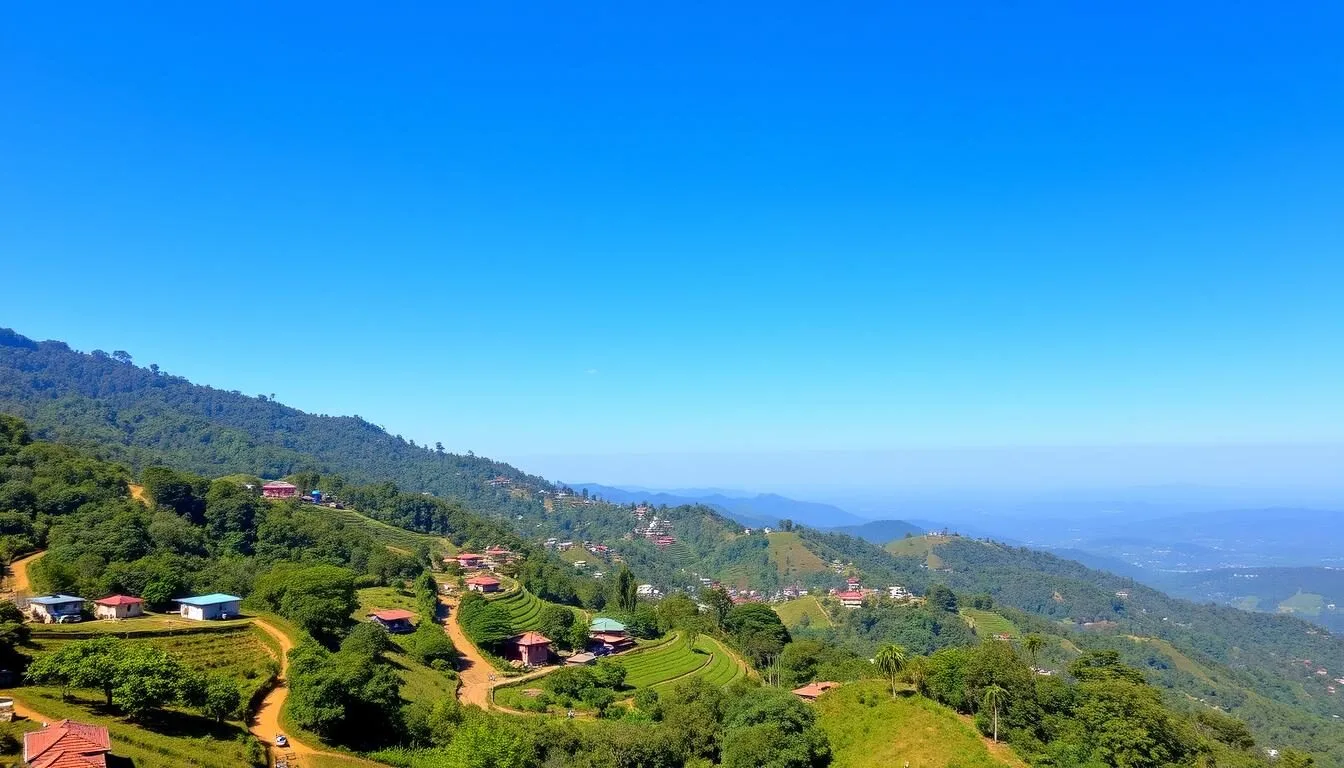
Did you know that Kohima is home to the Hornbill Festival, one of India’s most vibrant cultural celebrations that brings together all 16 major Naga tribes in a spectacular 10-day event? This fascinating capital city of Nagaland, nestled at an elevation of 1,444 m (4,738 ft) in Northeast India, offers visitors a rare glimpse into tribal traditions that have remained largely unchanged for centuries, despite the region’s tumultuous history.
Getting There & Planning Your Journey
Reaching Kohima requires some planning, but the journey is well worth the effort. The closest airport is Dimapur Airport (DMU), located about 74 km (46 miles) from Kohima. Direct flights connect Dimapur to major Indian cities like Kolkata, Guwahati, and Delhi.
From Dimapur, you can hire a taxi to Kohima, which takes approximately 2-3 hours depending on road conditions. Shared taxis are also available at more affordable rates. Alternatively, Nagaland State Transport buses run regularly between Dimapur and Kohima.
For those preferring rail travel, Dimapur Railway Station is well-connected to major cities across India. From there, you’ll need to continue by road to Kohima.
When planning your journey, remember that an Inner Line Permit (ILP) is required for all non-Nagaland residents to enter the state. These can be obtained online through the Nagaland government portal or in person at Nagaland Houses in major cities like Delhi, Kolkata, and Guwahati.
Best Time to Visit & Weather Tips
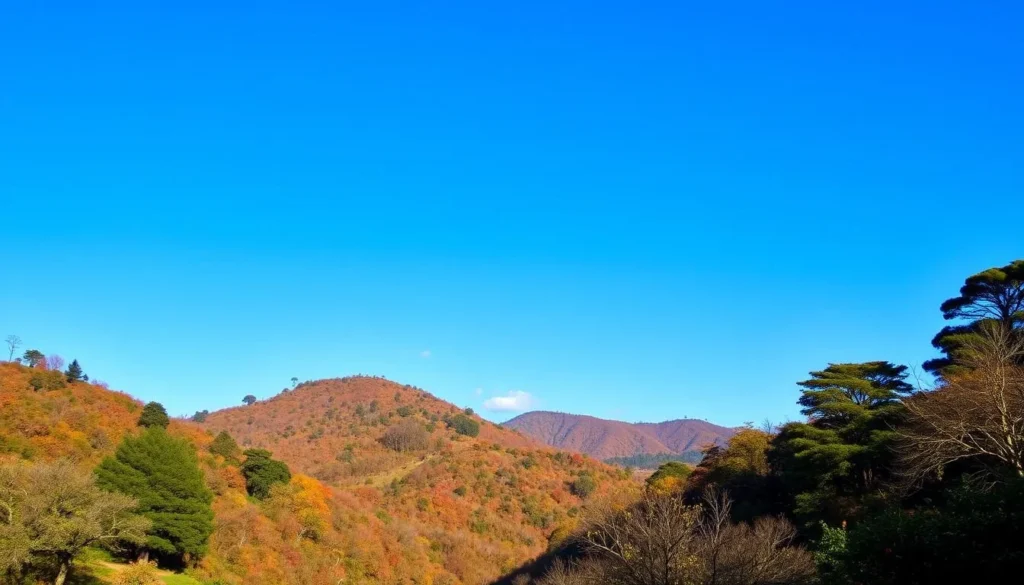
Kohima experiences a pleasant subtropical highland climate, making certain months ideal for your visit:
Recommended Seasons:
- October to June: The best time to visit Kohima, with clear skies and comfortable temperatures ranging from 16°C to 24°C (61°F to 75°F).
- December: Ideal for experiencing the famous Hornbill Festival, though accommodations should be booked well in advance.
- March to April: Spring brings blooming rhododendrons and clear mountain views.
- October to November: Post-monsoon season offers lush green landscapes and pleasant weather.
Seasons to Avoid:
- June to September: Monsoon season brings heavy rainfall, landslides, and foggy conditions that can limit visibility and travel options.
- January: While scenic with occasional snowfall on surrounding peaks, temperatures can drop to 4°C (39°F), making outdoor activities challenging.
Pack layers regardless of when you visit, as mountain weather can be unpredictable. Mornings and evenings are typically cooler than midday, even during warmer months. A light raincoat is advisable year-round.
Getting Around Locally
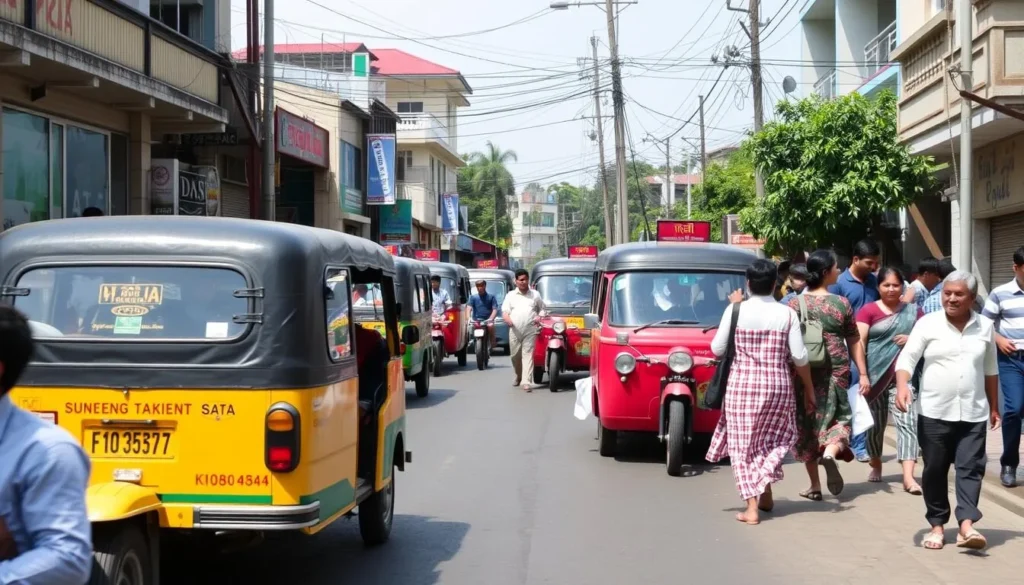
Navigating Kohima’s hilly terrain requires some planning. Here are your best options for getting around:
- Walking: The most authentic way to experience Kohima’s charm, especially in the central areas. The city is relatively compact, though be prepared for steep inclines and steps.
- Shared Taxis: The primary mode of public transport in Kohima. These follow fixed routes and are very affordable, though they can get crowded during peak hours.
- Private Taxis: Available for hire throughout the city, offering convenience for day trips to nearby attractions. Negotiate and agree on fares before starting your journey.
- Two-Wheeler Rentals: Scooters and motorcycles can be rented for around ₹800-1,200 per day, providing flexibility for exploring at your own pace.
- Local Guides: For visits to tribal villages and remote areas, hiring a local guide with transportation is highly recommended, both for navigation and cultural insights.
Kohima’s narrow roads can get congested, especially during market days. Plan extra time for travel within the city, particularly if you have scheduled activities. Most attractions within the city can be covered on foot if you’re reasonably fit, but transportation is essential for visiting outlying villages and natural attractions.
Where to Stay
Check 30,000+ Local Sightseeing Tours Worldwide
✓ Numerous languages and currencies are available
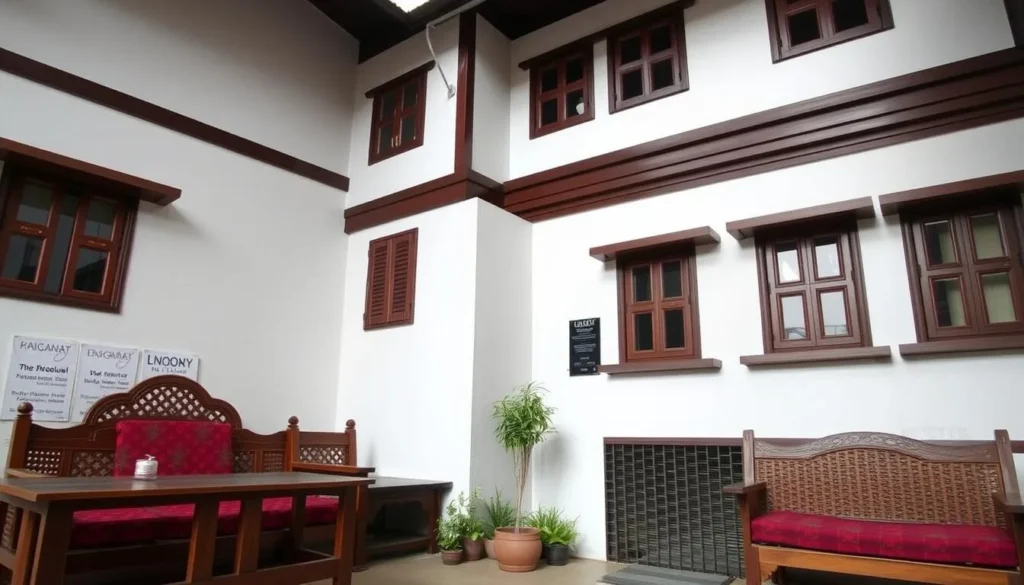
Kohima offers a range of accommodation options to suit different budgets and preferences:
Luxury Options
- Niraamaya Retreats Aradura: Offering panoramic views of the Kohima hills with upscale amenities and traditional Naga architectural elements.
- Hotel Vivor: A modern hotel with spacious rooms, restaurant, and conference facilities in the heart of the city.
Mid-Range Stays
- The Heritage: Combining traditional Naga aesthetics with modern comforts, located near the city center.
- Hotel Japfü: Offering comfortable rooms with mountain views and reliable service.
- Lorin BnB: Well-rated for its cleanliness and hospitality, with home-cooked meals available.
Budget & Authentic Stays
- Morung Lodge: A budget-friendly option with traditional Naga-style accommodations.
- Mechüki Backpacker Hostel: Affordable dormitory and private rooms popular with solo travelers.
- Touphema Tourist Village: Traditional Naga huts offering an authentic cultural experience about 41 km from Kohima.
During the Hornbill Festival in December, accommodations throughout Kohima fill up quickly. Booking at least 2-3 months in advance is essential for this period. Many homestays and smaller guesthouses may not have online booking options, so calling ahead is recommended.
Dining & Local Cuisine

Naga cuisine is distinctive and flavorful, known for its simplicity, fermented ingredients, and generous use of chili. Here’s what to expect and where to find the best local food:
Must-Try Naga Dishes
- Smoked Pork: A staple in Naga cuisine, often prepared with axone (fermented soybean) and raja mircha (king chili).
- Bamboo Shoot: Fresh or fermented bamboo shoots feature prominently in many dishes.
- Galho: A comforting rice porridge cooked with vegetables and sometimes meat.
- Axone: Fermented soybean paste used as a flavoring in various dishes.
- Raja Mircha (Bhut Jolokia): One of the world’s hottest chilies, used sparingly to add heat to dishes.
- Zutho: Traditional rice beer with a slightly sour taste, often served during celebrations.
Where to Eat in Kohima
- Naga Kitchen: Authentic Naga cuisine in a casual setting, popular with locals and tourists alike.
- The Hut: Offers traditional Naga dishes with modern presentation.
- D Café: Great for coffee and light meals, with live music on Wednesday evenings.
- Orami: Serves both Naga specialties and continental options.
- Naga Bazaar: For the adventurous, visit the local market to sample authentic street food and ingredients.
Naga cuisine can be extremely spicy, so don’t hesitate to ask for milder versions if you’re sensitive to heat. Vegetarians should note that traditional Naga cuisine is heavily meat-based, though most restaurants now offer vegetarian options. For an authentic experience, try dining at a local homestay where meals are often included and prepared in traditional style.
Attractions, Sightseeing & Activities
Historical Sites
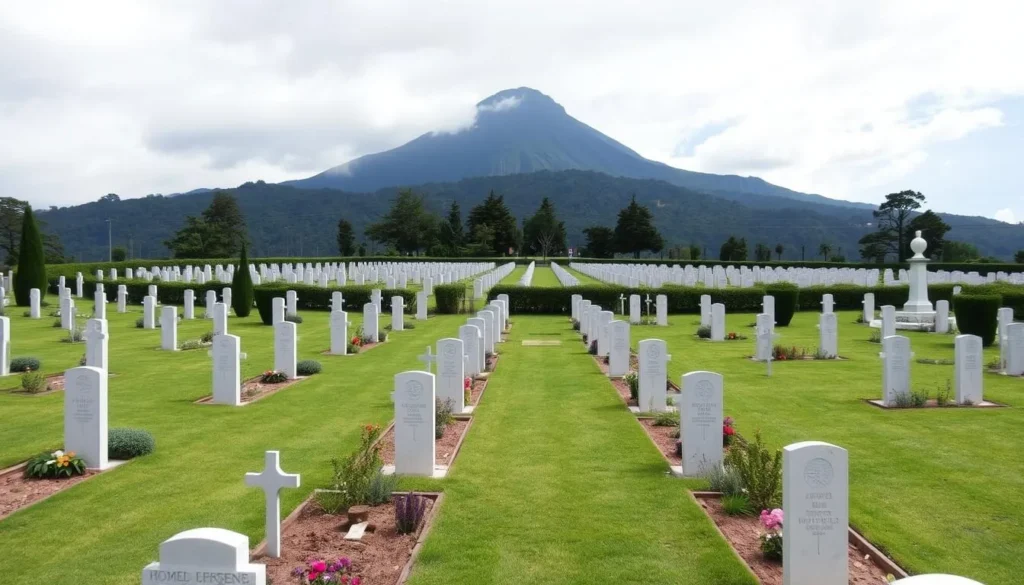
- Kohima War Cemetery: A solemn memorial dedicated to the Allied soldiers who lost their lives during the Battle of Kohima in World War II. The cemetery features 1,420 Commonwealth burials and is beautifully maintained with an inscription that reads, “When you go home, tell them of us and say, for your tomorrow, we gave our today.”
- Kohima World War II Museum: Located near the war cemetery, this museum houses artifacts, photographs, and documents related to the Battle of Kohima, providing insights into this pivotal moment in history.
- Heritage DC Bungalow: A colonial-era building that once served as the residence of the Deputy Commissioner during British rule, offering a glimpse into Kohima’s colonial past.
Cultural Attractions
- Nagaland State Museum: Houses a rich collection of artifacts showcasing Naga tribal heritage, including traditional weapons, costumes, jewelry, and household items.
- Kisama Heritage Village: Located 10 km from Kohima, this cultural village serves as the venue for the annual Hornbill Festival and features traditional morung (youth dormitories) representing different Naga tribes.
- Kohima Cathedral: One of the largest cathedrals in Northeast India, featuring beautiful architecture and peaceful surroundings.
- Naga Bazaar: Experience local life at this vibrant market where you can find everything from traditional handicrafts to exotic local ingredients.
Village Experiences
- Khonoma Village: Known as India’s first green village, Khonoma is famous for its terraced rice fields and sustainable practices. Located 20 km from Kohima, it offers insights into traditional Angami Naga life.
- Touphema Village: A tourist village about 41 km from Kohima where visitors can stay in traditional huts and experience Naga culture firsthand.
- Kohima Village (Bara Basti): One of the oldest and largest villages in Asia, offering a glimpse into authentic Naga tribal life.
Most attractions in Kohima are open from 9:00 AM to 4:00 PM, though hours may vary. The War Cemetery closes on Sundays. For village visits, it’s best to arrive early in the day to fully experience daily life and ensure transportation back to Kohima.
Museums, Cultural Spots & Festivals
Museums & Cultural Institutions
- Nagaland State Museum: Located in Bayavü Hill, this museum offers comprehensive insights into Naga history and culture through its collection of artifacts, traditional attire, weapons, and household items.
- Kohima World War II Museum: Beyond war artifacts, this museum contextualizes the impact of WWII on Naga society and the region’s subsequent history.
- Anthropological Museum: Houses exhibits on the diverse Naga tribes, their customs, and traditional practices.
Cultural Experiences
- Traditional Naga Wrestling: If your visit coincides with a match, don’t miss this culturally significant sport, especially popular at the central ground in Kohima.
- Handicraft Workshops: Several cultural centers offer workshops on traditional Naga crafts like weaving, woodcarving, and beadwork.
- Cultural Performances: Evening cultural shows featuring traditional music and dance are regularly held at Kisama Heritage Village and sometimes at hotels in Kohima.
Major Festivals
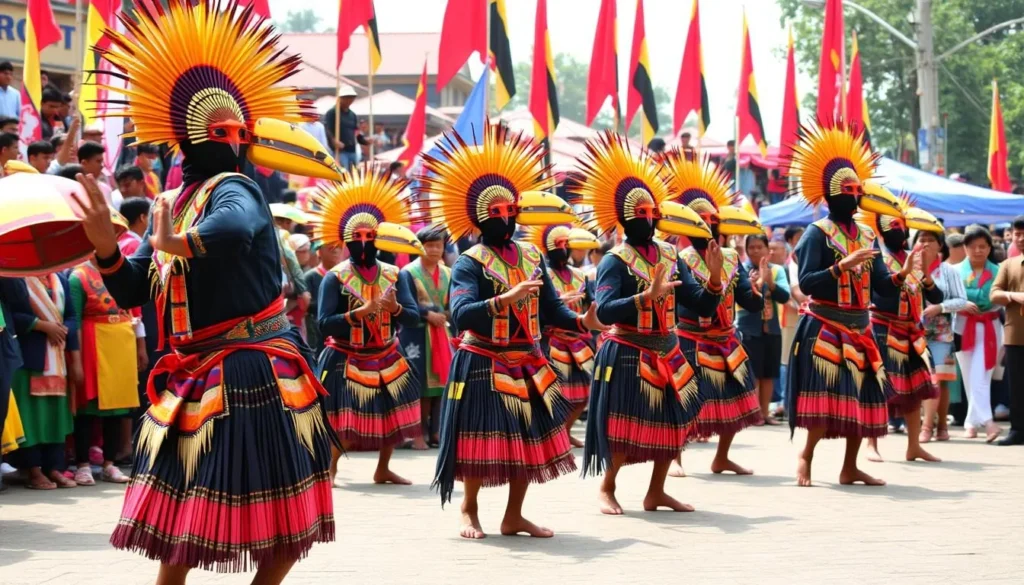
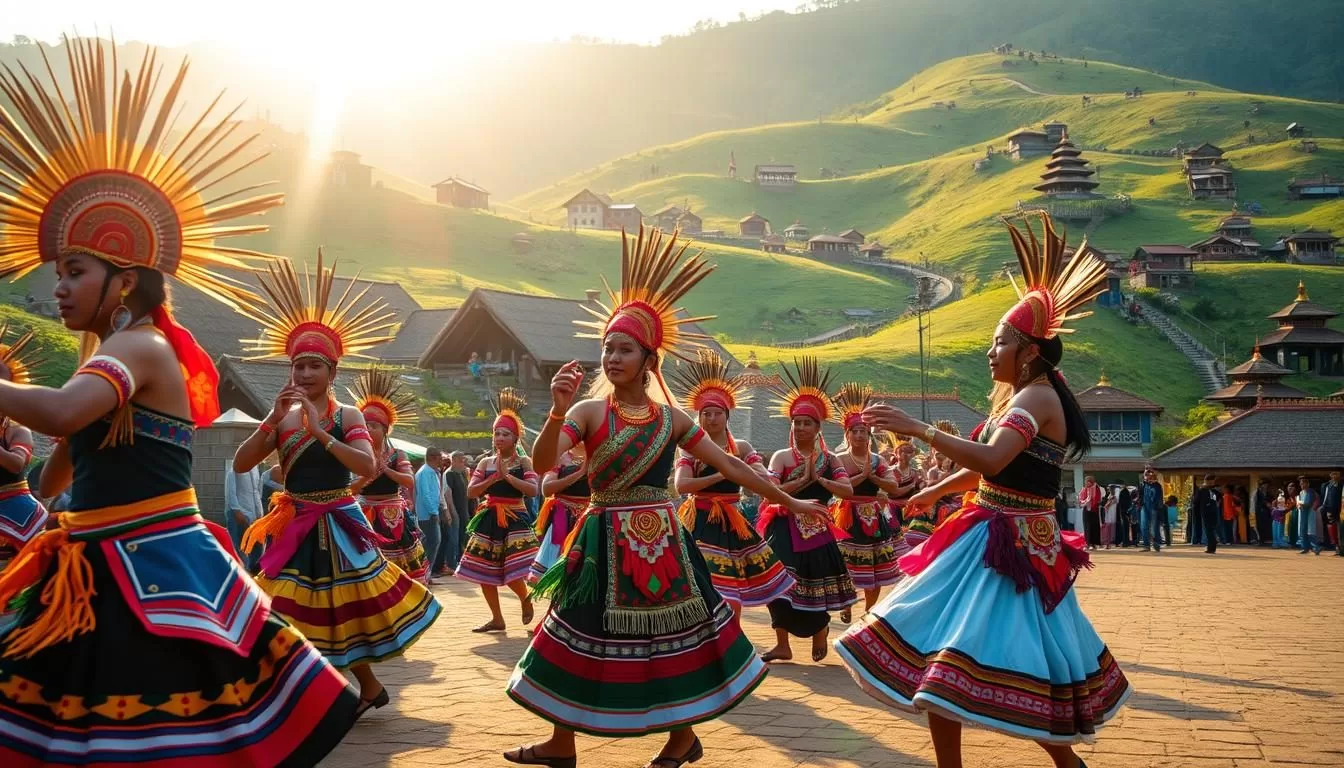
- Hornbill Festival (December 1-10): The most famous festival in Nagaland, showcasing the traditions of all major Naga tribes through cultural performances, crafts, sports, food, and music at Kisama Heritage Village.
- Sekrenyi (February): An important purification festival of the Angami tribe, featuring traditional games, dances, and ceremonies.
- Tuluni (July): A significant festival of the Sumi Naga tribe celebrating the harvest season with feasting and rice beer.
- Moatsu (May): Celebrated by the Ao tribe after the sowing season, featuring three days of singing, dancing, and feasting.
For an immersive cultural experience, consider timing your visit to coincide with one of these festivals. However, book accommodations well in advance, especially for the Hornbill Festival, which attracts visitors from around the world.
Nature & Outdoor Experiences
Natural Attractions
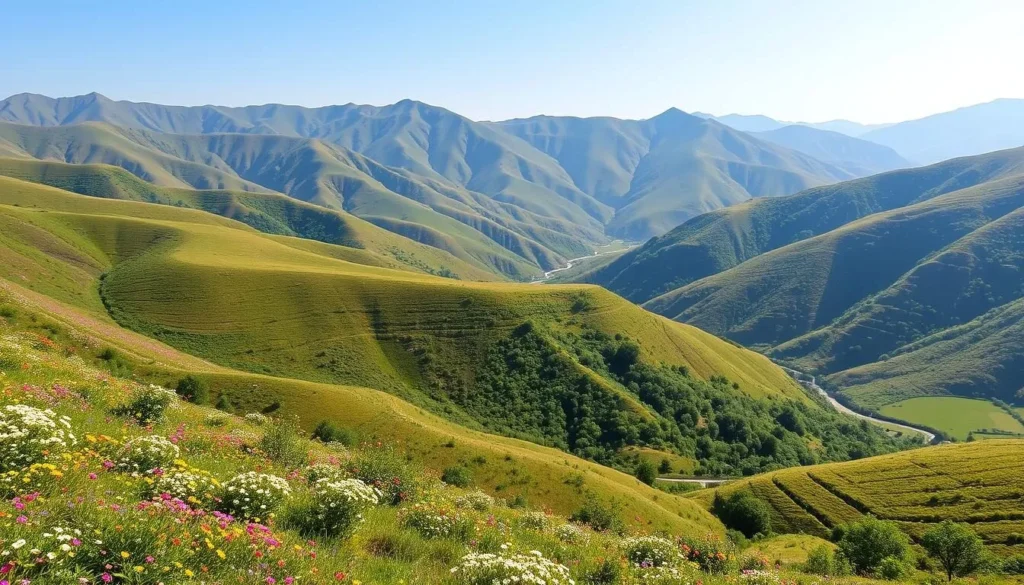
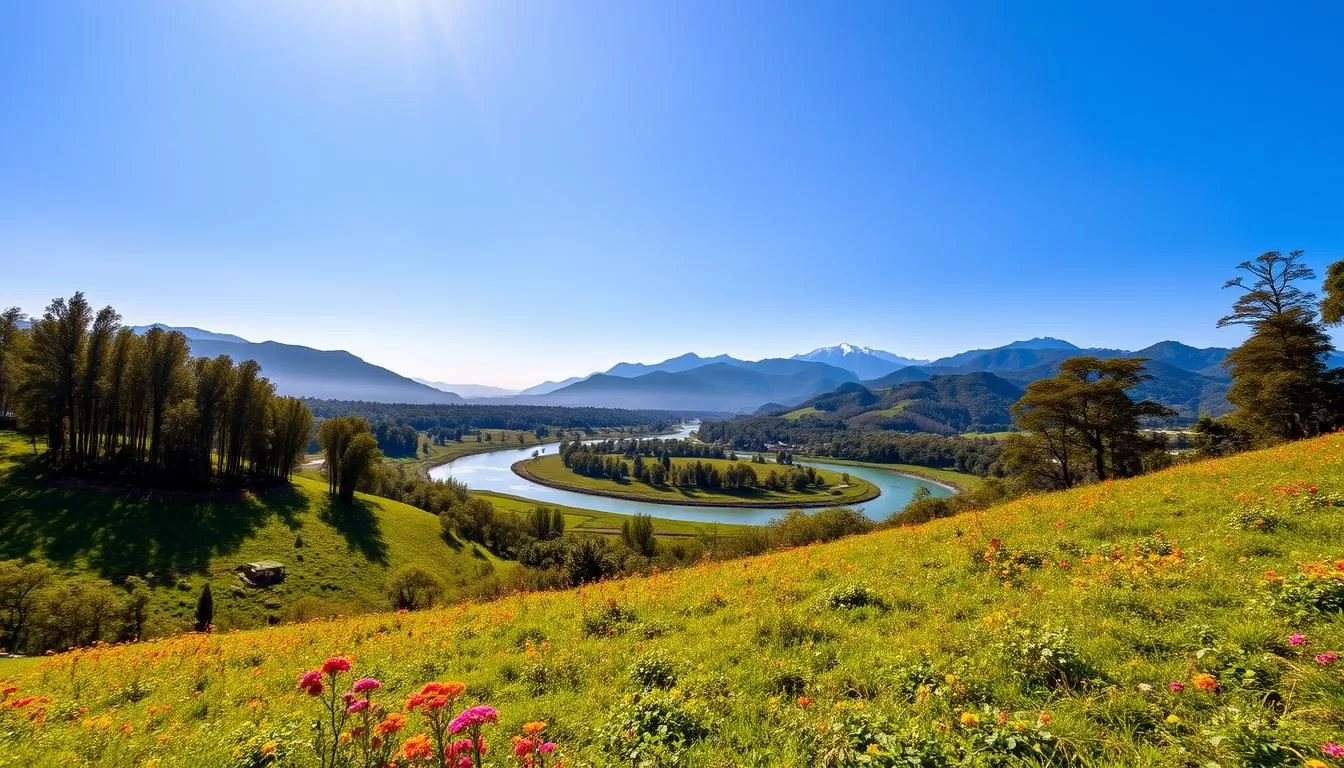
- Dzukou Valley: Often called “the valley of flowers,” this stunning valley located at the border of Nagaland and Manipur (about 25 km from Kohima) is famous for its rolling hills, seasonal wildflowers, and pristine streams. The valley sits at an altitude of 2,438 m (8,000 ft).
- Japfu Peak: The second-highest peak in Nagaland at 3,048 m (10,000 ft), offering challenging trekking routes and spectacular views. It’s also home to the tallest rhododendron tree in the world.
- Shilloi Lake: A picturesque foot-shaped lake in the Patkai Range, about 125 km east of Kohima. The lake holds cultural significance for the local Pochury tribe.
- Intanki Wildlife Sanctuary: Located about 37 km from Kohima, this 202-hectare (499-acre) sanctuary is home to diverse wildlife including hoolock gibbons, sloth bears, elephants, and numerous bird species.
Trekking & Outdoor Activities
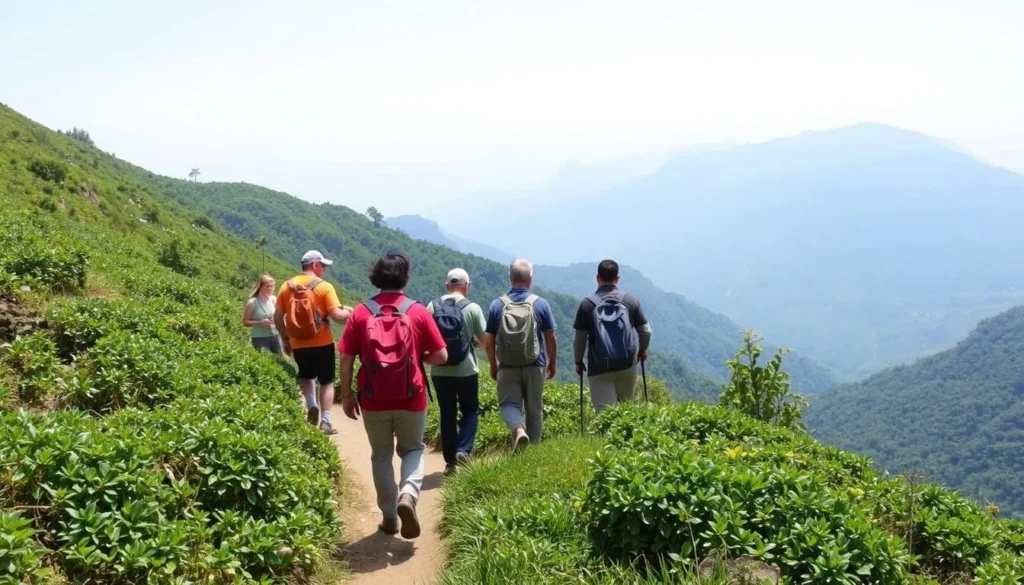
- Dzukou Valley Trek: A popular trek starting from either Viswema or Zakhama village. The trek takes 3-4 hours and offers breathtaking views. Overnight camping is possible with proper equipment.
- Japfu Peak Trek: A more challenging trek starting from Kigwema village, taking approximately 5-6 hours to reach the summit. A guide is recommended.
- Khonoma Nature Conservation Area: Offers several hiking trails through preserved forests with opportunities for birdwatching.
- Boating at Shilloi Lake: Enjoy peaceful boating in this serene lake surrounded by verdant hills.
- Mountain Biking: Several operators offer mountain biking excursions through the scenic hills around Kohima.
For trekking, it’s advisable to hire a local guide, both for navigation and safety. The best season for outdoor activities is October to April when the weather is clear and dry. During monsoon season (June-September), many trails become slippery and dangerous. Always carry sufficient water, snacks, and appropriate clothing for changing mountain weather.
Safety, Etiquette & Local Customs
Safety Considerations
- Travel Documentation: Always carry your Inner Line Permit (ILP) and identification documents while traveling in Nagaland.
- Health Precautions: Kohima has limited medical facilities, so bring any necessary medications. Consider travel insurance that covers medical evacuation.
- Road Safety: Mountain roads can be narrow and winding. During monsoon season, landslides are common, so check road conditions before traveling.
- Trekking Safety: Never trek alone and always inform your accommodation about your plans. Hire local guides for unfamiliar trails.
Cultural Etiquette
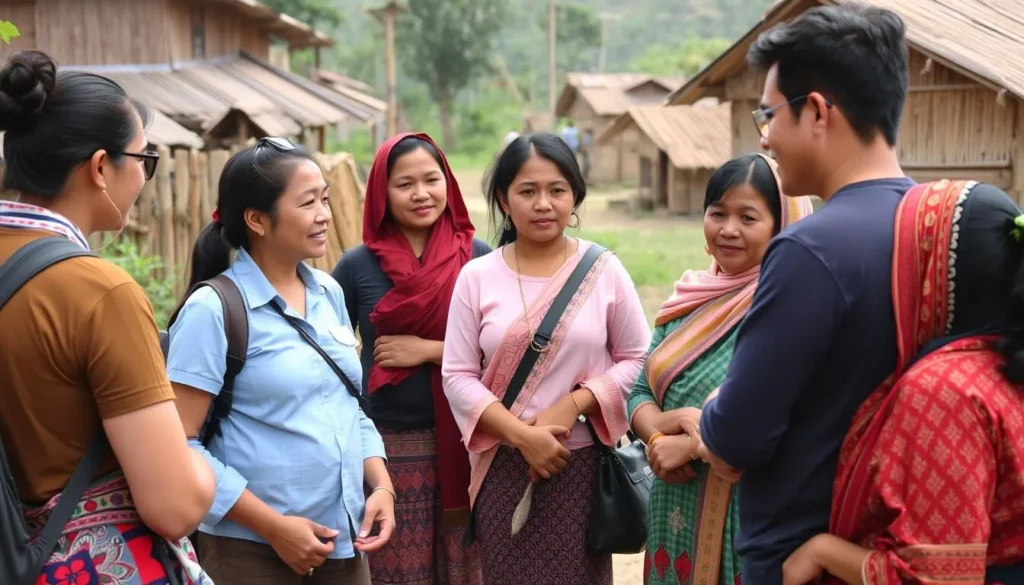
- Dress Modestly: Nagaland is relatively conservative. Both men and women should dress modestly, especially when visiting villages and religious sites.
- Photography: Always ask permission before photographing people, especially during ceremonies. Some traditional rituals may prohibit photography.
- Village Visits: When visiting villages, it’s customary to meet with the village head or council first. A local guide can facilitate this.
- Religious Respect: Nagaland has a strong Christian presence. Respect religious practices and observe appropriate behavior in churches.
Local Customs
- Greetings: A handshake is the common greeting. Elders are highly respected in Naga society, so greet them first.
- Dining Etiquette: If invited to a home, it’s polite to accept food and drink offered. Refusing may be considered impolite.
- Gift Giving: When visiting villages or homes, small gifts like tea, fruits, or sweets are appreciated.
- Tribal Variations: Remember that Nagaland comprises 16 major tribes, each with distinct customs. What’s acceptable in one village may not be in another.
Nagaland is generally safe for tourists, with low crime rates. However, it’s always wise to respect local customs and traditions to ensure a positive experience. The Naga people are known for their hospitality, and a respectful attitude will be met with warmth and openness.
Visitor Comments About Kohima
“Kohima surprised me with its rich history and stunning landscapes. The War Cemetery was a moving experience, and trekking to Dzukou Valley was the highlight of my trip. The Naga people were incredibly welcoming, and their unique cuisine was a delightful adventure for my taste buds!”
– L.V., Baton Rouge
“As an avid hiker, the trails around Kohima exceeded my expectations. Japfu Peak offered some of the most spectacular views I’ve seen. What really made my trip special was staying in a traditional hut in Touphema Village and learning about Naga culture firsthand. Don’t miss the local rice beer!”
– R.D., Eugene
“I timed my visit to coincide with the Hornbill Festival, and it was an incredible cultural immersion. The vibrant traditional dances, music, and food were unforgettable. Kohima itself is a charming city with friendly people who were eager to share their heritage. The museum provided excellent context for understanding the diverse tribal cultures.”
– J.S., Baku
Additional Nearby Destinations
Within Nagaland
- Dimapur (74 km): Nagaland’s commercial center with attractions like Kachari Ruins and the Triple Falls.
- Mokokchung (150 km): Cultural center of the Ao Naga tribe with picturesque villages and traditional practices.
- Phek (80 km): Gateway to the stunning Shilloi Lake and home to the Chakhesang Naga tribe.
- Wokha (75 km): Known for its scenic beauty and the Doyang River, popular for angling.
Neighboring States
- Kaziranga National Park, Assam (200 km): Famous UNESCO World Heritage site known for one-horned rhinoceros.
- Shillong, Meghalaya (230 km): The “Scotland of the East” with waterfalls, lakes, and pleasant climate.
- Imphal, Manipur (140 km): Historic city with Loktak Lake, the world’s only floating national park.
- Majuli, Assam (220 km): The world’s largest river island with unique Assamese culture.
Most of these destinations can be reached by road from Kohima, though road conditions vary. For more distant locations like Shillong or Kaziranga, consider breaking the journey with an overnight stay. Shared taxis and buses connect Kohima to most major towns in Nagaland, while private taxis offer more comfort for longer journeys to neighboring states.
Practical Travel Tips
Documentation & Permits
- Obtain an Inner Line Permit (ILP) before entering Nagaland. These are available online or at Nagaland Houses in major cities.
- Carry multiple photocopies of your identification and permit documents.
- For international visitors, keep your passport and visa documentation accessible.
Money & Communications
- ATMs are available in Kohima but can be unreliable. Carry sufficient cash, especially when visiting villages.
- Major mobile networks work in Kohima city, but coverage can be spotty in remote areas.
- Internet connectivity is available in most hotels and cafes in Kohima but may be limited in villages.
Packing Essentials
- Warm clothing (even in summer, evenings can be cool)
- Comfortable walking shoes with good grip for Kohima’s hilly terrain
- Rain gear (umbrella or light raincoat)
- Insect repellent and sunscreen
- Basic first aid kit and any personal medications
Kohima operates at a relaxed pace, so allow extra time for travel and activities. Most shops and restaurants close early (around 7-8 PM), so plan accordingly. Sunday is observed as a day of rest throughout Nagaland, with many establishments closed or operating limited hours.
Embrace the Spirit of Nagaland
Kohima offers a rare glimpse into a world where ancient tribal traditions blend harmoniously with modern influences. From the solemn history preserved at the War Cemetery to the vibrant cultural celebrations of the Hornbill Festival, from challenging mountain treks to peaceful village experiences, Kohima rewards travelers with authentic experiences that can’t be found elsewhere in India. As you plan your journey to this northeastern gem, remember that the true treasure of Nagaland lies not just in its stunning landscapes but in the warmth and hospitality of its people, who are eager to share their unique heritage with respectful visitors. Kohima isn’t just a destination—it’s an invitation to discover a different rhythm of life, one that will stay with you long after you’ve returned home.
Related Posts
Coming Soon: Clickable Maps