
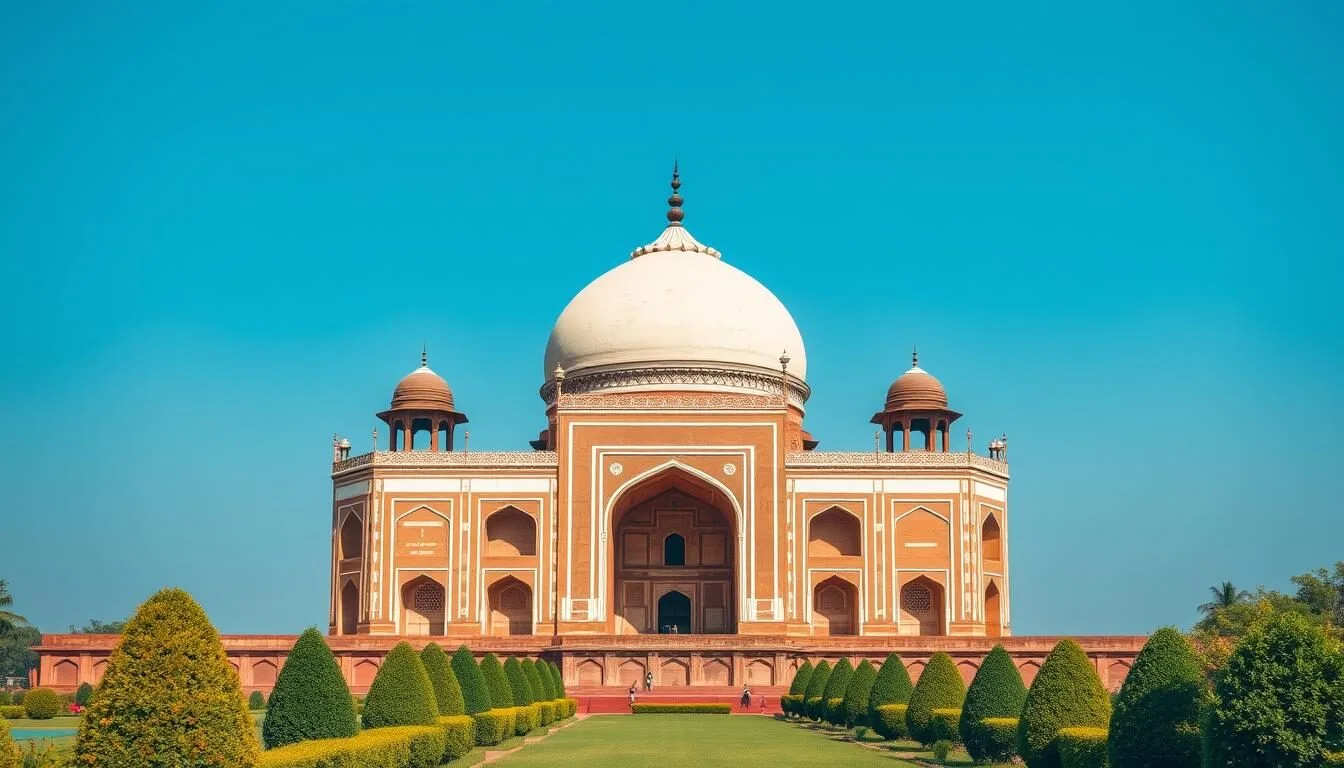
Did you know that New Delhi is built upon the ruins of seven previous cities, with layers of history dating back over 5,000 years? As the capital of the world’s largest democracy, this sprawling metropolis of over 30 million people seamlessly blends ancient monuments with colonial architecture and modern developments. The city that once served as the heart of the Mughal Empire now pulses with the energy of contemporary India, offering visitors an intoxicating mix of history, culture, cuisine, and unforgettable experiences.
Getting There & Planning Your Journey
Most international travelers arrive at Indira Gandhi International Airport (DEL), one of Asia’s busiest and most modern airports. Located about 16 km (10 miles) southwest of central New Delhi, the airport handles over 900 flights daily and connects to major cities worldwide.
For domestic travelers, New Delhi is well-connected by India’s extensive railway network, with New Delhi Railway Station and Hazrat Nizamuddin Railway Station serving as major hubs. The railway system connects the capital to all major Indian cities, making it an excellent base for exploring the country.
When planning your journey, consider that New Delhi serves as the gateway to the popular Golden Triangle tourist circuit, which includes Agra (home of the Taj Mahal) and Jaipur. Many travelers spend 3-4 days exploring New Delhi before venturing to these nearby destinations.
Best Time to Visit & Weather Tips
Recommended Months to Visit
The best time to visit New Delhi is from October to March, when the weather is pleasantly cool and dry. During these months, temperatures typically range from 8°C to 25°C (46°F to 77°F), making it ideal for sightseeing and outdoor activities.
- October-November (Autumn): Perfect weather with clear skies, temperatures between 15-25°C (59-77°F), and major festivals like Diwali.
- December-February (Winter): Cool and crisp with temperatures between 8-20°C (46-68°F). Pack layers as evenings can be chilly. Occasional fog may affect transportation.
- March (Early Spring): Pleasant temperatures between 15-30°C (59-86°F) and the colorful Holi festival.
Months to Avoid
It’s best to avoid visiting New Delhi during these periods:
- April-June (Summer): Extremely hot with temperatures regularly exceeding 40°C (104°F), sometimes reaching 45-48°C (113-118°F).
- July-September (Monsoon): Hot and humid with heavy rainfall that can cause flooding and transportation disruptions. Humidity levels often exceed 80%.
If you must visit during summer or monsoon, plan indoor activities during peak heat hours (11 AM – 4 PM) and carry essentials like umbrellas, light cotton clothing, and plenty of water.
Getting Around Locally

New Delhi offers various transportation options to navigate the sprawling metropolis:
Delhi Metro
The Delhi Metro is the city’s pride and the most efficient way to get around. This world-class rapid transit system covers most tourist areas with air-conditioned trains running from 6 AM to 11 PM. Single journey tokens cost between ₹10-60 (approximately $0.12-0.72), while tourist cards offer unlimited travel for one day (₹200/$2.40) or three days (₹500/$6). The first coach of every train is reserved for women, making it a safe option for female travelers.
Auto Rickshaws & Cycle Rickshaws
Auto rickshaws (tuk-tuks) are three-wheeled vehicles that can navigate narrow streets. They’re abundant and relatively inexpensive, with fares starting at ₹25 ($0.30) for the first 2 km. Always negotiate the fare before boarding or insist on using the meter. For short distances in Old Delhi, cycle rickshaws offer a slow-paced journey through congested areas.
Ride-Hailing Services
Uber and Ola are widely available in New Delhi and offer a convenient way to travel with fixed fares. These services are often more comfortable than auto rickshaws and eliminate the need for negotiation.
Buses
Delhi Transport Corporation (DTC) operates an extensive bus network. While inexpensive, buses can be extremely crowded and challenging for tourists to navigate. The air-conditioned buses (marked with green stripes) are more comfortable than the standard red buses.
Where to Stay

New Delhi offers accommodation options for every budget and preference, with distinct neighborhoods catering to different types of travelers:
Connaught Place (Central Delhi)
This colonial-era commercial hub features a circular layout with white colonnaded buildings. It’s centrally located with excellent metro connections and within walking distance of many attractions.
- Luxury: The Imperial, The Lalit
- Mid-range: The Metropolitan Hotel, Hotel Palace Heights
- Budget: Bloomrooms, Hotel Bright
Karol Bagh
A popular mid-range area with numerous hotels and markets, Karol Bagh offers good value accommodations with convenient metro access to tourist sites.
- Mid-range: Hotel City Star, Jaypee Siddharth
- Budget: Hotel Ajanta, Hotel Sunstar
South Delhi
This upscale residential area features leafy boulevards, parks, and upmarket accommodations. It’s quieter than central areas and close to attractions like Humayun’s Tomb and Lodhi Gardens.
- Luxury: The Lodhi, The Oberoi
- Mid-range: Sheraton New Delhi, Ahuja Residency
Paharganj (Main Bazaar)
Located near New Delhi Railway Station, this backpacker district offers the city’s most budget-friendly accommodations amid bustling bazaars. It’s chaotic but convenient for budget travelers.
- Budget: Hotel Amax Inn, Smyle Inn, Hotel Namaskar
Aerocity
This modern development near the airport features numerous international hotel chains, making it ideal for business travelers or those with early flights.
- Luxury: JW Marriott, Pullman
- Mid-range: Holiday Inn, Ibis
Dining & Local Cuisine
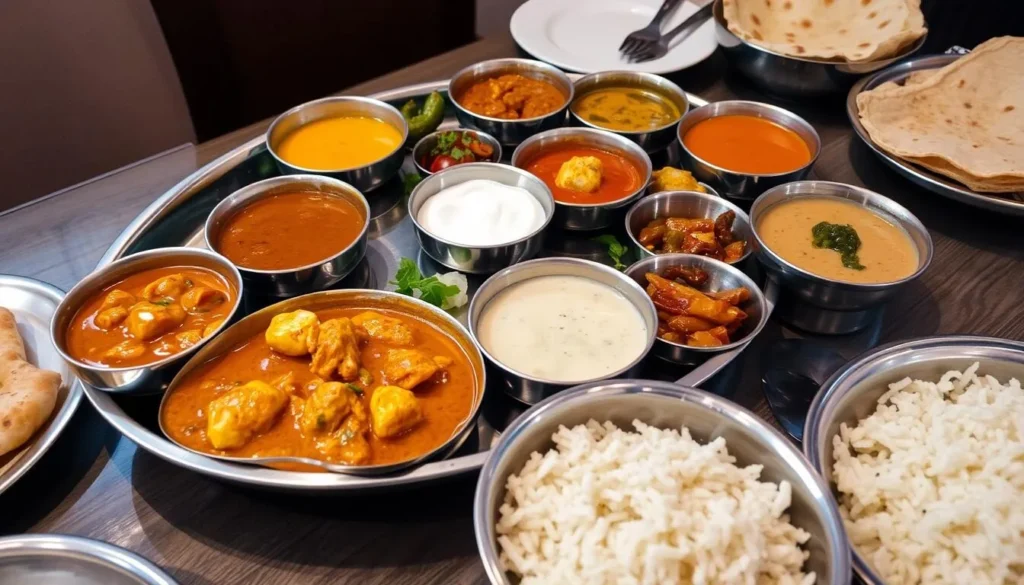
New Delhi is a paradise for food lovers, offering everything from street food to fine dining experiences that showcase India’s diverse culinary traditions.
Must-Try Local Dishes
- Chole Bhature: Spicy chickpea curry served with fried bread
- Butter Chicken: Creamy tomato-based curry with tender chicken pieces
- Paranthe Wali Gali: Various stuffed flatbreads from Old Delhi’s famous lane
- Dahi Bhalla: Lentil dumplings topped with yogurt and chutneys
- Golgappe/Pani Puri: Crispy hollow shells filled with flavored water and fillings
- Jalebi: Sweet, pretzel-shaped dessert soaked in sugar syrup
Where to Eat
From street food to fine dining, New Delhi offers culinary experiences for every palate and budget:
Street Food Havens
- Chandni Chowk: Delhi’s oldest and busiest market is home to legendary eateries like Paranthe Wali Gali, Natraj Dahi Bhalla, and Old Famous Jalebi Wala.
- Connaught Place: Try Saravana Bhavan for South Indian cuisine or Wenger’s, Delhi’s oldest bakery.
- Dilli Haat: Sample regional cuisines from across India in one location.
Fine Dining
- Indian Accent: Contemporary Indian cuisine consistently ranked among Asia’s best restaurants.
- Bukhara: Famous for its Northwest Frontier cuisine, especially the dal bukhara and tandoori dishes.
- Varq: Modern Indian dining in an elegant setting at The Taj Mahal Hotel.
Dining Tips
To enjoy Delhi’s food scene safely and respectfully:
- For street food, choose busy stalls where locals eat and food is cooked fresh before you.
- Bottled water is recommended; avoid tap water and ice in street establishments.
- Vegetarian options are abundant and often marked with green symbols on menus.
- Tipping 10% is customary at restaurants if service charge isn’t included.
Attractions, Sightseeing & Activities
Old Delhi Highlights
The historic heart of the city offers a glimpse into Delhi’s Mughal past:
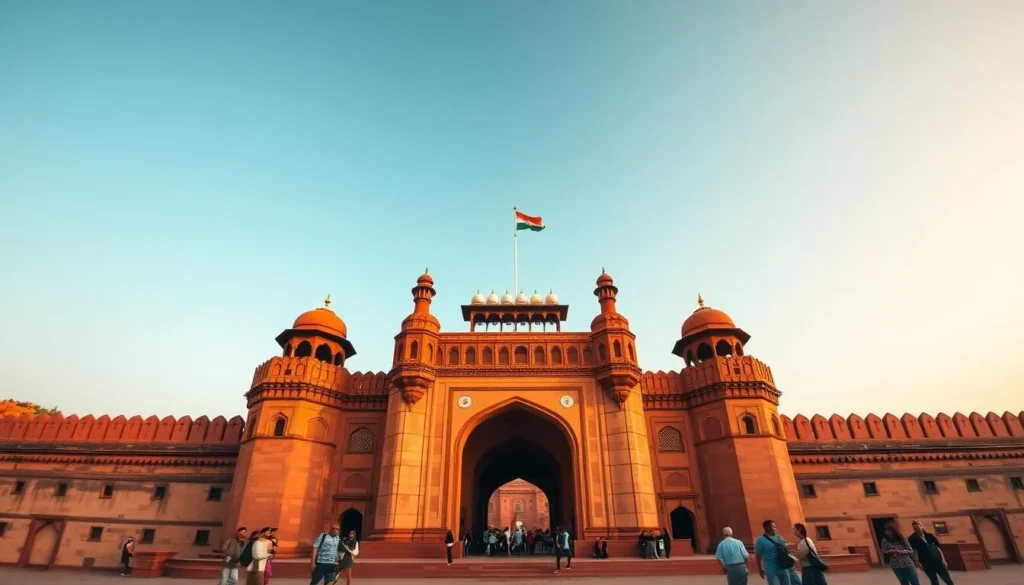
- Red Fort (Lal Qila): This massive red sandstone fort built by Shah Jahan in 1648 served as the main residence of Mughal emperors. The evening sound and light show narrates Delhi’s history. Open daily except Mondays, 9:30 AM to 4:30 PM.
- Jama Masjid: India’s largest mosque can accommodate 25,000 worshippers. Climb the southern minaret for panoramic views of Old Delhi. Open daily from sunrise to sunset, except during prayer times.
- Chandni Chowk: One of Asia’s oldest and busiest markets, featuring narrow lanes filled with shops selling everything from spices and textiles to electronics and street food.
- Khari Baoli: Asia’s largest wholesale spice market, a sensory overload of colors and aromas.
New Delhi Landmarks
The planned city built by the British showcases colonial architecture and modern monuments:
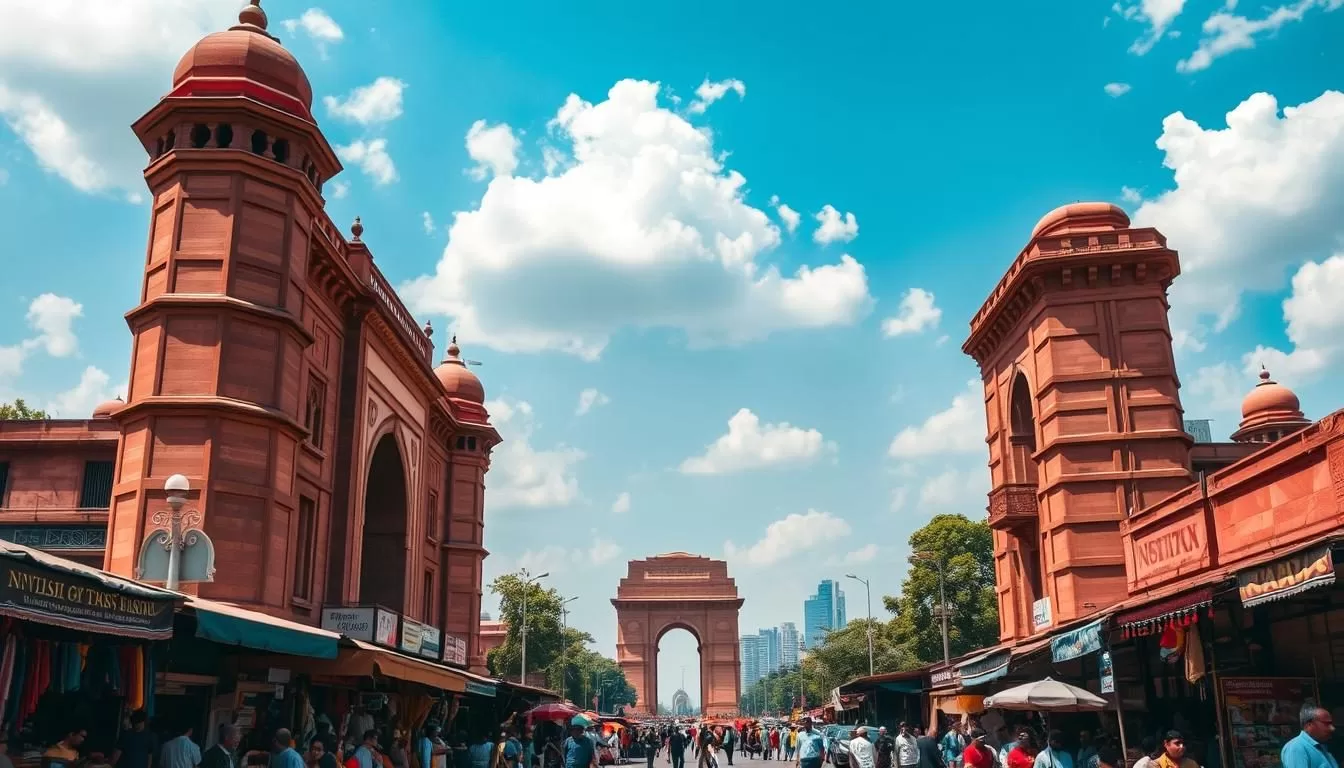
- India Gate: A 42-meter war memorial commemorating Indian soldiers who died in World War I. The surrounding gardens are popular for evening picnics.
- Rashtrapati Bhavan: The official residence of India’s President, this massive building has 340 rooms spread across 4 floors. The Mughal Gardens are open to the public during February-March.
- Parliament House (Sansad Bhavan): The circular building houses both houses of the Indian Parliament.
- Connaught Place: A colonial-era commercial district with concentric circles of white colonnaded buildings housing shops, restaurants, and offices.
UNESCO World Heritage Sites
New Delhi boasts several UNESCO-listed monuments worth exploring:
- Humayun’s Tomb: Built in 1570, this magnificent garden tomb was the inspiration for the Taj Mahal. The symmetrical gardens and red sandstone architecture make it one of Delhi’s most photogenic sites.
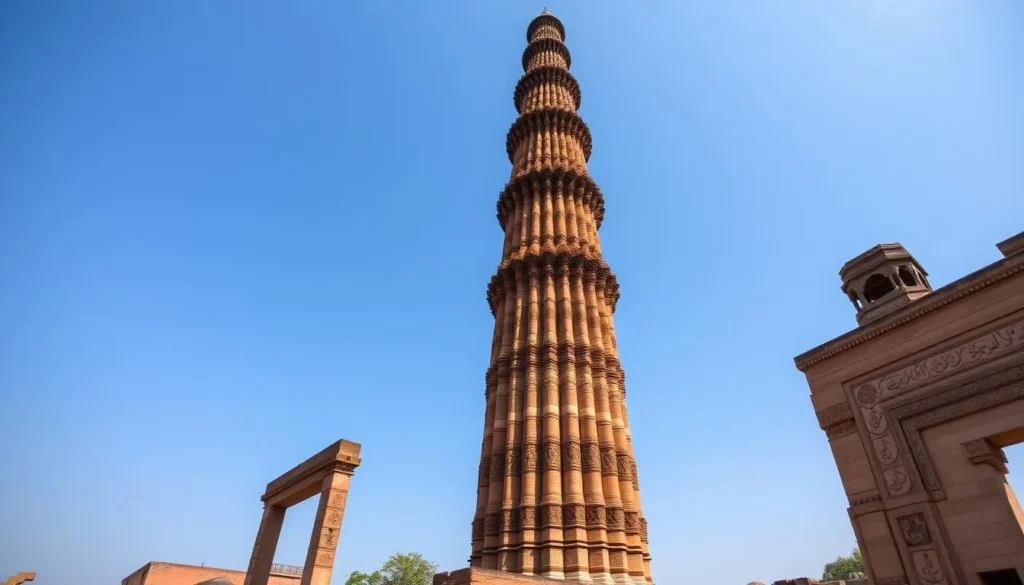
- Qutub Minar: The world’s tallest brick minaret (72.5 meters/238 feet) dates back to 1193. The surrounding archaeological complex includes the rust-proof Iron Pillar and ruins of ancient temples.
- Agrasen ki Baoli: This 14th-century stepwell features 108 steps leading down to a now-dry water reservoir. The architectural marvel is surprisingly peaceful despite its central location.
Museums, Cultural Spots & Festivals
Top Museums
Explore India’s rich history, art, and culture through these excellent museums:
- National Museum: Houses over 200,000 artifacts spanning 5,000 years of Indian cultural heritage, including the famous Dancing Girl bronze from the Indus Valley Civilization.
- Gandhi Smriti: The memorial where Mahatma Gandhi spent his final days and was assassinated in 1948. The museum chronicles his life and India’s independence movement.
- National Gallery of Modern Art: Features works by prominent Indian artists from the 1850s onwards in a beautiful colonial building.
- Crafts Museum: Showcases traditional Indian crafts with artisans often demonstrating their skills on-site.
Cultural Experiences
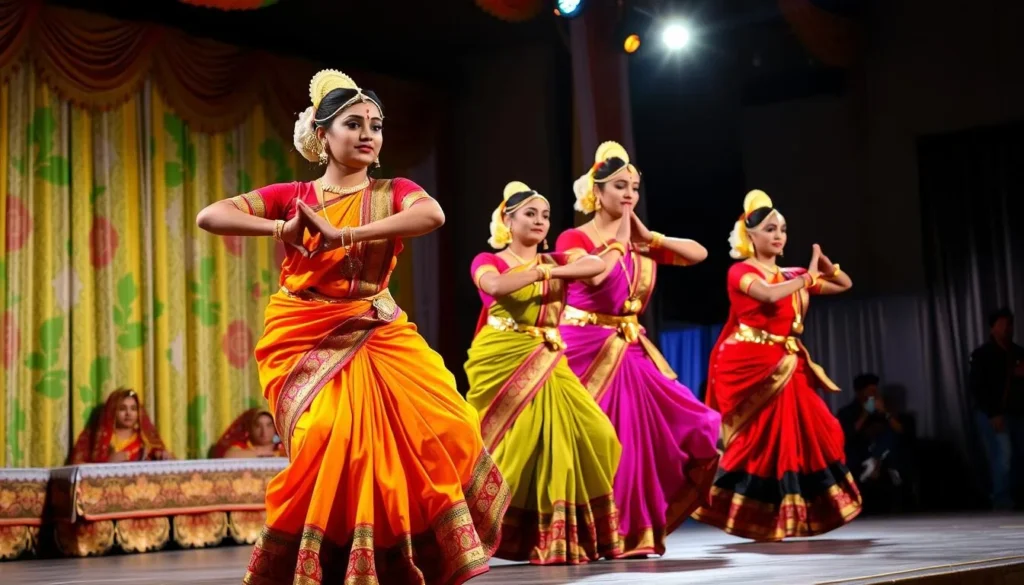
Immerse yourself in Delhi’s vibrant cultural scene:
- Dilli Haat: An open-air craft bazaar featuring artisans from across India selling traditional handicrafts, textiles, and regional cuisine.
- Akshardham Temple: This elaborate Hindu temple complex opened in 2005 but is built in traditional style with 20,000 carved deities and an impressive musical fountain show.
- Gurudwara Bangla Sahib: A prominent Sikh temple with a golden dome and a sacred pool. The community kitchen (langar) serves free meals to thousands daily.
- Lotus Temple: This Bahá’í House of Worship is shaped like a lotus flower and welcomes people of all faiths for meditation and prayer.
Major Festivals
Time your visit to coincide with these colorful celebrations:
- Diwali (October/November): The Festival of Lights transforms Delhi with oil lamps, candles, and fireworks.
- Holi (February/March): The Festival of Colors involves playful throwing of colored powders and water.
- Republic Day (January 26): A grand parade along Rajpath showcases India’s military might and cultural diversity.
- Durga Puja (September/October): Celebrates the goddess Durga with elaborate pandals (temporary structures) and cultural performances.
Nature & Outdoor Experiences
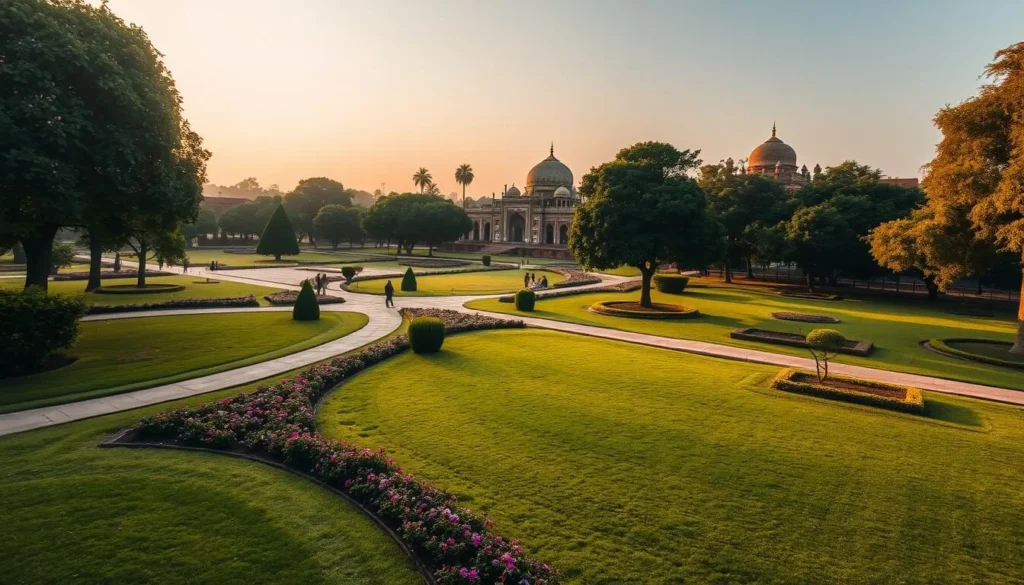
Despite being a bustling metropolis, New Delhi offers several green spaces where you can escape the urban chaos:
Parks and Gardens
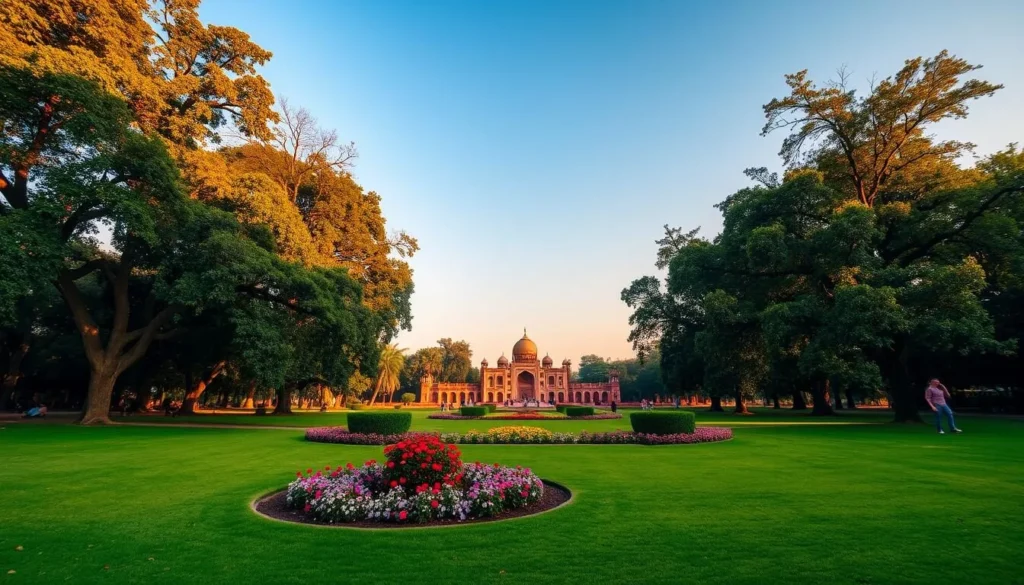
- Lodhi Gardens: A 90-acre park containing the tombs of 15th and 16th-century rulers. Popular with joggers, yoga practitioners, and picnickers.
- Mughal Gardens: Located within the Rashtrapati Bhavan complex, these meticulously maintained gardens are open to the public during February-March.
- Buddha Jayanti Park: A peaceful garden commemorating Buddha’s birth anniversary, featuring a sacred Bodhi tree.
- Nehru Park: A large park in the diplomatic area hosting morning yoga sessions and evening cultural performances.
Wildlife Sanctuaries
- Asola Bhatti Wildlife Sanctuary: Located on Delhi’s southern border, this 6,874-hectare (16,986-acre) sanctuary is home to nilgai, jackals, and over 200 bird species.
- Okhla Bird Sanctuary: A wetland on the Yamuna River where you can spot migratory birds, especially during winter.
Outdoor Activities
- Yamuna River: Take a peaceful boat ride on the river that flows through the eastern part of the city.
- Cycling Tours: Several companies offer guided cycling tours of Old Delhi and New Delhi, especially during cooler months.
- Garden of Five Senses: A 20-acre park designed to stimulate all five senses with different themed areas.
Safety, Etiquette & Local Customs
Safety Tips
While New Delhi is generally safe for tourists, it’s wise to take precautions:
- Be vigilant in crowded areas like markets and railway stations where pickpocketing is common.
- Use registered taxis or ride-hailing apps rather than hailing unmarked cabs, especially at night.
- Female travelers should consider using the women’s compartment on the metro and women-only queues at monuments.
- Drink only bottled or filtered water and be cautious with street food if you have a sensitive stomach.
- Carry the address of your accommodation in Hindi/English to show to drivers.
- Be wary of strangers offering unsolicited help or “special deals” on tours or shopping.
Cultural Etiquette
Respecting local customs will enhance your experience:
- Dress modestly, especially when visiting religious sites. Cover shoulders and knees; women should cover their heads in Sikh temples (gurudwaras) and some mosques.
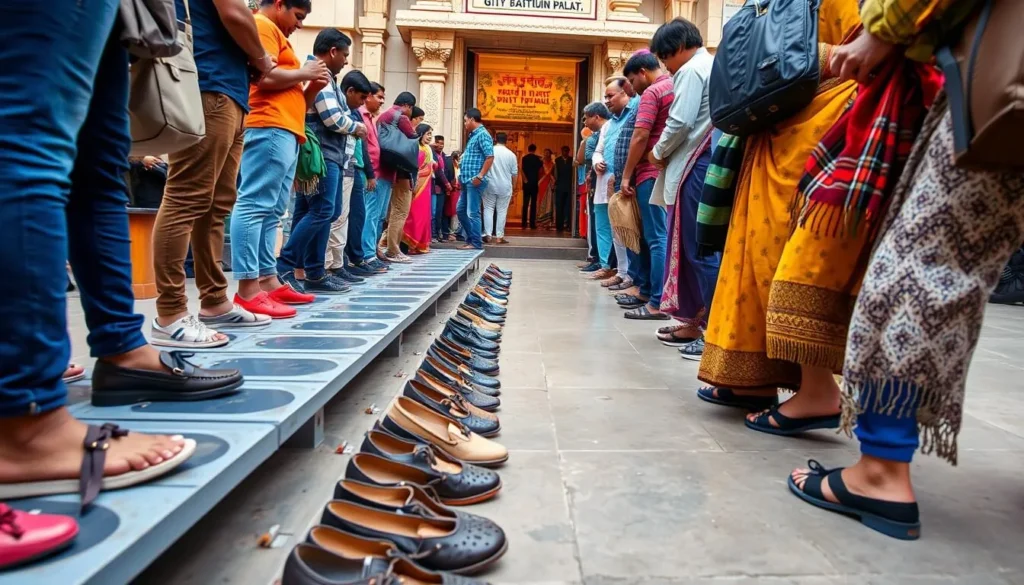
- Remove shoes before entering temples, mosques, and some homes.
- Ask permission before photographing people, especially in religious contexts.
- Use your right hand for eating, giving, and receiving items, as the left hand is considered unclean.
- Public displays of affection are generally frowned upon.
Communication Tips
- Hindi is the most widely spoken language, but English is commonly understood in tourist areas and by educated Indians.
- Learning a few basic Hindi phrases like “Namaste” (hello/goodbye) and “Dhanyavaad” (thank you) is appreciated.
- Indians often shake their heads in a side-to-side motion to indicate agreement or understanding, which can confuse visitors.
- Bargaining is expected in markets but not in fixed-price shops or restaurants.
Visitor Comments About New Delhi
“As a local from nearby Faridabad, I often take foreign friends to explore New Delhi. The contrast between Old Delhi’s chaotic charm and New Delhi’s organized grandeur never fails to impress. My top tip: visit Humayun’s Tomb early morning to avoid crowds and catch the perfect light for photos. The street food tour in Chandni Chowk is unmissable, but go with a knowledgeable guide who knows the safest and most authentic spots.”
“Coming from Greece, I found New Delhi’s historical layers fascinating – much like Athens, it’s a city where ancient, medieval, colonial, and modern coexist. The Lodhi Art District was an unexpected highlight with its stunning murals. Don’t miss the National Museum’s collection, especially the Harappan artifacts. I recommend staying in South Delhi for a more relaxed experience away from the tourist crowds.”
“My first impression of Delhi was overwhelming, but by day three, I was navigating the metro like a pro! The city has an addictive energy unlike anywhere else. Highlights were the Qutub Minar at sunset and the peaceful Gurudwara Bangla Sahib. For fellow Americans, don’t hesitate to try the street food – just follow locals to popular stalls. The spice levels are adjustable if you ask, and the flavors are worth stepping outside your comfort zone.”
Additional Nearby Destinations
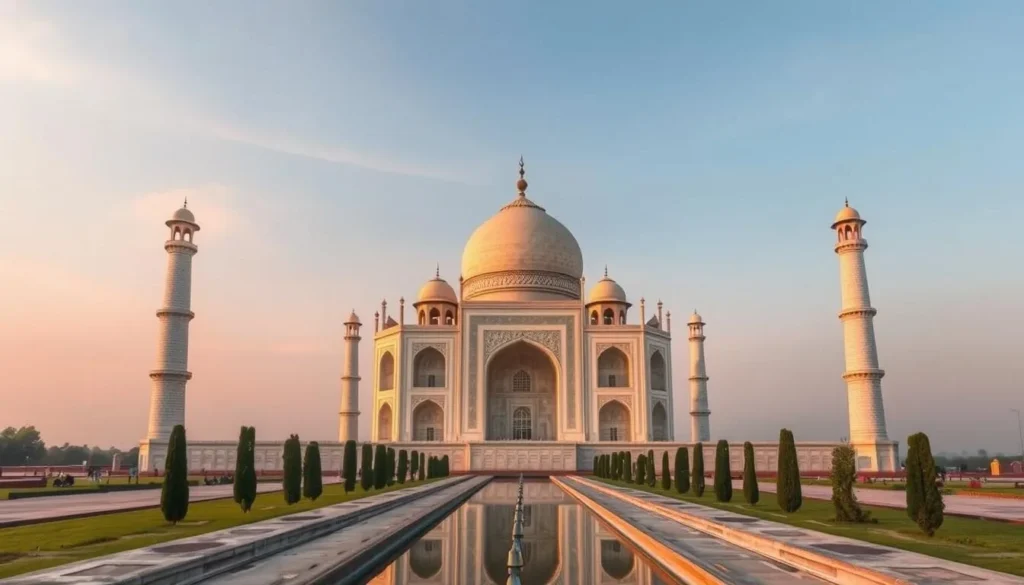
New Delhi serves as an excellent base for exploring these popular destinations:
Day Trips (Under 3 Hours)
- Agra: Home to the Taj Mahal, Agra Fort, and Fatehpur Sikri. Accessible via a 2-3 hour drive or the express train (1.5 hours).
- Jaipur: The “Pink City” features the Amber Fort, City Palace, and Hawa Mahal. Reachable by car (5-6 hours) or train (4 hours).
- Mathura and Vrindavan: Important pilgrimage sites associated with Lord Krishna, located about 160 km (100 miles) south of Delhi.
Weekend Getaways (3-5 Hours)
- Rishikesh: A spiritual center and adventure hub on the banks of the Ganges River, offering yoga, meditation, and white-water rafting.
- Shimla: A colonial hill station in the Himalayan foothills with pleasant weather, Victorian architecture, and mountain views.
- Ranthambore National Park: One of India’s best tiger reserves, also home to leopards, sloth bears, and diverse birdlife.
Practical Travel Tips

Money Matters
- The Indian currency is the Rupee (₹). ATMs are widely available, but carry some cash for small purchases.
- Credit cards are accepted at hotels, restaurants, and larger shops, but not at markets or by street vendors.
- Tipping is customary but not mandatory. 10% is standard at restaurants if service charge isn’t included.
- Always keep small denominations handy for taxis, street food, and small purchases.
Connectivity
- Purchase a local SIM card at the airport or in the city with proper identification (passport and visa).
- Major providers include Airtel, Jio, and Vodafone. Tourist plans typically offer data and local calls for 1-4 weeks.
- Free Wi-Fi is available at most hotels, cafes, and some public spaces, though connection quality varies.
Health Precautions
- Consult your doctor about vaccinations at least 4-6 weeks before travel.
- Carry a basic medical kit with remedies for stomach issues, pain relievers, and any prescription medications.
- Air pollution can be severe, especially in winter. Consider bringing a mask if you have respiratory issues.
- Stay hydrated but drink only bottled or filtered water.
Useful Contacts
- Emergency: 112 (unified emergency number)
- Police: 100
- Ambulance: 102
- Tourist Police: +91-11-23320100
- Delhi Tourism Helpline: 1800-11-1363 (toll-free)
The Eternal City Awaits Your Discovery
New Delhi is not just a destination; it’s an experience that engages all your senses. From the aroma of spices wafting through ancient bazaars to the sight of centuries-old monuments bathed in golden sunlight, from the sounds of temple bells and call to prayers to the taste of complex, flavorful cuisine – the city offers a sensory journey unlike any other. Whether you’re tracing the footsteps of emperors at the Red Fort, finding tranquility in Lodhi Gardens, or savoring street food in Chandni Chowk, New Delhi rewards those who embrace its beautiful chaos with unforgettable memories. As you navigate this captivating metropolis where tradition and modernity dance together, you’ll discover that Delhi isn’t just the heart of India – it might just capture a piece of your heart too.
Related Posts

National Capital Territory, India: Best Things to Do – Top Picks
Delhi, National Capital Territory: Best Things to Do – Top Picks
National Capital Territory, India: Top Festivals to Check Out When Visiting
National Capital Territory, India: Official and Widely Spoken Languages
National Capital Territory, India: Best Months for a Weather-Savvy Trip
Coming Soon: Clickable Maps