
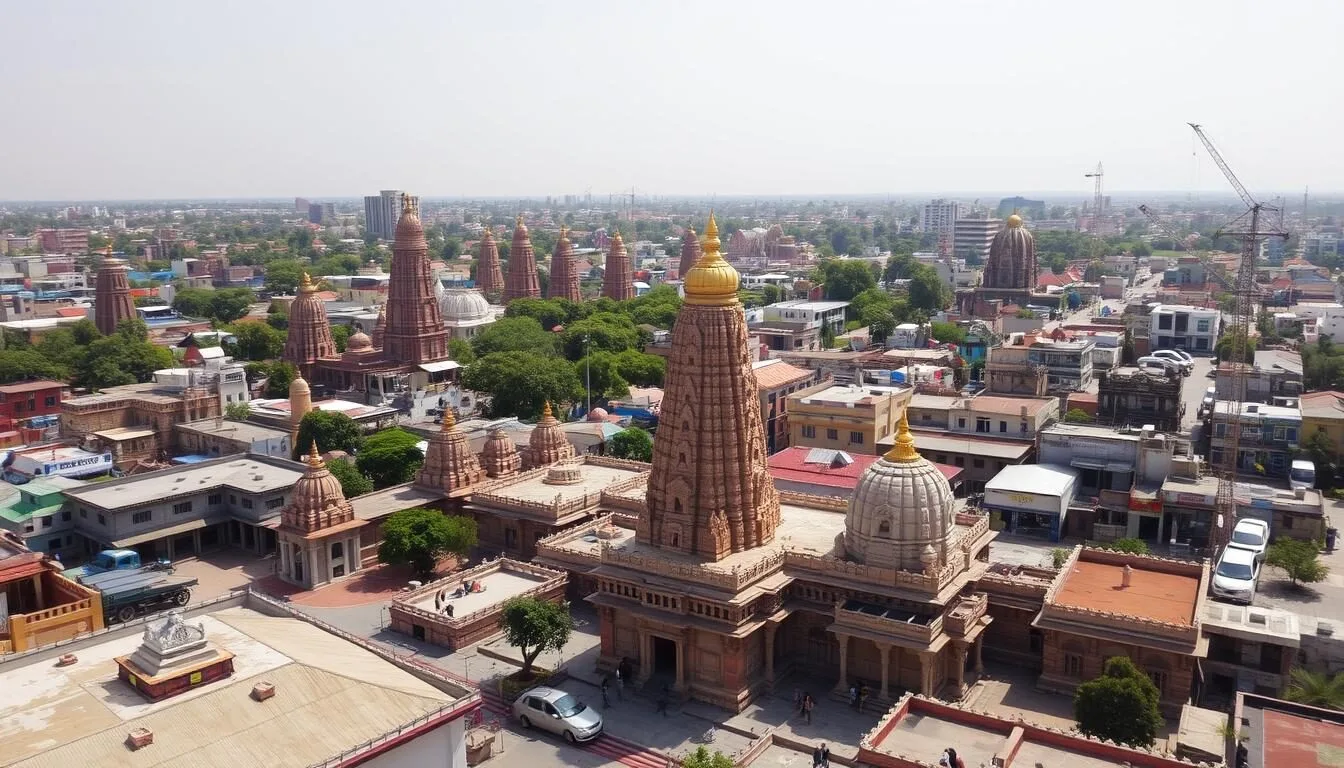
Did you know that Odisha houses the world’s largest kitchen? The Jagannath Temple in Puri prepares food for over 25,000 people daily using traditional methods that haven’t changed in centuries. This lesser-explored eastern Indian state holds countless such wonders—from ancient temples with intricate stone carvings to pristine beaches where rare Olive Ridley turtles nest by the thousands. Once known as Orissa, this coastal gem combines spiritual significance with natural beauty, making it one of India’s most rewarding yet uncrowded destinations.
Getting There & Planning Your Journey
The main gateway to Odisha is Biju Patnaik International Airport in Bhubaneswar, the state capital. Direct flights connect from major Indian cities including Delhi, Mumbai, Kolkata, and Bangalore. International travelers typically connect through Delhi or Kolkata.
For a more scenic approach, Indian Railways offers excellent connectivity to Odisha. Major stations include Bhubaneswar, Puri, and Cuttack, with trains arriving from all major Indian cities. The Konark Express from Mumbai and the Coromandel Express from Chennai are popular options.
When planning your itinerary, allow at least 7-10 days to explore Odisha properly. The classic “Golden Triangle” of Bhubaneswar, Puri, and Konark forms the core of most visits, but adding a few days for Chilika Lake and tribal areas in Koraput will provide a more complete experience.
Best Time to Visit & Weather Tips

Recommended Months to Visit Odisha
The ideal time to visit Odisha is from October to March when the weather is pleasantly cool and dry. November through February offers the most comfortable conditions with temperatures ranging from 15°C to 28°C (59°F to 82°F). This period is perfect for temple tours, beach visits, and wildlife spotting at Chilika Lake and Bhitarkanika.
Festival Season
If you’re interested in cultural experiences, plan your visit around these major festivals:
- Rath Yatra (June/July) – The famous chariot festival in Puri
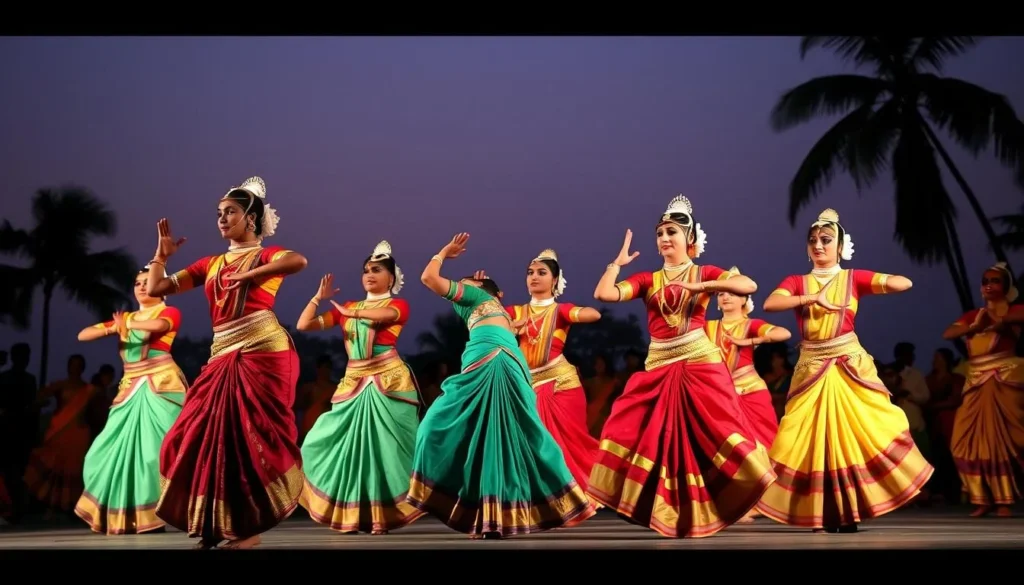
- Konark Dance Festival (early December) – Classical dance performances against the backdrop of the Sun Temple
- Adivasis Mela (January 26-February 1) – Tribal fair showcasing indigenous cultures
- Magha Saptami (January/February) – Ritual bathing festival near Konark
Seasons to Avoid
April to June brings intense summer heat with temperatures often exceeding 40°C (104°F), making outdoor exploration uncomfortable. The monsoon season from July to September brings heavy rainfall and high humidity, though the countryside turns lush green. Coastal areas are prone to cyclones during October-November, so check weather forecasts if traveling during this transition period.
Getting Around Locally
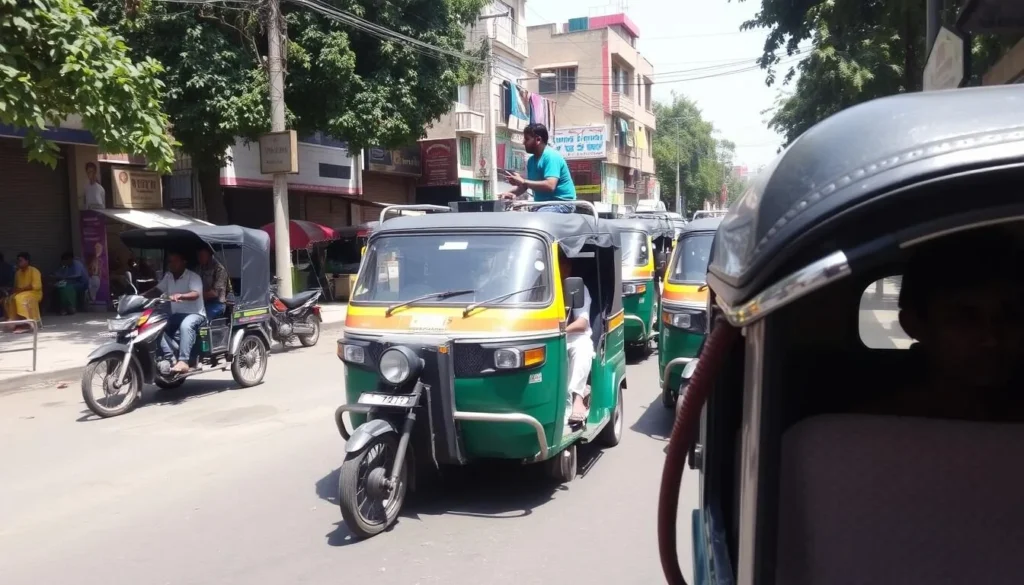
Navigating Odisha offers a mix of convenience and adventure depending on your destination. Within cities like Bhubaneswar, Puri, and Cuttack, auto-rickshaws are abundant and affordable. Always negotiate the fare before starting your journey, with most short trips costing between ₹50-150.
For intercity travel, the Odisha State Road Transport Corporation (OSRTC) operates regular bus services connecting major destinations. These range from basic to air-conditioned options. Private buses also ply popular routes, often offering more comfort at slightly higher prices.
Hiring a private car with driver is the most comfortable option for exploring multiple destinations, especially when visiting remote areas like tribal villages or wildlife sanctuaries. Expect to pay around ₹2,500-3,000 per day for a standard car with driver, fuel included.
Trains connect major cities and towns efficiently, with the Bhubaneswar-Puri route being particularly convenient at just one hour. For exploring Chilika Lake, boat services are available from Satapada and other points around the lagoon.
Where to Stay
Luxury Options
For upscale accommodations, Bhubaneswar offers several international chain hotels like Swissôtel, Trident, and Mayfair Lagoon, with rates starting from ₹7,000 per night. In Puri, beachfront properties like Mayfair Heritage and Sterling Puri provide luxury with ocean views.
Mid-Range Stays
Comfortable mid-range options abound across Odisha’s tourist centers. In Bhubaneswar, hotels like Ginger and Empires offer clean rooms and good amenities for ₹2,000-4,000 per night. Puri has numerous hotels along Marine Drive Road with sea views at similar prices.
Budget Accommodations
Budget travelers will find plenty of guesthouses and small hotels starting from ₹800 per night. The Odisha Tourism Development Corporation (OTDC) runs Panthanivas hotels in major tourist spots, offering reliable quality at reasonable rates.
Unique Stays
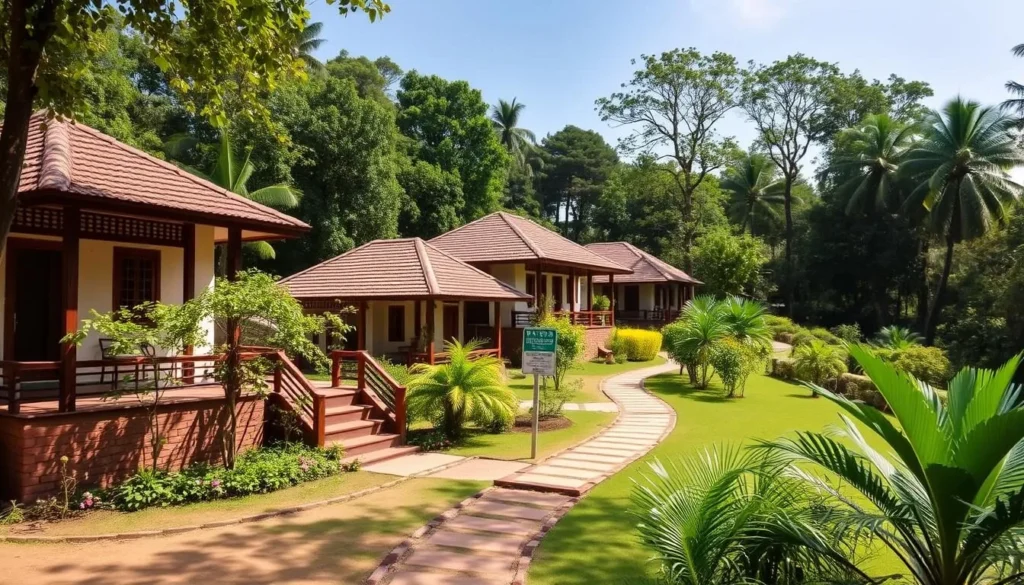
For a more authentic experience, consider eco-resorts like Desia in Koraput district, which offers tribal-inspired cottages and cultural immersion. In Puri and Konark, several ashrams offer simple rooms for spiritual seekers at nominal rates.
Dining & Local Cuisine
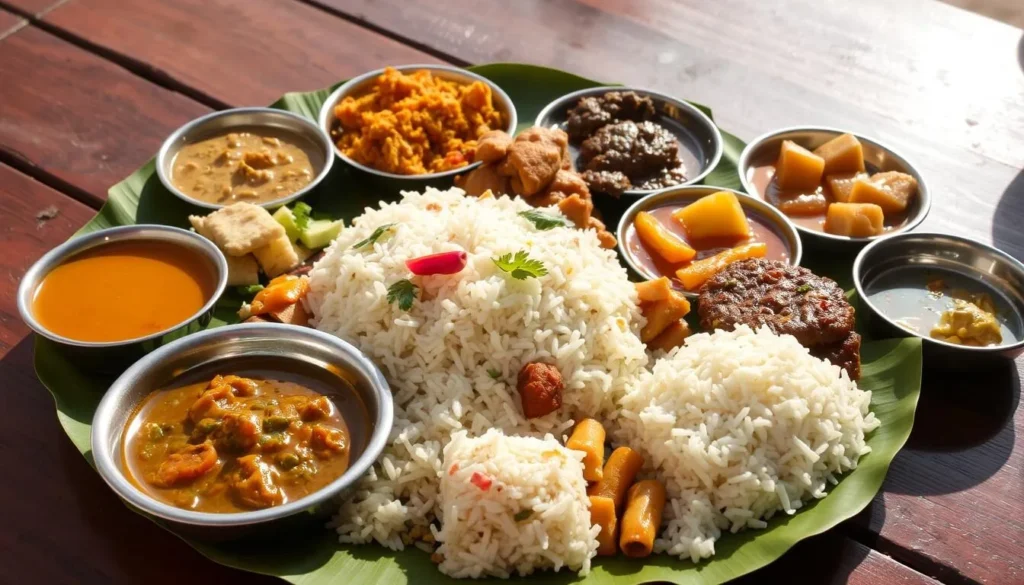
Odishan cuisine remains one of India’s best-kept culinary secrets, distinguished by minimal use of oil and subtle spicing. The state’s long coastline ensures fresh seafood features prominently, while vegetarian dishes reflect the temple traditions.
Must-Try Dishes
- Pakhala Bhata – Fermented rice soaked in water, served with fried fish, vegetables, and chutneys; perfect for hot weather
- Dalma – Lentils cooked with vegetables, a staple in every Odishan home
- Chungdi Malai – Prawns cooked in coconut milk, a coastal delicacy
- Chhena Poda – Caramelized cheese dessert, considered Odisha’s signature sweet
- Mahaprasad – The sacred food offered at Jagannath Temple in Puri, available to visitors in the temple complex
Where to Eat
In Bhubaneswar, Dalma restaurant offers authentic Odishan thalis, while Haka serves excellent Indo-Chinese cuisine. Puri’s beachfront restaurants specialize in fresh seafood—try Wildgrass or Peace Restaurant for quality meals with ocean views.
For street food enthusiasts, don’t miss ghugni (curried yellow peas) and bara (lentil fritters) from roadside stalls. Most meals are surprisingly affordable, with a full thali costing between ₹150-300 at mid-range restaurants.
Attractions, Sightseeing & Activities
The Golden Triangle
Odisha’s most popular circuit includes three essential destinations:
Bhubaneswar – The Temple City
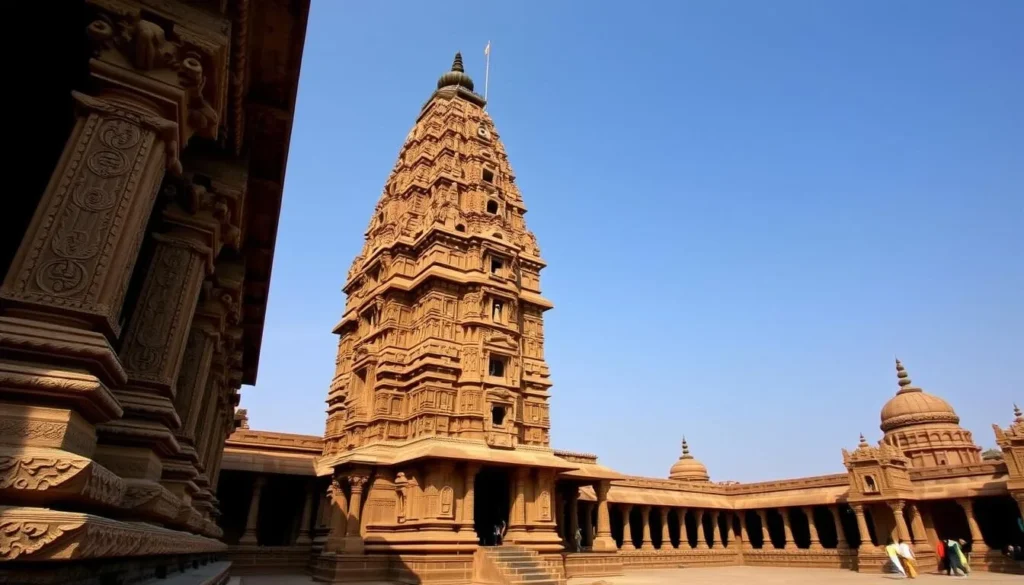
The capital boasts over 500 temples, with the 11th-century Lingaraj Temple standing as its crowning glory. Don’t miss the Mukteshwar Temple with its exquisite stone archway, the Rajarani Temple known as the “love temple,” and the ancient Udayagiri and Khandagiri caves with Jain rock-cut shelters dating back to the 1st century BCE.
Puri – The Sacred Seaside
This coastal city centers around the magnificent Jagannath Temple, one of India’s four most sacred Char Dham pilgrimage sites. While non-Hindus cannot enter the main temple, everyone can enjoy Puri’s beautiful beach stretching for kilometers along the Bay of Bengal. The town comes alive during the annual Rath Yatra festival when massive chariots carrying deities parade through the streets.
Konark – The Sun Worship Marvel
Just 35 km from Puri stands the UNESCO World Heritage Sun Temple, designed as a massive stone chariot with 24 intricately carved wheels. Built in the 13th century, this architectural masterpiece features remarkable stone carvings depicting daily life, mythological scenes, and famous erotic sculptures. The nearby Chandrabhaga beach offers a peaceful retreat after temple exploration.
Beyond the Golden Triangle
Venture further to discover Odisha’s hidden treasures:
- Chilika Lake – Asia’s largest brackish water lagoon, home to migratory birds and Irrawaddy dolphins
- Bhitarkanika National Park – Mangrove forests sheltering saltwater crocodiles and diverse birdlife
- Daringbadi – Known as “Kashmir of Odisha,” this hill station offers coffee plantations and pine forests
- Simlipal National Park – Rich biodiversity with tigers, elephants, and orchids
Museums, Cultural Spots & Festivals
Museums & Cultural Institutions
The State Museum in Bhubaneswar houses an impressive collection of sculptures, manuscripts, and tribal artifacts spanning Odisha’s rich history. The Tribal Research Institute Museum offers insights into the state’s 62 tribal communities through displays of traditional tools, weapons, and art.
Art enthusiasts should visit the Odisha Modern Art Gallery and Odisha Crafts Museum to appreciate contemporary expressions alongside traditional craftsmanship. The ASI Museum near Konark Sun Temple displays preserved sculptures from the temple complex.
Living Cultural Heritage
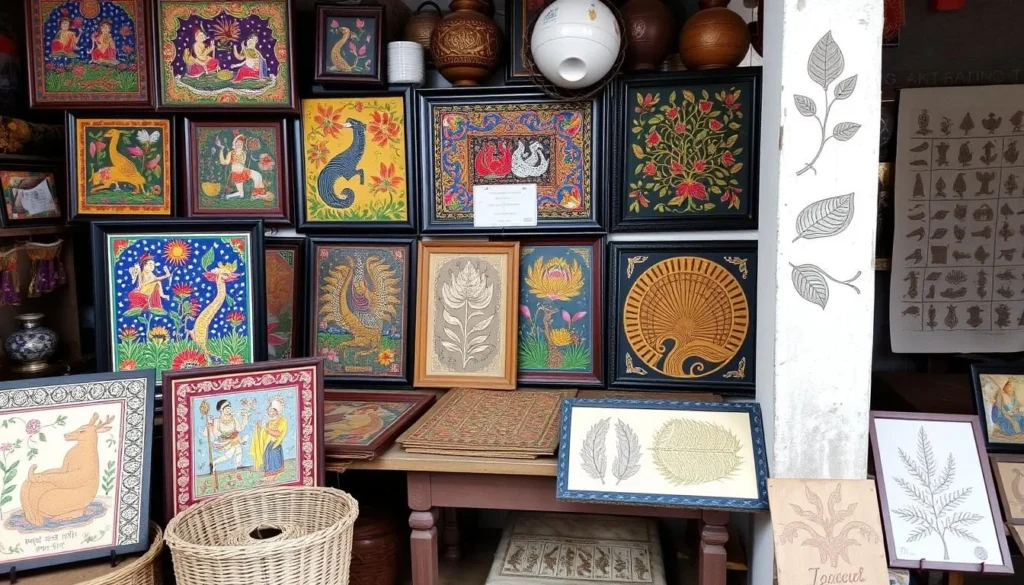
Raghurajpur, a heritage crafts village near Puri, is home to over 100 families of artisans practicing pattachitra (cloth-based scroll painting), palm leaf engravings, stone carving, and wooden toys. Visitors can watch artists at work and participate in workshops to learn traditional techniques.
Pipili village, famous for its vibrant appliqué work, produces colorful fabric art used in temple decorations and increasingly popular as souvenirs. The craftspeople welcome visitors to their workshops.
Major Festivals
The Rath Yatra (Chariot Festival) in June-July transforms Puri into a sea of devotees as massive wooden chariots carrying Lord Jagannath and his siblings parade through the Grand Road. The Konark Dance Festival in December showcases classical dance forms against the dramatic backdrop of the Sun Temple.
For nature enthusiasts, the Chilika Bird Festival coincides with the arrival of migratory birds in winter. The tribal districts celebrate numerous harvest festivals throughout the year, offering glimpses into indigenous traditions rarely seen by outsiders.
Nature & Outdoor Experiences
Coastal Wonders
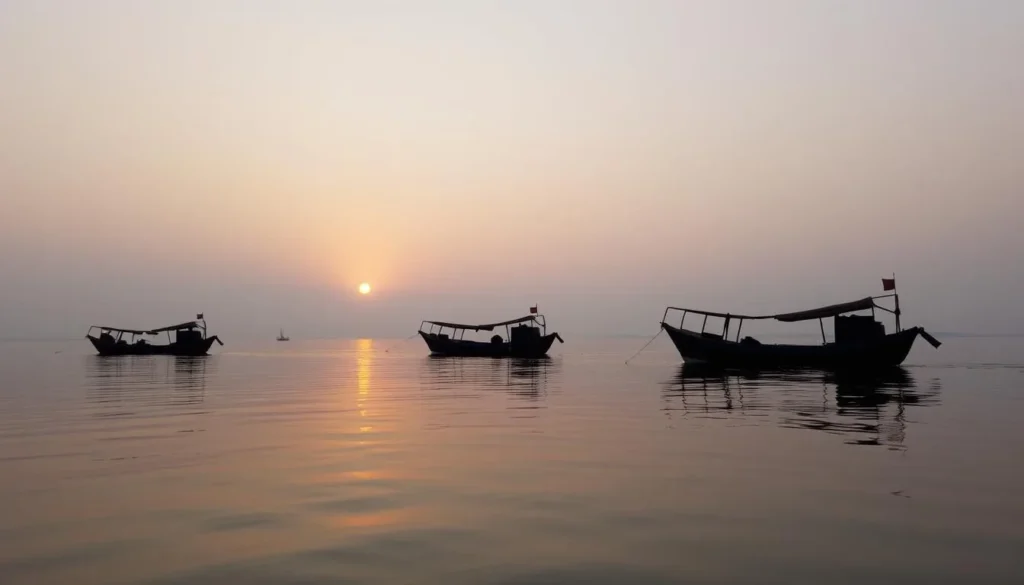
Odisha’s 480 km coastline offers diverse experiences. Puri’s bustling beach contrasts with the serene Chandipur Beach, where the sea recedes up to 5 km during low tide, allowing visitors to walk on the seabed. Between December and March, Gahirmatha Beach witnesses one of the world’s largest mass nesting events of Olive Ridley turtles, with thousands coming ashore to lay eggs.
Lakes and Wetlands
Chilika Lake, covering 1,100 square kilometers, hosts over a million migratory birds from Siberia, Iran, and the Himalayas during winter. Boat trips from Satapada offer chances to spot Irrawaddy dolphins and visit islands like Nalabana Bird Sanctuary. The lake supports traditional fishing communities whose methods have remained unchanged for generations.
Forests and Wildlife
Bhitarkanika National Park protects one of India’s largest mangrove ecosystems and saltwater crocodile populations. Simlipal National Park spans 2,750 square kilometers of deciduous forests harboring tigers, elephants, and over 300 bird species. The lesser-known Satkosia Tiger Reserve offers boat safaris through a dramatic gorge carved by the Mahanadi River.
Hill Stations
Daringbadi, at an elevation of 915 meters, surprises visitors with occasional winter frost—unusual for eastern India. Its coffee plantations, pine forests, and waterfalls provide a refreshing contrast to coastal Odisha. The surrounding tribal villages offer cultural experiences for respectful visitors.
Safety, Etiquette & Local Customs
Temple Etiquette
When visiting temples, dress modestly with shoulders and knees covered. Remove shoes before entering temple complexes. Note that many temples, including the Jagannath Temple in Puri, restrict entry to Hindus only. Non-Hindus can view the structures from outside and visit the numerous temples that welcome all visitors.
Cultural Sensitivity
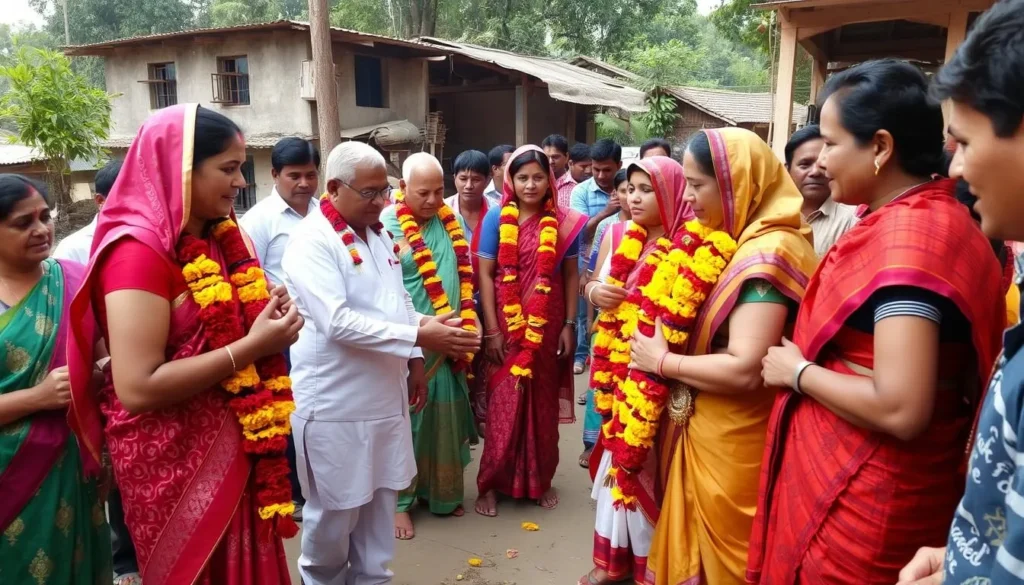
When visiting tribal areas, engage local guides who understand appropriate behavior and can facilitate respectful interactions. Always ask permission before photographing people, especially in tribal communities. Some villages welcome visitors with traditional ceremonies—participate respectfully if invited.
Safety Considerations
Odisha is generally safe for travelers, but standard precautions apply. Avoid isolated beaches after dark and secure valuables in hotel safes. During monsoon season (July-September), coastal areas may experience flooding, and some national parks close temporarily.
The remote tribal districts in southwestern Odisha occasionally experience Maoist activity. Check current advisories before visiting very remote areas and consider traveling with organized tours in these regions.
Health Precautions
Carry insect repellent, especially when visiting forests and wetlands. Stick to bottled or purified water. Medical facilities are good in major cities like Bhubaneswar and Cuttack but limited in rural areas. Comprehensive travel insurance is recommended.
Visitor Comments About Odisha
“The Sun Temple at Konark left me speechless—I’ve visited ancient sites worldwide, but the intricate stone carvings here are unmatched. Don’t miss the small museum nearby that explains the astronomical significance of the temple design. Odisha deserves far more attention from international travelers.”
“As a wildlife photographer, Bhitarkanika exceeded my expectations. We spotted massive saltwater crocodiles, countless bird species, and even witnessed a monitor lizard hunting. Our guide was incredibly knowledgeable about the ecosystem. Bring a good zoom lens and patience!”
“The highlight of our trip was staying in Raghurajpur artist village. We participated in a pattachitra painting workshop with a master artist who has exhibited internationally. Our pieces weren’t masterpieces, but the experience of learning this ancient art form in its birthplace was priceless.”
Additional Nearby Destinations
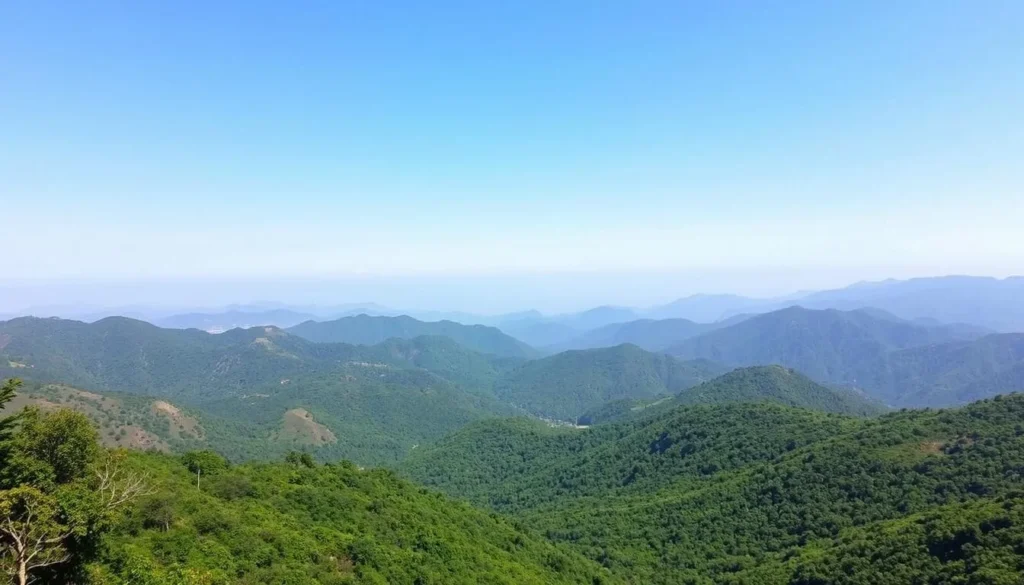
Extend your Odisha journey with these complementary destinations:
West Bengal
Just north of Odisha, West Bengal offers the perfect cultural continuation. Kolkata, a 7-hour train journey from Bhubaneswar, presents colonial architecture, intellectual heritage, and renowned Bengali cuisine. The Sundarbans mangrove forests, a UNESCO World Heritage Site, lie at the southern edge of the state.
Andhra Pradesh
South of Odisha, Andhra Pradesh features the ancient Buddhist site of Visakhapatnam with its beach resorts and hill stations. The Araku Valley offers coffee plantations and tribal villages similar to those in southern Odisha but with distinct cultural traditions.
Chhattisgarh
To Odisha’s west, Chhattisgarh shares similar tribal heritage but with different artistic expressions. The Bastar region is renowned for its distinctive metal craft traditions, while Chitrakote Falls—often called “India’s Niagara”—provides natural spectacle.
These neighboring states can be combined with Odisha in a 2-3 week itinerary for travelers seeking a deeper understanding of eastern India’s diverse cultures and landscapes.
Practical Travel Tips
Language
Odia is the official language, but English is widely understood in tourist areas and hotels. Learning a few basic Odia phrases will be appreciated by locals. Hindi is also commonly understood, especially in urban areas.
Currency & Payments
While major hotels and restaurants in cities accept credit cards, smaller establishments and rural areas operate primarily with cash. ATMs are readily available in cities and towns but can be scarce in remote areas. Carry sufficient cash when venturing to tribal regions or wildlife sanctuaries.
Connectivity
Mobile coverage is good in cities and along major highways but can be patchy in remote forests and tribal areas. Most accommodations offer Wi-Fi, though connection speeds vary. Consider purchasing a local SIM card for better connectivity during your stay.
Shopping
Odisha offers distinctive handicrafts worth bringing home. Look for pattachitra paintings from Raghurajpur, appliqué work from Pipili, silver filigree (tarakashi) from Cuttack, and handwoven ikat textiles from Sambalpur. State emporiums like Utkalika guarantee authentic products at fixed prices.
Sustainable Tourism
Support community-based tourism initiatives like the eco-development projects at Mangalajodi wetlands near Chilika Lake, where former bird hunters now work as conservation-oriented guides. Choose accommodations that employ local staff and implement environmentally responsible practices.
The Timeless Magic of Odisha Awaits
Odisha remains one of India’s best-kept secrets—a land where ancient temples rise against modern skylines, where traditional artisans practice crafts unchanged for centuries, and where nature’s bounty spans from mountain forests to coastal wetlands. Whether you’re witnessing the spiritual fervor of Rath Yatra, watching Olive Ridley turtles nest under moonlight, or learning pattachitra painting from a master artist, Odisha offers experiences that transcend ordinary travel. This eastern gem rewards those who venture beyond India’s well-trodden tourist paths with authentic encounters and lasting memories. As the Odishan saying goes, “Once you’ve seen the Sun Temple at Konark, all other monuments pale in comparison”—perhaps the same could be said for Odisha itself.
The above is subject to change.
Check back often to TRAVEL.COM for the latest travel tips and deals.

0 Comments