

Did you know that Amritsar’s Golden Temple serves free meals to over 100,000 visitors daily, regardless of religion, caste, or background? This remarkable tradition of langar (community kitchen) exemplifies the welcoming spirit of this vibrant Punjabi city, where spirituality, history, and culinary delights converge to create an unforgettable travel experience. As the spiritual center of Sikhism and a city steeped in India’s freedom struggle, Amritsar offers visitors a journey that touches both heart and soul.
Getting There & Planning Your Journey
Amritsar is well-connected to major Indian cities and some international destinations, making it accessible for travelers from around the world.
By Air
Sri Guru Ram Dass Jee International Airport (ATQ) is located approximately 11 km from the city center. It offers direct flights from major Indian cities including Delhi, Mumbai, Bangalore, and Chennai. International connections are available from destinations like Dubai, Singapore, and London with some requiring connections through Delhi.
By Train
Amritsar Junction Railway Station is well-connected to major cities across India. The premium Shatabdi Express from New Delhi to Amritsar is particularly recommended, taking approximately 6 hours with comfortable seating and meal service. Other popular trains include the Swarna Shatabdi and Golden Temple Mail.
By Road
Amritsar is connected to major North Indian cities via well-maintained highways. From Delhi, the journey takes approximately 8-9 hours (450 km) via NH44. Luxury Volvo buses operated by Punjab Roadways offer comfortable overnight journeys from Delhi, Chandigarh, and other nearby cities.
Best Time to Visit & Weather Tips
Amritsar experiences extreme temperatures throughout the year, so timing your visit is crucial for a comfortable experience.

Recommended Seasons
- October to March (Best Overall): Pleasant temperatures ranging from 15°C to 25°C (59°F to 77°F) make this the ideal time for sightseeing. The city is particularly magical during Diwali (October/November) when the Golden Temple is spectacularly illuminated.
- February to April (Spring): Comfortable weather with temperatures between 20°C to 30°C (68°F to 86°F). The Baisakhi festival in April brings vibrant celebrations throughout the city.
- September to October (Post-Monsoon): The landscape turns lush green after the monsoon, with temperatures becoming more moderate.
Seasons to Avoid
- May to June (Summer): Extremely hot with temperatures soaring to 40°C-45°C (104°F-113°F), making outdoor sightseeing uncomfortable.
- July to August (Monsoon): Heavy rainfall can disrupt travel plans and outdoor activities.
- Late December to January: While winter temperatures are generally pleasant during the day, dense fog can affect visibility and transportation, particularly in the mornings.
Weather Tips
Pack light cotton clothes for summer months and warm woolens for winter evenings. Regardless of when you visit, bring a scarf or head covering for entering religious sites, particularly the Golden Temple. Comfortable walking shoes are essential as many attractions involve significant walking.
Getting Around Locally
Navigating Amritsar is relatively straightforward, with several transportation options available to visitors.

Auto-Rickshaws & Cycle Rickshaws
These are the most common modes of transportation within the city. Auto-rickshaws are motorized three-wheelers that can accommodate 2-3 passengers, while cycle rickshaws are pedal-powered and ideal for short distances, especially in the congested old city areas. Always negotiate and agree on the fare before starting your journey.
Taxis & Ride-Sharing
App-based services like Ola are widely available in Amritsar. Local taxi services can also be arranged through your hotel for day trips or airport transfers. For visiting the Wagah Border, hiring a taxi is recommended as it’s located about 30 km from the city center.
Public Buses
City buses operate on major routes and are the most economical option, though they can be crowded and challenging for first-time visitors to navigate. The Shiromani Gurdwara Parbandhak Committee (SGPC) operates free shuttle buses from the railway station to the Golden Temple.
Walking
Many of Amritsar’s key attractions, including the Golden Temple, Jallianwala Bagh, and various markets, are located within the old city area and can be easily explored on foot. The recently developed Heritage Street offers a pleasant pedestrian experience connecting the Town Hall to the Golden Temple.
Where to Stay
Amritsar offers accommodation options for every budget, from luxury hotels to budget guesthouses. Many visitors prefer staying near the Golden Temple for easy access to the city’s main attraction.

Luxury Accommodations
For travelers seeking premium experiences, Amritsar now boasts several international and domestic luxury hotel chains. The Taj Swarna, Hyatt Regency, and Radisson Blu offer world-class amenities, fine dining restaurants, and excellent service. These properties are typically located in the newer parts of the city, a short drive from the main attractions.
Mid-Range Options
Several well-appointed hotels like Golden Tulip, Ramada, and Holiday Inn provide comfortable accommodations at moderate prices. Many mid-range hotels are strategically located near popular tourist spots and offer amenities such as in-house restaurants, room service, and travel assistance.
Budget Stays
Budget travelers can choose from numerous guesthouses and small hotels concentrated around the Golden Temple. The SGPC (Shiromani Gurdwara Parbandhak Committee) runs several affordable lodging facilities near the Golden Temple, though these can fill up quickly during peak seasons and festivals.
Unique Stays
For an authentic experience, consider staying at heritage properties like Ranjit’s Svaasa, a 200-year-old haveli (mansion) converted into a boutique hotel that offers a glimpse into Punjab’s royal past.
Dining & Local Cuisine
Amritsar is a paradise for food lovers, renowned for its rich, flavorful Punjabi cuisine that will tantalize your taste buds and leave you craving for more.

Must-Try Dishes
- Amritsari Kulcha: A local specialty of stuffed bread typically filled with spiced potatoes or paneer, served with chole (chickpea curry) and tangy tamarind chutney.
- Lassi: Thick, creamy yogurt drink often topped with malai (cream) and served in traditional clay cups. Ahuja Milk Bhandar and Gian Di Lassi are famous spots to try this refreshing beverage.
- Amritsari Fish: Local fish marinated in spices and gram flour, then deep-fried to perfection. Makhan Fish is renowned for this dish.
- Sarson da Saag and Makki di Roti: A winter specialty of mustard greens served with cornbread, topped with white butter and jaggery.
- Phirni: A delicate rice pudding dessert served in small earthen pots.
Iconic Eateries
Amritsar’s culinary scene ranges from century-old establishments to modern restaurants, each offering unique flavors and experiences:
- Kesar Da Dhaba: Operating since 1916, this legendary vegetarian restaurant is famous for its dal makhani and thick rotis cooked in desi ghee.
- Bharawan Da Dhaba: Located near the Golden Temple, it’s renowned for authentic Punjabi vegetarian fare.
- Beera Chicken House: A local favorite for non-vegetarian dishes, particularly their tandoori chicken.
- Gurdas Ram Jalebi Wale: Serving piping hot jalebis since 1921, this sweet shop is a must-visit for dessert lovers.
- Brothers’ Dhaba: Popular for its extensive menu of North Indian dishes served in a comfortable setting.
Langar Experience
Don’t miss the opportunity to participate in the langar (community kitchen) at the Golden Temple, where volunteers serve free vegetarian meals to tens of thousands of visitors daily. The simple yet delicious meal typically includes roti, dal, vegetables, and kheer, served to people of all backgrounds who sit together on the floor in a powerful demonstration of equality and service.
Attractions, Sightseeing & Activities
Amritsar offers a wealth of attractions that showcase its spiritual significance, historical importance, and cultural vibrancy.

The Golden Temple (Harmandir Sahib)
The crown jewel of Amritsar, this stunning gold-plated temple sits in the middle of a sacred pool called the Amrit Sarovar. Open 24 hours, the temple welcomes visitors of all faiths. The best times to visit are early morning (4:00-6:00 AM) for the Palki Sahib ceremony when the Guru Granth Sahib (holy book) is carried in procession, or evening when the temple is beautifully illuminated. Remember to cover your head, remove your shoes, and wash your feet before entering.
Jallianwala Bagh
Located just a short walk from the Golden Temple, this historic garden commemorates the tragic massacre of April 13, 1919, when British troops fired on unarmed civilians gathered for a peaceful protest. The memorial includes preserved bullet marks on walls, the Martyrs’ Well where many jumped to escape the gunfire, and an eternal flame. The recently renovated site now includes a sound and light show that narrates the events of that fateful day.
Wagah Border Ceremony
Witness the famous “Beating Retreat” ceremony at the India-Pakistan border, located 30 km from Amritsar. Every evening before sunset, border security forces from both countries perform an elaborate parade culminating in the lowering of flags. The ceremony combines military precision with theatrical flair, accompanied by patriotic music and enthusiastic crowds. Arrive at least 2 hours before the ceremony starts (timing varies seasonally) to secure good seats.

Partition Museum
Located in the restored Town Hall building, this is the world’s first museum dedicated to preserving the memories and artifacts of the 1947 Partition of India. Through personal stories, photographs, newspaper clippings, and donated objects, the museum offers a moving glimpse into one of history’s largest migrations. Allow at least 2 hours to fully appreciate the exhibits.
Gobindgarh Fort
Built in the 18th century and later strengthened by Maharaja Ranjit Singh, this recently restored fort offers insights into Punjab’s military history. Highlights include the Toshakhana (treasury) museum, a 7D show about Sikh history, and cultural performances. The evening sound and light show “Whispering Walls” brings the fort’s history to life.
Durgiana Temple
Often called the Silver Temple, this Hindu shrine bears a striking resemblance to the Golden Temple in its architecture and setting within a sacred pool. Dedicated to Goddess Durga, it’s an important pilgrimage site for Hindus and offers a peaceful atmosphere for reflection.
Museums, Cultural Spots & Festivals
Beyond its famous landmarks, Amritsar offers rich cultural experiences through its museums, heritage sites, and vibrant festivals.

Museums & Heritage Sites
- Maharaja Ranjit Singh Museum: Housed in the summer palace of the legendary Sikh ruler, this museum displays paintings, weapons, coins, and manuscripts from the Sikh Empire. The surrounding Ram Bagh gardens offer a peaceful retreat.
- Central Sikh Museum: Located within the Golden Temple complex, this museum houses rare artifacts, historical paintings, and manuscripts related to Sikh history.
- Punjab State War Heroes Memorial: A modern museum honoring Punjab’s martial traditions with interactive exhibits spanning from ancient times to modern warfare.
- Heritage Street: This beautifully restored pedestrian walkway connects the Town Hall to the Golden Temple, lined with traditional architecture, shops, and eateries.
Cultural Experiences
- Sadda Pind: This cultural village recreates traditional Punjabi rural life with mud houses, craft demonstrations, folk performances, and authentic cuisine. It’s an immersive way to experience Punjab’s cultural heritage.
- Punjab Naatshala: This cultural theater regularly stages Punjabi plays, including “Saka Jallianwala Bagh,” which dramatizes the 1919 massacre.
- Khalsa College: This historic educational institution features stunning Indo-Saracenic architecture and has served as a filming location for several Bollywood movies.
Major Festivals
- Baisakhi (April): The Punjabi harvest festival and Sikh New Year brings vibrant celebrations, particularly at the Golden Temple.
- Diwali (October/November): The Festival of Lights is celebrated with special grandeur at the Golden Temple, which is illuminated with thousands of lights and fireworks.
- Guru Nanak Jayanti (November): The birthday of the first Sikh Guru is marked with processions, prayers, and langar.
- Lohri (January): This winter harvest festival features bonfires, traditional folk songs, and special treats like rewri and gajak.
Nature & Outdoor Experiences
While Amritsar is primarily known for its cultural and historical attractions, the surrounding region offers several opportunities to connect with nature.

Harike Wetland
Located about 60 km from Amritsar, Harike Wetland is the largest wetland in northern India and an important bird sanctuary. Formed at the confluence of the Beas and Sutlej rivers, it attracts over 375 species of birds, including migratory birds from as far as Siberia and the Arctic. Winter (November to March) is the best time to visit when you can spot flamingos, storks, and rare species like the endangered Indus River dolphin.
Ram Bagh Gardens
Originally laid out as the summer palace of Maharaja Ranjit Singh, these historic gardens provide a green oasis within the city. The well-maintained lawns, walking paths, and centuries-old trees offer a peaceful retreat from the bustling city. The garden also houses the Maharaja Ranjit Singh Museum and a panorama depicting the ruler’s life.
Rural Punjab Excursions
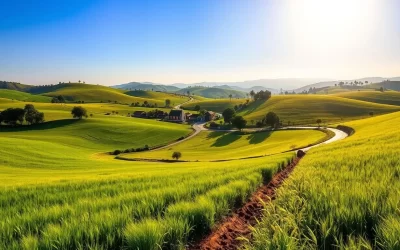
Several tour operators offer day trips to nearby villages where you can experience the agricultural landscape of Punjab, often called “India’s breadbasket.” These excursions typically include visits to farms, traditional homes, and opportunities to participate in seasonal farming activities. Some tours also include home-cooked meals with local families for an authentic taste of rural Punjabi life.
Kanjli Wetland
A lesser-known natural attraction about 70 km from Amritsar, Kanjli Wetland is a serene spot created by a barrage on the Kali Bein rivulet. It’s an excellent place for birdwatching and peaceful boat rides through lotus-covered waters.
Safety, Etiquette & Local Customs
Understanding local customs and etiquette will enhance your experience in Amritsar and show respect for the local culture.

Religious Site Etiquette
- Head Covering: Both men and women must cover their heads when entering the Golden Temple and other gurdwaras. Scarves are available for free at entrances, but bringing your own is recommended.
- Footwear: Remove shoes before entering religious sites. Shoe storage facilities are available at major sites.
- Dress Code: Dress modestly when visiting religious places. Shorts, sleeveless tops, and revealing clothing are considered inappropriate.
- Photography: While photography is generally permitted at the Golden Temple’s outer areas, it’s prohibited inside the sanctum sanctorum. Always be respectful and mindful of worshippers.
Langar Etiquette
When participating in the langar (community kitchen) at the Golden Temple:
- Wait your turn patiently in line
- Accept food with both hands as a sign of respect
- Finish all the food on your plate to avoid wastage
- Return your plate and utensils to the designated areas
- Consider volunteering in the kitchen or serving area as a way to give back
General Safety Tips
- Amritsar is generally safe for tourists, but standard precautions apply
- Be vigilant in crowded areas and keep valuables secure
- Use registered auto-rickshaws and taxis, preferably arranged through your hotel
- Carry a photocopy of your identification documents rather than originals
- Stay hydrated, especially during summer months
- For the Wagah Border ceremony, arrive early and follow security instructions carefully
Local Customs
Punjabis are known for their warmth and hospitality. Don’t be surprised if locals invite you to their homes or offer assistance. Accepting food or tea when offered is considered polite. Learning a few basic Punjabi phrases like “Sat Sri Akal” (greeting) and “Shukriya” (thank you) can go a long way in building rapport with locals.
Visitor Comments About Amritsar
“The Golden Temple exceeded all my expectations. Visiting at dawn when the Guru Granth Sahib was being carried in procession was truly spiritual. The volunteers were incredibly welcoming, and participating in the langar was a humbling experience that taught me about Sikh values of equality and service.”
“Don’t miss the Wagah Border ceremony! The patriotic atmosphere is electric, and the synchronized parade by both countries’ border forces is impressive. Tip: Go early to get good seats, and bring water and a hat as it can get hot while waiting.”
“Amritsar’s food scene is incredible. We tried everything from street food to established restaurants like Kesar Da Dhaba. The kulchas were the best I’ve ever had, and the lassi topped with fresh cream was divine. The city’s warmth extends beyond its cuisine—locals were eager to share recommendations and stories.”
Additional Nearby Destinations
While Amritsar offers plenty to explore, several interesting destinations within a few hours’ drive make for excellent day trips or extended stays.

Dharamshala & McLeod Ganj (200 km)
Home to the Dalai Lama and the Tibetan government-in-exile, these twin hill stations offer a complete contrast to Amritsar’s plains. Visitors can explore Tibetan monasteries, enjoy mountain views, and experience Tibetan culture and cuisine. The journey takes approximately 5-6 hours by road.
Dalhousie (200 km)
A charming hill station established by the British, Dalhousie features colonial architecture, pine-covered slopes, and panoramic views of the Himalayas. Nearby Khajjiar, often called “Mini Switzerland,” offers meadows and adventure activities.
Chandigarh (230 km)
India’s first planned city post-independence, Chandigarh is known for its modernist architecture designed by Le Corbusier. Highlights include the Rock Garden, Sukhna Lake, and the Capitol Complex, a UNESCO World Heritage site.
Pathankot (120 km)
This gateway to the Himalayas offers attractions like Nurpur Fort, Ranjit Sagar Dam, and serves as a base for trips to nearby hill stations.
Jalandhar (80 km)
One of Punjab’s major cities, Jalandhar is known for its sports goods industry, the ancient Devi Talab Mandir, and Wonderland Theme Park.
Practical Travel Tips
Money Matters
- Major attractions like the Golden Temple do not charge entry fees, but donations are welcome
- ATMs are widely available throughout the city, but carry some cash for small purchases and transportation
- Credit cards are accepted at hotels, restaurants, and larger shops, but smaller establishments prefer cash
- Tipping is not mandatory but appreciated for good service (10% is standard in restaurants)
Communication
- Punjabi is the local language, but Hindi and English are widely understood, especially in tourist areas
- Local SIM cards are available for purchase with proper identification (passport for foreigners)
- Free Wi-Fi is available at most hotels and some cafes
Shopping Tips
- Phulkari Embroidery: Look for authentic hand-embroidered pieces at Katra Jaimal Singh market
- Punjabi Juttis: Traditional footwear available in various designs at Hall Bazaar
- Food Products: Amritsari papad, vadis (sun-dried lentil dumplings), and spices make excellent souvenirs
- Bargaining is expected in local markets, but not in fixed-price shops
Health & Accessibility
- Drink only bottled or filtered water
- The Golden Temple complex is wheelchair accessible with ramps and elevators
- Free medical assistance is available at the Golden Temple for emergencies
- Several good hospitals are available in the city for medical needs
Embrace the Spirit of Amritsar
Amritsar is more than just a destination—it’s an experience that touches the heart and soul. From the spiritual serenity of the Golden Temple to the patriotic fervor at the Wagah Border, from the sobering history of Jallianwala Bagh to the vibrant flavors of Punjabi cuisine, the city offers a journey of contrasts and connections. As you walk its streets, participate in its traditions, and engage with its warm-hearted people, you’ll discover that Amritsar’s true beauty lies in its ability to welcome everyone with open arms, just as it has done for centuries. Whether you’re seeking spiritual enlightenment, historical insights, cultural immersion, or culinary adventures, Amritsar promises an unforgettable journey that will leave you enriched and inspired.
The above is subject to change.
Check back often to TRAVEL.COM for the latest travel tips and deals.


0 Comments