
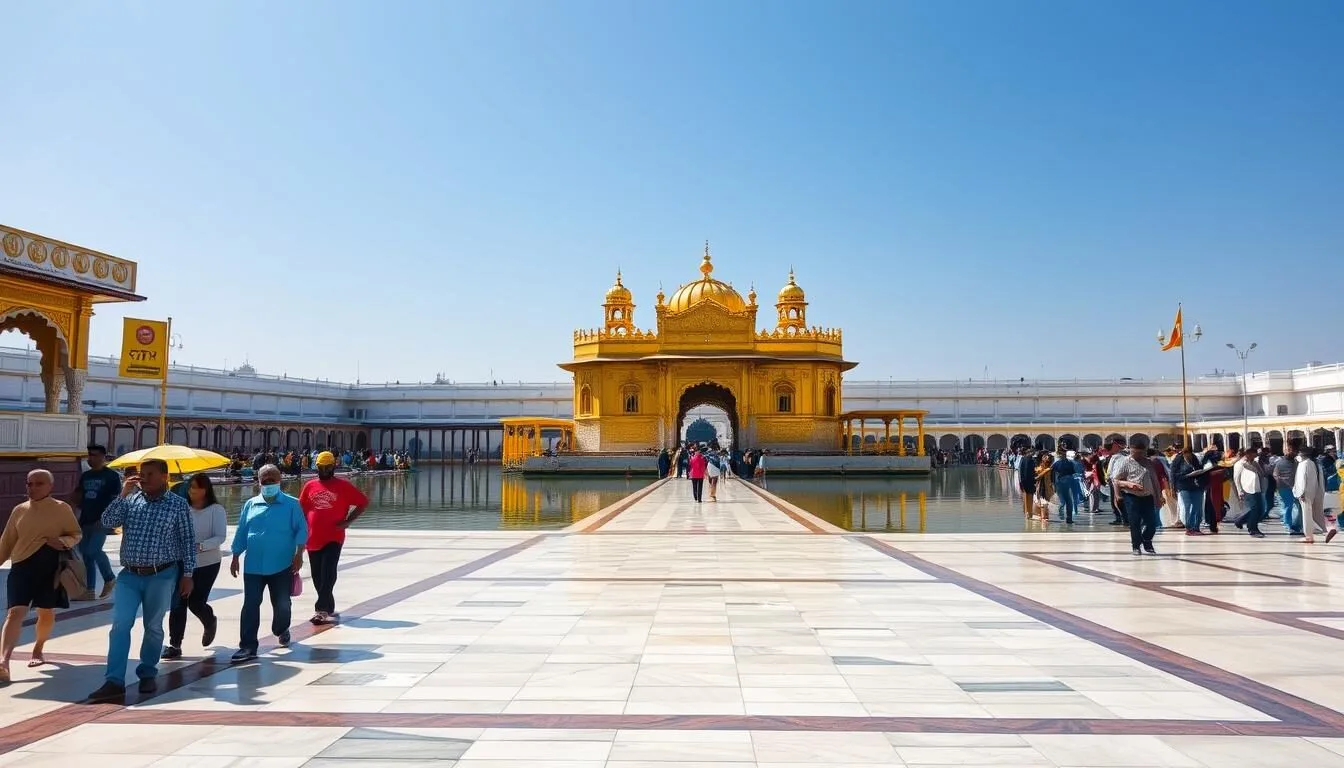
Did you know that Punjab serves over 100,000 free meals daily at the Golden Temple, making it the world’s largest free community kitchen? This northwestern Indian state, whose name literally means “land of five rivers,” offers a vibrant tapestry of experiences that blend spirituality, culture, and warm hospitality. From the shimmering Golden Temple in Amritsar to the electrifying Wagah Border ceremony and the rural charm of traditional Punjabi villages, this region invites travelers to immerse themselves in its rich heritage and lively traditions.
Getting There & Planning Your Journey
Punjab is well-connected to major cities across India and international destinations. The primary gateway is Sri Guru Ram Dass Jee International Airport in Amritsar, which handles both domestic and international flights. Chandigarh International Airport also serves as an important entry point, especially for travelers heading to the eastern parts of Punjab.
Major Airports
- Sri Guru Ram Dass Jee International Airport (Amritsar)
- Chandigarh International Airport
- Ludhiana Domestic Airport (smaller, limited flights)
From Delhi, Punjab is approximately 450 km (280 miles) by road, making it accessible via the well-maintained National Highway 44. The journey takes about 6-7 hours by car or bus. Indian Railways offers excellent connectivity with major stations in Amritsar, Ludhiana, Jalandhar, and Chandigarh receiving trains from across the country.
For international travelers, consider flying into Delhi and taking a connecting flight to Amritsar or Chandigarh, or opt for the comfortable Shatabdi Express train from Delhi.
Best Time to Visit & Weather Tips
Punjab experiences distinct seasons, and timing your visit can significantly impact your experience. The state has hot summers, wet monsoons, and cool winters, each offering a different perspective on Punjabi culture and landscapes.
Recommended Seasons
- October to March (Best Overall): Pleasant temperatures ranging from 5°C to 25°C (41°F to 77°F), clear skies, and minimal rainfall make this the ideal time for sightseeing and outdoor activities.
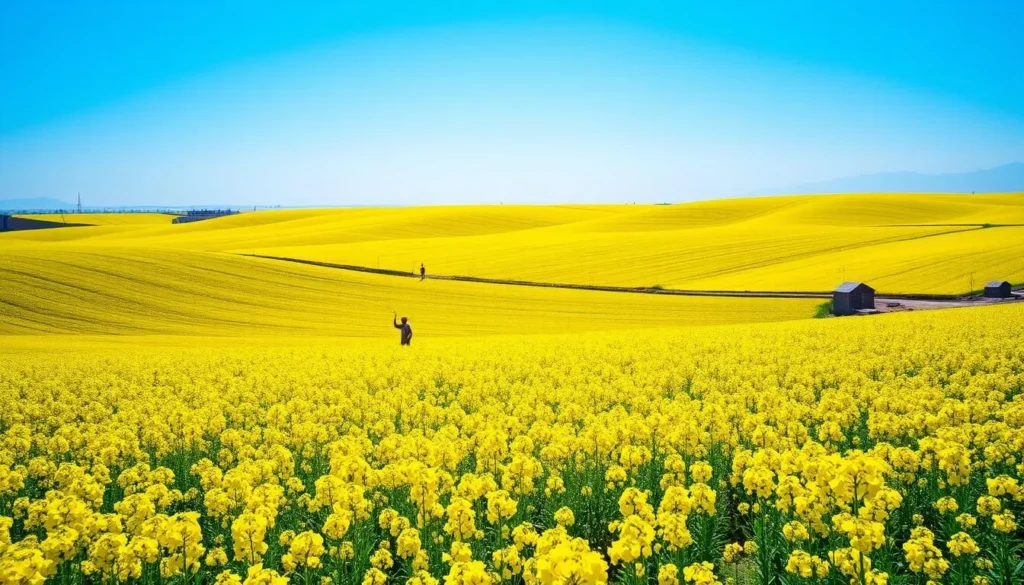
- November to February (Winter): Perfect for experiencing Punjab’s rural charm, mustard fields in full bloom, and traditional winter festivals like Lohri.
- February to March: Ideal for witnessing the colorful Hola Mohalla festival in Anandpur Sahib.
Seasons to Avoid
- April to June (Summer): Temperatures can soar above 40°C (104°F), making outdoor exploration uncomfortable.
- July to September (Monsoon): Heavy rainfall may disrupt travel plans, though the countryside turns lush green during this period.
If visiting during winter (December-January), pack warm clothing as temperatures can drop to 5°C (41°F) or lower, especially at night. For summer visits, lightweight cotton clothing is recommended along with sun protection.
Getting Around Locally
Navigating Punjab is relatively straightforward with several transportation options available to suit different preferences and budgets.
Transportation Options
Public Transport
- Buses: Punjab Roadways and PEPSU operate extensive networks connecting major cities and towns. Fares are economical, starting from ₹10 for short distances.
- Trains: Convenient for travel between major cities like Amritsar, Ludhiana, and Chandigarh.
Private Transport
- Taxis/Cabs: Available in all major cities, with both app-based services (Uber, Ola) and traditional taxi stands.
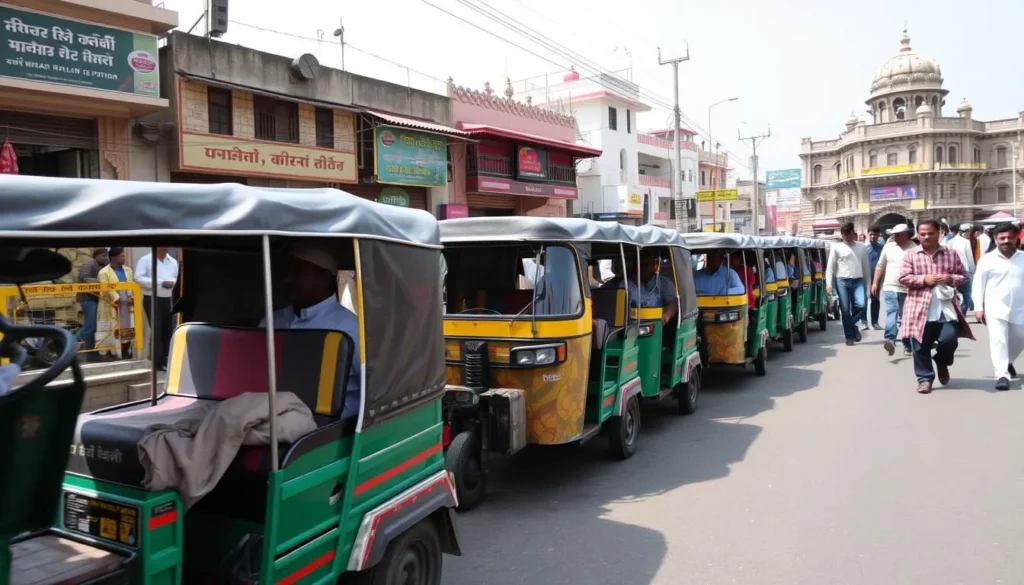
- Auto-rickshaws: Ideal for short distances within cities, with fares starting around ₹30-50.
- Rental Cars: Available in major cities, prices start from approximately ₹1,500 per day.
For exploring rural Punjab, consider hiring a driver for the day. Local drivers often provide valuable insights about lesser-known attractions and can help navigate remote areas.
Where to Stay
Punjab offers a range of accommodation options catering to different budgets and preferences. From luxury hotels in major cities to unique farm stays in rural areas, you’ll find comfortable lodging throughout the state.
Accommodation Types
Luxury Options
- Taj Swarna, Amritsar
- Hyatt Regency, Amritsar
- Radisson Blu, Amritsar
- JW Marriott, Chandigarh
Price range: ₹8,000-15,000 per night
Mid-Range Hotels
- Golden Tulip, Amritsar
- Ramada, Amritsar
- Park Plaza, Ludhiana
- Lemon Tree, Chandigarh
Price range: ₹3,000-7,000 per night
Budget & Unique Stays
- Ranjit’s Svaasa (heritage hotel), Amritsar
- Prakriti Farm Stay, near Ludhiana
- Citrus County Farm Stays, Hoshiarpur
- Various guesthouses near Golden Temple
Price range: ₹800-3,000 per night
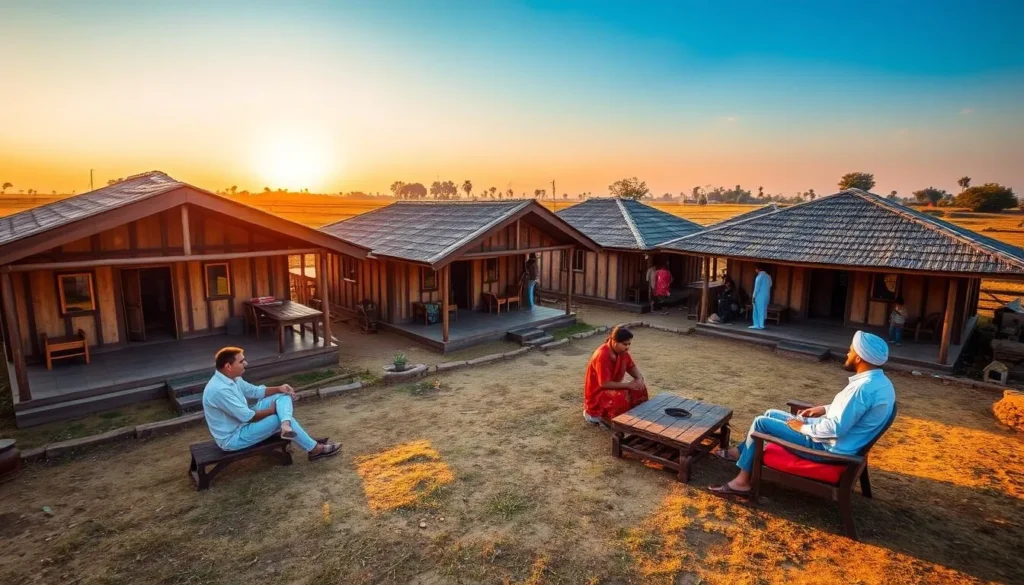
For an authentic Punjabi experience, consider a farm stay in rural Punjab. These accommodations offer traditional meals, cultural activities, and a glimpse into rural Punjabi life.
Dining & Local Cuisine
Punjab’s cuisine is renowned throughout India and beyond for its rich flavors, generous use of butter and ghee, and hearty portions. A culinary journey through Punjab is an essential part of experiencing the state’s culture.
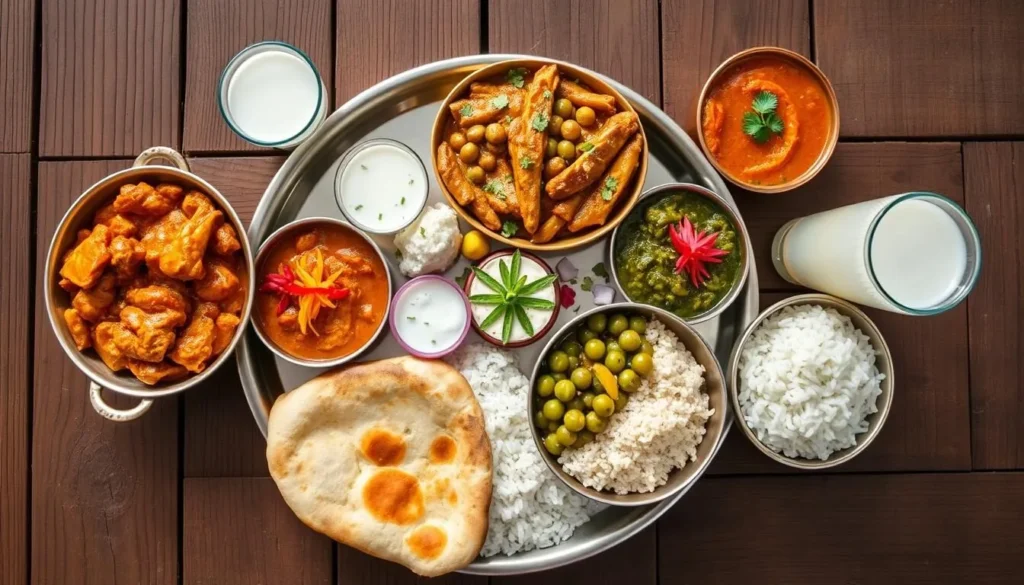
Must-Try Punjabi Dishes
- Butter Chicken: Tender chicken in a rich, creamy tomato sauce.
- Amritsari Kulcha: Stuffed bread served with chole (chickpea curry).
- Sarson da Saag with Makki di Roti: Mustard greens with cornbread, a winter specialty.
- Dal Makhani: Black lentils slow-cooked with butter and cream.
- Punjabi Lassi: Sweet or salted yogurt drink, often topped with malai (cream).
- Pinni: Traditional Punjabi sweet made with wheat flour, ghee, and jaggery.
Famous Eateries
Amritsar
- Kesar Da Dhaba (since 1916)
- Bharawan Da Dhaba
- Makhan Fish & Chicken Corner
- Beera Chicken House
Other Cities
- Pal Dhaba (Chandigarh)
- Chawla’s (Ludhiana)
- Haveli Restaurant (on Delhi-Amritsar Highway)
- Sarhad (near Wagah Border)
Don’t miss the langar (community meal) at the Golden Temple in Amritsar. This free meal served to all visitors regardless of religion, caste, or background is not only delicious but also a profound cultural experience.
Attractions, Sightseeing & Activities
Punjab offers a diverse range of attractions from spiritual sites and historical monuments to vibrant markets and natural landscapes. Here are the top picks for things to do in Punjab that showcase the state’s rich cultural heritage and natural beauty.
Top Attractions in Punjab
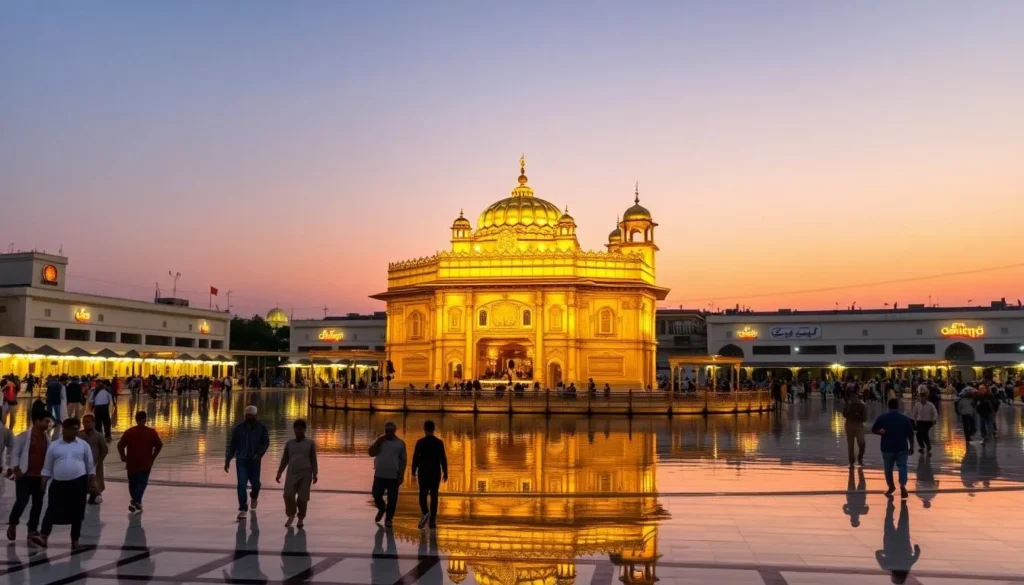
1. Golden Temple (Harmandir Sahib), Amritsar
The spiritual center of Sikhism, this stunning temple with its gold-plated exterior is a must-visit. The complex includes the Akal Takht, the langar hall serving free meals, and the sacred pool (sarovar). Visit early morning or evening for a magical experience when the temple is illuminated and reflected in the surrounding water.
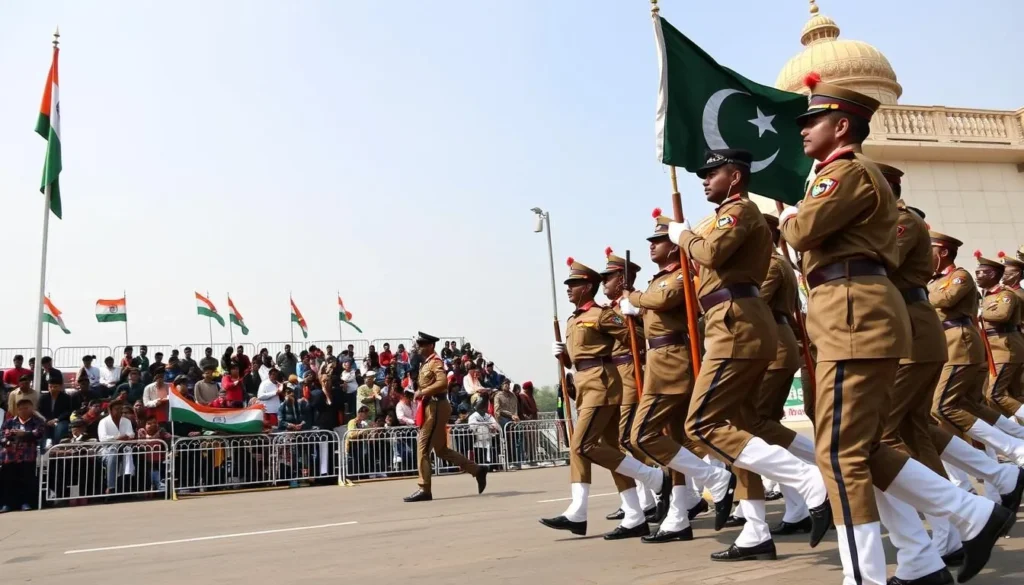
2. Wagah Border Ceremony, Amritsar
Experience the electrifying retreat ceremony at the India-Pakistan border, held daily before sunset. The synchronized parade, flag lowering, and energetic performance by border security forces from both countries create an unforgettable patriotic atmosphere. Arrive early (at least 2 hours before) to secure good seating.
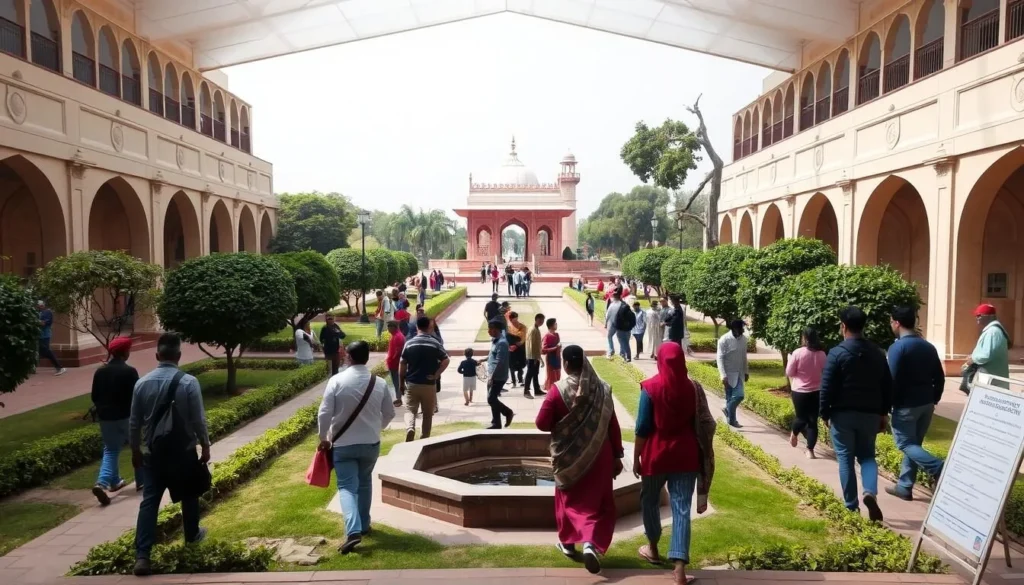
3. Jallianwala Bagh, Amritsar
This historic garden commemorates the tragic massacre of 1919, a pivotal moment in India’s independence movement. The preserved bullet marks on walls, the Martyrs’ Well, and the eternal flame serve as powerful reminders of the struggle for freedom.
4. Partition Museum, Amritsar
The world’s first museum dedicated to the Partition of India in 1947, it houses a moving collection of oral histories, artifacts, and artwork that tell the human stories behind this historical event.

5. Virasat-e-Khalsa, Anandpur Sahib
This world-class museum celebrates 500 years of Sikh heritage through interactive exhibits and multimedia presentations. The stunning architecture of the complex itself is worth the visit, designed by renowned architect Moshe Safdie.
6. Qila Mubarak Complex, Patiala
This 18th-century fort complex showcases a blend of Mughal and Rajput architectural styles. Explore the Durbar Hall, Sheesh Mahal (Palace of Mirrors), and various museums housed within the complex.
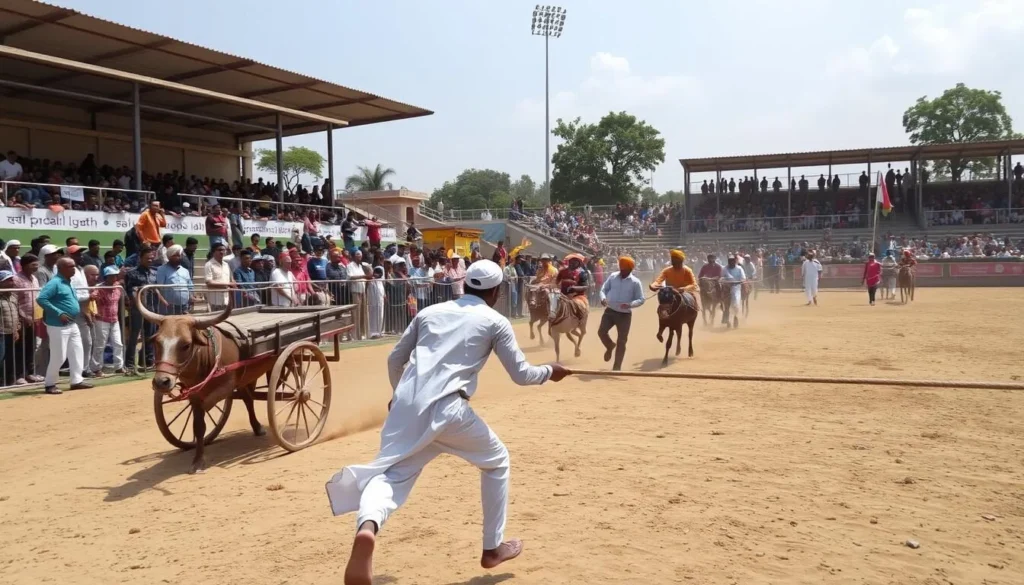
7. Rural Olympics at Kila Raipur
Held annually in February near Ludhiana, this unique sports festival showcases traditional Punjabi rural sports including bullock cart races, kabaddi, and various feats of strength. It’s a colorful celebration of Punjab’s rural culture and athletic traditions.
8. Harike Wetland
India’s second-largest wetland covering approximately 4,100 hectares (10,000 acres), Harike is a paradise for birdwatchers with over 375 bird species. Winter months (November-March) are ideal for spotting migratory birds from Central Asia and Siberia.
Museums, Cultural Spots & Festivals
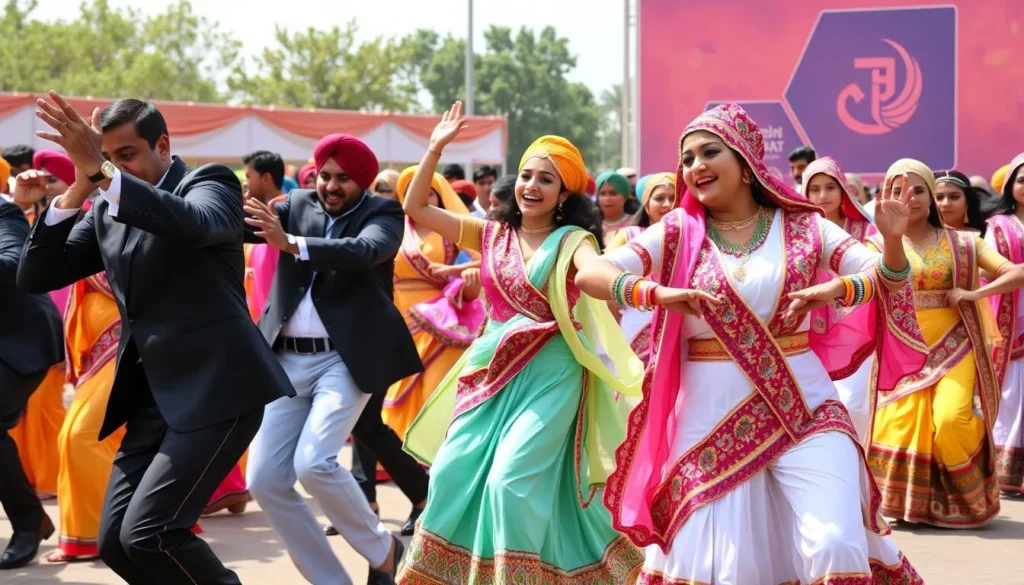
Punjab’s rich cultural heritage is preserved in its museums and celebrated through vibrant festivals that showcase the state’s traditions, music, dance, and community spirit.
Key Museums & Cultural Institutions
- Maharaja Ranjit Singh Museum, Amritsar: Housed in the summer palace of the legendary Sikh ruler, it displays paintings, weapons, and artifacts from the Sikh Empire.
- Pushpa Gujral Science City, Kapurthala: Interactive science museum ideal for families with children.
- Patiala Kala Kendra: Showcases the rich artistic traditions of Punjab through exhibitions and performances.
- Sheesh Mahal Art Gallery, Patiala: Houses a collection of Kangra and Rajasthani miniature paintings.
Major Festivals
Religious Festivals
- Baisakhi (April): Celebrates the harvest season and the birth of the Khalsa Panth. Major celebrations at Golden Temple and Anandpur Sahib.
- Hola Mohalla (March): Three-day festival at Anandpur Sahib featuring martial arts displays, poetry recitations, and music.
- Gurpurbs: Birth and martyrdom anniversaries of Sikh Gurus, celebrated throughout the year.
Cultural Celebrations
- Lohri (January): Harvest festival celebrated with bonfires, folk songs, and traditional dances.
- Teej (July-August): Celebrated by women with swings, songs, and special foods.
- Patiala Heritage Festival (February): Showcases the cultural heritage of the royal city through music, dance, and crafts.
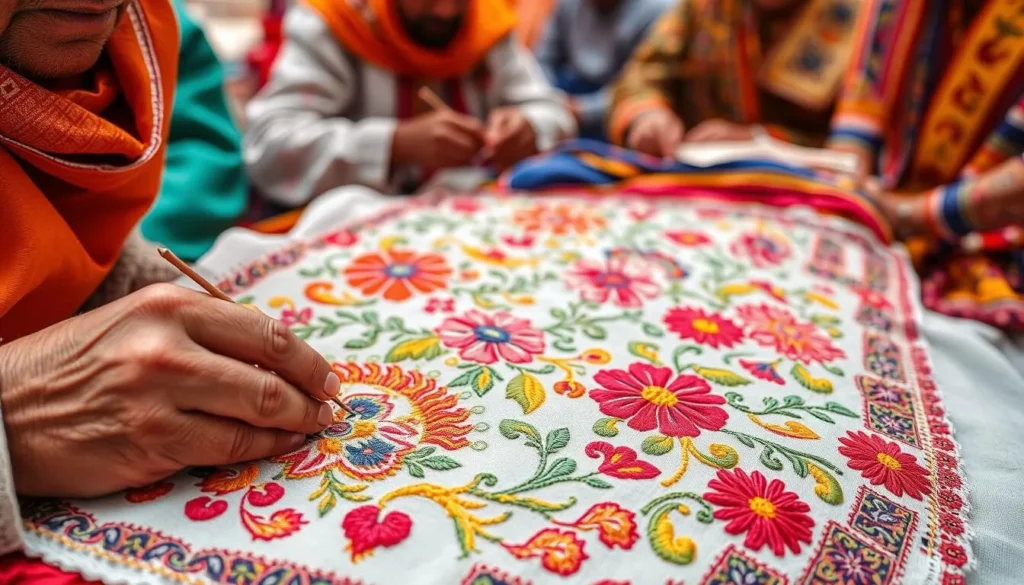
Traditional Arts & Crafts
Punjab has a rich tradition of handicrafts that make for excellent souvenirs:
- Phulkari: Vibrant embroidery work featuring floral motifs, traditionally done on shawls and dupattas.
- Punjabi Jutti: Handcrafted leather footwear with intricate embroidery and mirror work.
- Parandas: Colorful tassels used to decorate hair braids.
- Brass and Copper Utensils: Traditional kitchenware often featuring intricate designs.
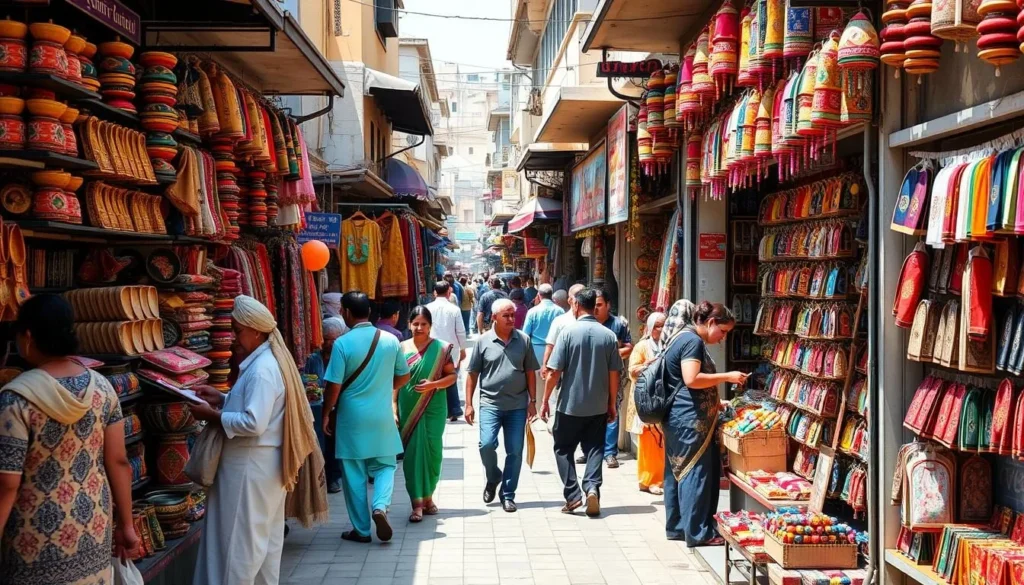
For authentic Phulkari work and Punjabi Juttis, visit Hall Bazaar in Amritsar or the markets of Patiala, where you can often watch artisans at work.
Nature & Outdoor Experiences
While Punjab is often celebrated for its cultural attractions, the state also offers beautiful natural landscapes and outdoor experiences that showcase its agricultural heritage and diverse ecosystems.
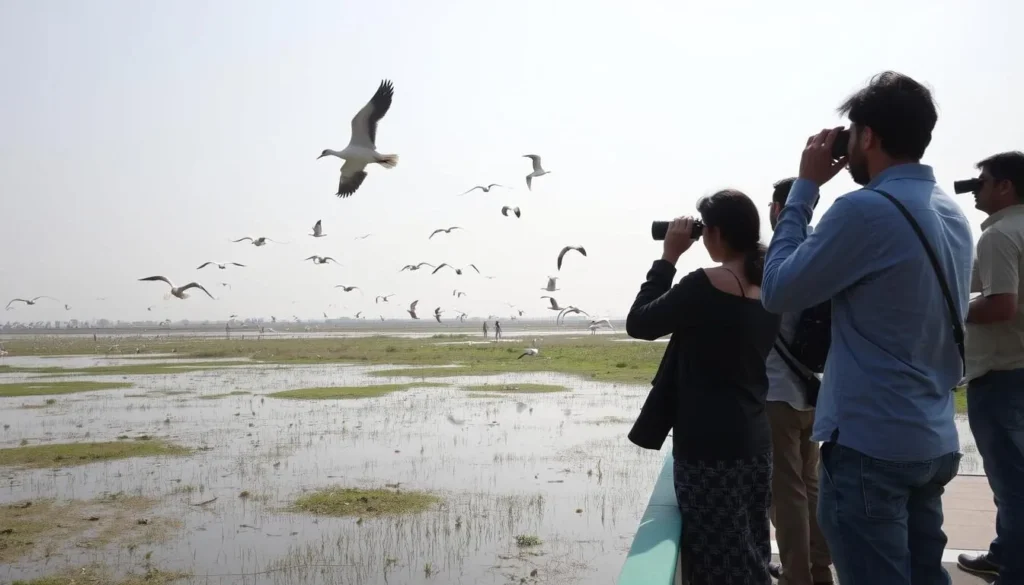
Natural Attractions
- Harike Wetland and Bird Sanctuary: Home to over 375 bird species and the endangered Indus River Dolphin. Winter months are ideal for spotting migratory birds.
- Ropar Wetland: An ecological hotspot with diverse flora and fauna, perfect for nature photography.
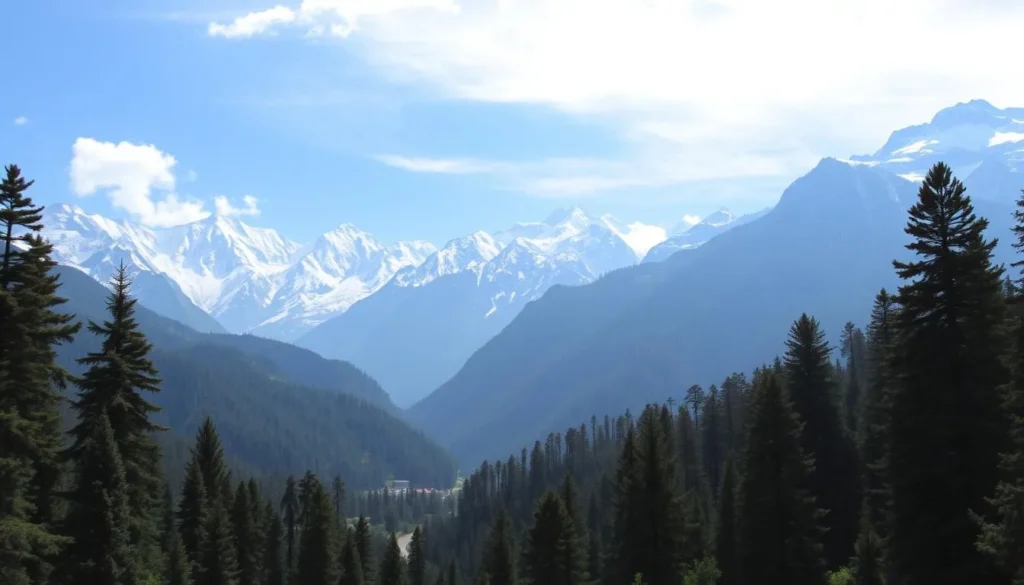
- Shivalik Hills: The foothills of the Himalayas offer scenic hiking trails and panoramic views, particularly around Pathankot and Hoshiarpur.
- Kanjli Wetland, Kapurthala: A peaceful sanctuary for birdwatching and nature walks.
Agricultural Tourism
Punjab’s identity is deeply connected to its agricultural landscape, often called “India’s breadbasket.” Several farms offer immersive experiences:
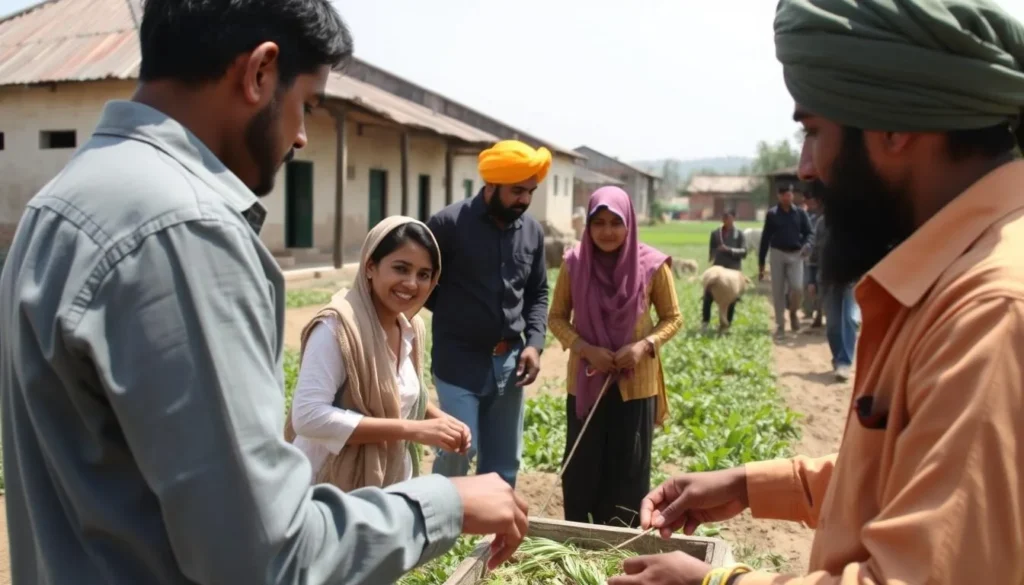
- Prakriti Farm: Located near Ludhiana, this 42-acre organic farm offers stays and activities like harvesting, cooking classes, and tractor rides.
- Citrus County Farm Stays: In Hoshiarpur, known for its orchards and rural experiences.
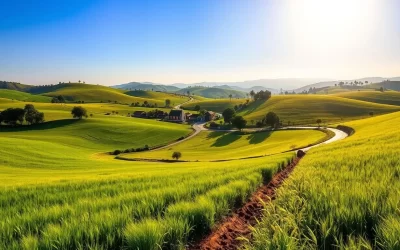
- Mustard Field Tours: During winter months (December-February), the countryside is transformed by golden-yellow mustard fields, creating spectacular landscapes.
Outdoor Activities
Water-Based Activities
- Boating at Sukhna Lake, Chandigarh
- Fishing at Ranjit Sagar Dam
- Boat rides at Harike Wetland
Land-Based Activities
- Cycling tours through rural Punjab
- Trekking in the Shivalik Hills
- Golf at Chandigarh Golf Club
The best time for outdoor activities in Punjab is from October to March when the weather is pleasant. Early mornings are ideal for birdwatching and nature photography.
Safety, Etiquette & Local Customs
Punjab is generally a safe and welcoming destination for travelers. Understanding local customs and etiquette will enhance your experience and show respect for the local culture.
Safety Tips
- Punjab is generally safe for tourists, but standard travel precautions apply.
- Avoid isolated areas after dark, particularly in rural regions.
- Use registered taxis or app-based services for transportation.
- Keep photocopies of important documents and store originals securely.
- Stay hydrated, especially during summer months.
Cultural Etiquette
Religious Sites
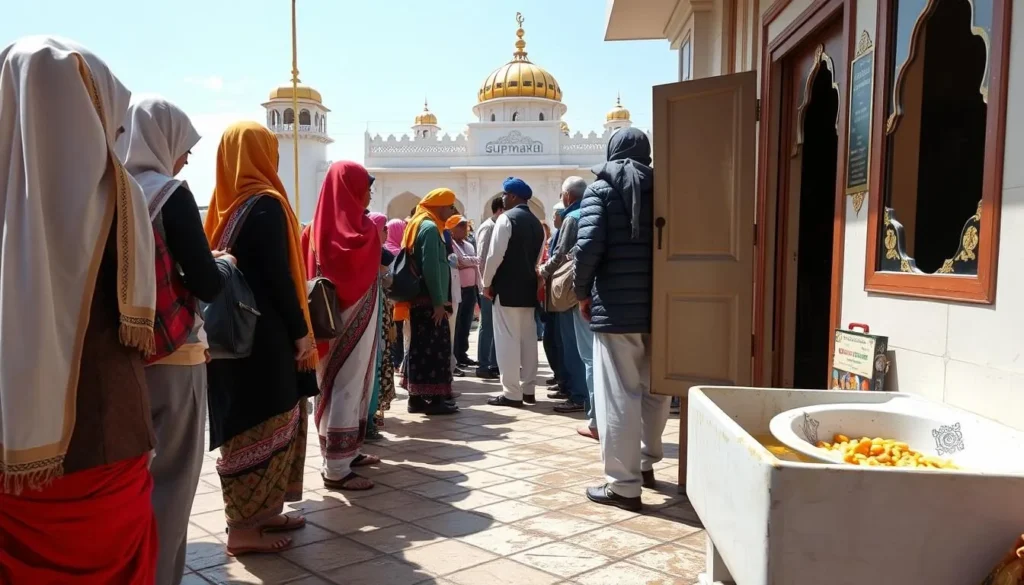
- Cover your head when entering Gurdwaras (Sikh temples).
- Remove shoes before entering religious buildings.
- Wash hands and feet at the entrance of Gurdwaras.
- Accept prasad (blessed food) with both hands.
- Avoid pointing feet toward sacred objects or people.
General Customs
- Greet people with “Sat Sri Akal” (traditional Sikh greeting).
- Dress modestly, especially when visiting religious sites.
- Ask permission before photographing individuals.
- Accept hospitality when offered; refusing can be considered impolite.
- Use right hand for eating and passing items.
Photography is restricted in some areas, particularly at the Wagah Border and certain parts of religious sites. Always check for signs or ask permission before taking photos.
Visitor Comments About Punjab
N.Y., Ottawa
“The Golden Temple exceeded all my expectations. Visiting at sunrise when the golden structure was reflected in the water was truly magical. The langar experience was equally moving—seeing people from all walks of life sitting together and sharing a meal prepared by volunteers. Punjab’s hospitality is unmatched; strangers invited us into their homes and treated us like family. Don’t miss the street food in Amritsar, especially the kulchas!”
B.K., Harare
“As someone interested in history, I found the Partition Museum in Amritsar deeply moving. It tells personal stories of the 1947 partition through letters, photographs, and oral histories. The Wagah Border ceremony was another highlight—the energy of the crowds and the precision of the soldiers was impressive. I also loved exploring rural Punjab; the mustard fields in winter are a photographer’s dream. The people are incredibly warm and proud to share their culture.”
A.P., Kingston
“My family’s farm stay near Ludhiana was the highlight of our India trip. Our children learned to milk cows, make chapatis, and even tried their hand at traditional Punjabi embroidery. The food was incredible—fresh, flavorful, and abundant. We visited during Lohri festival and were invited to join the celebrations with bonfires, folk songs, and dancing. Punjab offers an authentic cultural experience that goes beyond the typical tourist attractions.”
Additional Nearby Destinations
Punjab’s central location in northern India makes it an excellent base for exploring several fascinating destinations nearby.
Day Trips & Short Excursions
- Chandigarh (1-2 days): India’s first planned city, known for the Rock Garden, Sukhna Lake, and modernist architecture by Le Corbusier.
- Dharamshala and McLeod Ganj (2-3 days): Home to the Dalai Lama and Tibetan government-in-exile, approximately 200 km from Amritsar.
- Dalhousie (2-3 days): Colonial-era hill station with panoramic Himalayan views, about 200 km from Amritsar.
Extended Trips
Himachal Pradesh
- Shimla (former summer capital of British India)
- Manali (adventure sports hub)
- Kasauli (tranquil hill station)
Other Regions
- Delhi (national capital, 450 km from Amritsar)
- Jammu & Kashmir (approximately 300 km from Amritsar)
- Uttarakhand (spiritual centers of Haridwar and Rishikesh)
Consider combining your Punjab trip with Himachal Pradesh for a perfect blend of cultural immersion and mountain scenery. The contrast between Punjab’s plains and Himachal’s mountains creates a diverse travel experience.
Practical Travel Tips
These practical tips will help you navigate Punjab smoothly and make the most of your visit to this vibrant state.
Essential Information
Language
- Punjabi is the official language
- Hindi is widely understood
- English is spoken in tourist areas and by younger generations
- Learning basic Punjabi phrases is appreciated
Currency & Payments
- Indian Rupee (₹) is the currency
- ATMs available in cities and towns
- Credit cards accepted in hotels and larger establishments
- Carry cash for small vendors and rural areas
Connectivity
- Mobile coverage is good throughout Punjab
- Local SIM cards available with ID proof
- Wi-Fi available in most hotels and cafes
- Download offline maps for rural travel
Packing Essentials
- Modest clothing for religious sites (scarves for head covering)
- Comfortable walking shoes
- Sunscreen and hat (especially for summer)
- Insect repellent (for rural areas)
- Portable water purifier or water purification tablets
- Basic medications and first aid supplies
Travel Hacks
- Visit the Golden Temple twice—once during daylight and once when illuminated at night.
- Book accommodation in advance during peak tourist seasons and festivals.
- For the Wagah Border ceremony, arrive at least 2 hours early to get good seats.
- Carry a water bottle that you can refill at hotels and restaurants.
- Negotiate prices for handicrafts and souvenirs, but do so respectfully.
- Try to schedule your visit around one of Punjab’s vibrant festivals for an enhanced cultural experience.
Punjab is known for its generous hospitality. Don’t be surprised if locals invite you for a meal or offer assistance. Accepting such gestures is a great way to experience authentic Punjabi culture.
The Heart of Punjab Awaits Your Discovery
Punjab offers a journey that engages all your senses—from the spiritual tranquility of the Golden Temple to the energetic beats of Bhangra, from the rich flavors of Punjabi cuisine to the warmth of local hospitality. This land of five rivers flows with stories of resilience, tradition, and celebration that have shaped its unique cultural identity.
Whether you’re watching the sun rise over the Golden Temple, sharing a meal at a langar, dancing to Punjabi folk music, or simply wandering through golden mustard fields, Punjab will leave you with memories that linger long after your journey ends. The state’s ability to preserve its rich traditions while embracing modernity makes it a fascinating destination for travelers seeking authentic cultural experiences.
As the Punjabi saying goes, “Jine Punjab nahi vekhya, o jammeya hi nahi” (One who hasn’t seen Punjab hasn’t really lived). Come discover the heart and soul of this vibrant state—Punjab awaits with open arms and a warm “Sat Sri Akal!”
The above is subject to change.
Check back often to TRAVEL.COM for the latest travel tips and deals.


0 Comments