Hotels by Trip.com
Flights by Trip.com
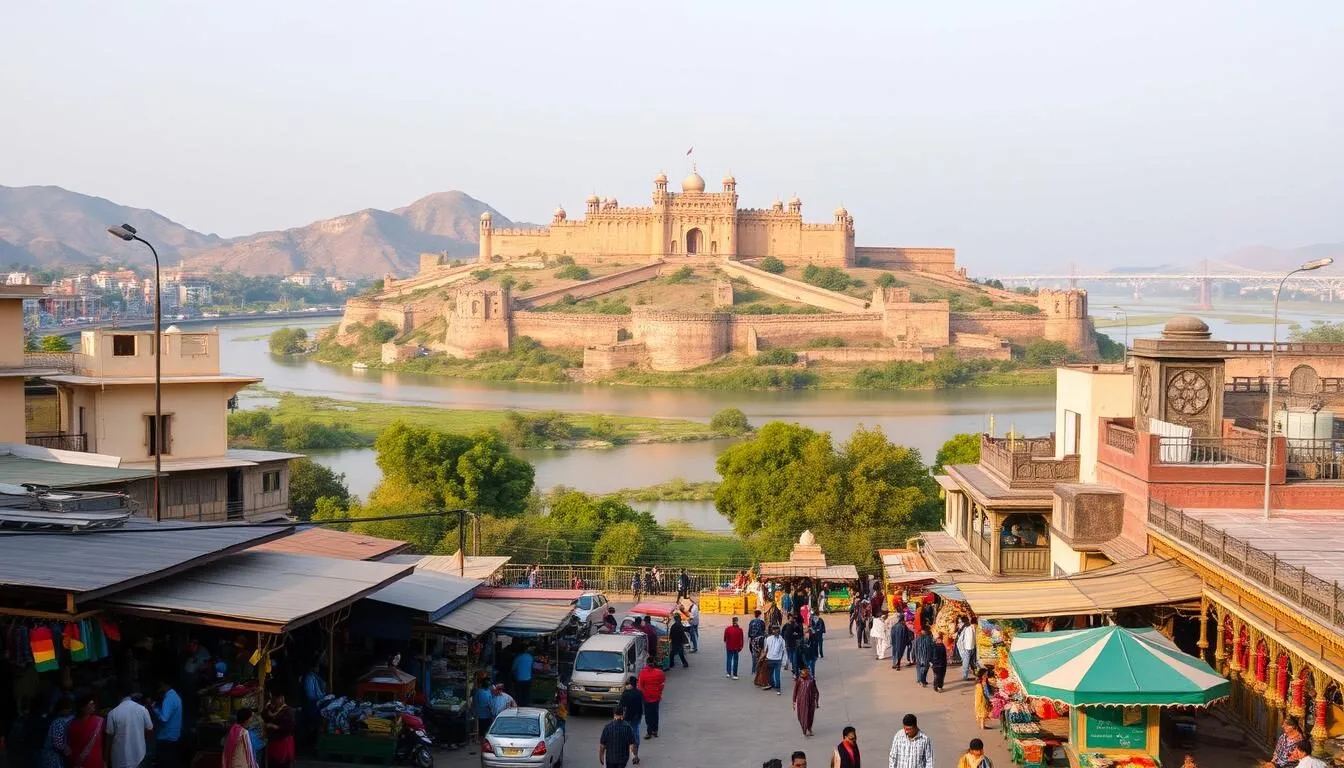
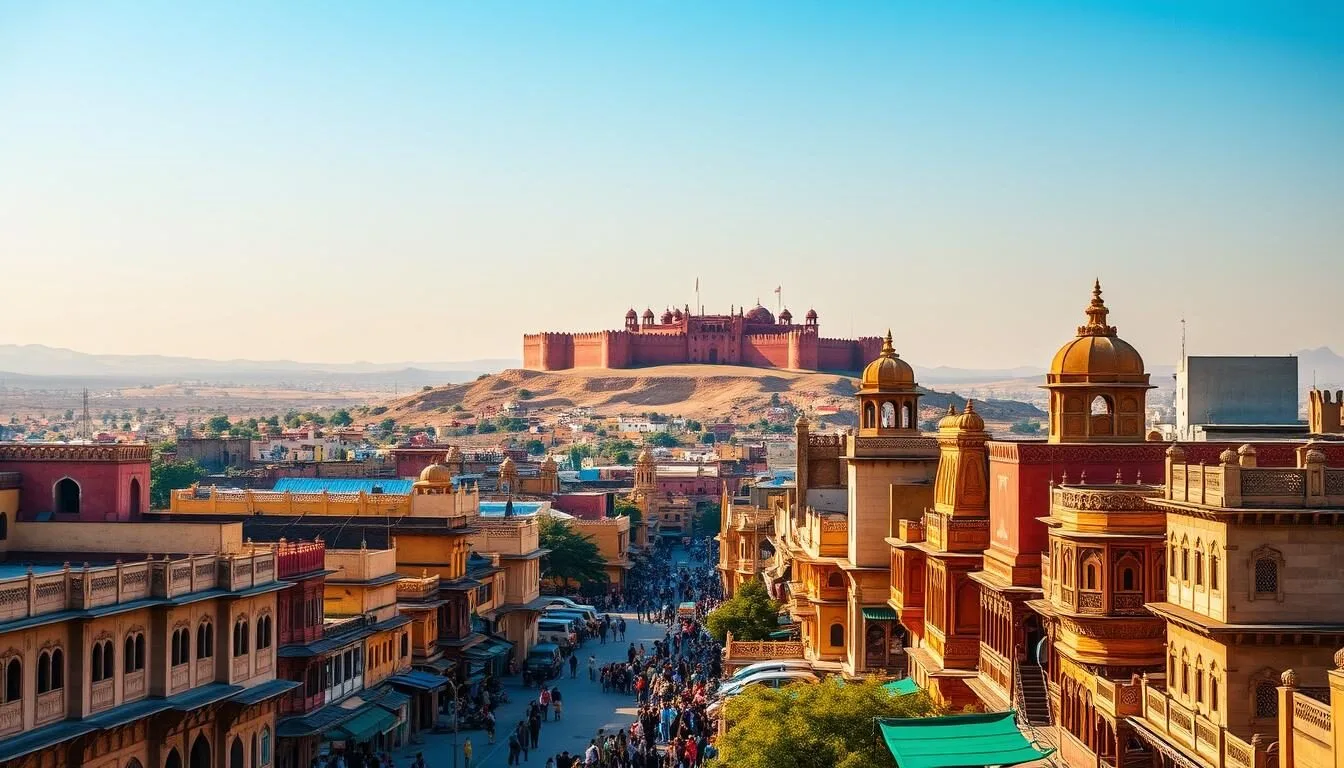
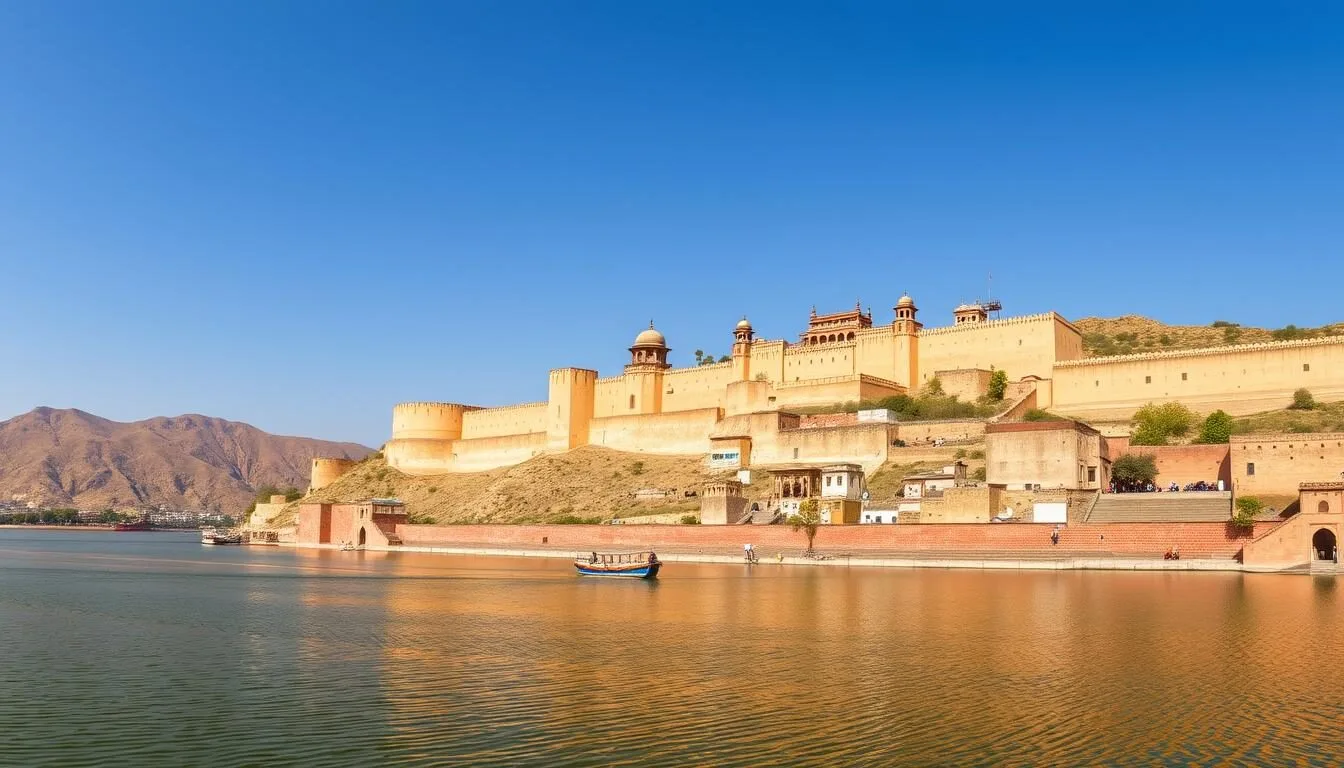
Did you know that Rajasthan is home to not just one, but three of India’s UNESCO World Heritage Sites, including the spectacular hill forts that have stood for centuries? Known as the “Land of Kings,” this northwestern Indian state covers nearly 10% of India’s total area yet contains over 10% of the country’s historical monuments. From the golden sands of the Thar Desert to the azure waters of Udaipur’s lakes, Rajasthan offers a kaleidoscope of experiences that capture the essence of India’s royal heritage.
Getting There & Planning Your Journey
Rajasthan is well-connected to major Indian cities and international destinations. The primary gateways to this royal state are through its three major airports:
- Jaipur International Airport (JAI) – The busiest and most connected airport in Rajasthan
- Udaipur Airport (UDR) – Convenient for those heading directly to the Lake City
- Jodhpur Airport (JDH) – Ideal for travelers planning to explore the western parts of Rajasthan
For international travelers, most flights connect through Delhi or Mumbai, with a short 1-hour connecting flight to Jaipur. Alternatively, Jaipur is just 268 km (167 miles) from Delhi, making it accessible by train (3-4 hours) or private car (4-5 hours).
When planning your Rajasthan journey, consider allocating at least 7-10 days to experience the major cities. A classic route includes Delhi → Jaipur → Jodhpur → Jaisalmer → Udaipur, though you can customize based on your interests. For a comprehensive experience, 14 days would be ideal.
Best Time to Visit & Weather Tips
Rajasthan experiences extreme climate variations, making timing crucial for your visit. The state’s desert climate brings scorching summers and cool winters.
| Season | Months | Temperature | Recommendation |
| Winter (Best) | October to March | 7°C to 22°C (45°F to 72°F) | Ideal for sightseeing and outdoor activities |
| Summer (Avoid) | April to June | 25°C to 45°C (77°F to 113°F) | Extremely hot, not recommended |
| Monsoon | July to September | 20°C to 35°C (68°F to 95°F) | Moderate rainfall, good for budget travelers |
The peak tourist season falls between November and February when the weather is pleasantly cool. If you’re looking to avoid crowds while still enjoying good weather, plan your visit during October or March. The Pushkar Camel Fair in November attracts thousands of visitors, so book accommodations well in advance if you plan to attend.
Weather Tip: Pack layers during winter months as evenings can get quite chilly, especially in desert areas like Jaisalmer. During summer, lightweight cotton clothing, sunscreen, and a wide-brimmed hat are essential.
Getting Around Locally
Navigating Rajasthan’s cities and countryside offers its own unique adventure. The state has relatively good road infrastructure connecting major tourist destinations.
Transportation Options
Within Cities
- Auto-rickshaws: Convenient for short distances (negotiate fare before boarding)
- Cycle-rickshaws: Ideal for exploring old city areas and narrow lanes
- Uber/Ola: Available in major cities like Jaipur and Udaipur
- Local buses: Economical but often crowded
Between Cities
- Trains: Comfortable and scenic (book in advance)
- Buses: State-run and private options available
- Private car with driver: Most convenient but pricier option
- Flights: Available between major cities for those short on time
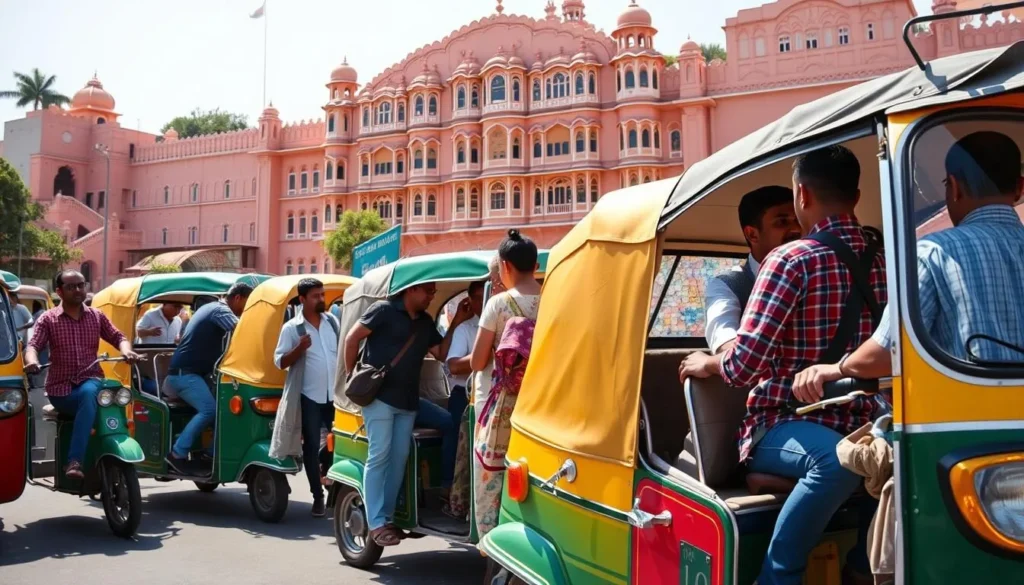
For a truly authentic experience, consider hiring a private car with driver for your entire Rajasthan journey. This option provides flexibility, comfort, and the added benefit of a local guide who knows the best routes and hidden gems. Expect to pay approximately 3,000-4,000 INR ($36-48 USD) per day including fuel.
“The journey through Rajasthan’s countryside is as magical as the destinations themselves. The changing landscapes from arid deserts to lush hills tell the story of this diverse state.”
Where to Stay
Rajasthan offers accommodation options that are experiences in themselves. From former royal residences converted into luxury hotels to traditional havelis (mansions) and budget-friendly hostels, there’s something for every traveler.
Heritage Hotels
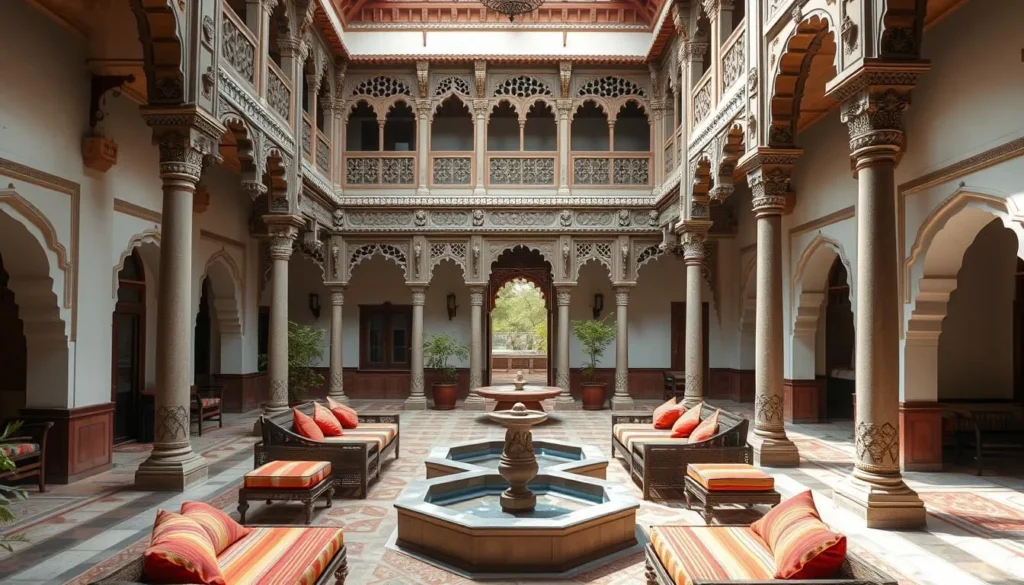
For a truly royal experience, stay in one of Rajasthan’s heritage hotels. These former palaces and havelis have been converted into luxurious accommodations while preserving their historical charm.
Luxury Options
- Taj Lake Palace, Udaipur
- Umaid Bhawan Palace, Jodhpur
- Rambagh Palace, Jaipur
- Suryagarh, Jaisalmer
Price range: 20,000-50,000 INR ($240-600 USD) per night
Check 30,000+ Local Sightseeing Tours Worldwide
✓ Numerous languages and currencies are available
Mid-Range Heritage
- Haveli Dharampura, Jaipur
- Rawla Narlai, Pali
- Garh Jaisal, Jaisalmer
- Jagat Niwas Palace, Udaipur
Price range: 5,000-15,000 INR ($60-180 USD) per night
Budget Stays
- Zostel (hostels in major cities)
- Moustache Hostels
- Hotel Kalyan, Jaipur
- Hotel Pleasant Haveli, Jodhpur
Price range: 500-3,000 INR ($6-36 USD) per night
Booking Tip: Many heritage hotels offer special experiences like traditional dance performances, cooking classes, and guided heritage walks. Ask about these when booking directly with the hotel.
Dining & Local Cuisine
Rajasthani cuisine is as colorful and vibrant as its culture. Developed to survive the harsh desert climate, traditional dishes are often rich, spicy, and designed to last without refrigeration.
Must-Try Dishes
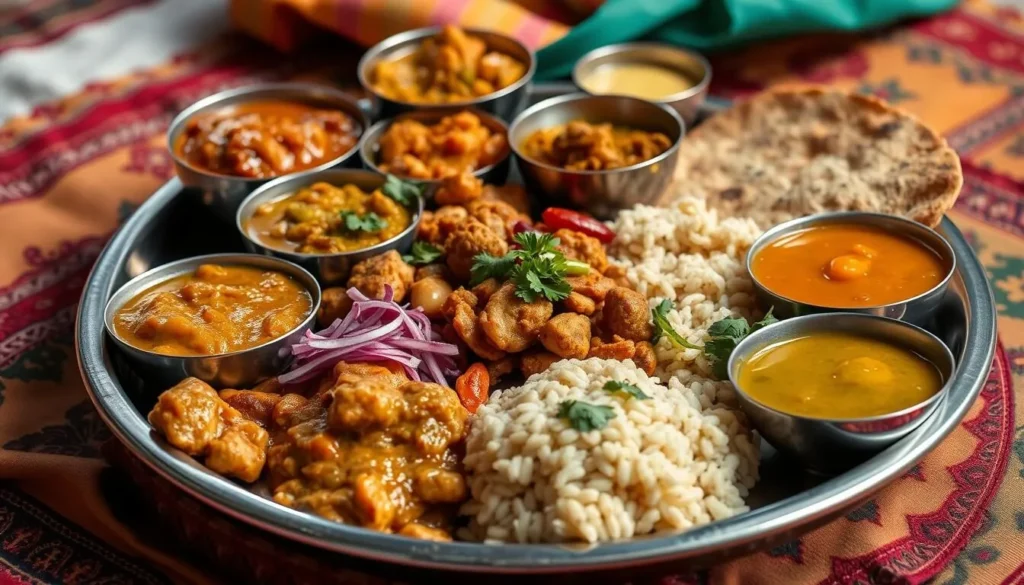
- Dal Baati Churma – Baked wheat balls served with lentil curry and sweetened crushed wheat
- Laal Maas – Fiery red meat curry cooked with mathania chilies
- Ker Sangri – A unique dish made from desert berries and beans
- Gatte ki Sabzi – Gram flour dumplings in spicy yogurt gravy
- Pyaaz Kachori – Deep-fried pastry filled with spicy onion filling
- Ghevar – Disc-shaped sweet soaked in sugar syrup, especially popular during festivals
Dining Experiences
For an authentic experience, try these dining options:
Traditional Settings
- Chokhi Dhani (Jaipur) – Traditional village experience with folk performances
- 1559 AD (Udaipur) – Dine with lake views
- Gypsy Restaurant (Jaisalmer) – Rooftop dining with fort views
Street Food Havens
- Masala Chowk (Jaipur) – Food court with local vendors
- Sardar Market (Jodhpur) – Try the famous omelette shop
- Pushkar Market – Excellent for vegetarian fare
Food Safety Tip: Stick to bottled water and freshly cooked hot food. Street food can be delicious but choose vendors with high turnover and good hygiene practices.
Attractions, Sightseeing & Activities
Rajasthan’s rich history and vibrant culture have blessed it with countless attractions. Here are the must-visit places in the state’s major cities:
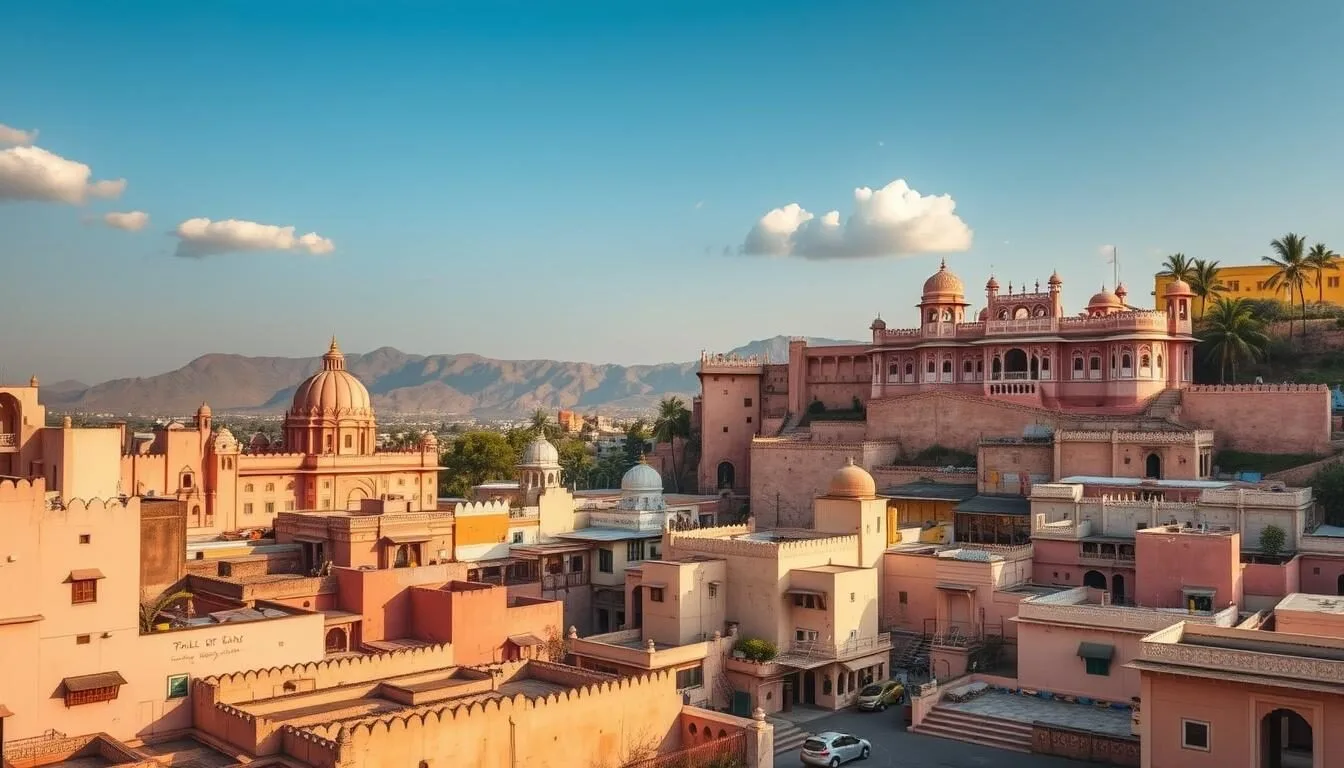
Jaipur – The Pink City
- Amber Fort – Magnificent hilltop fort with stunning architecture and views
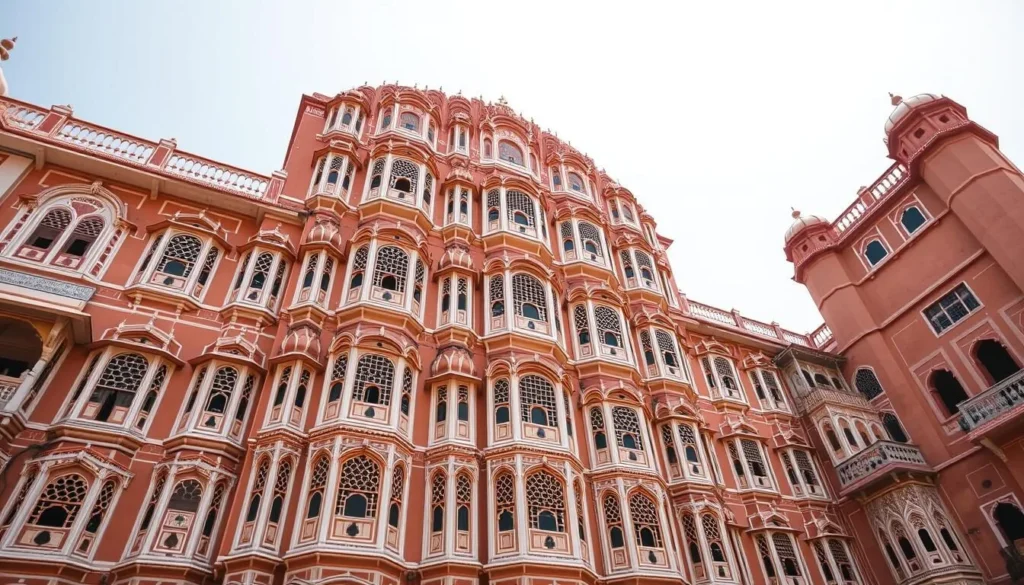
- Hawa Mahal – Iconic “Palace of Winds” with its distinctive honeycomb facade
- City Palace – Royal residence with museums and courtyards
- Jantar Mantar – UNESCO-listed astronomical observatory
- Jal Mahal – Picturesque palace in the middle of Man Sagar Lake
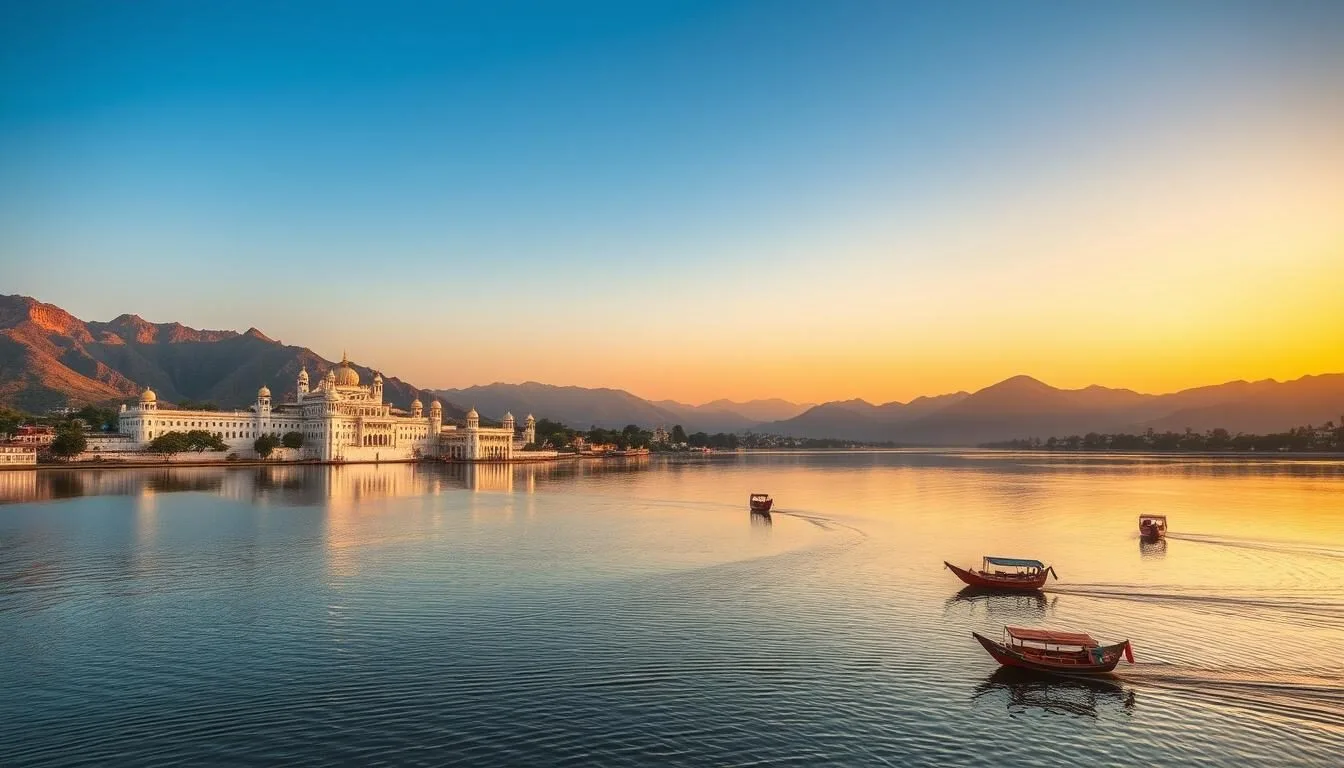
Udaipur – The City of Lakes
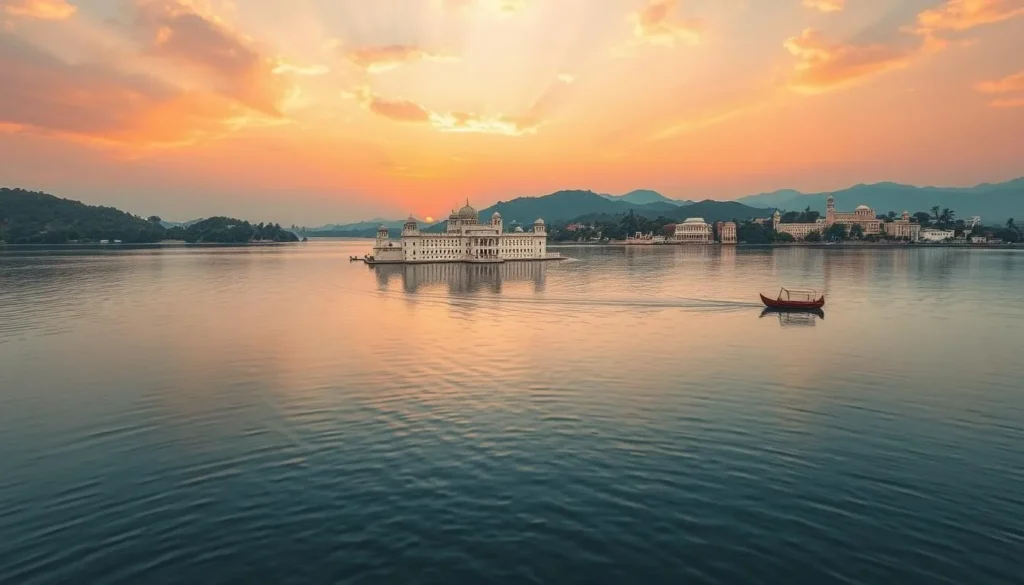
- City Palace – Massive palace complex overlooking Lake Pichola
- Lake Pichola – Take a boat ride on this serene lake
- Jag Mandir – Island palace with beautiful gardens
- Sajjangarh (Monsoon Palace) – Hilltop palace with panoramic views
- Bagore Ki Haveli – Historic haveli with cultural performances
Jodhpur – The Blue City
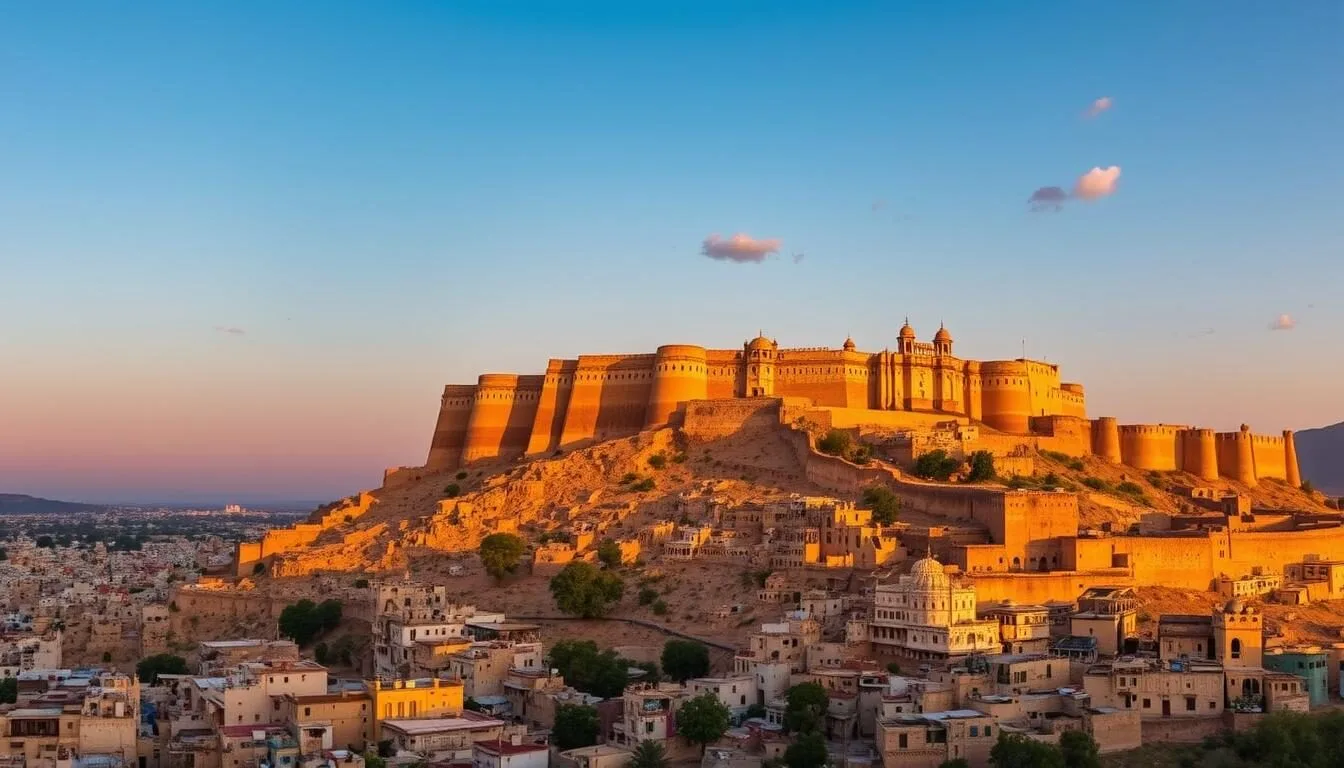
- Mehrangarh Fort – One of India’s largest forts with impressive views
- Jaswant Thada – Marble memorial with intricate carvings
- Umaid Bhawan Palace – Part royal residence, part luxury hotel, part museum
- Blue City – Explore the maze of blue-painted houses
- Stepwell Square – Restored stepwell with surrounding cafes and shops
Jaisalmer – The Golden City
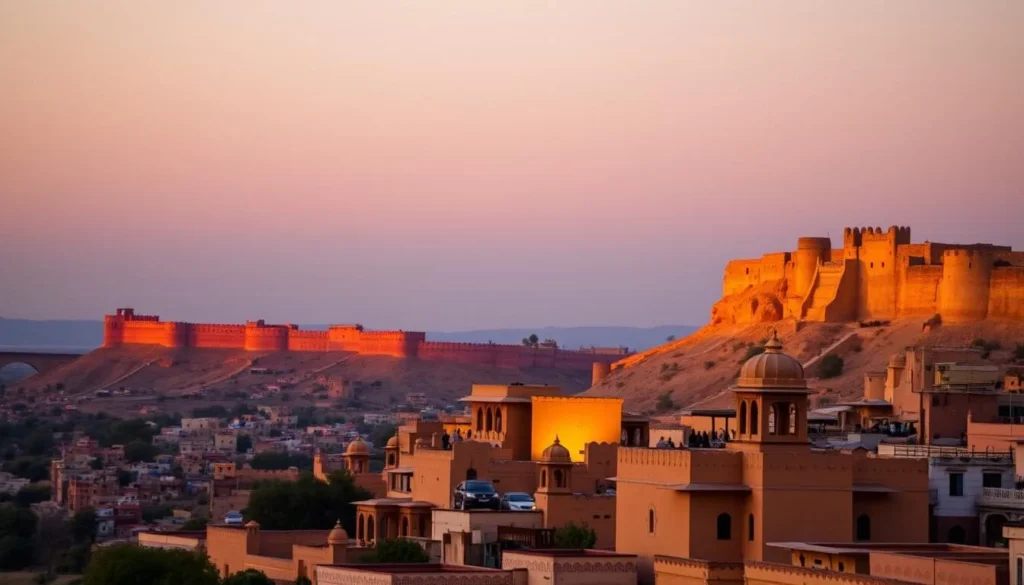
- Jaisalmer Fort – UNESCO-listed “living fort” with residents still inside
- Patwon Ki Haveli – Cluster of five havelis with intricate carvings
- Gadisar Lake – Artificial lake with temples and ghats
- Sam Sand Dunes – Experience desert sunset and camel safari
- Bada Bagh – Royal cenotaphs with desert views
Museums, Cultural Spots & Festivals
Rajasthan’s rich cultural heritage is preserved in its museums and celebrated through vibrant festivals.
Must-Visit Museums
- Albert Hall Museum (Jaipur) – Oldest museum in Rajasthan with diverse collections
- Mehrangarh Museum (Jodhpur) – Houses royal palanquins, weapons, and paintings
- City Palace Museum (Udaipur) – Royal artifacts and miniature paintings
- Desert Cultural Centre (Jaisalmer) – Showcases desert life and folk arts
Major Festivals
| Festival | Time | Location | Description |
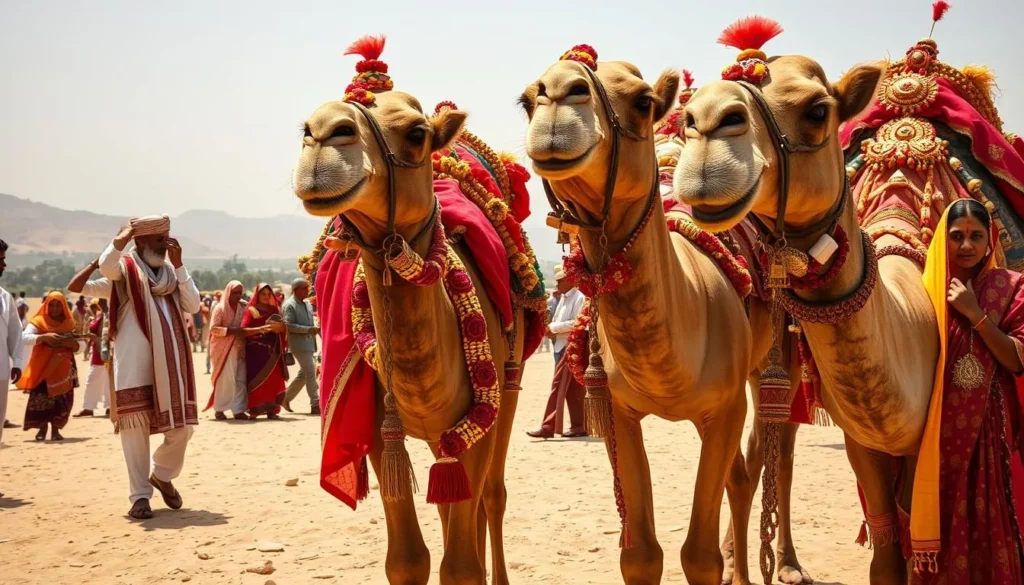
| Pushkar Camel Fair | November | Pushkar | One of the world’s largest camel fairs with trading, races, and cultural events |
| Desert Festival | February | Jaisalmer | Celebrates desert culture with camel races, folk performances |
| Teej | July-August | Jaipur | Celebrates the arrival of monsoon with processions and swings |
| Gangaur | March-April | Throughout Rajasthan | Women-centric festival honoring Goddess Gauri |
Cultural Experiences
Immerse yourself in Rajasthan’s rich culture through these experiences:
- Puppet Shows – Traditional Kathputli puppet performances
- Folk Music – Listen to Manganiyar and Langa musicians
- Block Printing Workshops – Learn traditional textile printing in Jaipur or Bagru
- Cooking Classes – Master Rajasthani cuisine with local chefs
- Traditional Dance Performances – Watch Ghoomar, Kalbeliya, and other folk dances
Nature & Outdoor Experiences
While Rajasthan is famous for its cultural heritage, it also offers remarkable natural landscapes and wildlife experiences.
Wildlife Sanctuaries
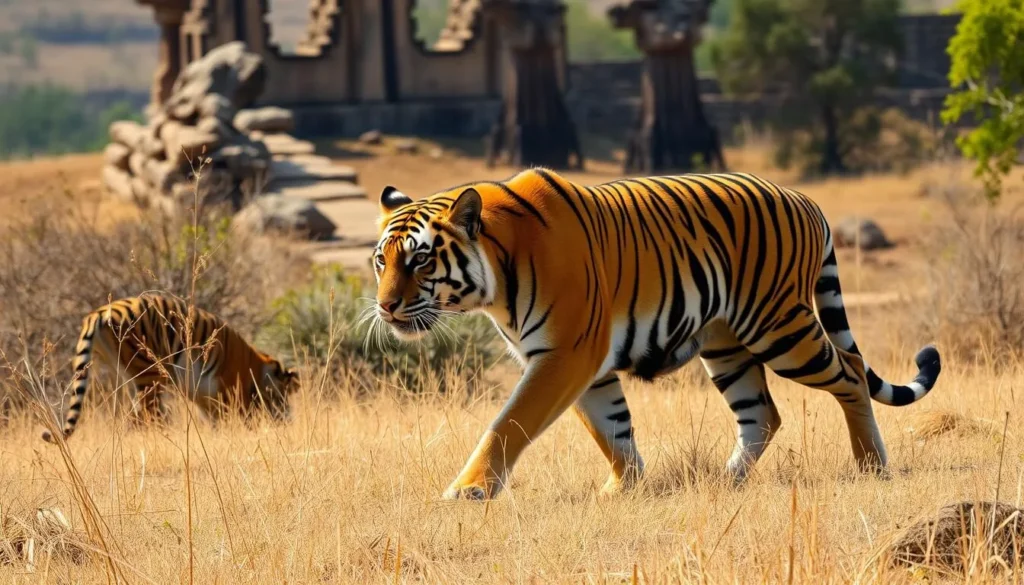
- Ranthambore National Park – Famous for tiger sightings among ancient ruins
- Sariska Tiger Reserve – Tigers, leopards, and other wildlife
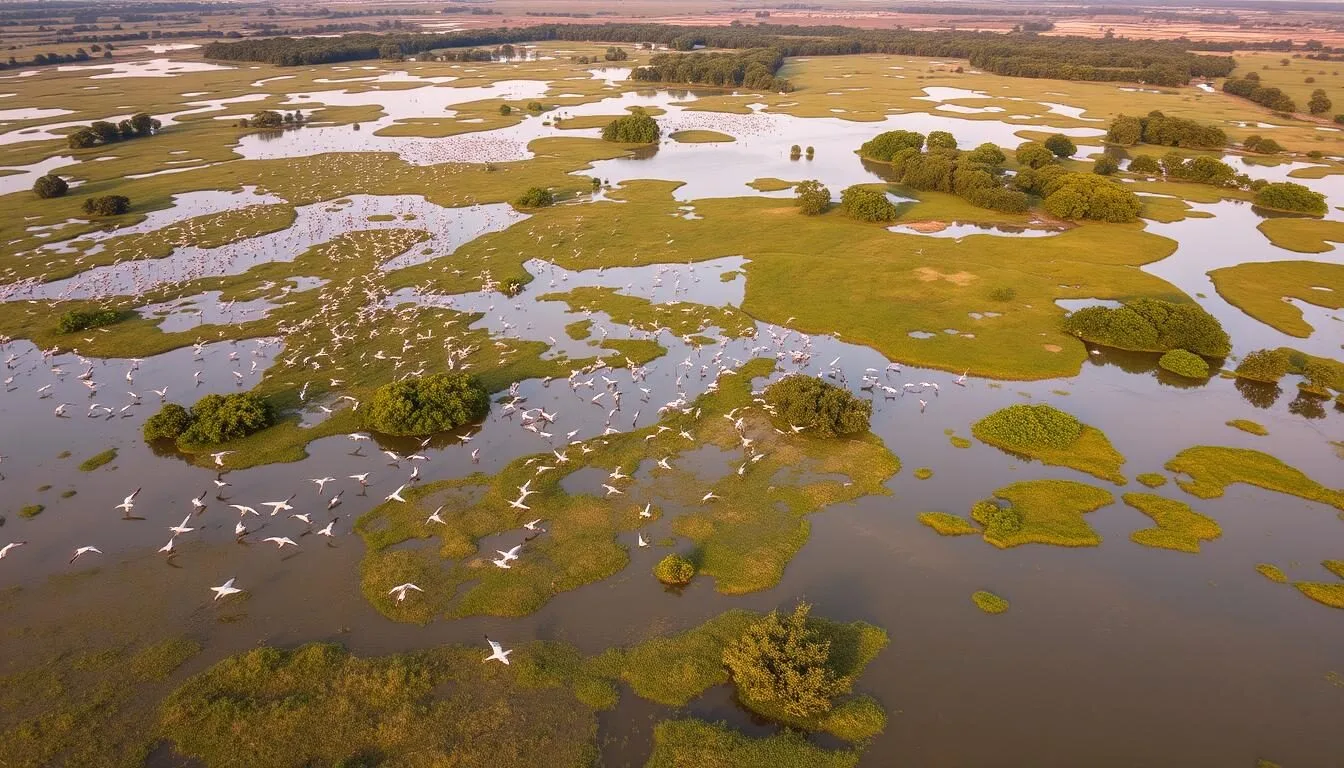
- Keoladeo National Park (Bharatpur) – UNESCO-listed bird sanctuary
- Desert National Park – Unique desert ecosystem with Great Indian Bustard
Desert Experiences
The Thar Desert offers unique adventures:
- Camel Safaris – From short rides to multi-day expeditions
- Desert Camping – Overnight stays with cultural performances under the stars
- Dune Bashing – Thrilling jeep rides over sand dunes
- Stargazing – Clear desert skies offer spectacular night views
Lakes and Hills
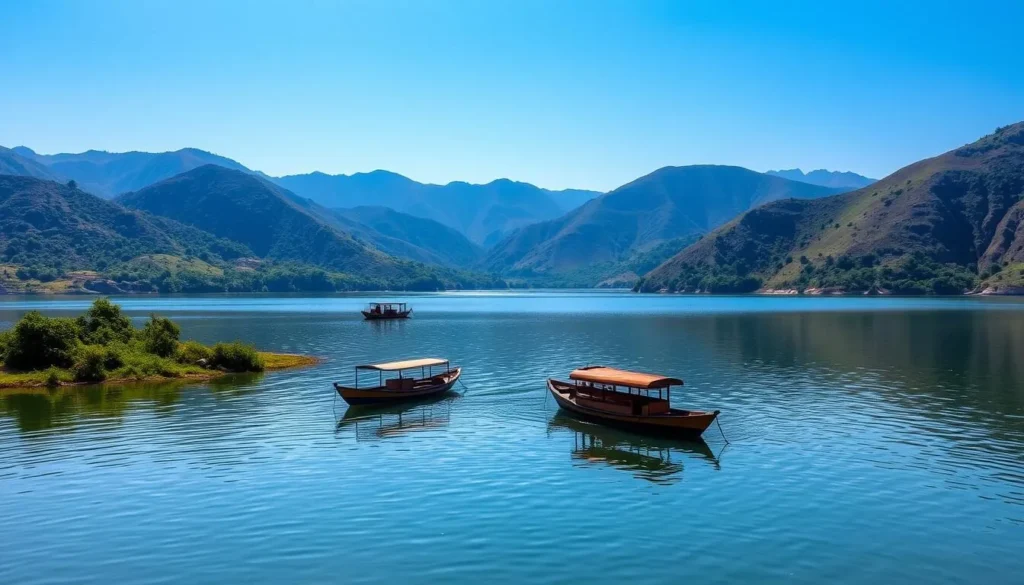
- Mount Abu – Rajasthan’s only hill station with Nakki Lake (55 hectares/136 acres)
- Siliserh Lake – Peaceful lake near Alwar (7 sq km/1,730 acres)
- Jaisamand Lake – Second-largest artificial lake in Asia (87 sq km/21,500 acres)
Safari Tip: Book wildlife safaris in advance, especially during peak season (October-March). Morning safaris typically offer better wildlife sightings.
Safety, Etiquette & Local Customs
Rajasthan is generally safe for tourists, but being aware of local customs and taking basic precautions will enhance your experience.
Safety Tips
- Carry bottled water and stay hydrated, especially during summer
- Use registered guides and transportation services
- Keep valuables secure and be vigilant in crowded areas
- Women travelers should dress modestly, especially at religious sites
- Avoid isolated areas after dark
Cultural Etiquette
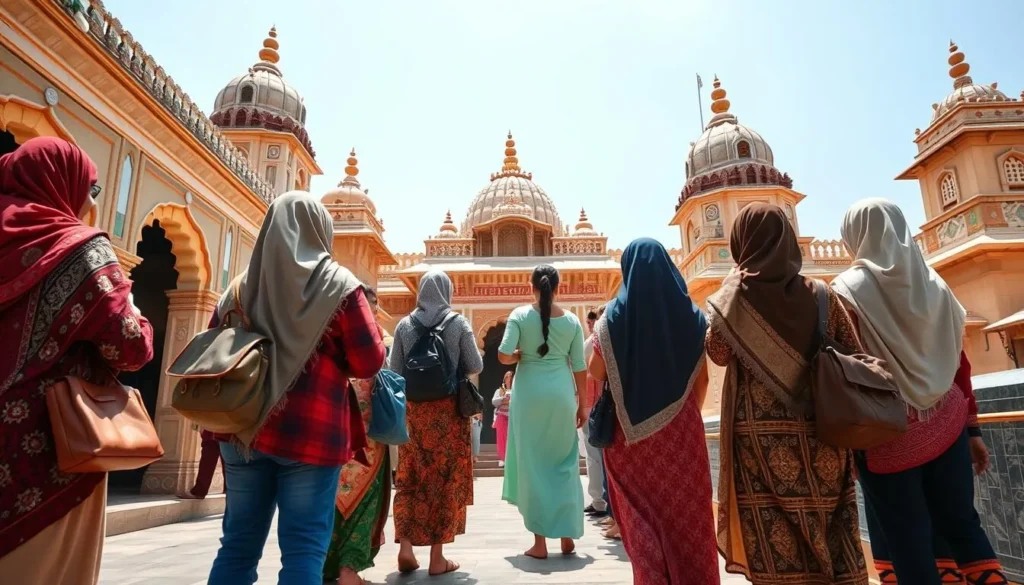
- Remove shoes before entering temples and homes
- Ask permission before photographing locals
- Dress modestly, covering shoulders and knees, especially at religious sites
- Use right hand for eating and giving/receiving objects
- Greet people with “Namaste” with palms pressed together
Local Customs
Understanding these customs will help you connect with local culture:
- Turban Styles – Different colors and styles indicate caste, region, and occasion
- Hospitality – Rajasthanis are known for their warm hospitality; accepting tea when offered is appreciated
- Bargaining – Expected in markets, but keep it friendly and respectful
- Head Movements – A side-to-side head wobble often means “yes” or acknowledgment
Map of Rajasthan
Visitor Comments About Rajasthan
“Rajasthan exceeded all my expectations. The contrast between the golden desert of Jaisalmer and the blue-washed streets of Jodhpur was simply magical. Don’t miss the sunset at Mehrangarh Fort – it’s an experience that will stay with you forever.”
“As a solo female traveler, I felt surprisingly comfortable in Rajasthan. The heritage hotels were incredible value for money, and the local guides helped me discover hidden gems I would have never found on my own. The Pushkar Camel Fair was the highlight of my trip!”
“We visited with our two children (ages 8 and 10) and they were absolutely enchanted by Rajasthan. From riding camels in the desert to watching puppet shows in Udaipur, there was never a dull moment. The locals were incredibly warm and welcoming to our family.”
Additional Nearby Destinations
While Rajasthan offers enough to fill weeks of exploration, these nearby destinations make excellent additions to your itinerary:
Agra, Uttar Pradesh
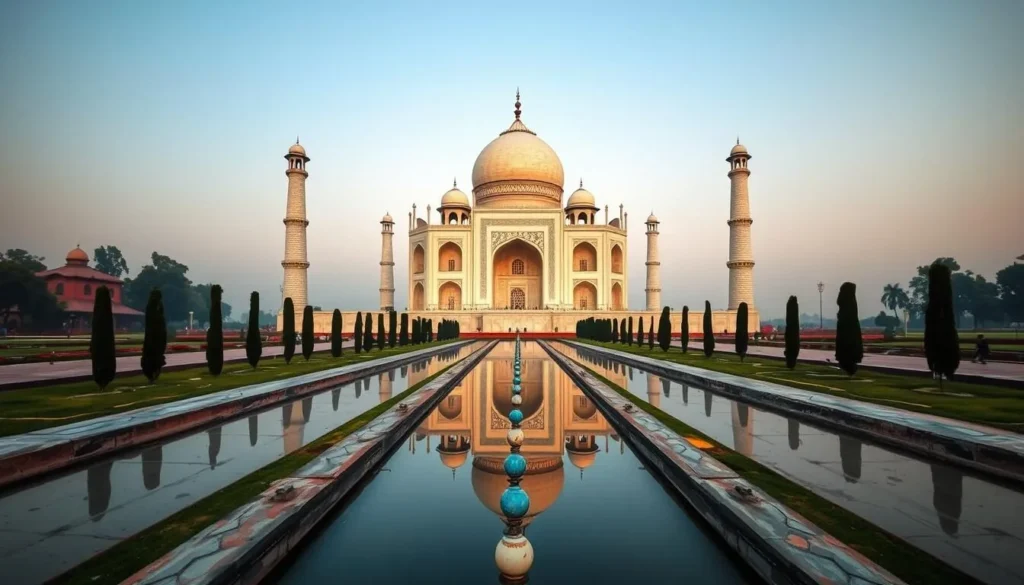
- Home to the iconic Taj Mahal
- Agra Fort and Fatehpur Sikri nearby
- Just 240 km (149 miles) from Jaipur
Delhi
- India’s capital with historical monuments
- Gateway to Northern India
- 268 km (167 miles) from Jaipur
Khajuraho, Madhya Pradesh
- Famous for UNESCO-listed temples
- Exquisite sculptures and architecture
- Can be reached by flight from Jaipur
Practical Travel Tips
Essentials
- Currency: Indian Rupee (INR). ATMs available in cities but carry cash for rural areas
- Language: Hindi and Rajasthani dialects. English widely understood in tourist areas
- Electricity: 230V, 50Hz with round pin plugs (Types C, D, and M)
- Internet: 4G widely available; buy local SIM card for data (requires passport copy)
Packing List
- Modest, lightweight clothing (covering shoulders and knees)
- Comfortable walking shoes
- Sun protection (hat, sunglasses, sunscreen)
- Small medical kit with stomach remedies
- Scarf/shawl for temple visits and cool evenings

Shopping Tips
- Rajasthan is famous for textiles, jewelry, pottery, and leather goods
- Bargaining is expected in markets; start at 50-60% of the initial price
- Government emporiums offer fixed prices and authentic goods
- Get receipts for valuable purchases
Responsible Tourism Tip: Support local artisans by purchasing directly from them when possible. Avoid products made from endangered materials like ivory or certain woods.
The Royal Tapestry of Memories
Rajasthan isn’t just a destination; it’s an immersion into a living heritage that has withstood the test of time. From the moment you step onto its sun-baked soil, you become part of its continuing story. The echoes of royal trumpets in ancient forts, the swirl of colorful turbans in bustling bazaars, and the warm smiles of locals welcoming you into their world – these are the threads that will weave themselves into your own life’s tapestry. As you leave this land of kings, you’ll carry with you not just photographs and souvenirs, but a transformed perspective and memories that will call you back to Rajasthan’s enchanting embrace time and again.
Related Posts