Hotels by Trip.com
Flights by Trip.com
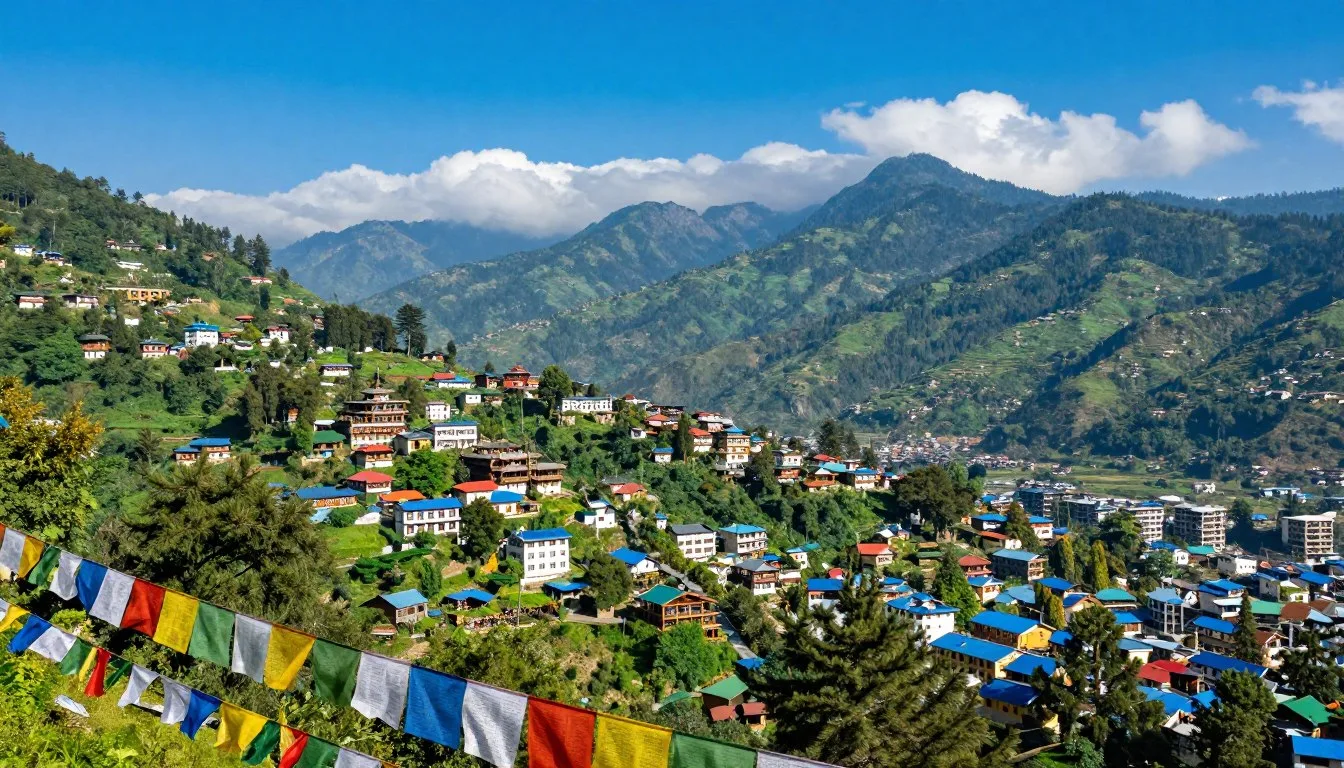
Perched at 1,650 meters (5,410 feet) above sea level, Gangtok receives over 700,000 visitors annually, making it one of Northeast India’s most sought-after mountain destinations. The name “Gangtok” derives from the Tibetan words “gang” meaning hill and “tok” meaning summit, literally translating to “hilltop,” a fitting description for this capital city of Sikkim that offers breathtaking Himalayan vistas at every turn.
This comprehensive Gangtok Sikkim travel guide unveils the hidden gems and popular attractions that make this mountain city extraordinary. From ancient monasteries echoing with Buddhist chants to thrilling cable car rides offering views of the world’s third-highest peak, Gangtok seamlessly blends spiritual tranquility with adventure.
Whether you’re seeking peaceful monastery visits, adrenaline-pumping treks, or simply want to immerse yourself in Sikkimese culture, this travel guide covers everything you need for an unforgettable journey to this enchanting hill station.
Getting There & Planning Your Journey
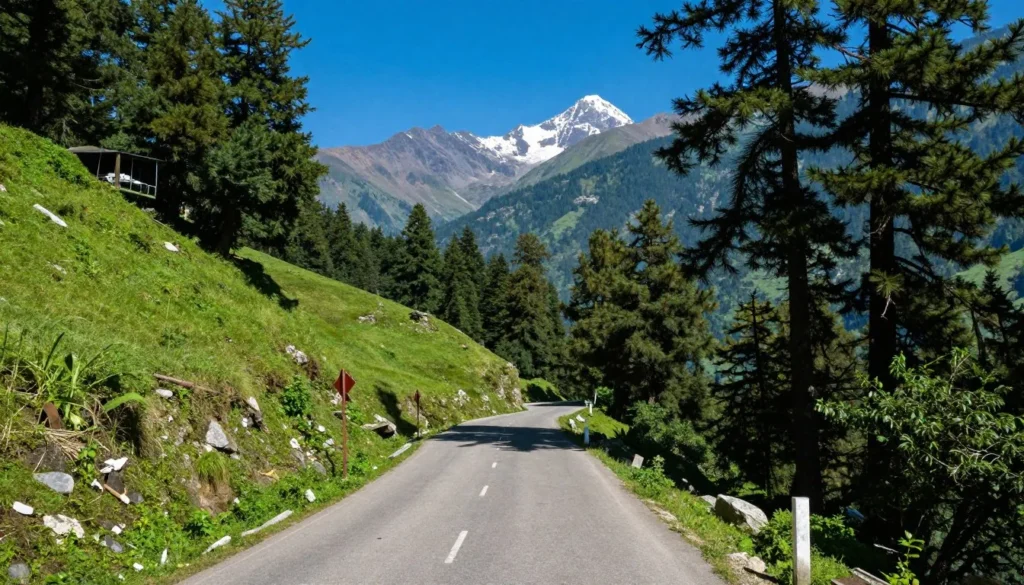
Reaching Gangtok requires careful planning as this mountain city doesn’t have direct connectivity by all transport modes. Understanding your options helps ensure a smooth journey to this Himalayan destination.
By Air
Pakyong Airport, located approximately 35 kilometers (22 miles) from Gangtok, serves as the nearest airport. Opened in 2018, this airport offers limited flights connecting to major cities in India. The airport sits at an elevation of 1,382 meters (4,534 feet), making it one of the highest airports in the country.
However, weather conditions frequently affect flight operations at Pakyong Airport. Most travelers prefer using Bagdogra Airport near Siliguri in West Bengal, situated about 124 kilometers (77 miles) from Gangtok. Bagdogra Airport connects well with major cities across India including Delhi, Mumbai, Kolkata, and Bangalore.
From Bagdogra Airport, the journey to Gangtok takes approximately four to five hours by road. Shared taxis, private cabs, and pre-booked transfers are readily available outside the airport terminal.
By Train
New Jalpaiguri Railway Station, commonly called NJP, serves as the closest major railway station to Gangtok. Located near Siliguri, New Jalpaiguri station connects to most major cities in India through an extensive railway network.
The station lies approximately 148 kilometers (92 miles) from Gangtok. Shared taxis operate regularly from the station to Gangtok, taking around five to six hours. Private vehicles can also be arranged at the station for more comfortable travel.
By Road
Well-maintained roads connect Gangtok to several cities in the region. The most common route from plains areas passes through Siliguri and Rangpo. The drive offers spectacular mountain views and passes through several small towns.
Regular bus services operate from Siliguri to Gangtok. The Sikkim Nationalized Transport runs government buses, while private operators offer various service levels. Shared jeeps provide another popular option, departing when full from designated stands near New Jalpaiguri station and Siliguri.
From Darjeeling, another popular hill station, the journey takes about four hours covering 98 kilometers (61 miles). This route provides stunning views of tea gardens and mountain landscapes.
Best Time to Visit & Weather Tips
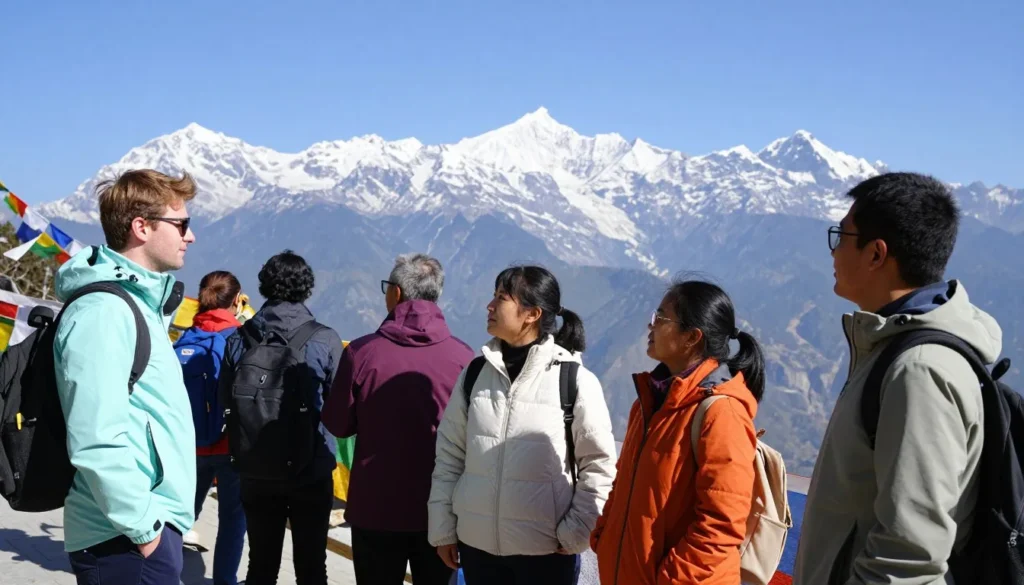
Gangtok experiences distinct seasons, each offering unique experiences. Understanding weather patterns helps you choose the best time for your visit based on personal preferences and planned activities.
Check 30,000+ Local Sightseeing Tours Worldwide
✓ Numerous languages and currencies are available
Best Time to Visit Gangtok
March through May and October through mid-December represent the ideal time to visit Gangtok. During these months, clear skies prevail, offering magnificent views of the surrounding mountains including Mount Kanchenjunga.
Spring months from March to May bring pleasant temperatures ranging from 15°C to 25°C (59°F to 77°F). This season showcases blooming rhododendrons, Sikkim’s state flower, painting hillsides in vibrant colors. The weather remains perfect for outdoor activities and sightseeing.
Autumn, spanning October to mid-December, offers crystal-clear skies and excellent visibility of Himalayan peaks. Temperature ranges between 10°C and 20°C (50°F to 68°F). This period attracts many tourists seeking clear mountain views and comfortable weather for exploration.
Seasons to Consider
Summer extends from June to September, coinciding with monsoon season. Heavy rainfall occurs frequently, sometimes causing landslides that block roads. However, the landscape turns lush green, and fewer tourists mean lower accommodation prices. Temperature stays moderate between 15°C and 25°C (59°F to 77°F).
Winter arrives in December and continues through February. Temperature drops to 0°C to 10°C (32°F to 50°F), with occasional snowfall in January and February. Roads sometimes become challenging, but the area transforms into a winter wonderland. Pack heavy woolens if visiting during this season.
Months to Avoid
Late June through September should be avoided if possible due to heavy monsoon rains. Landslides frequently disrupt travel plans, and outdoor activities become limited. Roads near Gangtok can experience blockages, making travel unpredictable.
Mid-January to early February can be extremely cold with temperatures dropping below freezing. Some tourist spots may close, and road conditions deteriorate with ice formation.
| Season | Months | Temperature | Conditions | Recommendation |
| Spring | March – May | 15°C to 25°C (59°F to 77°F) | Clear skies, blooming flowers | Excellent |
| Summer/Monsoon | June – September | 15°C to 25°C (59°F to 77°F) | Heavy rainfall, landslides | Avoid |
| Autumn | October – December | 10°C to 20°C (50°F to 68°F) | Clear views, dry weather | Excellent |
| Winter | January – February | 0°C to 10°C (32°F to 50°F) | Cold, occasional snow | Fair |
What to Pack
Light woolens work well during spring and autumn. Include a windproof jacket for evening chill. Comfortable walking shoes are essential as many places require walking on uneven terrain.
Heavy winter clothing becomes necessary from December through February. Thermal wear, thick jackets, gloves, and woolen caps help combat the cold. Rain gear remains useful year-round as weather can change quickly in mountain areas.
Notable Annual Festivals
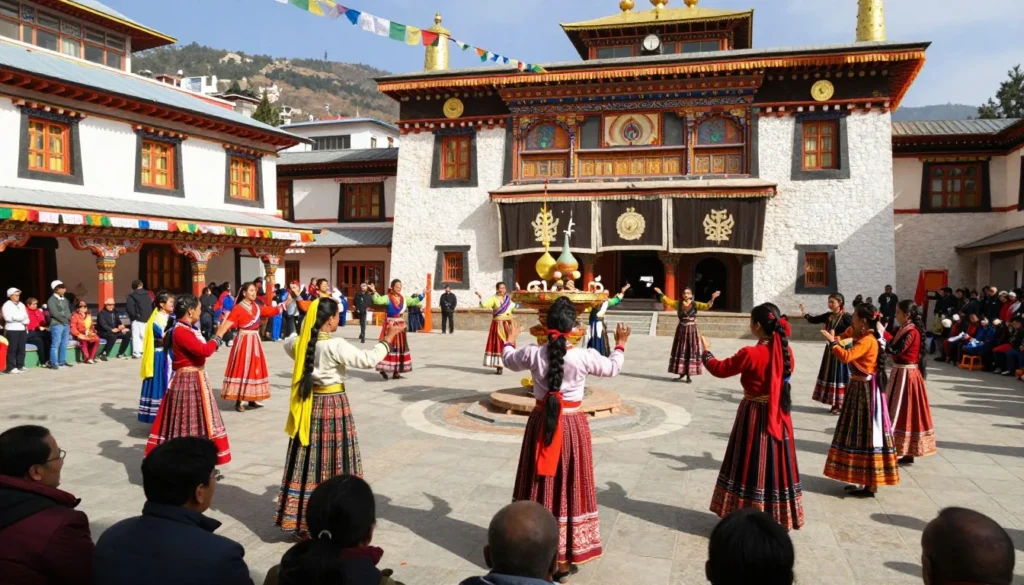
Gangtok hosts several festivals throughout the year, offering visitors glimpses into rich Sikkimese culture and Buddhist traditions. These celebrations combine religious significance with cultural performances, making them memorable experiences.
Losar (Tibetan New Year)
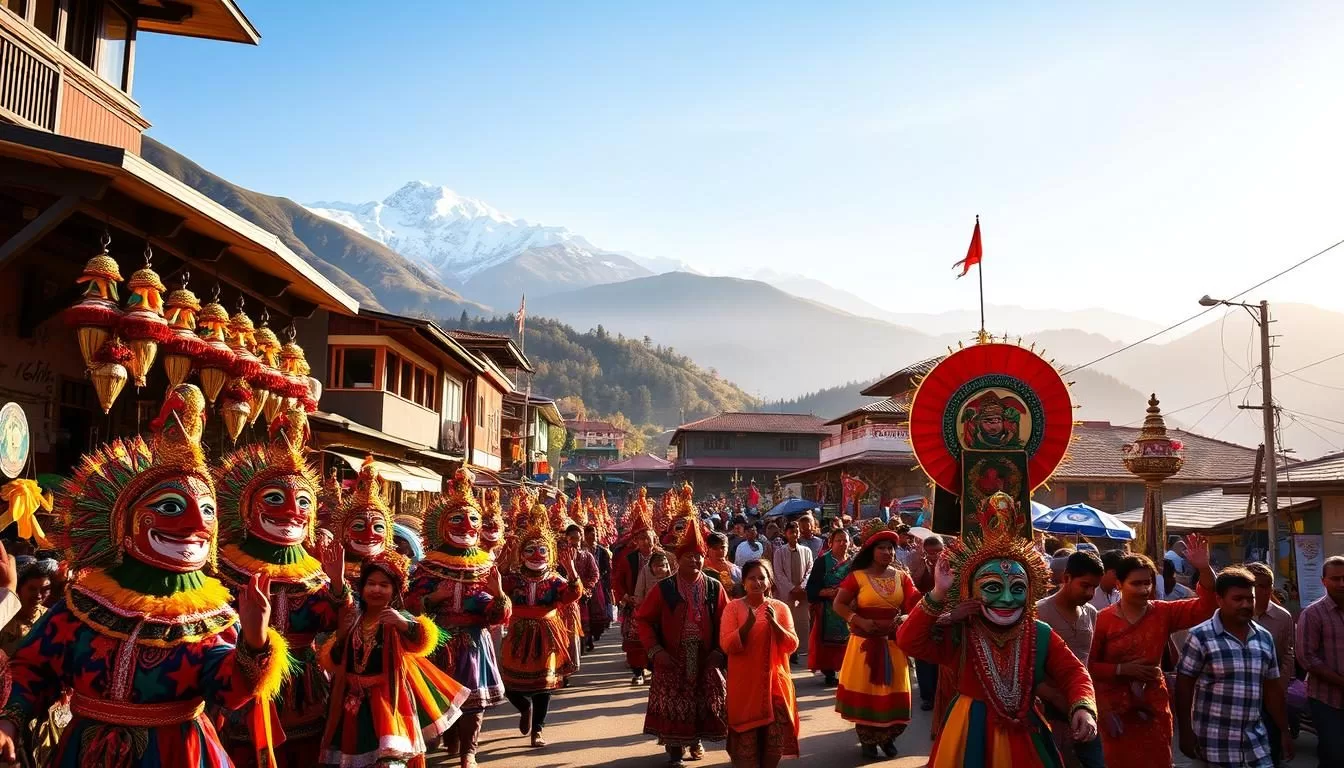
Losar marks the Tibetan New Year and ranks among the most important festivals in Gangtok. Celebrated in February or early March according to the lunar calendar, this festival spans fifteen days. Monasteries around Gangtok hold special prayers and ceremonies.
The Namgyal Institute of Tibetology organizes cultural programs during this time. Families prepare special dishes, and homes receive thorough cleaning symbolizing fresh beginnings. Traditional dances called Chaam performances take place at major monasteries including Rumtek Monastery.
Saga Dawa
Saga Dawa, falling in May or June, commemorates Buddha’s birth, enlightenment, and death. This sacred month sees increased religious activities across monasteries near Gangtok. Devotees perform circumambulation around sacred sites and offer prayers.
The Namgyal Institute Tibetology becomes a focal point for celebrations. Monks conduct special prayer sessions, and butter lamps illuminate monastery courtyards creating ethereal evening atmospheres.
Gangtok Food and Culture Festival
Held annually in December, this festival celebrates Sikkim’s diverse culinary heritage. The event takes place over several days at various venues around Gangtok. Local food stalls offer traditional Sikkimese dishes alongside regional cuisines from across India.
Cultural performances showcase traditional dances and music. Adventure sports demonstrations and cultural exhibitions add to the festivities. This festival provides excellent opportunities to taste authentic local cuisine and experience contemporary Sikkimese culture.
Bhumchu Festival
Rumtek Monastery hosts this unique festival on the fifteenth day of the first Tibetan month. A sacred pot containing holy water remains sealed throughout the year. During Bhumchu, monks open this vessel in a ceremonial ritual.
The water level inside supposedly predicts the coming year’s fortune for Sikkim. Thousands of devotees gather to receive blessed water distributed after the ceremony. The festival attracts visitors from across the region.
| Festival | Month | Significance | Main Venue |
| Losar | February/March | Tibetan New Year | Monasteries citywide |
| Saga Dawa | May/June | Buddha’s birth and enlightenment | Namgyal Institute Tibetology |
| Gangtok Food Festival | December | Culinary and cultural celebration | Multiple city locations |
| Bhumchu | February/March | Sacred water vessel ceremony | Rumtek Monastery |
Tourism Department of Sikkim provides festival schedules and detailed information. Their office can be contacted at +91-3592-221634 for current year dates and special arrangements during festivals.
Getting Around Locally
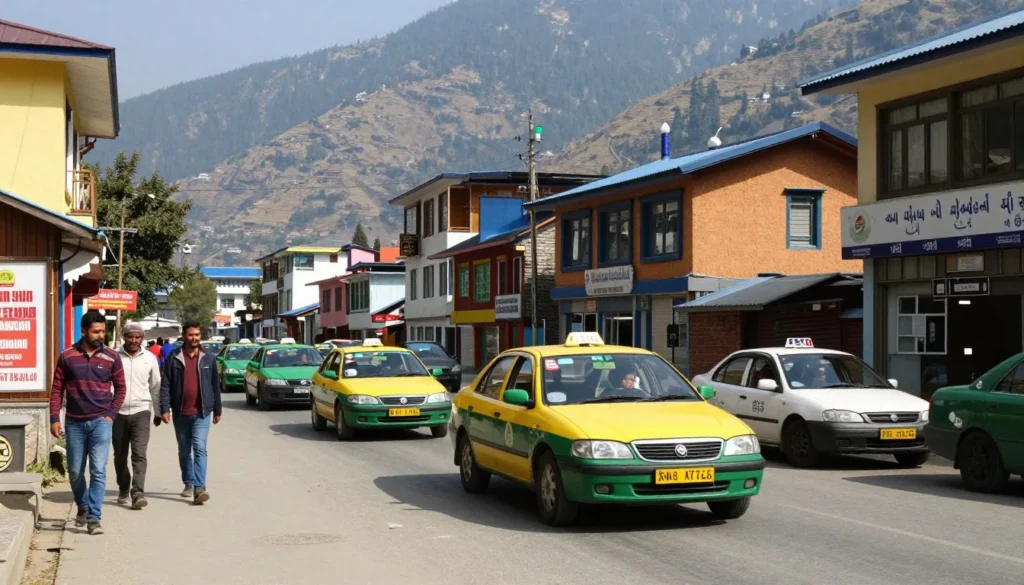
Navigating Gangtok proves relatively easy despite its mountainous terrain. The city offers several transportation options suitable for different preferences and budgets.
Local Taxis and Shared Cabs
Taxis represent the most convenient way to move around Gangtok. White-colored taxis operate throughout the city, available at designated taxi stands or through hotel arrangements. Most taxis use meters, though negotiating fares beforehand prevents confusion.
Shared taxis run on fixed routes connecting major areas within Gangtok. These cost significantly less than private taxis. The main taxi stand at MG Marg serves as the central point for most shared taxi routes.
Ropeway
The Gangtok Ropeway offers a unique transport experience while providing spectacular aerial views of the city. This cable car system connects several points, allowing visitors to reach different areas while enjoying panoramic vistas.
Operating hours typically run from morning until evening. The journey takes around fifteen minutes one way. This mode of transport serves both practical and recreational purposes, making it popular among tourists.
Walking
The main market area around MG Marg remains pedestrian-friendly and perfect for walking. This car-free zone stretches for about a kilometer, lined with shops, restaurants, and cafes. Walking allows you to absorb the local atmosphere and discover hidden gems.
However, Gangtok’s hilly terrain makes extensive walking challenging in other parts of the city. Steep inclines characterize many roads, so comfortable shoes become essential.
Rental Services
Several agencies offer motorcycle and scooter rentals for exploring areas around Gangtok. This option suits adventurous travelers familiar with mountain driving. Valid licenses and security deposits are required.
Self-drive car rentals remain limited. Most visitors prefer hiring a vehicle with a driver who knows local roads and conditions well.
Day Trip Arrangements
Tour operators organize day trips to nearby attractions like Tsomgo Lake, Nathula Pass, and other places around Gangtok. These packaged tours include transportation and necessary permits, simplifying logistics for tourists visiting restricted areas.
Where to Stay
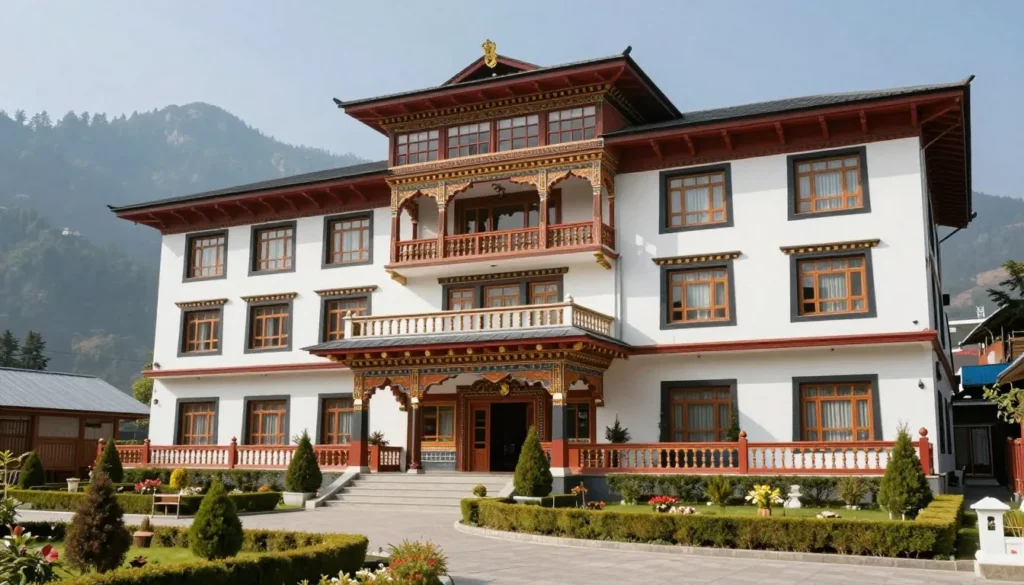
Gangtok offers diverse accommodation options catering to all budgets and preferences. From luxury hotels with stunning mountain views to budget-friendly guesthouses, the city provides comfortable stays for every type of traveler.
Luxury Hotels
Several upscale hotels in Gangtok feature premium amenities and exceptional service. These properties typically offer rooms with Kanchenjunga views, fine dining restaurants, and spa facilities. Most luxury accommodations concentrate around the main city area and provide easy access to major attractions.
These establishments usually include heating systems essential during cold months. Room rates range from higher price points but often include breakfast and other amenities. Booking in advance remains advisable, especially during peak tourist season from March to May and October to December.
Mid-Range Hotels
Mid-range hotels provide comfortable rooms with necessary facilities at reasonable prices. These hotels balance quality and affordability, making them popular choices among most visitors. Many feature in-house restaurants serving local and Indian cuisine.
Properties in this category typically offer clean rooms, hot water, and helpful staff who can arrange local tours. Some provide mountain view rooms at slightly higher rates. The MG Marg area and nearby streets host numerous mid-range options within walking distance of restaurants and shopping.
Budget Accommodations
Budget travelers find plenty of guesthouses and homestays offering basic but clean accommodations. These properties provide essential amenities at affordable prices. Staying at homestays offers opportunities to experience local hospitality and traditional Sikkimese lifestyle.
Many budget places include breakfast in their rates. Some homestay hosts prepare traditional meals on request, providing authentic culinary experiences. These accommodations often feel more personal, with hosts sharing local knowledge and travel tips.
Location Considerations
Staying near MG Marg places you at the heart of Gangtok’s commercial district. This pedestrian-only zone offers easy access to shops, restaurants, and taxi stands. The central location means most tourist spots remain within short driving distances.
Areas slightly away from the center provide quieter environments with equally good facilities. These locations often offer better views and more peaceful surroundings. However, reaching the main market area requires taxi rides.
Booking Tips
Reserve accommodations well in advance during peak season. Hotels fill quickly from March to May and October to December. Off-season visits from June to September often secure significant discounts, though monsoon weather presents challenges.
Confirm heating facilities when booking for winter visits. Mountain nights get cold, and proper heating makes stays comfortable. Check if hotels provide hot water throughout the day, as some budget places offer it only during specific hours.
Dining & Local Cuisine
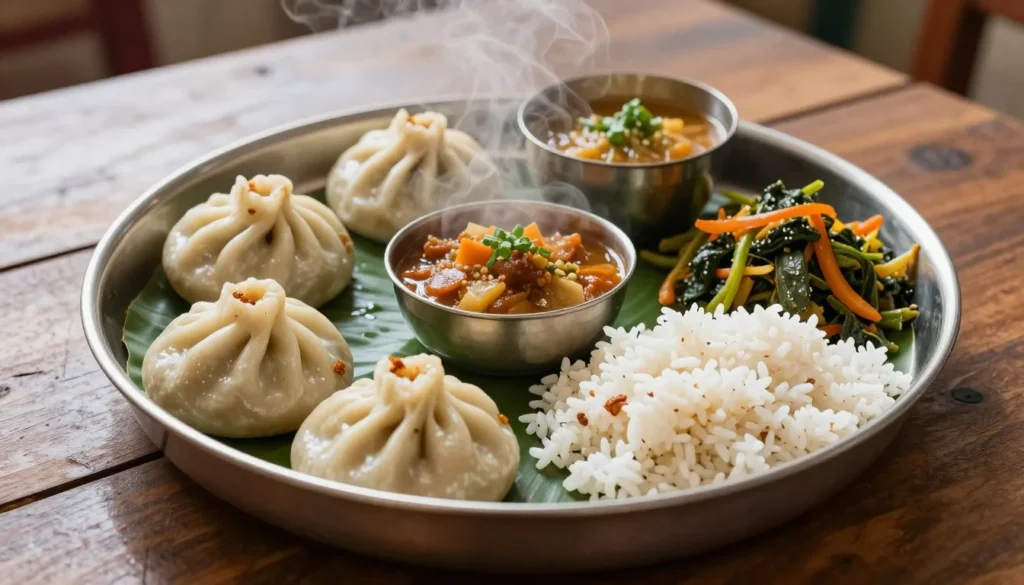
Gangtok’s culinary scene reflects its diverse cultural influences, blending Nepali, Tibetan, and local Sikkimese flavors. The city offers everything from street food stalls to upscale restaurants, ensuring memorable dining experiences.
Must-Try Local Dishes
Momos top the list of popular dishes in Gangtok. These steamed or fried dumplings come with various fillings including vegetables, chicken, pork, or beef. Local shops serve them with spicy tomato-based chutney. Every corner of the city has momo vendors, each claiming to make the best version.
Thukpa, a hearty noodle soup, provides perfect comfort on cold mountain evenings. This Tibetan dish contains vegetables and meat in flavorful broth. Locals consume it regularly, and visitors quickly develop a taste for this warming meal.
Gundruk, fermented leafy greens, represents authentic Sikkimese cuisine. This tangy preparation usually accompanies rice. Though an acquired taste for some, it offers genuine local flavor worth trying.
Phagshapa, a traditional pork dish cooked with radish and dried chilies, showcases Sikkimese cooking methods. Most local restaurants prepare this specialty, popular among residents and adventurous food lovers.
Beverages
Tongba, a traditional millet-based alcoholic beverage, offers a unique drinking experience. Served in a wooden or bamboo container, hot water gets added to fermented millet. The drink becomes stronger with each refill, making it popular during cold weather.
Tea cultivation in nearby areas means fresh tea is widely available. Both local shops and upscale cafes serve excellent varieties. Butter tea, influenced by Tibetan culture, provides another interesting beverage option.
Dining Locations
MG Marg hosts numerous restaurants ranging from casual eateries to fine dining establishments. This pedestrian-only street comes alive during evenings with people enjoying meals at outdoor seating areas.
Local food joints near the main market offer authentic experiences at budget-friendly prices. These places serve generous portions and maintain consistent quality that keeps locals returning regularly.
Several bakeries around Gangtok produce fresh bread, pastries, and cakes daily. These make perfect spots for breakfast or evening snacks with tea or coffee.
International Cuisine
Gangtok doesn’t limit itself to local food. Restaurants serve Chinese, Continental, and pan-Indian cuisines. Many establishments cater to diverse palates, ensuring everyone finds something suitable.
The growing tourism has brought cafes serving continental breakfast, pizzas, and pasta. These options provide variety for travelers seeking familiar tastes during extended stays.
Street Food
Evening street food stalls around MG Marg and Development Area offer quick bites. Fried momos, rolls, and local snacks attract crowds. These inexpensive options let you sample different flavors without committing to full meals.
Always choose busy stalls where turnover ensures fresh preparation. Most vendors maintain good hygiene standards, though drinking bottled water remains advisable.
Attractions, Sightseeing & Activities
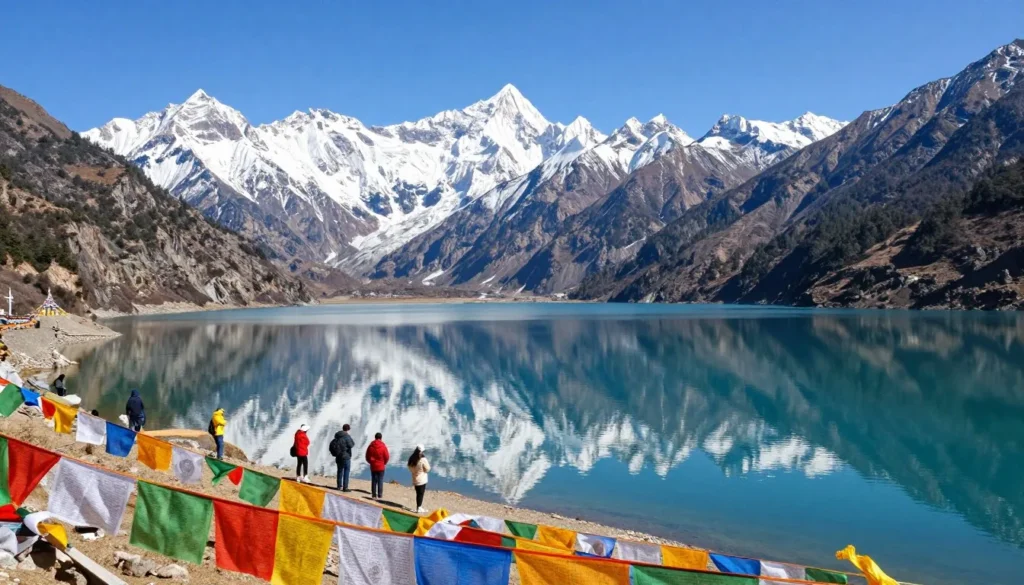
Gangtok and its surroundings offer diverse attractions combining natural beauty, spiritual sites, and adventure activities. The places near Gangtok provide equally compelling reasons to extend your stay in this mountain paradise.
Tsomgo Lake
Located about 40 kilometers (25 miles) from the city, Tsomgo Lake stands as one of the most visited tourist places around Gangtok. This glacial lake sits at 3,753 meters (12,313 feet) elevation. The lake covers approximately 24.47 hectares (60.5 acres).
During winter months, the lake freezes completely, creating stunning ice formations. Spring brings melting snow that fills the lake with turquoise waters. Prayer flags surrounding the area add colorful contrast to the mountain landscape.
Permits are required to visit Gangtok this area as it lies near the international border. Tour operators arrange these permissions along with transportation. The journey takes about two hours from the city center.
Nathula Pass
Nathula Pass marks the Indo-China border at 4,310 meters (14,140 feet). This high-altitude mountain pass remains one of the highest motorable roads in the world. The historic Silk Route once passed through this area, facilitating trade between India and Tibet.
Indian Army personnel stationed here allow visitors to approach the border fence. The view encompasses dramatic mountain scenery and occasionally, Chinese soldiers on their side of the border. Temperature drops significantly at this elevation, requiring warm clothing even during summer.
Special permits become necessary for Indian nationals, while foreign tourists cannot visit Gangtok this location. The pass remains closed on Mondays and Tuesdays. Weather conditions sometimes force temporary closures.
Ganesh Tok and Hanuman Tok
These small temples dedicated to Hindu deities sit atop hills offering panoramic city views. Ganesh Tok, perched at a higher elevation, provides breathtaking vistas of Gangtok and surrounding valleys. A small shrine houses a Ganesh idol, and the observation deck becomes popular during clear weather.
Hanuman Tok lies slightly lower at 7,200 feet (2,195 meters). Indian Army maintains this temple dedicated to Lord Hanuman. The viewpoint here offers equally impressive mountain views. Both locations remain accessible by taxi, with short walks required to reach the actual shrines.
MG Marg
The main commercial street of Gangtok, MG Marg, serves as the city’s social hub. This kilometer-long pedestrian zone prohibits vehicles, creating a relaxed atmosphere. Shops sell handicrafts, woolens, and local products. Benches line the street where locals and tourists gather, especially during evenings.
The area hosts various cultural programs during festivals and weekends. Street performances, exhibitions, and seasonal decorations add vibrancy. Numerous restaurants and cafes along the street offer places to sit and watch the city go by.
Tashi Viewpoint
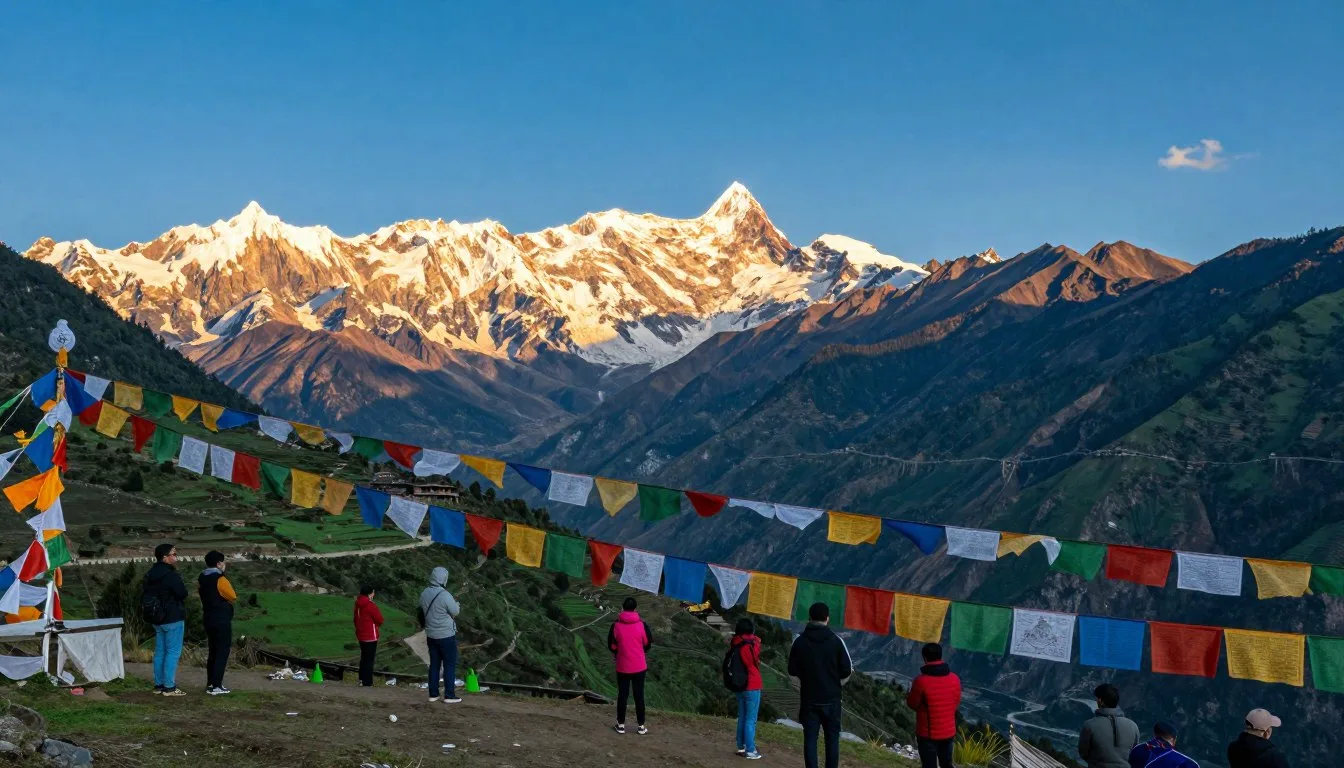
Located about 8 kilometers (5 miles) from the city center, Tashi Viewpoint provides spectacular sunrise views of Mount Kanchenjunga. Early morning visits reward you with the sight of first sunlight hitting snow-covered peaks, creating a golden glow.
The viewpoint features a small cafeteria and telescope facilities for closer mountain views. On clear days, the panorama includes multiple Himalayan peaks stretching across the horizon. Many visitors time their visit here to coincide with dawn.
Flower Exhibition Centre
This botanical garden showcases Sikkim’s rich floral diversity. Over 250 species of flowers bloom here throughout the year. Orchids, the state flower rhododendrons, and various alpine plants fill well-maintained greenhouses and outdoor gardens.
The center organizes an annual flower show during spring when most species reach peak bloom. Walking through these gardens offers peaceful respite from city activities. The exhibition provides educational information about different plant species.
Do Drul Chorten
This important Buddhist stupa dates back to 1945. Built by Trulshik Rinpoche, the stupa contains complete sets of Buddhist canonical texts and other religious objects. Prayer wheels surround the structure, which devotees circumambulate clockwise while spinning the wheels.
Check 30,000+ Local Sightseeing Tours Worldwide
✓ Numerous languages and currencies are available
The peaceful atmosphere makes this place ideal for meditation and reflection. Monks from nearby monasteries often visit for prayers. The architecture displays traditional Tibetan Buddhist design elements with colorful paintings and decorations.
Museums, Cultural Spots & Festivals
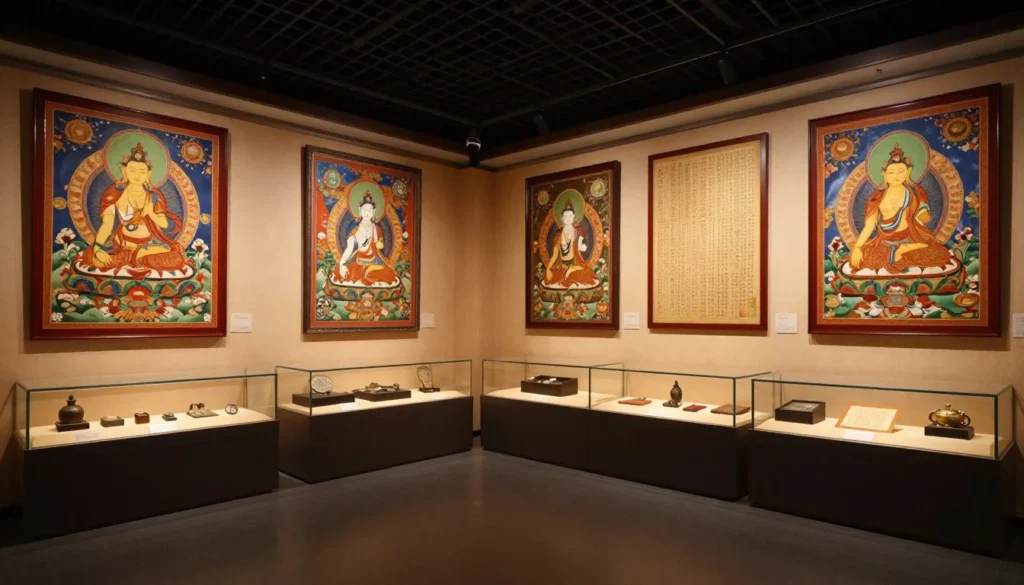
Gangtok preserves rich cultural heritage through its museums and institutes. These places offer deep insights into Tibetan Buddhism, local history, and traditional art forms that define the region.
Namgyal Institute of Tibetology
Established in 1958, the Namgyal Institute of Tibetology ranks among the world’s foremost centers for Tibetan Buddhist studies. The museum houses rare manuscripts, Buddhist icons, and thangkas (religious scroll paintings). The collection includes over 200 Buddhist icons and numerous ancient texts.
The library contains more than 30,000 volumes covering Buddhist philosophy, history, and culture. Research scholars from around the world visit this institute. The building itself features traditional Sikkimese architecture with intricate woodwork and paintings.
Visitors can view the museum collection during designated hours. Photography inside remains restricted to protect ancient artifacts. The peaceful surroundings make it a contemplative visit beyond academic interest.
Rumtek Monastery
Located 24 kilometers (15 miles) from Gangtok, Rumtek Monastery serves as the seat of the Karmapa, head of the Karma Kagyu sect of Tibetan Buddhism. Built in the 1960s, this monastery replicates the original monastery in Tibet.
The main shrine room contains impressive Buddhist murals and statues. Golden stupa holds the remains of the 16th Karmapa. The monastery complex includes a monastic college where young monks receive traditional education.
Daily prayer sessions occur in the morning and evening. Visitors can observe these ceremonies from designated areas. The surrounding hilltop location provides panoramic views of the valley below. Rumtek Monastery remains among the most significant monasteries near Gangtok.
Enchey Monastery
Perched on a hilltop within Gangtok, Enchey Monastery dates back to 1909. This 200-year-old monastery belongs to the Nyingma order of Vajrayana Buddhism. The name “Enchey” translates to “solitary monastery.”
The main deity housed here is Guru Padmasambhava in his wrathful form. Annual masked dance festivals held in December or January attract numerous visitors. These Chaam dances depict Buddhist teachings through elaborate costumes and traditional music.
The monastery offers city views and maintains a tranquil atmosphere despite its proximity to urban areas. Morning visits allow you to observe monks during prayer sessions.
Directorate of Handicrafts and Handloom
This government institute promotes traditional Sikkimese crafts and weaving techniques. Visitors can observe artisans creating handwoven carpets, traditional paintings, and wood carvings. The on-site shop sells authentic handicrafts directly from makers.
Demonstrations of traditional carpet weaving provide fascinating insights into this time-intensive craft. Thangka painting classes also occur here, where artists create religious scroll paintings using traditional methods passed through generations.
Cultural Programs
The Manan Kendra auditorium hosts regular cultural performances showcasing Sikkimese dance and music. These programs present traditional folk dances including Maruni, Tamang Selo, and various tribal dances. Performers wear colorful traditional costumes.
Shows typically run during tourist season from March through May and October through December. Check with the tourism office for current schedules. These performances offer enjoyable introductions to local cultural traditions.
Location of Gangtok in Sikkim, India
Nature & Outdoor Experiences
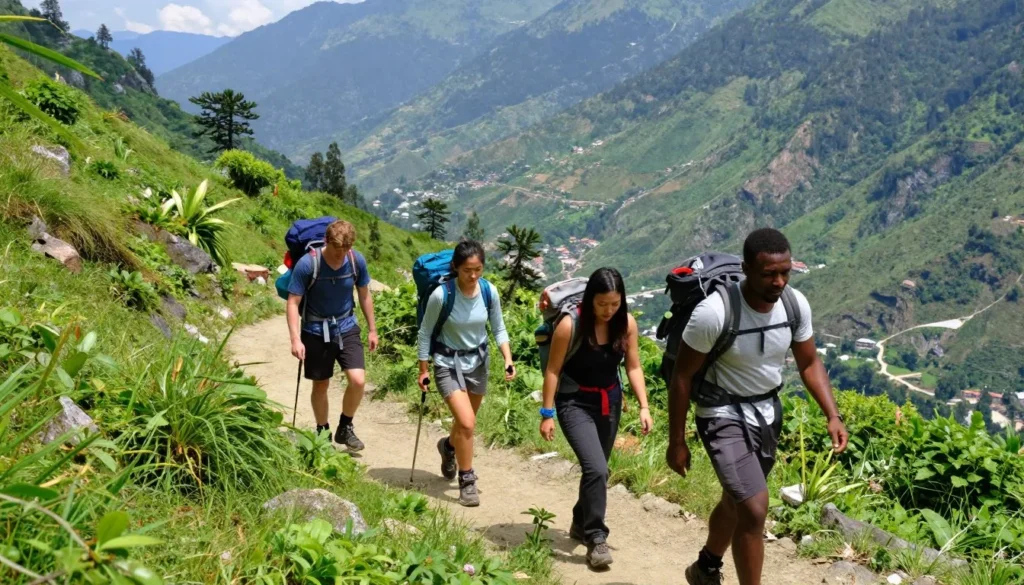
The natural landscape around Gangtok offers outdoor enthusiasts numerous opportunities for adventure and nature appreciation. From challenging treks to peaceful nature walks, the area caters to various activity levels.
Trekking Routes
Several trekking routes originate from or pass near Gangtok. The Dzongri Trek, starting from Yuksom about four hours away, ranks among Sikkim’s most popular treks. This multi-day trek rewards hikers with close-up mountain views and passes through rhododendron forests.
Shorter day hikes around Gangtok suit those preferring less strenuous options. The trek to Tashi Viewpoint takes about two to three hours through forested paths. Local guides can arrange various difficulty level treks based on fitness and available time.
Monsoon season from June to September makes trails slippery and potentially dangerous. Spring and autumn provide ideal trekking conditions with clear weather and moderate temperatures.
Himalayan Zoological Park
Located about 3 kilometers (2 miles) from the city, this zoological park houses endangered Himalayan fauna in natural habitat settings. Red pandas, snow leopards, and Himalayan black bears number among the species protected here.
The park spreads across forested hillside at elevations between 1,780 and 2,134 meters (5,840 to 7,000 feet). Walking trails wind through the area, offering chances to spot various bird species beyond the captive animals. The conservation efforts here play crucial roles in protecting endangered species.
Banjhakri Falls
This waterfall and surrounding energy park lies about 10 kilometers (6 miles) from Gangtok. The falls cascade into a pool surrounded by landscaped gardens. Traditional sculptures depicting local shamanic traditions dot the park.
Walking paths lead to various viewpoints of the waterfall. The park includes meditation areas and seating zones. Families find this place particularly appealing as it combines natural beauty with recreational facilities.
Kyongnosla Alpine Sanctuary
This high-altitude sanctuary protects alpine ecosystem near Tsomgo Lake. The area harbors various medicinal plants and endangered animal species. Red pandas, musk deer, and Himalayan black bears inhabit these forests.
Bird watchers appreciate the sanctuary for its diverse avian population. Over 40 bird species including pheasants and various raptors have been recorded here. The sanctuary showcases alpine vegetation typical of Eastern Himalayan regions.
Adventure Activities
Cable car rides over Gangtok provide aerial city views and light adventure. The ropeway system operates between multiple points, offering different route options. Each ride takes about fifteen minutes, showcasing the city from unique perspectives.
River rafting opportunities exist in nearby areas, particularly in Teesta River. Several operators organize rafting trips during appropriate water level conditions. These excursions combine adventure with scenic riverside landscapes.
Mountain biking has gained popularity with trails of varying difficulty available around Gangtok. Rental services provide bikes and can suggest routes matching different skill levels. Guided biking tours help navigate mountain roads safely.
Nature Photography
The region’s dramatic landscapes attract photography enthusiasts. Clear autumn months offer exceptional visibility for capturing Himalayan peaks. Monasteries provide cultural photography opportunities with their colorful architecture and religious ceremonies.
Wildlife photography in the zoological park and surrounding forests requires patience but yields rewarding results. Bird photographers find the diverse species and scenic backdrops ideal for their craft.
Travel With Children
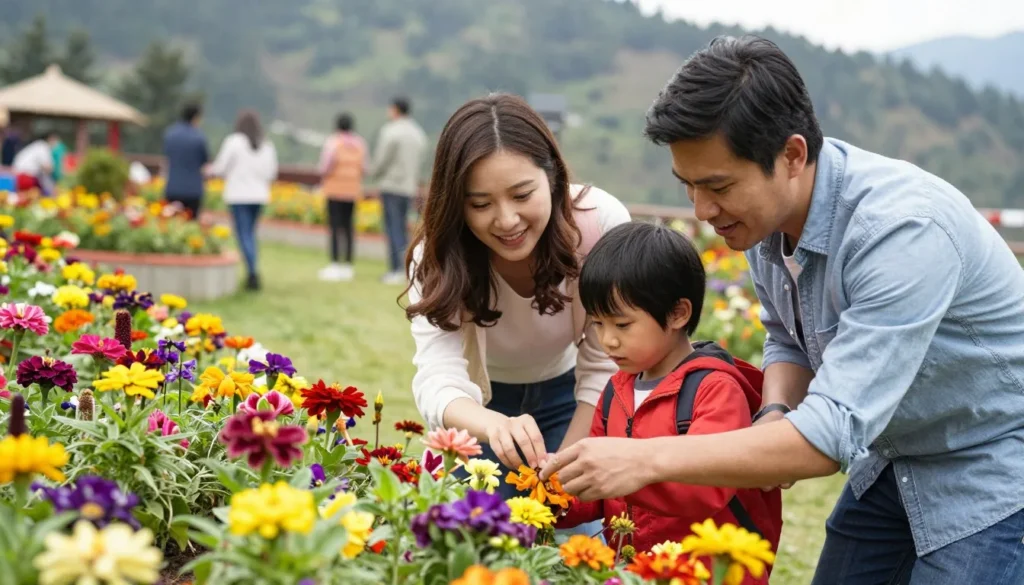
Gangtok welcomes families with children, offering various attractions and activities suitable for younger travelers. Planning ahead ensures comfortable and enjoyable experiences for the entire family.
Family-Friendly Attractions
The Flower Exhibition Centre provides educational entertainment where children learn about different plant species. The colorful displays and greenhouses fascinate young visitors. The outdoor gardens offer space for children to explore safely.
Banjhakri Falls Energy Park combines natural attractions with recreational areas. Children enjoy the waterfall views and landscaped gardens. The park’s open spaces allow kids to move around freely under parental supervision.
The Himalayan Zoological Park appeals to children interested in animals. Seeing red pandas and other Himalayan wildlife creates memorable experiences. Walking trails remain manageable for most children, though younger ones may tire on uphill sections.
Transportation Considerations
The ropeway system provides exciting transportation that children typically enjoy. The aerial views captivate young imaginations while moving between different city points. Ensure children remain seated and follow safety instructions.
When taking taxis around Gangtok, confirm vehicles have working seatbelts. Some older vehicles may lack proper safety features. Private car hires often provide better safety standards than shared taxis when traveling with children.
Long road trips to places like Tsomgo Lake can challenge young children. Carry snacks, entertainment, and motion sickness medication if needed. Frequent stops help break the journey and prevent travel fatigue.
Accommodation Tips
Choose hotels with family rooms or connecting rooms for comfortable stays. Many mid-range and luxury hotels provide such arrangements. Confirm availability when booking, especially during peak season.
Ground floor or lower floor rooms make sense when traveling with very young children. Avoid properties with steep stairs if carrying babies or toddlers. Some hotels provide cribs or extra beds on request.
Health and Safety
The high altitude affects some children more than adults. Watch for signs of altitude sickness including headaches, nausea, or unusual tiredness. Descend to lower elevation if symptoms persist.
Pack basic medications for common childhood ailments. Pharmacies in Gangtok stock most medicines, but having familiar brands provides peace of mind. Include sun protection as mountain sun can be strong even when temperature feels cool.
Ensure children stay hydrated, especially during physical activities. Mountain air can be dry, increasing water needs. Carry reusable water bottles and refill frequently.
Dining with Children
Most restaurants accommodate families with children. Many serve familiar foods like noodles, rice, and fried items that appeal to younger palates. Request less spicy versions of local dishes for children.
Street food vendors around MG Marg offer quick snacks children often enjoy. Choose busy vendors where food turnover ensures freshness. Stick to cooked items rather than raw preparations.
Activity Planning
Avoid overpacking the itinerary. Children need rest periods between activities. Plan shorter days with buffer time for unexpected delays or rest needs.
Morning activities generally work better as children have more energy. Save less demanding activities like garden visits for afternoons. Early dinner times help maintain routine sleep schedules.
Consider children’s interests when selecting attractions. While adults may enjoy hours at monasteries, children might prefer shorter visits combined with nature activities or park time.
Money Saving Tips
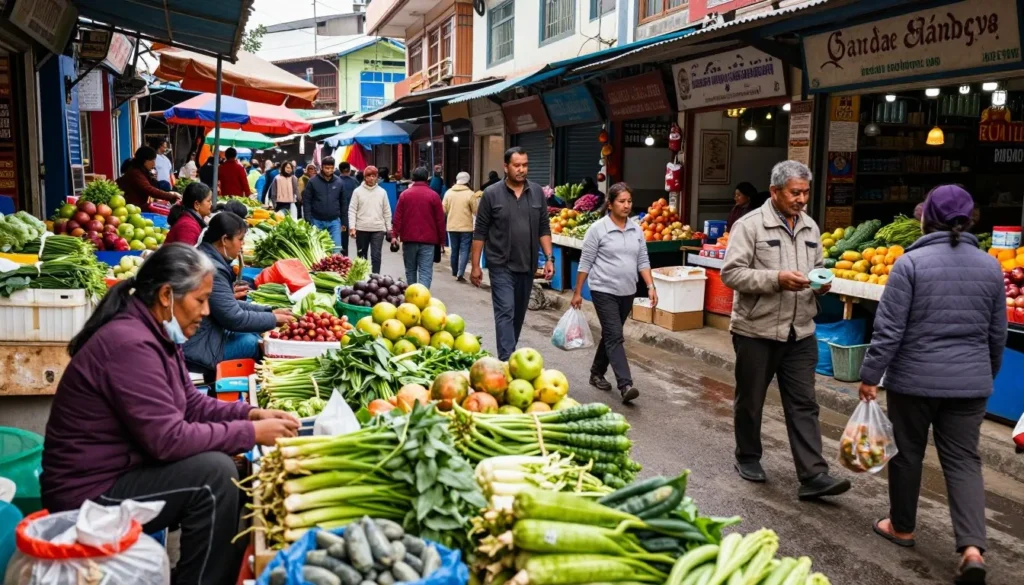
Traveling to Gangtok need not strain your budget. Smart planning and local knowledge help reduce costs while maintaining enjoyable experiences.
Accommodation Savings
Visit during shoulder season from mid-September to early October or March to early April. Hotels offer significant discounts compared to peak season rates. Weather remains pleasant, though occasional rain may occur.
Book accommodations away from MG Marg for better rates. Properties located fifteen to twenty minutes from the center charge considerably less while providing similar comfort levels. Short taxi rides connect you to main areas.
Consider homestays over hotels. These family-run accommodations cost less and include home-cooked meals. The personal attention and local insights add value beyond monetary savings.
Transportation Costs
Use shared taxis instead of private vehicles when possible. Shared services cost a fraction of private taxi rates. They operate on fixed routes connecting major tourist spots and different city areas.
Walk around the MG Marg area and nearby neighborhoods. The pedestrian-friendly zone and surrounding streets contain numerous attractions within walking distance. This eliminates taxi costs while letting you discover hidden spots.
Join group tours for distant attractions like Tsomgo Lake and Nathula Pass. Per-person costs decrease significantly compared to hiring private vehicles. Most hotels help arrange these tours.
Food and Dining
Eat at local restaurants frequented by residents rather than tourist-focused establishments. These places serve larger portions at lower prices. The food quality often matches or exceeds fancier restaurants.
Try street food for inexpensive meals and snacks. Momos, rolls, and local snacks from street vendors cost much less than restaurant meals. Choose busy stalls indicating fresh preparation and good taste.
Book homestays or hotels including breakfast. This eliminates one meal expense and provides traditional food options. Some places prepare dinner on request at reasonable rates.
Entry Fees and Activities
Many monasteries and viewpoints charge no entry fees. Do Drul Chorten, Enchey Monastery, and various viewpoints offer free visits. This allows cultural and scenic experiences without spending money.
The Flower Exhibition Centre and Himalayan Zoological Park charge minimal entry fees. These nominal amounts provide good value for several hours of exploration and entertainment.
Shopping Smart
Purchase handicrafts from the Directorate of Handicrafts rather than tourist shops. Prices here remain reasonable as no middlemen are involved. Quality stays high since items come directly from artisans.
Bargain at markets and smaller shops. Fixed-price shops exist, but many vendors expect negotiation. Polite bargaining often results in ten to twenty percent discounts.
Buy local tea from markets rather than packaged varieties from specialty shops. The quality matches packaged options at significantly lower prices. Markets near the main taxi stand offer good selections.
Permit and Tour Costs
Book Tsomgo Lake and Nathula Pass tours directly through the Sikkim Tourism Development Corporation office rather than private operators. Government tours cost less while providing identical services.
Group together with other travelers to share permit and vehicle costs when visiting restricted areas. Many hotels and guesthouses help connect solo travelers looking to share expenses.
Check 30,000+ Local Sightseeing Tours Worldwide
✓ Numerous languages and currencies are available
Safety & Local Customs
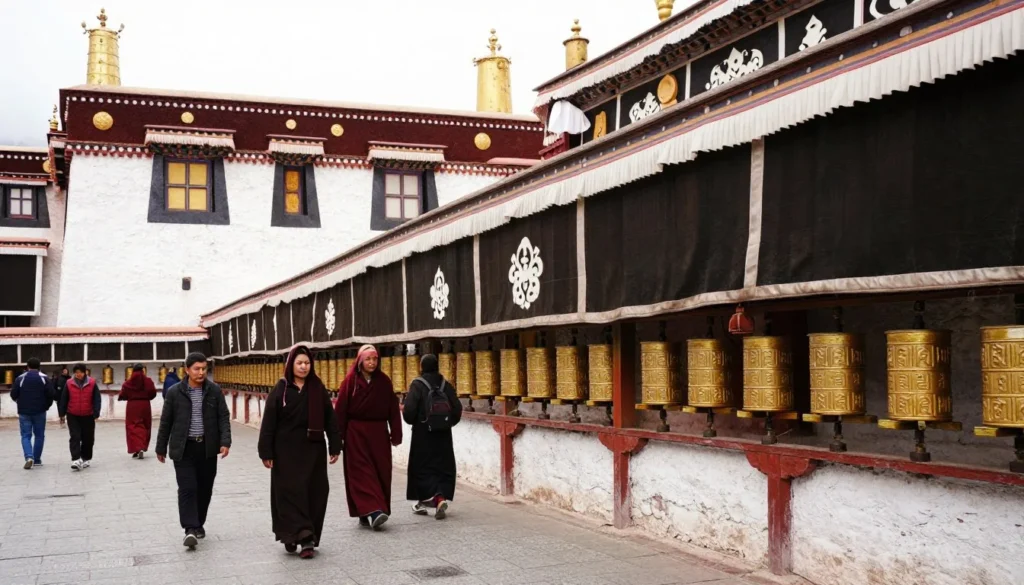
Understanding local customs and following safety guidelines ensures respectful and trouble-free visits to Gangtok. The local population welcomes tourists warmly when visitors show consideration for their culture and traditions.
General Safety
Gangtok ranks among India’s safest cities with low crime rates. However, basic precautions remain sensible. Keep valuables secure and avoid displaying expensive jewelry or large amounts of cash. Use hotel safes for passports and extra money.
Mountain roads require caution, especially during monsoon months. Landslides occasionally block routes. Check road conditions before starting day trips. Hire experienced drivers familiar with mountain driving.
Altitude sickness affects some visitors despite Gangtok’s moderate elevation. Stay hydrated, avoid excessive alcohol, and rest adequately during initial days. Seek medical attention if symptoms like severe headache or breathing difficulty occur.
Emergency Contacts
Emergency services can be reached at standard Indian numbers. Police assistance is available at 100, ambulance services at 108, and fire services at 101. Major hospitals in Gangtok include STNM Hospital, which provides emergency services.
Keep your hotel’s contact information readily available. Staff can assist with local emergency services and provide guidance during unexpected situations.
Cultural Sensitivity
Remove shoes before entering monasteries and temples. This practice shows respect for religious spaces. Most places provide shoe storage areas near entrances.
Walk clockwise around monasteries and stupas following Buddhist tradition. Prayer wheels should also be spun clockwise. These customs hold religious significance for local communities.
Dress modestly when visiting religious sites. Cover shoulders and knees. Avoid wearing revealing clothing in monastery areas. Many monasteries provide shawls if needed.
Photography restrictions exist in some monastery interiors. Always ask permission before photographing monks or during religious ceremonies. Some sacred areas prohibit photography entirely to preserve sanctity.
Social Etiquette
Greet locals with “Namaste” accompanied by a slight bow with palms pressed together. This traditional Indian greeting shows respect. In more casual situations, simple smiles and hellos work well.
Public displays of affection remain discouraged. Hand-holding is generally acceptable, but kissing and embracing in public spaces can offend local sensibilities.
Respect local meal customs if dining with Sikkimese families. Wait to be invited to eat and follow your hosts regarding seating and serving order. Using right hand for eating shows good manners in traditional settings.
Environmental Responsibility
Sikkim takes environmental conservation seriously. Plastic bags have been banned. Carry reusable bags for shopping. Many shops provide paper or cloth bags.
Dispose of waste properly in designated bins. Keep trekking trails clean by carrying out all trash. This preserves natural beauty for future visitors and respects local environmental efforts.
Water sources need protection. Avoid polluting streams or lakes. Use designated toilet facilities even in remote areas. The fragile mountain ecosystem requires careful treatment.
Women Travelers
Solo women travelers generally feel safe in Gangtok. The local population remains respectful and helpful. However, standard precautions apply as anywhere.
Avoid walking alone in isolated areas after dark. Stick to well-lit, populated areas during evening hours. Many women travelers report positive experiences and feeling comfortable throughout their visits.
Dress conservatively to avoid unwanted attention. While western clothing is common in tourist areas, modest attire shows respect for local culture and typically results in more comfortable interactions.
Restricted Areas
Some areas near Gangtok require special permits due to their proximity to international borders. Nathula Pass and certain other locations have specific access rules. Always carry identification documents when visiting these places.
Foreign nationals face additional restrictions compared to Indian citizens. Check current regulations with your hotel or the tourism office before planning trips to border areas.
Visitor Comments About Gangtok
“Gangtok exceeded all expectations with its perfect blend of natural beauty and cultural richness. The monasteries provided peaceful moments while the mountain views took my breath away. Local people showed incredible warmth and helped us navigate the city. The food scene impressed us particularly—authentic momos and thukpa became our daily staples. Weather cooperated beautifully during our April visit. We managed to visit multiple places around Gangtok including Tsomgo Lake which looked absolutely magical. Every corner of this hill station offers something special. Already planning our return trip for winter.”
“As a family with two young children, we worried about managing high-altitude travel. However, Gangtok proved remarkably family-friendly. The ropeway rides delighted our kids while the Himalayan Zoological Park kept them engaged for hours. Our homestay hosts treated us like family and prepared special meals considering our children’s preferences. The city felt safe for walking during evenings along MG Marg. We appreciated the clean environment and well-maintained tourist spots. Shopping for local handicrafts provided great souvenirs. The entire experience felt relaxed without the rushed tourist trap atmosphere of other hill stations.”
“My solo trip to Gangtok turned into a spiritual journey I hadn’t anticipated. Visiting Rumtek Monastery during morning prayers created profound peace. The Namgyal Institute of Tibetology fascinated me with its collection of Buddhist texts and artifacts. I found the local culture deeply respectful of nature and traditions. Several treks around the area challenged me physically while rewarding with spectacular views. Meeting fellow travelers from different countries added international flavor to the experience. Budget-friendly options meant I could extend my stay without financial stress. The entire time felt rejuvenating and culturally enriching beyond typical tourism.”
Additional Nearby Destinations
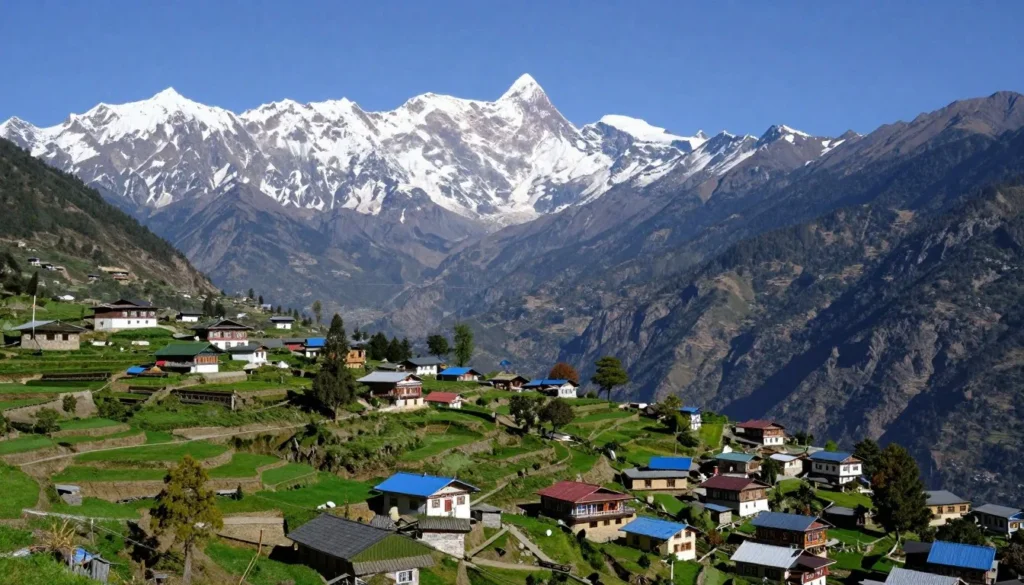
Gangtok serves as an excellent base for exploring other remarkable destinations in Sikkim. These places offer diverse experiences from the main city, enriching your overall trip to this Himalayan state.
Pelling
Located about 125 kilometers (78 miles) west of Gangtok, Pelling provides some of Sikkim’s most spectacular Kanchenjunga views. This small town sits at 2,150 meters (7,050 feet) elevation. The journey takes approximately four to five hours through scenic mountain roads.
Pemayangtse Monastery, one of Sikkim’s oldest and most important monasteries, stands near Pelling. The complex houses a seven-tiered painted wooden model depicting the Buddhist celestial palace. Sangachoeling Monastery, another significant religious site, requires a short trek through forests.
Khecheopalri Lake, considered sacred by both Buddhists and Hindus, lies about 30 kilometers from Pelling. Local belief holds that birds immediately remove any fallen leaves, keeping the lake surface perpetually clean. The peaceful surroundings make it perfect for meditation and nature appreciation.
Ravangla
This emerging tourist destination sits 65 kilometers (40 miles) south of Gangtok at 2,100 meters (6,890 feet). Ravangla offers quieter experiences compared to more commercialized hill stations. The drive takes about two and half hours.
Buddha Park houses a massive 130-foot statue of Buddha, inaugurated in 2013. The statue overlooks mountains and valleys, creating impressive visual impact. The park’s well-maintained gardens and walking paths encourage peaceful contemplation.
Ralang Monastery, about 10 kilometers from Ravangla, belongs to the Kagyu sect. Annual festivals here feature traditional mask dances. The monastery architecture showcases classic Tibetan design elements.
Lachung and Lachen
These twin valleys in North Sikkim offer pristine natural beauty and serve as base camps for higher altitude destinations. Lachung lies 125 kilometers (78 miles) north of Gangtok, while Lachen sits slightly farther. Both journeys take about six hours through spectacular landscapes.
Yumthang Valley, near Lachung, is known as the “Valley of Flowers.” During spring, rhododendrons and other alpine flowers create carpets of color. The valley sits at 3,564 meters (11,693 feet) with hot springs adding to its attractions.
Gurudongmar Lake near Lachen ranks among India’s highest lakes at 5,183 meters (17,000 feet). The lake remains partially frozen even during summer. Special permits and acclimatization are necessary for visits to this high-altitude destination.
Namchi
Located 78 kilometers (48 miles) south of Gangtok, Namchi serves as South Sikkim’s district headquarters. The town lies at 1,675 meters (5,500 feet) elevation. Travel time from Gangtok averages about three hours.
The Char Dham complex replicates four holy Hindu pilgrimage sites. A massive 108-foot statue of Lord Shiva dominates the site. Intricate replicas of famous temples provide unique experiences without traveling to distant actual locations.
Samdruptse Hill features an enormous statue of Guru Padmasambhava visible from kilometers away. Cable car services connect the base to the hilltop statue. Views from here encompass surrounding valleys and distant mountain ranges.
Planning Multi-Destination Trips
Combining Gangtok with other Sikkim destinations requires adequate time. Most nearby places merit at least one to two night stays. Tour operators offer packages covering multiple destinations with transportation and accommodation included.
Road conditions vary, with some routes becoming difficult during monsoon. Check weather forecasts and road status before planning multi-destination trips. Winter months may see snow on higher altitude routes requiring special vehicles.
Practical Travel Tips
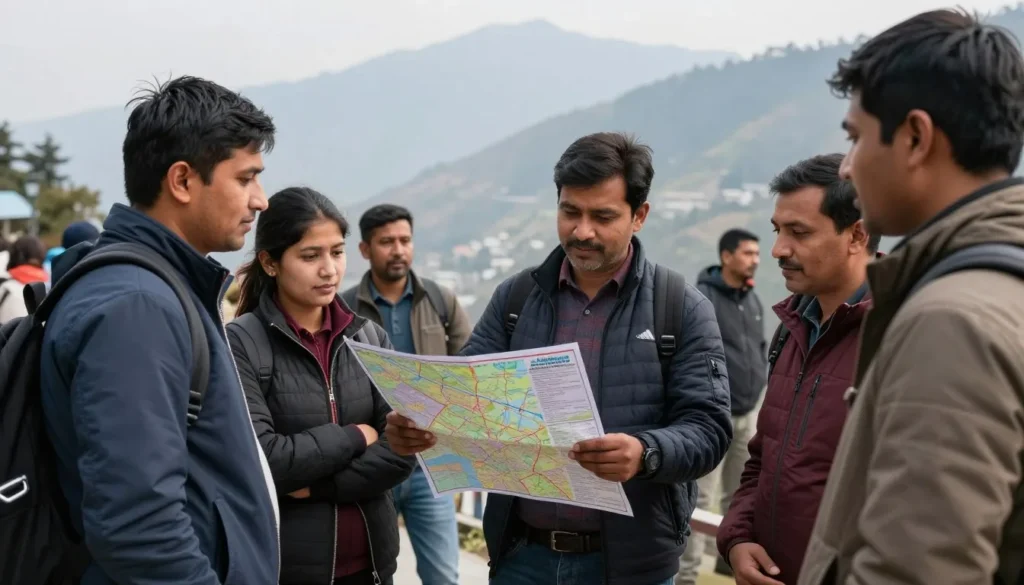
These practical tips help navigate common situations and maximize your Gangtok experience. Local knowledge and preparation make significant differences in trip quality.
Permits and Documentation
Indian nationals need only valid photo identification for visiting Gangtok and most Sikkim areas. However, special permits become necessary for certain locations including Nathula Pass, North Sikkim, and some restricted zones.
Foreign tourists must obtain Protected Area Permit (PAP) or Restricted Area Permit (RAP) depending on destinations. These permits can be arranged through registered tour operators or obtained from Sikkim Tourism offices. Carry multiple passport-sized photographs and passport copies for permit applications.
Register at the Foreigner Registration Office within fourteen days of arrival if planning extended stays. Most hotels assist with this formality, but solo travelers should confirm requirements based on their nationality.
Connectivity and Communication
Mobile network coverage remains good in Gangtok with major Indian operators functioning reliably. However, connectivity drops in remote areas and during travel to distant attractions. Inform family about potential communication gaps during mountain trips.
Internet cafes operate around MG Marg for those needing computer access. Most hotels and many restaurants offer WiFi, though connection speeds may be slower than urban areas. Download offline maps before venturing to remote locations.
Banking and ATMs
ATMs from various banks function throughout Gangtok. However, machines sometimes run out of cash during weekends and holidays. Withdraw sufficient money during weekdays to avoid inconvenience.
Carry adequate cash when visiting remote areas as card payment facilities remain limited outside the main city. Small shops and local restaurants typically accept only cash. Some hotels accept cards but charge processing fees.
Health Precautions
Carry basic medications including those for altitude sickness, stomach upset, and common cold. Pharmacies stock most medicines, but having familiar brands provides comfort. Pack any prescription medications with doctor’s notes.
Drink bottled or filtered water. Avoid ice in drinks unless confident about water source. Most hotels provide safe drinking water. Many restaurants use filtered water but confirm if uncertain.
Acclimatize gradually to altitude. Rest adequately on the first day after arrival. Avoid heavy meals and alcohol initially. These simple steps prevent altitude-related discomfort.
Language
English is widely understood in tourist areas, hotels, and restaurants. Nepali serves as the most common local language, with Hindi also understood. Learning basic phrases like greetings helps create friendly interactions.
Younger locals generally speak better English than older generations. Tourist information centers and hotels have English-speaking staff. Signs around major tourist spots appear in English alongside local languages.
Electricity
Power supply follows Indian standard 230V, 50Hz. Outlets accept Type C, D, and M plugs. International travelers should carry appropriate adapters. Most hotels provide adapters on request.
Power cuts occasionally occur, especially during monsoon season. Hotels usually have backup generators. Carry power banks for mobile devices and essential electronics.
Packing Essentials
Layer clothing to adjust to changing temperatures throughout the day. Mornings and evenings can be cool even when afternoons feel warm. Include waterproof jacket regardless of season as rain can occur unexpectedly.
Comfortable walking shoes prove essential for exploring. Many attractions involve walking on uneven surfaces. Slip-on shoes help as you’ll remove footwear frequently at religious sites.
Sunscreen and sunglasses protect against strong mountain sun. Altitude intensifies UV exposure even when temperature feels moderate. Lip balm prevents chapping in dry mountain air.
Sustainable Tourism
Respect local culture and environment. Sikkim has pioneered organic farming and environmental conservation. Support these efforts by avoiding plastic, disposing waste properly, and respecting nature.
Shop from local artisans and eat at local restaurants. This supports community economy directly. Homestays provide income to local families while offering authentic cultural experiences.
Follow guidelines at monasteries and cultural sites. Photography restrictions exist to preserve sacred spaces. Respect these rules even if others violate them.
Your Gangtok Adventure Awaits
Gangtok weaves together spiritual tranquility, natural splendor, and cultural richness into an unforgettable Himalayan experience. From the morning prayers echoing through ancient monasteries to sunset views of snow-capped peaks, this mountain city creates moments that linger in memory long after departure.
Whether you’re drawn by the serene beauty of Tsomgo Lake, the spiritual atmosphere of Rumtek Monastery, the thrill of high-altitude adventures, or simply the warmth of Sikkimese hospitality, Gangtok delivers experiences that transcend ordinary tourism. The city rewards both meticulous planners and spontaneous explorers with discoveries around every mountain bend.
The people here, the stunning landscapes, the rich culture, and the peaceful atmosphere combine to create something truly special. This Gangtok Sikkim travel guide provides the foundation, but your personal journey will add unique chapters to your own story. Pack your bags, embrace the mountain air, and let Gangtok work its magic on your soul. The Himalayas are calling—and Gangtok awaits with open arms and countless treasures to share.