Hotels by Trip.com
Flights by Trip.com
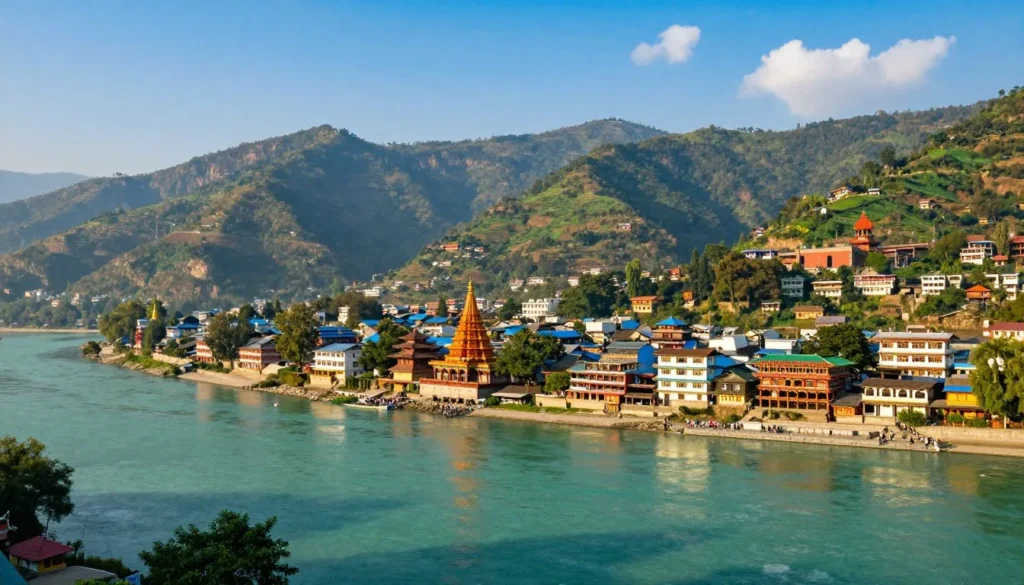
Every year, over one million visitors journey to this sacred town nestled in the foothills of the Himalayas, yet few realize that Rishikesh draws its name from Lord Vishnu—the name translates to “Lord of the Senses” in Sanskrit, marking it as a place where the divine is said to have appeared to the sage Raibhya Rishi. This spiritual heritage continues to pulse through the town today, where ancient ashrams coexist with modern adventure sports, and the sacred Ganges River flows through verdant valleys, creating an experience unlike any other travel destination in India.
Rishikesh stands as the undisputed yoga capital of the world. The town offers something for every traveler, from adrenaline-pumping white water rafting adventures to serene meditation sessions overlooking the river. Whether you seek spiritual awakening in centuries-old ashrams or thrilling outdoor experiences in the Himalayan foothills, this comprehensive Rishikesh Uttarakhand travel guide will help you navigate every aspect of your journey.
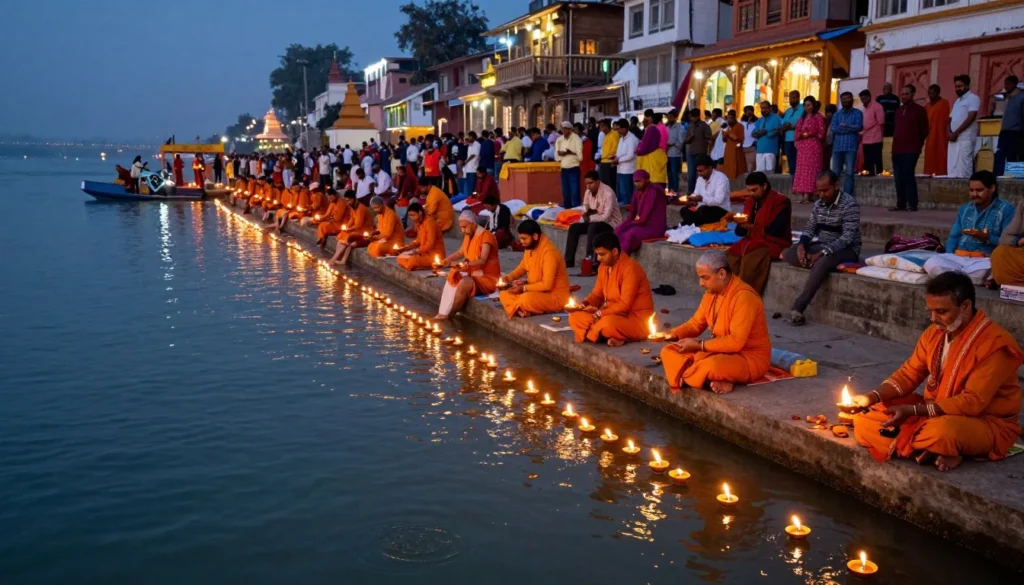
The magic of this place lies in its duality. Dawn breaks with yoga practitioners greeting the sun on riverside ghats, while afternoons bring adventurers conquering rapids. Evening transforms the town as the mesmerizing Ganga Aarti ceremony fills the air with devotional chants and flickering oil lamps. This unique blend makes Rishikesh a destination that satisfies both the soul and the adventurous spirit.
Getting There & Planning Your Journey
Reaching Rishikesh requires some planning, but the journey itself becomes part of the adventure. The town sits approximately 238 km (148 miles) north of Delhi, nestled in the Tehri Garhwal region of Uttarakhand. Most international travelers begin their journey by flying into one of two major airports before completing the final leg by road.
The closest airport is Jolly Grant Airport in Dehradun, located just 35 km (22 miles) from Rishikesh. This small domestic airport connects to major Indian cities including Delhi, Mumbai, and Bangalore. From the airport, you can hire a prepaid taxi for approximately ₹800-1,200 (about $10-15), which takes roughly 45 minutes to reach the town. The drive offers stunning views of the Doon Valley and winding mountain roads.
Alternatively, Indira Gandhi International Airport in Delhi serves as the primary international gateway. This major hub connects to virtually every corner of the globe. From Delhi, you have several options to reach Rishikesh. Private taxis cost ₹3,500-5,000 ($42-60) and take 5-6 hours depending on traffic. Many travelers prefer this option for the convenience and comfort, especially after long international flights.
Train travel presents another excellent option for budget-conscious visitors. Haridwar Junction, located 25 km (15.5 miles) from Rishikesh, is the nearest major railway station with connections throughout India. The Shatabdi Express from Delhi to Haridwar takes approximately 5 hours and offers comfortable air-conditioned seating. From Haridwar, local buses and shared taxis frequently depart for Rishikesh, costing just ₹30-50 ($0.40-0.60) per person.
Bus services operate regularly between Delhi and Rishikesh. Government-run Uttarakhand Transport Corporation buses offer the most economical option at ₹400-600 ($5-7) for a journey of 6-7 hours. Private luxury coaches provide more comfortable seating and air conditioning for ₹800-1,500 ($10-18). Booking in advance during peak seasons ensures you secure a seat.
Travel Tip: Book your onward journey from Delhi to Rishikesh in advance during peak seasons (September to November and February to April). Roads can become congested during major festivals, particularly during the International Yoga Festival in March.
Best Time to Visit & Weather Tips
Best Time to Visit Rishikesh
The ideal time to visit Rishikesh spans from September through April, when pleasant weather allows for both outdoor adventures and spiritual pursuits. Each season offers distinct experiences that cater to different traveler preferences. Understanding the weather patterns helps you plan activities and pack appropriately for your trip.
September through November represents peak autumn season. Temperatures hover between 15°C to 30°C (59°F to 86°F), creating perfect conditions for yoga, trekking, and white water rafting. The Ganges River flows at moderate levels, ideal for adventure activities. This period sees fewer crowds than peak winter months, making it easier to explore popular sites like the Beatles Ashram and attend yoga classes without overwhelming tourist presence.
December through February brings winter to the foothills. Daytime temperatures range from 10°C to 20°C (50°F to 68°F), while nights can drop to 5°C (41°F). This season attracts yoga enthusiasts and meditation practitioners seeking cooler weather for intensive practice. Pack warm layers for early morning yoga sessions and evening Ganga Aarti ceremonies. White water rafting continues but requires proper wetsuit protection against cold water.
March through April showcases pleasant spring weather with temperatures between 20°C to 35°C (68°F to 95°F). The famous International Yoga Festival occurs in March, drawing practitioners from around the world. This period marks the beginning of peak tourist season, so booking accommodations well in advance becomes essential. The weather remains ideal for all activities, from rafting to hiking in nearby mountain trails.
Check 30,000+ Local Sightseeing Tours Worldwide
✓ Numerous languages and currencies are available
May through August constitutes the low season due to intense summer heat and monsoon rains. Summer temperatures soar to 40°C (104°F) before monsoon arrives in late June. July and August bring heavy rainfall, causing the Ganges to swell dangerously. Many adventure activities shut down during monsoon for safety reasons. However, this period offers substantial discounts on accommodations if you can handle the weather challenges.
Weather Planning: Avoid visiting during monsoon season (July-August) unless you enjoy rain and don’t mind limited activity options. The swollen river makes rafting impossible, and landslides occasionally block mountain roads. Spiritual seekers might appreciate the quieter atmosphere, but most travelers find the conditions challenging.
Best Months
- September to November: Perfect weather, moderate crowds, all activities available
- February to April: Pleasant temperatures, yoga festival season, excellent for trekking
- October: Post-monsoon freshness, clear mountain views, comfortable for all activities
- March: International Yoga Festival, spring bloom, ideal temperatures
Months to Avoid
- July to August: Heavy monsoon rains, flooding risks, limited adventure activities
- Mid-May to June: Extreme heat, uncomfortable for outdoor activities
- Late June: Onset of monsoon, unpredictable weather patterns
- Early September: Tail end of monsoon, occasional flooding
Notable Annual Festivals
Rishikesh hosts several significant festivals throughout the year that offer deep cultural immersion. These celebrations provide unique opportunities to experience the spiritual heritage and vibrant traditions that define this sacred town. Planning your visit around these festivals adds an extraordinary dimension to your travel experience.
The International Yoga Festival takes place every year during the first week of March. Parmarth Niketan Ashram organizes this week-long celebration of yoga, meditation, and spirituality. Renowned yoga teachers from around the world lead workshops, lectures, and practical sessions. The festival attracts thousands of practitioners and offers free participation for all attendees. Morning sessions begin at dawn with traditional yoga practices, while evenings feature cultural performances and the spectacular Ganga Aarti. Contact the organizing committee at +91-135-2440077 for detailed schedules and registration information.
Maha Shivaratri, usually falling in February or March, transforms Rishikesh into a hub of devotional energy. This night-long festival honors Lord Shiva, and temples throughout the town remain open all night. Devotees perform special prayers, offer milk and flowers to Shiva lingams, and participate in meditation sessions. The atmosphere becomes electric with chanting, music, and spiritual fervor. Thousands of pilgrims descend upon the town, creating an unforgettable cultural experience. The Uttarakhand Tourism office at +91-135-2430209 provides festival dates and accommodation assistance during this busy period.
Kanwar Yatra occurs during the monsoon month of Shravan (July-August). Millions of devotees called Kanwariyas walk to Haridwar and Rishikesh to collect sacred Ganges water. They then carry this water back to their home towns to offer at local Shiva temples. The pilgrimage creates an extraordinary spectacle as saffron-clad devotees walk hundreds of kilometers. While this period falls during monsoon season when tourism typically slows, witnessing this massive display of faith offers profound cultural insights.
The Ganga Dussehra festival celebrates the descent of the Ganges River to earth. This ten-day festival in May or June features special prayers, ritual bathing in the river, and elaborate ceremonies along the ghats. Devotees believe that bathing in the Ganges during this period washes away sins and brings blessings. The evening Ganga Aarti ceremonies become even more elaborate, with hundreds of oil lamps floating down the river creating a magical sight. Contact Parmarth Niketan at +91-135-2440077 for specific ceremony times and participation details.
Getting Around Locally
Navigating Rishikesh proves relatively straightforward once you understand the town’s layout. The compact nature of main areas allows for extensive exploration on foot, while various transportation options serve longer distances and connections to nearby attractions. Understanding local transport helps you maximize your time and minimize travel stress.
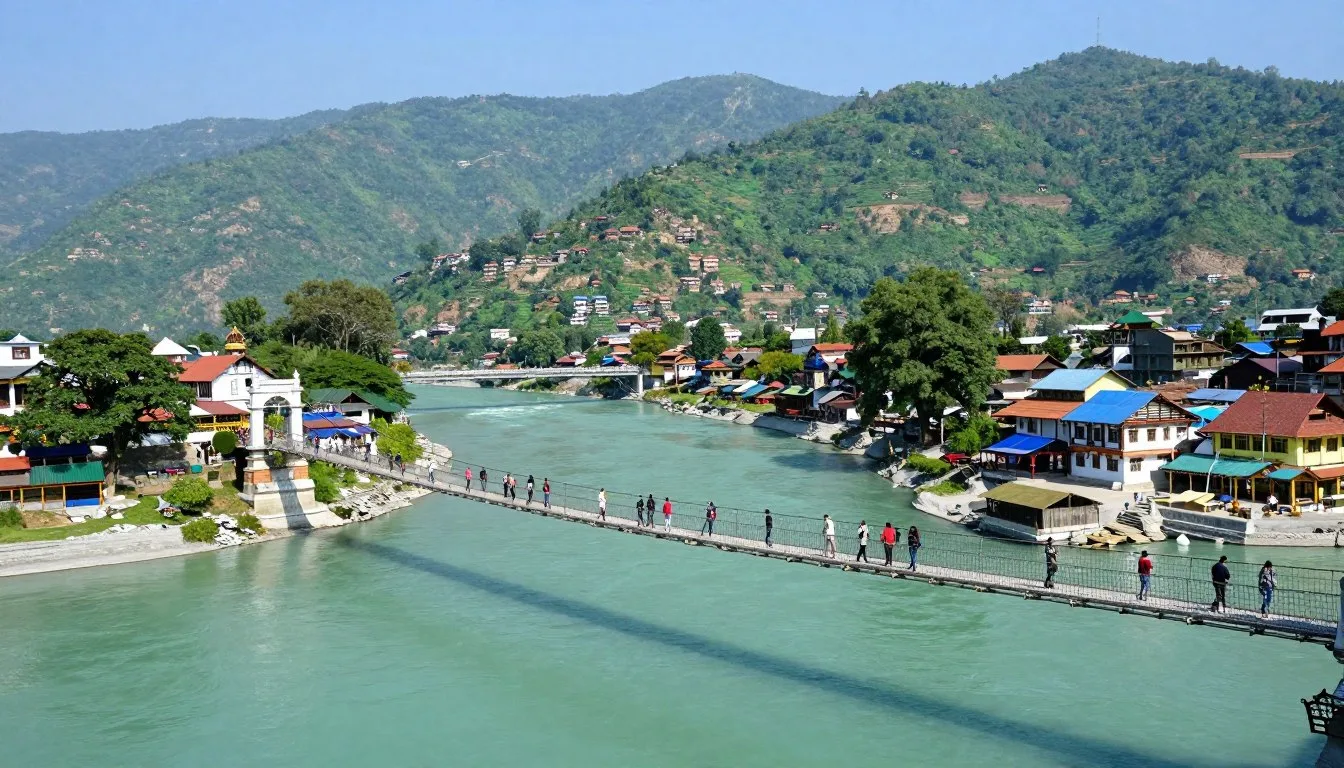
Walking remains the most practical way to explore central Rishikesh. The main areas—Tapovan, Laxman Jhula, and Ram Jhula—are interconnected by pedestrian bridges spanning the Ganges. These iconic suspension bridges themselves constitute major attractions. Laxman Jhula stretches 137 m (450 feet) across the river, connecting the city center with the ashram area. Walking across these bridges offers spectacular views and connects you with the spiritual atmosphere of the town.
Auto-rickshaws provide convenient point-to-point transportation for longer distances. These three-wheeled vehicles are abundant throughout the town. Always negotiate the fare before starting your journey, as meters are rarely used. Typical fares range from ₹30-100 ($0.40-1.20) for trips within town. For example, traveling from Laxman Jhula to Triveni Ghat costs approximately ₹50-70 ($0.60-0.85). Auto-rickshaw drivers generally know all major landmarks, though language barriers can occasionally cause confusion.
Shared tempo services operate along fixed routes, offering the most economical local transport. These shared jeeps or large auto-rickshaws follow set paths, picking up and dropping passengers along the way. Fares typically cost just ₹10-20 ($0.12-0.24) per person. The main routes connect Laxman Jhula, Ram Jhula, and the main bus stand. While these services take longer due to multiple stops, they provide an authentic local experience and cost-effective transportation.
Motorcycle and scooter rentals offer freedom to explore surrounding areas at your own pace. Numerous rental shops near Laxman Jhula and Ram Jhula offer bikes for ₹300-500 ($3.60-6) per day. An international driving permit is officially required, though enforcement varies. Helmets are mandatory by law and rental shops provide them. The roads wind through beautiful mountain terrain, but driving requires caution due to narrow lanes and unpredictable traffic.
Taxis serve longer excursions to nearby destinations like Haridwar or day trips to mountain viewpoints. Hotels and travel agencies arrange private taxi services, or you can find drivers at major landmarks. Full-day taxi rentals cost ₹2,000-3,000 ($24-36), depending on distance and vehicle type. This option works well for groups splitting costs or travelers seeking comfortable, private transportation for sightseeing.
Navigation Caution: The narrow lanes around ashrams and riverside areas become extremely congested during peak hours. Vehicles, pedestrians, and occasionally sacred cows share these tight spaces. Exercise patience and alertness, especially when walking. The suspension bridges sway noticeably when crowded, which can unsettle first-time visitors.
Where to Stay
Accommodation options in Rishikesh range from budget hostels and traditional ashrams to boutique hotels and luxury resorts. Your choice depends on travel style, budget, and whether you seek spiritual immersion or tourist comfort. Each area of town offers distinct atmospheres and varying proximity to major attractions and the sacred Ganges River.
The Tapovan and Laxman Jhula area represents the spiritual heart of Rishikesh. This section houses numerous ashrams, yoga centers, and budget accommodations. Backpackers and spiritual seekers gravitate toward this neighborhood for its authentic atmosphere and proximity to ashrams. Budget guesthouses cost ₹500-1,500 ($6-18) per night, offering basic but clean rooms. Mid-range hotels charge ₹2,000-4,000 ($24-48) for rooms with air conditioning and river views. The area buzzes with international travelers, health food cafes, and yoga schools.
Ram Jhula area offers similar spiritual ambiance but slightly quieter surroundings. This neighborhood sits upstream from Laxman Jhula, connected by another iconic suspension bridge. Parmarth Niketan Ashram, one of Rishikesh’s largest spiritual centers, dominates this area. Accommodations here tend toward the mid-range, with comfortable hotels offering balconies overlooking the Ganges. Prices range from ₹1,500-5,000 ($18-60) per night. The evening Ganga Aarti at Parmarth Niketan creates an unforgettable spiritual experience right outside your door.
Downtown Rishikesh and Triveni Ghat area provides more commercial amenities and easier access to transportation. This section feels less touristy and more authentically Indian, with local markets, street food vendors, and busy ghats. Budget travelers find excellent value here, with clean guesthouses starting at ₹400-800 ($5-10) per night. The area lacks the serene riverside atmosphere of Laxman Jhula but compensates with lower prices and authentic local life experiences.
Luxury resorts dot the outskirts of town, particularly along the river’s northern banks. These properties offer spa facilities, yoga programs, adventure activity arrangements, and stunning natural settings. Prices range from ₹8,000-25,000 ($95-300) per night, but include meals, yoga classes, and often adventure activity packages. Ananda in the Himalayas, located 30 km (18.6 miles) from central Rishikesh, represents the luxury end, with comprehensive wellness programs and world-class facilities.
Ashram stays provide the most immersive spiritual experience. Many ashrams offer simple rooms for nominal donations of ₹200-600 ($2.40-7.20) per night. These accommodations include basic amenities and often include vegetarian meals. Guests typically participate in morning and evening prayers, yoga sessions, and meditation classes. Parmarth Niketan, Sivananda Ashram, and Yoga Niketan represent well-established options accepting international guests. Ashram life follows strict schedules and rules, including early wake times, vegetarian diet, and prohibition of alcohol and smoking.
Budget Accommodations
Backpacker hostels and budget guesthouses cluster around Laxman Jhula and Tapovan. Expect shared bathrooms, basic furnishings, and communal areas for socializing. Many hostels organize group activities and yoga classes. Prices start at ₹300-800 ($3.60-9.60) per night for dorm beds and ₹600-1,500 ($7.20-18) for private rooms.
Mid-Range Options
Comfortable hotels with air conditioning, hot water, WiFi, and often small restaurants occupy the middle tier. Many offer river-facing rooms with balconies. These properties provide good value with modern amenities while maintaining proximity to spiritual sites. Expect to pay ₹2,000-5,000 ($24-60) per night for quality mid-range accommodation.
Dining & Local Cuisine
Rishikesh’s dining scene reflects its spiritual character—the entire town maintains a vegetarian-only policy, and alcohol is strictly prohibited. This creates a unique culinary landscape where traditional Indian vegetarian cuisine meets international health food trends. The yoga capital world status has inspired numerous cafes offering everything from authentic thalis to vegan superfood bowls.
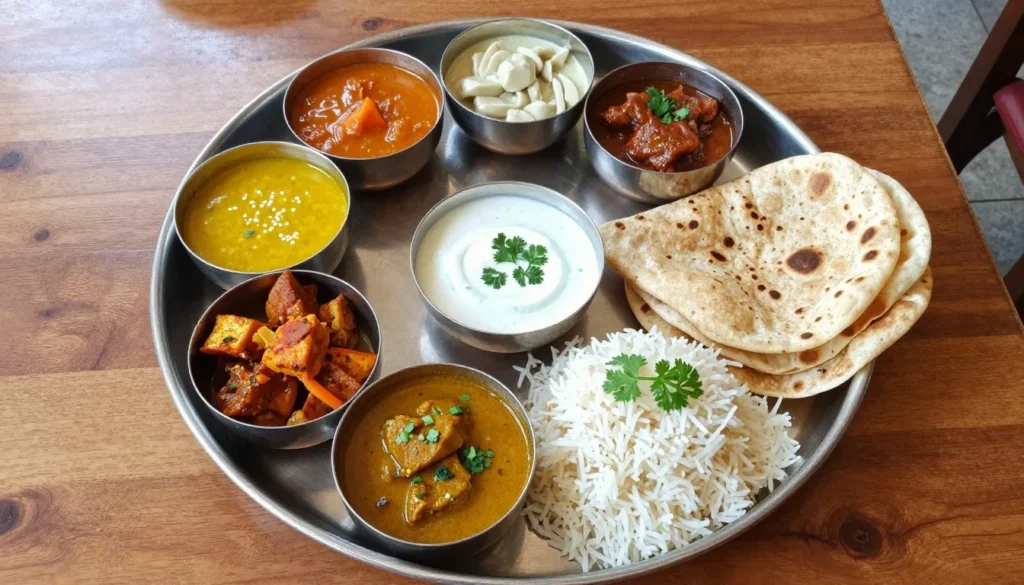
Traditional North Indian cuisine dominates local restaurants and dhabas. Dal (lentil curry), sabzi (vegetable dishes), roti (flatbread), and rice form the foundation of most meals. Thalis offer the best way to sample variety—a large metal plate with small bowls containing different preparations. Expect to pay ₹150-300 ($1.80-3.60) for a filling thali in local restaurants. Chole bhature (chickpea curry with fried bread), aloo paratha (potato-stuffed flatbread), and paneer dishes appear on virtually every menu.
Street food provides delicious budget options throughout the town. Small stalls near the ghats sell puri sabzi (fried bread with potato curry) for breakfast at ₹30-50 ($0.40-0.60). Samosas, pakoras (vegetable fritters), and kachori (fried pastries) make perfect snacks. Golgappa stands offer the beloved street snack of hollow crispy spheres filled with tangy water and spiced chickpeas for just ₹20-30 ($0.24-0.36). Jalebi (spiral-shaped orange sweets) and lassi (yogurt drink) complete the street food experience.
International cafes cluster around Laxman Jhula and Ram Jhula, catering to foreign travelers and yoga practitioners. These establishments serve Israeli, Italian, Mexican, and continental cuisine alongside Indian options. Little Buddha Cafe, perched riverside near Ram Jhula, offers spectacular views and extensive menus. Expect to pay ₹250-500 ($3-6) for main courses in these cafes. Many focus on organic ingredients, vegan options, and health-conscious preparations reflecting the wellness tourism market.
Ashram food represents the purest form of sattvic (spiritually pure) cuisine. Most ashrams serve simple, freshly prepared meals included with accommodation or available for nominal donations. Meals follow fixed schedules, typically around 8:00 AM for breakfast, 12:00 PM for lunch, and 6:00 PM for dinner. The food emphasizes digestibility and spiritual purity, avoiding onions, garlic, and heavy spices. While simple, ashram meals offer authentic vegetarian nutrition and the chance to dine with international spiritual seekers.
Popular cafes worth visiting include Ganga View Cafe for its riverside location, Beatles Cafe near the famous ashram, and Freedom Cafe in Tapovan known for healthy bowls and smoothies. The German Bakery offers excellent bread, pastries, and coffee, while Ramana’s Garden Cafe combines good food with supporting a local children’s home. Most cafes open from 8:00 AM to 10:00 PM, though some close for afternoon breaks.
Dining Etiquette: Remove shoes before entering many traditional restaurants and all ashram dining halls. Eat with your right hand if trying traditional style (left hand is considered unclean). Expect to sit on floor cushions in some traditional establishments. Tap water isn’t safe to drink—stick to bottled water or filtered water that cafes provide.
Attractions, Sightseeing & Activities
Rishikesh offers an extraordinary range of experiences that blend spiritual pursuits with adventure activities. The town’s unique position in the foothills of the Himalayas creates opportunities for everything from meditation retreats to adrenaline-pumping water sports. Understanding the diverse attractions helps you prioritize based on your interests and available time.
White Water Rafting Adventures
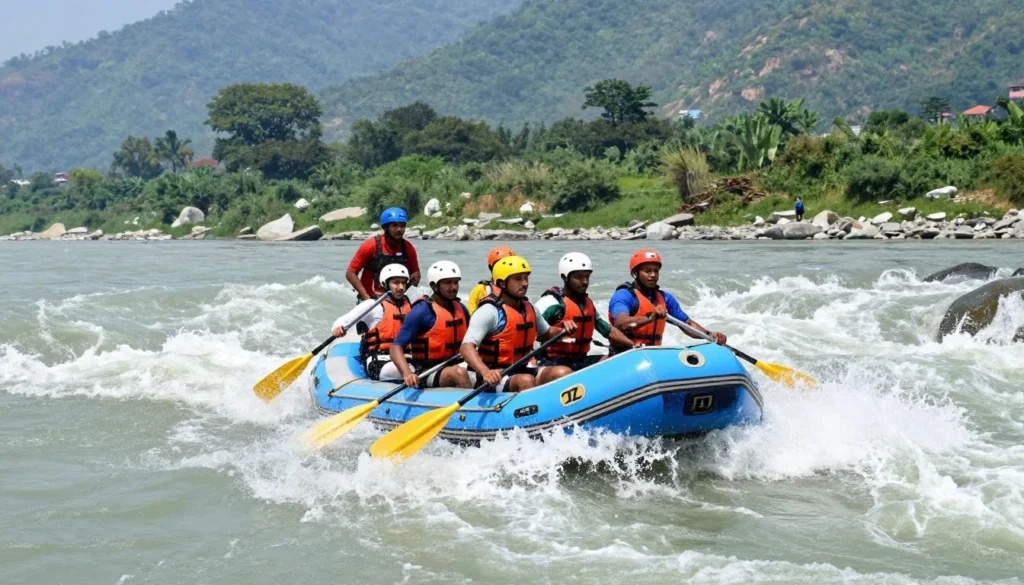
White water rafting represents Rishikesh’s most famous adventure activity. The Ganges River flows through this region with varying rapids grades, creating perfect conditions for both beginners and experienced rafters. Several stretches offer different difficulty levels and durations. The rafting season runs from September through June, with optimal conditions from October through April when water levels allow thrilling rides without excessive danger.
The most popular route runs from Shivpuri to Rishikesh, covering 16 km (10 miles) with grade III to IV rapids. This journey takes approximately 2-3 hours on the water and includes exciting rapids like Roller Coaster, Golf Course, and Club House. Tour operators charge ₹800-1,500 ($9.60-18) per person, including safety equipment and experienced guides. The ride provides perfect balance between thrill and safety for first-time rafters.
Longer expeditions from Kaudiyala to Rishikesh cover 36 km (22 miles) over a full day. This intense experience challenges experienced rafters with grade IV rapids and stunning natural scenery. Prices range from ₹2,500-4,000 ($30-48) per person, including lunch and all equipment. The journey passes through remote areas with minimal development, offering pristine Himalayan views and challenging water conditions.
Shorter family-friendly routes from Brahmapuri to Ram Jhula span 9 km (5.6 miles) with gentler grade II rapids. This option suits families with children over 12 years or nervous first-timers. The experience costs ₹500-800 ($6-9.60) per person and takes about 90 minutes. While less intense than longer routes, it still provides excitement and beautiful river scenery.
Yoga and Meditation Centers
Rishikesh earned its reputation as the yoga capital world through decades of attracting spiritual seekers and yoga practitioners. Hundreds of ashrams and yoga schools offer classes ranging from single drop-in sessions to month-long intensive teacher training courses. The density and quality of yoga instruction here remains unmatched globally. Whether you practice daily or have never stepped on a mat, you’ll find appropriate options.
Parmarth Niketan Ashram, the largest ashram in Rishikesh, welcomes international students for daily yoga classes and longer residential programs. Morning yoga sessions begin at 5:00 AM, followed by meditation and pranayama (breathing exercises). Evening sessions include philosophical lectures and the spectacular Ganga Aarti ceremony. Drop-in classes cost ₹300-500 ($3.60-6) per session, while residential programs including accommodation and meals start at ₹1,000 ($12) per day.
Sivananda Ashram offers traditional yoga following the teachings of Swami Sivananda. The ashram maintains a structured schedule combining asana practice, meditation, chanting, and karma yoga (selfless service). The atmosphere emphasizes discipline and spiritual growth rather than physical fitness. Courses range from weekend workshops to three-month intensive programs. Contact them at +91-135-2430040 for course schedules and registration.
Numerous smaller yoga schools specialize in specific styles—Ashtanga, Vinyasa, Iyengar, or Kundalini. Many offer teacher training certification recognized by Yoga Alliance. These programs typically run 200-500 hours over 3-8 weeks. Research schools carefully, reading reviews and verifying credentials before committing to expensive long-term courses. Expect to pay ₹40,000-150,000 ($480-1,800) for comprehensive teacher training programs.
Suspension Bridges
Laxman Jhula and Ram Jhula, the iconic suspension bridges spanning the Ganges, rank among Rishikesh’s most recognizable landmarks. These bridges serve as vital connections between riverbanks while providing spectacular views and photo opportunities. Legend states that Lord Rama’s brother Laxman crossed the river at this spot on a jute rope, inspiring the bridge’s name.
Laxman Jhula stretches 137 m (450 feet) across the river at a height of 21 m (70 feet) above the water. Built in 1929, this iron suspension bridge replaced earlier rope bridges. The bridge sways noticeably when crowded, creating an exciting if slightly unsettling crossing experience. Shops, cafes, and temples line both ends, making the area vibrant with activity. Early morning visits offer the best light for photography and fewer crowds.
Ram Jhula, located 3 km (1.9 miles) upstream, was completed in 1986 as a newer, wider alternative. This bridge measures 450 m (1,476 feet) in length, making it significantly longer than Laxman Jhula. The less crowded atmosphere and excellent river views make it popular for peaceful walks. Parmarth Niketan Ashram sits immediately beside the bridge on the eastern bank.
The Beatles Ashram
The Beatles Ashram, officially known as Chaurasi Kutiya, achieved worldwide fame when the Beatles spent time here in 1968 studying Transcendental Meditation with Maharishi Mahesh Yogi. The band composed numerous songs during their stay, including tracks that appeared on the White Album. Abandoned for decades, the ashram reopened to visitors in 2015, now maintained by the Forest Department.
Walking through the grounds feels like exploring a time capsule. Meditation huts dot the hillside, many adorned with colorful graffiti art depicting the Beatles and Indian spiritual themes. The main hall, where meditation sessions occurred, remains hauntingly empty but atmospheric. The ashram sits within dense forest, providing peaceful natural surroundings. Entry costs ₹150 ($1.80) for Indian nationals and ₹600 ($7.20) for foreign visitors. The site opens daily from 10:00 AM to 4:00 PM.
Guided tours enhance the experience by providing historical context and pointing out significant locations. Local guides near the entrance offer services for ₹200-300 ($2.40-3.60) per group. Plan for 1-2 hours to explore thoroughly. The ashram location near Swarg Ashram area requires a short uphill walk from the main road. Photography enthusiasts love the atmospheric ruins and artistic murals.
Museums, Cultural Spots & Festivals
While Rishikesh lacks large traditional museums, the town offers rich cultural experiences through its temples, ashrams, and spiritual ceremonies. These living cultural sites provide deeper insights into Hindu traditions and the spiritual practices that have drawn seekers here for centuries. Understanding the cultural context enriches your appreciation of the town’s significance.
Triveni Ghat
Triveni Ghat represents one of Rishikesh’s most sacred riverside areas. The name translates to “confluence of three rivers,” though the actual confluence remains underwater. Hindu pilgrims consider bathing here particularly auspicious for spiritual purification. The ghat consists of wide stone steps descending to the river, accommodating hundreds of bathers simultaneously.
The highlight occurs each evening during the Ganga Aarti ceremony. Priests in traditional attire perform synchronized rituals with oil lamps, bells, and chanting as crowds gather on the steps. The ceremony typically begins around sunset, approximately 6:00 PM in summer and 5:00 PM in winter. Attendees often float small leaf boats containing flowers and candles down the river as offerings. The spiritual atmosphere combined with visual spectacle creates unforgettable experiences. Arrive 30 minutes early to secure good viewing positions.
Neelkanth Mahadev Temple
This important Shiva temple sits 32 km (20 miles) from Rishikesh at an elevation of 1,330 m (4,364 feet). Legend holds that Lord Shiva consumed poison here to save the world, turning his throat blue—hence the name Neelkanth meaning “blue throat.” The temple’s remote mountain location offers spectacular views and a peaceful atmosphere away from town crowds.
Reaching the temple requires a winding mountain drive taking approximately 90 minutes from central Rishikesh. Taxis charge ₹1,500-2,000 ($18-24) for round trips including waiting time. The last 2 km (1.2 miles) involves uphill walking, though sedan chair carriers offer services for those unable to climb. The temple opens from 6:00 AM to 7:00 PM daily. Plan for a half-day excursion including travel time. The natural beauty along the route makes the journey worthwhile even for non-religious visitors.
Swarg Ashram
Swarg Ashram area contains numerous small temples, ashrams, and spiritual bookshops creating a concentrated spiritual zone. The neighborhood takes its name from Swargashram, an ashram founded by Swami Vishudhanand in the early 1900s. Walking through these narrow lanes reveals traditional spiritual life largely unchanged by tourism.
Small temples dedicated to various deities dot the area, each with unique architectural features and spiritual significance. The Geeta Bhawan, a large complex offering free accommodation to pilgrims, includes beautiful temple halls with intricate paintings depicting scenes from Hindu epics. Many international visitors spend time here absorbing the devotional atmosphere, attending prayer sessions, and observing traditional rituals. The area remains quieter than Laxman Jhula, offering more authentic glimpses of spiritual practices.
Rajaji National Park
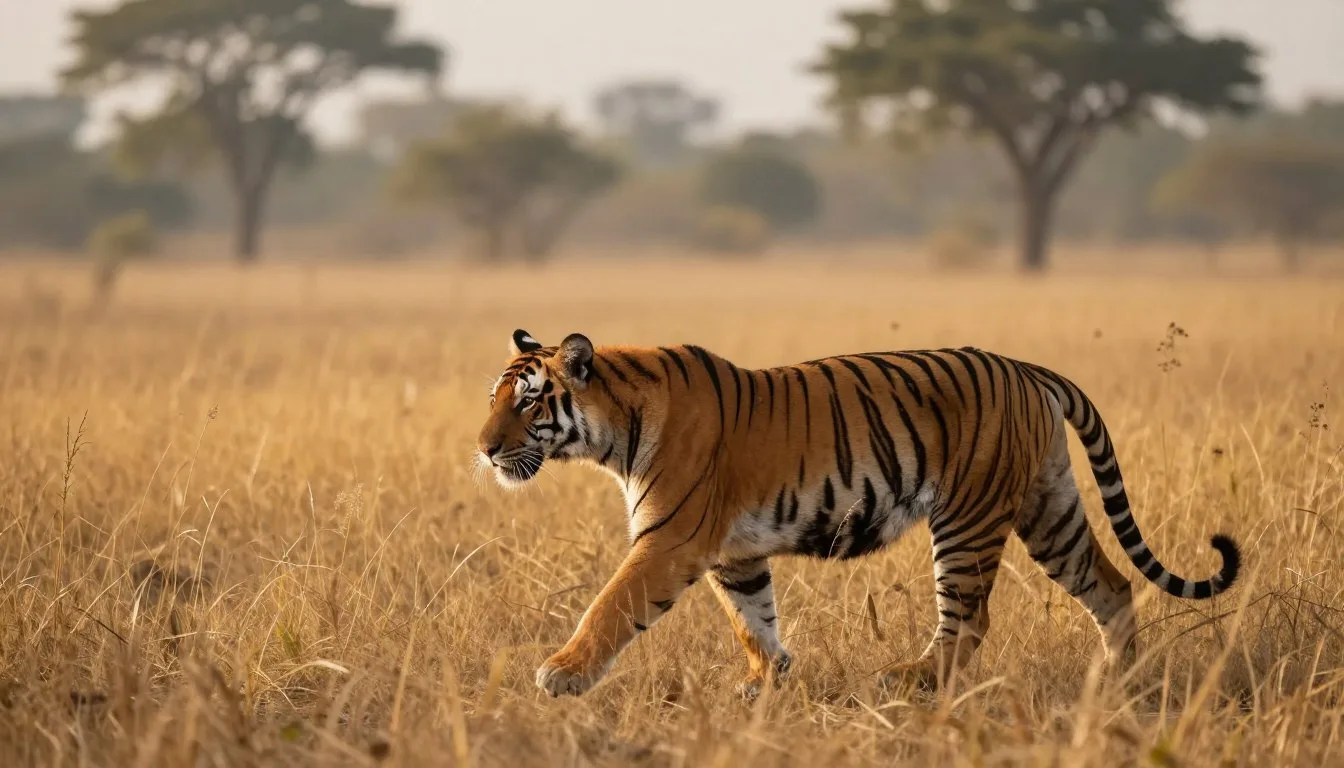
Located at Rishikesh’s northern edge, Rajaji National Park protects 820 square km (202,598 acres) of diverse Himalayan ecosystems. The park serves as a critical elephant corridor and home to tigers, leopards, and over 400 bird species. While primarily a nature destination, the park offers cultural significance as a protected area preserving the natural environment that Hindu sages traditionally sought for meditation retreats.
Jungle safaris depart early morning and late afternoon, offering chances to spot wildlife in natural habitats. Entry fees cost ₹150 ($1.80) for Indians and ₹600 ($7.20) for foreigners, with additional jeep charges of ₹2,000-3,000 ($24-36) for 4-hour tours. The park closes during monsoon season (mid-June through mid-November) when heavy rains make roads impassable. Winter months provide best wildlife viewing when animals emerge from dense forest to graze in grasslands.
Nature & Outdoor Experiences
Beyond the famous white water rafting, Rishikesh serves as a base for diverse outdoor adventures in the Himalayan foothills. The surrounding landscape of mountains, forests, and rivers creates endless opportunities for nature lovers and adventure seekers. These experiences allow you to appreciate the natural beauty that has made this region spiritually significant for millennia.
Trekking and Hiking
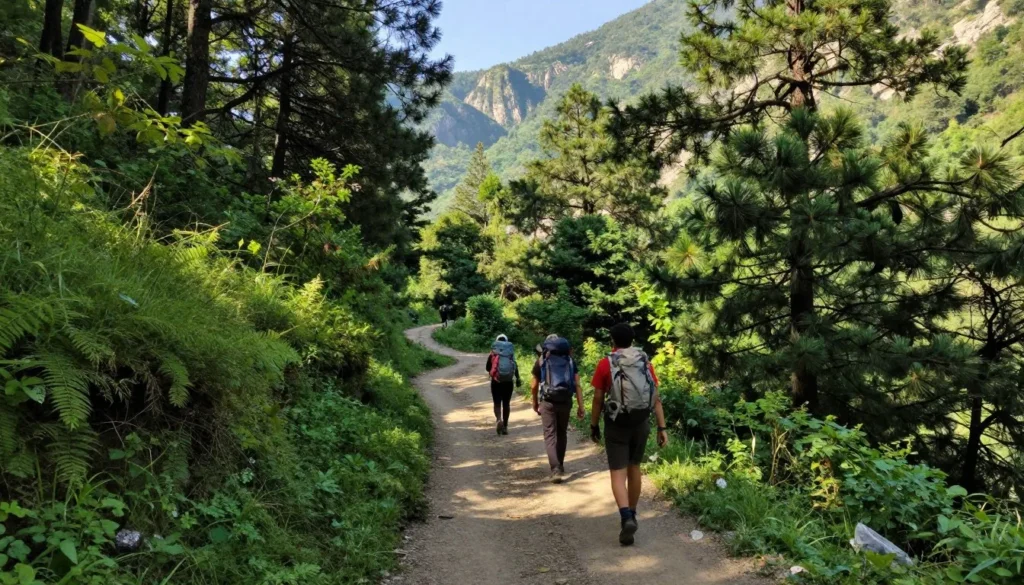
Numerous trekking routes radiate from Rishikesh into the surrounding mountains. These range from gentle nature walks to challenging multi-day expeditions. The Kunjapuri Temple trek represents one of the most popular day hikes. The trail climbs to 1,676 m (5,499 feet) elevation, reaching the temple at sunrise for spectacular Himalayan views. The 6 km (3.7 miles) one-way trek takes 3-4 hours ascending. Many visitors take taxis to the summit for sunrise, then hike down, allowing them to experience the journey without the strenuous climb.
The Neer Garh Waterfall trek offers a shorter, easier option suitable for all fitness levels. Located 6 km (3.7 miles) from Laxman Jhula, the trail follows a stream through forest to reach a beautiful waterfall where you can swim in cool mountain water. The round-trip takes about 3 hours. Entry costs ₹50 ($0.60) per person. The trail gets slippery during monsoon, so proper footwear is essential. Local cafes near the trailhead serve refreshments before and after hikes.
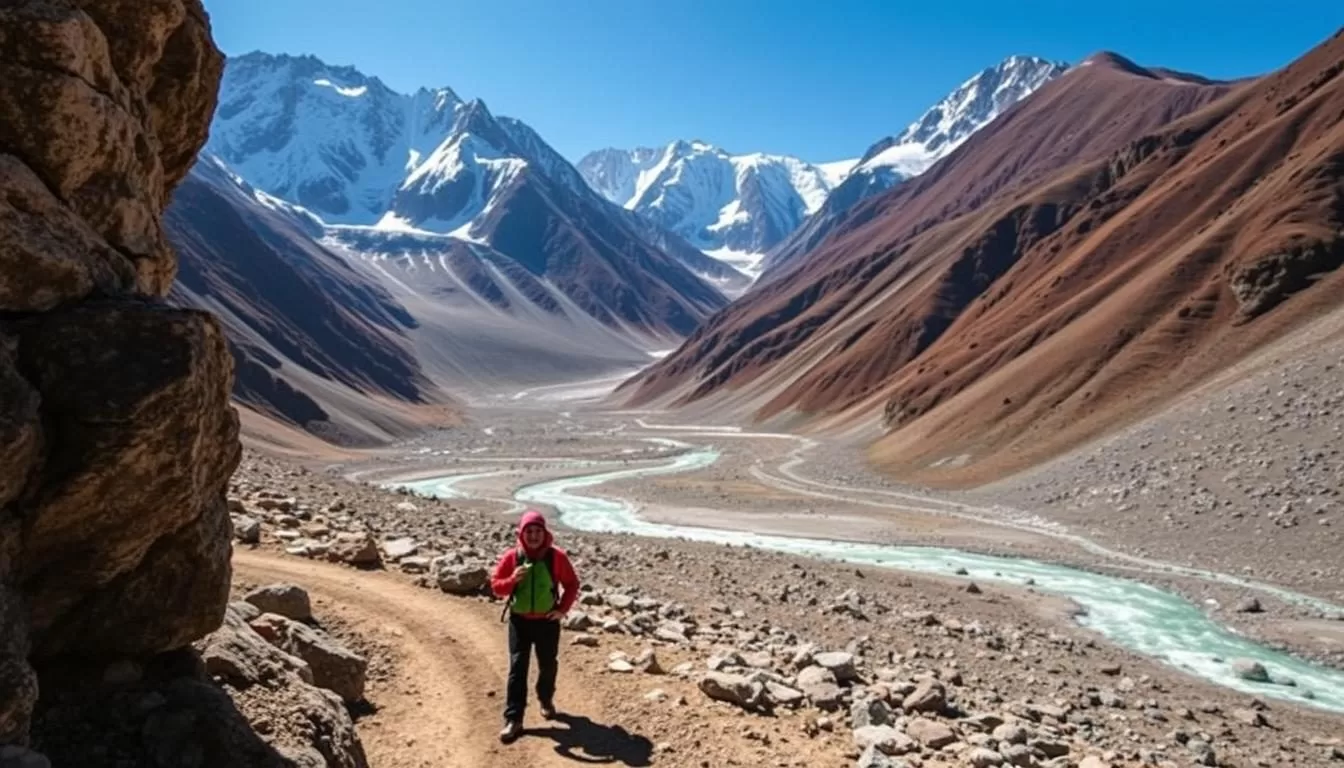
For serious trekkers, the region offers access to challenging Himalayan routes like the Valley of Flowers and Hemkund Sahib. These multi-day treks require proper equipment, guides, and physical preparation. The trekking season runs from May through October, with July-September offering the best weather but also the most crowds. Local trekking agencies arrange comprehensive packages including permits, guides, porters, and camping equipment.
Bungee Jumping and Flying Fox
India’s highest bungee jumping platform operates at Mohanchatti, 25 km (15.5 miles) from Rishikesh. The jump height measures 83 m (272 feet) over a rocky canyon with a river flowing below. Jumpers free-fall at speeds up to 160 km/h (99 mph) before the cord catches and bounces them safely. The entire experience, including preparation and recovery time, takes about 30 minutes. Jumps cost ₹3,500 ($42) per person with weight restrictions between 40-110 kg (88-242 lbs).
The same location offers a Flying Fox zip line stretching 1 km (0.6 miles) across the canyon. Riders reach speeds of 160 km/h (99 mph) during the 2-minute journey. The bird’s-eye view of the valley provides thrilling perspectives. This activity costs ₹2,000 ($24) per person. Combo packages including both activities offer slight discounts. The facility operates year-round except during extreme weather. Book in advance during peak season as slots fill quickly.
Camping by the River
Beach camping along the Ganges combines adventure with natural beauty and spiritual atmosphere. Several operators run camps on sandy river beaches upstream from town, typically in the Shivpuri area. These camps offer varying comfort levels from basic tents to deluxe camps with attached bathrooms. Evening campfires, stargazing, and the sound of flowing water create memorable experiences.
Most camping packages include meals, bonfire entertainment, and morning tea served with sunrise views. Basic camping costs ₹1,000-1,500 ($12-18) per person per night, while luxury camps charge ₹3,000-5,000 ($36-60) including adventure activities like rafting and cliff jumping. The camping season runs from September through June, with spring and autumn offering the most pleasant temperatures. Winter camping requires warm sleeping bags as temperatures drop significantly at night.
Bird Watching
The diverse ecosystems around Rishikesh support over 200 bird species, making the area excellent for bird watching. Rajaji National Park offers organized birding expeditions with experienced naturalists. Common sightings include Great Hornbills, Himalayan Woodpeckers, White-throated Kingfishers, and various species of eagles and owls. The winter months (November-February) bring migratory species, adding to the diversity.
Early morning excursions from 6:00 AM to 9:00 AM provide best opportunities as birds actively feed and call during these hours. Binoculars and field guides enhance the experience. Several tour operators specialize in birding trips, charging ₹2,000-3,000 ($24-36) for half-day guided excursions including transportation and equipment. The forested areas around Beatles Ashram also offer good bird watching accessible without formal tours.
Travel With Children
Rishikesh welcomes families and offers numerous child-friendly experiences, though some planning helps ensure comfortable travel with young ones. The spiritual atmosphere and outdoor activities can engage children while introducing them to different cultures and natural environments. Understanding which activities suit different age groups helps you create appropriate itineraries.
Water activities provide excellent family fun. Gentler rafting routes from Brahmapuri accommodate children over 12 years. Younger children enjoy playing on sandy river beaches under supervision. Several camps organize family rafting trips with experienced guides trained in working with children. Beach camping creates memorable experiences for kids who enjoy outdoor adventures. Morning wildlife spotting, campfire songs, and sleeping in tents appeal to adventurous youngsters.
The suspension bridges fascinate children, offering safe excitement as the structures sway. Walking across Laxman Jhula feels like an adventure while providing spectacular views that even young travelers appreciate. Feeding fish from the bridges—locals sell fish food for ₹10-20 ($0.12-0.24)—gives children interactive engagement with the environment. Supervise young children carefully as the bridge railings have gaps.
Nature walks to Neer Garh Waterfall suit families with children ages 8 and up. The moderate trail allows for nature education, and swimming in the waterfall pool at the end provides refreshing rewards. Pack snacks, water, and sun protection. The journey takes about an hour each way at child-friendly pace. Several families combine this trek with picnic lunches near the waterfall.
Educational opportunities abound for culturally curious families. Watching the evening Ganga Aarti ceremony introduces children to Hindu traditions in visually engaging ways. The colorful rituals, music, and atmosphere captivate young attention spans. Arrive early to secure front-row positions where children can see clearly. Explain basic concepts beforehand to enhance their understanding and appreciation.
Practical considerations for family travel include choosing appropriate accommodations. Hotels with swimming pools help children burn energy after long days. Rooms with balconies provide safe outdoor space. Many hotels around Ram Jhula area cater specifically to families, offering larger rooms and child-friendly meals. Verify that your accommodation provides reliable hot water, as children need consistent bathing facilities.
Food safety requires attention when traveling with children. Stick to well-established restaurants where food preparation standards appear high. Bottled water remains essential—never let children drink tap water. Fruits that can be peeled (bananas, oranges) provide safe snacks. Many international cafes prepare familiar food like pasta, pizza, and sandwiches for children who struggle with spicy Indian cuisine.
Check 30,000+ Local Sightseeing Tours Worldwide
✓ Numerous languages and currencies are available
Family Planning Tip: Schedule relaxed itineraries allowing rest time between activities. The combination of heat, new environments, and physical activities can overwhelm children quickly. Morning adventures followed by afternoon pool time creates balanced days. Always carry first-aid supplies including rehydration salts, basic medicines, and bandages.
Money Saving Tips
Rishikesh remains remarkably affordable compared to Western destinations, but smart strategies can stretch your budget further without sacrificing experience quality. Understanding where to spend and where to save helps budget-conscious travelers maximize their Rishikesh adventure. These practical tips come from experienced budget travelers who have successfully explored the town without breaking the bank.
Accommodation represents your largest expense, so choosing wisely makes significant impact. Ashram stays offer unbeatable value at ₹200-600 ($2.40-7.20) per night including basic meals. While rules and schedules are strict, the experience provides authentic immersion for minimal cost. Budget guesthouses in Tapovan area charge ₹500-800 ($6-9.60) per night for private rooms. Negotiate rates for stays longer than three days—many places offer 10-20% discounts for week-long bookings.
Eating at local dhabas instead of tourist cafes dramatically reduces food costs. A filling thali at a local restaurant costs ₹80-150 ($1-1.80) compared to ₹300-500 ($3.60-6) at international cafes for similar portions. Street food provides delicious meals for ₹30-80 ($0.40-1). Many ashrams serve free community meals (langar) to visitors—donations are accepted but not required. Budget ₹200-300 ($2.40-3.60) daily for food if eating locally rather than ₹800-1,000 ($9.60-12) at tourist establishments.
Book adventure activities directly with operators rather than through hotel concierges or travel agencies. Walk to rafting company offices near Laxman Jhula to compare prices. Direct booking typically saves 20-30% compared to commission-laden bookings through intermediaries. Group together with other travelers to split taxi costs for activities requiring transportation. Hostels often organize group bookings that reduce per-person costs.
Transportation savings come from using local options. Shared tempos cost ₹10-20 ($0.12-0.24) compared to ₹50-100 ($0.60-1.20) for private auto-rickshaws. Walk whenever possible—most main areas lie within comfortable walking distance. Rent bicycles for ₹100-150 ($1.20-1.80) per day to explore independently. If renting motorcycles, shop around as prices vary significantly between rental shops.
Free or low-cost activities provide rich experiences without depleting budgets. Morning yoga sessions on riverside ghats cost nothing—join locals for sunrise practice. Beach time along the Ganges offers free relaxation and swimming. Hiking trails to waterfalls and viewpoints charge minimal entry fees or nothing at all. Watching the free evening Ganga Aarti provides spectacular cultural experiences. Exploring ashram grounds and sitting in meditation halls costs nothing but offers profound experiences.
Shop at local markets rather than tourist shops for significant savings on everything from clothing to souvenirs. The Ram Jhula market offers better prices than Laxman Jhula tourist shops. Always negotiate prices—vendors expect it and typically start 30-50% above their actual bottom price. Avoid buying anything immediately—compare prices across multiple shops first. Purchase water in large bottles from grocery stores rather than small bottles from tourist areas—prices differ by 200-300%.
Daily Budget Estimates
- Ultra-Budget: ₹800-1,200 ($9.60-14.40) – ashram stay, local food, free activities
- Budget: ₹1,500-2,500 ($18-30) – guesthouse, mixed dining, some paid activities
- Mid-Range: ₹3,000-5,000 ($36-60) – hotel, tourist cafes, regular adventure activities
- Comfortable: ₹6,000+ ($72+) – nice hotel, all activities, convenience prioritized
Best Value Splurges
- White water rafting: Thrilling experience worth the ₹800-1,500 cost
- Professional yoga classes: Quality instruction justifies ₹300-500 per session
- Day trip to Neelkanth Temple: Taxi cost worthwhile for mountain scenery
- Occasional nice meal: Treat yourself after days of budget dining
Safety & Local Customs
Rishikesh ranks among India’s safest destinations, particularly for international travelers. The spiritual atmosphere creates a respectful environment, though standard travel precautions remain important. Understanding local customs enhances your experience while showing respect for the traditions that make this place special. Following these guidelines ensures smooth, safe travels while honoring the sacred nature of the town.
Personal Safety
Petty crime remains minimal in Rishikesh, especially compared to larger Indian cities. Violent crime against tourists is extremely rare. However, take standard precautions with valuables. Use hotel safes for passports, excess cash, and valuable electronics. Carry only what you need daily, keeping cash in front pockets or secure bags. Scams targeting tourists occasionally occur—particularly fake travel agents or gem sellers—but staying vigilant and booking through established operations prevents problems.
Women travelers generally feel safe in Rishikesh. The spiritual atmosphere creates respectful behavior, and foreign women routinely travel solo without issues. However, dress modestly and avoid deserted areas after dark. The ashram areas remain populated until late evening, creating safe environments for evening walks. Harassment remains far less common than in many Indian destinations, though unwanted attention occasionally occurs in crowded areas.
Adventure activity safety requires choosing reputable operators. Verify that rafting companies provide proper safety equipment including life jackets and helmets. Check that guides have proper certification and first-aid training. Accidents remain rare but do occur, typically when travelers ignore safety instructions or choose unlicensed operators offering suspiciously low prices. Quality operators charge similar rates—extreme discounts suggest corner-cutting on safety.
Health Precautions
Water safety represents the primary health concern. Never drink tap water, even for brushing teeth in budget accommodations. Bottled water costs ₹20-40 ($0.24-0.48) for 1-liter bottles and remains widely available. Many cafes offer filtered water for free refills—carry a refillable bottle to reduce plastic waste. Avoid ice in drinks unless you’re confident it’s made from purified water.
Food hygiene requires attention, though vegetarian-only policies reduce certain risks. Eat at busy establishments where food turns over quickly. Avoid raw foods like salads unless you’re at reputable restaurants washing produce in purified water. Cooked foods served hot present minimal risk. Street food from popular stalls with high turnover is generally safe—locals eating there signal quality. If your stomach remains sensitive, stick to international cafes initially while your system adjusts.
Sun protection proves essential year-round at this elevation. Strong Himalayan sun burns quickly even on cloudy days. Apply sunscreen (SPF 30+) generously and wear hats during outdoor activities. The combination of altitude, sun exposure, and physical activities can cause dehydration—drink water constantly even if you don’t feel thirsty. Carry oral rehydration salts for treating mild dehydration.
Cultural Customs and Etiquette
Rishikesh maintains strict rules reflecting its status as a holy town. Alcohol and meat are completely prohibited—violating these rules causes serious offense and legal issues. Smoking is also discouraged, particularly near temples and ashrams. Many establishments display “No Smoking” signs that should be respected absolutely. These restrictions extend to all areas of town, not just religious sites.
Dress modestly out of respect for the spiritual atmosphere. Cover shoulders and knees when visiting temples and ashrams. Many sacred sites require removing shoes before entering—wear easily removable footwear. Women should carry scarves to cover heads when entering certain temples. While casual dress suffices for cafes and activities, revealing clothing appears disrespectful in this religious town. Yoga pants and athletic wear are acceptable during activities but change into modest dress for temple visits.
Photography etiquette requires sensitivity. Always ask permission before photographing people, particularly religious practitioners and ceremonies. Some temples prohibit photography entirely—respect these rules absolutely. During Ganga Aarti, photography is generally permitted but maintain respectful behavior. Don’t turn your back to deities when photographing temple interiors. Drones require special permits and are prohibited in most areas.
River respect remains paramount—Hindus consider the Ganges sacred. Avoid entering the water wearing shoes. Don’t throw trash into the river or on riverbanks. Bathing is acceptable, but swimming in strong current areas proves dangerous. Women should wear modest clothing when bathing—full-coverage swimwear or traditional Indian attire works best. The river appears clean but carries pollution, so avoid submerging your head or swallowing water.
Emergency Contacts: Police: 100 | Ambulance: 102 | Tourist Police: +91-135-2430423 | Rishikesh District Hospital: +91-135-2430345. Save these numbers in your phone immediately upon arrival. Most tourist areas have police presence and help points. Hotel staff can assist in emergencies and often speak English.
Visitor Comments About Rishikesh
Hearing from travelers who’ve experienced Rishikesh firsthand provides valuable perspectives and practical insights. These authentic testimonials highlight what makes the town special and offer realistic expectations for your own journey. Each visitor discovers different aspects that resonate personally, showing the diverse appeal of this remarkable destination.
S.V., Crawley
“Rishikesh exceeded every expectation. I came for yoga and found so much more. The morning classes overlooking the Ganges created spiritual experiences I never imagined possible. The teachers possessed genuine wisdom, not just physical instruction. Rafting provided thrilling contrast to peaceful meditation sessions. The town manages to feel both deeply traditional and welcoming to foreigners. I extended my week-long visit to three weeks and still felt I could have stayed longer. The blend of adventure and spirituality creates something truly unique.”
C.W., Liberec
“As a budget traveler, Rishikesh proved incredibly affordable without sacrificing quality. Stayed in a simple ashram for nominal cost and ate amazing food at local places for just a few pounds daily. The free Ganga Aarti ceremonies provided some of my most memorable travel moments. People were genuinely kind and helpful, never pushy about selling things. The mountain scenery surrounding the town created stunning backdrops. Weather in October was perfect. Only challenge was the intense heat in summer when I initially arrived. Overall, one of my favorite Indian destinations.”
G.P., Birkenhead
“Brought my teenage kids expecting they’d be bored by the spiritual stuff, but they absolutely loved it. The rafting was the highlight for them—thrilling but felt safe with experienced guides. They enjoyed playing on the river beaches and walking across the suspension bridges. We found a nice hotel with a pool which gave them downtime. Even dragged them to the Beatles Ashram which they found surprisingly cool. The vegetarian food took adjustment but we found plenty they’d eat. Feel grateful we could share this culturally rich experience as a family while having genuine adventure too.”
Additional Nearby Destinations
Rishikesh serves as an excellent base for exploring the broader Uttarakhand region. Several significant destinations lie within easy reach, allowing you to extend your Himalayan adventure beyond the yoga capital. Whether you seek additional spiritual sites, wildlife encounters, or mountain adventures, the surrounding area offers diverse options worth considering if you have extra time.
Haridwar
Located just 25 km (15.5 miles) downstream from Rishikesh, Haridwar represents one of Hinduism’s seven holiest cities. The Ganges enters the plains here after flowing through Himalayan valleys. The massive evening Ganga Aarti at Har Ki Pauri ghat attracts thousands daily, creating an even more intense spiritual atmosphere than Rishikesh. The town feels more traditional and less tourist-oriented than Rishikesh. Day trips from Rishikesh are easily arranged, with buses running frequently for ₹30-50 ($0.40-0.60) and taking 45-60 minutes. The Kumbh Mela, held every 12 years, makes Haridwar a pilgrimage center for millions.
Mussoorie
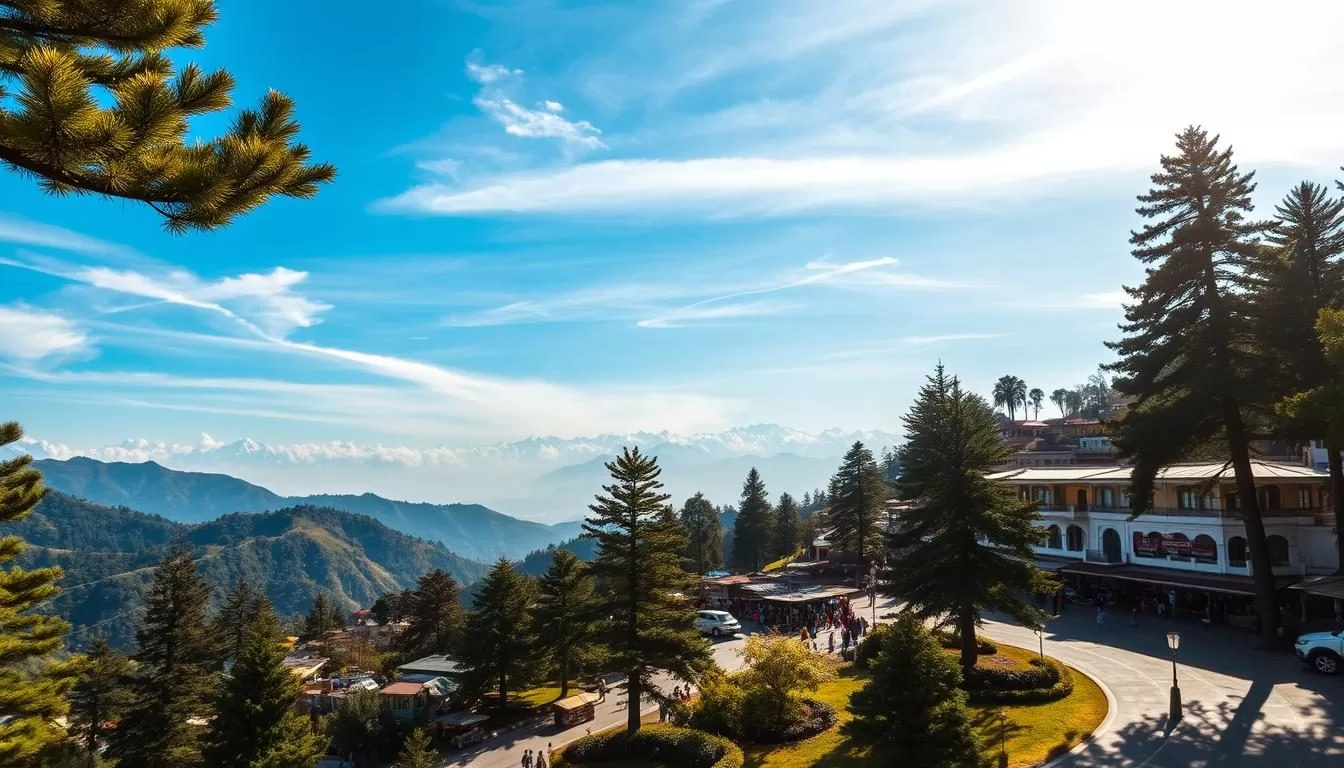
This classic hill station sits 75 km (46.6 miles) from Rishikesh at an elevation of 2,005 m (6,578 feet). British colonials established Mussoorie as a summer retreat, and the town retains Victorian-era charm alongside modern tourist development. The cooler climate, mountain views, and colonial architecture create different atmospheres from Rishikesh. Popular activities include ropeway rides, walking along the Mall Road, and visiting Kempty Falls. The drive from Rishikesh takes 2-3 hours, winding through beautiful mountain scenery. Many travelers combine Rishikesh and Mussoorie in multi-destination trips through Uttarakhand.
Rajaji National Park
While technically accessible as a day trip, this 820 square km (202,598 acres) park deserves overnight stays for serious wildlife enthusiasts. The park’s three ranges—Rajaji, Motichur, and Chilla—each offer different ecosystems and wildlife viewing opportunities. Elephants migrate through these areas, and lucky visitors spot tigers, leopards, and sloth bears. The bird diversity attracts ornithologists worldwide. Stay at forest rest houses inside the park for immersive experiences. The park sits at Rishikesh’s doorstep, with the Chilla range just 15 km (9.3 miles) away. Plan visits during winter months when wildlife spotting improves significantly.
Auli
India’s premier ski destination lies 250 km (155 miles) from Rishikesh. This high-altitude town at 2,800 m (9,186 feet) offers skiing from January through March, while summer months provide stunning meadow hiking and views of Nanda Devi peak. The journey takes 9-10 hours by road, making it suitable only for extended trips. Auli’s cable car ranks among Asia’s longest, offering spectacular Himalayan panoramas. Adventure travelers combine Rishikesh rafting with Auli skiing in winter or trekking in summer, experiencing Uttarakhand’s diverse offerings.
Valley of Flowers National Park
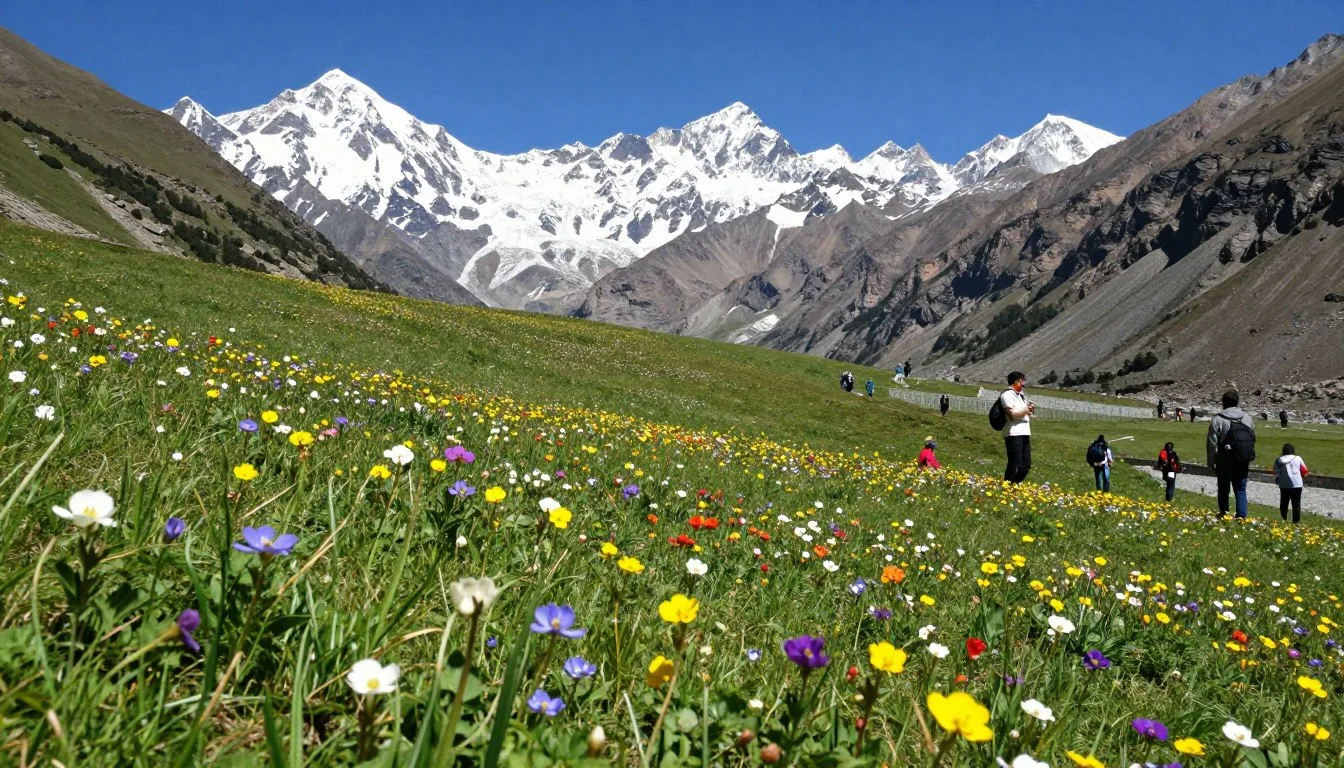
This UNESCO World Heritage Site lies approximately 300 km (186 miles) from Rishikesh. The high-altitude valley explodes with wildflowers during monsoon months (July-September), creating carpet-like displays across alpine meadows. The challenging trek to reach the valley requires multiple days, proper preparation, and permits. Most visitors combine it with Hemkund Sahib pilgrimage. This destination suits serious trekkers rather than casual day-trippers. The spectacular natural beauty rewards the effort involved in reaching this remote location.
Practical Travel Tips
These final practical considerations help ensure smooth travels and maximize your Rishikesh experience. Small details often make significant differences in travel comfort and enjoyment. Paying attention to these practical matters allows you to focus on experiencing the town rather than solving logistical problems.
Money and Banking
ATMs are plentiful around Laxman Jhula and Ram Jhula areas, though they sometimes run out of cash during peak tourist seasons. Withdraw sufficient funds when machines are working. Most ATMs accept international cards and dispense ₹500 and ₹100 notes. Daily withdrawal limits typically max at ₹10,000-20,000 ($120-240). Carry smaller denominations as change can be scarce, particularly for ₹500 and ₹2,000 notes.
Credit cards see limited acceptance outside upscale hotels and established tour operators. Most guesthouses, restaurants, and shops operate on cash-only basis. Mobile payment apps like Paytm and Google Pay are widely accepted and offer convenient cashless options if you set up an Indian number. Currency exchange services near Laxman Jhula offer decent rates, though Delhi airport or major banks provide slightly better rates.
Internet and Communication
Mobile network coverage works well throughout central Rishikesh, though remote areas experience limited service. Major Indian carriers (Jio, Airtel, Vodafone) offer prepaid SIM cards to tourists. Purchase these at official stores with passport and visa documentation. Tourist SIM packages typically cost ₹200-500 ($2.40-6) including data and calling credit. Most cafes, hotels, and restaurants offer free WiFi, though speeds vary considerably. Don’t rely on connectivity for critical communications—have backup plans.
Packing Essentials
Clothing should emphasize modesty and layers. Pack lightweight long pants, long-sleeve shirts, and scarves for temple visits. Cotton fabrics work best in hot weather. Bring warm layers for winter visits when nights turn cold. Quick-dry clothes prove practical for adventure activities and hand-washing. Comfortable walking shoes are essential—you’ll walk extensively on uneven surfaces. Include sandals that are easily removed for temple entries.
Practical items include sunscreen (high SPF), insect repellent, basic first-aid supplies, and any prescription medications with extra supply. Water bottles with purification systems reduce plastic waste. Headlamps help during power cuts, which occasionally occur. Power adapters (India uses Type C, D, and M plugs) and portable chargers keep devices running. Bring yoga mat if you’re particular about equipment, though ashrams provide basic mats.
Language Basics
Hindi is the primary local language, though English is widely spoken in tourist areas. Learning basic Hindi phrases enhances interactions. Useful expressions include: Namaste (hello/goodbye), Dhanyavaad (thank you), Kitna paisa? (how much?), Bahut accha (very good). Most restaurant menus feature English translations, and many people in tourism industry speak functional English. Translation apps help when language barriers arise, though connectivity requirements limit usefulness in some situations.
Shopping and Souvenirs
Rishikesh offers excellent shopping for spiritual items, yoga accessories, and handicrafts. Rudraksha beads, meditation malas, singing bowls, and spiritual books make meaningful souvenirs. Purchase directly from shops near ashrams for authenticity. The Ram Jhula market area features clothing, handicrafts, and jewelry at better prices than Laxman Jhula tourist shops. Bargaining is expected—start at 50-60% of asking price and negotiate toward middle ground. Avoid touts offering “factory tours” or gem deals—these typically lead to high-pressure sales situations.
Environmental Responsibility
Rishikesh struggles with waste management despite growing tourism. Minimize plastic use by carrying refillable water bottles and shopping bags. Many cafes now offer filtered water refills. Properly dispose of trash in designated bins—never litter riverside areas. The “Clean Ganga” initiative works to reduce river pollution, and visitors play important roles. Consider participating in volunteer beach cleanups organized by environmental groups. Responsible tourism helps preserve the natural beauty that makes Rishikesh special.
Final Planning Note: Rishikesh rewards flexible, open-minded travelers. While planning helps, remain open to spontaneous experiences. The town’s magic often reveals itself in unexpected moments—a conversation with a sadhu, sunrise over the river, or impromptu meditation session. Balance structured plans with space for serendipity. This approach allows you to experience both the destination you planned to visit and the one you discover along the way.
Your Himalayan Journey Awaits
Rishikesh offers something increasingly rare in modern travel—a destination that genuinely transforms visitors. Whether you arrive seeking spiritual awakening, adventure thrills, cultural immersion, or simply beautiful mountain scenery, this yoga capital world delivers authentic experiences that stay with you long after departure. The Ganges flows through the town as it has for millennia, connecting you to ancient traditions while adventure activities provide modern excitement.
The practical information in this comprehensive Rishikesh Uttarakhand travel guide equips you to plan effectively. From choosing optimal travel times to booking white water rafting, from finding perfect accommodations to respecting local customs, you now possess the knowledge to navigate confidently. But remember that guidebooks provide frameworks—your personal experiences will fill in the details that make your journey uniquely yours.
Start planning today. Book those flights, research yoga schools, imagine yourself crossing suspension bridges with Himalayan foothills rising behind you. Rishikesh waits in the mountains, ready to share its magic with those willing to make the journey. Whether you stay three days or three months, whether you come for yoga meditation or adventure sports, the sacred town in the foothills of the Himalayas promises experiences you’ll carry forever. The rapids are calling, the ashrams are welcoming, and the ancient river flows on. Your Himalayan adventure begins the moment you decide to visit Rishikesh.