

Hotels by Trip.com
Flights by Trip.com
Did you know that West Bali National Park is home to the critically endangered Bali starling, a beautiful white bird found nowhere else on Earth? With fewer than 100 birds remaining in the wild, this pristine reserve offers one of your only chances to spot this rare creature in its natural habitat. Covering roughly 10% of Bali’s total land area, this magnificent park represents a side of Bali that most tourists never experience – where dense monsoon forests meet coral-rich waters, and wildlife thrives far from the island’s bustling southern beaches.
Getting There & Planning Your Journey
West Bali National Park (Taman Nasional Bali Barat) is located in the northwestern part of Bali, approximately 150 km (93 miles) from Denpasar. The journey takes about 3-4 hours by car from popular tourist areas like Kuta or Seminyak.
By Air
The closest international gateway is Ngurah Rai International Airport in Denpasar. From there, you’ll need to arrange ground transportation to reach the park.
By Car
Renting a car with a driver is the most convenient way to reach the park. The drive from South Bali takes you through scenic countryside and traditional villages, making it an experience in itself. If you’re comfortable driving in Indonesia, self-driving is also an option.
Park Entrance
The main entrance to West Bali National Park is located near Gilimanuk, the westernmost town in Bali. All visitors must register at the park office and pay an entrance fee of 200,000 IDR (approximately $13 USD) per person on weekdays and 300,000 IDR (approximately $19 USD) on weekends and holidays. The park is open daily from 8:00 AM to 5:00 PM.
Best Time to Visit & Weather Tips

The best time to visit West Bali National Park is during the dry season, which runs from April to October. During these months, you’ll experience less rainfall, making hiking and wildlife spotting more enjoyable. The average temperature hovers around 28°C (82°F) year-round.
Dry Season (April-October)
- Clear skies and minimal rainfall
- Excellent visibility for snorkeling and diving
- Better conditions for hiking and wildlife spotting
- Peak tourist season, especially July and August
- Average temperatures of 27-30°C (81-86°F)
Wet Season (November-March)
- Brief but heavy afternoon showers
- Lush, vibrant vegetation
- Fewer tourists and lower prices
- Some trails may be muddy or inaccessible
- Average temperatures of 26-29°C (79-84°F)
Tip: Even during the dry season, bring lightweight rain gear as brief showers can occur. The park’s coastal areas can be windy, so a light jacket might be useful in the evenings.
Getting Around Locally
West Bali National Park covers a vast area of approximately 190 square kilometers (73 square miles), including both land and sea territories. Getting around efficiently requires some planning.
Park Guides
Hiring a local guide is mandatory for exploring most areas of the park. Guides can be arranged at the park office for around 350,000-500,000 IDR ($22-32 USD) per day. They provide valuable insights about the park’s ecosystem and help you spot wildlife that might otherwise go unnoticed.
Transportation Options
- Walking: Many trails within the park are accessible only on foot. Wear comfortable hiking shoes and bring plenty of water.
- Boat: To reach Menjangan Island, you’ll need to hire a boat from Labuhan Lalang harbor. Boat rentals typically cost 500,000-700,000 IDR ($32-45 USD) for a round trip.
- Safari Vehicles: Some tour operators offer jeep safaris through accessible parts of the park.
Where to Stay
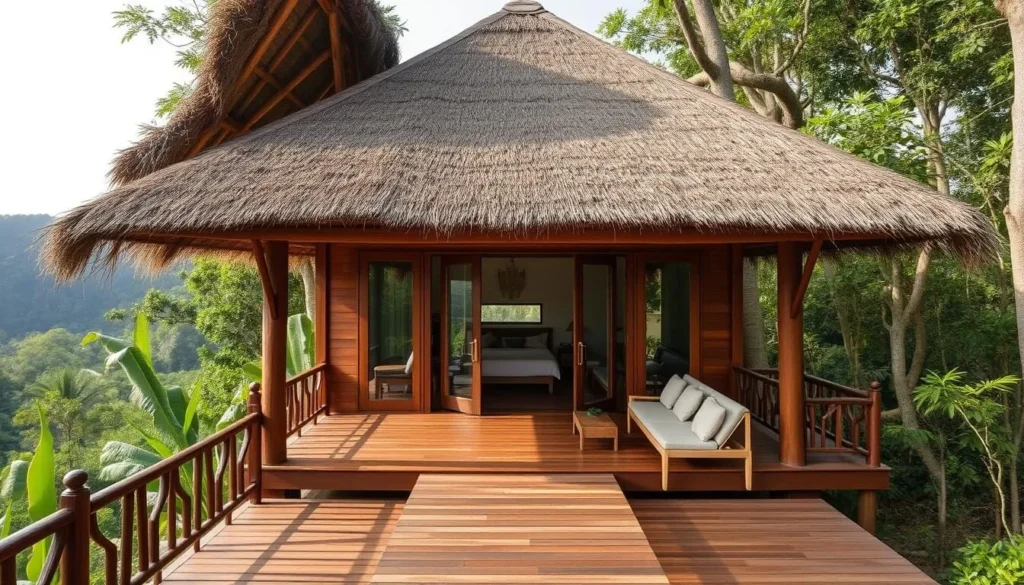
Accommodation options near West Bali National Park range from basic guesthouses to luxury resorts. Most visitors choose to stay in Pemuteran, a small fishing village about 15 km (9 miles) east of the park, or in the Menjangan area directly adjacent to the park.
Budget Options
Several guesthouses and homestays in Pemuteran offer basic but comfortable rooms starting from 250,000 IDR ($16 USD) per night. These typically include breakfast and sometimes offer guided tours to the park.
Recommended: Angga Guesthouse, Kubuku Eco-Dive Lodge
Mid-Range Options
For more comfort, consider mid-range resorts in Pemuteran or Menjangan, which offer amenities like swimming pools, restaurants, and organized tours. Prices range from 750,000-1,500,000 IDR ($48-96 USD) per night.
Check 30,000+ Local Sightseeing Tours Worldwide
✓ Numerous languages and currencies are available
Recommended: Taman Sari Bali Resort, Menjangan Dynasty Resort
Luxury Options
For a truly special experience, luxury resorts within or adjacent to the park offer exclusive access to nature with premium amenities. Expect to pay 2,000,000+ IDR ($128+ USD) per night.
Recommended: The Menjangan, Sumberkima Hill Retreat
Dining & Local Cuisine

The area around West Bali National Park offers a variety of dining options, from simple warungs (local eateries) to upscale resort restaurants. Fresh seafood is abundant, and you’ll find both traditional Balinese dishes and international cuisine.
Must-Try Local Dishes
- Ayam Betutu: A northwest Bali specialty of slow-cooked chicken in rich spices. Try the authentic version at Warung Betutu Bu Moleh in Pemuteran.
- Ikan Bakar: Freshly caught fish grilled over coconut husks and served with sambal (chili sauce).
- Nasi Campur: A mixed rice plate with small portions of various dishes, perfect for sampling multiple flavors.
- Jukut Undis: A traditional Balinese black bean soup with vegetables and spices.
Recommended Restaurants
In Pemuteran
- Mantra Sari Resto: Excellent local cuisine with a beautiful nasi campur presentation
- Eco Taste Cafe: Great for breakfast and Western options
- Manik Rasa Warung: Authentic local food at budget prices
In Menjangan Area
- Bali Tower Bistro: Unique dining experience in a tower overlooking the forest
- Pasir Putih Beach Club: Oceanside dining with beautiful views
- Senja Restaurant: Hilltop dining with sunset views
Note: Many accommodations are quite remote, so having meals at your hotel restaurant is often the most convenient option. Most resorts offer both Western and Indonesian dishes.
Attractions, Sightseeing & Activities
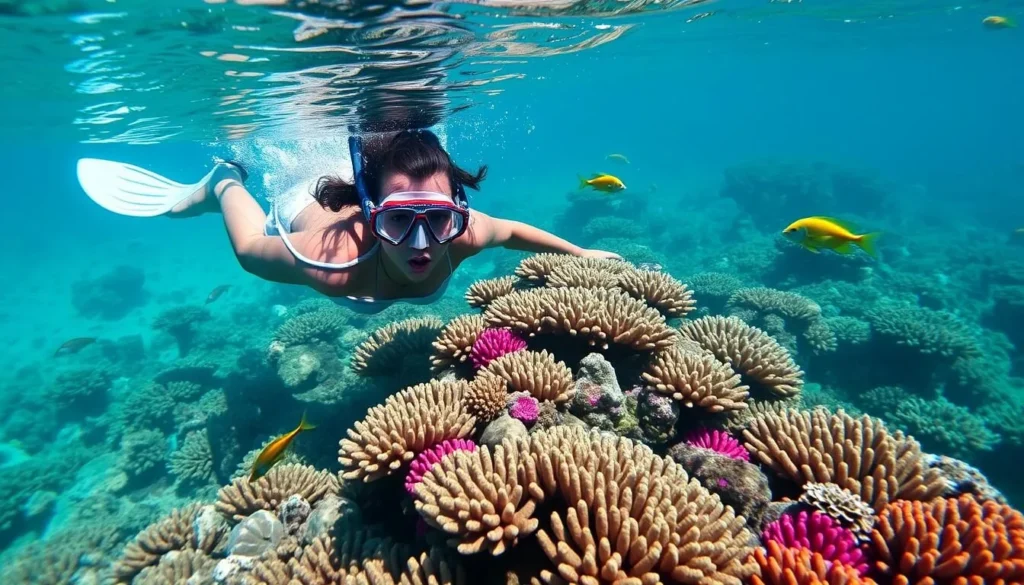
Menjangan Island
Menjangan Island (Deer Island) is the crown jewel of West Bali National Park, located about 10 km offshore. The island is uninhabited except for a small temple and is surrounded by some of the best coral reefs in Bali.
Snorkeling
The crystal-clear waters around Menjangan Island offer exceptional snorkeling opportunities with visibility often exceeding 30 meters (98 feet). You’ll see vibrant coral gardens and a diverse array of marine life, including colorful reef fish, sea turtles, and occasionally reef sharks.
Diving
For certified divers, Menjangan Island is a paradise with over 15 dive sites featuring dramatic wall dives, caves, and abundant marine life. The island is suitable for all experience levels, from beginners to advanced divers.
Wildlife Watching
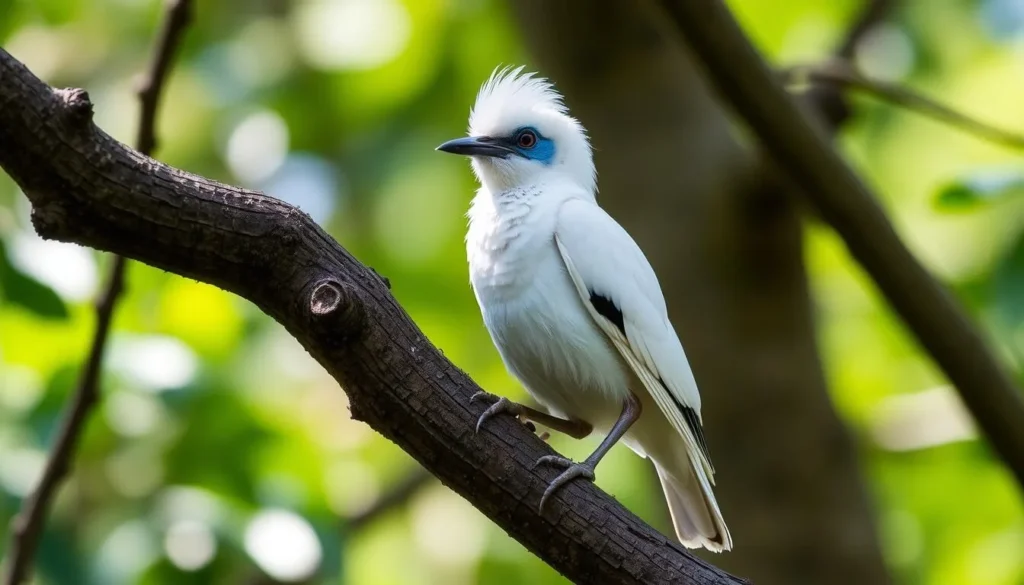
West Bali National Park is home to over 160 species of birds and numerous mammals, reptiles, and amphibians. Early morning is the best time for wildlife spotting when animals are most active.
Key Wildlife to Look For:
- Bali Starling: The park’s flagship species and one of the rarest birds in the world
- Black Monkeys: Endemic Balinese black monkeys (lutung) swinging through the trees
- Rusa Deer: The namesake of Menjangan Island, often seen grazing in open areas
- Monitor Lizards: Large reptiles that can often be spotted near water sources
- Flying Foxes: Massive fruit bats that can be seen at dusk
Hiking Trails

Several hiking trails wind through the park’s diverse ecosystems, from coastal mangroves to monsoon forests and savanna. All hikes require a guide, which can be arranged at the park office.
Prapat Agung Peninsula
This relatively flat trail takes you through savanna and monsoon forest with good chances of wildlife sightings. The hike takes 2-3 hours and offers beautiful coastal views.
Tegal Blunder Trail
A more challenging hike through dense forest with excellent birdwatching opportunities. This 4-5 hour trek is best for experienced hikers and serious wildlife enthusiasts.
Coral Reef Restoration Projects
The waters around Pemuteran, just east of the park, are home to several innovative coral reef restoration projects. The Biorock Project uses low-voltage electricity to stimulate coral growth on metal structures, creating artificial reefs that help restore damaged marine ecosystems.
Visitors can snorkel over these structures just 50 meters from Pemuteran Beach to see the restoration work in progress. The project offers tours and educational programs about marine conservation.
Cultural Spots & Temples
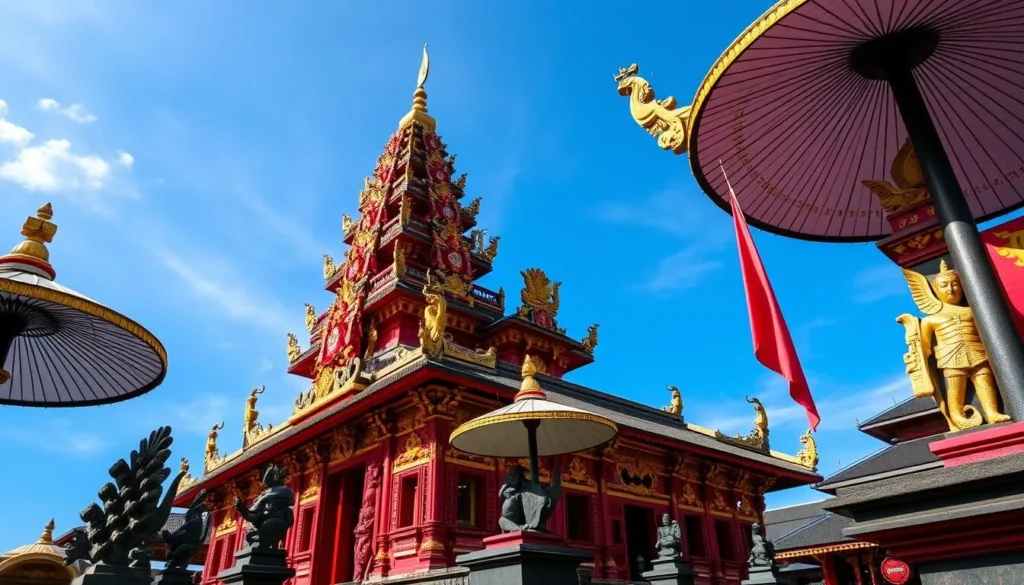
While West Bali National Park is primarily known for its natural attractions, the surrounding area is rich in cultural heritage with several significant temples and traditional villages.
Temples Within and Near the Park
Pura Gili Kencana
Located on Menjangan Island, this small but significant temple is dedicated to the Hindu god Vishnu. The temple features a unique deer statue and is an important pilgrimage site for Balinese Hindus.
Pura Melanting
Just outside the park in Pemuteran, this colorful temple is dedicated to prosperity and features intricate dragon carvings. It’s one of the most beautiful temples in North Bali and welcomes respectful visitors.
Pura Pulaki
This important sea temple is perched on a cliff overlooking the ocean. It’s known for its resident macaque monkeys, believed to be guardians of the temple. Be careful with your belongings, as the monkeys can be mischievous.
Traditional Villages
The villages surrounding West Bali National Park offer glimpses into traditional Balinese life, largely unchanged by mass tourism. Consider visiting Sumberkima or Pejarakan to see authentic rural Bali.
Temple Etiquette: When visiting temples, dress respectfully by covering your shoulders and knees. Most temples provide sarongs for visitors. Remove shoes before entering temple grounds, and never stand higher than the priest or offerings. A small donation (20,000-30,000 IDR) is customary.
Nature & Outdoor Experiences
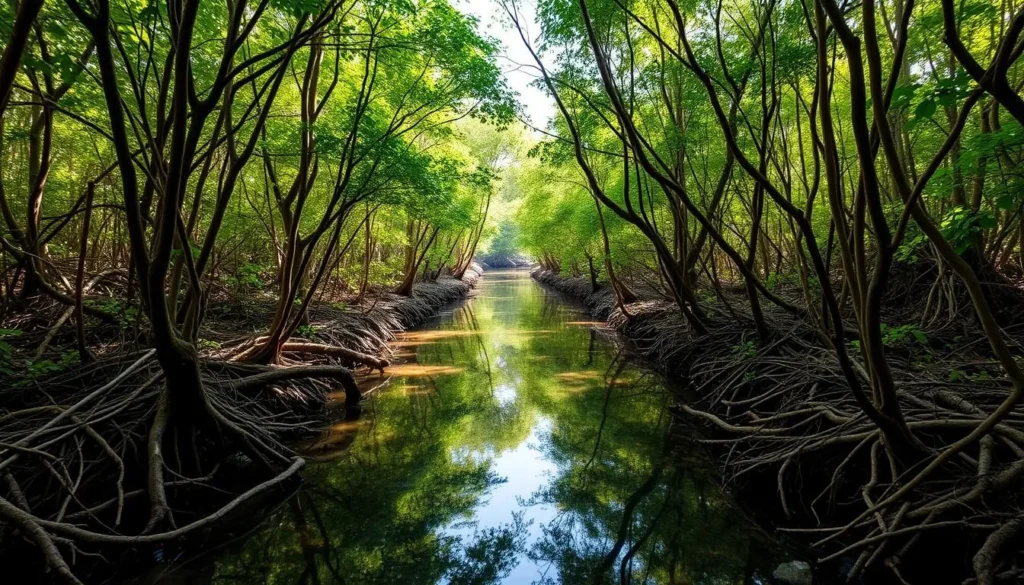
Mangrove Forests
The extensive mangrove forests along the coast of West Bali National Park play a crucial role in the ecosystem, serving as nurseries for marine life and protecting the shoreline from erosion. Explore these unique habitats by boat or on elevated boardwalks.
Guided mangrove tours can be arranged at the park office or through local tour operators. These tours typically last 1-2 hours and provide fascinating insights into this important ecosystem.
Banyuwedang Hot Springs
Located near the park entrance, these natural hot springs offer a relaxing soak after a day of exploration. The springs maintain a constant temperature of around 40°C (104°F) and are believed to have healing properties.
Facilities include changing rooms, showers, and a small café. The entrance fee is 45,000 IDR ($3 USD) for foreigners and 15,000 IDR ($1 USD) for locals.
Kayaking to Gili Putih
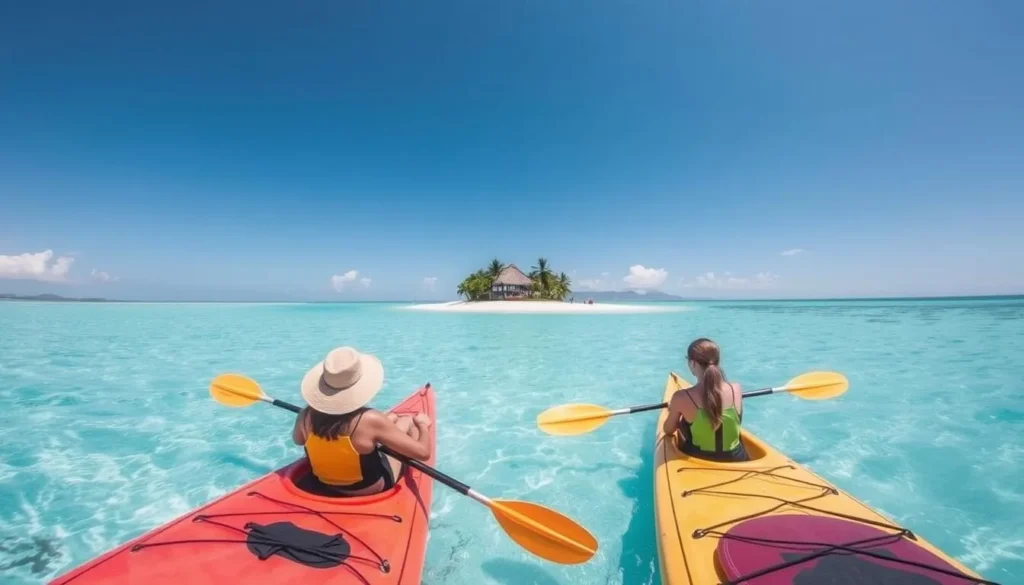
For a unique adventure, kayak to Gili Putih (White Sand Island), a tiny uninhabited island with pristine white sand beaches just off the coast of Sumberkima. The journey takes about 30-45 minutes each way and offers beautiful views of the coastline.
Kayak rentals are available from several operators in Pemuteran and Sumberkima, including Metamorfosa, which charges around 200,000 IDR ($13 USD) for a two-person kayak.
Safety, Etiquette & Local Customs
West Bali National Park is generally a safe destination, but it’s important to be prepared and respectful of local customs and the natural environment.
Safety Tips
- Stay Hydrated: The tropical climate can be deceptively draining. Bring at least 2 liters of water per person for hikes.
- Sun Protection: Wear a hat, sunglasses, and reef-safe sunscreen, especially when snorkeling or diving.
- Wildlife Respect: Never feed or approach wild animals. Keep a respectful distance and use binoculars for observation.
- Swimming Safety: Some areas have strong currents. Always follow guide recommendations about where it’s safe to swim.
- Medical Facilities: The nearest hospitals are in Gilimanuk and Singaraja. Bring a basic first aid kit for minor issues.
Cultural Etiquette

Bali is known for its rich cultural heritage and strong religious traditions. Showing respect for local customs will enhance your experience and interactions with local people.
- Dress Modestly: When visiting temples or villages, cover shoulders and knees. Many sites provide sarongs for visitors.
- Temple Behavior: Never sit higher than the priest or offerings. Women who are menstruating should not enter temple grounds, as per local beliefs.
- Greetings: A slight bow with hands pressed together in a prayer position (called “Namaste” or “Suksma” in Balinese) is a respectful greeting.
- Photography: Always ask permission before photographing local people, especially during ceremonies.
- Offerings: Don’t disturb the small offering baskets (canang sari) you’ll see on sidewalks and steps.
Environmental Responsibility: West Bali National Park is a protected area. Take all trash with you, stay on designated trails, and never collect plants, animals, or coral. Use reef-safe sunscreen when snorkeling or diving to protect the marine ecosystem.
Practical Travel Tips
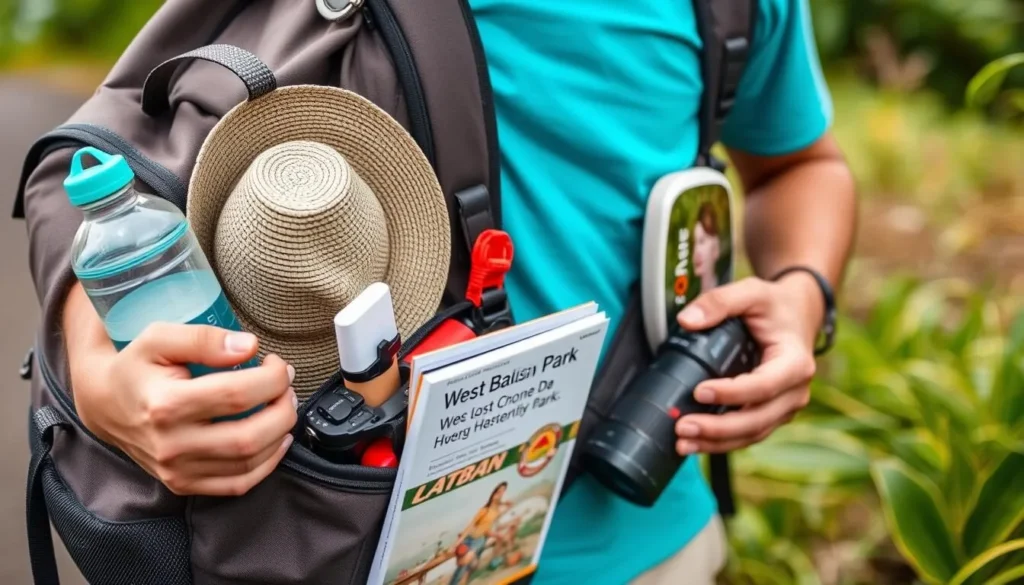
What to Pack
- Lightweight Clothing: Breathable fabrics are essential in the tropical climate
- Hiking Shoes: Comfortable closed-toe shoes with good grip for trails
- Swimwear & Rash Guard: For snorkeling and swimming
- Insect Repellent: Particularly important during dawn and dusk
- Binoculars: Essential for birdwatching and wildlife spotting
- Reusable Water Bottle: Reduce plastic waste and stay hydrated
- Rain Jacket: Light and packable, especially during the wet season
Money & Payments
The Indonesian Rupiah (IDR) is the local currency. While some larger resorts accept credit cards, many smaller establishments, local guides, and park fees require cash. The nearest ATMs are in Pemuteran and Gilimanuk, so withdraw sufficient cash before heading to remote areas.
Connectivity
Mobile coverage is generally good in Pemuteran and around the park entrance but can be spotty within the park and on Menjangan Island. Most accommodations offer Wi-Fi, though connection speeds may be slower than you’re used to.
Consider purchasing a local SIM card upon arrival in Bali for affordable data. Telkomsel offers the best coverage in remote areas.
Language
While many people working in tourism speak basic English, learning a few Indonesian phrases will be appreciated:
- Selamat pagi: Good morning
- Terima kasih: Thank you
- Permisi: Excuse me
- Berapa harganya?: How much does it cost?
Do I need a guide to visit West Bali National Park?
Yes, a guide is mandatory for exploring most areas of the park. Guides can be arranged at the park office or through your accommodation. They typically charge 350,000-500,000 IDR ($22-32 USD) per day.
How much time should I allocate for visiting the park?
A minimum of two days is recommended to experience the park’s highlights, including Menjangan Island and at least one hiking trail. Three to four days would allow for a more comprehensive exploration.
Can I camp in West Bali National Park?
Camping is permitted in designated areas with prior permission from the park office. However, facilities are basic, and you must bring all necessary equipment. Most visitors prefer to stay in nearby accommodations.
Experience the Wild Side of Bali
West Bali National Park offers a refreshing contrast to the island’s bustling tourist centers. Here, you can experience Bali’s natural beauty in its purest form – from vibrant coral reefs teeming with marine life to dense forests echoing with birdsong. Whether you’re snorkeling around Menjangan Island, hiking through monsoon forests, or simply enjoying the tranquility of this protected wilderness, the park provides unforgettable experiences for nature lovers and adventure seekers alike.
By taking the time to explore this less-visited corner of Bali, you’ll gain a deeper appreciation for the island’s remarkable biodiversity and the conservation efforts working to preserve it for future generations. So pack your binoculars, lace up your hiking boots, and prepare to discover the wild heart of the Island of the Gods.
Related Posts

Way Kambas National Park, Indonesia: Best Things to Do – Top Picks
Wasur National Park, Indonesia: Best Things to Do – Top Picks

Tesso Nilo National Park, Indonesia: Best Things to Do – Top Picks
Tegal, Indonesia: Best Things to Do – Top Picks
Ujung Kulon National Park, Indonesia: Best Things to Do – Top Picks
Wakatobi National Park, Indonesia: Best Things to Do – Top Picks
Coming Soon: Clickable Maps