Hotels by Trip.com
Flights by Trip.com
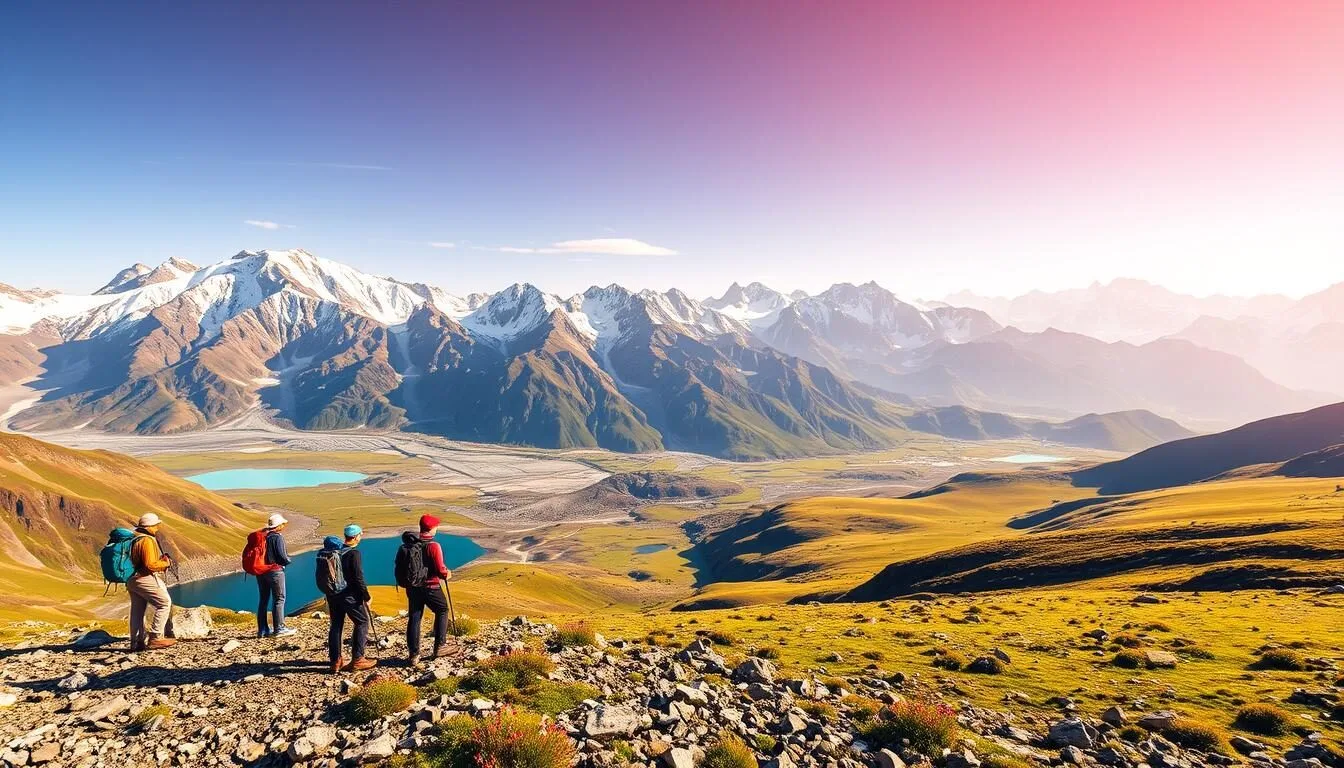
Nestled in the heart of Central Asia, Kyrgyzstan is a treasure trove of untouched landscapes and untold stories, waiting to be discovered. Imagine standing by a serene lake in the mountains, surrounded by breathtaking scenery that seems almost surreal.
This country is redefining the concept of “adventure,” offering experiences that range from horseback riding with eagle hunters to exploring the stunning natural beauty of Archa National Park.
Whether you’re looking for adventure, cultural immersion, or simply a chance to unwind in nature, Kyrgyzstan has something for everyone. With its diverse landscapes, rich traditions, and warm hospitality, this hidden gem is becoming a top destination for travelers seeking authentic experiences.
Discovering the Land of Celestial Mountains
Nestled in the heart of Central Asia, Kyrgyzstan is a country where the beauty of nature and the richness of history blend seamlessly. As you explore this incredible land, you’ll discover why it’s known as the “Land of Celestial Mountains.”
Geography and Landscape of Kyrgyzstan
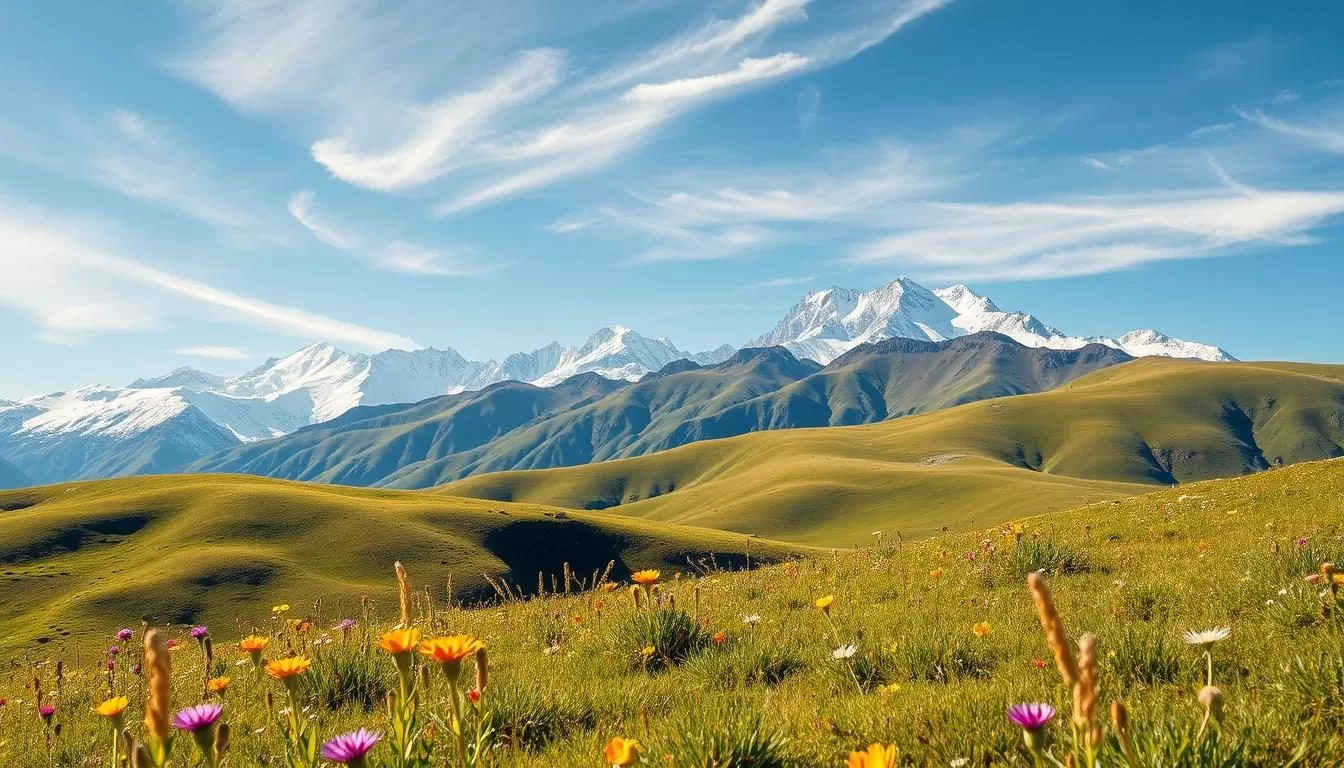
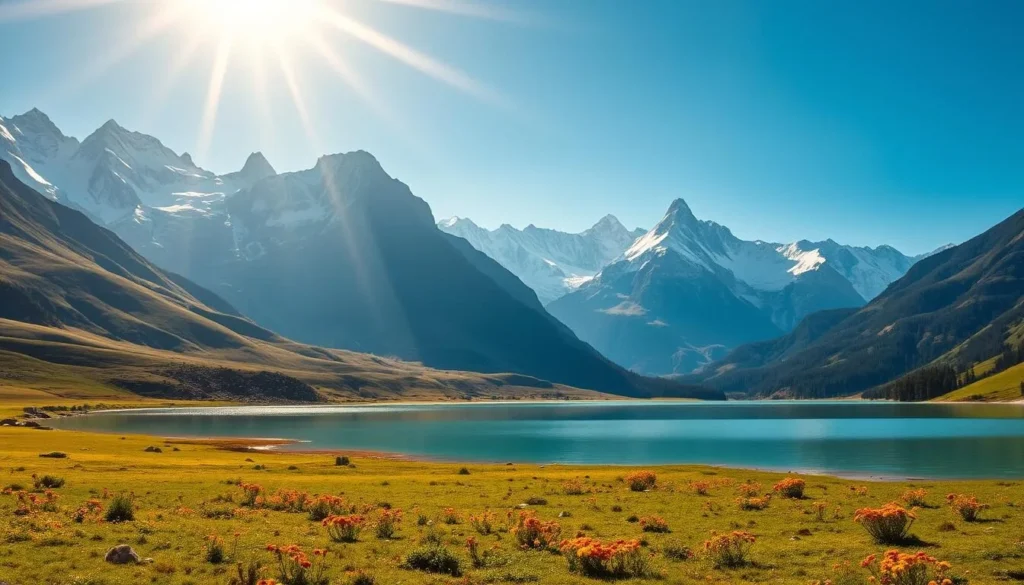
Kyrgyzstan is characterized by its dramatic mountain ranges, which cover about 90% of the country’s territory. The Tien Shan and Pamir mountain ranges are among the most notable, creating a diverse landscape that includes alpine meadows, glacial lakes, and rugged peaks. This varied terrain makes Kyrgyzstan a paradise for nature lovers and adventure seekers alike.
- The country’s mountainous terrain has shaped the lifestyle of its people, with many still practicing traditional nomadic ways.
- Ala-Archa National Park, located near the capital city Bishkek, offers a glimpse into the country’s natural beauty with its hiking trails and stunning mountain scenery.
- The diverse landscapes of Kyrgyzstan provide a habitat for a wide range of flora and fauna, making it a fascinating destination for eco-tourists.
Brief History and Cultural Background
Kyrgyzstan’s strategic location along the ancient Silk Road has significantly influenced its history and cultural heritage. The country has been a crossroads between East and West for centuries, absorbing various cultural influences along the way. The Burana Tower, an ancient minaret, stands as a testament to the region’s historical importance as a trading hub.
The nomadic heritage of Kyrgyzstan remains evident in modern life, with many people continuing to practice traditional ways despite the Soviet influence that dominated much of the 20th century. The capital city, Bishkek, offers a fascinating contrast to the rural landscapes, showcasing the country’s balance between modernization and tradition.
Understanding Kyrgyzstan’s geography and history will enhance your appreciation of every experience during your trip through this mountainous wonderland. Whether you’re exploring the bustling markets of Bishkek or trekking through the pristine landscapes, Kyrgyzstan promises an unforgettable adventure.
Experience Traditional Nomadic Life in a Yurt
Immerse yourself in the traditional nomadic lifestyle of Kyrgyzstan by staying in a yurt, an iconic symbol of the country’s rich cultural heritage. Yurts are not just dwellings; they are a representation of the Kyrgyz people’s history, traditions, and way of life.
What Makes Yurts Special in Kyrgyz Culture
Yurts are an integral part of Kyrgyz culture, appearing on the national flag and in many aspects of daily life. These portable homes have allowed nomadic life to flourish in Kyrgyzstan for centuries, with designs perfectly adapted to the country’s extreme climate.
The yurt’s significance extends beyond its functional use; it is a symbol of hospitality, community, and the nomadic spirit.
✓ Check 30,000+ Local Sightseeing Tours Worldwide
Best Places to Stay in a Yurt
Kyrgyzstan offers numerous locations for an authentic yurt stay experience. Some of the best places include Song Kul Lake, Tash Rabat, and family-run camps in Jyrgalan, where locals maintain traditional hospitality practices.
These locations provide a unique opportunity to experience the nomadic lifestyle firsthand, surrounded by breathtaking landscapes.
What to Expect During Your Yurt Stay

During your stay in a yurt, you can expect to be treated like part of the family. Your typical day might include helping with daily chores, enjoying home-cooked meals with your host family, and learning about nomadic traditions.
Many yurt camps also offer cultural demonstrations, such as felt-making, traditional music, or horse riding, providing deeper insight into Kyrgyz nomadic life.
Horse Riding Through Breathtaking Landscapes
Explore the beauty of Kyrgyzstan on horseback, a journey like no other. In Kyrgyz culture, the horse is as vital as the yurt, serving multiple roles such as transport, a source of food, and companionship. As you ride through the breathtaking landscapes, you’ll understand why horses are considered the lifeblood of the nomadic culture in this country.
Popular Horse Trekking Routes
Kyrgyzstan is home to numerous horse trekking routes that cater to all levels of experience. The horse trekking route from Kyzart to Song Kul Lake is particularly popular, offering breathtaking views of the surrounding mountains and typically taking 2-3 days to complete.
The trails around Jyrgalan and Karakol are also renowned for their scenic beauty, providing a unique journey through diverse landscapes, from alpine meadows to mountain passes.
Kyzart to Song Kul Trek
The Kyzart to Song Kul trek is a favorite among visitors, offering an adventure that combines horse riding with the tranquility of lake surroundings. This trek is not just about the destination; it’s about the serene views and the time spent in nature.
During your trip, you’ll have the opportunity to stay in yurts and experience the traditional nomadic lifestyle, making it a complete cultural experience.
Tips for First-Time Horse Riders
If you’re a first-time horse rider, don’t worry. Local guides are experts at matching riders with appropriate horses and providing instruction for a safe journey. It’s essential to communicate any concerns with your guide and wear appropriate clothing, including long pants and closed shoes.
A typical day on horseback involves 4-6 hours of riding, with plenty of time for photography and rest. This allows you to absorb the beauty of the surroundings and enjoy the views from the mountain tops.
Relax at Issyk Kul, the “Hot Lake”
The surreal landscape of Issyk Kul, with its red-sand beaches and snow-capped mountains, is a sight to behold. As one of the world’s largest and deepest lakes, Issyk Kul is a must-visit destination in Kyrgyzstan, offering a mix of relaxation and exciting activities.
Why Issyk Kul Is Special
Issyk Kul is the second-largest alpine lake in the world, with its slightly saline waters preventing it from freezing even in the harshest winter months. The contrast between red-sand beaches, crystal-clear waters, and snow-capped mountains in the distance creates one of the most surreal landscapes you’ll encounter in any country.
Best Beaches and Swimming Spots
The northern shore of Issyk Kul is more developed with tourist facilities, while the southern part offers a more authentic experience with traditional villages and fewer crowds. Summer is the perfect time to enjoy swimming in the lake, with water temperatures reaching a comfortable level despite the mountain setting.
Activities Around the Lake
Beyond beach relaxation, activities around Issyk Kul include sunset cruises, hiking in nearby mountains, visiting hot springs, and exploring ancient petroglyphs. You can also take day trips to spectacular places like Fairy Tale Canyon, Jeti Oguz rock formations, or Barskoon Gorge, all within easy driving distance.
Local people have a special relationship with the lake, which has been central to the region’s culture and economy for centuries, providing fish, transportation routes, and now tourism opportunities. The lake’s microclimate creates ideal conditions for growing fruits and vegetables, making this region a great place to sample some of the country’s freshest produce.
Hike to the Stunning Ala-Kul Alpine Lake
Embark on an unforgettable journey to Ala-Kul Alpine Lake, a breathtaking destination in Kyrgyzstan’s majestic mountains. The trek to this stunning alpine lake is considered one of the most spectacular hikes in the country, offering diverse landscapes from dense forests to high mountain passes.
Trail Details and Difficulty Level
The trail to Ala-Kul typically takes 2-3 days to complete, covering approximately 38 kilometers with significant elevation gain. This makes it a moderately difficult hike suitable for reasonably fit people. The lake itself sits at 3,560 meters and is known for its changing colors, shifting between vibrant blues, emerald greens, and even dark black depending on weather conditions.
Best Time to Hike
The best time to tackle this hike is from mid-June to early September when mountain passes are free of snow and weather conditions are most stable. This period ensures a safer and more enjoyable trip to the alpine lake.
What to Pack for the Trek
It’s essential to pack wisely for the Ala-Kul trek. Essentials include warm layers (even in summer), rain gear, sturdy hiking boots, water purification, snacks, and a first aid kit. The mountain weather can change rapidly, so being prepared is crucial.
The panoramic views from the Ala-Kul pass (3,900m) are among the most photographed in Kyrgyzstan, offering a 360-degree vista of surrounding mountains and the colorful lake below. While challenging, this trek rewards your efforts with some of the most pristine natural beauty in Central Asia and a profound sense of accomplishment.
Witness Traditional Nomadic Sports
Kyrgyzstan is renowned for its rich nomadic heritage, and witnessing traditional nomadic sports is an exhilarating experience. The country’s nomadic culture is alive and thriving, with many traditional sports being practiced to this day.
The Most Intense Sport: Kok-Boru
Kok-Boru, also known as Buzkashi, is one of the most intense sports in the world. It’s a high-speed, physical contest where horsemen compete for possession of a goat carcass. This traditional sport showcases the extraordinary horsemanship of Central Asian people.
Wrestling and Other Traditional Games
Besides Kok-Boru, Kyrgyzstan has other traditional wrestling forms like Alysh (belt wrestling) and Er Enish (horseback wrestling). These sports test strength, balance, and technique in ways unique to nomadic cultures. Shagai, or “bone throwing,” is another traditional game that’s similar to bocce-ball.
Where to Watch Nomadic Sports
The World Nomad Games, held every two years, brings competitors from across Central Asia and beyond to compete in these ancient sports. Summer festivals in places like Cholpon-Ata and around Lake Issyk-Kul often feature demonstrations of these traditional activities, making them accessible to visitors.
Local communities take immense pride in these competitions, with top athletes achieving celebrity status. Many nomadic sports date back thousands of years, with some games mentioned in the Epic of Manas, a cornerstone of Kyrgyz cultural identity.
Watching these events offers a rare glimpse into a way of life that has largely disappeared from most parts of the world but remains vibrant in the mountain communities of Kyrgyzstan.
Experience Eagle Hunting Traditions
Discover the ancient art of eagle hunting, a 3,000-year-old tradition in Central Asia. Eagle hunting is a revered practice in Kyrgyz nomadic culture, where trained golden eagles are used to hunt prey for sport or sustenance. This tradition, shared among Eurasian countries like Kazakhstan and Mongolia, is a testament to the region’s rich cultural heritage.
The History and Significance of Eagle Hunting
Eagle hunting has been an integral part of nomadic life along the Silk Road, dating back over 3,000 years. The practice was crucial for survival during harsh winter months when food was scarce. Trained eagles could catch foxes, rabbits, and even small deer, providing both meat and fur for nomadic families.
The golden eagles used in this practice are typically female, as they are larger and more powerful than males, with wingspans exceeding 7 feet. These impressive birds are a sight to behold, and their bond with the hunters is truly remarkable.
Eagle Hunting Shows in Bokonbayevo
In the small village of Bokonbayevo, on the southern shore of Issyk Kul Lake, the Salbuurun Federation preserves the tradition of eagle hunting through educational demonstrations. These shows showcase the incredible bond between the hunter and the bird, offering a unique glimpse into the history and cultural significance of this ancient practice.
Visitors can witness the training of the eagles, the special equipment used, and sometimes even other traditional skills like horseback archery. The Salbuurun Federation ensures the ethical treatment of the birds, with many eagles eventually released back into the wild after working with their human partners.
Ethical Considerations
The Salbuurun Federation prioritizes the welfare of the eagles, ensuring that they are treated with respect and care. This commitment to ethical practices is essential in preserving the tradition of eagle hunting for future generations.
By supporting organizations like the Salbuurun Federation, visitors can contribute to the conservation of this unique cultural heritage. As you learn more about eagle hunting, you will appreciate the importance of preserving this ancient tradition.
Soak in Hot Springs at Altyn Arashan
Tucked away in the mountains, Altyn Arashan offers a serene escape with its stunning landscapes and therapeutic hot springs. The valley is a picturesque haven, complete with a rushing river, breathtaking mountain views, and herds of horses grazing freely.
Getting to Altyn Arashan
Reaching this remote paradise requires some effort, but the journey is well worth it. You can either embark on a challenging 3-4 hour hike from Ak-Suu village or hire a Russian 4×4 vehicle to navigate the rough terrain. The reward is spectacular views along the way, making the trip an adventure in itself.
The Hot Springs Experience
The hot springs at Altyn Arashan are truly divine. Housed in rustic wooden bathhouses, the mineral-rich waters are maintained at an ideal temperature of around 50°C (122°F), providing natural therapy for tired muscles. You can choose between private and public baths, with the experience typically costing around 200-300 som (approximately $2-4) for an hour-long soak.
The hot springs are a perfect way to rejuvenate after a day of hiking in the mountains. The combination of stunning natural beauty and therapeutic waters makes Altyn Arashan a must-visit destination.
Accommodation Options
Altyn Arashan offers simple yet comfortable accommodation options, including guesthouses and yurt camps. Most provide hearty homemade meals, allowing you to rest and recharge in peace. The valley’s serene atmosphere and picturesque surroundings make it an ideal base for further exploration, including the popular route to Ala-Kul lake.
The best time to visit Altyn Arashan is from June to September, when the alpine meadows are carpeted with wildflowers and the weather is most favorable. Many travelers combine a visit to Altyn Arashan with a multi-day trek, often hiking from Karakol over Ala-Kul pass and then descending to the hot springs as a rewarding finale to their journey.
Visit the Alpine Wonder of Song Kul Lake
At an altitude of 3,016 meters, Song Kul Lake is not only the highest lake in Kyrgyzstan but also one of its most stunning natural wonders. Surrounded by imposing mountains and vast open skies, this alpine paradise is a must-visit destination for any traveler.
The Journey to Song Kul
The journey to Song Kul is an adventure in itself. Requiring a 4-wheel drive vehicle, the route navigates through mountain passes that offer increasingly spectacular views with each turn. You’ll be treated to breathtaking vistas as you ascend to the lake’s serene surroundings.
Activities Around the Lake
Once you arrive, you’ll find that Song Kul is a relaxed and peaceful destination. You can go horse trekking around the lake, take short hikes to panoramic viewpoints, or simply enjoy the serene atmosphere. The lake’s shores transform into a nomadic settlement during the summer months, with dozens of yurts dotting the landscape.
Best Time to Visit
The best time to visit Song Kul is during the summer months (June-August) when the weather is warmest and the lake is accessible. July and August are the peak months, but if you prefer fewer crowds, June or September can be a good alternative. The lake is completely frozen from October to May, making summer the only time to experience its beauty.
Whether you’re looking to unwind in nature or experience the local culture, Song Kul Lake is an unforgettable destination. With its pristine landscapes, rich cultural experiences, and range of outdoor activities, it’s a place that will leave you in awe.
Kyrgyzstan: Best Things to Do – Top Picks for Food Lovers
When traveling to Kyrgyzstan, be prepared to indulge in a meat-centric culinary experience that’s unlike anywhere else in the world. The country’s cuisine is deeply rooted in its nomadic heritage, with meat playing a central role in almost every traditional dish.
Must-Try Traditional Dishes
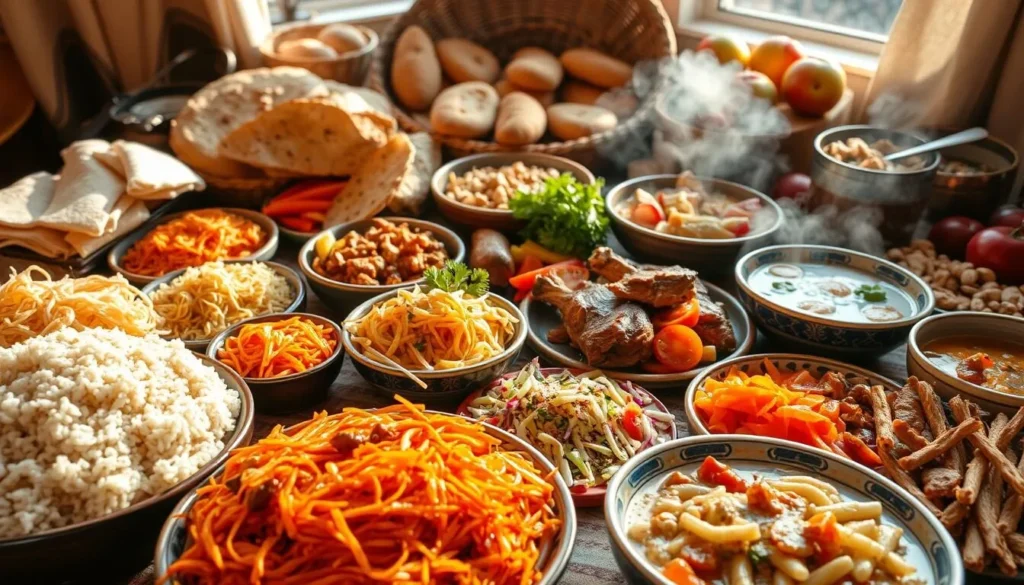
Kyrgyz cuisine offers a variety of hearty dishes that are sure to satisfy any appetite. Some must-try foods include beshbarmak (hand-pulled noodles with meat), laghman (noodle soup), manti (steamed dumplings), and shashlik (grilled meat skewers). These dishes showcase the rich flavors of Central Asian cooking and are a testament to the country’s cultural heritage.
- Beshbarmak: A traditional dish made with hand-pulled noodles and meat, typically served on special occasions.
- Laghman: A hearty noodle soup that’s both nourishing and delicious.
- Manti: Steamed dumplings filled with meat and onions, often served with a side of yogurt or sour cream.
- Shashlik: Grilled meat skewers that are marinated in a mixture of spices and herbs.
Vegetarian Options in a Meat-Heavy Culture
While Kyrgyzstan is known for its meat-centric cuisine, there are still plenty of options for vegetarians. You can find fresh salads made with locally-sourced ingredients, laghman without meat, and plov (a rice dish) that can be prepared vegetarian-style. Additionally, bread is a staple in Kyrgyz cuisine, and you’ll find an abundance of delicious locally-baked breads throughout the country.
Food Etiquette and Customs
When dining with locals, it’s essential to understand the customs and etiquette surrounding food. In Kyrgyz culture, guests are highly honored, and the eldest person is served first. It’s considered polite to try everything offered, even if it’s just a small amount. This is a sign of respect and appreciation for the host’s generosity.
By embracing the local cuisine and customs, you’ll have a more authentic and enriching experience in Kyrgyzstan. Whether you’re trying traditional dishes or exploring vegetarian options, the country’s food culture is sure to leave a lasting impression.
Explore Local Markets and Bazaars
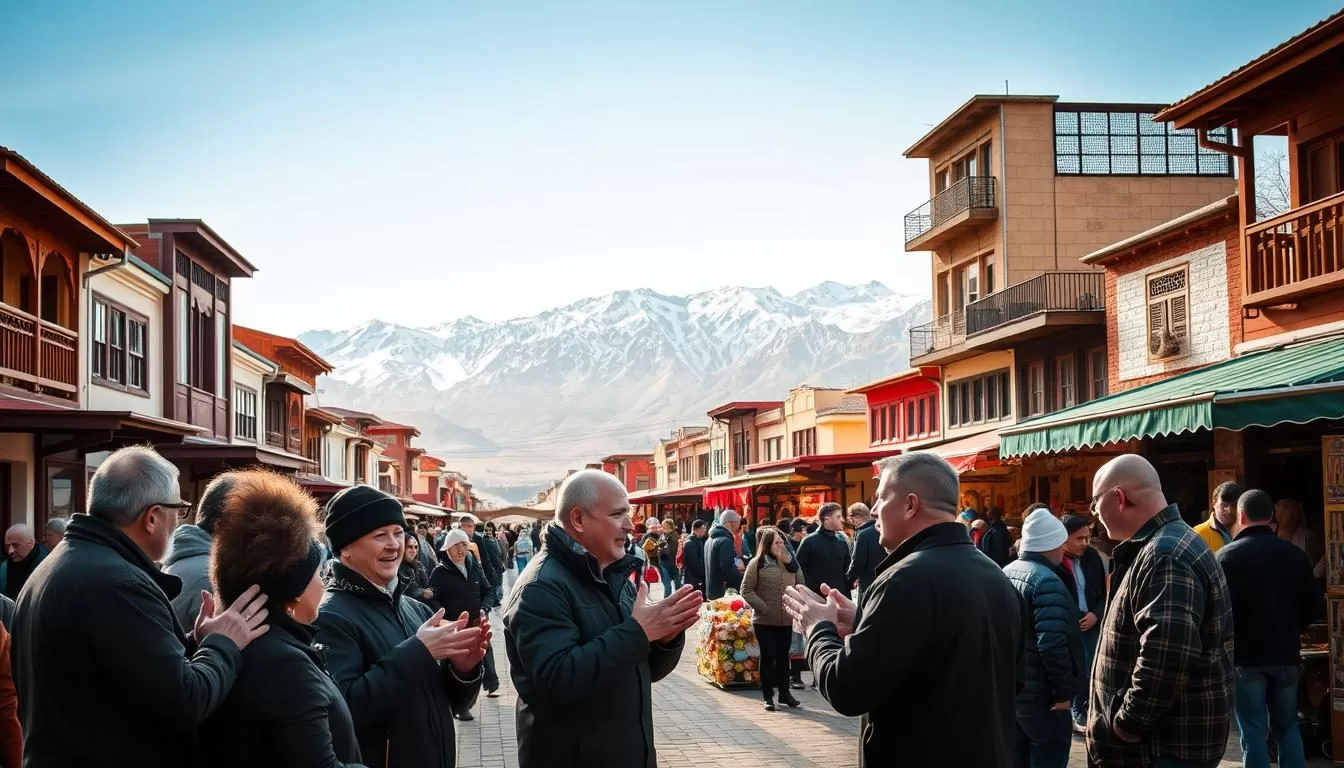
The local markets in Kyrgyzstan are more than just shopping destinations; they’re vibrant social hubs where locals gather to exchange news, share tea, and maintain community bonds. As you explore these markets, you’ll experience the authentic culture of Kyrgyzstan, from traditional clothing to local handicrafts.
Osh Bazaar in Bishkek
Osh Bazaar in Bishkek is the country’s largest market, a labyrinthine complex where you can find everything from handcrafted felt products and traditional Kyrgyz clothing to fresh produce and household goods. It’s a place where you can witness the local way of life, with people trading products with enthusiasm.
Karakol Animal Market
The Sunday Animal Market in Karakol offers one of the most authentic cultural experiences in the country. Here, farmers and herders trade livestock in a tradition that has remained largely unchanged for centuries. To fully experience the market, you’ll need to arrive extremely early, around 2-3 am, as most of the action happens before dawn.
Shopping Tips and Etiquette
When shopping at local bazaars, friendly bargaining is expected but should be done respectfully. Start by offering about 70% of the asking price and work toward a mutually agreeable figure. The best souvenirs to look for include shyrdak (felt carpets), kalpak (traditional hats), handcrafted silver jewelry, and local honey or dried fruits that showcase the country’s natural bounty.
Markets in Kyrgyzstan follow different schedules in different towns, with some operating daily while others might only happen once or twice a week. Shopping at these local bazaars gives you insight into everyday Kyrgyz life that you won’t find in tourist areas, with opportunities to observe traditional food preparation, craftsmanship, and trading practices.
Visit the Historic Burana Tower
Discover the ancient charm of the Burana Tower, a hidden gem in Kyrgyzstan’s historical landscape. This 11th-century minaret, once part of the ancient city of Balasagun, stands as a testament to the region’s rich history and cultural heritage.
The Tower’s History
The Burana Tower was built by the Karakhanids, a dynasty that played a significant role in Kyrgyzstan’s history. They were among the first to blend nomadic traditions with Islamic culture, leaving a lasting legacy in the region. Originally, the tower stood at 45 meters tall, but after suffering damage from earthquakes, it was partially restored to its current height of about 25 meters.
What to See at the Site
Visiting the Burana Tower is a journey through time. The site includes a collection of ancient bal-bals, or stone warrior totems, and grave markers that offer insights into pre-Islamic beliefs. The on-site museum houses artifacts such as coins, household items, and architectural elements that tell the story of this once-thriving Silk Road hub.
The dramatic backdrop of the Ala-Archa mountain ranges creates a stunning setting for photography. The contrast between the ancient tower and the natural landscape captures the essence of Kyrgyzstan, making it a must-visit destination for history buffs and nature lovers alike.
Practical Information for Visitors
The Burana Tower is located about 80km east of Bishkek, making it an ideal day trip from the capital city. Entrance fees are minimal, around 150 som or $2, and visitors can climb inside the tower for panoramic views of the surrounding countryside. Plan to spend about 1-2 hours exploring the entire complex.
Consider combining your visit with other nearby attractions like Ala-Archa National Park for a full day of exploration. With its rich history, stunning natural beauty, and cultural significance, the Burana Tower is an unforgettable experience in Kyrgyzstan.
Learn About Traditional Felt Crafts
In Kyrgyzstan, felt is more than just a material – it’s a cornerstone of nomadic life. The Kyrgyz people have used felt for centuries to create everything from yurt coverings to clothing and decorative items. Felt is strong, affordable, and provides excellent insulation against the harsh climate.
The Importance of Felt in Kyrgyz Culture
Felt isn’t just a craft material in Kyrgyzstan; it’s a fundamental element of nomadic life. The traditional process of felt-making involves cleaning and carding wool, arranging it in patterns, applying hot water, and rolling it repeatedly. This labor-intensive process has remained largely unchanged for centuries.
The significance of felt in Kyrgyz culture is evident in its various applications, from yurt coverings that provide insulation in extreme temperatures to clothing, rugs, and decorative items. The colorful shyrdak (felt carpets) are among the most prized Kyrgyz handicrafts, featuring geometric patterns and symbols that tell stories about nomadic life, nature, and family heritage.
Felt-Making Workshops
For those interested in learning the art of felt-making, Kyrgyzstan offers various workshops where you can gain hands-on experience. Places like Kochkor, Bokonbayevo, and Arslanbob offer felt-making workshops where local artisans guide you through the process. A typical workshop lasts 2-3 hours and costs around 500-1000 som ($6-12).
During these workshops, you’ll learn about the traditional techniques and the cultural significance of felt in Kyrgyzstan. You’ll also have the opportunity to create your own felt products, which can make for a unique souvenir or a memorable experience.
Where to Buy Authentic Felt Products
When purchasing felt products, look for items made with natural dyes and traditional patterns. The best places to buy authentic felt products are directly from artisan cooperatives in smaller towns and villages. Many of these cooperatives are run by women, providing important income opportunities in rural areas.
Some recommended places to visit include Kochkor, where you can find a great felt shop in the center of town. Buying directly from the artisans not only supports local communities but also ensures that you’re getting high-quality, authentic products.
✓ Check 30,000+ Local Sightseeing Tours Worldwide
Travel the Ancient Silk Road
Traveling through Kyrgyzstan offers a unique opportunity to experience the ancient Silk Road, a pathway that facilitated not just trade but also cultural exchange between the East and the West. As you journey through this beautiful country, you’ll be following in the footsteps of merchants, traders, and travelers who once traversed this significant trade network.
Kyrgyzstan’s Role in the Silk Road
Kyrgyzstan played a pivotal role in the Silk Road, with its mountainous terrain presenting both challenges and opportunities for traders. The country’s strategic location made it a crucial point for the exchange of goods, ideas, and cultures. The Silk Road was more than just a trade route; it was a conduit for the exchange of innovations, technologies, and religions.
Key Silk Road Sites to Visit
Several sites in Kyrgyzstan are must-visits for anyone interested in the Silk Road. These include:
- The Burana Tower, a remnant of the ancient city of Balasagun.
- Osh, one of the oldest continuously inhabited cities in the region.
- Various mountain passes that were crucial for Silk Road travelers.
Each of these sites offers a unique glimpse into the history and culture of the Silk Road.
Tash Rabat Caravanserai
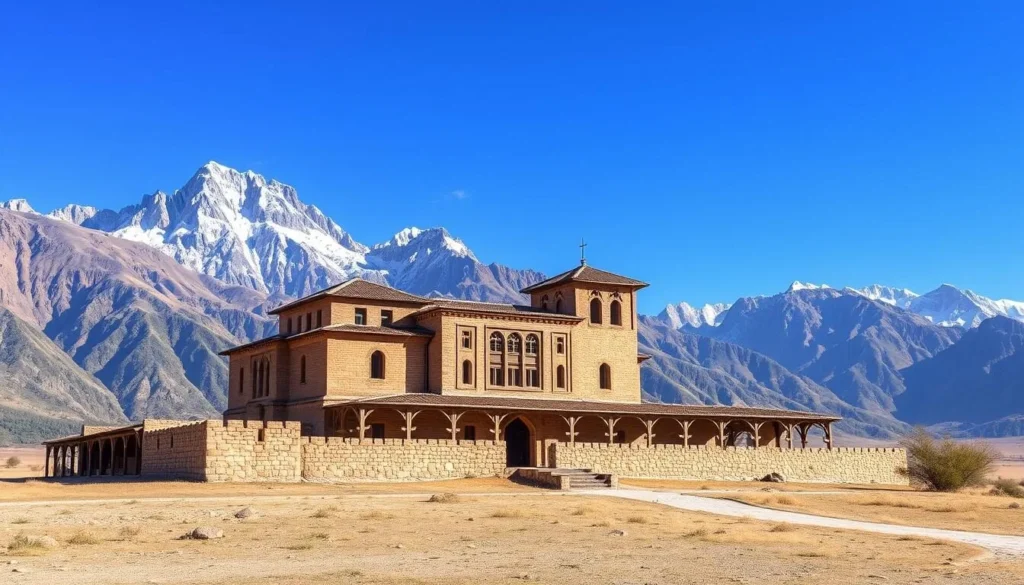
The Tash Rabat Caravanserai, located near the Chinese border at an elevation of 3,200 meters, is one of the best-preserved Silk Road shelters in Central Asia. This stone fortress provides a fascinating insight into the lives of ancient travelers who braved the harsh terrain of Kyrgyzstan. Visiting Tash Rabat is like stepping back in time, experiencing the challenges and camaraderie of Silk Road travelers.
Discover Ancient Petroglyphs
The steppes of Kyrgyzstan hold a treasure trove of ancient petroglyphs, a testament to the country’s rich cultural heritage. These outdoor galleries are scattered across the country, offering a glimpse into the lives of the nomadic people who once traversed these lands.
Cholpon-Ata Petroglyphs
The Cholpon-Ata Petroglyph Site near Lake Issyk-Kul is a must-visit destination for anyone interested in ancient rock art. This 42-hectare open-air museum features hundreds of rock carvings, depicting hunting scenes, mountain goats, snow leopards, and ceremonial dances from various historical periods.
Saimaluu Tash Rock Art Gallery
For a more adventurous experience, head to Saimaluu Tash, a remote site that requires a challenging day-long hike or horse ride. The reward is well worth the effort, with over 10,000 petroglyphs spread across two high mountain valleys near the Chinese border.
Understanding the Symbols
The petroglyphs often feature recurring symbols like spiral patterns, sun discs, and stylized animals, which scholars believe were part of shamanic rituals or astronomical observations. Understanding the context of these ancient artworks enhances your appreciation of Kyrgyzstan’s deep historical roots and the continuity of nomadic culture that still shapes the country today.
Tips for Visiting Petroglyph Sites
The best time to view these petroglyphs is during morning or late afternoon hours when the sun casts shadows that make the rock carvings more visible and dramatic. Many of the rock art sites are located at high elevations or mountain passes, suggesting they may have marked important boundaries or sacred places in the ancient world.
Conclusion: Planning Your Kyrgyzstan Adventure
Kyrgyzstan, a country of stunning landscapes and warm hospitality, awaits your arrival with a plethora of exciting experiences. As you’ve discovered through this guide, there’s so much to see and do in this beautiful Central Asian nation, from exploring ancient Silk Road sites to immersing yourself in nomadic traditions.
You now have a comprehensive overview of the best things to do in Kyrgyzstan, including experiencing the breathtaking mountain scenery, staying in traditional yurts, and enjoying horse riding through picturesque landscapes. When planning your trip, consider that the summer months (June-September) offer the most accessible conditions for most activities, though spring and fall can provide unique experiences with fewer tourists.
Key Considerations for Your Trip
A two-week itinerary allows enough time to experience the country’s highlights, including Issyk-Kul Lake, Song Kul, Karakol, and several days in yurt camps to truly connect with the nomadic culture. Budget travelers will appreciate that Kyrgyzstan is one of the more affordable destinations in the world, with reasonable costs for accommodation, food, and activities.
Hiring a local guide for at least part of your journey can enhance your understanding of the country’s history and culture, while directly supporting local families and communities. Transportation options include renting a 4×4 vehicle, using shared taxis between cities, or joining organized tours that handle logistics.
As you plan your adventure, remember that the true magic of Kyrgyzstan lies in its authenticity and the warmth of its people. Be prepared for variable climates, even in summer, as mountain temperatures can drop significantly at night. Embracing the unexpected, being flexible with your schedule, and taking time to connect with locals along the way will enrich your experience.
In conclusion, Kyrgyzstan offers a unique blend of natural beauty, cultural richness, and adventure opportunities. With careful planning and an open mind, you’re set to have an unforgettable journey in this incredible Central Asian country.