
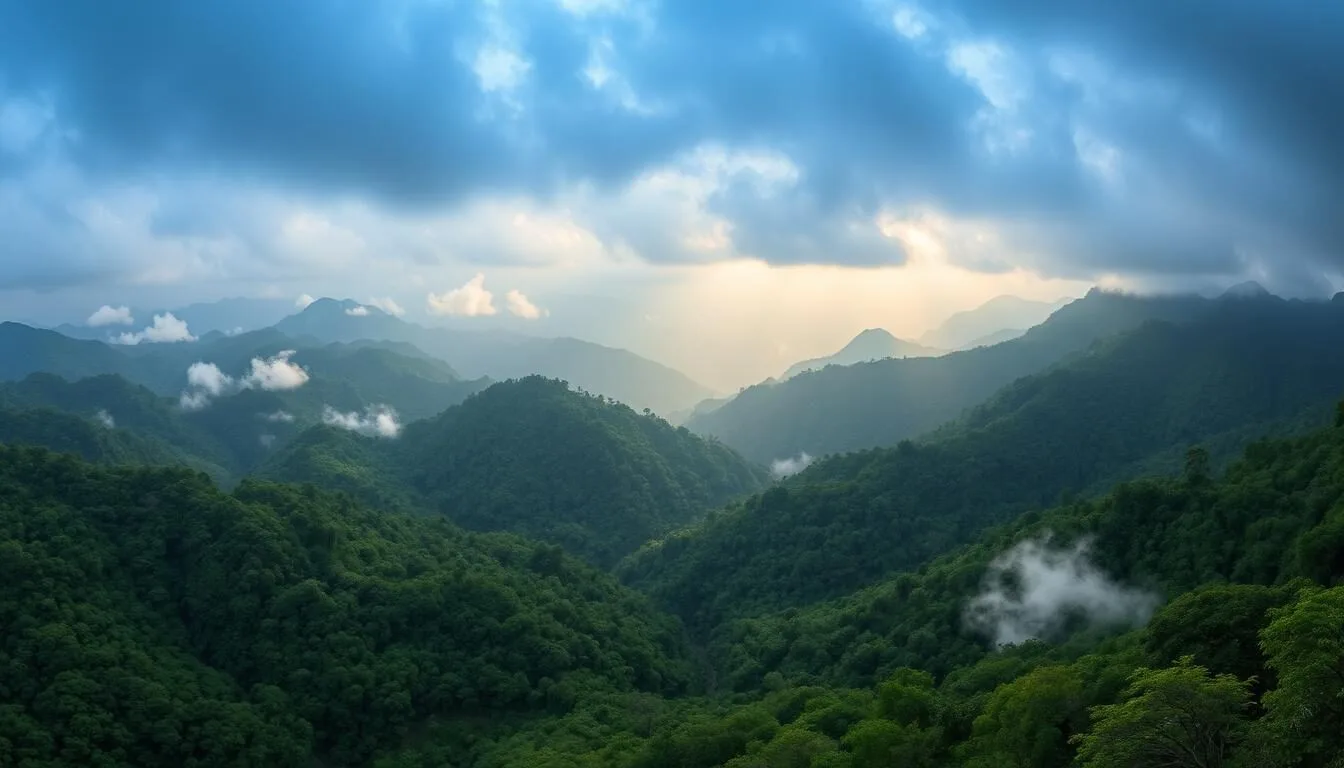
Did you know Nam Ha National Protected Area shelters over 30 ethnic minority groups and 70% of Laos’ endangered wildlife? This UNESCO-recognized gem is where ancient traditions meet untamed biodiversity. Spanning 222,400 hectares across northern Laos, this remarkable sanctuary offers travelers a rare glimpse into pristine ecosystems and authentic cultural experiences that few destinations can match.
Getting There & Planning Your Journey
Reaching Nam Ha National Protected Area begins with getting to Luang Namtha, the provincial capital that serves as the gateway to this natural wonder. Most travelers arrive via one of these routes:
By Air
Luang Namtha Airport receives regular flights from Vientiane, Laos’ capital city. Flights typically take about 1 hour and operate several times weekly. From the airport, it’s a short 10-minute drive to Luang Namtha town, where most treks into Nam Ha begin.
Overland Options
Many travelers arrive by bus from Luang Prabang (8-9 hours), Vientiane (20-24 hours), or from northern Thailand via the Huay Xai border crossing (5-6 hours from Chiang Rai). The roads have improved significantly in recent years, making the journey more comfortable though still adventurous.
Visa Requirements
Most nationalities require a visa to enter Laos. You can obtain a 30-day tourist visa on arrival at international airports and major border crossings for $30-42 USD (depending on nationality). Bring passport-sized photos and cash (USD preferred). E-visas are also available through the official Lao government website.
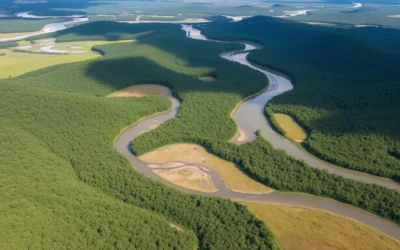
Nam Ha National Protected Area spans across Luang Namtha Province in northern Laos
Best Time to Visit & Weather Tips
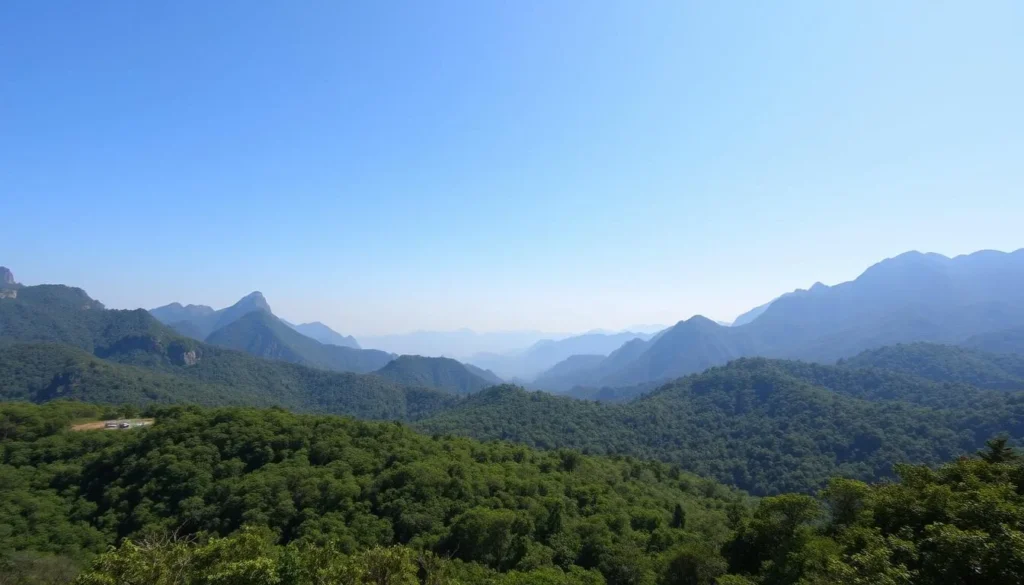
Recommended Season (November-April)
The dry season from November to April offers the most pleasant conditions for exploring Nam Ha National Protected Area. During these months, you can expect:
- Temperatures ranging from 20-28°C (68-82°F)
- Clear skies and excellent visibility for photography
- Dry trails that are easier to navigate
- Lower humidity levels for comfortable trekking
- December-February being the coolest months (bring layers for chilly mornings)
Challenging Season (May-October)
The wet season from May to October brings challenges but also lush landscapes:
- Heavy rainfall, especially July-September
- Temperatures between 25-35°C (77-95°F) with high humidity
- Muddy, slippery trails that can be difficult to navigate
- Some trekking routes may be temporarily closed
- Lush, vibrant forests and active wildlife
- Fewer tourists and potentially lower prices
Pro Tip: For the perfect balance of good weather and fewer crowds, aim for November-early December or March-April. These shoulder periods offer dry conditions without the peak tourist numbers of January-February.
Getting Around Locally
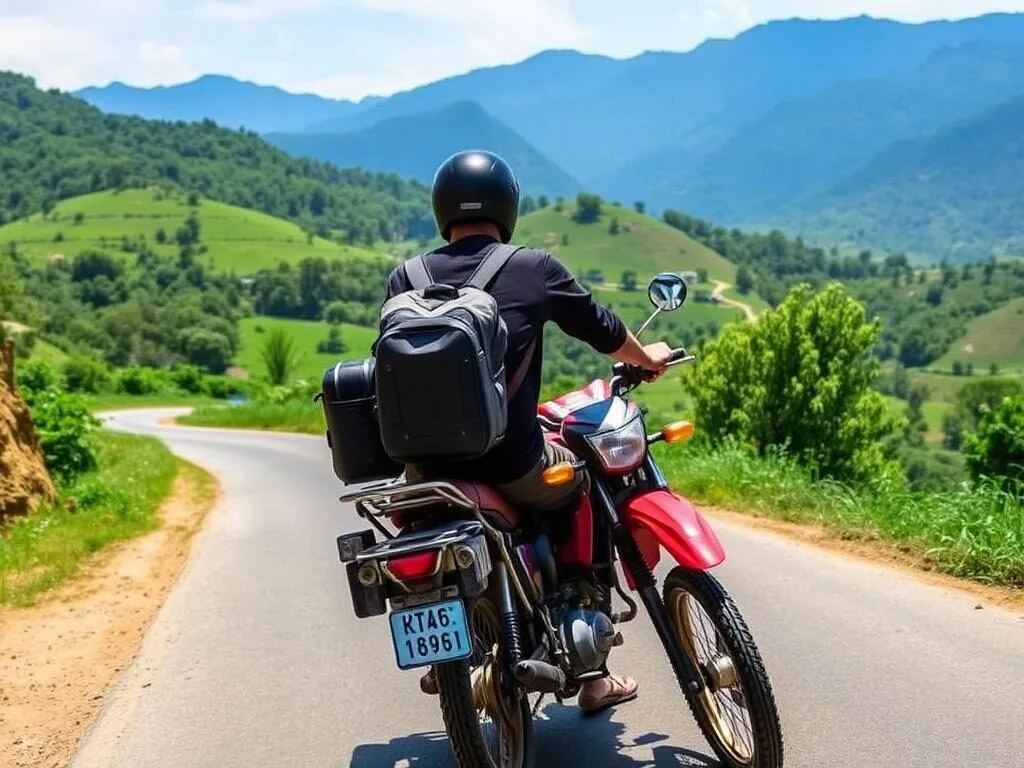
Navigating the Nam Ha region requires some planning as public transportation is limited. Here are your best options:
In Luang Namtha Town
- Tuk-tuks: Readily available for short trips around town, costing 10,000-30,000 LAK ($0.50-1.50 USD) depending on distance.
- Bicycles: Many guesthouses offer bicycle rentals for 20,000-30,000 LAK ($1-1.50 USD) per day, perfect for exploring the town and nearby villages.
Exploring Further
- Motorbike rentals: The most flexible option, available from 50,000-100,000 LAK ($2.50-5 USD) per day. International driving permit recommended.
- Songthaews: These shared pickup trucks run between Luang Namtha and nearby villages but operate on irregular schedules.
- Private drivers: For maximum convenience, hire a driver for around $30-50 USD per day through your accommodation or local travel agencies.
Important: For entering the Nam Ha National Protected Area itself, you’ll need to join an organized trek or tour. Independent exploration is not permitted to protect the ecosystem and ensure visitor safety.
Where to Stay
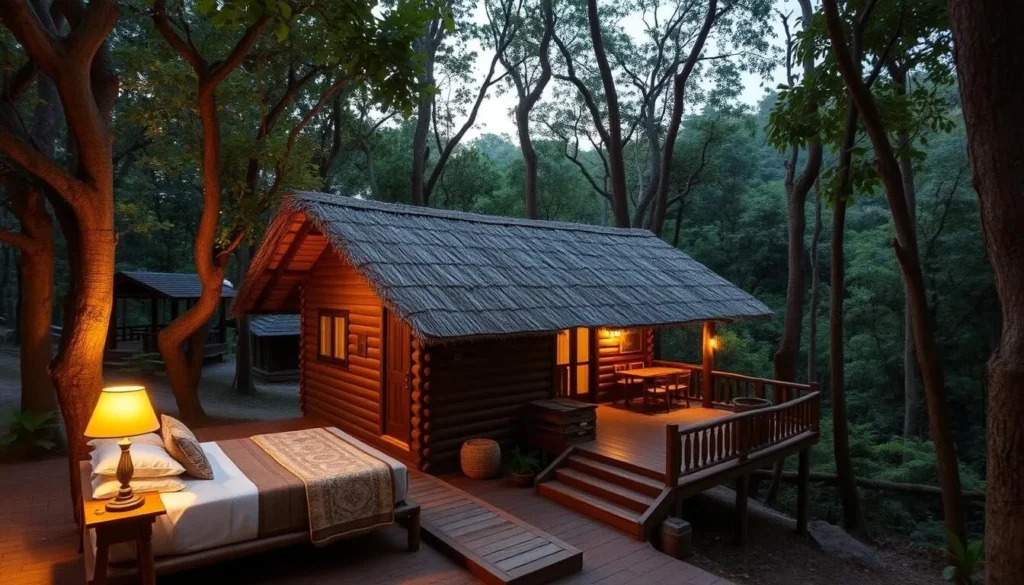
Accommodations around Nam Ha National Protected Area range from basic homestays to comfortable eco-lodges. Most visitors base themselves in Luang Namtha town, where you’ll find the widest selection of places to stay.
Eco-Lodges
For an immersive nature experience, several eco-lodges operate on the outskirts of the protected area. These sustainable properties offer:
- Traditional-style bungalows built with local materials
- Beautiful forest or river views
- Basic but comfortable amenities
- Prices ranging from $30-70 USD per night
Guesthouses in Luang Namtha
The most practical option for most travelers, Luang Namtha’s guesthouses offer:
- Clean, simple rooms with private bathrooms
- Central location near restaurants and tour operators
- Helpful staff who can arrange treks
- Prices from $10-30 USD per night
Village Homestays
For the most authentic cultural experience, many treks include overnight homestays in ethnic minority villages:
- Basic accommodation in traditional homes
- Shared sleeping areas on mats with bedding provided
- Home-cooked meals with your host family
- Usually included as part of multi-day treks
Booking Tip: During high season (December-February), it’s advisable to book accommodation in advance, especially in Luang Namtha. For village homestays, these can only be arranged as part of organized treks through local operators.
Dining & Local Cuisine
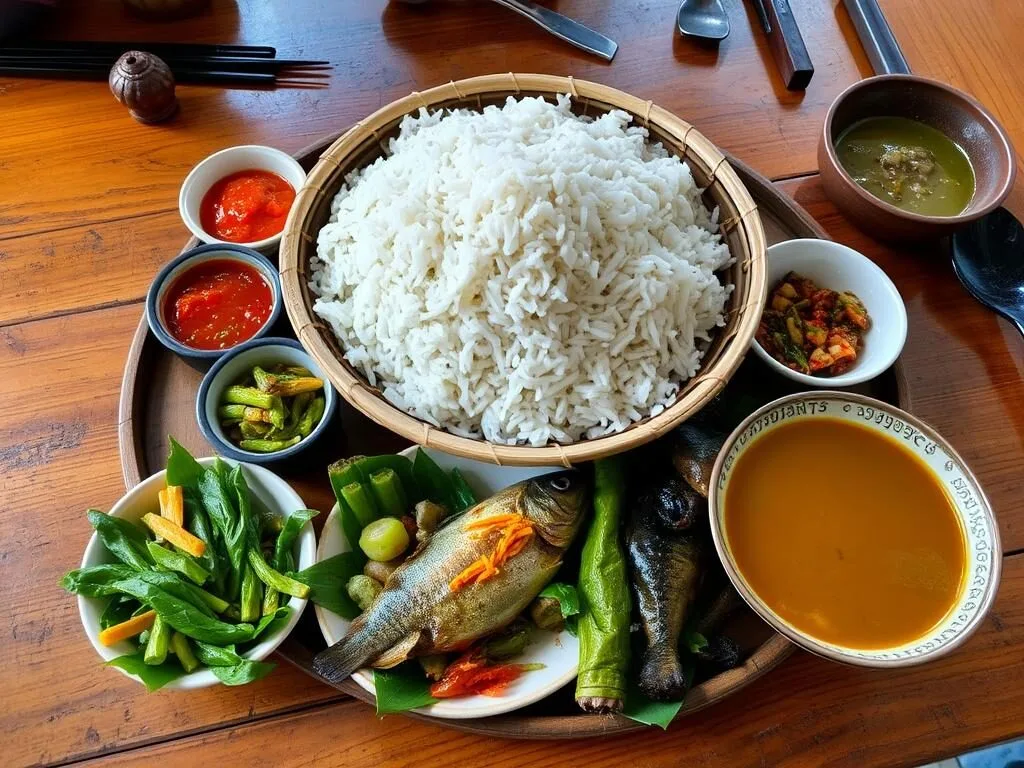
The culinary experience around Nam Ha National Protected Area reflects the region’s cultural diversity and abundant natural resources. From forest-to-table ingredients to traditional cooking methods, here’s what to expect:
Local Specialties
- Khao Soi: A northern Lao noodle soup with a rich pork broth, different from its Thai namesake.
- Jaew Mak Len: A distinctive chili dip made with roasted eggplant, herbs, and spices.
- Mok Pa: Fish steamed in banana leaves with herbs and lemongrass.
- Bamboo Shoots: Harvested from the forest and prepared in various ways, often in soups.
- Sticky Rice (Khao Niew): The staple of every meal, eaten by hand and dipped into various dishes.
Where to Eat
In Luang Namtha town, you’ll find several dining options:
- Night Market: Open evenings near the bus station, offering affordable local dishes and BBQ.
- Papaya Restaurant: Serves authentic Lao dishes with some Western options.
- Bamboo Lounge: Popular with travelers, offering Lao cuisine and cooking classes.
- Forest Retreat Cafe: Organic coffee and light meals with a focus on sustainability.
During treks, meals are typically prepared by your guides or host families, showcasing traditional cooking methods and foraged ingredients.
Dietary Considerations: Vegetarian options are available in tourist-oriented restaurants in Luang Namtha, but may be limited in villages. If you have specific dietary requirements, inform your tour operator in advance so they can make appropriate arrangements during treks.
Attractions, Sightseeing & Activities
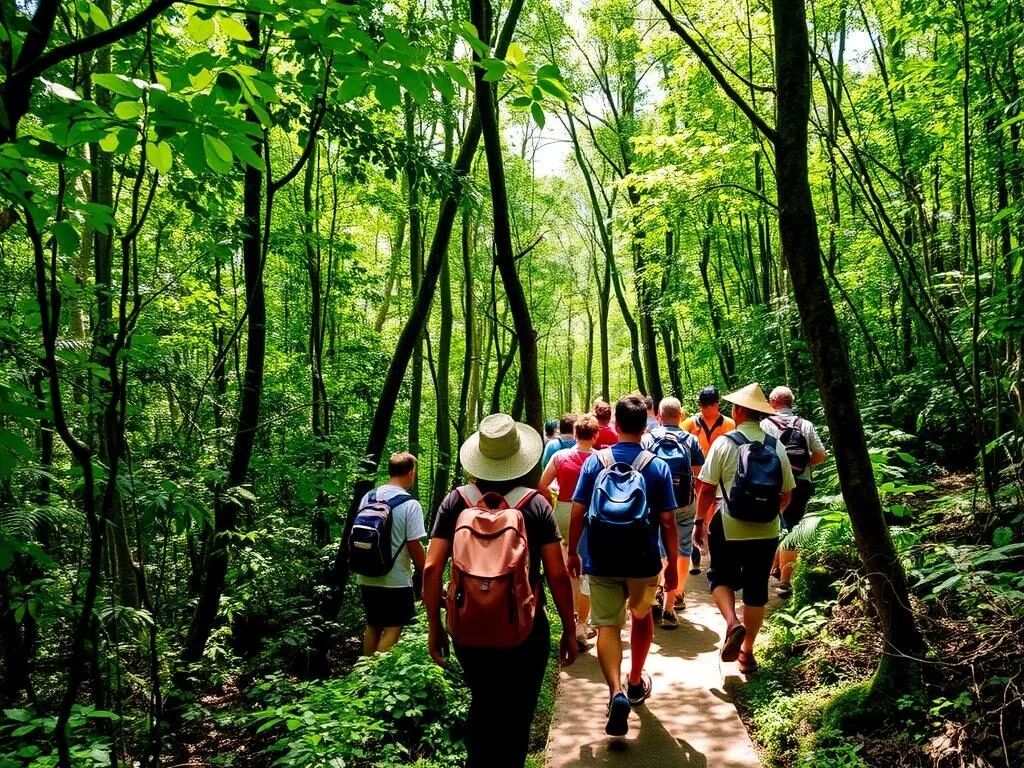
Guided Treks
The premier activity in Nam Ha is multi-day trekking through pristine forests and traditional villages. Options range from gentle 1-day walks to challenging 3-5 day expeditions. Each trek is led by knowledgeable local guides who interpret the forest ecosystem and facilitate cultural exchanges.
Popular routes include the Nam Ha River Valley trek and the Muang Sing border area trails. Prices typically range from $30-100 USD per person depending on duration and group size.

River Experiences
The Nam Ha and Nam Tha rivers offer excellent opportunities for kayaking and boat trips. Half-day and full-day kayaking adventures navigate gentle rapids while passing through stunning forest landscapes.
For a more relaxed experience, traditional boat trips allow you to observe riverside villages and wildlife at a leisurely pace. Many operators offer combination trek-and-kayak packages for a comprehensive experience.

Cultural Immersion
The Nam Ha region is home to diverse ethnic groups including Akha, Khmu, Lanten, and Tai Lue communities. Village visits offer insights into traditional lifestyles, crafts, and agricultural practices that have sustained these communities for generations.
Don’t miss the opportunity to visit the Luang Namtha Museum to learn about the region’s cultural heritage before heading into the villages. Many communities offer handicraft demonstrations and sales of textiles, baskets, and other traditional items.
Wildlife Observation
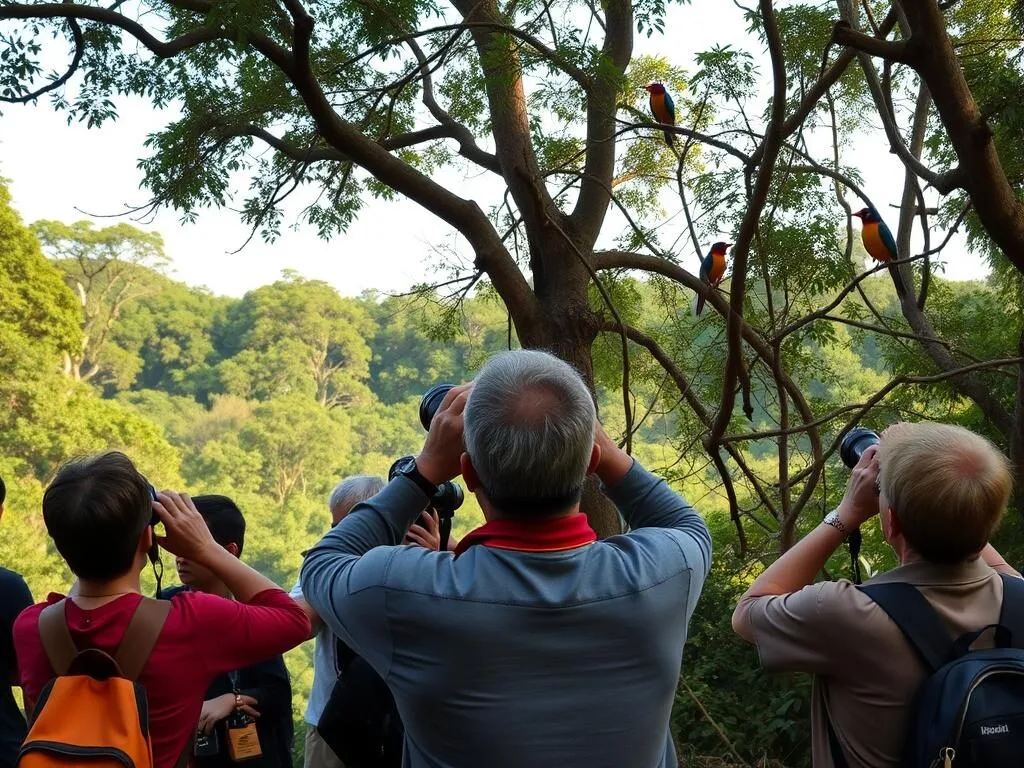
Nam Ha is home to remarkable biodiversity, including over 300 bird species and numerous mammals. While larger animals like clouded leopards and Asian elephants are elusive, patient observers may spot gibbons, muntjac deer, and various primates.
Birdwatching is particularly rewarding, with species such as the great hornbill, silver pheasant, and various kingfishers. Early morning treks offer the best wildlife viewing opportunities. Some specialized operators offer wildlife-focused tours with experienced naturalist guides.

Adventure Activities
Beyond traditional trekking, the Nam Ha region offers several adventure options:
- Mountain Biking: Guided rides on forest trails and rural roads around the protected area.
- Zip-lining: Several eco-adventure parks offer canopy experiences near the forest edge.
- Motorbiking: The scenic roads around Luang Namtha are perfect for day trips to viewpoints and villages.
Practical Travel Tips

Health & Safety
- Malaria Prevention: Nam Ha is in a malaria zone. Consult your doctor about prophylaxis and use insect repellent containing DEET.
- Water: Drink only bottled or purified water. During treks, guides typically boil water for drinking.
- Medical Facilities: Basic medical care is available in Luang Namtha, but serious conditions require evacuation to Thailand. Comprehensive travel insurance is essential.
- Trekking Safety: Always trek with registered guides. Independent hiking is not permitted and can be dangerous.
Cultural Etiquette
- Dress Modestly: When visiting villages, cover shoulders and knees out of respect for local customs.
- Photography: Always ask permission before photographing people, especially in ethnic minority villages.
- Sacred Objects: Don’t touch religious items or enter temples without permission.
- Shoes: Remove footwear before entering homes, temples, or community buildings.
- Giving: Avoid giving candy or money to children. If you wish to contribute, donate school supplies through your guide or tour operator.
What to Pack
- Lightweight, quick-dry clothing
- Long sleeves/pants for protection from insects and sun
- Good hiking shoes with ankle support
- Rain jacket (even in dry season)
- Insect repellent and sunscreen
- Basic first aid supplies
- Headlamp or flashlight
- Reusable water bottle
Money Matters
- Currency: Lao Kip (LAK) is the local currency
- ATMs: Available in Luang Namtha town but can be unreliable
- Cash: Bring USD or Thai Baht as backup
- Costs: Budget $30-50 USD per day for mid-range travel
- Tipping: Not expected but appreciated for good service
Connectivity
- Wi-Fi: Available in most guesthouses in Luang Namtha but often slow
- Mobile Data: 4G coverage in town, limited in rural areas
- SIM Cards: Easily purchased in Luang Namtha with ID
- Offline Maps: Download maps before trekking as there’s no signal in the protected area
Environmental Responsibility: Nam Ha National Protected Area is a fragile ecosystem. Follow the “leave no trace” principles by packing out all trash, staying on designated trails, and respecting wildlife. Support operators who demonstrate commitment to conservation and community benefits.
Experience the Untamed Heart of Laos
Nam Ha National Protected Area offers a rare opportunity to experience one of Southeast Asia’s most pristine ecosystems while engaging with authentic cultural traditions. Whether you’re trekking through ancient forests, kayaking crystal-clear rivers, or sharing meals with local families, Nam Ha promises memories that will last a lifetime.
This remarkable destination represents the best of responsible tourism – where conservation, community development, and visitor experiences work in harmony. As you plan your journey to this special corner of Laos, remember that your visit contributes to preserving both natural heritage and traditional ways of life.


0 Comments