Hotels by Trip.com
Flights by Trip.com
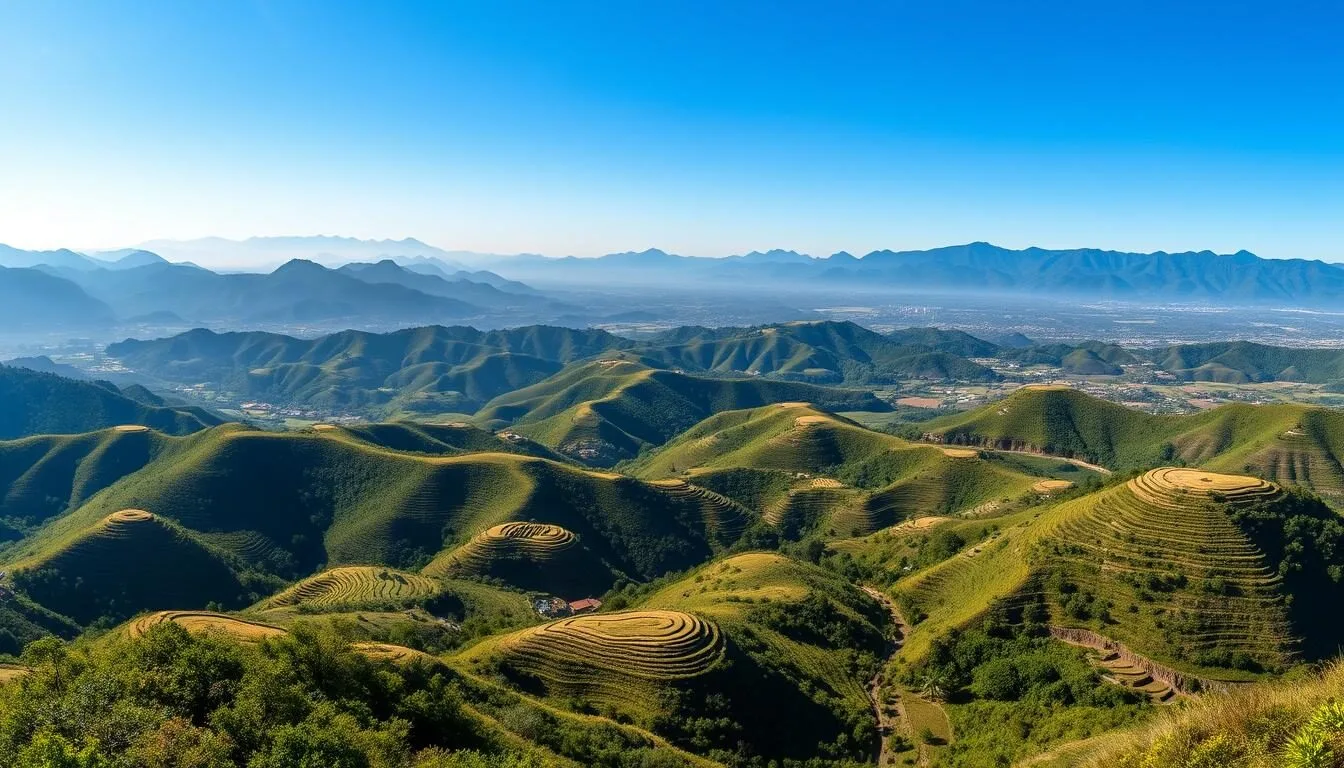
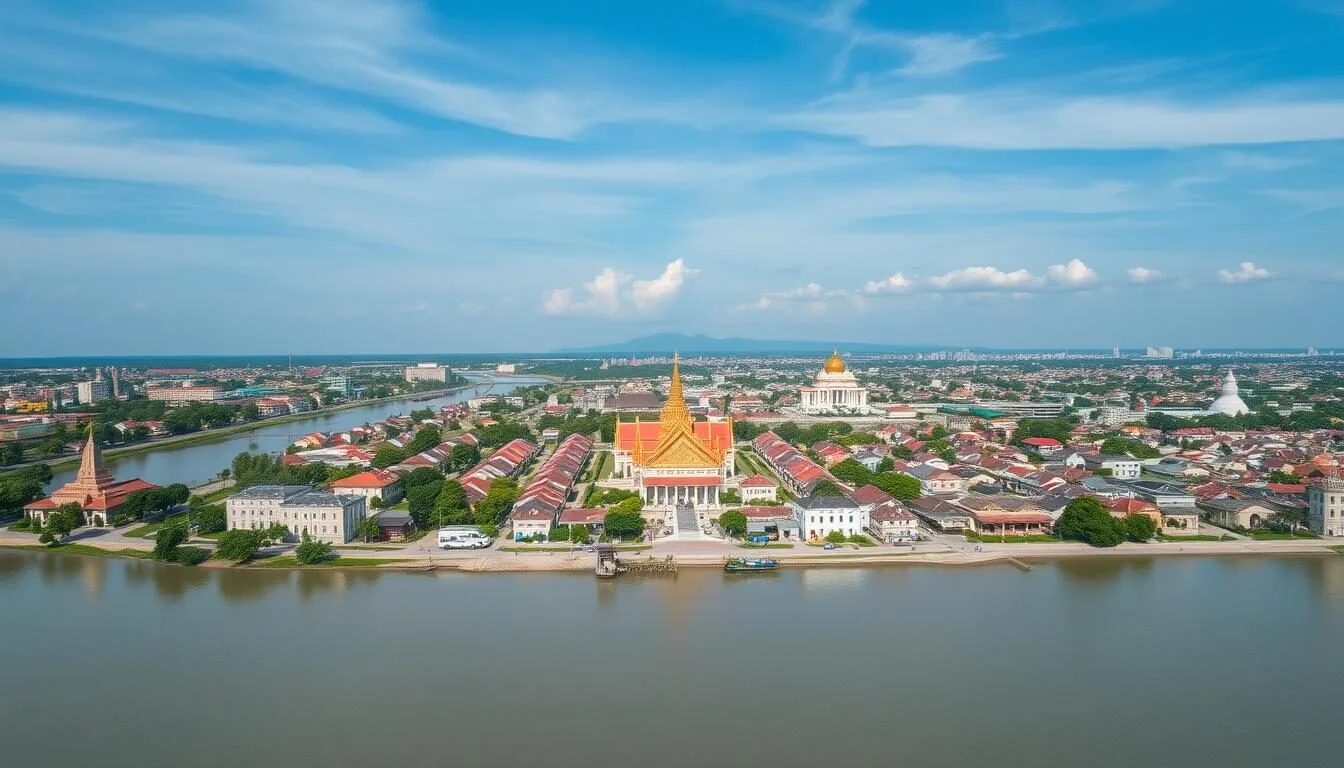
Did you know that Pakse is the gateway to Southern Laos’ Bolaven Plateau, home to over 20 spectacular waterfalls cascading from ancient volcanic highlands? This often-overlooked gem serves as the perfect base for exploring some of Laos’ most breathtaking natural wonders and cultural treasures. As the country’s third-largest city, Pakse offers a fascinating blend of French colonial architecture, traditional Lao culture, and access to pre-Angkorian temples that predate Cambodia’s famous Angkor Wat.
Getting There & Planning Your Journey
Reaching Pakse is relatively straightforward, with several options depending on your starting point. The city serves as a major transportation hub in Southern Laos, making it accessible from neighboring countries and major Lao cities.
By Air
Pakse International Airport receives flights from Vientiane, the capital of Laos, as well as limited international flights from Thailand and Cambodia. Lao Airlines operates daily flights between Vientiane and Pakse, with a flight time of approximately 1 hour and 20 minutes.
By Bus
For budget travelers, buses connect Pakse to major cities in Laos and neighboring countries:
- From Vientiane: Overnight buses take 10-12 hours (200,000-250,000 LAK or $10-13 USD)
- From Luang Prabang: Long-distance buses take 15-16 hours with a transfer in Vientiane
- From Thailand: Buses run from Ubon Ratchathani to Pakse (2-3 hours, crossing at Chong Mek border)
- From Cambodia: Direct buses connect Siem Reap to Pakse (9-10 hours)
- From Vietnam: Buses from Hue or Da Nang connect to Pakse via the Lao Bao border crossing
Border Crossings
If arriving from Thailand, you’ll cross at the Chong Mek-Vang Tao border. From Cambodia, the Dom Kralor-Veun Kham crossing is most common. Both borders offer visa-on-arrival for most nationalities (30-day tourist visa costs $30-42 USD depending on nationality).
Best Time to Visit Pakse

Pakse experiences a tropical climate with distinct wet and dry seasons. Timing your visit right can make a significant difference in your experience exploring the region’s waterfalls and outdoor attractions.
| Season | Months | Weather | Recommendation |
| Cool Dry Season | November – February | 22-30°C (72-86°F), low humidity, minimal rain | Highly Recommended Perfect for outdoor activities |
| Hot Dry Season | March – April | 30-38°C (86-100°F), high humidity | Good Option Hot but waterfalls still accessible |
| Rainy Season | May – October | 25-32°C (77-90°F), heavy rainfall, possible flooding | Not Recommended Difficult travel conditions |
Traveler Tip: While waterfalls are most powerful during the rainy season, roads can become impassable, especially on the Bolaven Plateau. The cool dry season (November-February) offers the best balance of comfortable temperatures and accessibility.
Getting Around Locally
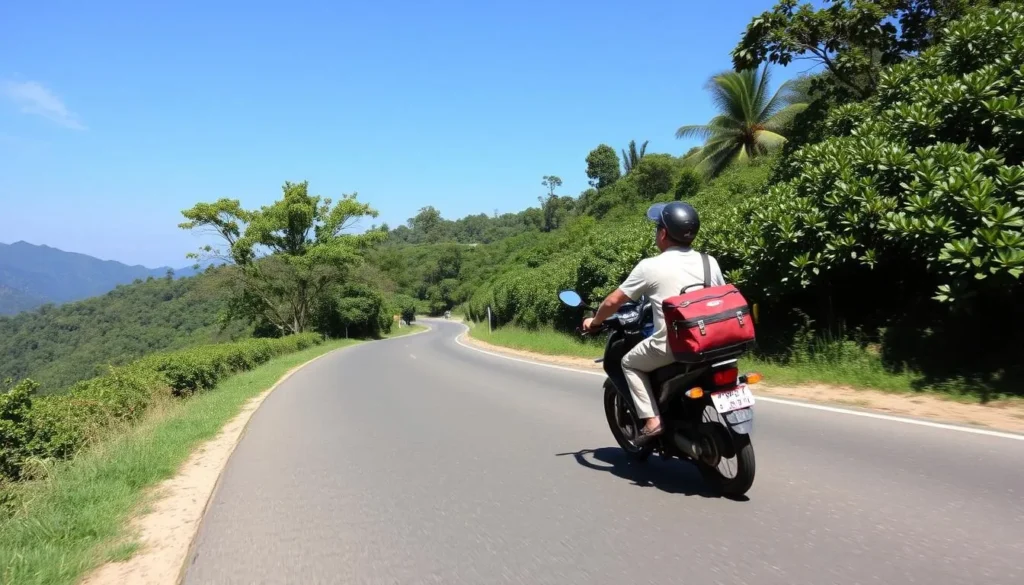
Navigating Pakse and its surrounding attractions requires some planning. Here are the best transportation options for exploring the region:
Motorbike Rental
The most popular and flexible way to explore Pakse and the Bolaven Plateau is by renting a motorbike. Daily rental rates range from 50,000-100,000 LAK ($2.50-5 USD) for automatic scooters and 80,000-150,000 LAK ($4-7.50 USD) for manual bikes with more power (recommended for the Plateau’s hills).
Rental Requirements: Most shops require a passport deposit or cash deposit (1-2 million LAK/$50-100 USD). Some may ask for an international driving permit. Always check the bike thoroughly before renting and take photos of any existing damage.
Recommended rental shops include:
Check 30,000+ Local Sightseeing Tours Worldwide
✓ Numerous languages and currencies are available
- Miss Noy Motorbike Rental: Popular option with daily briefings about the Bolaven Plateau loop at 6 PM
- Lankham Motorbike Rental: Reliable bikes with good maintenance
- KP Car Rental Pakse: Offers both motorbikes and cars
Tuk-Tuks and Jumbos
For shorter distances within Pakse, tuk-tuks (three-wheeled vehicles) are readily available. Expect to pay 20,000-30,000 LAK ($1-1.50 USD) for short trips within the city. For longer journeys or day trips, negotiate a daily rate of 250,000-350,000 LAK ($12-17 USD).
Songthaews
These converted pickup trucks serve as shared taxis and run along fixed routes. They’re an economical option for reaching nearby towns, with fares starting at 5,000 LAK ($0.25 USD) for short distances.
Guided Tours
If you prefer not to drive yourself, numerous tour agencies in Pakse offer day trips to popular attractions. A full-day tour of the Bolaven Plateau typically costs 250,000-350,000 LAK ($12-17 USD) per person in a shared minivan.
Where to Stay in Pakse
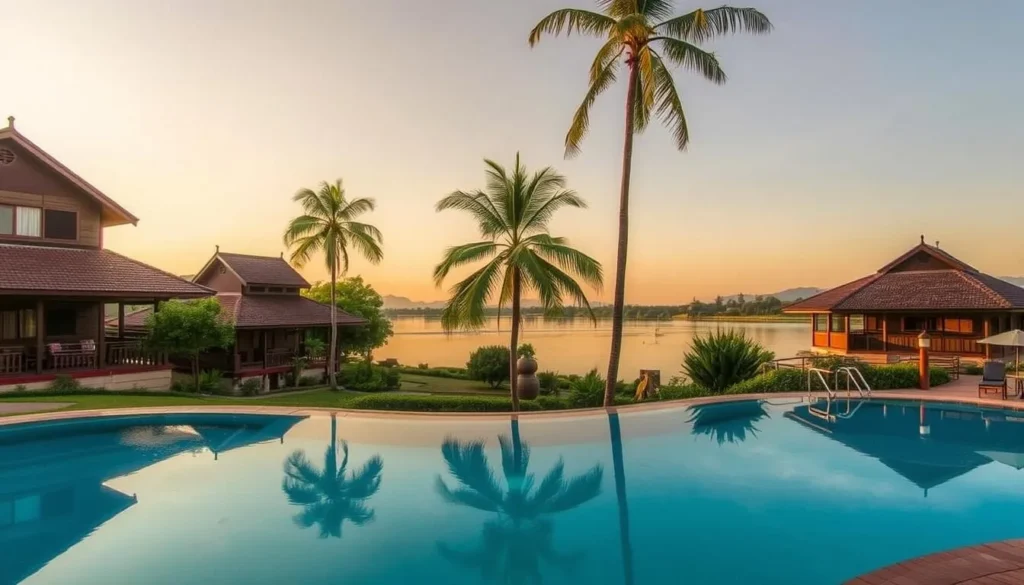
Pakse offers accommodation options for every budget, from backpacker hostels to upscale riverside hotels. Most places are concentrated in the city center near the Mekong River.
Budget Options
Comfortable stays without breaking the bank:
- Naga Hostel: Clean dorms from $5 USD/night with free breakfast
- ANOU Hostel: Modern facilities with private rooms from $12 USD
- Lankham Hotel: Simple rooms from $15 USD in central location
Mid-Range Options
Better amenities and comfort:
- Intouch Riverside Hotel: Top Pick Mekong views from $35 USD
- Pakse Hotel: Rooftop restaurant with city views from $40 USD
- Residence Sisouk: Boutique hotel with pool from $45 USD
Luxury Options
Premium accommodations:
- Champasak Grand Hotel: 4-star hotel with pool from $60 USD
- Athena Hotel: Modern luxury hotel from $70 USD
- The River Resort: Riverside villas with infinity pools from $120 USD
Dining & Local Cuisine
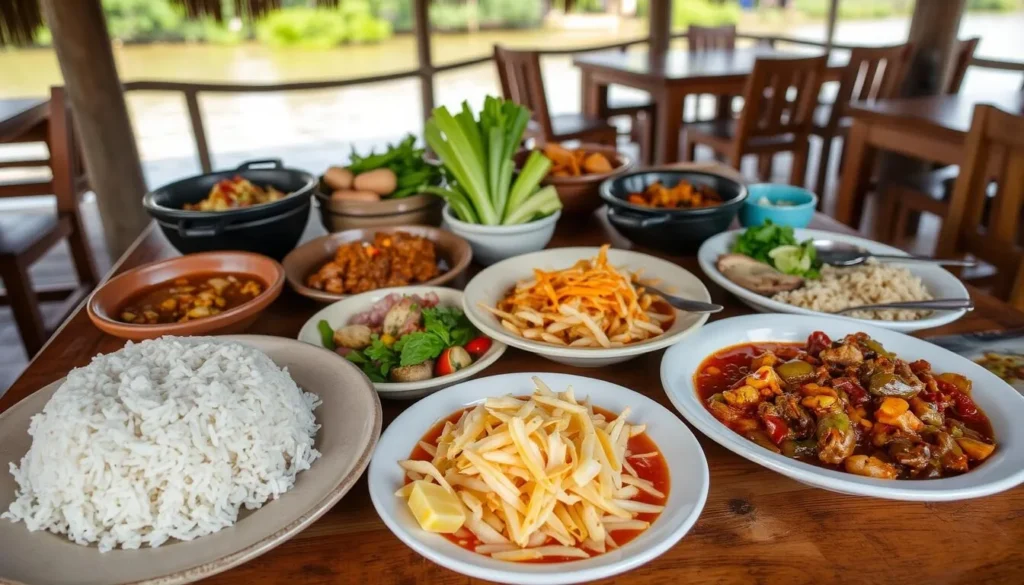
Pakse offers a delightful mix of traditional Lao cuisine, Vietnamese influences, and French colonial legacy. The food scene is affordable and authentic, with most meals costing between 20,000-60,000 LAK ($1-3 USD).
Must-Try Local Dishes
- Khao Piak Sen: Lao rice noodle soup with a hearty broth
- Tam Mak Hoong: Spicy green papaya salad, a Lao staple
- Mok Pa: Fish steamed in banana leaves with herbs and spices
- Larb: Minced meat salad with herbs, lime, and chili
- Lao Coffee: Locally grown on the Bolaven Plateau, strong and aromatic
Best Places to Eat in Pakse
Local Favorites
- Pho Lankham Noodles: Top Pick Excellent beef pho near the riverfront
- Nang Lar Noodle Shop: Family-run eatery serving authentic Lao noodles for 30+ years
- Champa Hom Restaurant: Traditional Lao dishes with occasional live music
- M Park Night Market: Riverside food stalls with variety of local dishes
Cafés & International Options
- Caffeine Pakse: Modern café serving excellent Lao coffee
- Daolin Restaurant: Chinese-Lao fusion dishes
- Le Panorama: French-inspired cuisine with river views
- Sinouk Coffee: Premium coffee from their own plantation
Coffee Lovers: Don’t miss trying the locally grown Bolaven Plateau coffee, considered some of the best in Southeast Asia. The region’s volcanic soil and high elevation create ideal growing conditions for Arabica and Robusta beans.
Top Attractions & Activities in Pakse Laos
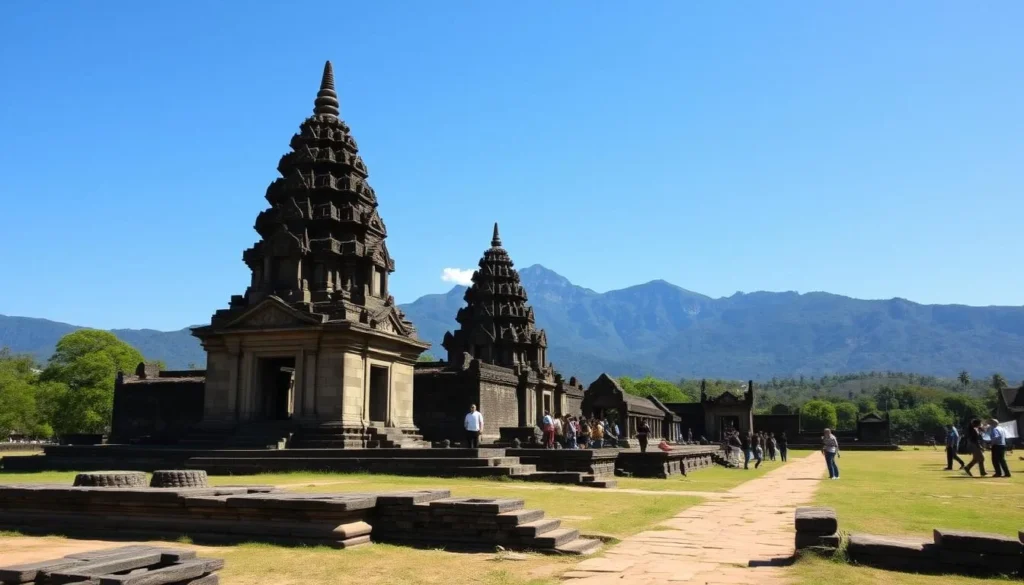
Pakse serves as the perfect base for exploring Southern Laos’ most impressive attractions. From ancient temples to natural wonders, here are the best things to do in and around Pakse:
1. Explore Wat Phou Temple Complex
This UNESCO World Heritage site predates Cambodia’s Angkor Wat and was built between the 5th and 13th centuries. Located about 46 km south of Pakse in Champasak, the temple complex features impressive stone carvings, ancient shrines, and a processional walkway leading up to a mountain sanctuary dedicated to Lord Shiva.
Visitor Information: Open daily 8 AM-6 PM. Entrance fee: 55,000 LAK ($2.75 USD). Hire a guide at the entrance for deeper historical insights (100,000 LAK/$5 USD).
2. Discover the Bolaven Plateau Waterfalls
The volcanic Bolaven Plateau is home to some of Laos’ most spectacular waterfalls. The most popular waterfall circuit can be completed in 2-4 days by motorbike, with highlights including:
- Tad Fane: Top Pick Twin 120-meter waterfalls plunging into a dramatic gorge
- Tad Yuang: Beautiful multi-tiered falls with swimming areas
- Tad Champee: Less-visited waterfall with excellent swimming pools
- Tad Lo: Series of three waterfalls (Tad Hang, Tad Lo, Tad Suong) with nearby villages
3. Visit Coffee Plantations
The Bolaven Plateau’s rich volcanic soil and high elevation (1,000-1,350 meters) create perfect conditions for growing coffee. Several plantations offer tours where you can learn about the production process and sample freshly brewed coffee:
- Sinouk Coffee Resort: Beautiful gardens and comprehensive coffee tour
- Jhai Coffee House: Social enterprise supporting local farmers
- CPC (Cooperative de Producteurs de Café): Farmer’s cooperative with excellent coffee
4. Explore the 4000 Islands (Si Phan Don)
At the southernmost point of Laos, the Mekong River spreads out to create thousands of islands and islets. The most popular islands to visit are:
- Don Det: Backpacker haven with riverside bungalows
- Don Khon: Home to Li Phi (Somphamit) Waterfall and colonial-era railway
- Don Khong: Largest island with traditional villages and temples

5. Admire Khone Phapheng Falls
Southeast Asia’s largest waterfall by volume, Khone Phapheng is an impressive series of cascades spanning the full 14 km width of the Mekong River. Located near the Cambodian border, these powerful falls are the main reason why the Mekong is not fully navigable from China to the sea.
6. Spot Irrawaddy Dolphins
Take a boat trip from Ban Hang Khone (near Don Khon island) to see the endangered freshwater Irrawaddy dolphins. Only about 85 dolphins remain in this stretch of the Mekong, making every sighting special.
7. Visit Wat Phou Salao
This hilltop temple features a giant golden Buddha statue overlooking Pakse and offers panoramic views of the city and the Mekong River. It’s especially beautiful at sunset.
Cultural Gems & Festivals

Beyond natural attractions, Pakse and the surrounding Champasak province offer rich cultural experiences:
Historical Sites
- Wat Luang: Pakse’s most important Buddhist temple with beautiful murals
- French Colonial Architecture: Stroll through downtown Pakse to see well-preserved colonial buildings
- Champasak Historical Heritage Museum: Learn about the region’s rich history
- Muang Champassak: Former royal capital with traditional wooden houses
Local Markets
- Dao Heuang Market: Pakse’s main market selling fresh produce, textiles, and handicrafts
- M Park Night Market: Evening food market along the Mekong riverfront
- Champasak Market: Local market near Wat Phou
Festivals Worth Experiencing
| Festival | When | Description |
| Boun Pi Mai (Lao New Year) | April 14-16 | Water festival with parades, temple visits, and water fights |
| Boun Bang Fai (Rocket Festival) | May | Traditional rocket competition to encourage rainfall |
| Boun Khao Padabdin | September | Festival honoring ancestors with food offerings |
| Boun Ok Phansa | October | End of Buddhist Lent with boat races and floating lanterns |
| Wat Phou Festival | February (full moon) | Three-day celebration at Wat Phou temple complex |
Outdoor Adventures
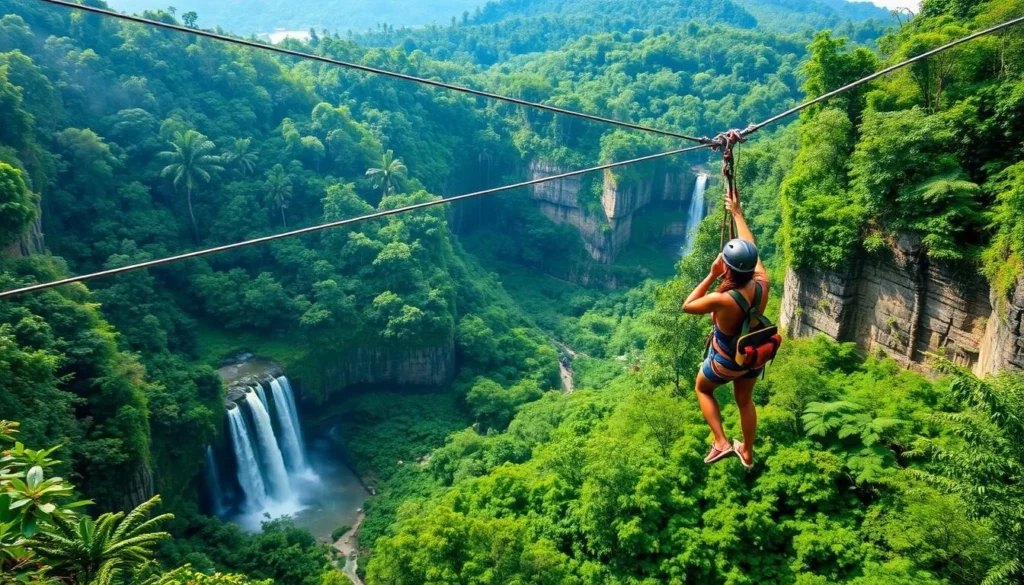
For adventure seekers, Pakse and its surroundings offer plenty of exciting outdoor activities:
Bolaven Plateau Motorbike Loop
The most popular adventure activity in the region is the self-guided motorbike loop through the Bolaven Plateau. Choose between:
- Short Loop (2-3 days): Pakse → Tad Lo → Paksong → Tad Fane → Tad Yuang → Pakse (150 km)
- Long Loop (3-5 days): Pakse → Tad Lo → Attapeu → Paksong → Tad Fane → Tad Yuang → Pakse (320 km)
Ziplining & Jungle Adventures
Several tour operators offer adventure packages in the region:
- Tad Fane Zipline: Soar 300 meters above the twin waterfalls
- Tree Top Explorer: Multi-day jungle adventure with ziplines, abseiling, and treehouse accommodation
- Jungle Trekking: Guided hikes through the Bolaven Plateau’s forests
Mekong River Activities
- Sunset Cruises: Relaxing boat trips along the Mekong River
- Kayaking: Paddle through the 4000 Islands region
- Fishing: Join local fishermen for traditional fishing experiences
Safety & Etiquette
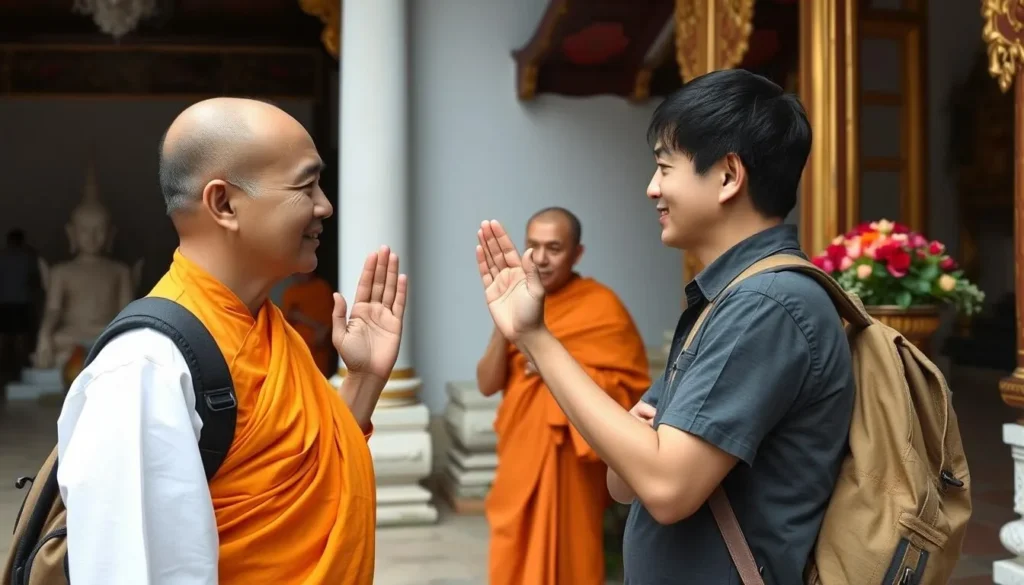
Pakse is generally a safe destination for travelers, but it’s important to be aware of local customs and potential safety concerns:
Health & Safety
- Road Safety: If renting a motorbike, drive cautiously as road conditions can be poor, especially during rainy season
- Water Safety: Drink bottled or purified water only
- Medical Facilities: Pakse has basic hospitals, but serious conditions may require evacuation to Thailand
- Travel Insurance: Comprehensive insurance covering medical evacuation is highly recommended
- Mosquito Protection: Use repellent to prevent dengue fever and other mosquito-borne illnesses
Cultural Etiquette
Respecting local customs will enhance your experience and show appreciation for Lao culture:
- Greetings: Use the traditional “nop” greeting (prayer-like gesture) when meeting locals
- Temple Etiquette: Dress modestly (shoulders and knees covered), remove shoes before entering temples
- Head & Feet: The head is considered sacred, while feet are considered low. Avoid touching people’s heads or pointing feet at people or Buddha images
- Photography: Always ask permission before photographing locals, especially monks
- Public Behavior: Public displays of affection are frowned upon
Important: Laos has strict drug laws with severe penalties. Never get involved with drugs while traveling in Laos.
Practical Travel Tips
Money Matters
- Currency: Lao Kip (LAK) is the official currency, but Thai Baht and US Dollars are widely accepted
- ATMs: Available in Pakse city center, but withdrawal limits are typically 1-2 million LAK ($50-100 USD) with fees of 20,000-40,000 LAK ($1-2 USD)
- Cash: Bring enough cash, especially when heading to rural areas
- Bargaining: Gentle negotiation is acceptable at markets, but not in established businesses
Communication
- Language: Lao is the official language, but some English is spoken in tourist areas
- Basic Phrases: “Sabaidee” (hello), “Khop Jai” (thank you), “Tao Dai” (how much)
- Internet: Most hotels and cafés offer free Wi-Fi, but connection can be slow
- SIM Cards: Available at the airport and in town (Unitel and LaoTel are reliable providers)
Packing Essentials
- Clothing: Lightweight, breathable fabrics with modest options for temple visits
- Footwear: Comfortable walking shoes and sandals
- Sun Protection: Hat, sunglasses, and high SPF sunscreen
- Rain Gear: Lightweight poncho or umbrella (especially during rainy season)
- Insect Repellent: With DEET for mosquito protection
- First Aid Kit: Basic supplies including anti-diarrheal medication
Visa Information
Most nationalities can obtain a 30-day tourist visa on arrival at international borders. Requirements include:
- Passport valid for at least 6 months
- One passport-sized photo
- Visa fee: $30-42 USD depending on nationality (payable in cash only)
- Proof of onward travel (sometimes requested)
Pro Tip: The Lao visa can be extended for up to 60 additional days at the immigration office in Pakse for approximately $2 USD per day.
Ready to Explore Pakse?

Pakse offers a perfect blend of natural wonders, cultural heritage, and authentic Lao experiences away from the tourist crowds. From the ancient ruins of Wat Phou to the thundering waterfalls of the Bolaven Plateau, this southern Laos gem rewards travelers who venture beyond the usual tourist trail.
Whether you’re ziplining across dramatic gorges, sipping locally grown coffee at a plantation, or simply watching the sunset over the mighty Mekong, Pakse provides unforgettable experiences that showcase the best of Laos. Start planning your adventure today and discover why this often-overlooked destination deserves a prime spot on your Southeast Asia itinerary.