
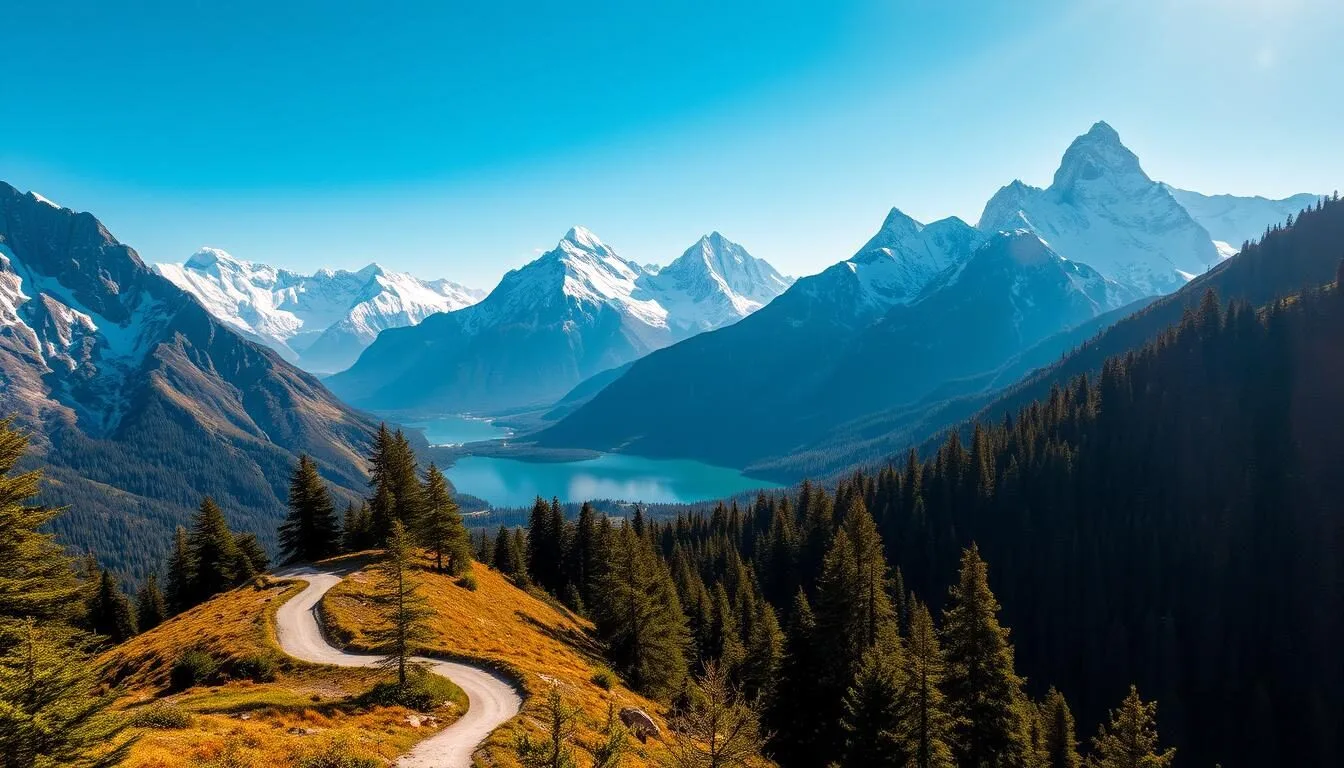
Imagine yourself in a land where the air is crisp, the landscapes are breathtaking, and the culture is rich with tradition. Welcome to the region of Mustang, a place that offers an unforgettable experience amidst the majestic Himalayas.
You are about to embark on a journey to the “Last Forbidden Kingdom,” a place where Tibetan-influenced culture has remained largely unchanged for centuries. With its unique blend of natural beauty and cultural heritage, Mustang is a destination that promises an extraordinary adventure.
As you explore this isolated region, you’ll discover dramatic landscapes, ancient traditions, and a way of life that feels like a step back in time. Get ready to uncover the top experiences that make Mustang a must-visit destination.
Discovering the Hidden Gem of Nepal
As you venture into the heart of Nepal, you’ll discover the hidden gem of Mustang, a land steeped in history and culture. This enchanting region, known as the “Land of Lo,” has maintained its cultural authenticity despite the passage of time.
The Land of Lo: An Introduction to Mustang
Mustang, a district located in the north-central part of Nepal, is a living museum of ancient Tibetan-influenced traditions. It remained an independent kingdom until the 20th century, with a history of isolation and autonomy stretching back over 1,000 years. The region’s unique cultural heritage has been preserved due to its restricted access until 1992, when Upper Mustang was opened to foreign visitors.
Geography and Climate of Mustang
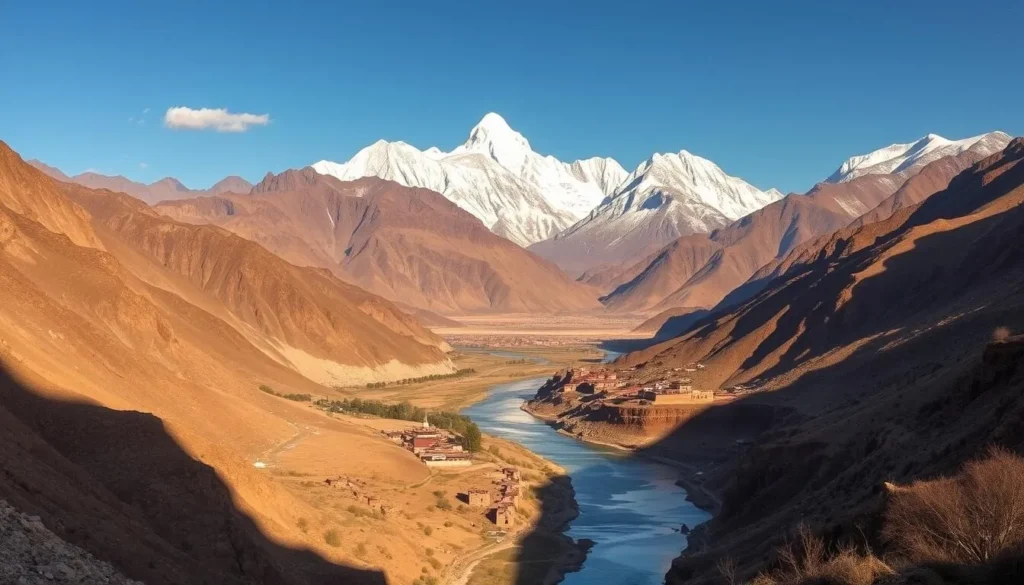
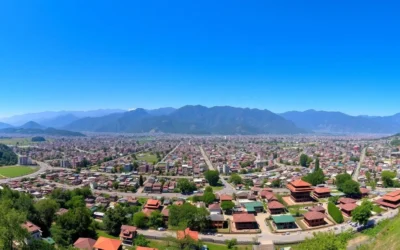
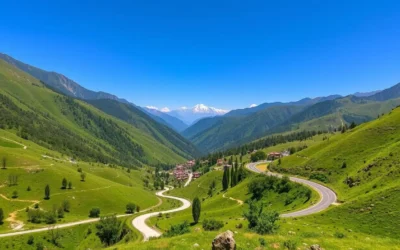
The geography of Mustang is characterized by dramatic landscapes, ranging from arid high-altitude deserts to deep river valleys, with elevations spanning from 1,640m to 8,167m at Dhaulagiri Summit. Unlike much of Nepal, Mustang lies in a rain shadow, creating a unique microclimate with minimal rainfall (150-300mm annually) and stark temperature variations between seasons. This distinct geography and climate have shaped the way of life for the people inhabiting this challenging environment.
The region’s isolation has not only preserved its cultural treasures but also created a distinct way of life for its inhabitants, who continue traditional practices that have sustained them for generations in this challenging environment.
Explore Lo Manthang: The Ancient Walled City
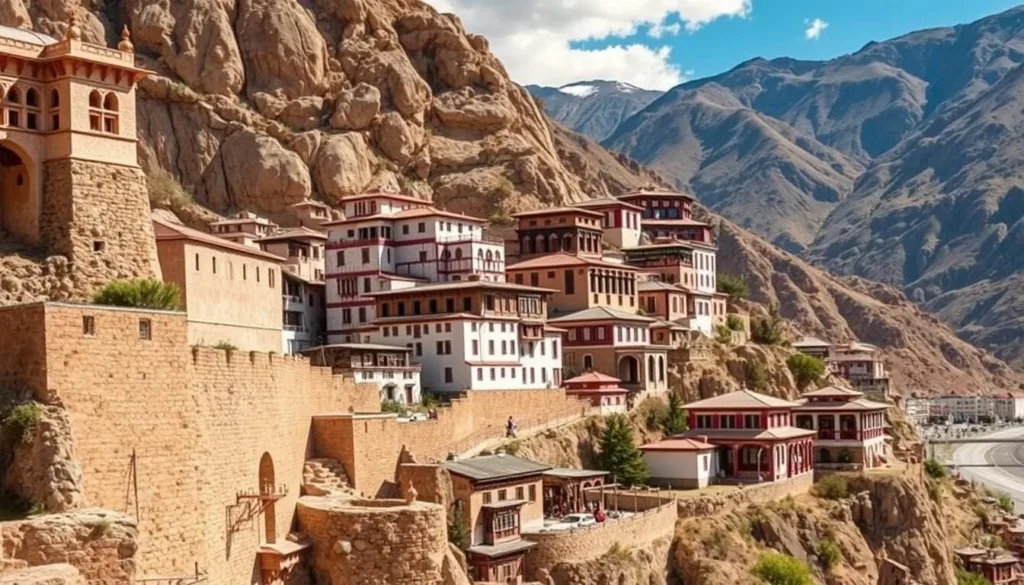
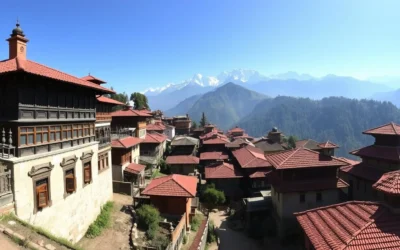
As you step into Lo Manthang, the ancient walled city, you are transported to a world where time stands still. This 15th-century city, once the capital of the Kingdom of Lo, is a treasure trove of history and culture. The city’s robust walls, built in the century, have protected its treasures for centuries.
Visit the Royal Palace and Historic Monasteries
The heart of Lo Manthang is home to the magnificent five-story palace built in 1440 AD by King Amad Pal. This palace features nine corners, intricate woodwork, and walls covered with white lime, housing precious Buddhist texts and artifacts. You can explore the four major monasteries, including Jampa Gompa, Thubchen Gompa, Chhoede Gompa, and Choprang Gompa, each containing priceless murals, statues, and religious artifacts.
The city is enclosed by impressive 6-meter high earthen walls with square defensive towers at each corner, creating a fortress-like appearance. Inside the walls, there is a compact area with traditional earthen buildings, showcasing the rich culture of Upper Mustang.
Experience Daily Life in the Last Forbidden Kingdom
Daily life in Lo Manthang offers you a glimpse into traditions that have remained largely unchanged for centuries. You can witness monks performing daily rituals in the monasteries, with their rhythmic chants and prayers creating a serene atmosphere. The locals continue practices like traditional farming, religious ceremonies, and craftsmanship, giving you a unique insight into the kingdom‘s way of life.
As you explore Lo Manthang, you will experience the rich heritage of Upper Mustang and witness the city’s medieval charm. The city continues to function as a living cultural center, making it a fascinating destination for any traveler.
Trek Through Mustang’s Breathtaking Landscapes
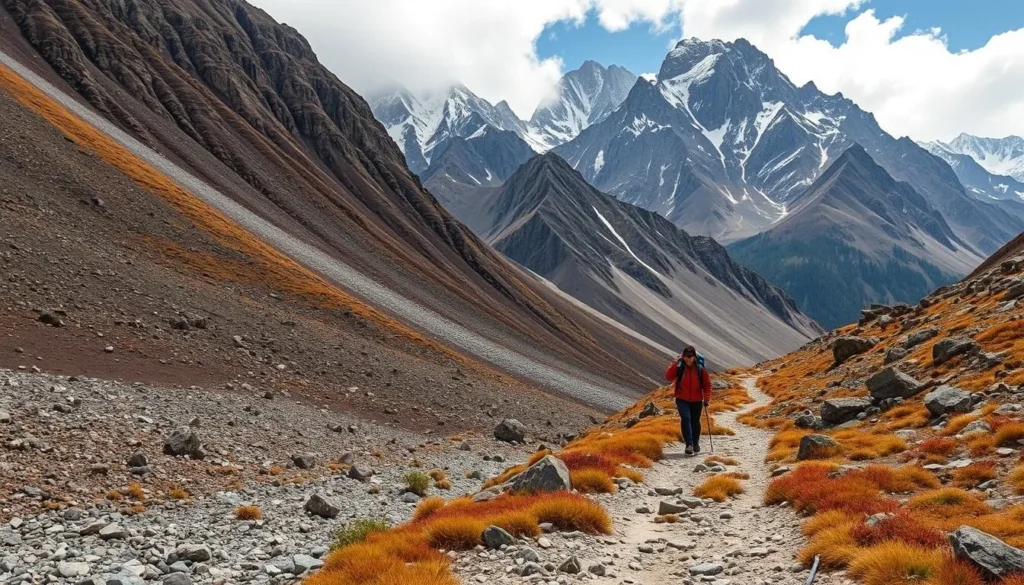
Trekking in Mustang offers an unparalleled experience, with its diverse landscapes and rich cultural heritage. As you traverse through the region, you’ll be immersed in the unique Tibetan-influenced culture and witness breathtaking landscapes.
Popular Trekking Routes in Upper Mustang
Upper Mustang is home to some of Nepal’s most captivating trekking routes. The Lo Manthang Circuit is a top choice among trekkers, typically taking around 10 days to complete. This trek guides you through ancient villages, monasteries, and breathtaking viewpoints, immersing you in the rich cultural heritage of the region. Key locations include Kagbeni, Chhusang, Ghami, Dhakmar, and the walled city of Lo Manthang.
For those with less time or seeking a more affordable option, the Jomsom-Muktinath Trek is a popular choice, offering a condensed 4-5 day experience. This trek captures the essence of the region, visiting important sites like Marpha, Kalopani, and the sacred Muktinath Temple.
Best Time for Trekking in Mustang
The best time for trekking in Mustang is during spring (April-May) and autumn (September-October) when the weather is stable, with clear skies and pleasant temperatures. These seasons provide optimal conditions for photography and mountain views.
Unlike other parts of Nepal, Mustang’s location in the rain shadow of the Himalayas means it remains accessible even during the monsoon season (June-August). However, winter treks (December-February) face challenges with extreme cold and potential snow at higher passes.
Discover the Mysterious Sky Caves
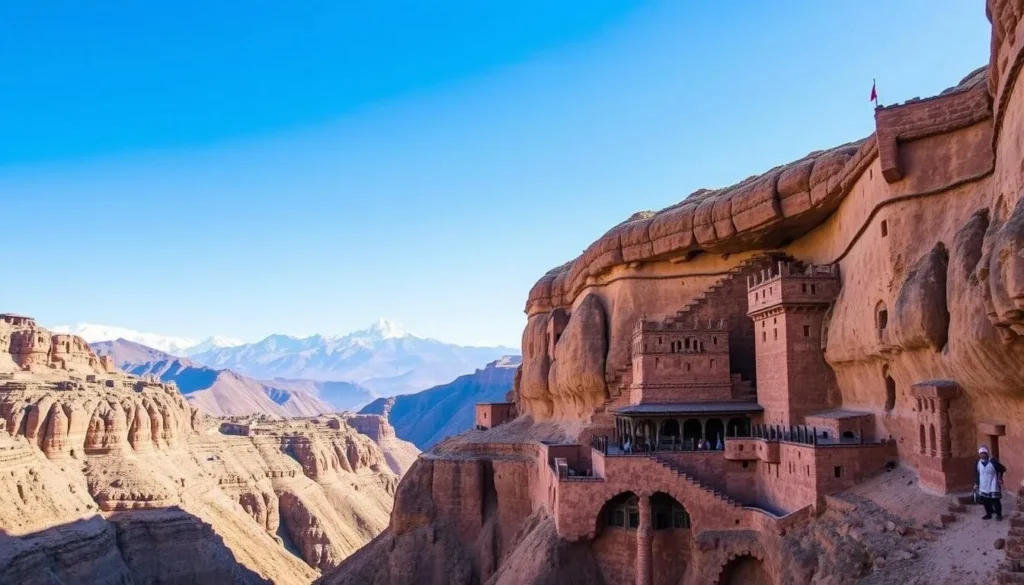
As you venture into the Mustang region, you’ll discover the enigmatic Sky Caves, a testament to the ingenuity of ancient civilizations. The Sky Caves of Nepal are an intriguing feature of the Mustang region and are cliff homes built into the sides of valleys.
The most impressive cave system is found in Chhoser, where you can explore the five-story “Jhong Cave” featuring more than 40 rooms connected by ladders and passageways, showcasing remarkable ancient engineering.
Chhoser and Jhong Cave Systems
The Chhoser and Jhong Cave systems are notable examples of the Sky Caves in Upper Mustang. These caves have been carved into the steep cliff faces throughout the valley, with some dating back more than 3,000 years.
Archaeological discoveries in these caves have revealed partially mummified human remains, Buddhist artwork, manuscripts, and artifacts that provide valuable insights into the region’s ancient history and cultural development.
Archaeological Significance of the Caves
The Sky Caves served multiple purposes throughout history—initially as burial chambers as early as 1,000 BC, later as homes for families seeking protection during periods of conflict, and eventually as meditation spaces, storage areas, or military lookouts.
Scientists believe that the caves were inhabited by people who settled there, and as settlements developed around the 1400s, the caves continued to play a significant role in the lives of the local people.
Visit the Sacred Muktinath Temple
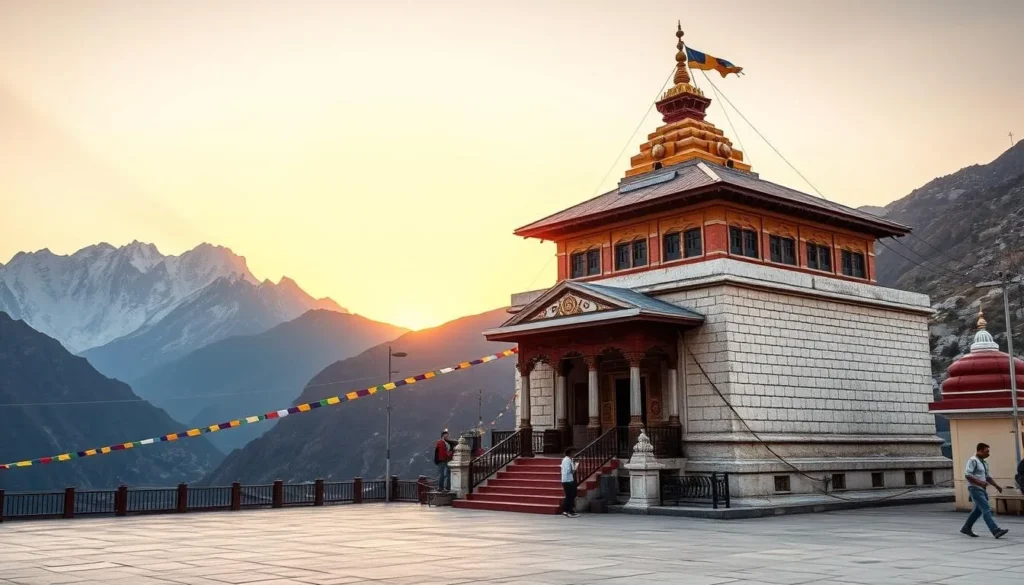
As you journey to the Muktinath Temple, you’re not just visiting a sacred place, you’re experiencing a profound spiritual culture. Located in the Annapurna Conservation Area of Nepal, this temple is a significant destination for both Hindus and Buddhists. At an altitude of 3,710 meters, Muktinath Temple is a revered site that offers breathtaking views of the Himalayas.
Religious Significance for Hindus and Buddhists
The Muktinath Temple is dedicated to Lord Vishnu and is considered a sacred temple where pilgrims come to seek salvation. For Buddhists, it’s a significant site where Guru Padmasambhava meditated on his way to Tibet. This symbiosis of religious significance makes Muktinath a unique place of worship.
The 108 Water Spouts and Eternal Flame
One of the temple’s most remarkable features is the 108 water spouts arranged in a circular wall, where pilgrims perform ritual bathing. Inside the complex, the Jwala Mai Temple houses an eternal flame that burns alongside a natural spring, symbolizing the union of earth, water, fire, air, and sky.
Experience the Tiji Festival
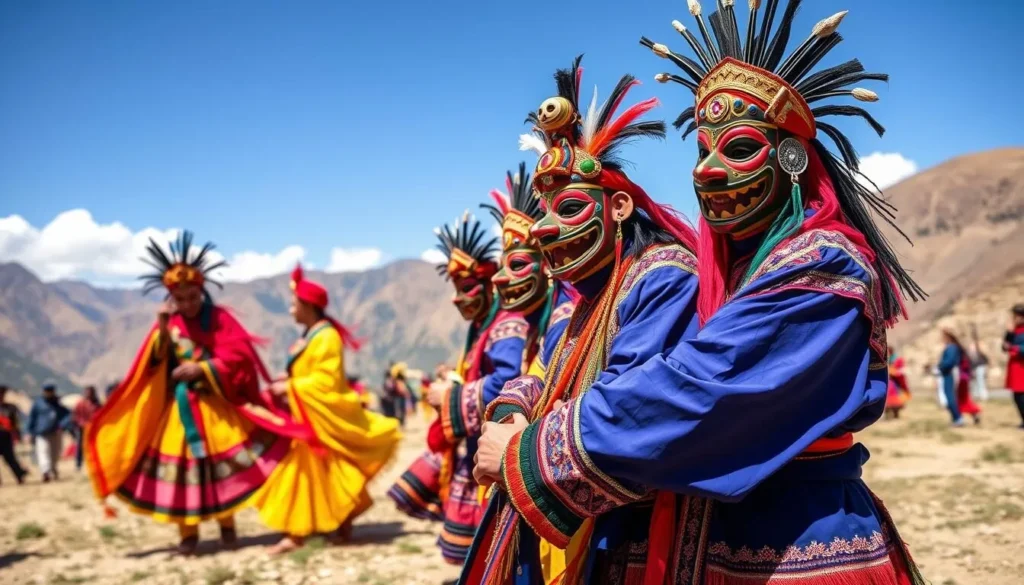
Mustang’s Tiji Festival is a three-day extravaganza that showcases the region’s deep-rooted Tibetan Buddhist traditions. This vibrant festival is held annually in Lo Manthang, typically in the first week of May, according to the Tibetan lunar calendar.
The Tiji Festival is a significant celebration that commemorates the victory of good over evil, symbolizing hope and renewal for the local people. It is a time when the community comes together to witness the colorful traditional dances and ceremonies that are an integral part of this event.
The Three-Day Celebration and Its Meaning
The Tiji Festival spans three days, each with its unique rituals and performances. The festival begins with the “Tsa Chham” dance, depicting the birth and destructive actions of a demon, followed by the “Nga Chham” on the second day, which shows the battle between Dorje Jono (a manifestation of Buddha) and the demon.
The final day culminates with another “Tsa Chham” dance, celebrating the ultimate victory of good over evil. This narrative is central to the celebration and is reenacted through elaborate costumes, masks, and choreography prepared by monks from Lo Manthang’s monasteries.
Traditional Dances and Ceremonies
The Tiji Festival is renowned for its culture-rich traditional dances and ceremonies. The “Tsa Chham” and “Nga Chham” dances are not only visually stunning but also carry deep spiritual significance, reflecting the region’s culture and heritage.
Attending the Tiji Festival offers a rare opportunity to witness centuries-old traditions in action. Local people gather in their finest traditional attire to celebrate alongside visitors from around the world, making it a truly immersive cultural experience.
Explore the Kali Gandaki Gorge
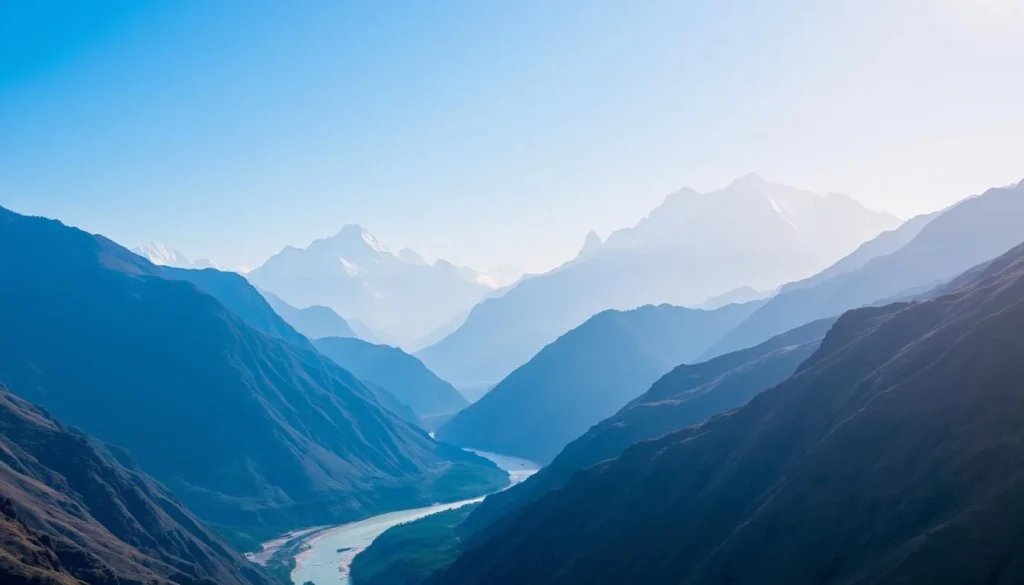
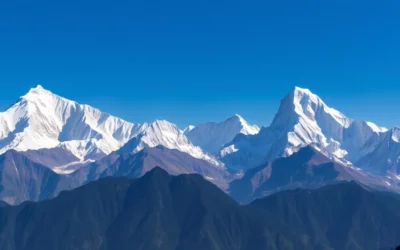
The Kali Gandaki Gorge, known for being the world’s deepest gorge, is a marvel of geological history. Carved between the towering peaks of Annapurna (8,091m) and Dhaulagiri (8,167m), it creates a dramatic valley that has been a vital trade route between Tibet and India for centuries.
The World’s Deepest Gorge
The gorge is not only a natural wonder but also a significant geographical feature. The Kali Gandaki River drains the entire area as it flows from north to south, with tributaries cutting through the mountains to the east and west. The majority of human habitations are situated between 2100 and 4000 meters above sea level along the Kali Gandaki River.
Fossil Hunting for Saligrams
One of the fascinating activities in the gorge is hunting for saligrams—black ammonite fossils considered sacred by Hindus as representations of Lord Vishnu. These fossils can be found embedded in the riverbanks and surrounding rocks, making the gorge a unique place for fossil enthusiasts. Traveling along the Kali Gandaki offers constantly changing views of traditional villages and ancient caves.
The gorge serves as a natural corridor for diverse ecosystems, supporting unique plant and animal species adapted to varying altitudes and conditions. It’s a place where you can witness the world’s incredible natural beauty and understand why it’s considered a vital area for both locals and visitors.
Indulge in Local Mustang Cuisine
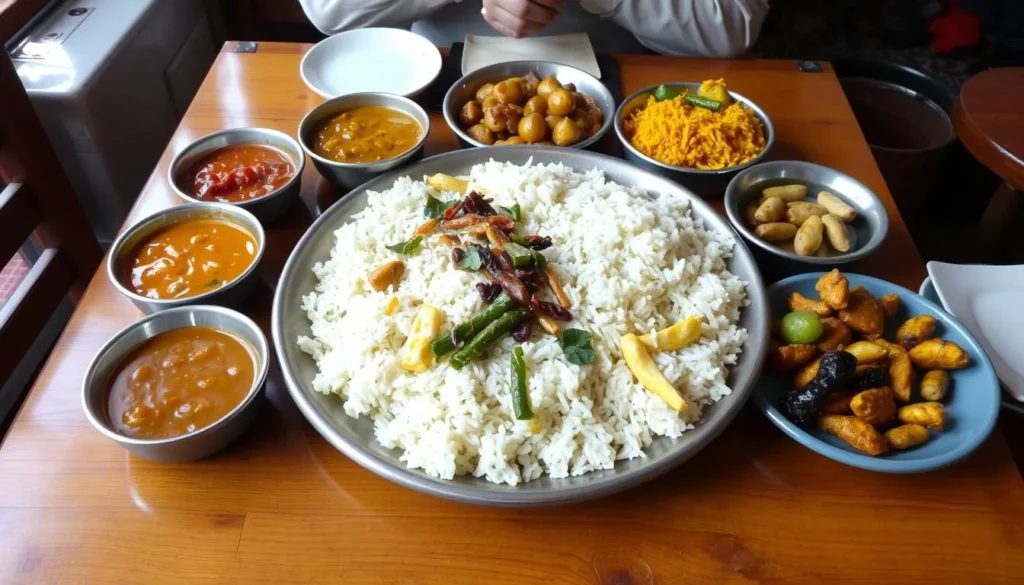
When in Mustang, be sure to try the local specialties that showcase the region’s cultural identity. The cuisine here is a delicious reflection of the local culture and people, influenced by Tibetan traditions.
Thakali Cuisine and Traditional Dishes
The Thakali people, native to the lower Mustang region, are renowned for their culinary expertise. Must-try traditional dishes include “dal bhat” (a hearty meal of lentil soup, rice, and vegetable curry), “thukpa” (a warming noodle soup), and “momo” (dumplings filled with meat or vegetables).
These dishes not only satisfy your taste buds but also give you a glimpse into the rich cultural heritage of the region.
Local Apple Products and Chang
Mustang is famous for its apple orchards, particularly around Marpha village. You can sample fresh apples, dried apple slices, apple brandy, and the region’s celebrated apple pie. Additionally, try “chang,” a mildly alcoholic beer made from fermented barley, millet, or rice, which plays an important role in local celebrations.
This unique food and drink culture is a significant part of the region’s identity and a must-experience during your visit.
Luxury Experiences in Mustang, Nepal: Best Things to Do
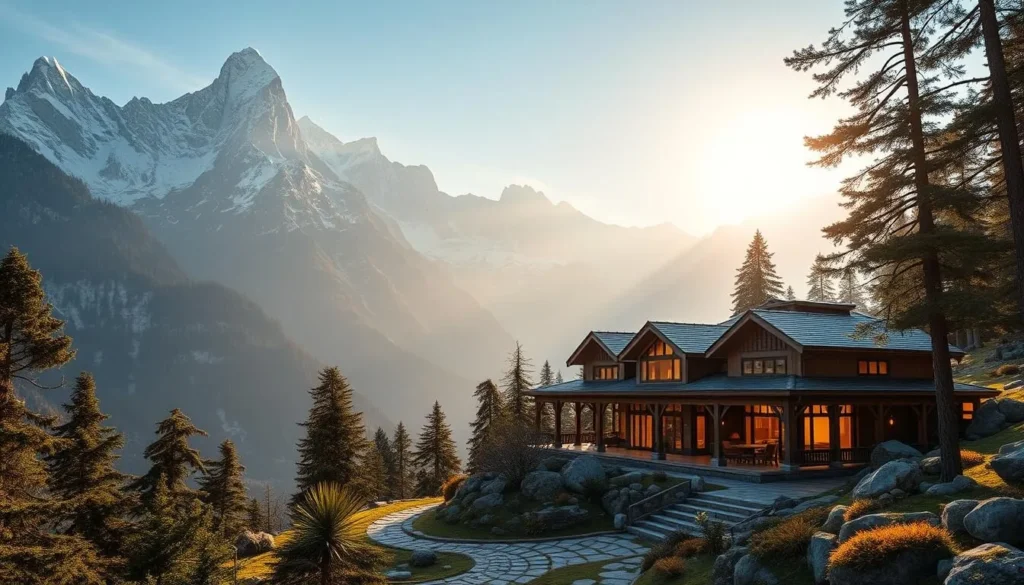
Shinta Mani Mustang offers a luxurious retreat amidst the breathtaking landscapes of Upper Mustang, blending traditional Tibetan charm with modern sophistication. This luxury property, part of the prestigious Bensley Collection, provides an unparalleled level of comfort and service.
Shinta Mani Mustang: A Luxury Retreat
Nestled in the heart of Mustang, Shinta Mani Mustang is a world-class hotel that offers exceptional comfort with breathtaking views of the Himalayas. The lodge’s prime location is perfect for exploring Upper Mustang’s cultural treasures, making it an ideal base for your adventures.
The architecture of Shinta Mani Mustang beautifully blends traditional Tibetan design with modern luxury, reflecting the rich cultural heritage of the region. Each space is meticulously designed to provide a serene and sophisticated ambiance, ensuring a truly luxurious experience.
Wellness and Spa Treatments
The resort’s wellness center offers a range of specialized treatments that incorporate traditional Tibetan healing practices. Guests can enjoy consultations with an Amchi (Tibetan doctor) who prescribes personalized herbal remedies and therapies, enhancing your overall wellness experience.
From rejuvenating spa treatments to customized trekking excursions, Shinta Mani Mustang provides a comprehensive range of activities that cater to your desire for adventure and relaxation in this beautiful place.
By choosing to stay at Shinta Mani Mustang, you are not only indulging in a luxurious getaway but also contributing to the local community through the resort’s commitment to sustainability and development. This luxury retreat is truly a world-class destination that offers the perfect blend of comfort, culture, and adventure in Upper Mustang.
Transportation Options in Mustang
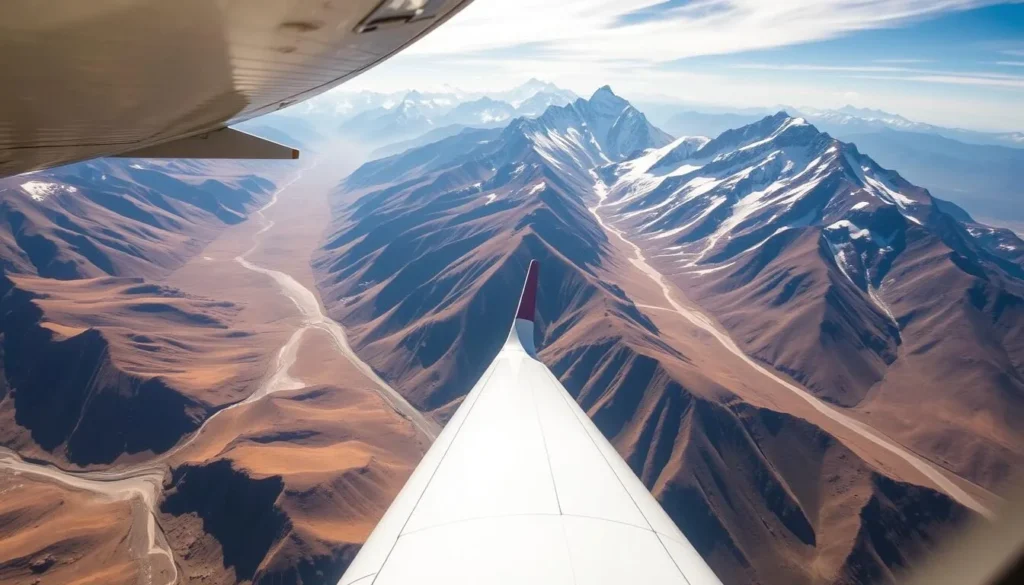
Getting to Mustang is an adventure in itself, with various transportation options available to suit different preferences and time constraints. Whether you’re looking for a quick flight, a thrilling jeep safari, or an exhilarating motorcycle tour, Mustang has something to offer every kind of traveler.
Flying to Jomsom
Flying to Jomsom from Pokhara is the quickest way to access Mustang, offering a dramatic 25-minute flight between the towering peaks of Annapurna and Dhaulagiri. For the best views, try to secure a seat on the left side when flying to Jomsom.
Jeep Safari Tours
For those seeking comfort and efficiency while exploring Upper Mustang, jeep safari tours provide an excellent option. These tours allow you to cover more ground while still experiencing the region’s dramatic landscapes and cultural highlights. Private jeep tours offer flexibility, making them ideal for families with children, seniors, or anyone with limited time.
Royal Enfield Motorcycle Tours
Adventure enthusiasts can opt for Royal Enfield motorcycle tours, which combine the thrill of riding these iconic bikes with the freedom to experience Mustang’s rugged terrain and breathtaking scenery up close. The motorcycle journey through Mustang’s high desert landscapes offers an unparalleled sense of freedom and connection to the environment.
Upper Mustang is accessible by air, landing at Jomsom airport, or by driving from Pokhara via Marpha and Jomsom. The Upper Mustang trek starts after landing or driving to Kagbeni, from where vacationers march north along the Kali Gandaki River. A private jeep tour or a Royal Enfield tour can make your trip to Mustang an unforgettable adventure.
Practical Information for Visiting Mustang
As you plan your trip to Mustang, Nepal, it’s essential to understand the practical aspects of visiting this unique destination. The Mustang District is a sparsely populated region in central Nepal, known for its breathtaking landscapes and rich cultural heritage.
Required Permits and Documentation
To enter the Mustang area, you’ll need to obtain the necessary permits. All visitors require the Annapurna Conservation Area Permit (ACAP) and Trekkers’ Information Management System (TIMS) card. For Upper Mustang, an additional Restricted Area Permit (RAP) is required, costing $500 for 10 days and $50 for each additional day. These permits must be arranged through a registered trekking agency in Nepal.
Accommodation Options
Mustang offers a range of accommodation options, from basic teahouses and lodges along trekking routes to more comfortable hotels in Jomsom and Lo Manthang. For a luxurious experience, consider Shinta Mani Mustang, which offers high-end accommodations. You can expect to find a variety of choices to suit your needs and budget.
Best Time to Visit
The best time to visit Mustang is during spring (April-May) when wildflowers bloom across the landscape, and autumn (September-November) when the skies are clearest for mountain views. Both seasons offer stable weather conditions ideal for trekking and exploration. Unlike other parts of Nepal, Mustang’s location in the rain shadow of the Himalayas means it receives minimal rainfall even during the monsoon season.
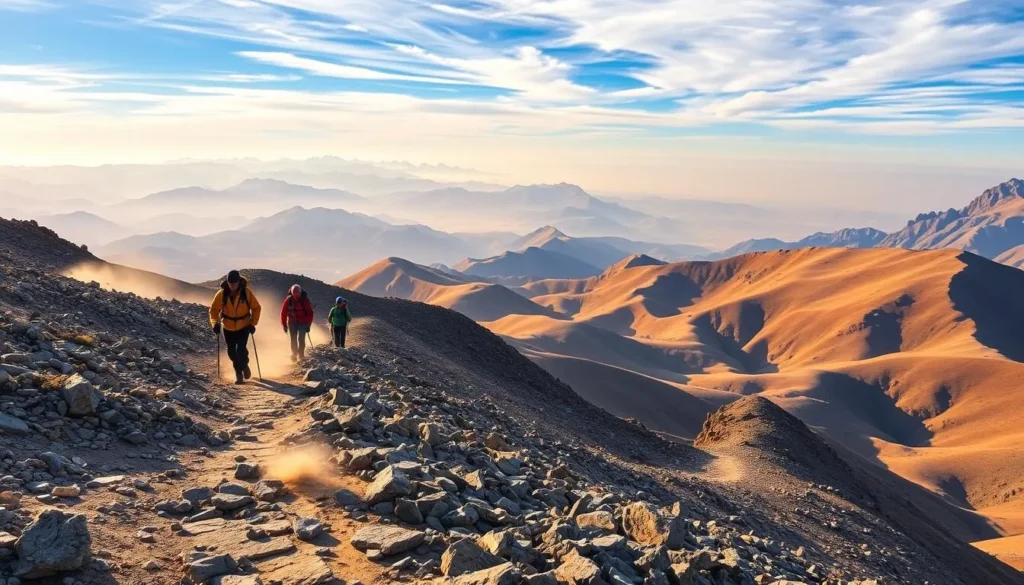
- Plan your trip according to the permit requirements and trekking seasons.
- Choose your accommodation based on your budget and preferences.
- Be prepared for the unique climate and geography of the Mustang area.
Conclusion
Your trip to Mustang, Nepal, will be a journey of discovery, filled with breathtaking scenery, rich history, and warm hospitality. As you explore this unique region, you’ll experience an extraordinary blend of natural beauty, ancient culture, and adventure that makes Mustang one of the most fascinating destinations in the Himalayan region.
From the medieval walled city of Lo Manthang to the mysterious sky caves and the sacred Muktinath Temple, Mustang District presents countless opportunities for meaningful exploration and discovery. The Upper Mustang trek remains one of Nepal’s most rewarding journeys, taking trekkers through an arid mountain landscape dotted with colorful monasteries, traditional villages, and panoramic views of snow-capped peaks.
Whether you choose to visit during the vibrant Tiji Festival, explore by jeep safari, motorcycle tour, or traditional trekking routes, Mustang’s diverse landscapes and cultural treasures provide unforgettable experiences for every type of traveler. The people of Mustang, with their preserved traditions and warm hospitality, offer visitors a genuine connection to an ancient way of life that has remained largely unchanged despite the passage of time.
As you plan your trip to this remarkable region, remember that the journey through Mustang is not just about seeing beautiful places but about experiencing a living cultural heritage that continues to thrive in one of the world’s most remote and fascinating mountain environments. With proper planning, respect for local customs, and an open mind, your visit to Mustang, Nepal, will surely rank among your most treasured travel experiences—a journey that will stay with you long after you’ve returned home.
The above is subject to change.
Check back often to TRAVEL.COM for the latest travel tips and deals.
0 Comments