

Hotels by Trip.com
Flights by Trip.com
Did you know Bundala National Park is home to all five species of Sri Lanka’s magnificent sea turtles? As the country’s first Ramsar wetland of international importance, this coastal paradise hosts over 200 bird species, including the iconic greater flamingo, with flocks of up to 2,000 birds painting the lagoons pink during migration season. Unlike Sri Lanka’s more crowded national parks, Bundala offers a serene wildlife experience where elephants, crocodiles, and countless birds thrive in a stunning mosaic of lagoons, dunes, and thorny scrublands.
Getting There & Planning Your Journey
Bundala National Park is located in Sri Lanka’s Southern Province, approximately 251 km southeast of Colombo. The nearest town is Hambantota, just 15 km away, making it an excellent base for your visit.
From Colombo, you have several transportation options:
- Private car: The most convenient option, taking approximately 4-5 hours via the Southern Expressway.
- Public bus: Buses run from Colombo to Hambantota, followed by a local tuk-tuk to the park entrance.
- Train: Take the train to Matara, then a bus or taxi to Hambantota and the park.
The park entrance is located at the 251 km post on the Colombo-Kataragama road. A visitor center at the main gate provides information and magnificent views over the marshes.
Best Time to Visit Bundala National Park

Recommended Months
The best time to visit Bundala National Park is from September to March. This period coincides with the migratory bird season, when thousands of birds flock to the park from as far as Siberia and the Rann of Kutch in India.
December to March is the peak time for birdwatching, with the greatest diversity of species present. December is also ideal for elephant spotting, as their numbers increase during this month.
Months to Avoid
May to September is generally considered the dry season at Bundala, with hot temperatures averaging around 27°C (80°F). While wildlife is still present, you’ll miss the spectacular migratory bird displays that make the park famous.
The annual rainfall ranges from 900mm to 1300mm, with most precipitation occurring outside these months.
For turtle enthusiasts, plan your visit between October and January when four of Sri Lanka’s five marine turtle species come ashore to lay their eggs on the beaches within the park.
Getting Around Locally

Exploring Bundala National Park requires a 4WD vehicle due to the rugged terrain. Here are your options for getting around:
✓ Check 30,000+ Local Sightseeing Tours Worldwide
Safari Jeep Tours
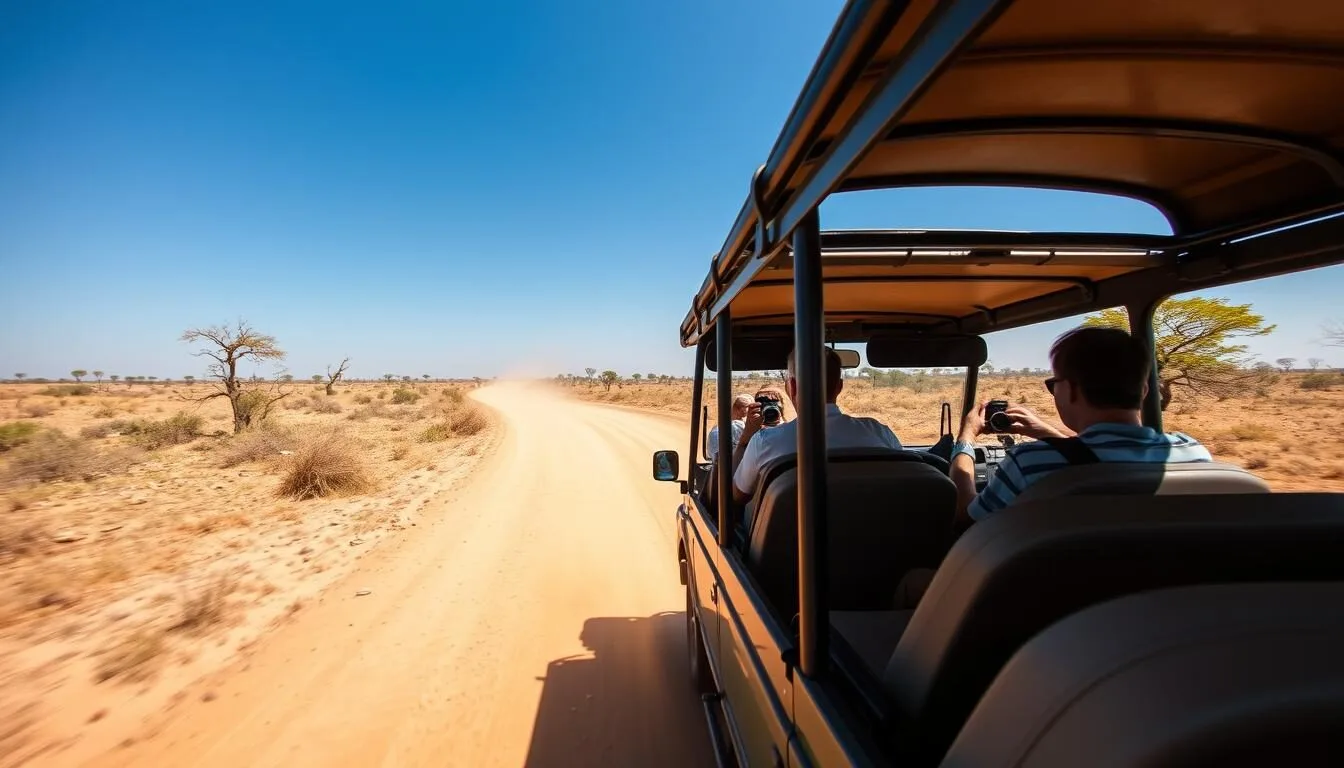
The most popular way to explore Bundala is with a safari jeep and experienced guide. Tours typically last 3-4 hours and can be arranged through your accommodation or at the park entrance. Guides are knowledgeable about the best spots for wildlife viewing and can help identify the numerous bird species.
Early morning (6:00-10:00 AM) and late afternoon (3:00-6:00 PM) safaris offer the best wildlife sightings as animals are most active during these cooler hours.
Park entrance fees are approximately 3,500 LKR (about $12 USD) per person for foreign visitors, plus vehicle and service charges. A typical jeep safari with a guide costs between $30-50 USD depending on group size and tour duration.
Where to Stay

While there are no accommodations within Bundala National Park itself, the nearby towns of Hambantota and Tissamaharama (Tissa) offer a range of options:
Budget Options
Tissamaharama has several guesthouses and budget hotels starting from $20-30 per night. These simple accommodations provide the basics and are often run by locals who can arrange park visits.
Mid-Range
Several comfortable hotels and resorts in the $50-100 range offer amenities like swimming pools, restaurants, and organized safari services to Bundala and other nearby national parks.
Luxury
For a premium experience, eco-lodges and luxury resorts like Jetwing Yala and Cinnamon Wild provide upscale accommodations with expert naturalist guides, gourmet dining, and comprehensive safari packages.
Staying in Tissamaharama is particularly convenient as it provides access to both Bundala and the more famous Yala National Park, allowing you to experience two distinct ecosystems during your visit.
Dining & Local Cuisine

The southern region of Sri Lanka offers delicious coastal cuisine with an emphasis on fresh seafood and traditional Sri Lankan flavors:
Local Specialties to Try
- Fish Ambul Thiyal – Sour fish curry, a southern specialty made with goraka (a souring fruit)
- Crab Curry – Fresh lagoon crabs prepared with aromatic spices
- Hoppers – Bowl-shaped pancakes made from fermented rice flour, often served with an egg in the center
- Kottu Roti – Chopped flatbread stir-fried with spices, vegetables, and your choice of protein
- Fresh Fruit – The region is known for delicious papaya, mango, and wood apple
Most accommodations in Tissamaharama and Hambantota offer dining facilities serving both Sri Lankan and international cuisine. For an authentic experience, try the small local restaurants (known as “kadé”) in town, where you can enjoy a traditional rice and curry lunch for just a few dollars.
Traveler Tip: When visiting Bundala for early morning safaris, ask your accommodation to prepare a packed breakfast to enjoy during your wildlife watching. Many hotels are happy to arrange this with advance notice.
Attractions, Sightseeing & Activities

Wildlife Watching
Bundala National Park is primarily known for its exceptional birdwatching opportunities. With nearly 200 species recorded, including 58 migratory species, it’s a paradise for bird enthusiasts:
Key Bird Species
- Greater Flamingos (up to 2,000 birds)
- Painted Storks
- Black-necked Storks
- Spoonbills
- Pelicans
- Various eagles and hawks
- Endemic birds like Ceylon Woodshrike
Mammals
- Sri Lankan Elephants (15-60 depending on season)
- Leopards (rare sightings)
- Golden Jackals
- Wild Boar
- Spotted Deer
- Grey Langurs and Toque Macaques
- Giant Squirrels
Guided Safari Tours
For the best wildlife experience, book a guided safari with an experienced naturalist who can help spot and identify the park’s diverse inhabitants. Tours typically include transportation, park fees, and refreshments.
Morning safaris offer excellent birdwatching, while evening tours provide opportunities to see mammals like elephants and jackals becoming active as temperatures cool.
Reptiles and Marine Life
Bundala is home to both marsh and estuarine crocodiles, which can often be spotted basking along the lagoon edges. The park’s beaches are nesting grounds for four of Sri Lanka’s five marine turtle species: olive ridley, green, leatherback, and loggerhead turtles, who come ashore to lay their eggs between October and January.

Photography
Bundala offers exceptional photography opportunities with its diverse landscapes and wildlife. The golden light of early morning and late afternoon creates magical conditions for capturing the park’s inhabitants against stunning backdrops of lagoons, dunes, and thorny scrubland.
Photography Tip: Bring a telephoto lens (at least 300mm) for bird photography and a wide-angle lens to capture the beautiful landscapes. Early morning light creates stunning reflections on the lagoons.
Cultural Spots & Nearby Attractions
While Bundala National Park is primarily a nature destination, the surrounding area offers several cultural and historical sites worth exploring:
Tissamaharama
This ancient capital is home to the impressive Tissa Dagoba, a large stupa believed to have been built around 200 BC by King Kavantissa. The beautiful Tissa Wewa (tank) is another highlight, especially at sunset when birds return to roost.
Kataragama
A sacred pilgrimage town about 20 km from Bundala, Kataragama is important to Buddhists, Hindus, Muslims, and indigenous Vedda people. The Maha Devale shrine contains sacred artifacts of the Hindu war god Murugan (Skanda).
Yala National Park
Sri Lanka’s most famous national park is just 22 km from Bundala. Known for having one of the highest leopard densities in the world, Yala offers a different ecosystem and wildlife viewing experience that complements Bundala perfectly.

Combining a visit to Bundala with these nearby attractions creates a well-rounded experience of southern Sri Lanka’s natural and cultural heritage.
Safety, Etiquette & Local Customs

Wildlife Safety
- Always remain in your vehicle during safari drives. Never attempt to approach wild animals, especially elephants.
- Keep noise to a minimum to avoid disturbing wildlife and to increase your chances of spotting animals.
- Follow your guide’s instructions at all times – they are experienced in reading animal behavior.
- Maintain a safe distance from crocodiles near water bodies.
Environmental Responsibility
- Take nothing but photographs, leave nothing but footprints. Removing plants, animals, or artifacts from the park is illegal.
- Dispose of waste properly. Carry a small bag for any trash and take it with you when you leave.
- Stick to designated paths and roads to minimize habitat disturbance.
- Use binoculars for birdwatching rather than trying to get too close.
Cultural Considerations
When visiting nearby cultural sites and temples:
- Dress modestly, covering shoulders and knees when visiting religious sites.
- Remove shoes and hats before entering temples.
- Ask permission before photographing local people.
- Learn a few basic Sinhala phrases like “Ayubowan” (hello/blessings) and “Istuti” (thank you) to connect with locals.
Health Tip: Bring insect repellent, sunscreen, and plenty of water for your safari. The park can be hot and mosquitoes are present, especially near water bodies.
Practical Travel Tips

Essential Packing List
Wildlife Viewing Gear
- Binoculars (essential for birdwatching)
- Camera with telephoto lens
- Field guide to Sri Lankan birds
- Notebook for recording sightings
Clothing & Protection
- Lightweight, neutral-colored clothing
- Hat and sunglasses
- Sunscreen (SPF 30+)
- Insect repellent
- Light rain jacket (if visiting during shoulder seasons)
Park Information
- Opening Hours: 6:00 AM to 6:00 PM daily
- Entrance Fees: Approximately 3,500 LKR ($12 USD) per foreign adult, plus vehicle and service charges
- Safari Duration: Typically 3-4 hours
- Visitor Center: Located at the main entrance with information displays and viewing areas
Is Bundala better than Yala National Park?
Bundala and Yala offer different experiences. Bundala is renowned for birdwatching and wetland ecosystems, with fewer tourists and a more serene atmosphere. Yala is famous for leopard sightings and larger mammals. For the best experience, visit both parks if time permits.
How long should I spend at Bundala National Park?
A single 3-4 hour safari is sufficient for most visitors. Serious birdwatchers and wildlife photographers may want to book multiple safaris at different times of day to maximize species sightings.
Can I visit Bundala without a guide?
While technically possible, a guide is highly recommended. Local guides know the best spots for wildlife viewing and can identify the numerous bird species. Their expertise significantly enhances your experience and increases your chances of spotting elusive animals.

Bundala National Park offers a unique wildlife experience that showcases Sri Lanka’s incredible biodiversity. From the spectacular flamingo flocks to the patient crocodiles and majestic elephants, this coastal sanctuary provides unforgettable encounters with nature. Unlike the country’s more famous parks, Bundala’s relative tranquility allows for a more intimate connection with its wetland ecosystem.
Whether you’re an avid birdwatcher, wildlife photographer, or simply a nature enthusiast seeking authentic experiences, Bundala delivers with its stunning landscapes and abundant wildlife. By visiting during the migratory bird season and following our practical tips, you’ll maximize your chances of witnessing this remarkable ecosystem at its finest.
Related Posts
Yala National Park, Sri Lanka: Best Things to Do – Top Picks
Wilpattu National Park, Sri Lanka: Best Things to Do – Top Picks

Weligama, Sri Lanka: Best Things to Do – Top Picks
Wasgamuwa National Park, Sri Lanka: Best Things to Do – Top Picks

Udawalawe National Park, Sri Lanka: Best Things to Do – Top Picks
Victoria Reservoir, Sri Lanka: Best Things to Do – Top Picks
Coming Soon: Clickable Maps