
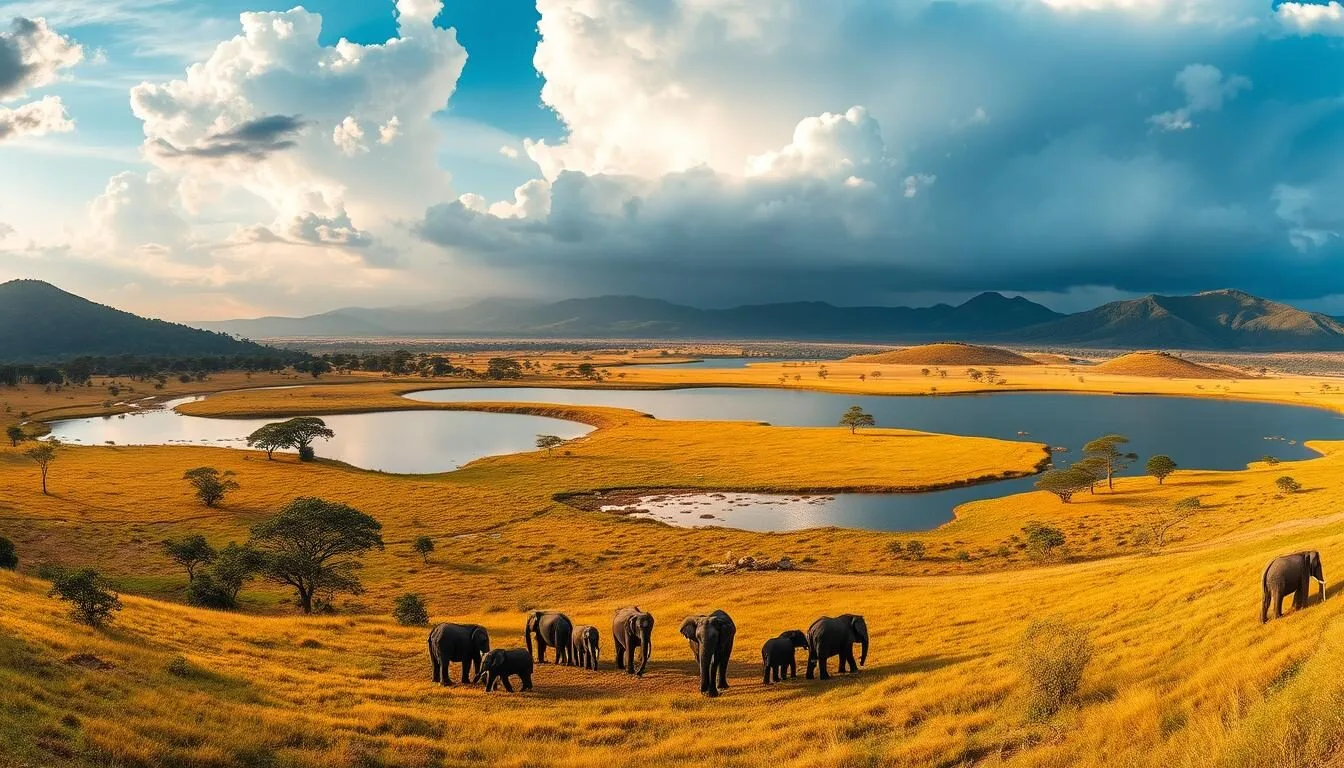
Did you know that Kaudulla National Park hosts one of Asia’s most spectacular wildlife gatherings? During peak season, over 200 wild elephants congregate around the ancient reservoir, creating a breathtaking natural spectacle that few wildlife experiences in the world can match. This hidden gem in Sri Lanka’s North Central Province offers visitors an unforgettable opportunity to witness these magnificent creatures in their natural habitat, alongside a diverse array of other wildlife.
About Kaudulla National Park
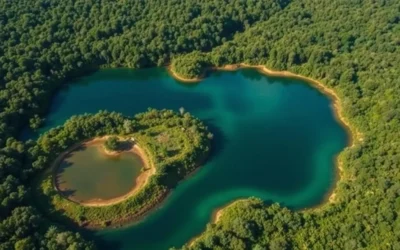
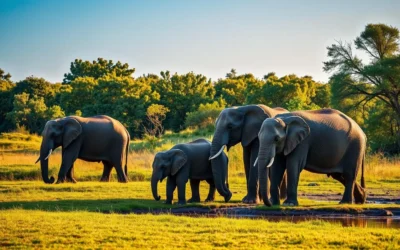
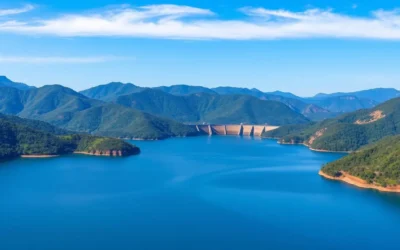
The stunning landscape of Kaudulla National Park with elephants gathering near the reservoir
Kaudulla National Park, established in 2002, spans approximately 6,900 hectares (17,050 acres) in the heart of Sri Lanka’s cultural triangle. The park is centered around the ancient Kaudulla reservoir, built by King Mahasena in the 3rd century. This man-made lake serves as a vital water source for wildlife, especially during the dry season when elephants migrate here from surrounding areas.
The park forms part of an important elephant corridor that connects Minneriya and Wasgomuwa national parks to the south and Somawathiya National Park to the east. This network of protected areas allows elephants to move freely across their traditional migration routes, supporting the conservation of Sri Lanka’s elephant population.
Beyond elephants, Kaudulla is home to 23 species of mammals, including sambar deer, Sri Lankan axis deer, leopards, sloth bears, and wild boar. The park also hosts around 160 bird species, making it a paradise for wildlife enthusiasts and photographers alike.
Best Time to Visit Kaudulla National Park
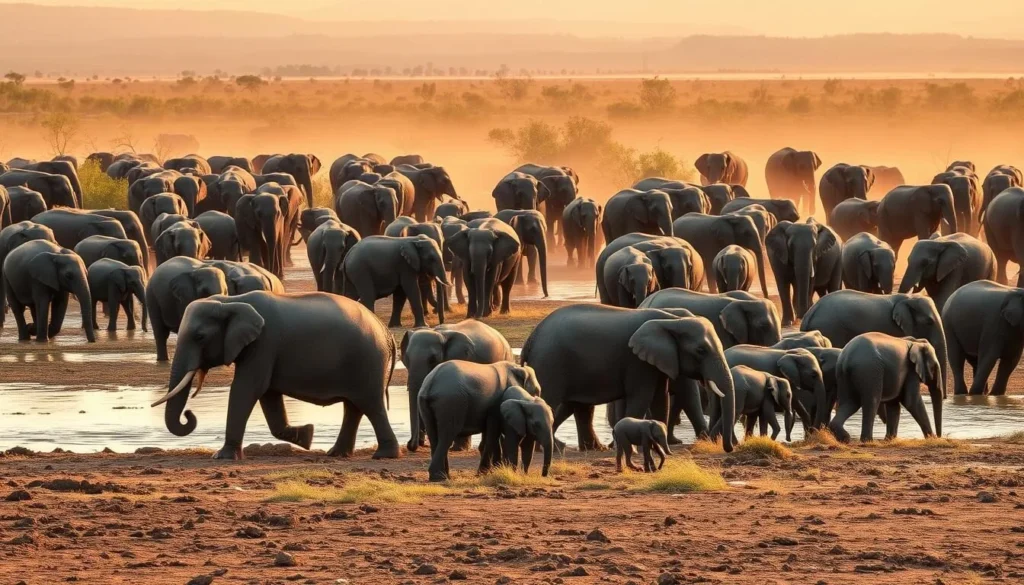
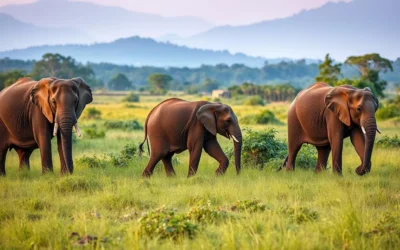
The famous elephant gathering at Kaudulla during the peak dry season
Timing your visit to Kaudulla National Park is crucial for the optimal wildlife experience. The park experiences two distinct seasons that dramatically affect wildlife viewing opportunities:
Recommended Months (August-December)
The best time to visit Kaudulla National Park is between August and December, with September and October being the absolute peak months. During this period, the dry season causes water levels in the reservoir to recede, exposing fresh grass and creating the perfect conditions for the famous elephant gathering.
In September and October, elephant numbers can exceed 200 individuals, offering one of the most spectacular wildlife sightings in Asia. The weather is generally pleasant with temperatures ranging from 26°C to 32°C (79°F to 90°F), and clear skies provide excellent visibility for photography.
Months to Avoid (January-March)
From January to March, most elephants migrate to other areas such as Hurulu Eco Park as water levels rise in Kaudulla. While you might still spot some wildlife, the iconic large herds are typically absent during this period.
The northeast monsoon brings heavy rainfall between November and January, which can make roads muddy and safari experiences less comfortable. However, this is also when the landscape turns lushly green, offering different photographic opportunities for landscape enthusiasts.
Pro Tip: The elephants migrate between Minneriya, Kaudulla, and Hurulu Eco Park throughout the year. If you’re visiting between June and August, check Minneriya first; for October to November, Kaudulla is your best bet; and for December to January, try Hurulu Eco Park.
Getting to Kaudulla National Park
Kaudulla National Park is located approximately 190 km (118 miles) northeast of Colombo in the Polonnaruwa district of Sri Lanka’s North Central Province. The park is easily accessible from several popular tourist destinations:
- From Habarana: 22 km (14 miles) – approximately 30 minutes by car
- From Polonnaruwa: 35 km (22 miles) – approximately 45 minutes by car
- From Sigiriya: 30 km (19 miles) – approximately 40 minutes by car
- From Dambulla: 45 km (28 miles) – approximately 1 hour by car
- From Colombo: 190 km (118 miles) – approximately 4-5 hours by car
Transportation Options
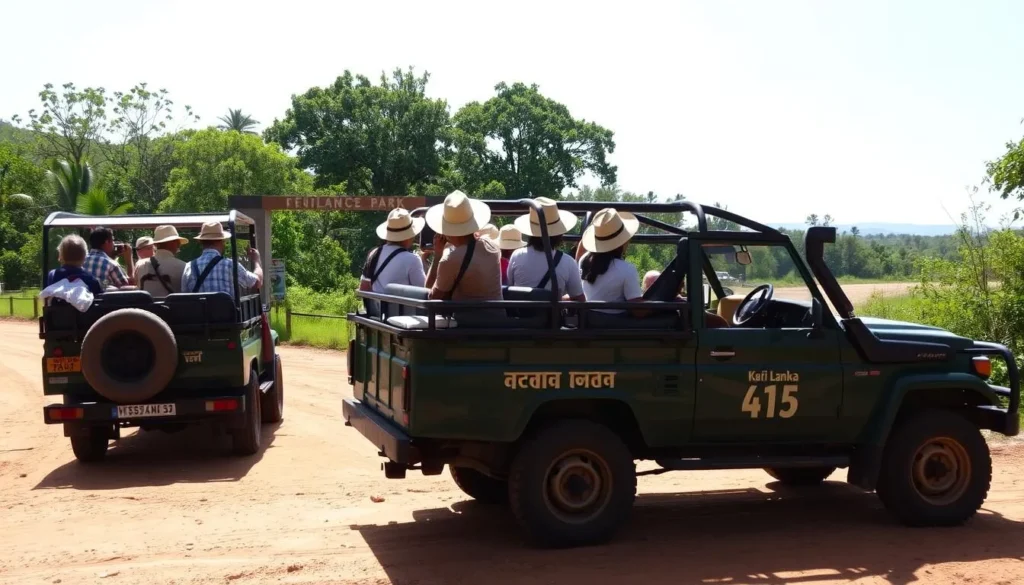
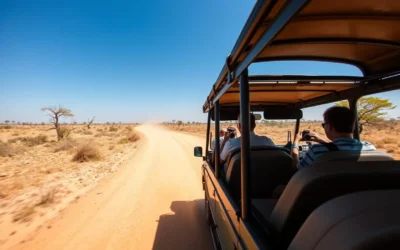
Safari jeep entering Kaudulla National Park with excited tourists
By Air
The nearest airport is Bandaranaike International Airport in Colombo. From there, you can either rent a car, hire a private driver, or take public transportation to reach the Habarana area, which serves as the gateway to Kaudulla National Park.
By Road
Renting a car gives you the flexibility to explore the cultural triangle at your own pace. The roads to Kaudulla are generally in good condition, though the last few kilometers may be bumpy. Alternatively, hiring a private driver is a popular and convenient option for tourists.
By Public Transport
If you’re on a budget, you can take a train from Colombo to Habarana or Polonnaruwa and then hire a tuk-tuk or taxi to reach the park. The closest railway station is at Minneriya. Buses also connect major cities to Habarana, though they may be crowded and take longer than private transportation.
Safari Experience at Kaudulla National Park
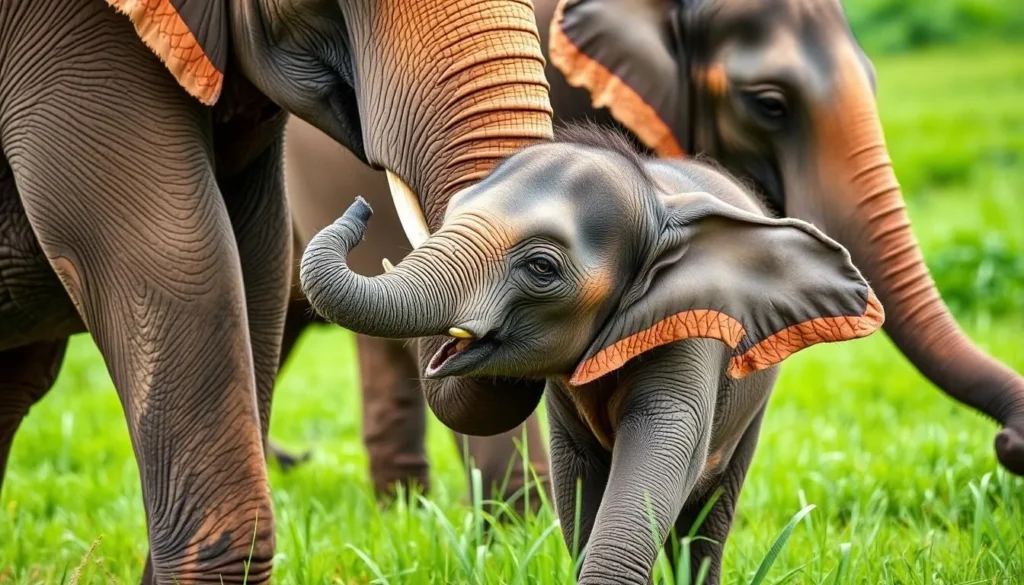
A mother and baby elephant spotted during a safari at Kaudulla National Park
A safari at Kaudulla National Park offers an intimate glimpse into Sri Lanka’s remarkable wildlife. All visitors must enter the park in authorized safari vehicles, typically open-top jeeps that provide excellent visibility for wildlife spotting and photography.
Safari Options
Morning Safari (6:00 AM – 10:00 AM)
Morning safaris are ideal for birdwatching and spotting predators like leopards that are more active in the cooler hours. The soft morning light also creates perfect conditions for photography. While you’ll see fewer elephants than during evening safaris, the overall wildlife diversity can be higher.
Evening Safari (2:00 PM – 6:00 PM)
Evening safaris are the most popular option, especially for elephant enthusiasts. As the day cools, elephants gather around the reservoir in large numbers, creating the spectacular scenes Kaudulla is famous for. The golden afternoon light bathes the landscape, creating magical conditions for photography.
What to Expect on Safari
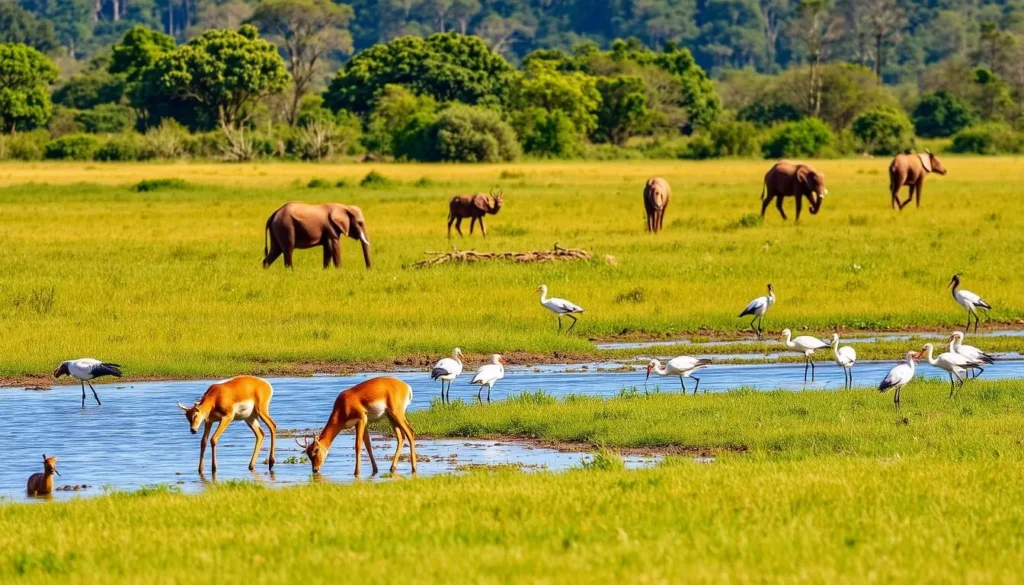
Diverse wildlife including Sri Lankan axis deer and wading birds at Kaudulla
Wildlife Sightings
- Elephants: The stars of the show, with herds of up to 200 during peak season
- Mammals: Sambar deer, Sri Lankan axis deer, wild boar, water buffalo
- Predators: Leopards and sloth bears (rare sightings)
- Birds: Spot-billed pelicans, painted storks, Asian spoonbills, grey-headed fish eagles
- Reptiles: Freshwater turtles, monitor lizards, various snake species
Safari Experience
A typical safari lasts 2-3 hours, with experienced guides who know the best spots for wildlife viewing. The jeeps follow established tracks around the reservoir, stopping at strategic points for observation and photography.
The terrain can be bumpy, especially during the dry season, but the vehicles are designed to handle these conditions. Most jeeps accommodate 4-6 passengers, ensuring everyone gets a good view of the wildlife.
Visitor Tip: “We saw scores of elephants (too many to count) grazing, bathing, playing around. We pulled up our jeep and turned our engine off around twenty metres away from a family unit and just sat and stared in awe.” – John & Ellie, wildlife enthusiasts
Where to Stay Near Kaudulla National Park
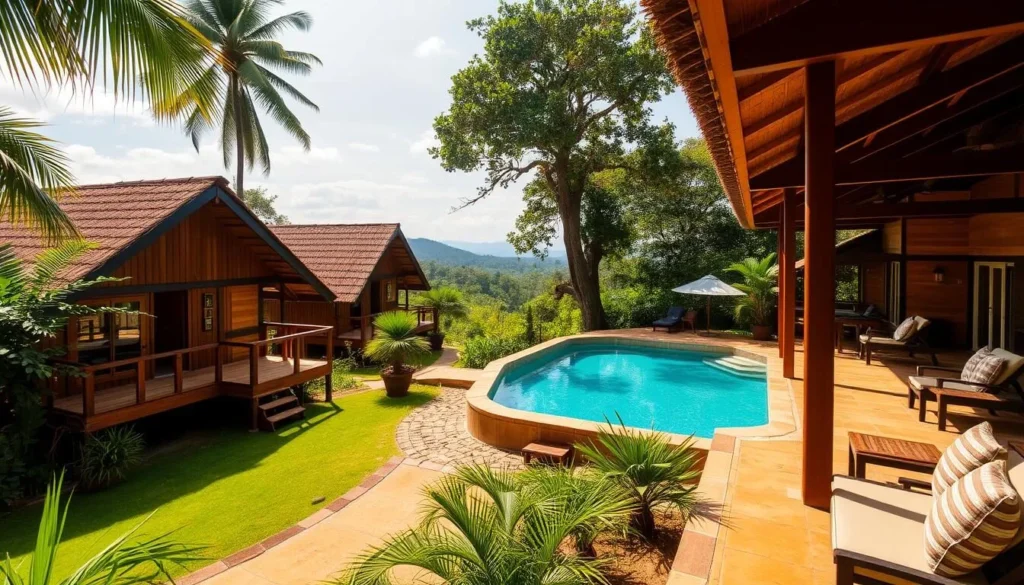
Eco-friendly accommodation options near Kaudulla National Park
While there are no accommodations within Kaudulla National Park itself, the nearby town of Habarana serves as an excellent base for exploring the park. Located just 22 km (14 miles) from Kaudulla, Habarana offers a range of lodging options to suit different budgets and preferences.
Luxury Options
Several upscale resorts and lodges around Habarana offer premium amenities, including swimming pools, spa services, and gourmet dining. Many feature beautiful views of the surrounding landscape and organize safari excursions directly from the property.
Price range: $150-300+ per night
Mid-Range Options
Comfortable hotels and guesthouses provide good value with clean rooms, air conditioning, and on-site restaurants. Many offer package deals that include safari tours to Kaudulla and other nearby attractions like Sigiriya Rock and Minneriya National Park.
Price range: $50-150 per night
Budget Options
Backpacker hostels and simple guesthouses in Habarana offer basic but clean accommodations at affordable prices. These often feature shared facilities and common areas where travelers can connect and potentially share safari costs.
Price range: $15-50 per night
Top Things to Do at Kaudulla National Park
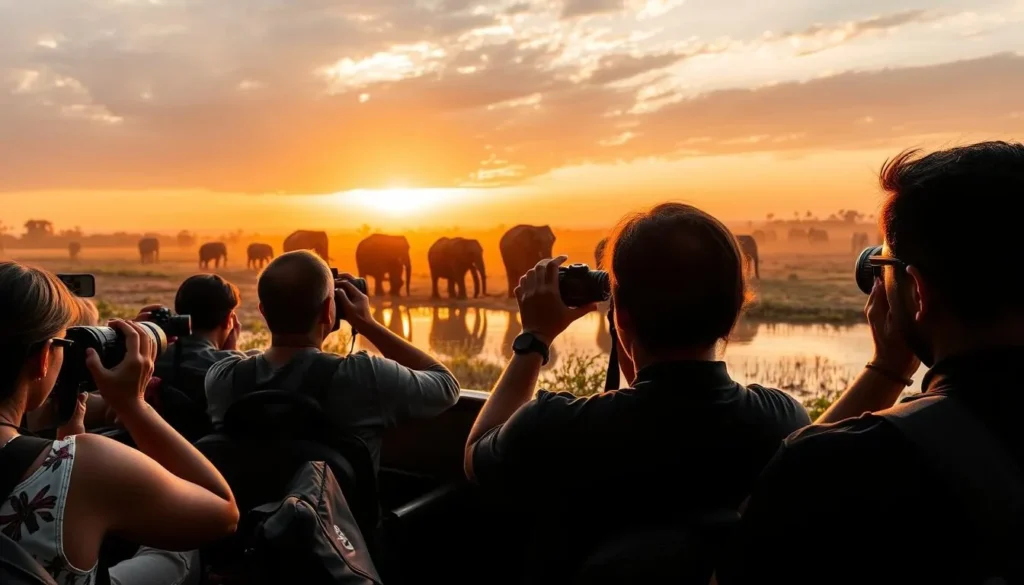
Wildlife photographers capturing the magic of elephant herds during golden hour
1. Witness the Elephant Gathering
The park’s main attraction is undoubtedly the spectacular elephant gathering. During peak season, watch in awe as hundreds of elephants socialize, play, and bathe in the reservoir. Observing their complex social interactions and behaviors offers insights into these intelligent creatures’ lives.
2. Birdwatching Paradise
With around 160 bird species, Kaudulla is a birdwatcher’s dream. Bring binoculars to spot painted storks, spot-billed pelicans, grey-headed fish eagles, and many more. The early morning hours are particularly rewarding for birding enthusiasts.
3. Photography Opportunities
The combination of dramatic landscapes and abundant wildlife makes Kaudulla a photographer’s paradise. The golden light of early morning and late afternoon creates magical conditions for capturing unforgettable images of elephants against the backdrop of the reservoir.
4. Spot Rare Wildlife
Beyond elephants, keep your eyes peeled for sambar deer, Sri Lankan axis deer, wild boar, and if you’re extremely lucky, leopards and sloth bears. The diverse ecosystem supports a wide range of mammals, reptiles, and amphibians.
5. Learn from Expert Guides
Local guides possess invaluable knowledge about the park’s ecosystem and wildlife. Their expertise enhances your safari experience by pointing out easily missed wildlife and sharing fascinating insights about animal behavior and conservation efforts.
6. Explore the Cultural Triangle
Combine your Kaudulla visit with explorations of Sri Lanka’s Cultural Triangle. Nearby attractions include the ancient city of Polonnaruwa, the rock fortress of Sigiriya, and the cave temples of Dambulla – all UNESCO World Heritage sites.
Practical Tips for Visiting Kaudulla National Park
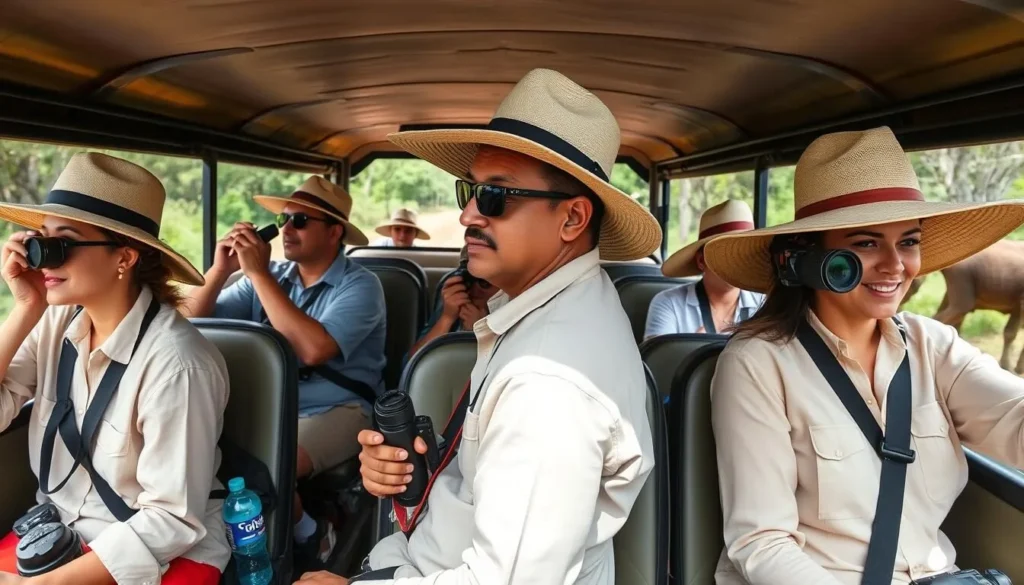
Well-prepared tourists enjoying a safari at Kaudulla National Park
What to Bring
- Camera with zoom lens: Essential for wildlife photography
- Binoculars: Helpful for spotting distant wildlife
- Sun protection: Hat, sunglasses, and sunscreen
- Insect repellent: Particularly important during dawn and dusk
- Light, neutral-colored clothing: Long sleeves and pants recommended
- Water and snacks: Safaris can last several hours
- Cash: For entrance fees and tips
Safari Etiquette
- Respect wildlife: Maintain a safe distance and never feed animals
- Stay in your vehicle: Exiting is prohibited and dangerous
- Keep noise to a minimum: Speak quietly to avoid disturbing animals
- Follow guide instructions: They ensure both your safety and animal welfare
- No littering: Take all trash with you
- Be patient: Wildlife viewing requires time and patience
Entrance Fees and Safari Costs
| Fee Type | Cost (USD) | Notes |
| Park Entrance (Adult Foreign Tourist) | $15-25 | Prices may vary seasonally |
| Jeep Rental (per vehicle) | $30-50 | Typically fits 4-6 people |
| Guide Fee | $10-20 | Highly recommended |
| Service Charge | $8-10 | Administrative fee |
| Complete Safari Package | $50-80 per person | All-inclusive with transportation from nearby hotels |
Important: When booking a safari, confirm whether the quoted price includes all fees (entrance, jeep, guide). Some operators quote only the jeep cost, with park fees payable separately upon arrival.
Conservation and Responsible Tourism
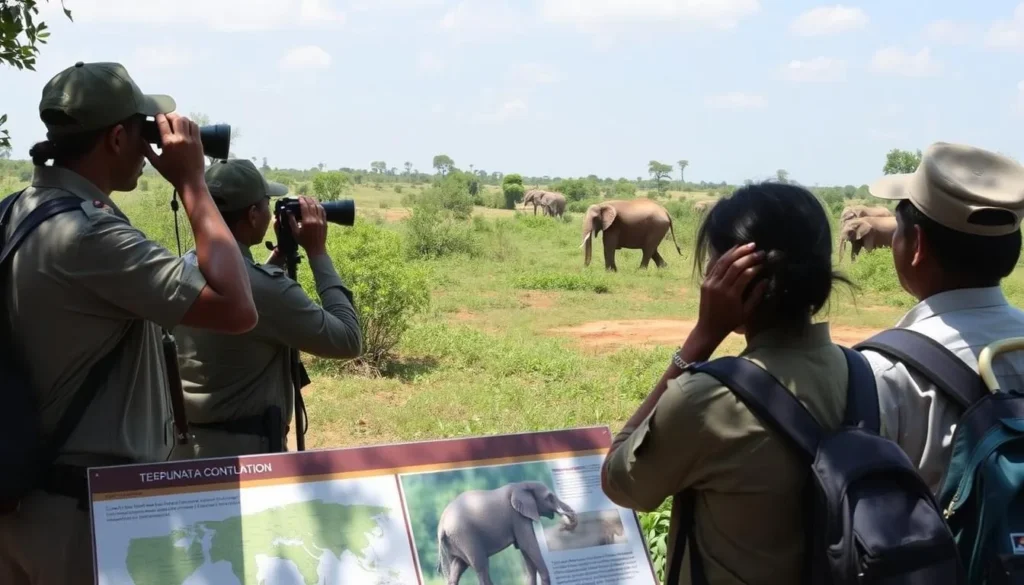
Park rangers monitoring elephant populations as part of conservation efforts
Kaudulla National Park plays a vital role in elephant conservation in Sri Lanka. As human development continues to encroach on traditional elephant habitats and migration routes, protected areas like Kaudulla provide crucial safe havens for these magnificent animals.
Conservation Challenges
Sri Lankan elephants face numerous threats, including habitat loss, human-elephant conflict, and poaching. The protected corridor between Kaudulla, Minneriya, and other national parks helps maintain genetic diversity and natural migration patterns.
Climate change also poses challenges, as changing rainfall patterns affect water availability in the reservoir and can disrupt traditional elephant movements. Conservation efforts focus on maintaining water sources and protecting the surrounding forest habitats.
How Visitors Can Help
- Choose responsible tour operators who prioritize animal welfare and maintain appropriate distances
- Report any concerning behavior by guides or other tourists to park authorities
- Support local conservation organizations working to protect Sri Lanka’s elephants
- Minimize your environmental footprint by avoiding single-use plastics and staying on designated tracks
- Share your experiences to raise awareness about the importance of protecting these magnificent creatures
“The elephant gathering at Kaudulla represents not just a spectacular wildlife sighting, but a testament to successful conservation efforts in Sri Lanka. By visiting responsibly, tourists contribute to the economic value of protecting these habitats.”
Other Attractions Near Kaudulla National Park
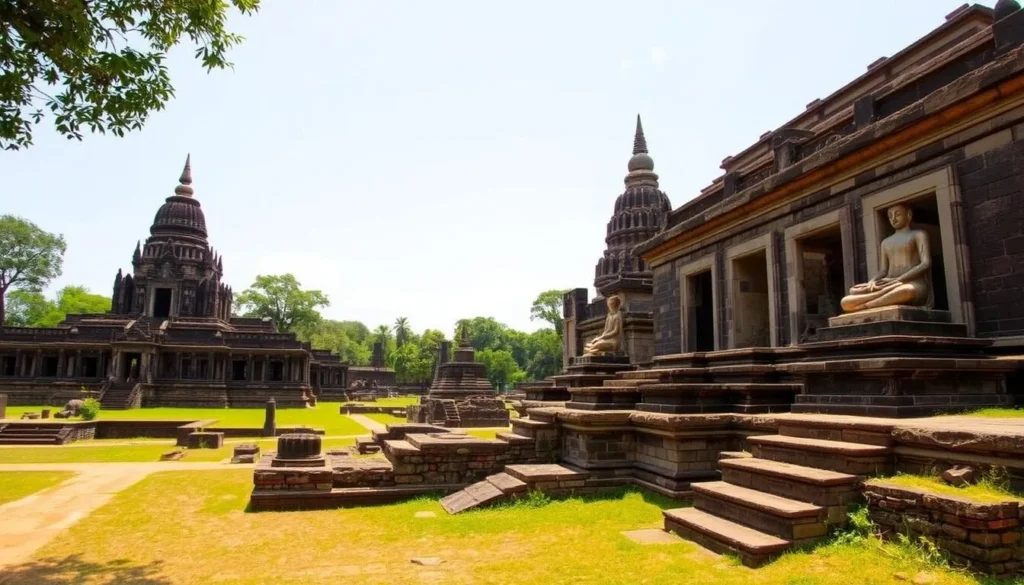
The ancient city of Polonnaruwa, a UNESCO World Heritage site near Kaudulla
Kaudulla’s strategic location in Sri Lanka’s Cultural Triangle makes it an ideal base for exploring some of the country’s most significant historical and natural attractions. Consider extending your stay to visit these nearby highlights:
Minneriya National Park
Just 20 km (12 miles) from Kaudulla, Minneriya is famous for its own elephant gathering from June to August. The two parks form part of the same ecosystem, with elephants moving between them seasonally. Visiting both parks provides a more complete understanding of elephant migration patterns.
Distance from Kaudulla: 20 km (12 miles)
Sigiriya Rock Fortress
This UNESCO World Heritage site features the ruins of an ancient palace built atop a massive 200-meter (656 ft) rock. The climb to the summit rewards visitors with spectacular views and the chance to see remarkable 5th-century frescoes and the famous Lion’s Paw entrance.
Distance from Kaudulla: 30 km (19 miles)
Ancient City of Polonnaruwa
Another UNESCO site, Polonnaruwa was Sri Lanka’s second ancient capital and contains well-preserved ruins of palaces, temples, and Buddhist monuments dating from the 11th and 12th centuries. The compact archaeological park is perfect for exploring by bicycle.
Distance from Kaudulla: 35 km (22 miles)
Plan Your Visit to Kaudulla National Park
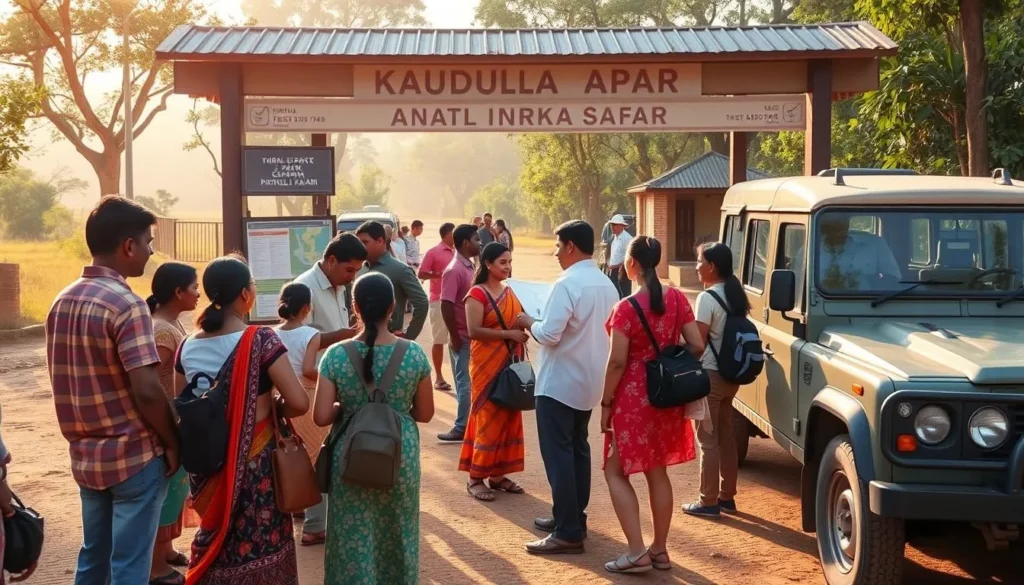
Visitors planning their safari experience at Kaudulla National Park entrance
Ready to experience the magic of Kaudulla National Park? Here’s a comprehensive planning checklist to ensure a smooth and memorable visit:
- Choose the right season: Plan your visit between August and December for the best elephant sightings, with September-October being ideal.
- Book accommodation in advance: Habarana offers the most convenient base, but places fill up quickly during peak season.
- Arrange transportation: Decide whether to rent a car, hire a driver, or use public transport to reach the Habarana area.
- Book a safari tour: Either arrange through your accommodation or book with a reputable tour operator in advance.
- Pack appropriately: Bring camera equipment, binoculars, sun protection, and comfortable clothing in neutral colors.
- Prepare for early mornings: Safari departures are typically very early, especially for morning sessions.
- Bring sufficient cash: ATMs may be limited in smaller towns, so have enough for entrance fees, tips, and other expenses.
Experience the Magic of Kaudulla National Park
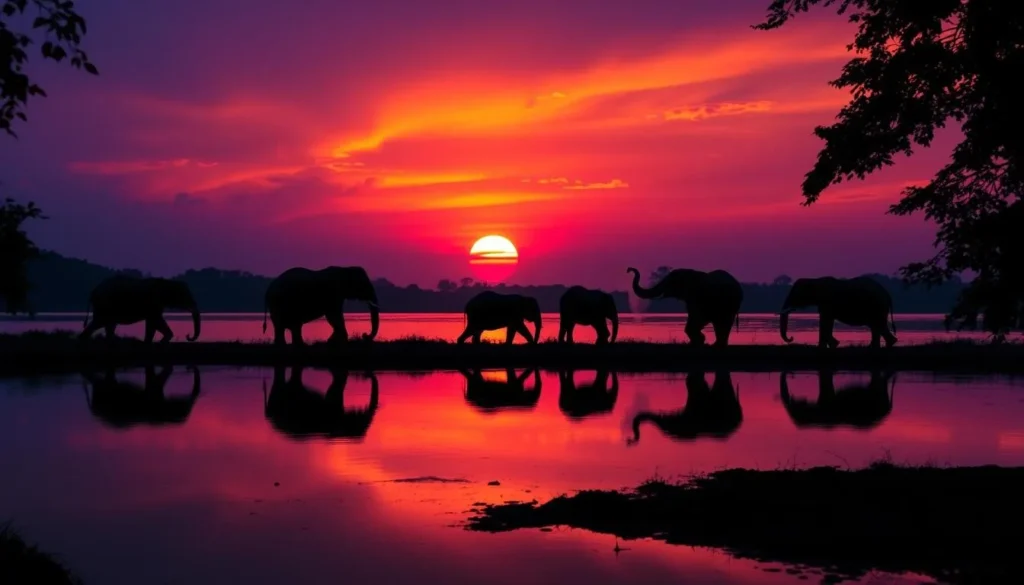
The magical sunset at Kaudulla with elephants silhouetted against the golden sky
Kaudulla National Park offers one of Sri Lanka’s most magical wildlife experiences. The sight of hundreds of elephants gathering around the ancient reservoir, set against the backdrop of stunning landscapes, creates memories that will last a lifetime. Beyond the famous elephant gathering, the park’s rich biodiversity and cultural significance make it a must-visit destination for nature lovers and photographers alike.
By timing your visit right and approaching your safari with respect for both the wildlife and their habitat, you’ll be rewarded with an authentic glimpse into the natural wonders of Sri Lanka. Whether you’re watching a playful baby elephant learning to use its trunk, observing the complex social interactions of a herd, or simply soaking in the serenity of this beautiful ecosystem, Kaudulla promises an unforgettable adventure in the heart of Sri Lanka’s wilderness.
Start planning your journey to Kaudulla National Park today and prepare to be amazed by one of Asia’s most spectacular wildlife gatherings!
0 Comments