

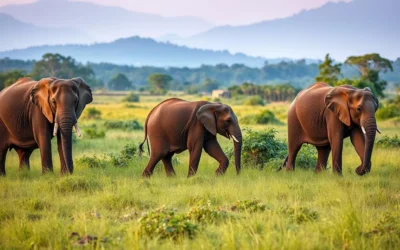
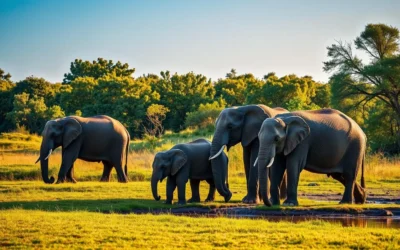
Did you know that Kayts Island was once a major elephant trading port in ancient Sri Lanka? Known as “Caes dos Elefantes” (Elephant’s Quay) by Portuguese colonizers, this hidden gem in northern Sri Lanka offers a fascinating blend of colonial history, pristine beaches, and authentic Tamil culture largely untouched by mass tourism. Just a short distance from Jaffna peninsula, Kayts Island provides travelers with a genuine Sri Lankan experience away from the usual tourist trails.
Getting There & Planning Your Journey
Reaching Kayts Island requires first traveling to Jaffna, the main city of Sri Lanka’s Northern Province. From Colombo, you can take a comfortable intercity bus (10-12 hours) or opt for a domestic flight to Jaffna Airport. Once in Jaffna, Kayts Island is accessible via the Kayts Causeway, a historic 3.25 km structure built by the British in the 19th century that connects the island to the mainland.
For travelers seeking convenience, hiring a private driver from Jaffna is recommended. The journey takes approximately 30 minutes and allows you to stop at points of interest along the way. Alternatively, local buses run regularly between Jaffna and Kayts, offering an economical option for budget travelers.
Best Time to Visit & Weather Tips
The best time to visit Kayts Island is during the dry season from May to September. During these months, the weather is mild and pleasant, making it ideal for beach activities and outdoor exploration. The average temperature hovers around 27°C (80°F) with minimal rainfall.
Recommended Months
- May – Early summer with warm temperatures and low humidity
- June – Perfect beach weather with calm seas
- July – Peak season with ideal conditions for water activities
- August – Continued dry weather with occasional cooling breezes
- September – End of dry season with slightly increasing humidity
Months to Avoid
- October to December – Northeast monsoon brings heavy rainfall
- January – Unpredictable weather patterns
- February to April – Increasing heat and humidity
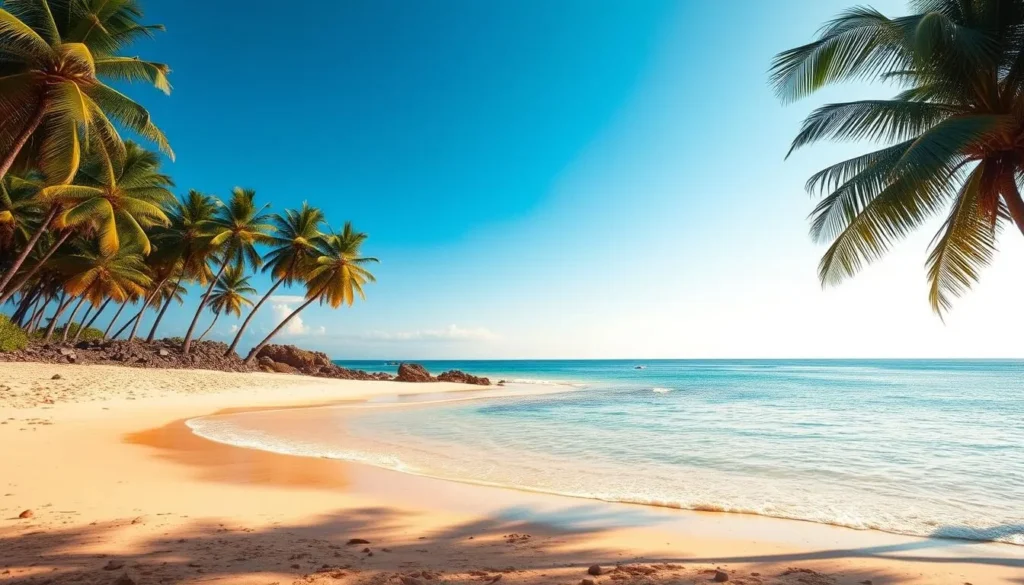
While Kayts can be visited year-round, the monsoon season (October to December) brings heavy rainfall that may limit outdoor activities. If you do visit during this period, morning excursions are recommended as afternoon showers are common. The island’s temperature remains relatively consistent throughout the year, with the feels-like temperature often reaching 31°C (88°F) due to humidity.
Getting Around Locally
Kayts Island is relatively small, making it easy to explore. Here are the best ways to get around:
Tuk-Tuks
These colorful three-wheelers are readily available and offer a convenient way to reach specific destinations. Negotiate the fare before starting your journey, with typical rides costing between 200-500 LKR depending on distance.
Bicycle Rental
Cycling is an excellent way to explore Kayts at your own pace. Several guesthouses offer bicycle rentals for approximately 500 LKR per day, allowing you to discover hidden corners of the island.
Walking
Many attractions within villages are within walking distance of each other. Walking allows you to immerse yourself in local life and discover unexpected treasures along the way.

Where to Stay
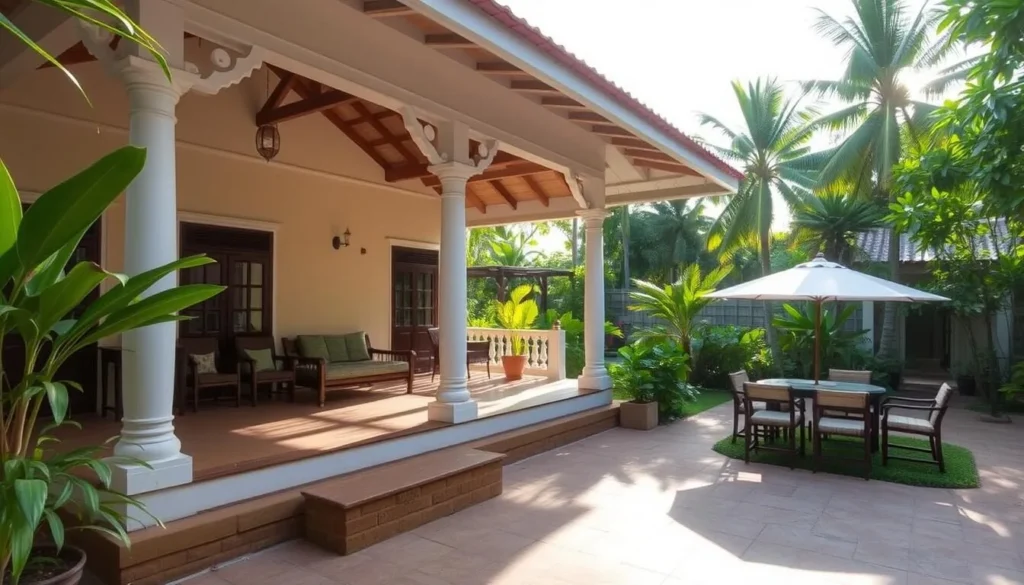
Accommodation options on Kayts Island are limited but authentic, offering a genuine local experience. Most visitors choose to stay in Jaffna and make day trips to Kayts, but staying on the island provides a more immersive experience.
Guesthouses
Family-run guesthouses offer clean, basic rooms with authentic hospitality. Many include home-cooked meals featuring fresh seafood and traditional Tamil cuisine. Prices range from 2,000-4,000 LKR per night.
Homestays
For cultural immersion, homestays provide the opportunity to live with local families. These budget-friendly options allow you to experience daily island life and enjoy home-cooked meals while supporting the local community directly.
Jaffna Hotels
If you prefer more amenities, staying in Jaffna and making day trips to Kayts is a practical option. Jaffna offers a wider range of accommodations from budget to mid-range hotels with modern facilities.
Dining & Local Cuisine
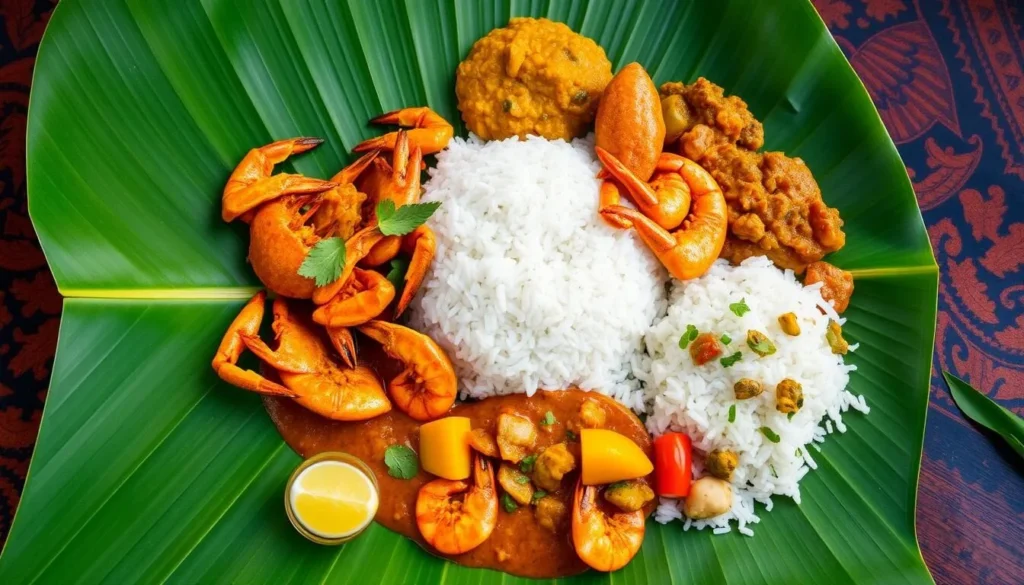
The food in Kayts Island is a delightful fusion of Tamil culinary traditions and coastal flavors. The island’s location ensures an abundance of fresh seafood, while traditional Tamil recipes have been preserved through generations.
Must-Try Local Dishes
- Jaffna Crab Curry – The region’s signature dish featuring fresh lagoon crabs in a spicy curry with distinct northern flavors
- String Hoppers – Steamed rice noodle nests served with coconut sambal and various curries
- Pittu – Cylindrical steamed rice and coconut dish accompanied by coconut milk and curry
- Odiyal Kool – A traditional seafood soup thickened with palmyra root flour, containing crab, prawns, fish, and vegetables
- Jaffna-style Dosai – Crispy pancakes made from fermented rice and lentil batter, paired with chutney and sambar
- Vadai – Deep-fried lentil fritters, often served as a snack with tea
- Fresh Toddy – Fermented coconut palm sap, a popular local beverage
- Karawila Curry – Bitter gourd curry, a northern specialty
- Mangoes – Jaffna is famous for its exceptionally sweet mangoes, a must-try when in season
Most dining options on Kayts Island are small, family-run establishments or your accommodation’s in-house kitchen. For a truly authentic experience, ask your host about arranging a meal with a local family, where you can enjoy traditional home cooking and cultural exchange.
Attractions, Sightseeing & Activities
Despite its small size, Kayts Island offers a variety of attractions that showcase its rich history, natural beauty, and cultural heritage.
Historical Sites
Kayts Island Fort
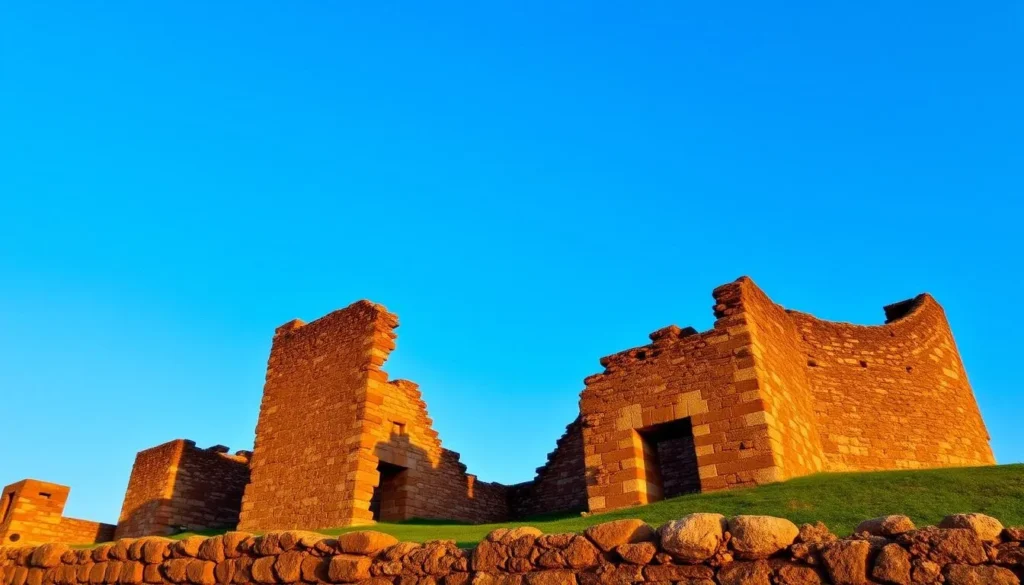
Built by the Portuguese in 1629, this historic fort offers a glimpse into the island’s colonial past. Though now in ruins, you can still explore the horseshoe-shaped structure with its thick walls and bastions. Archaeological studies reveal it was once equipped with artillery pieces and housed a garrison of 40 soldiers.
Kayts Harbour
Once a major port for trading elephants and horses, Kayts Harbour remains an important site for local fishing and trade. Early morning visits offer the opportunity to witness traditional fishing methods and the vibrant activity of fishermen bringing in their daily catch.
Religious Sites
Nagadeepa Purana Vihara
Located on a nearby island accessible by boat from Kayts, this ancient Buddhist temple is believed to have been visited by Lord Buddha. With a history dating back to the 6th century BC, it’s one of Sri Lanka’s most sacred Buddhist sites, featuring a stupa, Buddha statue, and religious artifacts.
Hindu Temples
As the majority of Kayts’ population is Tamil Hindu, the island is home to several colorful Hindu temples. These temples showcase traditional Dravidian architecture and offer insight into the local religious practices and cultural traditions.

Natural Beauty & Beaches
Kayts Island is blessed with natural beauty, from pristine beaches to serene lagoons. The coastal setting provides ample opportunities for relaxation and water activities.
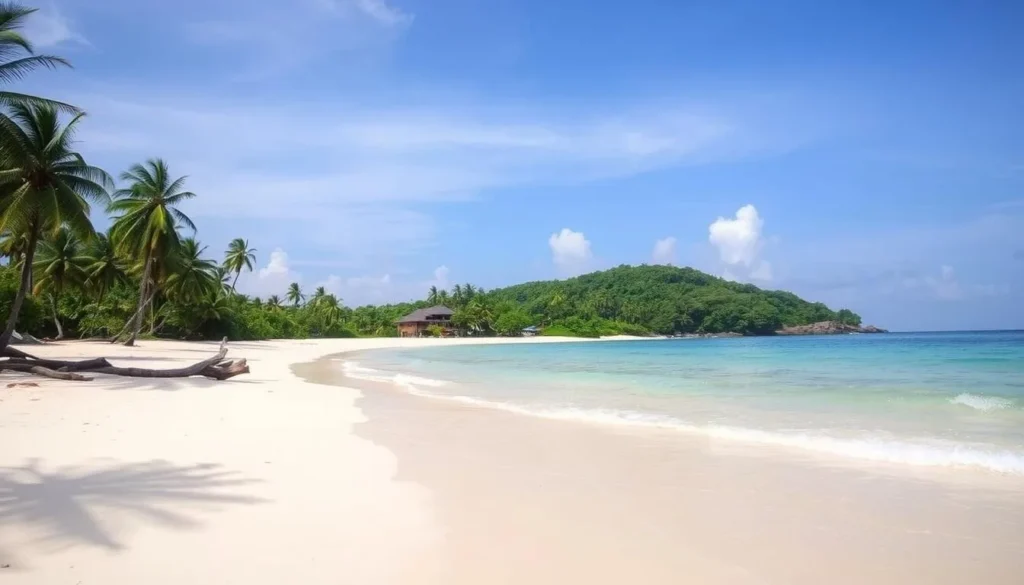
Kayts Beach
Known for its pristine sands and clear blue waters, Kayts Beach offers a tranquil escape with picturesque views of the Indian Ocean. The serene atmosphere makes it perfect for relaxation and sunbathing, while the surrounding coconut groves add to its tropical charm.
Lagoons & Waterways
The island is surrounded by lagoons and narrow waterways that are ideal for boat rides and bird watching. These calm waters are home to diverse marine life and water birds, offering excellent opportunities for nature photography.
Snorkeling Spots
The waters around Kayts Island are teeming with vibrant marine life, making it a popular destination for snorkeling. Local fishermen can guide you to the best spots where you can explore colorful coral formations and tropical fish.
Nearby Excursions
While Kayts Island itself offers plenty to explore, several nearby destinations make for excellent day trips.
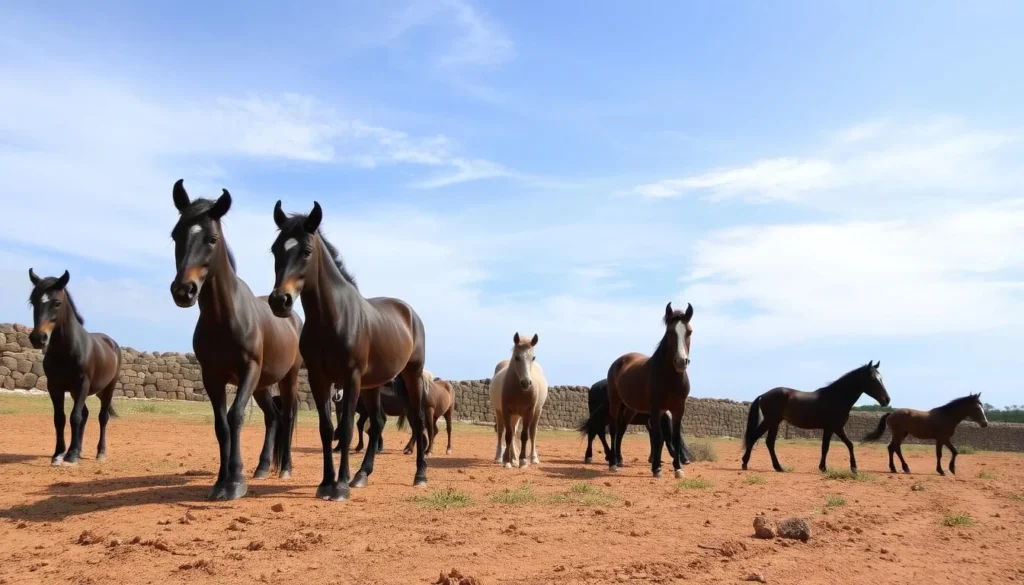
Delft Island
Located off the coast of Kayts, Delft Island is renowned for its wild ponies, coral walls, and Dutch colonial ruins. The island’s unique landscape includes the Giant’s Footprint rock formation and a 700-year-old Baobab tree. Regular ferry services operate from Kayts to Delft.
Jaffna Fort
A short journey from Kayts takes you to the historic Jaffna Fort, built by the Portuguese in the 17th century and later expanded by the Dutch and British. This star-shaped fort is one of the best-preserved colonial structures in Sri Lanka and houses a museum showcasing the region’s history.
Nilavarai Bottomless Well
This natural wonder on the mainland is shrouded in mystery and local legends. The well’s depth has never been measured, and it’s believed to connect to the sea through underground tunnels. The crystal-clear water with its bluish tint makes it a fascinating site to visit.
Culture & Traditions
Kayts Island’s culture is predominantly influenced by Tamil traditions, with the majority of the population being Tamil Hindus. The island’s cultural identity has been preserved despite the challenges faced during Sri Lanka’s civil war.

Festivals & Celebrations
- Thai Pongal (January) – A harvest festival where families gather to prepare a special dish called “Pongal” and offer prayers to the sun god
- Tamil New Year (April) – Known as “Puthandu,” this festival marks the beginning of the Tamil calendar year with rituals, special meals, and cultural performances
- Navarathri (September/October) – A nine-night festival dedicated to the goddess Durga, involving worship of different forms of the goddess and traditional music and dance performances
- Deepavali (October/November) – The festival of lights celebrates the victory of light over darkness with oil lamps and fireworks
- Maha Shivaratri (February/March) – Devotees observe this festival in honor of Lord Shiva with fasting, prayers, and religious rituals throughout the night
- Local Fishing Festivals – Celebrating the island’s maritime heritage with boat races and special ceremonies
Visiting during these festivals provides a unique opportunity to experience the island’s vibrant cultural traditions. Local temples often welcome visitors to observe ceremonies, though appropriate dress (covering shoulders and knees) is expected when visiting religious sites.
Practical Travel Tips
Planning your visit to Kayts Island requires some preparation to ensure a smooth and enjoyable experience.

Safety
Kayts Island is generally safe for travelers, with friendly and hospitable locals. However, standard travel precautions apply – keep valuables secure and be mindful of your surroundings. The northern region has fully recovered from past conflicts, but some areas may have limited infrastructure.
Language
Tamil is the primary language spoken on Kayts Island. While English is understood in tourist areas and by younger residents, learning a few basic Tamil phrases can enhance your experience and show respect for the local culture. Sinhalese is less commonly spoken here than in southern Sri Lanka.
Money & Costs
There are limited ATM facilities on Kayts Island, so it’s advisable to bring sufficient cash from Jaffna. Most small establishments don’t accept credit cards. Costs are generally lower than in more touristy parts of Sri Lanka, with budget travelers able to manage on 3,000-5,000 LKR per day.
What to Pack
- Lightweight, breathable clothing suitable for hot weather
- Modest attire for visiting religious sites (covering shoulders and knees)
- Sun protection (hat, sunglasses, sunscreen)
- Insect repellent
- Comfortable walking shoes
- Swimwear for beaches
- Basic first aid kit
- Reusable water bottle to reduce plastic waste
Experience the Authentic Sri Lanka on Kayts Island
Kayts Island offers travelers a rare opportunity to experience the authentic culture, history, and natural beauty of northern Sri Lanka away from the usual tourist crowds. From exploring colonial ruins and sacred temples to relaxing on pristine beaches and savoring distinctive Tamil cuisine, this hidden gem rewards those willing to venture off the beaten path.

Whether you’re seeking cultural immersion, historical exploration, or simply a peaceful retreat, Kayts Island delivers an unforgettable Sri Lankan experience that few travelers discover. As tourism slowly grows in this region, now is the perfect time to visit this unspoiled destination before it changes. Pack your sense of adventure and prepare to be charmed by the island once known as the “Elephant’s Quay.”

0 Comments