

Did you know that Kumana National Park hosts over 255 bird species and is home to Sri Lanka’s largest gathering of migratory birds? Once known as Yala East, this 357-square-kilometer wildlife sanctuary on Sri Lanka’s southeastern coast offers one of the most authentic safari experiences on the island. Unlike its famous neighbor Yala National Park, Kumana remains relatively uncrowded, allowing visitors to enjoy close encounters with leopards, elephants, and rare birds in a more intimate setting.
Kumana National Park: A Wildlife Paradise
Established in 1939 as Yala East and renamed Kumana in 1989, this national park forms part of the larger Yala complex. What sets Kumana apart is its incredible biodiversity concentrated in diverse habitats ranging from dense jungles to serene lagoons and mangrove swamps.
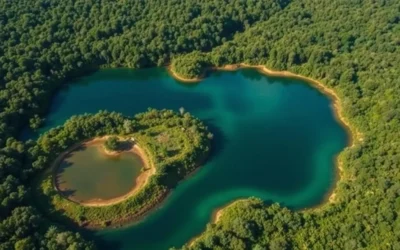
The park’s crown jewel is the 200-hectare Kumana bird reserve, an ornithologically rich mangrove swamp that attracts tens of thousands of birds during migration season. Beyond birds, the park is home to leopards, elephants, sloth bears, crocodiles, and numerous other species that thrive in this protected wilderness.
Best Time to Visit Kumana National Park
Timing your visit right can make all the difference to your Kumana experience. The park’s accessibility and wildlife viewing opportunities vary significantly throughout the year.
Recommended Seasons
Dry Season (April to September)
- Best overall time for wildlife viewing
- Peak bird migration from April to July
- Wildlife concentrates around water sources
- Average temperatures of 26-30°C (79-86°F)
- Better road conditions for safari vehicles
Seasons to Avoid
- Northeast monsoon (October to January)
- Heavy rains make roads difficult to navigate
- Some areas of the park become inaccessible
- Wildlife sightings less frequent and predictable
- Leeches more common during wet conditions
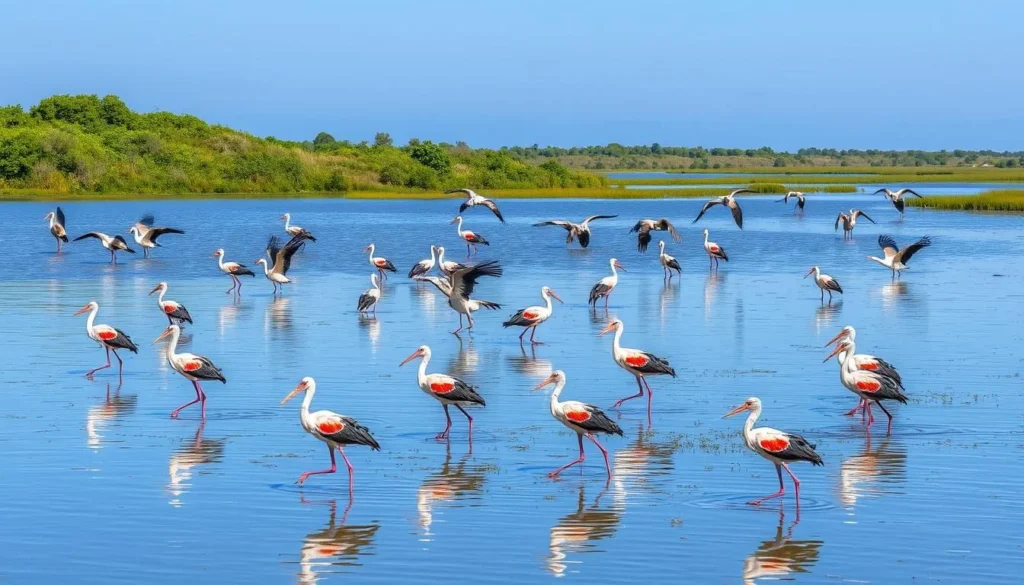
For birdwatchers, the period from May to June is particularly special as it’s nesting season in the bird sanctuary. This is when you’ll have the best chance of spotting rare species like the Black-necked Stork, Lesser Adjutant, and Eurasian Spoonbill.
Getting There & Planning Your Journey

Kumana National Park is located on Sri Lanka’s southeastern coast, approximately 391 km from Colombo. There are several routes to reach the park:
From Colombo
- By Road: Two main routes fork at Pelmadulla and meet again at Wellawaya. From there, continue through Monaragala, Pottuvil, and Panama to reach the park entrance. The journey takes approximately 7-8 hours.
- By Air: Take an air taxi from Colombo (Peliyagoda) to Arugam Bay, then travel by road to the park entrance.
- By Helicopter: Charter services are available from Bandaranaike Airport or Ratmalana to land near Kumana.
Where to Stay

Accommodation options around Kumana National Park range from luxury tented camps within the park to comfortable hotels in nearby Arugam Bay and Pottuvil.
Inside the Park
For an immersive wildlife experience, consider staying at one of the tented safari camps inside Kumana National Park. These fully serviced, all-inclusive camps offer the unique opportunity to stay within the park boundaries, maximizing your wildlife viewing opportunities.
- Explorer by Mahoora: Luxury mobile tented camps with en-suite bathrooms, gourmet meals, and guided safaris.
- Eco Team Camps: Comfortable tented accommodations with experienced naturalist guides.
Nearby Accommodations
Many visitors choose to stay in Arugam Bay (approximately 22 km from the park entrance), which offers a range of accommodation options and is known for its beautiful beaches and surfing.
- Jetwing Surf: A luxury beachfront hotel in Arugam Bay with easy access to Kumana National Park.
- Hotels in Pottuvil: Several mid-range and budget options available in this nearby town.
- Panama Guesthouses: Simple accommodations closer to the park entrance.
Wildlife Encounters in Kumana National Park
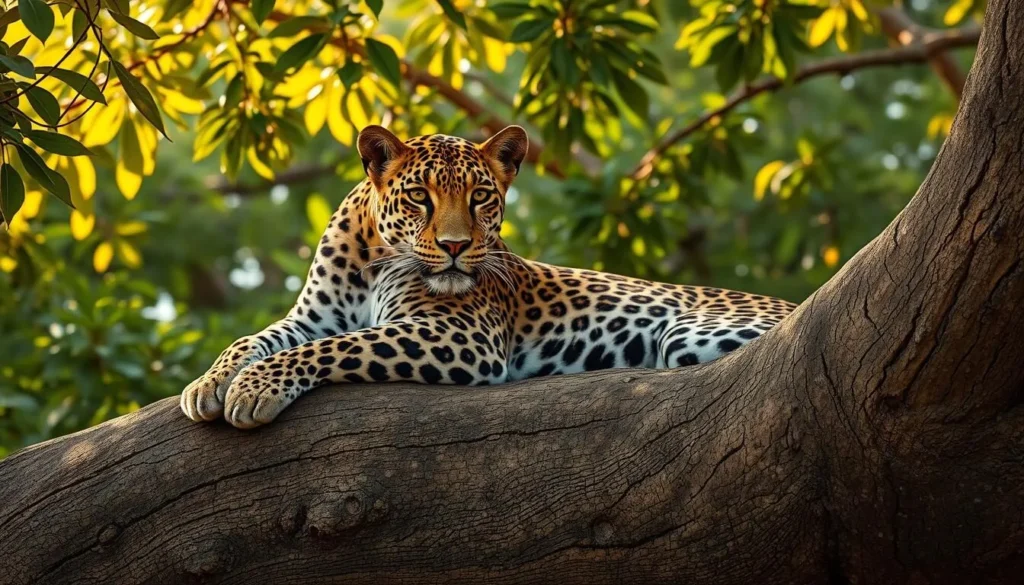
Kumana National Park is renowned for its incredible biodiversity. While the density of animals may be lower than in neighboring Yala, the experience is far more authentic and less crowded.
Mammals
- Leopards: Kumana is home to the elusive Sri Lankan leopard. Early morning or late afternoon safaris offer the best chance for sightings.
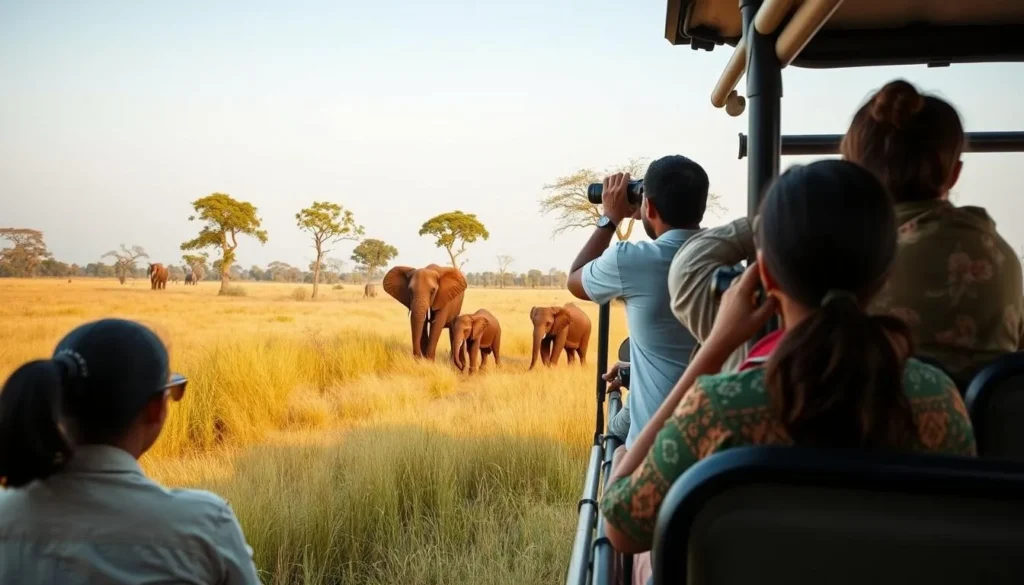
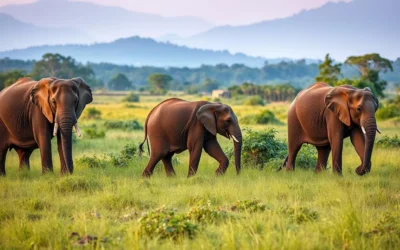
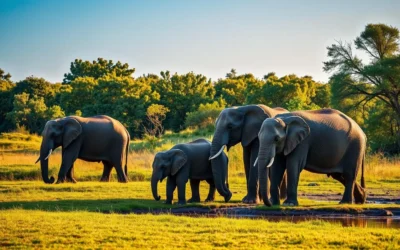
- Sri Lankan Elephants: Approximately 30-40 elephants reside in the park, often seen roaming the grasslands or drinking from lagoons.
- Sloth Bears: Though rarely spotted, about a dozen bears live within the park.
- Other Mammals: Golden jackals, wild buffalo, various deer species, and the rare European otter can also be found here.

Birds
Often referred to as the Kumana Bird Sanctuary, the park has recorded over 255 species of birds, making it a paradise for birdwatchers.
- Resident Species: Malabar pied hornbills, green bee-eaters, blade-headed orioles, and painted storks.
- Migratory Birds: From April to July, tens of thousands of birds migrate to Kumana, including Asian openbills, glossy ibis, purple herons, and spot-billed pelicans.
- Rare Sightings: The rare black-necked stork, lesser adjutant, Eurasian spoonbill, and great thick-knee.
Reptiles and Other Wildlife
- Crocodiles: Often seen basking on the banks of Kumana Lagoon.
- Water Monitors: These large lizards are commonly spotted near water bodies.
- White Cobras: Though rarely seen, these venomous snakes inhabit the park.
- Turtles: Various species can be found in the park’s water bodies.
Things to Do in Kumana National Park
Safari Game Drives
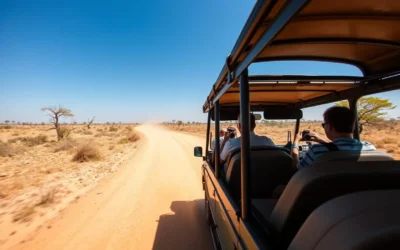
The primary activity in Kumana National Park is wildlife safaris. Most visitors arrange jeep safaris through guesthouses in Arugam Bay or directly at the park entrance.
- Morning Safaris: Departing before dawn (around 5:00 AM) to catch the dawn chorus and early wildlife activity.
- Afternoon Safaris: Starting around 2:00 PM to make the most of the golden dusk when nocturnal animals begin to emerge.
- Full-Day Safaris: For dedicated wildlife enthusiasts, full-day safaris can be arranged with a packed lunch.
A typical safari costs around Rs 10,000 (approximately $50 USD) per vehicle for a 3½-hour trip, including park fees. Each vehicle comes with a mandatory guide who is usually an expert spotter.

Bird Watching
Kumana is a world-class destination for bird watching, particularly from April to July during migration season.
- Watchtowers: Several observation towers provide excellent vantage points for bird watching.
- Guided Bird Tours: Specialized bird watching tours with knowledgeable guides can be arranged.
- Equipment: Bring binoculars and a field guide to birds to enhance your experience.
Other Activities
- Kumana Lagoon Boat Safari: Explore the lagoon by boat to witness aquatic life, including crocodiles and water monitors.
- Visit Kudumbigala Forest Hermitage: This ancient Buddhist monastery complex with over 200 shrines is located just 2.5 miles from the park.
- Explore Okanda Sri Murugan Kovil: A colorful Hindu temple near the park entrance that’s a major point on the Pada Yatra pilgrimage to Kataragama.
Practical Travel Tips

Safari Tips
- Clothing: Wear neutral-colored, comfortable clothing. Long sleeves and pants are recommended for protection from sun and insects.
- Sun Protection: Bring sunscreen, a wide-brimmed hat, and sunglasses.
- Equipment: Binoculars and a good camera with zoom lens will enhance your wildlife viewing experience.
- Water and Snacks: Bring plenty of water and some snacks, especially for longer safaris.
- Insect Repellent: Essential, particularly during dawn and dusk.
Park Regulations and Etiquette
- Wildlife Distance: Maintain a safe distance from animals and avoid disturbing their natural habitat.
- Noise Levels: Keep noise to a minimum to avoid scaring away wildlife.
- No Littering: Take all trash with you when leaving the park.
- Stay in Vehicle: For safety reasons, remain in your safari vehicle unless at designated stopping points.
- Photography: No flash photography around animals.
Entry Fees and Logistics
Park entry fees are approximately US$10/5 per adult/child, plus additional charges for vehicle hire (Rs 250), a service charge per group (US$8), and VAT (8%). Fees are subject to change, so it’s best to confirm current rates before your visit.
The park is open from 6:00 AM to 6:00 PM daily, with most safaris entering early morning or mid-afternoon.
Exploring Beyond Kumana National Park

While Kumana National Park is a destination in itself, the surrounding area offers several attractions worth exploring:
Nearby Attractions
- Arugam Bay: Just 22 km from Kumana, this beautiful beach is world-renowned for surfing and offers a relaxed atmosphere.
- Lahugala Kitulana National Park: Adjacent to Kumana, this park offers different landscapes and wildlife experiences.
- Magul Maha Vihara: An evocative 5th-century ruin set in a peaceful forested spot about 12 km west of Pottuvil.
- Mudu Maha Vihara: Ancient ruins partly submerged in encroaching sand dunes near Pottuvil.
- Panama: A small fishing village that serves as a gateway to Kumana, offering insights into local life.
Local Culture
The eastern coast of Sri Lanka has a unique cultural blend of Sinhalese, Tamil, and Muslim communities. Take time to experience local traditions, cuisine, and way of life in the villages surrounding Kumana National Park.
Plan Your Kumana National Park Adventure
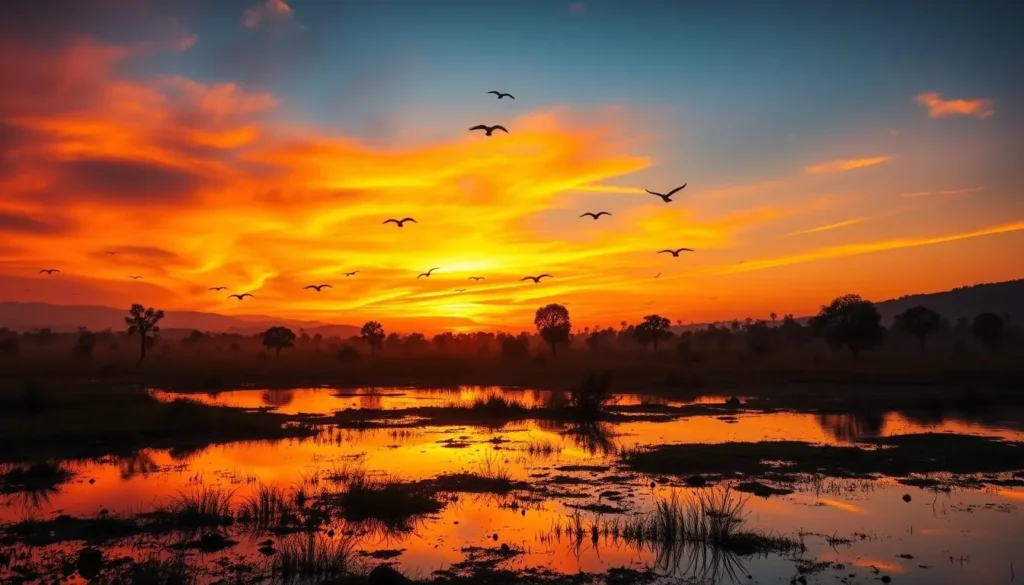
Kumana National Park offers a genuine wilderness experience that’s becoming increasingly rare in our modern world. With its rich biodiversity, stunning landscapes, and relatively uncrowded conditions, it provides an authentic safari experience that rivals any in Sri Lanka.
Whether you’re a dedicated birdwatcher, wildlife photographer, or simply a nature enthusiast seeking connection with the wild, Kumana delivers unforgettable encounters with some of Sri Lanka’s most magnificent creatures in their natural habitat.
The best way to experience Kumana is to take your time—spend at least two days exploring different areas of the park, and if possible, stay at one of the tented camps within its boundaries for a truly immersive experience.
The above is subject to change.
Check back often to TRAVEL.COM for the latest travel tips and deals.

0 Comments