

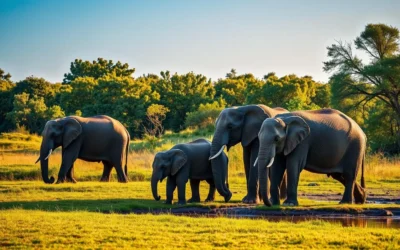
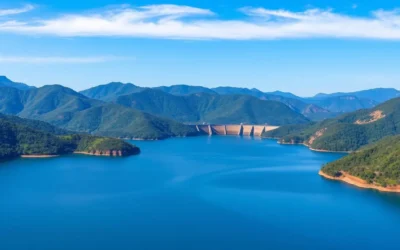
Serving as a crucial wildlife corridor between Sri Lanka’s famous Yala and Udawalawe National Parks, Lunugamvehera National Park remains one of the island’s best-kept secrets. Established in 1995, this 23,498-hectare sanctuary protects not only the vital catchment area of the Lunugamvehera reservoir but also provides a safe passage for over 200 elephants migrating between parks. Despite its ecological importance and impressive biodiversity featuring 183 bird species and 43 mammal species, Lunugamvehera receives just a fraction of the visitors that flock to its more famous neighbors – making it perfect for travelers seeking authentic wildlife encounters without the crowds.
Getting There & Planning Your Journey
Located 261 km southwest of Colombo, Lunugamvehera National Park sits between the Uva and Southern provinces of Sri Lanka. The park is accessible via Tissamaharama in the Southern province or through Kalawana in the Sabaragamuwa province. The nearest major city is Hambantota, making it a convenient addition to a southern Sri Lanka itinerary.
For international travelers, the journey begins with a flight to Bandaranaike International Airport in Colombo. From there, you have several options to reach the park:
- Private car hire: The most convenient option, taking approximately 4-5 hours from Colombo
- Public bus: Budget-friendly but requires transfers and takes 6-7 hours
- Train: Scenic route to Matara, then connecting by bus or taxi to the park
Best Time to Visit & Weather Tips

Lunugamvehera National Park is located in Sri Lanka’s dry zone, experiencing annual drought periods relieved by the southwestern monsoon. The park can be visited year-round, but certain months offer better wildlife viewing opportunities.
Recommended Visiting Seasons:
| Season | Months | Temperature | Rainfall | Wildlife Viewing |
| Dry Season (Best) | May to September | 30-35°C (86-95°F) | Minimal | Excellent – animals gather at water sources |
| Inter-monsoon | March to April | 28-32°C (82-90°F) | Occasional showers | Very good |
| Northeast Monsoon | October to November | 26-30°C (79-86°F) | Moderate | Good – lush landscapes |
| Wet Season (Avoid) | December to February | 25-29°C (77-84°F) | Heavy at times | Limited – some roads may be impassable |
The Thanamalvila area near the park receives approximately 1,000 mm (39 in) of annual rainfall, with precipitation decreasing from north to south and west to east across the park. The mean annual temperature hovers around 30°C (86°F), making lightweight, breathable clothing essential for visitors.
Pro Tip: The best wildlife viewing times are early morning (6:00-9:00 AM) and late afternoon (3:30-6:00 PM) when animals are most active. Plan your safari during these hours for optimal sightings.
Getting Around Locally

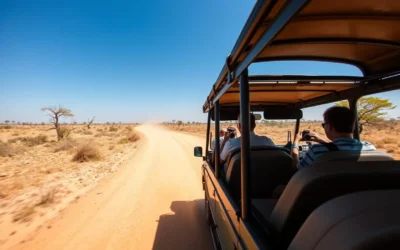
Exploring Lunugamvehera National Park is primarily done through safari jeep tours. The park’s terrain requires 4×4 vehicles, and private vehicles are not permitted to enter without proper authorization.
Safari Options:
- Private safari: Exclusive jeep with a driver/guide (recommended for serious wildlife enthusiasts)
- Shared safari: Join other travelers to split costs (more economical option)
- Half-day safari: 3-4 hours, typically in morning or afternoon
- Full-day safari: 6-8 hours with meal breaks (for comprehensive exploration)
Most safari operators provide an experienced driver who doubles as a tracker. These local experts know the best spots for wildlife sightings and can identify various species. For a more educational experience, consider hiring a specialized naturalist guide in addition to your driver.
Where to Stay

While there are no accommodations within Lunugamvehera National Park itself, several options are available in nearby towns. Most visitors choose to stay in Tissamaharama (commonly called Tissa) or Hambantota, both within 30-45 minutes’ drive from the park entrance.
Budget Options
- Guesthouses in Tissamaharama ($15-30/night)
- Homestays with local families
- Basic hotels with essential amenities
Mid-Range Options
- Safari-themed hotels ($50-100/night)
- Boutique guesthouses with local character
- Comfortable resorts with swimming pools
Luxury Options
- Premium resorts in Hambantota ($150+/night)
- Eco-luxury lodges with all-inclusive packages
- Private villas with dedicated staff
Dining & Local Cuisine
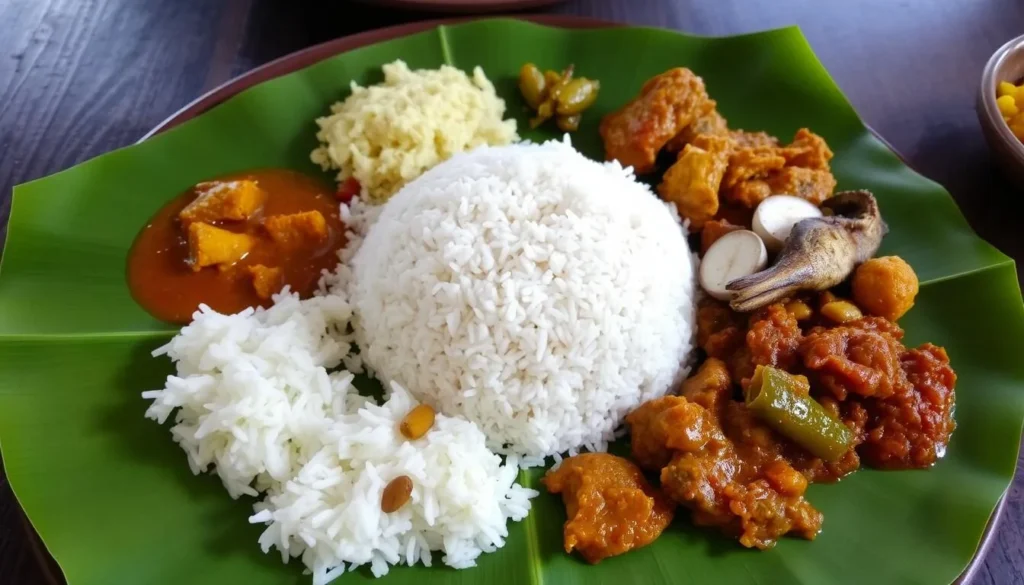
Dining options within Lunugamvehera National Park are limited, so it’s advisable to carry water and snacks during your safari. Most substantial meals will be enjoyed in nearby towns or at your accommodation.
Must-Try Local Dishes:
- Rice and Curry – The staple Sri Lankan meal featuring rice served with multiple curry dishes
- Hoppers (Appa) – Bowl-shaped pancakes made from fermented rice flour, often served with egg
- Kottu Roti – Chopped flatbread stir-fried with spices, vegetables, and your choice of protein
- Fish Ambul Thiyal – Sour fish curry, a southern Sri Lankan specialty
- Watalappan – Cardamom-spiced coconut custard pudding for dessert
Safari Meal Tip: Many tour operators offer to arrange packed breakfast or lunch during full-day safaris. These typically include local rice and curry wrapped in banana leaves or Western-style sandwiches upon request.
Restaurants in Tissamaharama cater to both local and international tastes, with many guesthouses and hotels offering authentic Sri Lankan cuisine. For the most authentic experience, try the small local eateries (known as “kades”) where you can sample home-style cooking at very reasonable prices.
Attractions, Sightseeing & Activities
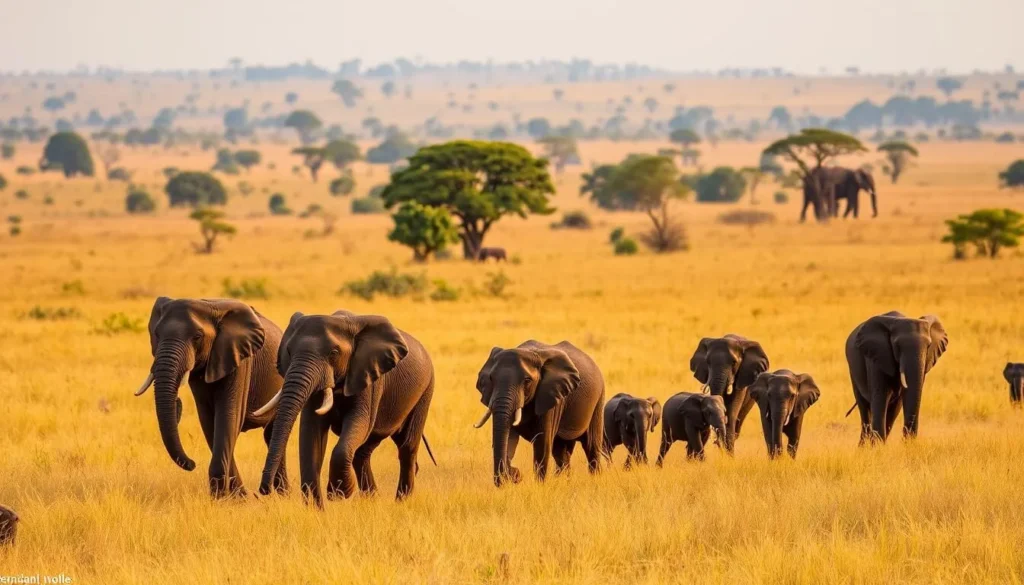
Wildlife Safari
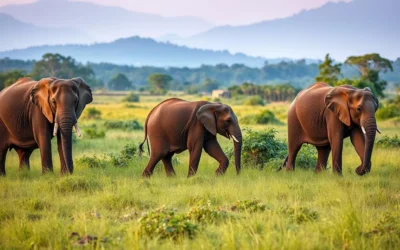
The primary activity in Lunugamvehera National Park is wildlife safari. The park serves as an important elephant corridor between Yala and Udawalawe National Parks, making elephant sightings almost guaranteed. Beyond elephants, visitors can spot:
Mammals:
- Sri Lankan elephants
- Water buffalo (both wild and domestic)
- Spotted deer and sambar deer
- Wild boar
- Sri Lankan leopard (rare sightings)
- Sloth bear
- Grizzled giant squirrel
Birds:
- Painted stork
- Spot-billed pelican
- Grey heron
- Black-headed ibis
- White-bellied sea eagle
- Sri Lankan junglefowl (national bird)
- Asian openbill
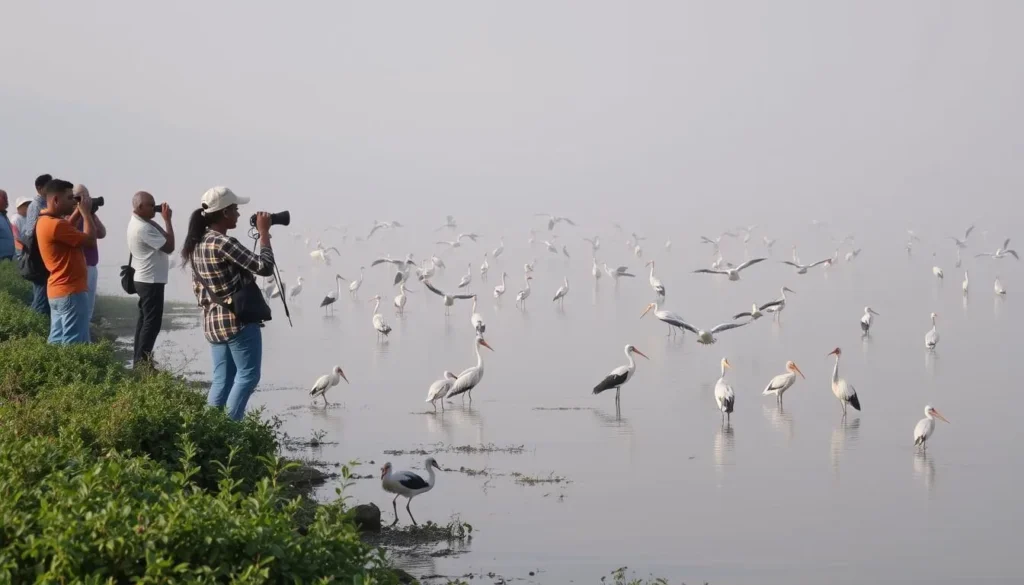
Other Activities:
- Birdwatching – With 183 bird species, the park is a haven for birdwatchers
- Photography – Diverse landscapes and wildlife offer excellent photo opportunities
- Nature Walks – Available in designated areas with a park ranger
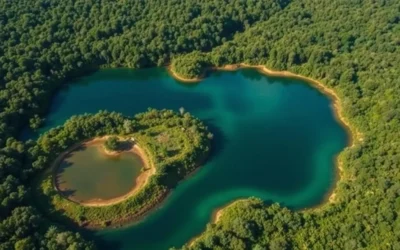
- Visit Lunugamvehera Reservoir – Observe water birds and enjoy scenic views
Practical Travel Tips

What to Pack:
- Lightweight, neutral-colored clothing (avoid bright colors that might disturb wildlife)
- Hat, sunglasses, and sunscreen for sun protection
- Insect repellent, especially during dawn and dusk safaris
- Binoculars for better wildlife viewing
- Camera with zoom lens for wildlife photography
- Reusable water bottle to stay hydrated
Park Fees (2023): Entrance fees for Lunugamvehera National Park are approximately LKR 1,000 ($3-5) for adults and half-price for children. Additional charges apply for vehicles entering the park (around LKR 250) and service charges for guides.
Safety & Etiquette:
- Always remain in your vehicle during safari drives unless in designated areas
- Maintain a safe distance from wildlife and never attempt to feed animals
- Keep noise levels to a minimum to avoid disturbing wildlife
- Follow your guide’s instructions at all times
- Take all trash with you and practice Leave No Trace principles
- Respect local customs when interacting with staff and community members

The park is generally safe for visitors, but it’s important to remember you’re in a wild environment. Medical facilities are limited in the immediate vicinity, so bring any necessary medications and a basic first aid kit. The nearest hospitals are in Tissamaharama and Hambantota.
Ready for Your Lunugamvehera Adventure?
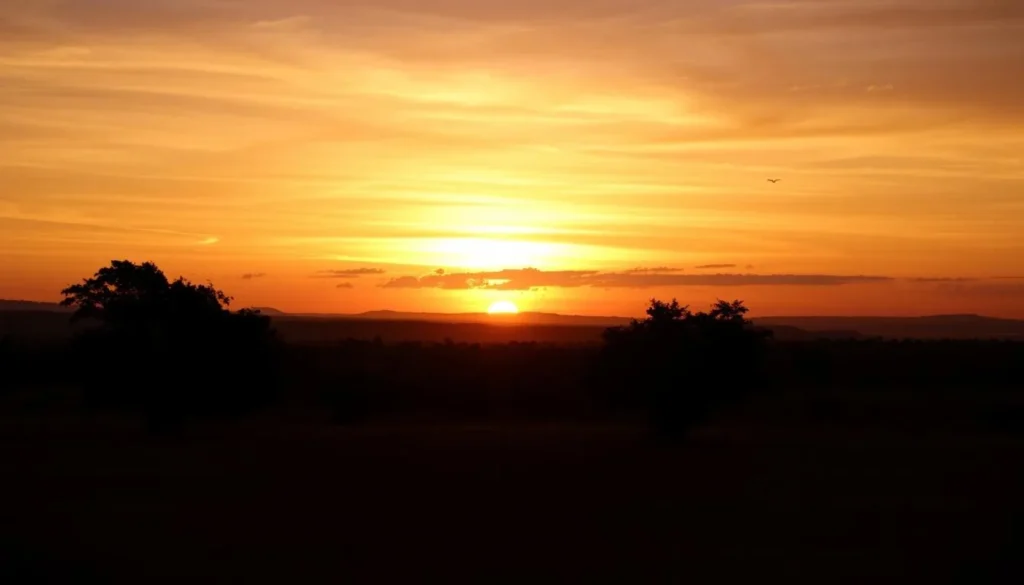
Lunugamvehera National Park offers a unique opportunity to experience Sri Lanka’s incredible biodiversity without the crowds found at more famous parks. As a vital wildlife corridor connecting Yala and Udawalawe, it provides authentic encounters with elephants and numerous other species in their natural habitat. Whether you’re a wildlife enthusiast, photographer, or simply seeking connection with nature, Lunugamvehera delivers an unforgettable Sri Lankan safari experience.
The park’s relatively undiscovered status means you’ll often have wildlife sightings all to yourself – a rare privilege in today’s busy world. By visiting this ecological treasure, you’re not only creating lasting memories but also supporting conservation efforts that protect Sri Lanka’s precious natural heritage for generations to come.
0 Comments