

Did you know that “Namunukula” translates to “Nine Peaks” in Sinhalese, referring to the nine distinct summits that crown this majestic mountain range? Standing at an impressive 2,035 m (6,676 ft) above sea level, Namunukula isn’t just one of Sri Lanka’s 12 highest mountains—it’s the tallest peak in the eastern part of the country’s southern mountain range, stretching from Adam’s Peak in the west to the lush tea plantations of Uva Province. While tourists flock to Ella and Nuwara Eliya, this hidden gem offers adventurous travelers pristine hiking trails, breathtaking panoramic views, and an authentic glimpse into Sri Lanka’s natural splendor without the crowds.
The majestic Namunukula Mountain Range with its distinctive nine peaks rising above tea plantations
Getting There & Planning Your Journey
Reaching the Namunukula Mountain Range requires some planning, but the journey is part of the adventure. The mountain range is located near Badulla town in Sri Lanka’s Uva Province, approximately 230 km from Colombo.

The scenic road journey to Namunukula passes through picturesque tea plantations
By Air
The nearest major airport is Bandaranaike International Airport in Colombo. From there, you have several options to reach the Namunukula region:
- Domestic flight to Mattala Rajapaksa International Airport, followed by a 3-hour drive
- Charter a seaplane to Diyawanna Oya, then drive approximately 2.5 hours
By Road
Driving to Namunukula offers spectacular views along the way:
- From Colombo: 6-7 hour drive via Nuwara Eliya or Kandy
- From Ella: 15 km drive (approximately 30-40 minutes)
- From Badulla: 10 km drive (approximately 20-30 minutes)
By Train
One of the most scenic ways to reach the area is by train:
- Take the famous blue train from Colombo to Badulla (9-10 hours)
- From Badulla, hire a tuk-tuk or taxi to Namunukula (30 minutes)
Best Time to Visit Namunukula
The climate around Namunukula Mountain Range varies throughout the year, with distinct dry and wet seasons affecting your hiking experience and views.

Clear views of Namunukula during the dry season offer perfect hiking conditions
Recommended Seasons
May to September (Dry Season)
The primary recommended period with average temperatures of 18-25°C (64-77°F). Expect clear skies, minimal rainfall, and excellent visibility—perfect for hiking and photography. The trails are also drier and less slippery during these months.
December to February
Another favorable period with temperatures ranging from 15-22°C (59-72°F). While occasional showers may occur, they’re typically brief. The landscape is particularly lush and vibrant during this time, offering spectacular views.
Seasons to Avoid
Monsoon Seasons: March to April and October to November bring heavy rainfall to the region, making trails slippery and dangerous. Visibility is often poor due to mist and cloud cover, and leeches become more common on hiking paths.
| Season | Months | Temperature | Rainfall | Recommendation |
| Primary Dry Season | May-September | 18-25°C (64-77°F) | Low | Highly Recommended |
| Secondary Dry Season | December-February | 15-22°C (59-72°F) | Moderate | Recommended |
| First Monsoon | March-April | 17-24°C (63-75°F) | Heavy | Not Recommended |
| Second Monsoon | October-November | 16-23°C (61-73°F) | Heavy | Not Recommended |
Getting Around Locally
Once you’ve reached the Namunukula area, you’ll need to consider how to explore the mountain range and surrounding attractions.

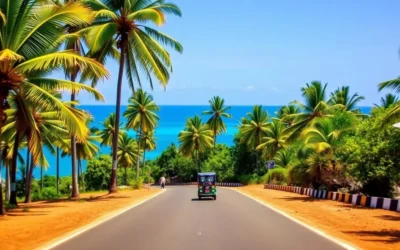
Tuk-tuks are a popular and affordable way to explore the Namunukula region
Local Transportation Options
- Tuk-tuks: These three-wheeled taxis are widely available in Badulla and surrounding villages. They’re perfect for short distances and can navigate the narrow roads leading to trailheads. Expect to pay around 1000-1500 LKR (5-8 USD) for nearby destinations.
- Local buses: Infrequent but very affordable, connecting Badulla with smaller villages near Namunukula. Fares typically under 100 LKR (0.50 USD).
- Hired vehicles: For maximum flexibility, consider hiring a car with driver for the day, costing approximately 5000-7000 LKR (25-35 USD).
- Motorbike rental: Available in Ella and Badulla for adventurous travelers, around 1500 LKR (8 USD) per day.
Hiking Trails Access
To reach the main hiking trails of Namunukula:
- The most accessible trail starts near Spring Valley, approximately 5 km from Badulla town
- Another popular route begins at Namunukula village, 15 km east of Ella
- Local guides are highly recommended and can be arranged through accommodations or tour operators
Local Tip: Many tuk-tuk drivers are knowledgeable about the mountain trails and can serve as informal guides. Negotiate a waiting fee if you want them to remain while you hike a shorter trail.
Where to Stay
While there are no accommodations on Namunukula Mountain itself (except for camping), several nearby towns offer lodging options ranging from budget guesthouses to luxury resorts.

Eco-friendly accommodations near Namunukula offer stunning mountain views
Nearby Towns with Accommodations
Badulla (10 km)
The provincial capital offers the widest range of accommodations, from budget guesthouses (2,000-4,000 LKR/night) to mid-range hotels (6,000-12,000 LKR/night). Best for travelers who want more amenities and dining options.
Ella (15 km)
This popular tourist town has numerous guesthouses, boutique hotels, and eco-lodges with prices ranging from 3,000-20,000 LKR/night. Excellent choice for those who want a balance of nature and social atmosphere.
Passara (12 km)
A quieter tea plantation town with a few guesthouses and homestays (2,000-5,000 LKR/night). Ideal for travelers seeking an authentic, off-the-beaten-path experience.
Camping Options
For the adventurous, camping on Namunukula is a memorable experience:
- The summit plateau has designated camping areas with minimal facilities
- Temperatures drop significantly at night (as low as 10°C/50°F), so bring warm clothing
- Local guides can help arrange camping equipment and permissions
- Always practice Leave No Trace principles to preserve the natural environment
Dining & Local Cuisine
The Uva Province surrounding Namunukula offers delicious Sri Lankan cuisine with some regional specialties influenced by the area’s agricultural bounty.

A traditional Sri Lankan rice and curry meal featuring local vegetables and spices
Local Specialties to Try
- Uva Red Rice: Locally grown rice with a distinctive color and nutty flavor
- Jackfruit Curry (Polos): Young jackfruit cooked in coconut milk and spices
- Badulla Mung Bean Curry: A regional specialty with a creamy texture
- Tea Plantation Lunches: Simple yet delicious meals served at tea estates
- Wild Honey: Collected from the forests around Namunukula
Where to Eat
In Badulla
The provincial capital offers the most dining options, from local “rice and curry” spots to bakeries and a few international restaurants. Most meals cost between 300-1000 LKR (1.50-5 USD).
In Smaller Villages
Villages near Namunukula have small eateries serving authentic local cuisine at very affordable prices (200-500 LKR/1-2.50 USD). These often provide the most authentic culinary experiences.
Dining Tip: When hiking Namunukula, pack plenty of water and snacks as there are no food facilities on the mountain. Some guesthouses can prepare packed lunches upon request.
Attractions, Sightseeing & Activities
Namunukula Mountain Range offers diverse activities for nature lovers, adventure seekers, and cultural enthusiasts alike.

Reaching the summit of Namunukula rewards hikers with breathtaking panoramic views
Hiking and Trekking
The primary attraction of Namunukula is its excellent hiking opportunities:
- Summit Trail: A challenging 4-5 hour hike from Spring Valley to the top of Namunukula (2,035 m/6,676 ft)
- Nine Peaks Circuit: A full-day trek exploring several of the range’s distinctive peaks
- Forest Trails: Shorter 1-2 hour walks through the lower mountain forests

The magnificent Dunhinda Falls, one of the most beautiful waterfalls near Namunukula
Nearby Attractions
- Dunhinda Falls: One of Sri Lanka’s most beautiful waterfalls, located 5 km from Badulla
- Spring Valley Tea Plantations: Scenic tea estates offering tours and tastings
- Muthiyangana Temple: Ancient Buddhist temple in Badulla believed to have been visited by Buddha
- Dowa Rock Temple: Historic temple with a 38-foot Buddha statue carved into rock
- Bogoda Wooden Bridge: The oldest surviving wooden bridge in Sri Lanka, dating to the 16th century
Cultural Experiences & Festivals
The Namunukula region is rich in cultural heritage, with influences from both Sinhalese Buddhist and Tamil Hindu traditions.

Traditional Kandyan dancers perform during local festivals in the Uva Province
Local Legends and Beliefs
Namunukula Mountain holds special significance in local folklore:
- The mountain god Indaka is believed to protect the region
- Local legend claims Indaka invited Buddha to visit the area
- Small shrines dedicated to Buddha, Vishnu, and Ganesha can be found on the summit plateau
Festivals and Events
Esala Perahera (July/August)
While the main celebration occurs in Kandy, smaller processions take place in Badulla, featuring dancers, drummers, and decorated elephants.
Tamil Thai Pongal (January)
Celebrated by the Tamil community in the tea estates around Namunukula, this harvest festival includes special rice dishes and colorful kolam designs.

A small shrine at Namunukula’s summit honors local deities and Buddha
Tea Culture
The surrounding Uva Province is famous for its distinctive tea:
- Visit tea factories to learn about the production process
- Observe tea pluckers working in the plantations around Namunukula
- Sample Uva tea, known for its distinctive flavor profile
Outdoor Adventures & Nature Experiences
Beyond hiking, Namunukula offers several other ways to experience its natural beauty.

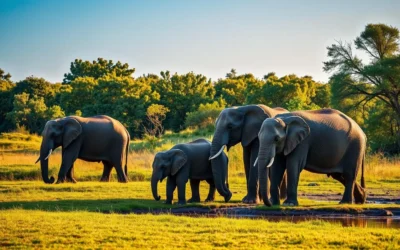
Birdwatchers can spot numerous endemic species in Namunukula’s diverse habitats
Wildlife Watching
The mountain’s varied ecosystems support diverse wildlife:
- Birds: Over 100 species including the Sri Lanka Blue Magpie, Yellow-eared Bulbul, and Sri Lanka White-eye
- Mammals: Macaque monkeys, Sambhar deer, wild boars, and occasionally leopards (though rarely seen)
- Butterflies: Numerous colorful species, especially during the dry season
Camping and Stargazing
The mountain’s elevation and distance from major cities make it excellent for night sky observation:
- Summit camping allows for spectacular sunrise and sunset views
- Clear nights offer excellent stargazing opportunities
- Full moon nights provide enough natural light to enjoy the landscape without flashlights

Camping at Namunukula’s summit offers unparalleled stargazing opportunities
Photography
Namunukula provides exceptional photography opportunities:
- Golden Hours: Sunrise and sunset create dramatic lighting on the peaks
- Misty Mornings: Early morning fog creates ethereal landscapes
- Tea Plantations: The geometric patterns of tea bushes make for striking compositions
Safety, Etiquette & Local Customs
Ensuring a safe and respectful visit to Namunukula requires awareness of both practical safety considerations and cultural sensitivities.

Hiring a local guide enhances both safety and cultural understanding when hiking Namunukula
Hiking Safety
- Always hike with a local guide who knows the trails and weather patterns
- Start early (before 8 AM) to avoid afternoon rain and ensure you complete the hike before dark
- Carry sufficient water (at least 2 liters per person) as there are limited water sources on the mountain
- Wear appropriate footwear with good grip for the often steep and sometimes slippery trails
- Bring a basic first aid kit, insect repellent, and sunscreen
Cultural Respect
- Dress modestly when visiting temples (shoulders and knees covered)
- Remove shoes and hats before entering religious sites
- Ask permission before photographing local people, especially in rural villages
- Respect the small shrines at the summit; don’t disturb offerings or religious items
Wildlife Precaution: While hiking, make noise to alert wildlife of your presence. Though rare, leopards do inhabit the forests around Namunukula. Never approach wild animals, especially monkeys which can become aggressive if they feel threatened.
Practical Travel Tips
These final suggestions will help you make the most of your visit to the Namunukula Mountain Range.

Proper preparation and packing are essential for an enjoyable Namunukula experience
Essential Items to Pack
For Hiking
- Sturdy hiking shoes with good grip
- Lightweight, quick-dry clothing
- Rain jacket or poncho (regardless of season)
- Hat and sunglasses
- Trekking poles if you have knee issues
For Comfort and Safety
- Insect repellent (especially during wetter months)
- Sunscreen (the mountain sun is intense)
- Basic first aid supplies
- Portable charger for devices
- Reusable water bottle
Communication and Money
- Mobile coverage is generally good in towns but can be spotty on the mountain
- Download offline maps before your trip
- ATMs are available in Badulla and Ella, but carry some cash for smaller villages
- Credit cards are accepted at larger hotels and restaurants but not at small local establishments
Language Tip: While English is widely spoken in tourist areas, learning a few basic Sinhala phrases like “Ayubowan” (hello/welcome) and “Istuti” (thank you) is appreciated by locals.
Conclusion
The Namunukula Mountain Range offers a perfect blend of natural beauty, adventure, and cultural experiences away from Sri Lanka’s more crowded tourist destinations. Whether you’re conquering the summit trail, exploring the surrounding tea plantations, or immersing yourself in local village life, this majestic nine-peaked mountain provides memories that will last a lifetime. As you stand atop one of the peaks watching the sun rise over the misty Uva Province, you’ll understand why this hidden gem deserves a place on every nature lover’s Sri Lankan itinerary.
0 Comments