
Did you know that Delft Island is home to a colony of wild horses, descendants of steeds brought by Portuguese colonizers over 400 years ago? This remote coral island in the Palk Strait offers one of Sri Lanka’s most authentic and untouched travel experiences. Just 30 km off Jaffna’s coast, Neduntivu (as it’s known in Tamil) feels worlds away from the tourist trails of southern Sri Lanka, with its ancient ruins, coral stone walls, and a pace of life seemingly frozen in time.
Getting to Delft Island & Planning Your Journey
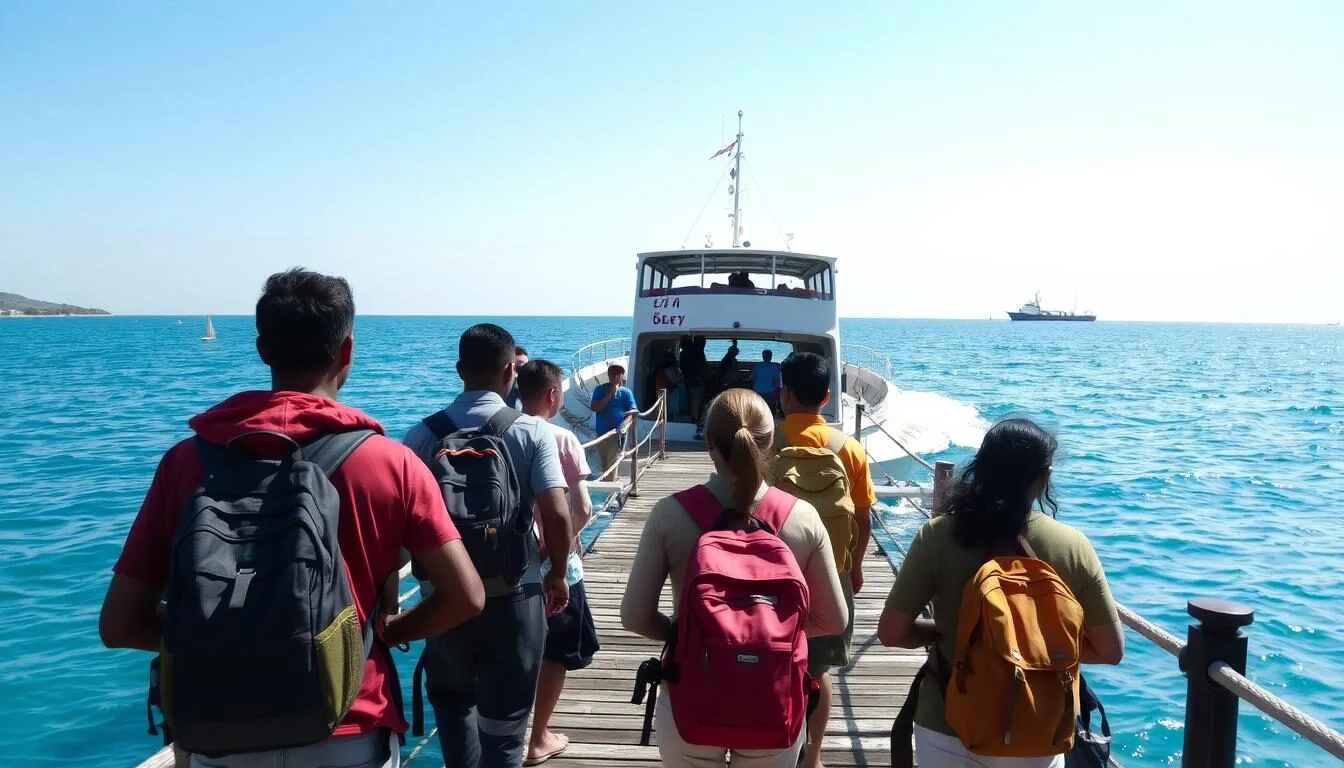
The ferry to Delft Island departs from Kurikadduwan Harbour
Reaching Delft Island requires some planning, but the journey is part of the adventure. The island sits in the Palk Strait between northern Sri Lanka and India, approximately 30 km west of Jaffna city.
Step-by-Step Travel Guide
Travel Tip: The ferry ride can be bumpy and basic. If you’re prone to seasickness, bring medication. The Navy sometimes operates more comfortable boats for a slightly higher fee (around LKR 80), though availability for tourists should be confirmed at the port.
Best Time to Visit Delft Island & Weather Tips

Timing your visit to Delft Island is crucial for the best experience. The island’s remote location and limited infrastructure mean weather conditions significantly impact your journey and comfort.
Recommended Months to Visit
Best Time: May to September
Months to Avoid: October to January
Local Insight: The best time to visit is right after the rainy season (February-March) when the island is lush and green, but the weather has stabilized. The landscape transforms from dusty terrain to vibrant greenery.
Getting Around Delft Island
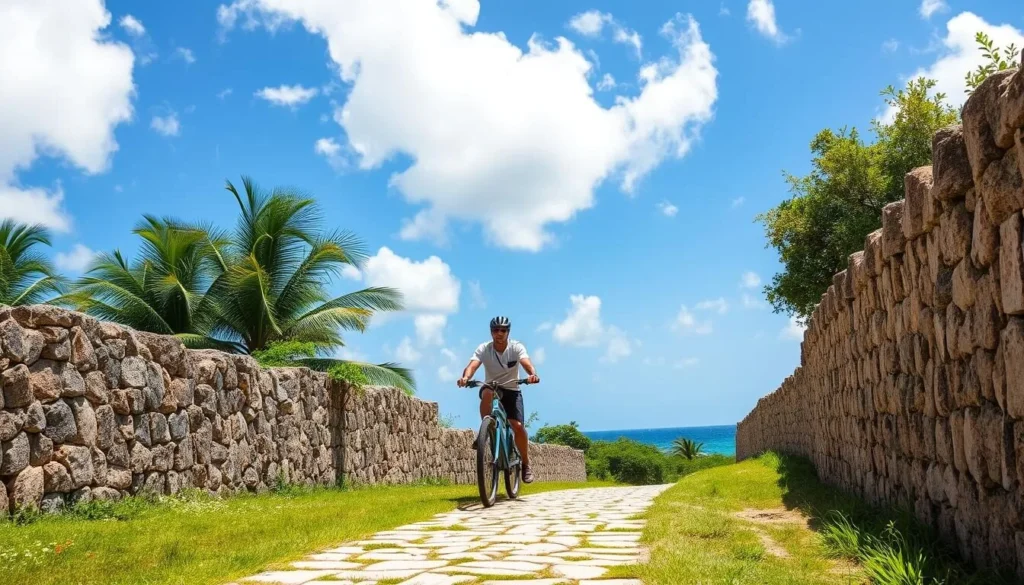
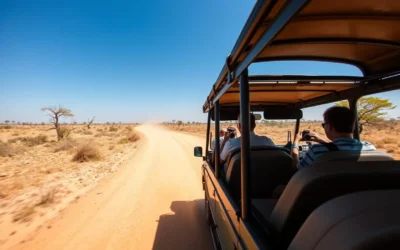
Delft Island is small (approximately 8 km long and 6 km wide), making it perfect for exploration in a single day. There are several options for getting around once you arrive.
Transportation Options on the Island
Pro Tip: Arrange with your tuk-tuk driver to return you to the harbor in time for the afternoon ferry. The standard tour includes all major attractions and typically ends at the jetty in time for departure.
Where to Stay on Delft Island
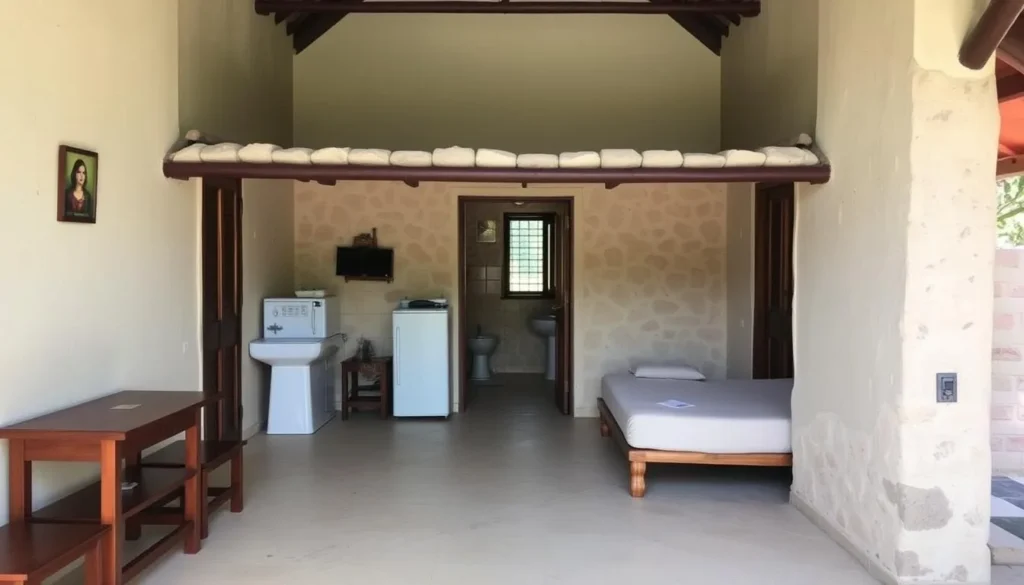
Accommodation on Delft Island is limited but authentic. Most visitors make this a day trip from Jaffna, but staying overnight offers a unique opportunity to experience island life after the day-trippers leave.
Accommodation Options
Important Note: Accommodation is very basic with limited electricity (often from generators) and simple facilities. Book in advance as options are few, especially during peak season.
Dining & Local Cuisine on Delft Island

Food options on Delft Island are limited but authentic. The island’s isolation means dining is a simple affair focused on local ingredients and traditional preparation methods.
Where to Eat
Essential Advice: Bring at least 2 liters of water per person in reusable bottles and pack snacks or a picnic lunch. Food availability is unpredictable, and there are no restaurants as you might expect in more touristy areas.
Local Specialties
If you do find food on the island, expect simple Sri Lankan cuisine with an emphasis on seafood caught by local fishermen. The island’s Tamil population prepares dishes that differ slightly from those found in southern Sri Lanka, with distinct spice profiles and preparation methods.
Top Attractions & Things to Do on Delft Island
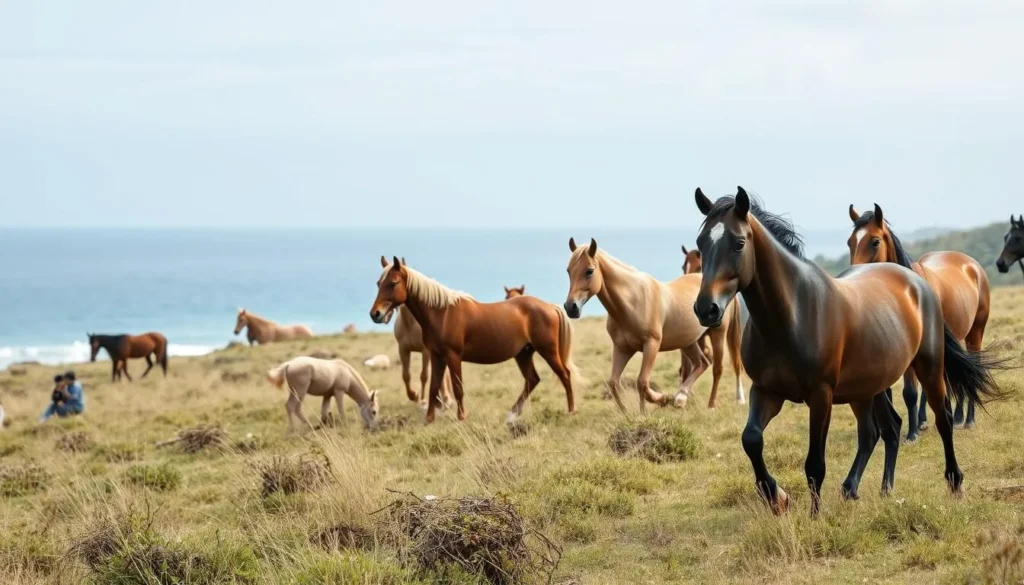
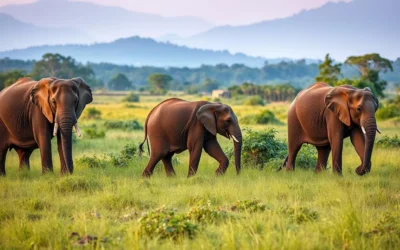
The famous wild horses of Delft Island, descendants of colonial-era steeds
Delft Island offers a fascinating mix of natural wonders, colonial history, and unique geological features. A standard tuk-tuk tour will take you to all these attractions in a single day.
Historical Sites & Landmarks

Portuguese & Dutch Fort

Old Dutch Hospital

Pigeon Nest
Natural Wonders
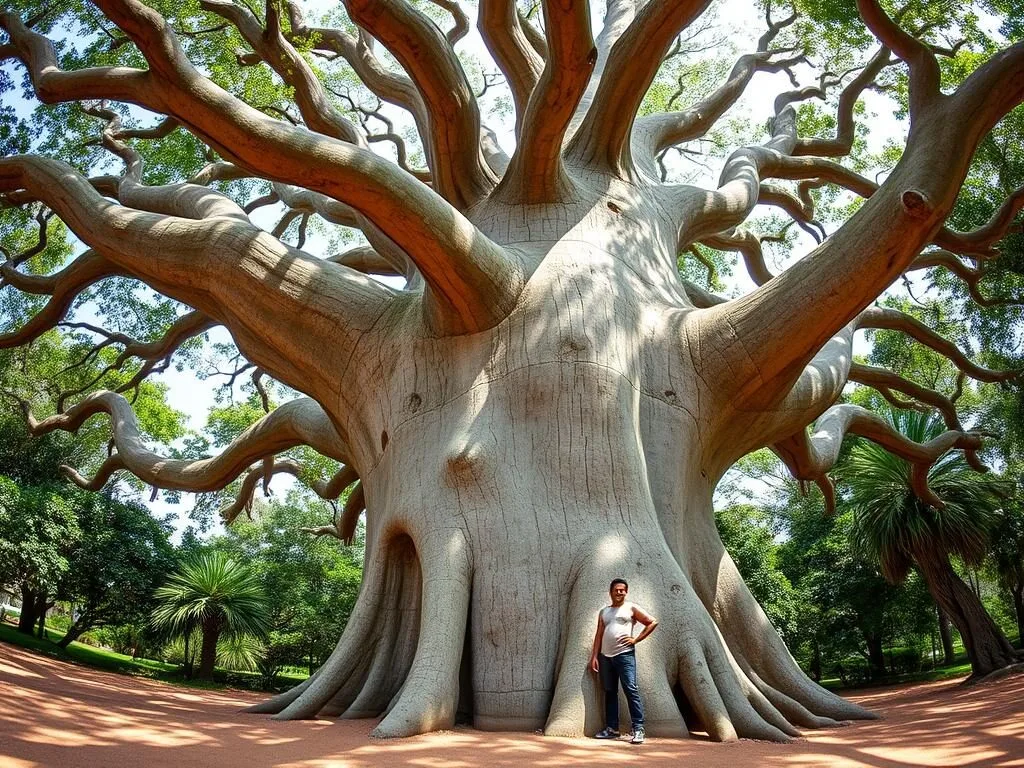
Baobab Tree

Wild Horses

Hanuman’s Footprint
Delft Island Map & Key Locations
Map of Neduntivu (Delft Island) showing key attractions and the ferry route from Jaffna
Navigation Tip: Download this map to your phone before your trip, as internet connectivity on the island is limited. Most tuk-tuk drivers know all the attractions, but having a map helps you understand the island’s layout.
Cultural Experiences & Local Life
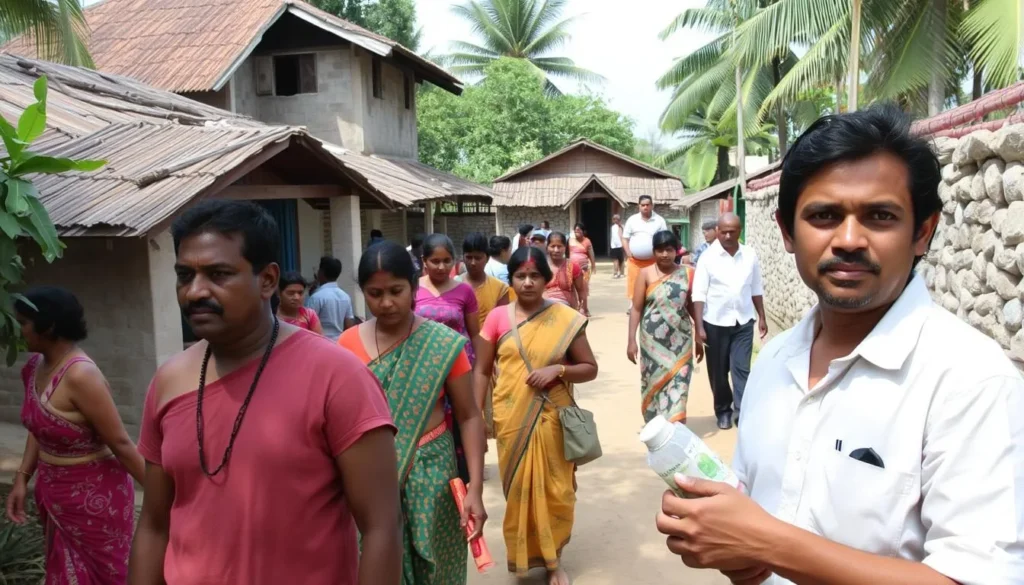
Beyond the historical sites and natural wonders, Delft Island offers a glimpse into a way of life largely unchanged by modern tourism. The island’s approximately 6,000 residents live simply, with fishing, small-scale agriculture, and raising livestock as their primary occupations.
Cultural Highlights
Respectful Tourism: When photographing locals or their homes, always ask permission first. The island’s residents are generally friendly but may not be accustomed to tourists.
Practical Travel Tips for Visiting Delft Island
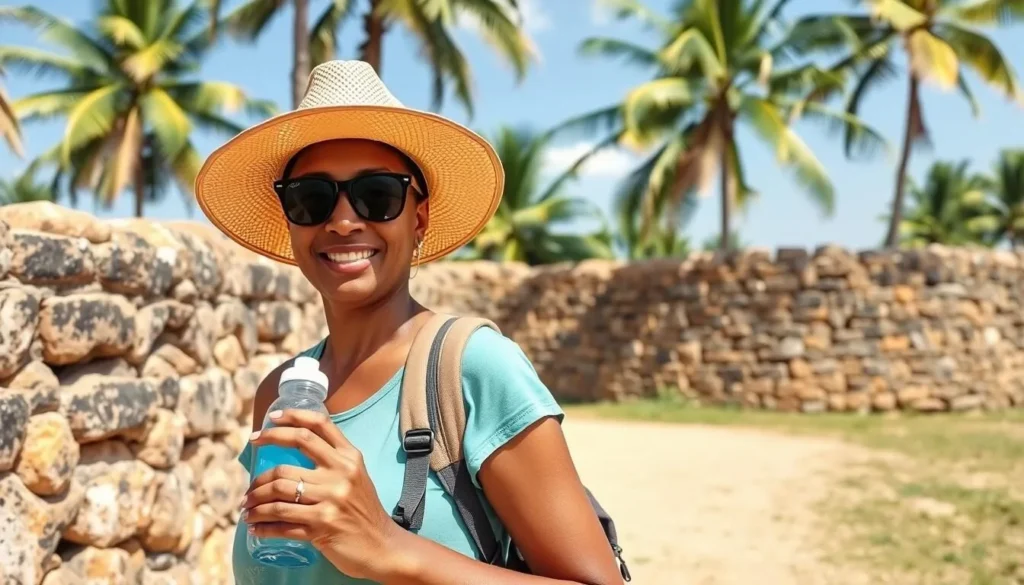
Essential Items to Bring
What to Pack
Health & Safety
Communication & Connectivity
Mobile phone coverage on Delft Island is limited but exists in some areas. Major Sri Lankan carriers like Dialog and Mobitel have basic coverage. Don’t expect reliable internet access, and download any necessary information, maps, or translation apps before your trip.
Language Tip: The primary language spoken on Delft Island is Tamil. While some locals involved in tourism speak basic English, learning a few Tamil greetings can enhance your experience.
Responsible Tourism & Environmental Awareness

Delft Island faces significant environmental challenges, including rising sea levels that threaten its low-lying terrain. Visitors have a responsibility to minimize their impact on this fragile ecosystem.
How to Be a Responsible Visitor
Climate Impact: Parts of Delft Island already experience flooding due to rising sea levels. This serves as a sobering reminder of climate change’s real-world impacts on island communities worldwide.
Is Delft Island Worth Visiting?
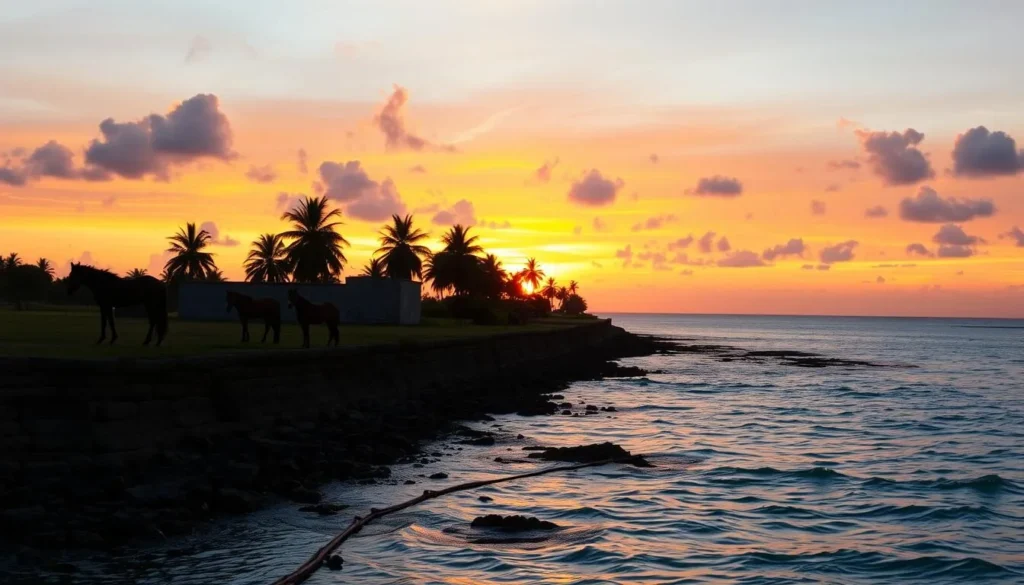
Delft Island offers a truly unique experience that stands apart from Sri Lanka’s more popular destinations. The journey requires effort and advance planning, but rewards visitors with authentic encounters and landscapes found nowhere else in the country.
This isn’t a destination for luxury travelers or those seeking convenience. Rather, it’s perfect for adventurous spirits who value cultural authenticity, history, and untouched natural beauty. The wild horses, ancient baobab tree, colonial ruins, and friendly locals create an unforgettable day trip that many travelers cite as a highlight of their Sri Lankan journey.
As tourism in Sri Lanka continues to grow, places like Delft Island provide a glimpse into a simpler way of life and a connection to both nature and history that increasingly rare. For those willing to venture off the beaten path, Neduntivu offers rich rewards.
0 Comments