
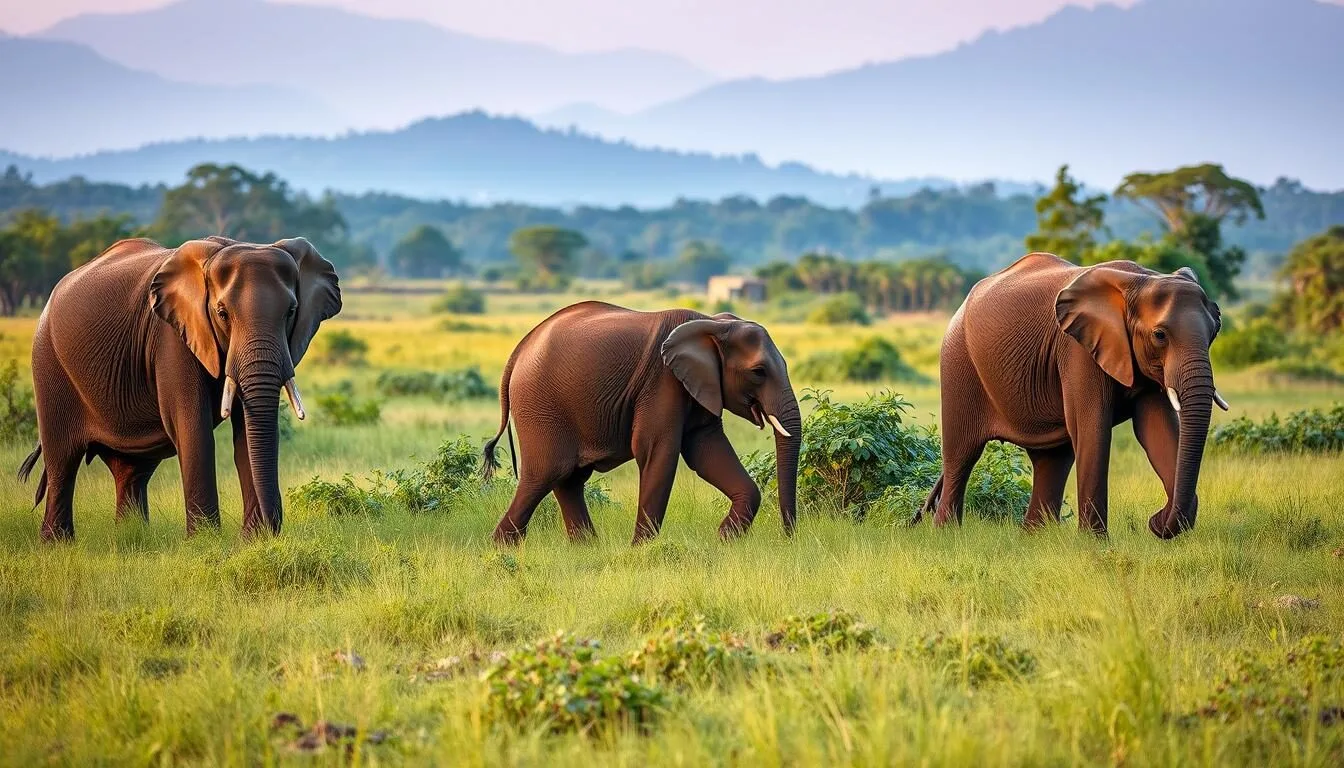
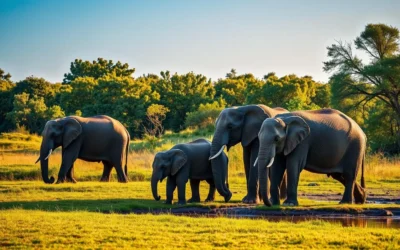
Home to Sri Lanka’s second-largest elephant population, Wasgamuwa National Park shelters over 150 wild elephants in its 39,000-hectare wilderness. This hidden gem in central Sri Lanka offers a more authentic safari experience than its crowded counterparts, with rich biodiversity and fascinating archaeological ruins dating back to the 2nd century AD. Unlike the more famous Yala or Udawalawe parks, Wasgamuwa’s remote location ensures you’ll likely have magnificent wildlife encounters without the tourist crowds.
Wasgamuwa National Park Overview
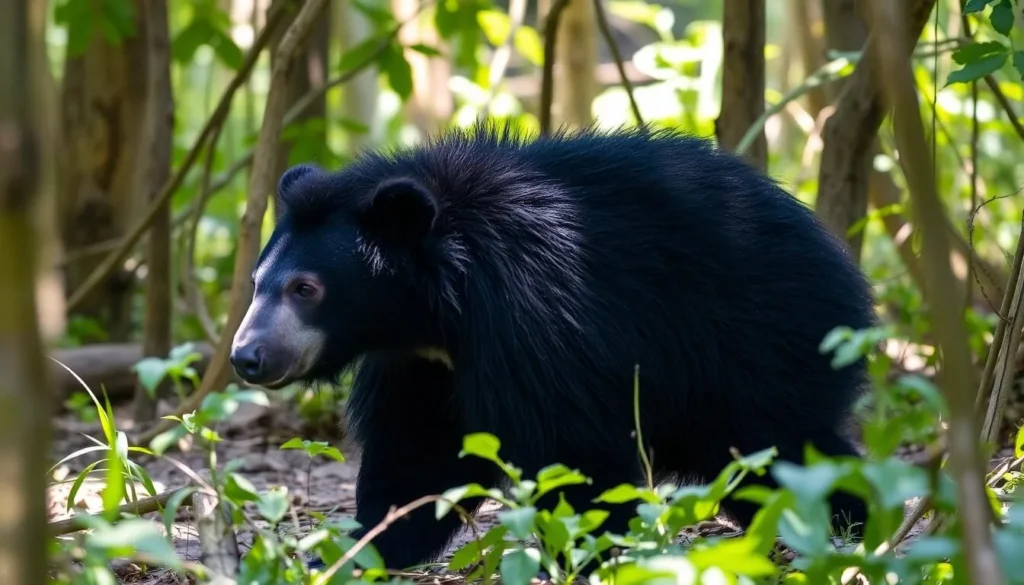
Established in 1984, Wasgamuwa National Park is nestled between the Matale and Polonnaruwa districts of Sri Lanka. The park’s name derives from the Sinhalese words “Walas Gamuwa,” meaning “sloth bear forest,” highlighting one of its notable inhabitants. Bordered by the Mahaweli and Amban Ganga rivers and overlooked by the Sudukanda Mountain Range, this diverse ecosystem encompasses tropical dry evergreen forests and expansive grasslands.
The park was created to protect wildlife displaced during the Mahaweli Development Project, making it an important conservation area. Its relatively untouched wilderness provides crucial habitat for numerous endangered species, including the elusive sloth bear, leopard, and Sri Lankan elephant.
Best Time to Visit Wasgamuwa National Park
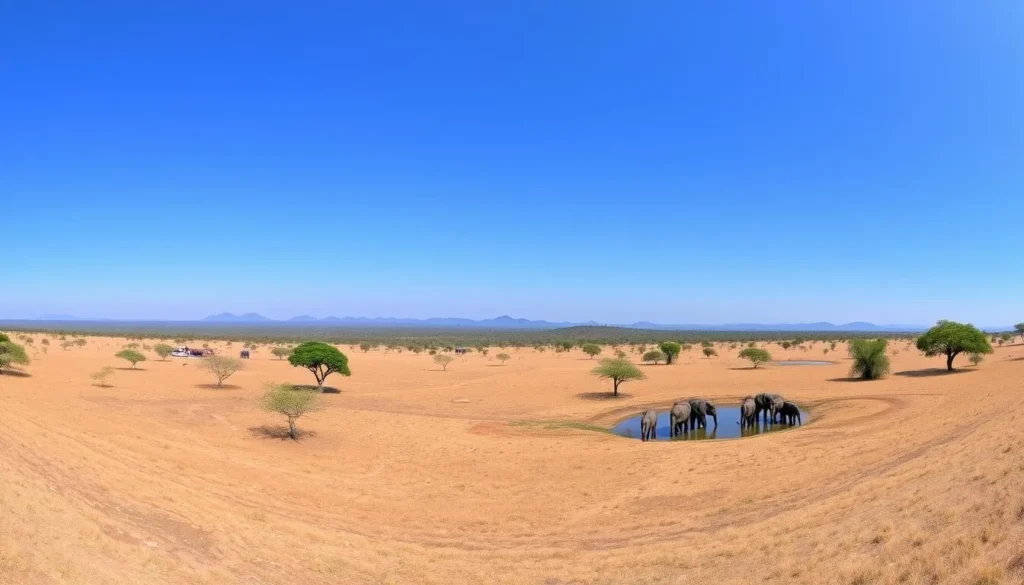
The ideal time to visit Wasgamuwa National Park is during the dry season from May to September when temperatures range between 28–34°C (82–93°F). During these months, wildlife congregates around water sources, making animals easier to spot. The dry conditions also improve park road conditions, ensuring more accessible safari experiences.
The northeast monsoon affects the park from November to January, bringing heavy rainfall that can make some areas inaccessible. While the lush post-rain vegetation creates beautiful landscapes, wildlife spotting becomes more challenging as animals disperse throughout the park.
| Season | Months | Temperature | Rainfall | Wildlife Viewing |
| Dry Season (Best) | May to September | 28–34°C (82–93°F) | Minimal | Excellent |
| Intermediate | February to April, October | 26–32°C (79–90°F) | Moderate | Good |
| Monsoon (Avoid) | November to January | 24–30°C (75–86°F) | Heavy | Limited |
Getting to Wasgamuwa National Park
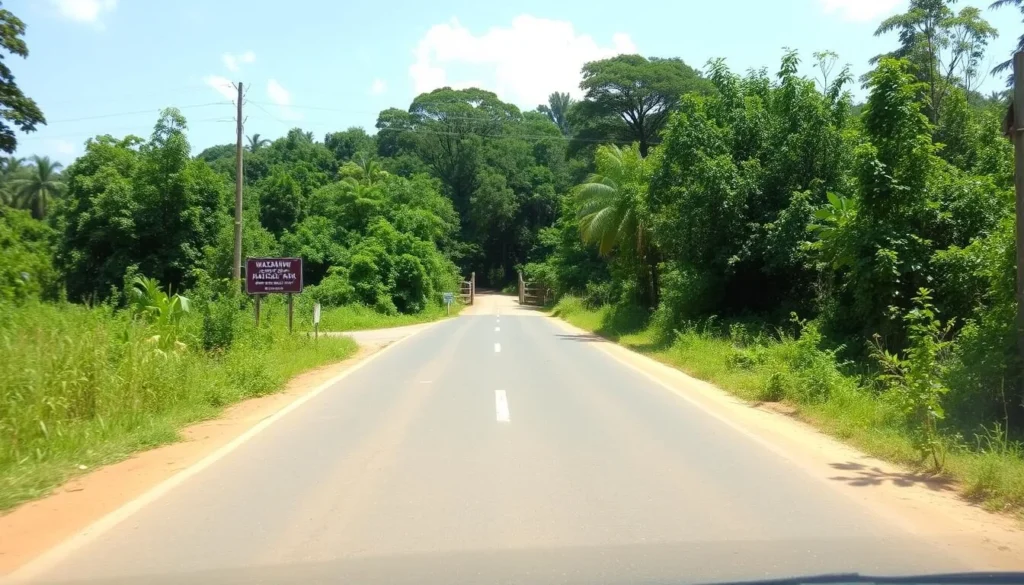
Wasgamuwa National Park is located approximately 225 km from Colombo in central Sri Lanka. The park is accessible from several major cities, with multiple route options depending on your starting point.
From Colombo:
- Take the A1 highway via Ambepussa and Kurunegala
- Continue through Dambulla and toward Polonnaruwa
- Turn at Hettipola junction toward the park entrance
- Journey time: Approximately 5 hours
From Kandy:
- Follow the Kandy-Mahiyangane-Padiyatalawa route
- Turn toward Wasgamuwa at the appropriate junction
- Journey time: Approximately 2.5 hours
Wildlife and Safari Experiences
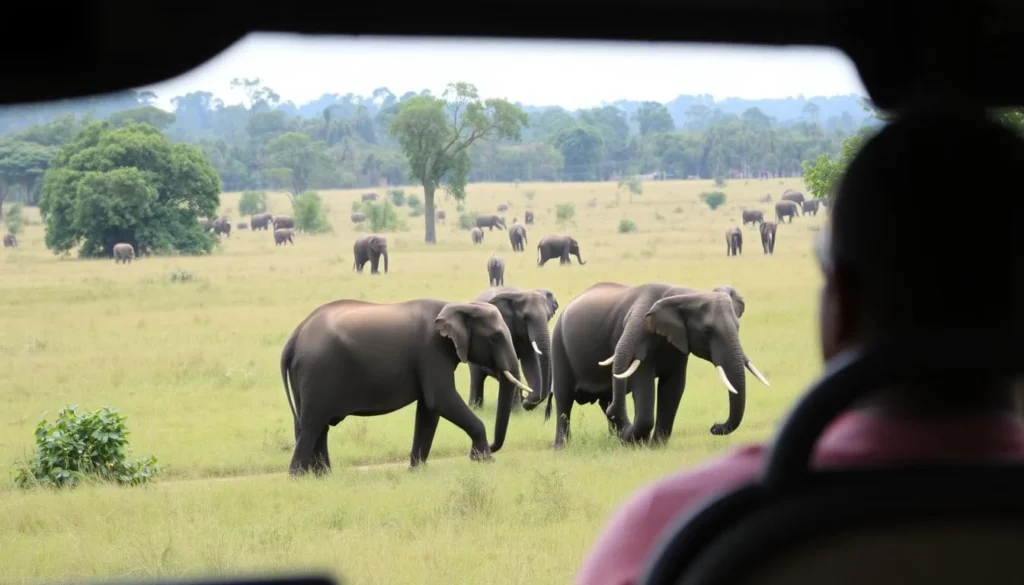
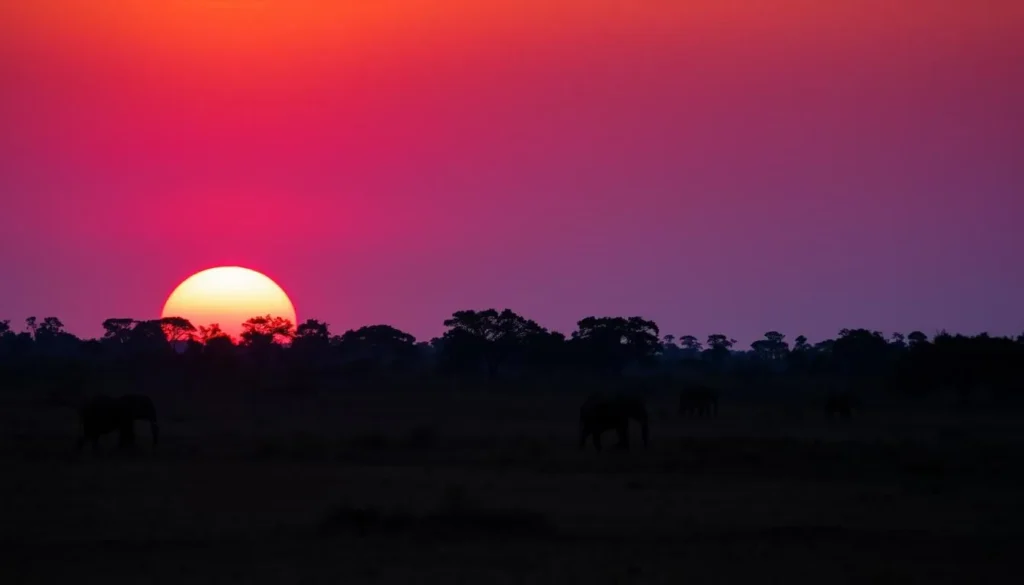
Wasgamuwa National Park is renowned for its impressive elephant population, with herds sometimes numbering up to 150 individuals. The park’s relatively undisturbed environment makes it an excellent place to observe these magnificent creatures in their natural habitat, especially during the dry season when they gather around water sources.
Key Wildlife Species
Mammals
- Sri Lankan elephant
- Sloth bear
- Leopard
- Purple-faced langur
- Toque macaque
- Water buffalo
- Sambar deer
Birds
- Sri Lanka junglefowl
- Red-faced malkoha
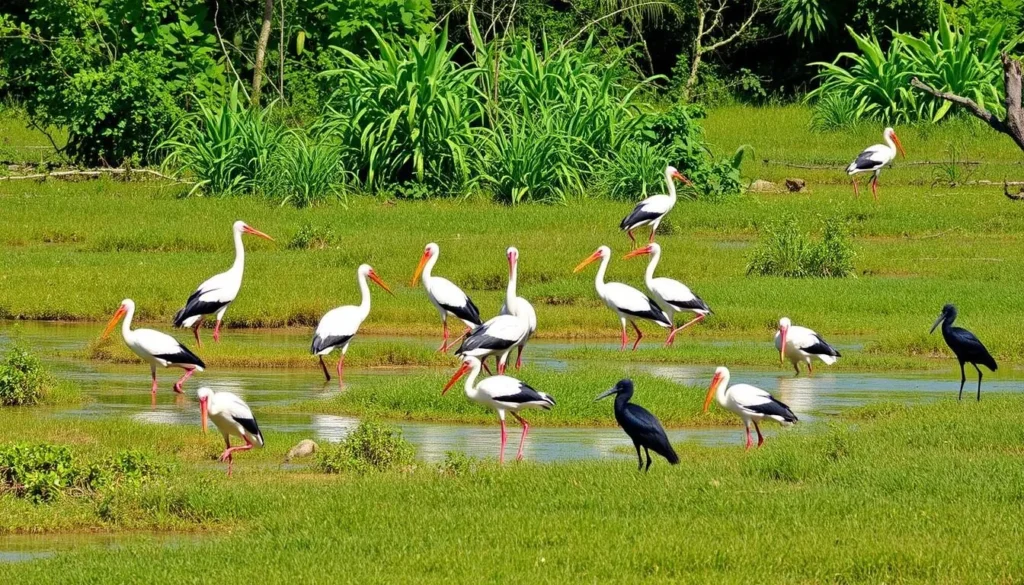
- Painted stork
- White-necked stork
- Black-headed ibis
- Eurasian spoonbill
- Yellow-fronted barbet
Reptiles
- Mugger crocodile
- Estuarine crocodile
- Water monitor
- Calotes ceylonensis
- Otocryptis wiegmanni
- Various snake species
Safari Options
Morning Safari
Starting at dawn (around 6:00 AM), morning safaris offer excellent wildlife viewing as animals are most active during cooler hours. These typically last 3-4 hours and provide great photography opportunities in the soft morning light.
Evening Safari
Beginning around 2:30 PM and continuing until dusk, evening safaris allow you to witness animals returning to water sources. The golden hour light creates spectacular viewing conditions as the park’s landscapes glow in the setting sun.
Where to Stay Near Wasgamuwa National Park
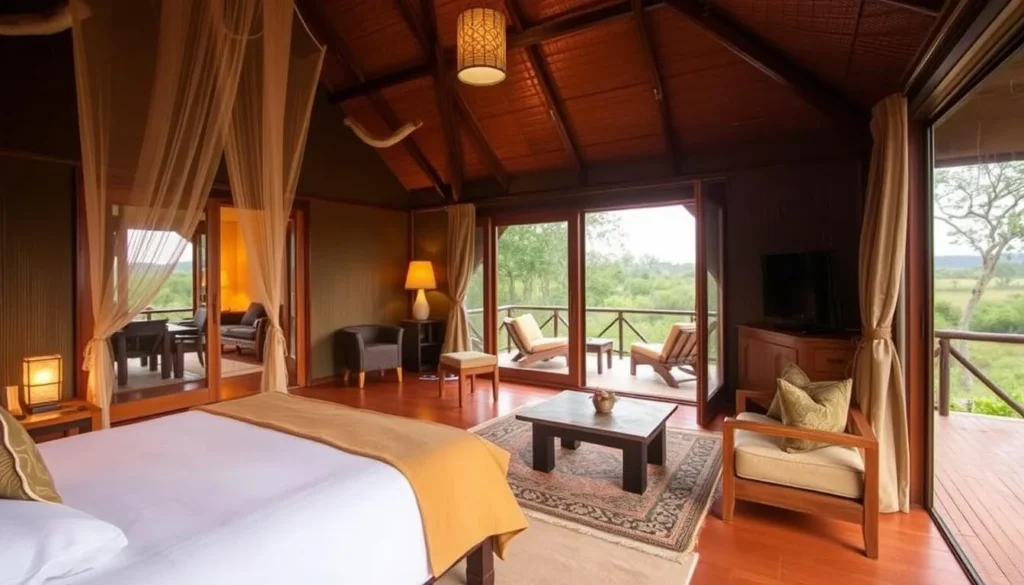
While accommodation options directly at Wasgamuwa National Park are limited, several excellent choices are available in the surrounding area. These range from basic guesthouses to comfortable eco-lodges that cater to wildlife enthusiasts.
Eco-Lodges
Several eco-friendly lodges operate near the park boundaries, offering sustainable accommodation with minimal environmental impact. These typically feature comfortable rooms or tented camps with modern amenities while maintaining a close connection to nature.
Price range: $80-150 per night
Safari Camps
For a more immersive experience, safari camps provide comfortable tented accommodation with en-suite facilities. These camps often include meals and guided activities, creating a comprehensive wildlife experience.
Price range: $100-200 per night
Guesthouses
Budget-friendly guesthouses in nearby villages offer basic but clean accommodation for travelers. While amenities may be limited, they provide an authentic local experience and convenient access to the park.
Price range: $30-70 per night
Cultural and Historical Significance
Beyond its natural wonders, Wasgamuwa National Park holds significant cultural and historical value. The park contains several archaeological sites that provide fascinating insights into Sri Lanka’s ancient civilization.
Archaeological Sites
Buduruwayaya Ruins
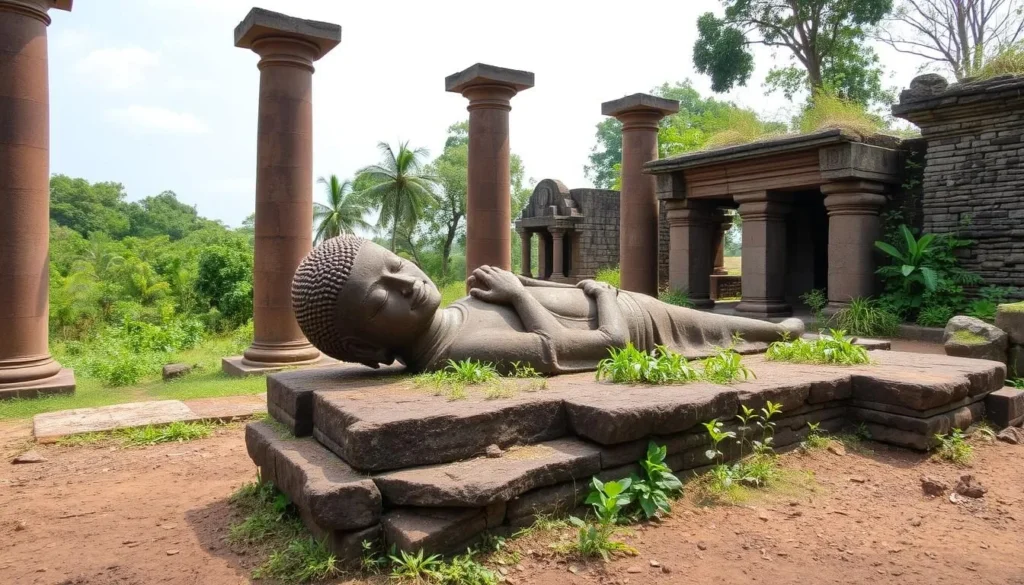
Located in the southwestern section of the park, these ruins feature a reclining Buddha statue and stone pillars dating back to the 2nd Century AD. The site offers a glimpse into the region’s Buddhist heritage and architectural achievements of ancient Sri Lanka.
Ancient Irrigation Works
The park contains several ancient irrigation tanks including Malagamuwa, Wilmitiya, and Dasthota, along with the Kalinga Yoda Ela (Canal) built during King Parakramabahu I’s reign. These sophisticated water management systems demonstrate the advanced engineering skills of ancient Sri Lankans.
The park also contains “Yudangana Pitiya,” believed to be the battleground where the historic confrontation between King Elara and King Dutugemunu took place. This site, along with the ruins of the Chulangani Chaitya (Pagoda) built by King Mahanage, adds layers of historical significance to your wildlife experience.
Practical Travel Tips
Essential Information
Park Fees & Permits
- Entrance fee: Approximately $15-25 USD for foreigners
- Vehicle fee: Additional $10-15 USD
- Guide fee: $10-20 USD (recommended)
- Camera fee: $5-10 USD for professional equipment
What to Pack
- Lightweight, neutral-colored clothing
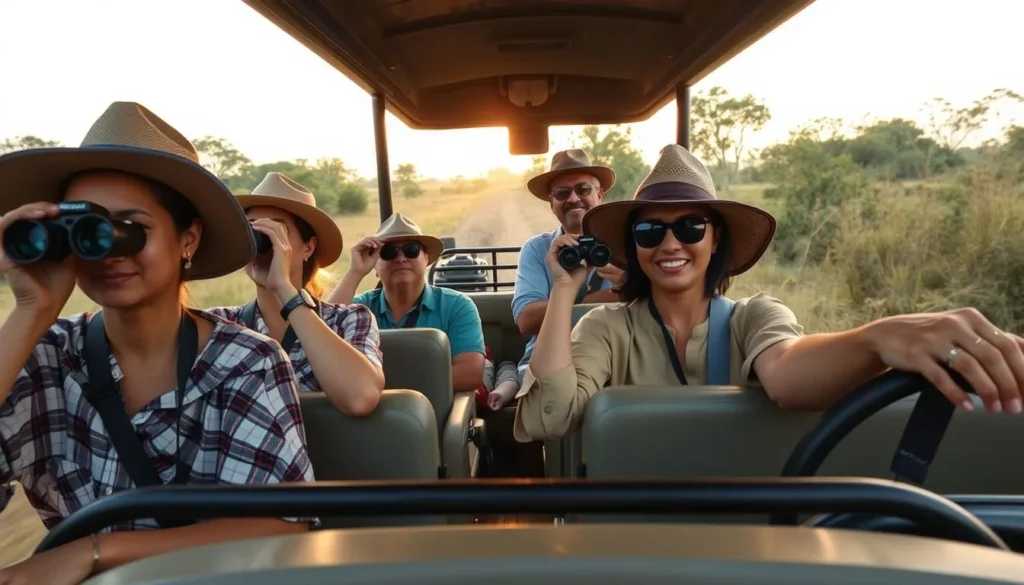
- Hat and sunglasses
- Sunscreen and insect repellent
- Binoculars and camera with zoom lens
- Reusable water bottle
- Light rain jacket (even in dry season)
Health & Safety
- Carry basic first aid supplies
- Stay hydrated throughout your visit
- Follow guide instructions at all times
- Maintain safe distance from wildlife
- Inform about any medical conditions before safari
Responsible Tourism
Wasgamuwa National Park faces conservation challenges, particularly human-elephant conflicts as elephants migrate through farming communities. Organizations like the Sri Lanka Wildlife Conservation Society work with local farmers to implement protective measures that allow humans and elephants to coexist peacefully.
Visitor Guidelines
- Stay in your vehicle at all times unless at designated areas
- Do not feed or attempt to attract wildlife
- Keep noise levels to a minimum
- Take all trash with you when leaving
- Support local communities by using local guides and services
- Respect park rules and ranger instructions
Plan Your Wasgamuwa Adventure
Wasgamuwa National Park offers a genuine wildlife experience away from the tourist crowds. With its impressive elephant herds, diverse ecosystem, and fascinating cultural sites, it provides a more authentic alternative to Sri Lanka’s more famous national parks. The park’s remote location and relatively undiscovered status make it perfect for travelers seeking meaningful encounters with nature.
Whether you’re tracking elephants on safari, birdwatching among the park’s 143 bird species, or exploring ancient ruins, Wasgamuwa delivers unforgettable experiences in a pristine natural setting. By visiting during the optimal months and following responsible tourism practices, you’ll contribute to the conservation of this remarkable ecosystem while creating memories to last a lifetime.


0 Comments