
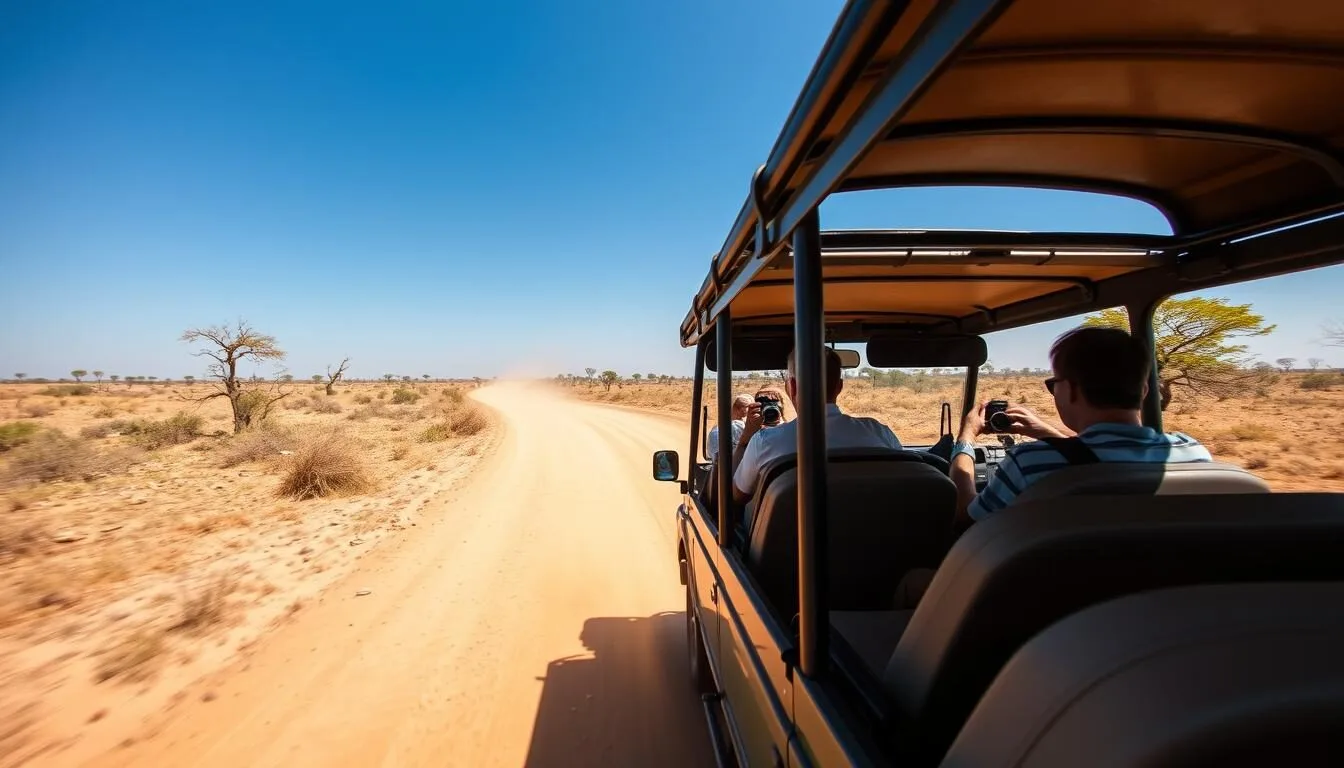
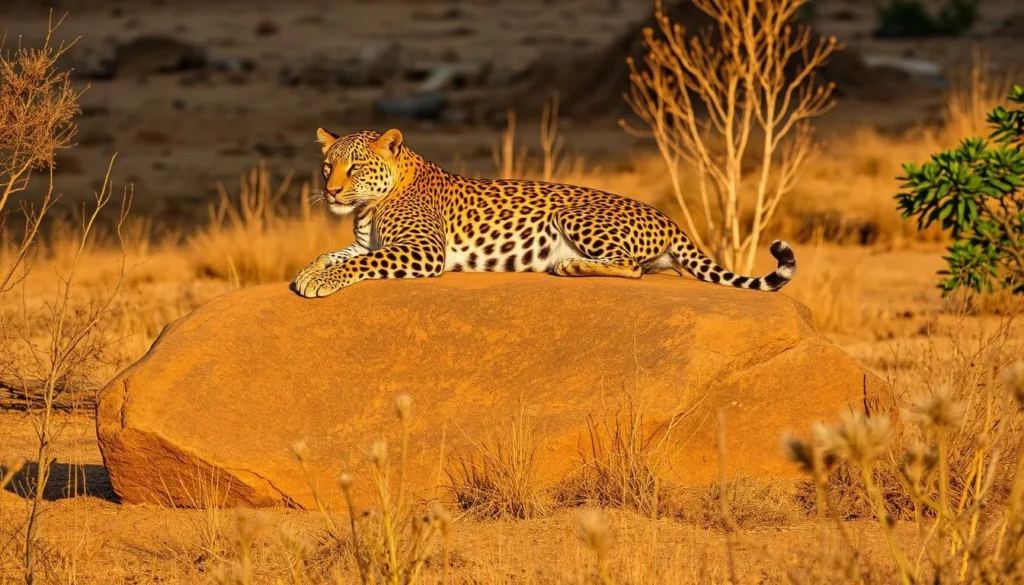
With the highest leopard density in the world, Yala National Park offers wildlife enthusiasts an unparalleled opportunity to spot these elusive big cats in their natural habitat. This 978 square kilometer (378 square mile) wilderness on Sri Lanka’s southeastern coast is home to 44 mammal species and over 215 bird varieties, making it a biodiversity hotspot that rivals the famous safari destinations of Africa—but at a fraction of the cost.
Getting There & Planning Your Journey
Yala National Park is located in the southeastern corner of Sri Lanka, approximately 300 kilometers (190 miles) from Colombo. Most visitors access the park through one of two main gates: Palatupana (the southern and busiest entrance) or Katagamuwa (the northeastern and quieter option).
From Colombo
The journey from Colombo to Yala takes about 5-6 hours by car. You can hire a private vehicle with a driver, which offers the most flexibility for your safari adventure. are available, though having a local driver familiar with the roads is recommended.
From Nearby Cities
If you’re already in southern Sri Lanka, Yala is easily accessible from several popular destinations:
- From Galle: 5-hour drive
- From Ella: 4-hour drive
- From Tangalle: 3-hour drive
- From Tissamaharama (Tissa): 30-minute drive
By Public Transport
Budget travelers can take buses to Tissamaharama (the nearest town to Yala), then arrange transportation to the park entrance. Buses run regularly from major cities, though the journey can be lengthy and uncomfortable. For convenience, consider booking to Mattala Rajapaksa International Airport, located about 1.5 hours from the park.
Best Time to Visit Yala National Park
Timing your visit right can make all the difference in your Yala safari experience. The park’s climate and wildlife viewing opportunities vary significantly throughout the year.
| Season | Months | Weather | Wildlife Viewing | Crowd Level |
| Dry Season (Best) | May to August | Hot, 27-35°C (80-95°F) | Excellent – animals gather at water sources | Moderate to High |
| Post-Monsoon | February to April | Warm, 26-32°C (79-90°F) | Good – park is green, elephant calves | High (avoid April holidays) |
| Monsoon (Avoid) | November to January | Rainy, 24-29°C (75-84°F) | Limited – animals seek shelter | Low (except holidays) |
| Park Closure | September (6 weeks) | Variable | Park closed for maintenance | Closed |
Recommended Months to Visit
The best time to visit Yala is from May to August during the dry season. Animals congregate around water sources, making them easier to spot. The vegetation is also less dense, improving visibility for wildlife photography.
Months to Avoid
The northeast monsoon typically brings heavy rainfall from November to January, making wildlife harder to spot and roads difficult to navigate. The park also closes for approximately six weeks in September for maintenance. Additionally, avoid the Sinhalese and Tamil New Year (April 14) and Vesak Poya (May full moon) when the park becomes extremely crowded with local visitors.
Special Wildlife Events
March and April are excellent for seeing elephant herds and mating behaviors. May to July is “Palu season” when sloth bears emerge to feast on the berries of the ironwood tree—your best chance to spot these normally shy creatures.
Getting Around Locally
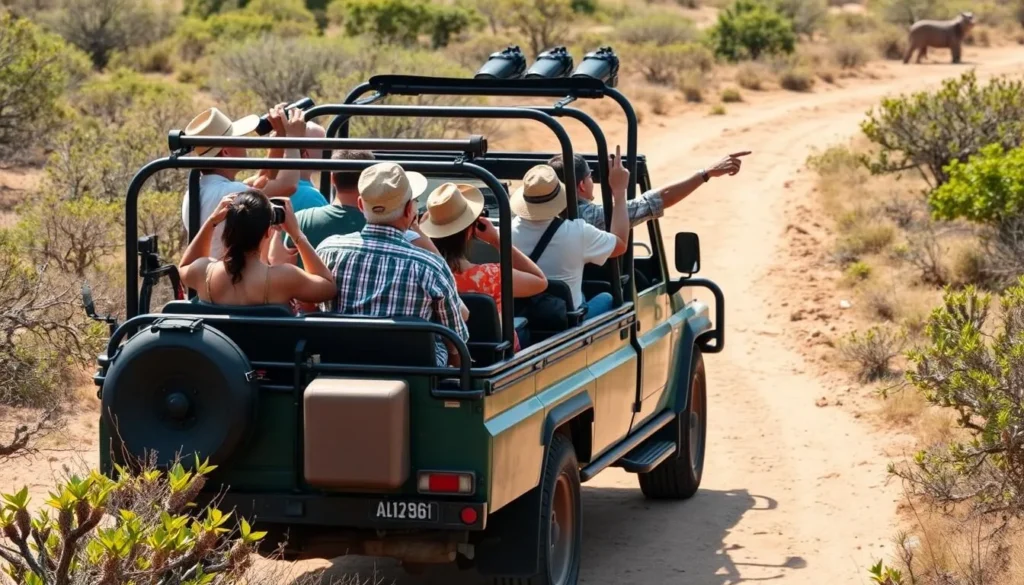
Exploring Yala National Park requires a 4WD vehicle, as the terrain is rugged and often challenging to navigate. Here’s what you need to know about getting around:
Safari Jeeps
The only way to explore Yala is by jeep safari. These specially designed 4WD vehicles can accommodate 4-6 passengers and come with a driver who knows the park well. For the best experience, book a jeep with a knowledgeable naturalist guide who can spot wildlife and share insights about the park’s ecosystem.
Booking Options
You have several options for arranging your safari:
- Through your accommodation (most convenient)
- Via a tour operator in Tissamaharama
- At the park entrance (not recommended during peak season)
Prices typically range from 4,000-8,000 LKR ($20-40 USD) for a half-day safari, not including park entrance fees. For a more personalized experience with a professional guide, expect to pay 10,000-15,000 LKR ($50-75 USD).
Pro Tip: Book your safari in advance, especially during peak season. The best wildlife viewing happens during early morning (5:30-9:00 AM) or late afternoon (3:00-6:30 PM) safaris when animals are most active.
Park Entrance Fees
As of 2023, entrance fees for foreign visitors are approximately 3,300 LKR ($16 USD) per person, plus 250 LKR ($1.25 USD) for the vehicle. There’s also a service charge of around 1,000 LKR ($5 USD) per jeep.
Where to Stay
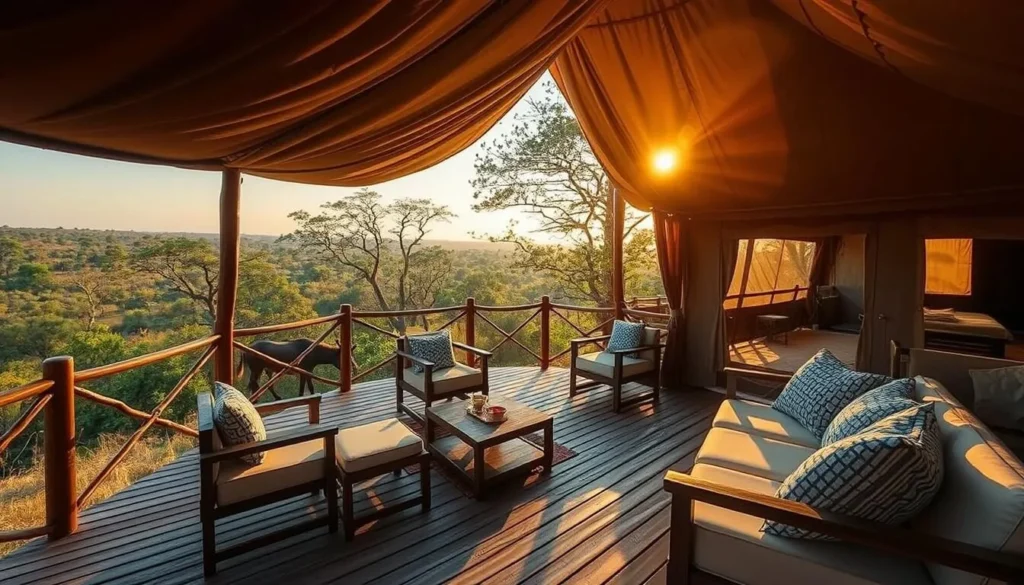
Yala offers a range of accommodation options from budget-friendly guesthouses to luxurious safari lodges. Where you stay will influence your park experience, as different accommodations provide access to different park blocks.
Luxury Options
For those seeking premium experiences, these properties offer exceptional service and wildlife viewing opportunities:
Wild Coast Tented Lodge
Distinctive cocoon-shaped luxury tents with private pools, located right at the park boundary. Offers excellent guided safaris and unparalleled comfort.
Price range: $400-600 per night
Chena Huts
Luxurious cabins with private plunge pools near the Palatupana entrance. The property occasionally sees wildlife wandering through.
Price range: $350-500 per night
Jetwing Yala
Beachfront resort with modern amenities and a large pool. Located close to the park entrance with excellent dining options.
Price range: $150-300 per night
Mid-Range Options
These accommodations offer good value and comfort:
Cinnamon Wild Yala
Chalets set in a wilderness setting where wildlife often wanders through the property. Features a rooftop bar with panoramic views.
Price range: $120-200 per night
Kulu Safaris
Authentic tented safari camp with excellent guides. The focus is on the safari experience rather than luxury amenities.
Price range: $100-180 per night
Flameback Lodge
Eco-friendly lodge near Block 5 entrance with knowledgeable guides and a quieter safari experience away from crowds.
Price range: $80-150 per night
Budget Options
Travelers on a budget can find comfortable accommodations in Tissamaharama (Tissa), the gateway town to Yala:
Tissamaharama Safari Inn
Clean, basic rooms with air conditioning and helpful staff who can arrange safari tours.
Price range: $30-60 per night
River Front Yala
Riverside location with simple but comfortable rooms and good Sri Lankan food.
Price range: $25-50 per night
Green View Safari Resort
Budget-friendly option with garden views and safari packages included.
Price range: $20-45 per night
Location Tip: For the best safari experience, consider where your accommodation is located in relation to the park entrances. Staying near Katagamuwa gate offers a less crowded experience than the popular Palatupana entrance.
Dining & Local Cuisine
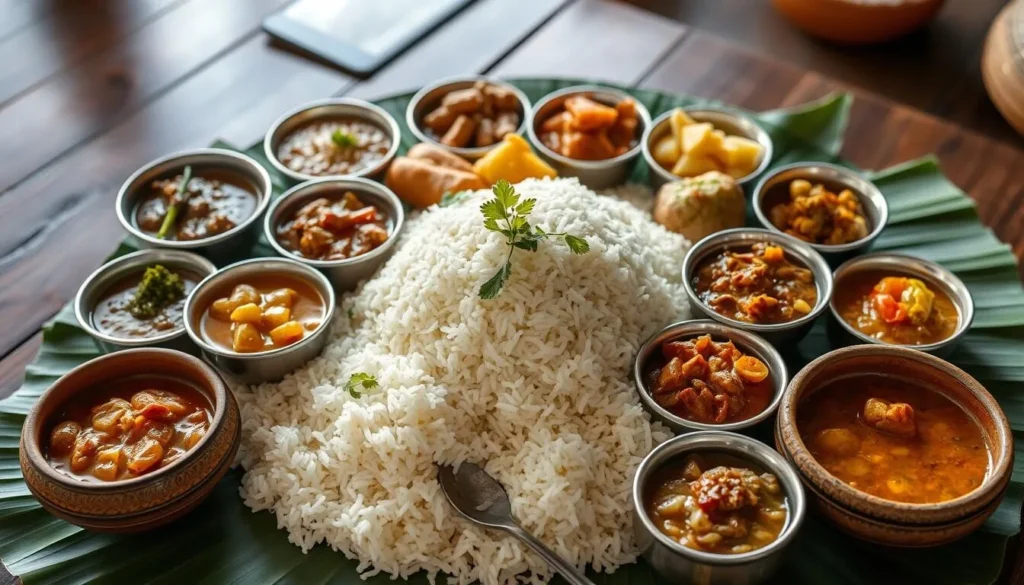
Most visitors to Yala National Park dine at their accommodations, as there are limited standalone restaurants in the area. However, the food options range from authentic Sri Lankan cuisine to international dishes.
Safari Lodge Dining
Luxury and mid-range accommodations typically offer full-board packages with breakfast, lunch, and dinner included. Many prepare special packed breakfasts or lunches for morning safaris, allowing you to enjoy a meal while watching wildlife.
Local Sri Lankan Specialties
Don’t miss these authentic dishes during your stay:
- Rice and Curry – The staple meal consisting of rice served with multiple curry dishes, pickles, and sambols
- Hoppers – Bowl-shaped pancakes made from fermented rice flour, often served with an egg in the center
- Kottu Roti – Chopped flatbread stir-fried with spices, vegetables, and your choice of protein
- Fresh Seafood – Being close to the coast, many lodges serve excellent fish and prawns
Dining in Tissamaharama
If you’re staying in Tissa, you’ll find several local restaurants offering authentic Sri Lankan cuisine at budget-friendly prices. Popular options include:
- Refresh Restaurant – Known for its rice and curry buffet
- Yala Kingdom Restaurant – Offers both Sri Lankan and Western dishes
- Lake View Restaurant – Serves fresh seafood with views of Tissa Lake
Food Tip: Sri Lankan cuisine can be quite spicy. If you prefer milder flavors, be sure to request “not spicy” when ordering. Most places are happy to accommodate dietary preferences.
Attractions, Sightseeing & Activities
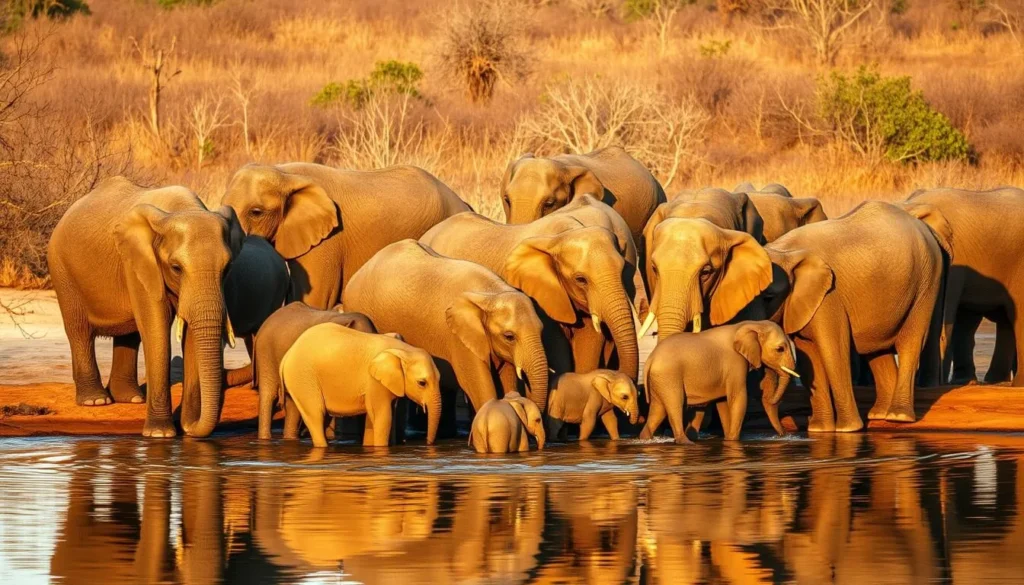
While wildlife safaris are the main attraction at Yala National Park, there’s more to explore in and around the park. Here are the top activities and sights to include in your itinerary:
Wildlife Safaris
The primary reason to visit Yala is to experience its incredible biodiversity. The park is divided into five blocks, with Block 1 being the most visited due to its high leopard density. Consider exploring the less crowded Block 5 for a more peaceful experience.
Key wildlife to look for:
- Sri Lankan Leopard – Yala has one of the highest leopard densities in the world
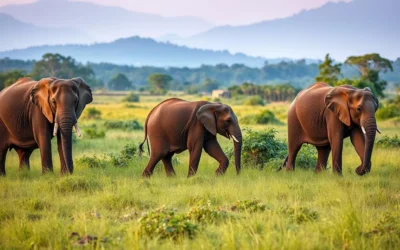
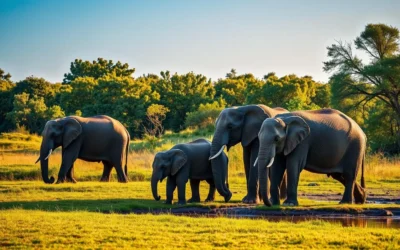
- Sri Lankan Elephant – Around 300-350 elephants roam the park
- Sloth Bear – Best spotted during Palu fruit season (May-July)
- Water Buffalo – Often seen wallowing in waterholes
- Spotted Deer and Sambar – Common prey for leopards
- Golden Jackal – Often spotted in the early morning
- Crocodiles – Both mugger and saltwater species inhabit the park’s waterways
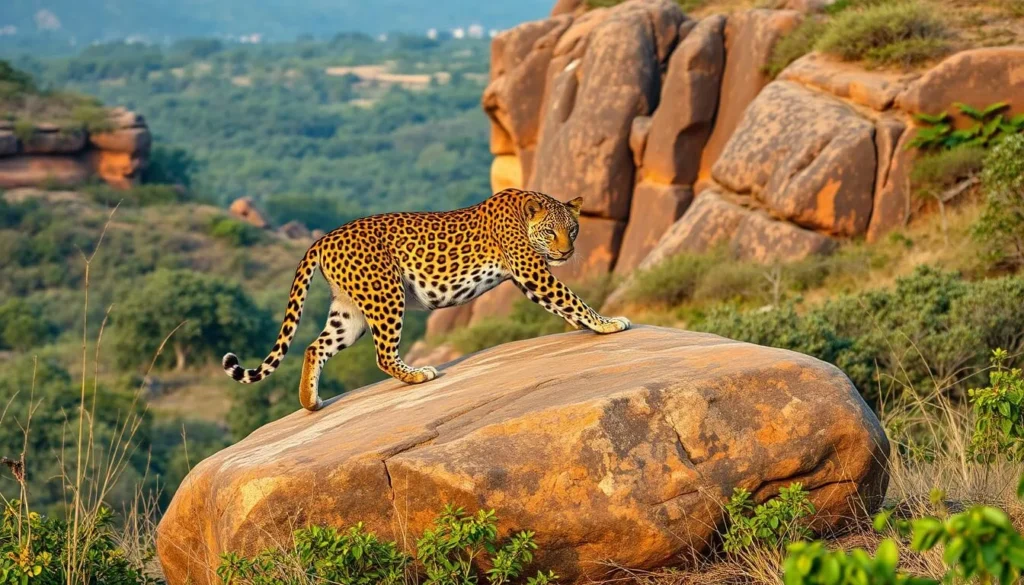
Birdwatching
Yala is a paradise for birdwatchers with 215 species recorded, including six endemic to Sri Lanka. Bring binoculars to spot:
- Sri Lankan Junglefowl (the national bird)
- Painted Stork
- Black-necked Stork
- Eurasian Spoonbill
- Great Thick-knee
- Sri Lankan Grey Hornbill
Beach Visits
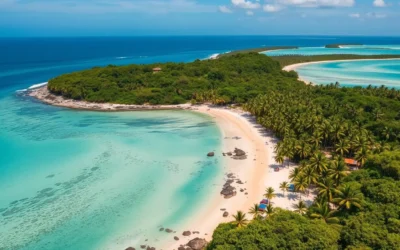
Yala’s coastline features pristine beaches where you might spot sea turtles nesting (seasonal). Swimming is not permitted due to strong currents and crocodiles, but the scenic beauty is worth experiencing.
Patanangala Rock
This distinctive rock formation offers panoramic views of the surrounding landscape and the Indian Ocean. It’s a popular spot for sunset photography.
Museums, Cultural Spots & Festivals
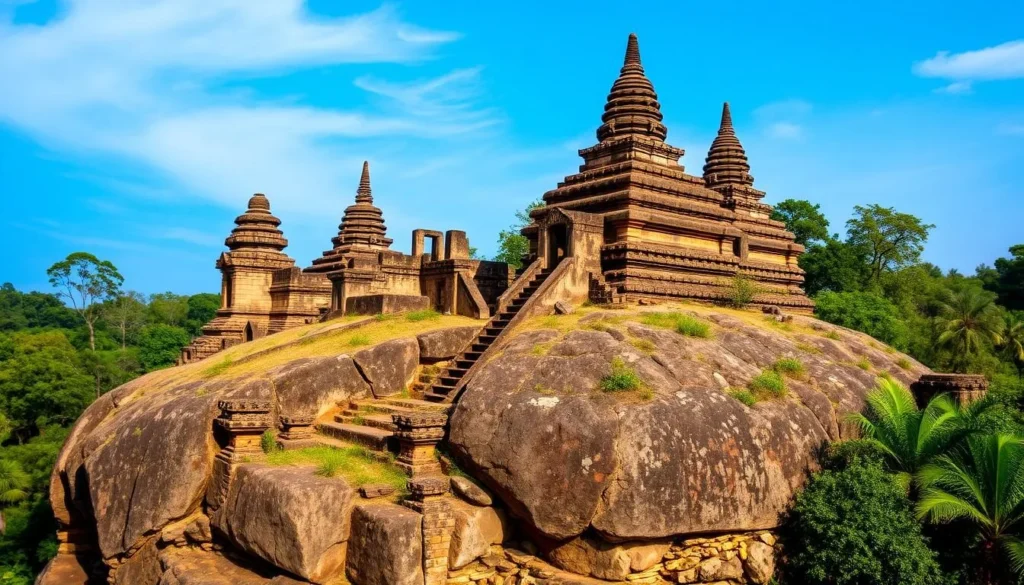
Yala National Park isn’t just about wildlife—it also contains significant historical and cultural sites that date back thousands of years.
Sithulpawwa Ancient Monastery
This 2nd century BCE rock temple was once home to 12,000 Buddhist monks. Located within Block 1 of the park, it sits atop a rocky outcrop offering spectacular views. The monastery features ancient paintings, inscriptions, and stone structures that have survived for over 2,000 years.
Magul Maha Viharaya
This ancient Buddhist monastery is located just outside the park boundaries. According to legend, it was the site of King Kavantissa’s marriage to Viharamahadevi. The stone carvings and moonstone at the entrance are particularly impressive examples of ancient Sinhalese craftsmanship.
Kataragama Festival
If you visit in July or August, consider attending the Kataragama Festival in the nearby town of Kataragama. This important religious event attracts thousands of Hindu and Buddhist pilgrims who participate in fire-walking ceremonies and colorful processions. The festival honors the deity Kataragama, who is revered by both Buddhists and Hindus.
Tissamaharama Temple
This important Buddhist temple in Tissamaharama houses a sacred relic believed to be a tooth of the Buddha. The gleaming white stupa is visible from miles around and is particularly beautiful when illuminated at night.
Cultural Tip: When visiting religious sites, dress modestly with shoulders and knees covered. Remove shoes before entering temple buildings and never turn your back to a Buddha statue when taking photos.
Sports, Nature & Outdoor Experiences
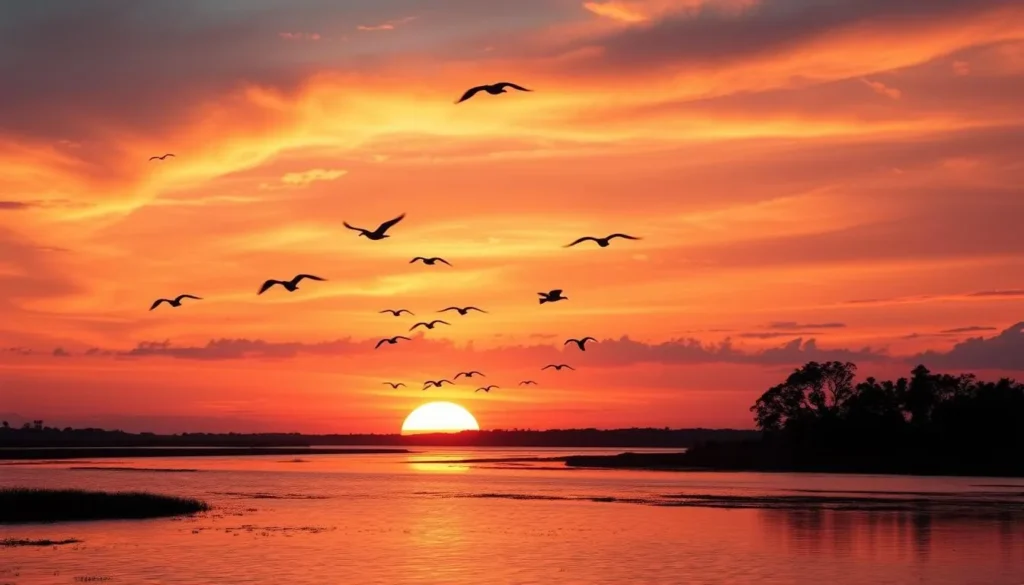
Beyond traditional safaris, Yala and its surroundings offer several other ways to experience Sri Lanka’s natural beauty:
Guided Nature Walks
Some accommodations offer guided nature walks along the park’s periphery (not inside the park itself). These walks provide opportunities to learn about smaller creatures, plants, and tracks that you might miss from a vehicle.
Bird Watching Tours
Specialized bird watching tours focus on Yala’s incredible avian diversity. Early morning tours are particularly rewarding as birds are most active at dawn.
Bundala National Park
Located just 20 kilometers from Yala, Bundala National Park is a UNESCO Biosphere Reserve known for its wetlands and migratory birds. It’s less crowded than Yala and offers excellent flamingo sightings during the migration season.
Kumana National Park
Often called “Yala East,” Kumana is connected to Yala but receives far fewer visitors. It’s renowned for its bird life, particularly the large breeding colonies of waterbirds at Kumana Villu wetland.
Coastal Activities
The nearby coastal areas offer opportunities for:
- Whale watching (from Mirissa, December to April)
- Surfing at Arugam Bay (May to September)
- Snorkeling at Pigeon Island near Trincomalee
Safety, Etiquette & Local Customs
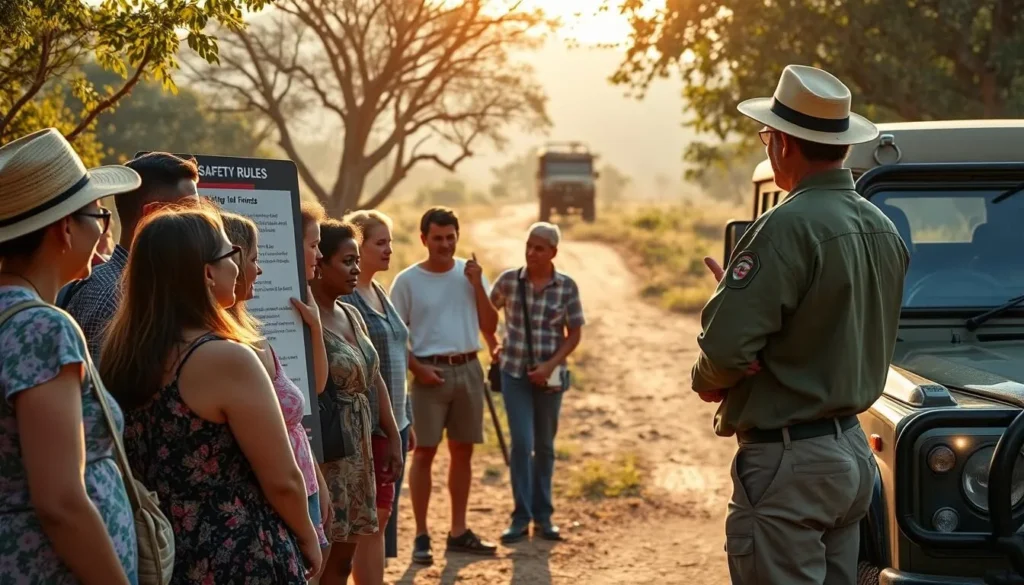
Ensuring a safe and respectful visit to Yala National Park requires understanding some important guidelines:
Wildlife Safety
- Never get out of your vehicle inside the park except at designated rest areas
- Maintain a safe distance from all animals, especially elephants and leopards
- Do not feed or attempt to touch any wildlife
- Follow your guide’s instructions at all times
- Keep noise to a minimum to avoid disturbing animals
Environmental Responsibility
- Take all trash with you—leave no trace
- Use biodegradable sunscreen and insect repellent
- Stay on established roads and trails
- Do not remove any plants, animals, or artifacts from the park
- Choose tour operators who follow ethical wildlife viewing practices
Cultural Respect
- Dress modestly when visiting religious sites (shoulders and knees covered)
- Remove shoes before entering temples
- Ask permission before photographing local people
- Learn a few basic Sinhala phrases like “Ayubowan” (hello/blessings) and “Istuti” (thank you)
Health Tip: Bring plenty of water, sunscreen, insect repellent, and any necessary medications. The nearest hospitals are in Tissamaharama and Hambantota.
Practical Travel Tips
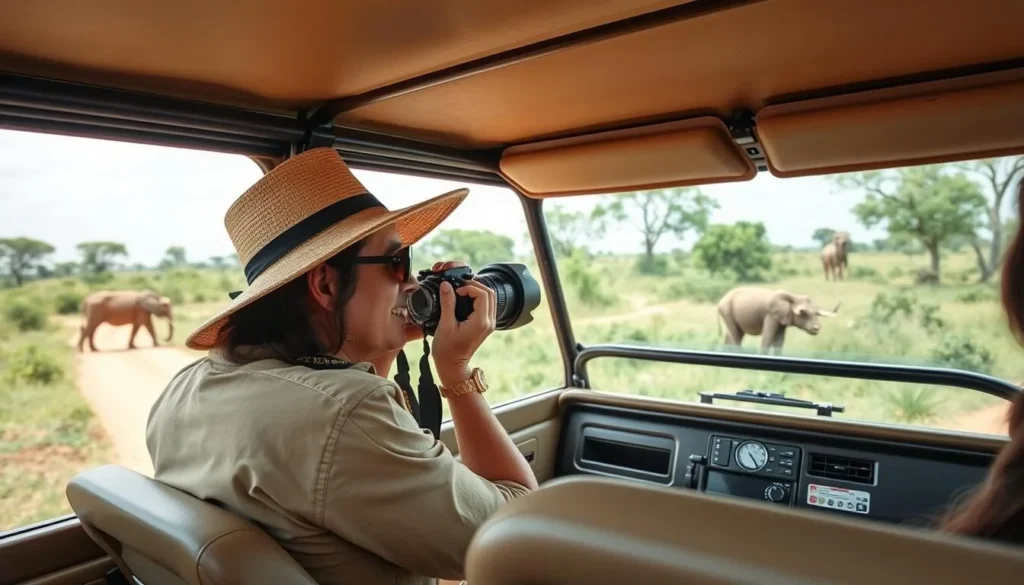
Make the most of your Yala experience with these insider tips:
What to Pack
- Neutral-colored clothing (avoid bright colors that might disturb wildlife)
- Hat, sunglasses, and sunscreen
- Insect repellent
- Binoculars for wildlife spotting
- Camera with zoom lens (200mm or longer is ideal for wildlife photography)
- Reusable water bottle
- Light jacket or sweater for early morning safaris
- Small backpack for essentials
Photography Tips
- Bring extra batteries and memory cards
- Use a beanbag or similar support to stabilize your camera in the jeep
- Set your camera to a fast shutter speed (at least 1/500s) for moving wildlife
- The golden hours (early morning and late afternoon) offer the best light
- Be patient—wildlife photography requires time and luck
Avoiding Crowds
- Visit during weekdays rather than weekends
- Consider the less-visited Block 5 instead of the popular Block 1
- Enter through Katagamuwa gate instead of Palatupana
- Book a full-day safari to explore deeper into the park
- Visit during shoulder seasons (February-April or August)
Communication & Connectivity
Mobile coverage is available in most areas around the park, though signal may be limited inside. Most accommodations offer Wi-Fi, though connection speeds can be slow. Consider purchasing a local SIM card (Dialog or Mobitel) for better connectivity during your stay.
Safari Tip: Book a knowledgeable guide who specializes in your interests (whether it’s leopards, birds, or photography). The quality of your guide can make or break your Yala experience.
Ready for Your Yala Adventure?
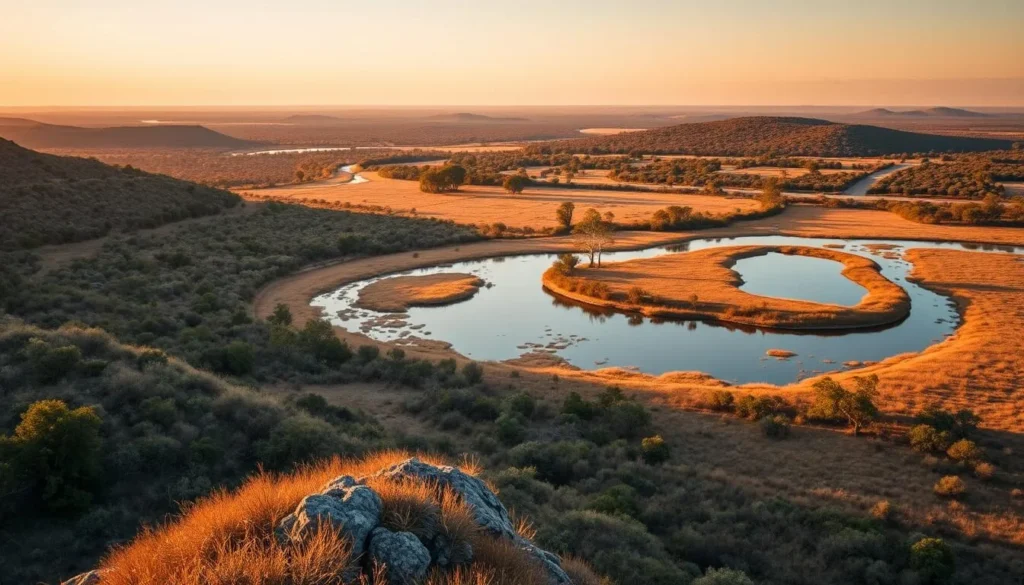
Yala National Park offers a wildlife experience that rivals the famous safari destinations of Africa but with its own unique character. From tracking elusive leopards across rocky outcrops to watching elephants bathe in ancient reservoirs, the memories you’ll make here will last a lifetime.
By timing your visit right, choosing appropriate accommodation, and following our practical tips, you’ll maximize your chances of unforgettable wildlife encounters while minimizing impact on this precious ecosystem. Whether you’re a serious wildlife photographer, a casual nature lover, or a family seeking adventure, Yala has something special to offer.
Start planning your journey to this remarkable corner of Sri Lanka, where ancient civilizations and wild nature have coexisted for millennia. The leopards of Yala are waiting!
The above is subject to change.
Check back often to TRAVEL.COM for the latest travel tips and deals.
0 Comments