

Did you know Bonaire averages just 560 mm (22 inches) of rainfall annually, making it one of the driest Caribbean islands for year-round adventures? This sun-soaked paradise in the southern Caribbean sits outside the hurricane belt, offering travelers a unique opportunity to enjoy tropical weather with minimal disruption throughout most of the year. Whether you’re planning to dive among vibrant coral reefs or windsurf in the steady trade winds, understanding Bonaire’s climate patterns is key to maximizing your island experience.
Getting There & Planning Your Journey
Bonaire is accessible primarily through Flamingo International Airport (BON), which welcomes direct flights from several major hubs. Most travelers connect through Amsterdam, Miami, Atlanta, or neighboring islands like Curaçao and Aruba. Flight availability and prices fluctuate seasonally, with higher rates during the peak tourist season from December to April.
When planning your journey, consider booking flights 3-4 months in advance for the best rates, especially if traveling during the high season. The island’s small size means you’ll likely want to stay for at least 5-7 days to fully experience its natural beauty and underwater wonders without feeling rushed.
For travelers preferring a more leisurely approach, Bonaire is also a popular port of call for southern Caribbean cruises. Several major cruise lines include Bonaire in their itineraries, particularly during the dry season months.
Best Time to Visit & Weather Tips

Bonaire enjoys a consistently warm climate year-round with average temperatures ranging from 26-31°C (79-88°F). The island’s location in the southern Caribbean, outside the hurricane belt, makes it a relatively safe destination even during the Atlantic hurricane season. However, distinct weather patterns throughout the year can significantly impact your experience.
Climate Overview
Bonaire’s climate is characterized by two main seasons: a dry season from January to June and a slightly wetter season from October to December. July through September represents a transition period with occasional brief showers. The island’s arid climate means that even during the “rainy” season, precipitation is typically limited to short afternoon showers that quickly give way to sunshine.
| Month | Weather | What to Wear | Things to Do | Pros & Cons |
| January | 27°C/80°F, 50mm/2in rainfall, 11hrs daylight, 76% humidity | Light clothing, swimwear, light sweater for evenings | Diving, snorkeling, Maskarada celebrations | ✅ Perfect weather ✅ Excellent visibility for diving ❌ Peak tourist season, higher prices |
| February | 27°C/81°F, 25mm/1in rainfall, 11.5hrs daylight, 76% humidity | Light clothing, swimwear, sun protection | Diving, windsurfing, Carnival celebrations | ✅ Ideal water conditions ✅ Vibrant Carnival festivities ❌ Crowded diving spots |
| March | 28°C/82°F, 25mm/1in rainfall, 12hrs daylight, 75% humidity | Light clothing, swimwear, sun protection | Diving, windsurfing, kiteboarding | ✅ Consistent trade winds for water sports ✅ Excellent visibility underwater ❌ Still in high season pricing |
| April | 29°C/84°F, 25mm/1in rainfall, 12.5hrs daylight, 75% humidity | Light clothing, swimwear, sun protection | Diving, Bonaire Sailing Regatta, Dia di Rincon (April 30) | ✅ Fewer tourists as high season ends ✅ Cultural celebrations ✅ Lower accommodation rates begin |
| May | 30°C/86°F, 25mm/1in rainfall, 13hrs daylight, 77% humidity | Light clothing, swimwear, extra sun protection | Diving to see coral spawning, Bonaire Jazz Festival | ✅ Special marine events (coral spawning) ✅ Lower prices ✅ Fewer crowds |
| June | 31°C/87°F, 25mm/1in rainfall, 13hrs daylight, 78% humidity | Very light clothing, swimwear, sun protection | Diving, Bonaire Dive Festival, windsurfing | ✅ Dive Festival activities ✅ Great deals on accommodations ✅ Warm water temperatures |
| July | 31°C/88°F, 25mm/1in rainfall, 13hrs daylight, 78% humidity | Very light clothing, swimwear, sun protection | Diving, windsurfing, exploring Washington Slagbaai Park | ✅ Still relatively dry ✅ Good deals on accommodations ❌ Very hot temperatures |
| August | 31°C/88°F, 25mm/1in rainfall, 12.5hrs daylight, 78% humidity | Very light clothing, swimwear, sun protection | Diving, windsurfing, exploring salt pans | ✅ Uncrowded dive sites ✅ Good value season ❌ Very hot temperatures |
| September | 31°C/88°F, 25mm/1in rainfall, 12hrs daylight, 79% humidity | Light clothing, swimwear, rain jacket | Diving, International Fishing Tournament, turtle watching | ✅ Low season rates ✅ Sea turtle hatching season ❌ Some businesses may have limited hours |
| October | 30°C/86°F, 75mm/3in rainfall, 11.5hrs daylight, 80% humidity | Light clothing, swimwear, rain jacket | Bonaire Regatta, diving, flamingo watching | ✅ Bonaire Regatta festivities ❌ Beginning of rainy season ❌ Higher humidity |
| November | 29°C/83°F, 100mm/4in rainfall, 11hrs daylight, 81% humidity | Light clothing, swimwear, rain jacket | Diving to see coral spawning, Bonaire EcoSwim | ✅ Coral spawning events ❌ Highest rainfall of the year ❌ Higher humidity |
| December | 28°C/81°F, 75mm/3in rainfall, 11hrs daylight, 78% humidity | Light clothing, swimwear, light rain jacket | Diving, holiday celebrations, New Year’s preparations | ✅ Festive atmosphere ❌ Still in rainy season ❌ Prices begin to rise for high season |
Seasonal Overview
Dry Season (January-June)
Weather: Warm, sunny days with minimal rainfall. Average temperatures 27-31°C (80-87°F).
What to Wear: Light clothing, swimwear, sun protection (hat, sunglasses, reef-safe sunscreen).
Things to Do: Diving, snorkeling, windsurfing, kiteboarding, sailing, exploring Washington Slagbaai National Park.
Pros: Perfect weather for outdoor activities, excellent underwater visibility, cultural events like Carnival and Dia di Rincon.
Cons: Higher prices and more tourists during January-April; very hot temperatures in May-June.
Transition Season (July-September)
Weather: Hot days with occasional brief showers. Average temperatures 31°C (88°F).
What to Wear: Very light clothing, swimwear, sun protection, light rain jacket.
Things to Do: Diving with fewer crowds, windsurfing, wildlife watching, exploring salt pans, attending the International Fishing Tournament.
Pros: Lower accommodation rates, fewer tourists, special marine events like turtle hatching.
Cons: Very hot temperatures, slightly higher humidity, some businesses may have limited hours.
Rainy Season (October-December)
Weather: Warm with increased rainfall, especially in November. Average temperatures 28-30°C (81-86°F).
What to Wear: Light clothing, swimwear, rain jacket, water-resistant bag for belongings.
Things to Do: Bonaire Regatta (October), diving to see coral spawning (November), holiday celebrations (December).
Pros: Special events like the Regatta, lower tourist numbers in October-November.
Cons: Highest rainfall of the year, higher humidity, prices begin rising in December for high season.
Best Time to Visit Bonaire
Based on weather patterns and activities, the best months to visit Bonaire are:
- For diving and snorkeling: January through May offers excellent visibility and calm waters.
- For windsurfing and kiteboarding: June through August provides consistent trade winds.
- For budget travelers: May through September offers lower accommodation rates and fewer crowds.
- For special marine events: May and November for coral spawning; September for turtle hatching.
- For cultural events: February for Carnival; April for Dia di Rincon; October for Bonaire Regatta.
Months to avoid or approach with caution are October through December, particularly November, which has the highest rainfall of the year. However, even during these months, rain typically comes in brief afternoon showers rather than all-day downpours.
Getting Around Locally

Bonaire’s compact size (approximately 294 km² or 114 mi²) makes it relatively easy to explore, but having your own transportation is highly recommended. The island’s best diving spots, beaches, and natural attractions are spread out, and public transportation options are limited.
Transportation Options
- Rental Cars: The most convenient option for exploring Bonaire at your own pace. Four-wheel drive vehicles are recommended if you plan to visit Washington Slagbaai National Park or explore the more rugged eastern coastline.
- Scooters and Motorcycles: A popular option for solo travelers or couples, offering flexibility and easier parking. Be aware that roads can be uneven in places.
- Bicycles: Suitable for exploring Kralendijk and nearby areas. Many accommodations offer bicycle rentals, but be prepared for hot weather if cycling during midday.
- Taxis: Available primarily in Kralendijk and at the airport. Rates are fixed but can add up for multiple trips.
- Water Taxis: Available for transportation to Klein Bonaire, the small uninhabited island off Bonaire’s west coast.
Most visitors find that renting a vehicle for their entire stay is the most practical approach. Bonaire’s roads are generally well-maintained near Kralendijk, but can become more rugged in remote areas. Traffic drives on the right, and most major international driving licenses are accepted.
Where to Stay

Bonaire offers a range of accommodations to suit different preferences and budgets. Most properties are concentrated in and around Kralendijk, the capital, with some specialized dive resorts scattered along the western coastline.
Accommodation Types
Dive Resorts
Purpose-built for divers with on-site dive shops, gear storage, rinse tanks, and often direct shore access to dive sites. Many offer dive packages that include accommodations, tanks, and boat dives.
Best for: Dedicated divers looking for convenience
Weather consideration: Available year-round, but book well in advance during January-April
Boutique Hotels & Guesthouses
Smaller, often locally-owned properties offering personalized service and authentic Bonairean hospitality. Many are located in Kralendijk or nearby coastal areas.
Best for: Couples and travelers seeking local character
Weather consideration: Often more affordable during May-September
Vacation Rentals & Apartments
Self-catering options ranging from simple studios to luxury villas, offering more space and the ability to prepare your own meals.
Best for: Families, longer stays, and independent travelers
Weather consideration: Great value during shoulder season (May-June, September)
Popular Areas to Stay
- Kralendijk: The capital offers convenient access to restaurants, shops, and services, with some properties offering waterfront locations.
- Belnem: Southern residential area close to the airport with several dive resorts and vacation rentals.
- Hato: Northern residential area with a mix of local homes and tourist accommodations.
- Lac Bay: Eastern area popular with windsurfers due to its proximity to Sorobon Beach, the island’s premier windsurfing spot.
Weather Tip: If visiting during October-December (rainy season), consider accommodations with covered outdoor spaces or indoor common areas to enjoy during brief rain showers.
Dining & Local Cuisine

Bonaire’s culinary scene reflects its diverse cultural influences, blending Dutch, Caribbean, and South American flavors. Fresh seafood features prominently on most menus, along with local specialties that showcase the island’s unique heritage.
Local Specialties
- Keshi Yena: A traditional stuffed cheese dish filled with spiced meat, olives, capers, and vegetables.
- Kabritu Stoba: Goat stew slow-cooked with local herbs and vegetables.
- Lionfish: Served in various preparations as part of conservation efforts to control this invasive species.
- Funchi: A polenta-like cornmeal side dish often served with stews.
- Bolo di Banana: Traditional banana bread, a popular local dessert.
Dining Weather Considerations
Many restaurants in Bonaire offer open-air or partially covered dining areas to take advantage of the pleasant climate. During the dry season (January-June), outdoor dining is particularly enjoyable. In the rainy season (October-December), some restaurants may have limited covered seating, so reservations are recommended for popular establishments.
Seasonal Tip: Fresh catch availability varies throughout the year. Ask your server about the day’s local seafood options for the most authentic dining experience.
Restaurants in Kralendijk range from casual beachfront eateries to upscale dining establishments. Outside the capital, you’ll find charming local spots, often with spectacular ocean views. Many accommodations also offer kitchen facilities, allowing you to prepare your own meals with ingredients from local markets and grocery stores.
Attractions, Sightseeing & Activities

Bonaire’s attractions revolve around its natural beauty, both above and below the water. The island’s designation as a marine sanctuary since 1979 has preserved its underwater ecosystems, making it a world-renowned destination for diving and snorkeling.
Water Activities
- Diving: With over 80 marked dive sites accessible from shore, Bonaire offers some of the Caribbean’s best diving. Most sites are on the protected western coast, providing year-round calm conditions.
- Snorkeling: Many of Bonaire’s dive sites are also excellent for snorkeling, with healthy coral formations often beginning in shallow water.
- Windsurfing & Kiteboarding: Lac Bay on the eastern coast is a world-class windsurfing destination with shallow, warm water and consistent trade winds, especially from May through August.
- Kayaking: Explore the mangroves of Lac Bay or the coastline of Klein Bonaire through guided kayak tours.
Land Attractions
- Washington Slagbaai National Park: A 5,643-hectare nature sanctuary offering hiking trails, wildlife viewing, and beaches. Four-wheel drive vehicles are recommended.
- Flamingo Sanctuary: The salt pans in the south of the island attract flocks of flamingos. Best viewed during early morning or late afternoon.
- Rincon: Bonaire’s oldest settlement, offering cultural experiences and historical sites.
- Salt Pans: The colorful salt pans in the south, along with the historic slave huts, provide both photographic opportunities and historical context.
Weather-Dependent Activity Planning
Dry Season Activities (January-June)
- All diving and snorkeling sites accessible
- Perfect conditions for photography
- Comfortable hiking in Washington Slagbaai National Park (go early to avoid midday heat)
- Ideal for sailing and boating excursions
Rainy Season Considerations (October-December)
- Plan outdoor activities for morning hours
- Have indoor alternatives ready for afternoon showers
- Diving still excellent, though surface conditions may be occasionally choppy
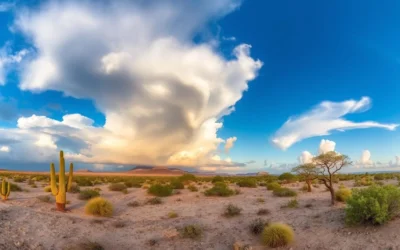
- Unique opportunity to see the desert landscape briefly transform after rains
Museums, Cultural Spots & Festivals

While Bonaire may be best known for its natural attractions, the island also offers rich cultural experiences that reflect its diverse heritage. From small museums to vibrant festivals, these cultural elements provide insight into Bonaire’s history and traditions.
Museums & Historical Sites
- Bonaire Museum: Located in Kralendijk, this small museum showcases the island’s history, from its indigenous Caiquetio people to colonial times and modern development.
- Terramar Museum: Archaeological museum featuring exhibits on the Caribbean’s pre-colonial history.
- Slave Huts: Small stone structures along the southern coast that once sheltered salt workers, providing a sobering reminder of Bonaire’s colonial past.
- Fort Oranje: Historic fort in Kralendijk dating back to 1639.
Key Festivals & Events
| Festival | Date | Description | Weather Considerations |
| Maskarada | January 1 | Traditional New Year’s celebration with masked performers visiting homes | Dry season; comfortable outdoor conditions |
| Carnival | February/March (varies) | Vibrant pre-Lenten celebration with parades, music, and dancing | Dry season; prepare for sun exposure during parades |
| Dia di Rincon | April 30 | Cultural festival celebrating Bonaire’s oldest town with music, food, and crafts | Dry season; comfortable but bring sun protection |
| Bonaire Dive Festival | June | Celebration of diving with underwater photography competitions and workshops | End of dry season; hot but excellent diving conditions |
| Bonaire International Fishing Tournament | September | Competitive fishing event promoting sustainable practices | Transition season; possible brief showers |
| Bonaire Regatta | Early October | Week-long sailing competition with accompanying cultural events | Beginning of rainy season; have rain gear handy |
Attending local festivals provides a unique opportunity to experience Bonairean culture firsthand. Many events feature traditional music like tumba and mazurka, local cuisine, and artisan crafts. Even during the rainy season, most festival activities continue as planned, with indoor alternatives for key events in case of showers.
Sports, Nature & Outdoor Experiences

Bonaire’s diverse ecosystems offer outdoor enthusiasts a wealth of experiences beyond the renowned diving and snorkeling. The island’s arid climate creates unique landscapes that support distinctive flora and fauna, while consistent trade winds make it ideal for wind sports.
Wind Sports
Bonaire is a world-class destination for windsurfing and kiteboarding, particularly at Lac Bay on the eastern coast. The bay’s shallow, warm waters and steady trade winds create ideal conditions for both beginners and experts. Wind conditions are generally best from May through August, though good conditions can be found year-round.
Wildlife Watching
- Flamingos: Bonaire is home to one of the Caribbean’s largest flamingo breeding colonies. The birds can be spotted at the salt pans in the south and at Goto Lake.
- Marine Life: Beyond diving, boat tours offer opportunities to spot sea turtles, dolphins, and numerous fish species.
- Bird Watching: With over 200 bird species, Bonaire is a paradise for birders. Washington Slagbaai National Park and the salt pans are prime viewing areas.
- Donkeys: Wild donkeys roam parts of the island and can be visited at the Donkey Sanctuary.
Hiking & Exploration
Washington Slagbaai National Park offers several hiking trails ranging from easy walks to challenging climbs. The Brandaris Trail leads to the island’s highest point (241 m/791 ft) and offers panoramic views. For the best hiking experience, start early in the morning to avoid midday heat, especially during the dry season when temperatures can be particularly high.
Safety, Etiquette & Local Customs

Bonaire is generally a safe destination with low crime rates, but as with any travel location, basic precautions are advisable. Understanding local customs and environmental regulations will enhance your experience while helping preserve the island’s natural beauty.
Safety Considerations
- Sun Protection: Bonaire’s location close to the equator means intense sun year-round. Use reef-safe sunscreen, wear protective clothing, and stay hydrated.
- Water Safety: Follow local diving and snorkeling guidelines. Always use a dive flag when appropriate and never dive or snorkel alone.
- Road Safety: Drive defensively and watch for cyclists, scooters, and wildlife (particularly goats and donkeys) on roads.
- Weather Awareness: During the rainy season (October-December), be cautious of occasional flash flooding in low-lying areas after heavy rains.
Environmental Etiquette
Bonaire takes environmental protection seriously, with strict regulations to preserve its marine and terrestrial ecosystems:
- All visitors engaging in water activities must purchase a nature fee tag ($45 for divers, $25 for other water activities, valid for one year).
- Never touch or stand on coral, and maintain proper buoyancy control when diving.
- Use only reef-safe sunscreen (oxybenzone-free) to protect coral health.
- Stay on marked trails in Washington Slagbaai National Park and other natural areas.
- Do not remove shells, coral, or any natural items from beaches or the ocean.
Local Customs & Etiquette
Bonaireans are generally friendly and welcoming to visitors. A few cultural notes to keep in mind:
- Greetings are important; a simple “Bon dia” (good day) or “Bon nochi” (good evening) in the local Papiamentu language is appreciated.
- Casual dress is acceptable in most places, but cover swimwear when not at the beach.
- Tipping is customary (15-20% at restaurants) unless a service charge is already included.
- Ask permission before photographing local people.
Weather Safety Tip: During the rainy season, monitor weather forecasts for heavy rain warnings. While hurricanes rarely affect Bonaire directly, tropical systems can occasionally bring extended periods of rainfall.
Practical Travel Tips

These practical tips will help you make the most of your Bonaire experience, regardless of when you visit:
Packing Essentials
- Year-round: Lightweight, breathable clothing, swimwear, sun hat, sunglasses, reef-safe sunscreen, insect repellent, refillable water bottle.
- Dry season (January-June): Extra sun protection, light sweater for evening ocean breezes.
- Rainy season (October-December): Light rain jacket, water-resistant bag for electronics, quick-dry clothing.
Money & Services
The official currency is the U.S. Dollar. Credit cards are widely accepted at hotels, restaurants, and larger stores, but smaller establishments may prefer cash. ATMs are available in Kralendijk. Many businesses close on Sundays or have limited hours, so plan accordingly.
Connectivity
Wi-Fi is available at most accommodations and many restaurants, though connection speeds may vary. Local SIM cards can be purchased for mobile data if needed. Some remote areas of the island have limited or no cellular coverage.
Health Considerations
Bonaire has good medical facilities for basic care, but serious conditions may require evacuation to Curaçao or beyond. Travel insurance with medical coverage is highly recommended. The tap water is safe to drink, being produced by reverse osmosis from seawater.
What language is spoken in Bonaire?
The official languages are Dutch and Papiamentu (a Creole language), but English and Spanish are widely spoken, especially in tourist areas.
Do I need a visa to visit Bonaire?
Bonaire is a special municipality of the Netherlands. Visitors from the US, Canada, EU, and many other countries do not need a visa for stays up to 90 days. Check current requirements before traveling.
What electrical outlets are used in Bonaire?
Bonaire uses 127V/50Hz electricity with North American-style Type A and B plugs. Some accommodations may have European-style outlets, so a universal adapter is recommended.
Ready for Your Weather-Perfect Bonaire Adventure?

With its consistently warm temperatures, minimal rainfall for most of the year, and location outside the hurricane belt, Bonaire offers weather-savvy travelers an exceptional Caribbean destination. Whether you’re diving among vibrant coral reefs during the crystal-clear conditions of February, windsurfing in the steady trade winds of June, or enjoying the cultural festivities of October’s Regatta, Bonaire’s climate allows for year-round adventures.
By planning your visit around your preferred activities and weather conditions, you’ll maximize your Bonaire experience. The island’s natural beauty, friendly locals, and commitment to conservation create a unique destination that rewards travelers in every season. Pack your sunscreen, prepare your camera, and get ready to discover why weather-wise travelers return to Bonaire year after year!

0 Comments