
Hotels by Trip.com
Flights by Trip.com
Did you know the British Virgin Islands enjoy over 3,000 hours of sunshine annually, making it one of the sunniest destinations in the Caribbean? With average water temperatures hovering around a blissful 27°C (80°F) year-round, these 60 pristine islands offer an idyllic escape regardless of when you visit. However, timing your trip strategically can mean the difference between perfect sailing conditions and navigating through hurricane season challenges.
Getting There & Planning Your Journey
Most travelers reach the British Virgin Islands by flying into Terrance B. Lettsome International Airport (EIS) on Beef Island, which is connected to Tortola by a small bridge. Direct flights are available from major Caribbean hubs like San Juan, Puerto Rico, St. Thomas, and Antigua. For many visitors, flying into St. Thomas in the U.S. Virgin Islands and taking a ferry to Tortola is often more economical.
When planning your journey, consider that December through April is peak season with higher prices but ideal weather conditions. If you’re looking to save on accommodations and enjoy fewer crowds, the shoulder seasons of May-June and November can offer excellent value while still providing good weather.
Best Time to Visit & Weather Tips
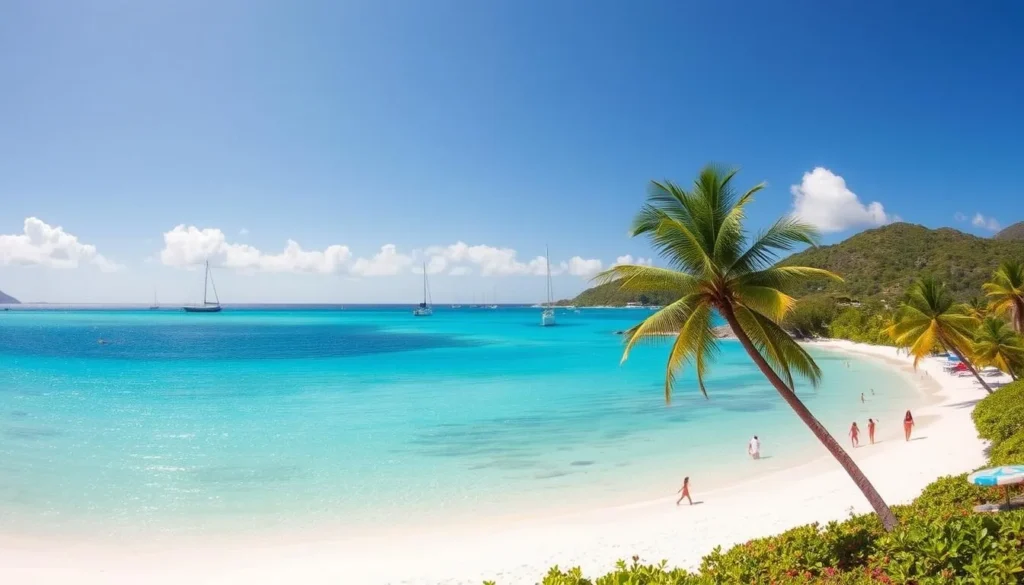
The British Virgin Islands enjoy a tropical climate with consistent temperatures year-round, typically ranging from 25°C to 32°C (77°F to 90°F). However, rainfall patterns, humidity levels, and the risk of hurricanes vary significantly throughout the year, making some months more ideal for visitors than others.
Month-by-Month Weather Guide
| Month | Weather | What to Wear | Things to Do | Pros & Cons |
| January | 26°C/79°F, 50mm/2in rain, 11hrs daylight, 70% humidity | Light clothing, swimwear, light sweater for evenings | Sailing, snorkeling, New Year’s parties at Jost Van Dyke | ✅ Perfect weather, clear waters ✅ Excellent sailing conditions ❌ Peak prices and crowds |
| February | 26°C/79°F, 35mm/1.4in rain, 11hrs daylight, 69% humidity | Light clothing, swimwear, sun protection | Diving, beach hopping, sailing | ✅ Driest month, ideal for water activities ✅ Perfect visibility for diving ❌ High season prices |
| March | 27°C/81°F, 40mm/1.6in rain, 12hrs daylight, 68% humidity | Light clothing, swimwear, sun protection | BVI Spring Regatta, sailing, snorkeling | ✅ Perfect weather, sailing events ✅ Longer daylight hours ❌ Spring break crowds |
| April | 28°C/82°F, 60mm/2.4in rain, 12.5hrs daylight, 70% humidity | Light clothing, swimwear, sun protection | Easter festivities, diving, sailing | ✅ Excellent weather, fewer crowds ✅ End of high season deals ❌ Easter week can be busy |
| May | 29°C/84°F, 105mm/4.1in rain, 13hrs daylight, 73% humidity | Light clothing, swimwear, light rain jacket | Hiking, sailing, beach activities | ✅ Lower prices, fewer tourists ✅ Still good weather overall ❌ Increasing rainfall |
| June | 30°C/86°F, 85mm/3.3in rain, 13.5hrs daylight, 75% humidity | Light clothing, swimwear, rain gear | Diving, snorkeling, beach relaxation | ✅ Good deals on accommodations ✅ Long daylight hours ❌ Start of hurricane season |
| July | 30°C/86°F, 85mm/3.3in rain, 13hrs daylight, 76% humidity | Light clothing, swimwear, rain gear | Christmas in July festivities, water sports | ✅ Special events and parties ✅ Good deals available ❌ Hurricane risk begins |
| August | 30°C/86°F, 110mm/4.3in rain, 13hrs daylight, 77% humidity | Light clothing, swimwear, rain gear | Emancipation Festival, cultural events | ✅ Cultural festivals and events ✅ Lower tourist numbers ❌ Increasing hurricane risk |
| September | 30°C/86°F, 145mm/5.7in rain, 12hrs daylight, 78% humidity | Light clothing, rain gear, waterproof bags | Indoor activities, short beach visits | ✅ Lowest prices of the year ✅ Very few tourists ❌ Peak hurricane season |
| October | 29°C/84°F, 145mm/5.7in rain, 12hrs daylight, 78% humidity | Light clothing, rain gear, waterproof bags | Kayaking, paddleboarding (on calm days) | ✅ Great deals on accommodations ✅ Good for budget travelers ❌ Wettest month, hurricane risk |
| November | 28°C/82°F, 130mm/5.1in rain, 11hrs daylight, 76% humidity | Light clothing, light rain jacket | Cooper Island Rum Festival, sailing | ✅ Decreasing rainfall ✅ Good shoulder season deals ❌ Occasional late hurricanes |
| December | 27°C/81°F, 70mm/2.8in rain, 11hrs daylight, 73% humidity | Light clothing, swimwear, light sweater for evenings | Christmas festivities, sailing, beach activities | ✅ Beginning of dry season ✅ Holiday atmosphere ❌ Prices increase mid-month |
Seasonal Overview
Winter (December-February)
Weather: 26-27°C (79-81°F), low rainfall (35-70mm), 70% humidity
What to Wear: Light clothing, swimwear, light sweater for evenings
Things to Do: Sailing, snorkeling, diving, beach hopping
Pros: Perfect weather, clear waters, ideal sailing conditions
Cons: Peak prices, more crowded beaches and anchorages
Spring (March-May)
Weather: 27-29°C (81-84°F), increasing rainfall (40-105mm), 70% humidity
What to Wear: Light clothing, swimwear, light rain jacket
Things to Do: BVI Spring Regatta, diving, sailing, hiking
Check 30,000+ Local Sightseeing Tours Worldwide
✓ Numerous languages and currencies are available
Pros: Great weather, fewer crowds by late April, longer days
Cons: Spring break crowds in March, increasing rain in May
Summer (June-August)
Weather: 30°C (86°F), moderate rainfall (85-110mm), 76% humidity
What to Wear: Light clothing, swimwear, rain gear
Things to Do: Christmas in July, Emancipation Festival, water sports
Pros: Special events, fewer tourists, good deals
Cons: Hurricane season begins, higher humidity
Hurricane Season (September-November)
Weather: 28-30°C (82-86°F), heavy rainfall (130-145mm), 77% humidity
What to Wear: Light clothing, rain gear, waterproof bags
Things to Do: Indoor activities, Cooper Island Rum Festival (Nov)
Pros: Lowest prices, very few tourists
Cons: Peak hurricane risk, wettest months, some businesses closed
Best Time to Visit British Virgin Islands
Recommended Months
- December to April: Ideal weather, low rainfall, perfect for sailing and water activities
- May and November: Good shoulder season options with decent weather and fewer crowds
Months to Avoid
- September and October: Peak hurricane season with highest rainfall
- August: Increasing hurricane risk and humidity
Getting Around Locally
The British Virgin Islands consist of four main islands—Tortola, Virgin Gorda, Anegada, and Jost Van Dyke—plus over 50 smaller islands and cays. Getting around requires a combination of transportation methods depending on your itinerary and the weather conditions.
Transportation Options
Water Taxis & Ferries
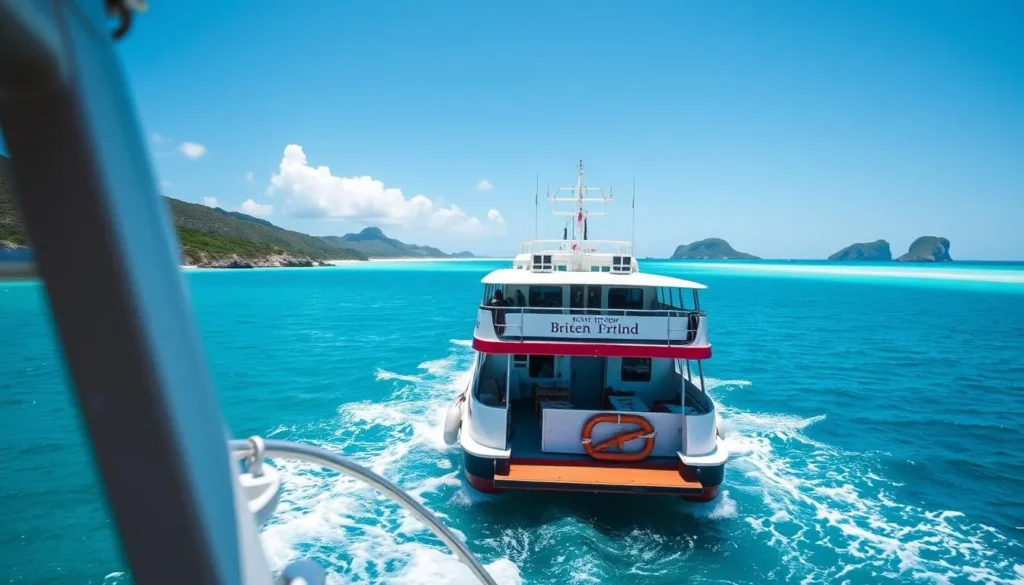
The most common way to travel between islands. Regular ferry services connect the main islands, with more frequent schedules during the high season (December-April). Weather conditions can affect schedules during hurricane season.
Rental Cars & Taxis
Available on the larger islands like Tortola and Virgin Gorda. Remember that driving is on the left side of the road. Taxis are unmetered with set rates between destinations. Roads can be challenging during rainy season.
Yacht Charters
The most popular way to explore the BVI. Bareboat or crewed charters allow you to visit multiple islands at your own pace. Best during the dry season when sailing conditions are optimal (December-April).
Where to Stay
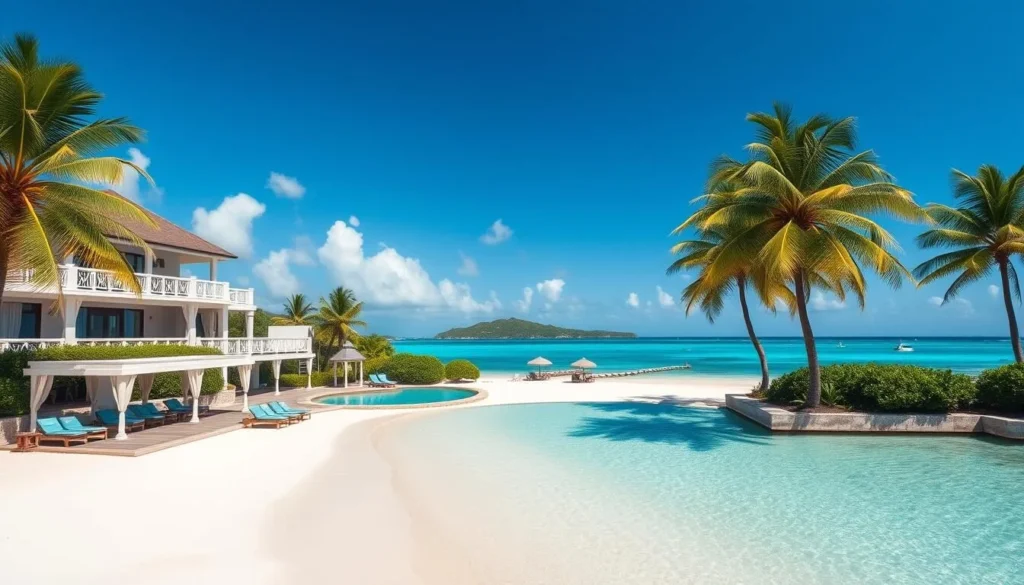
Accommodation options in the British Virgin Islands range from luxury resorts to boutique hotels and vacation rentals. Your choice may depend on the season, as some properties offer significant discounts during the shoulder and low seasons, while others close during the hurricane season months.
Accommodation Types by Season
| Accommodation Type | Best Season | Price Range | Weather Considerations |
| Luxury Resorts | High Season (Dec-Apr) | $$$-$$$$ | Open year-round with hurricane contingency plans; best amenities during dry season |
| Boutique Hotels | High & Shoulder Seasons | $$-$$$ | Some close September-October during peak hurricane season |
| Vacation Villas | Year-round | $$-$$$$ | Best deals during shoulder season; check hurricane policies |
| Yacht Charters | High Season (Dec-Apr) | $$-$$$$ | Not recommended during hurricane season; best sailing conditions in winter/spring |
| Eco-Resorts | Shoulder Season (May, Nov) | $$-$$$ | Often designed for natural ventilation; may be uncomfortable in high humidity months |
Weather-Dependent Activities & Attractions
The British Virgin Islands offer a wealth of activities, but their enjoyment can be heavily influenced by weather conditions. Here’s a guide to the best weather-dependent activities and when to enjoy them.
Water Activities
Sailing & Yachting
Best Time: December-April
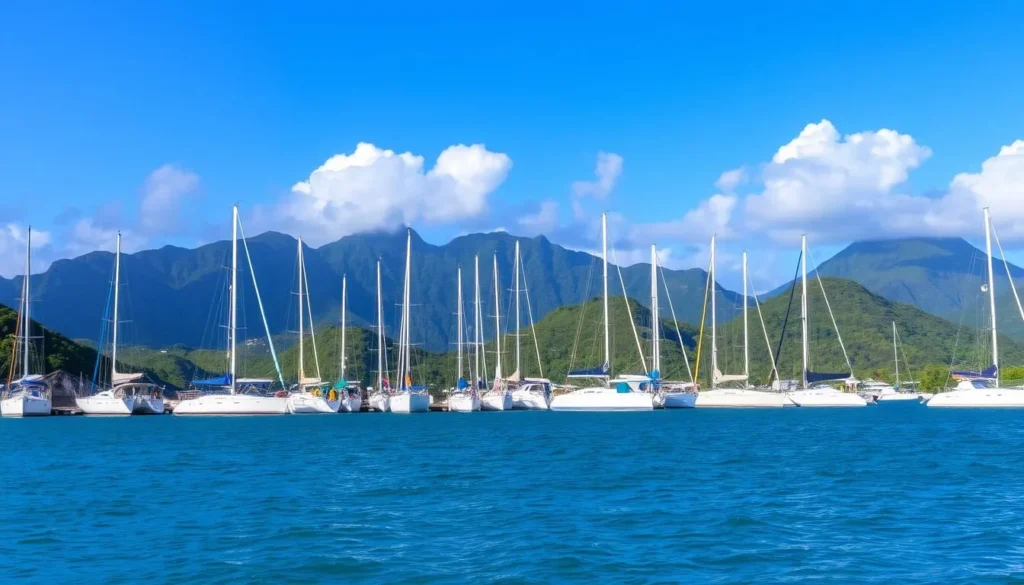
The BVI is known as the sailing capital of the Caribbean. Steady trade winds (15-25 knots) and calm seas make winter and spring ideal for sailing. The BVI Spring Regatta in late March/early April is a highlight for sailing enthusiasts.
Snorkeling & Diving
Best Time: February-April, November
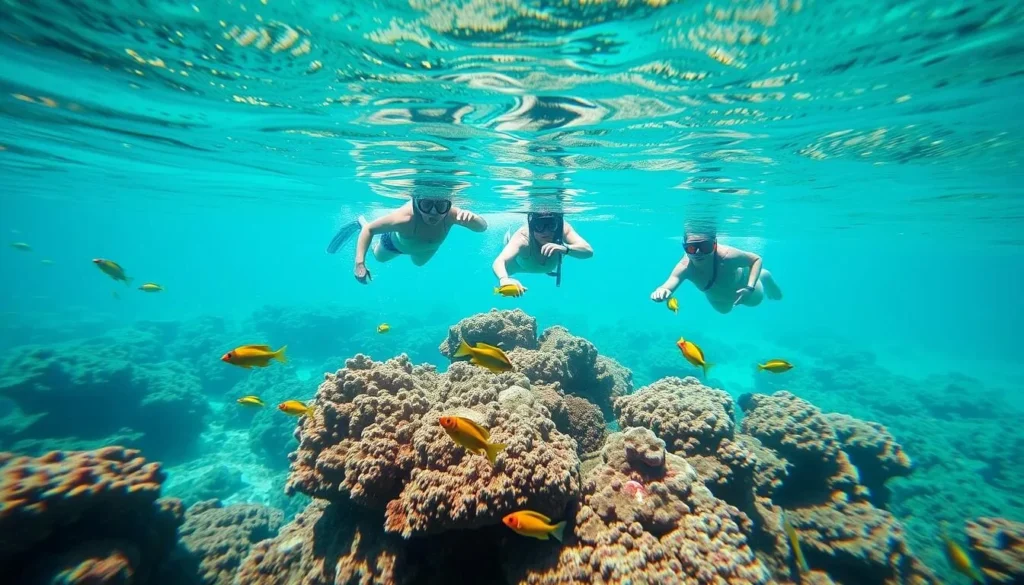
Water visibility is best during the dry season, particularly February-April when rainfall is minimal. The Baths at Virgin Gorda and the RMS Rhone wreck are must-visit sites with visibility often exceeding 30 meters (100 feet).
Beaches & Swimming
Best Time: Year-round (except Sep-Oct)
With water temperatures averaging 27°C (80°F) year-round, swimming is always pleasant. However, heavy rainfall during September-October can reduce visibility and occasionally affect water quality near shore.
Land Activities
Hiking & Nature Walks
Best Time: December-February, May
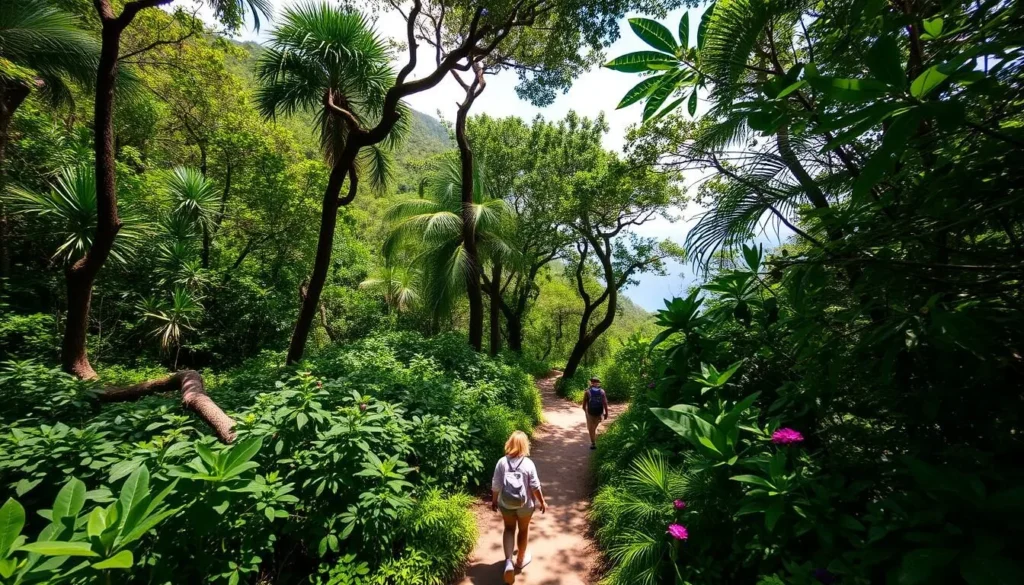
The cooler, drier months are ideal for exploring trails like the Gorda Peak National Park. May offers lush landscapes after the spring rains without the intense summer heat or hurricane risk.
Cultural Festivals
Best Time: July-August, November
Experience the Emancipation Festival in August or Christmas in July celebrations. The Cooper Island Rum Festival in November offers a taste of local culture as the hurricane season winds down.
Island Hopping
Best Time: December-April
Explore multiple islands when ferry services are most reliable during the dry season. Anegada, Jost Van Dyke, and the smaller cays are all more accessible when seas are calmer.
Weather-Related Travel Tips
Traveling to the British Virgin Islands requires some preparation, especially regarding weather conditions. Here are essential tips to ensure your trip goes smoothly regardless of when you visit.
Essential Weather Preparations
Hurricane Season Precautions (June-November)
- Purchase comprehensive travel insurance with hurricane coverage
- Check cancellation policies for accommodations and activities
- Monitor weather forecasts regularly via the BVI Department of Disaster Management
- Keep a hurricane preparedness kit if staying during this season
- Have a backup plan for departure if weather deteriorates
Year-Round Weather Tips
- Pack high-SPF sunscreen regardless of season (UV index is high year-round)
- Bring a light rain jacket even during dry season for occasional showers
- Stay hydrated in the tropical climate (humidity ranges from 68-78% year-round)
- Consider reef-safe sunscreen to protect the marine environment
- Pack moisture-wicking clothing for comfort in high humidity
When Should You Visit the British Virgin Islands?
After analyzing weather patterns, activities, and local events, the best time to visit the British Virgin Islands is undoubtedly December through April. This period offers the perfect combination of sunny days, minimal rainfall, and ideal conditions for sailing, snorkeling, and beach activities. For travelers seeking better value and fewer crowds while still enjoying good weather, the shoulder months of May and November provide an excellent compromise.
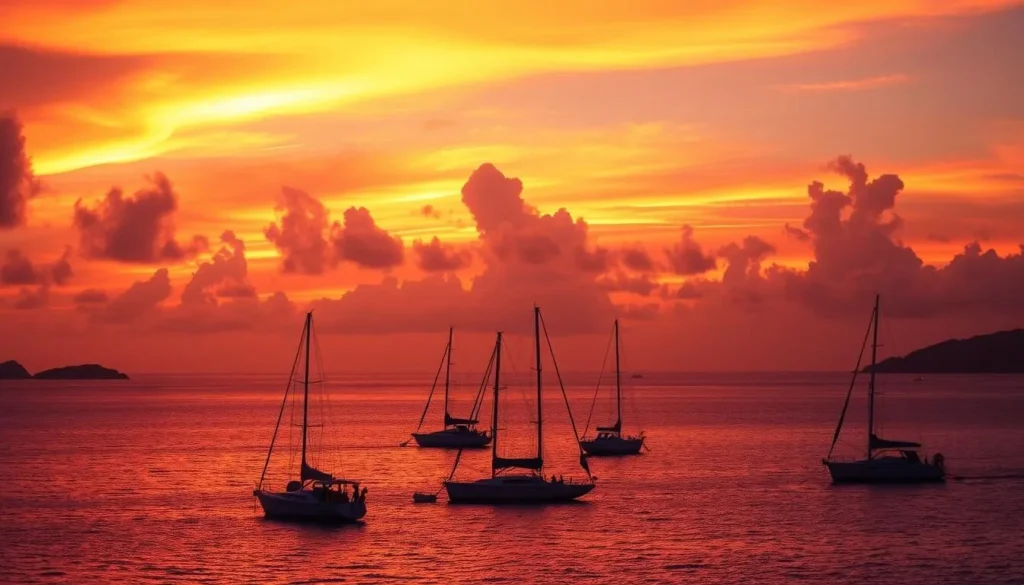
Regardless of when you choose to visit, the British Virgin Islands offer year-round beauty with their turquoise waters, white sand beaches, and lush landscapes. By planning your trip with weather considerations in mind, you’ll ensure the best possible experience in this Caribbean paradise. Pack your sunscreen, prepare for the season, and get ready to discover why the BVI is considered one of the world’s premier sailing and beach destinations.
Related Posts
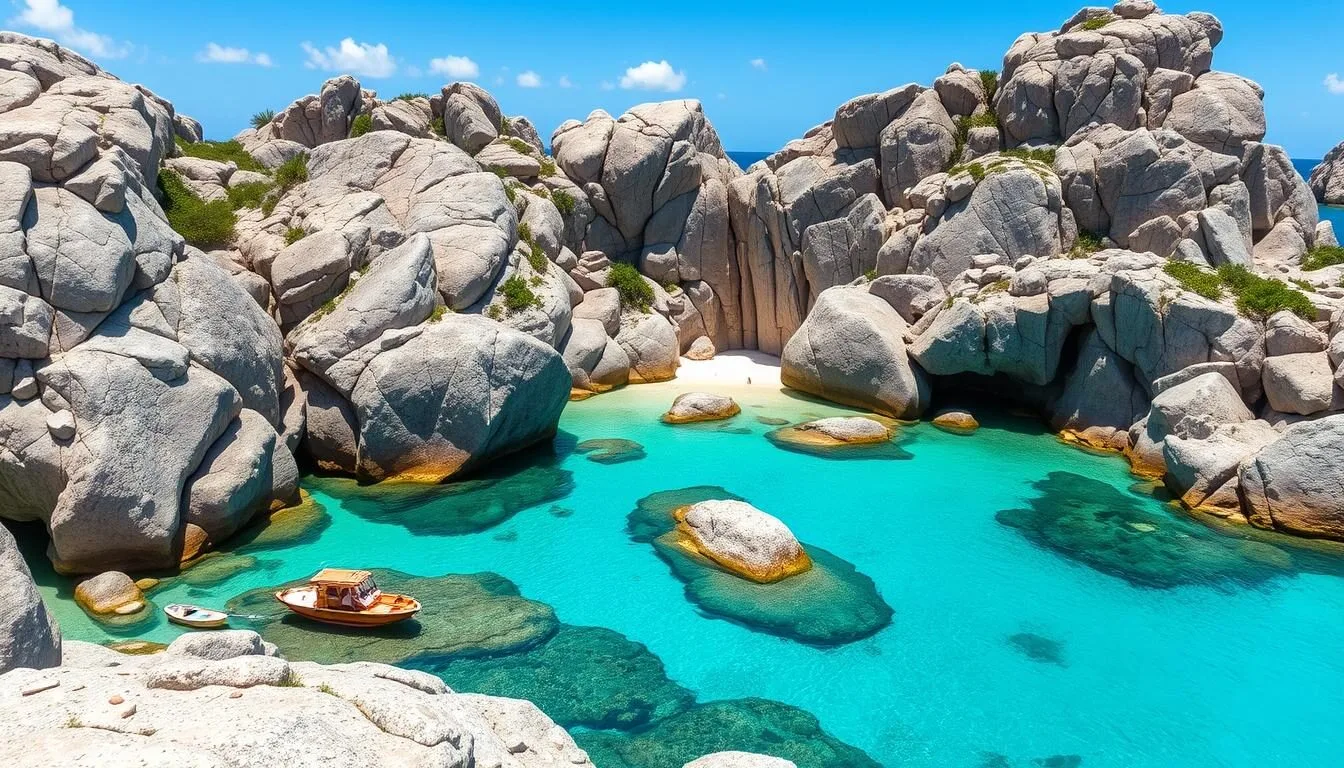
The Baths (Virgin Gorda), British Virgin Islands: Best Things to Do – Top Picks
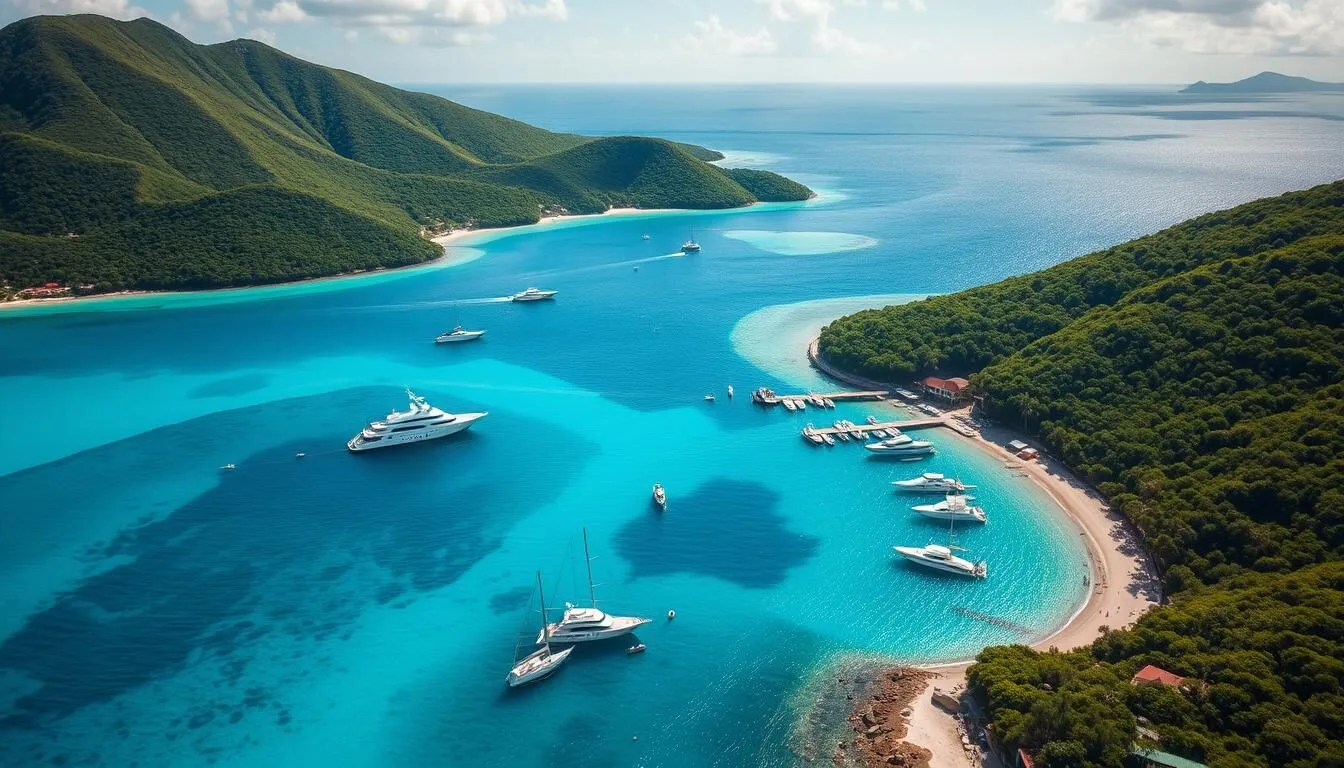
Norman Island, British Virgin Islands: Best Things to Do – Top Picks

Sandy Cay, British Virgin Islands: Best Things to Do – Top Picks
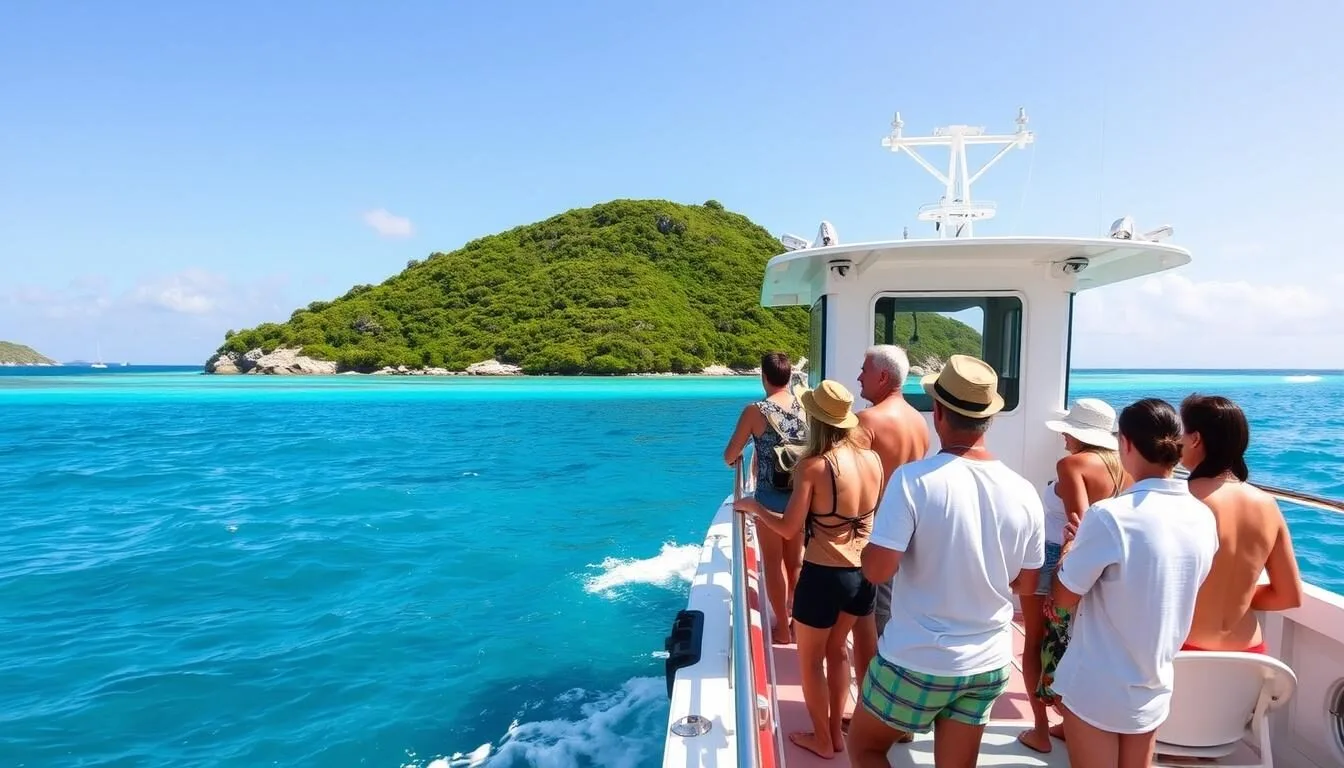
Cooper Island, British Virgin Islands: Best Things to Do – Top Picks
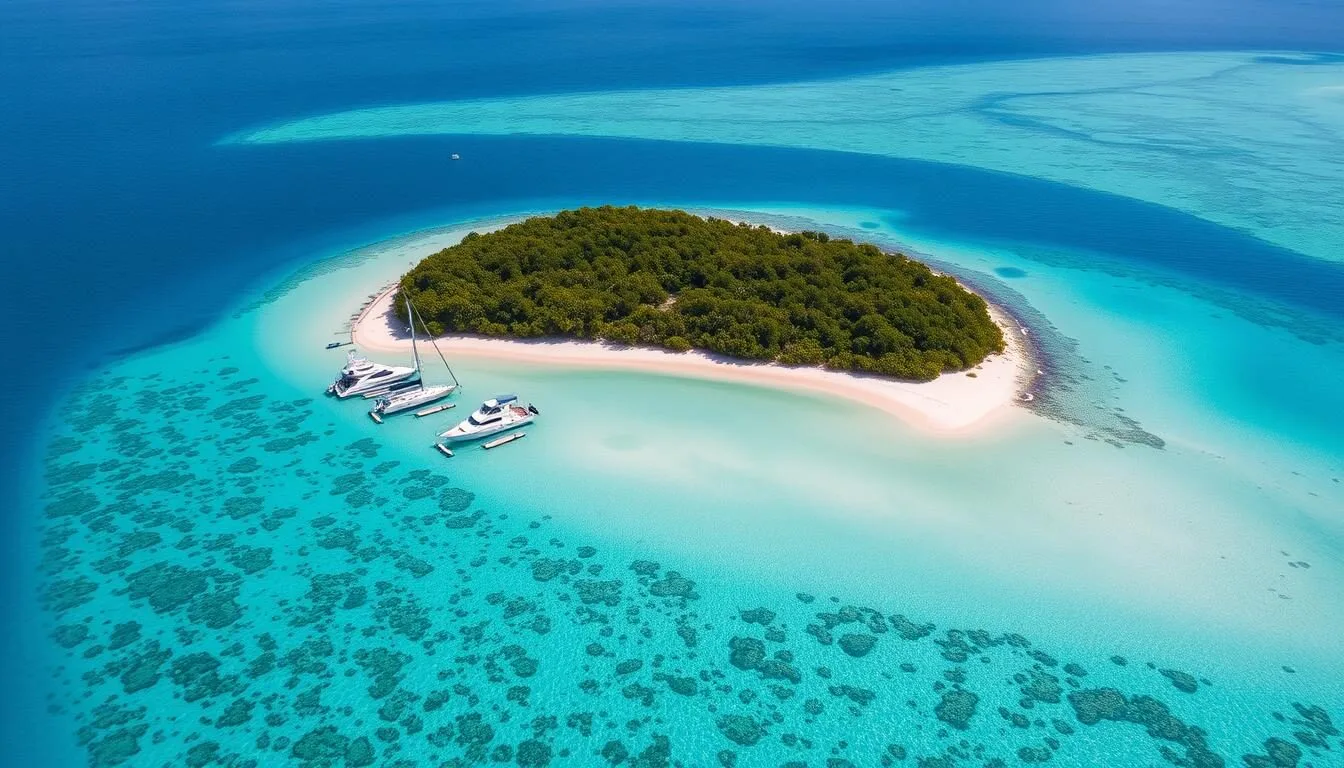
Marina Cay, British Virgin Islands: Best Things to Do – Top Picks
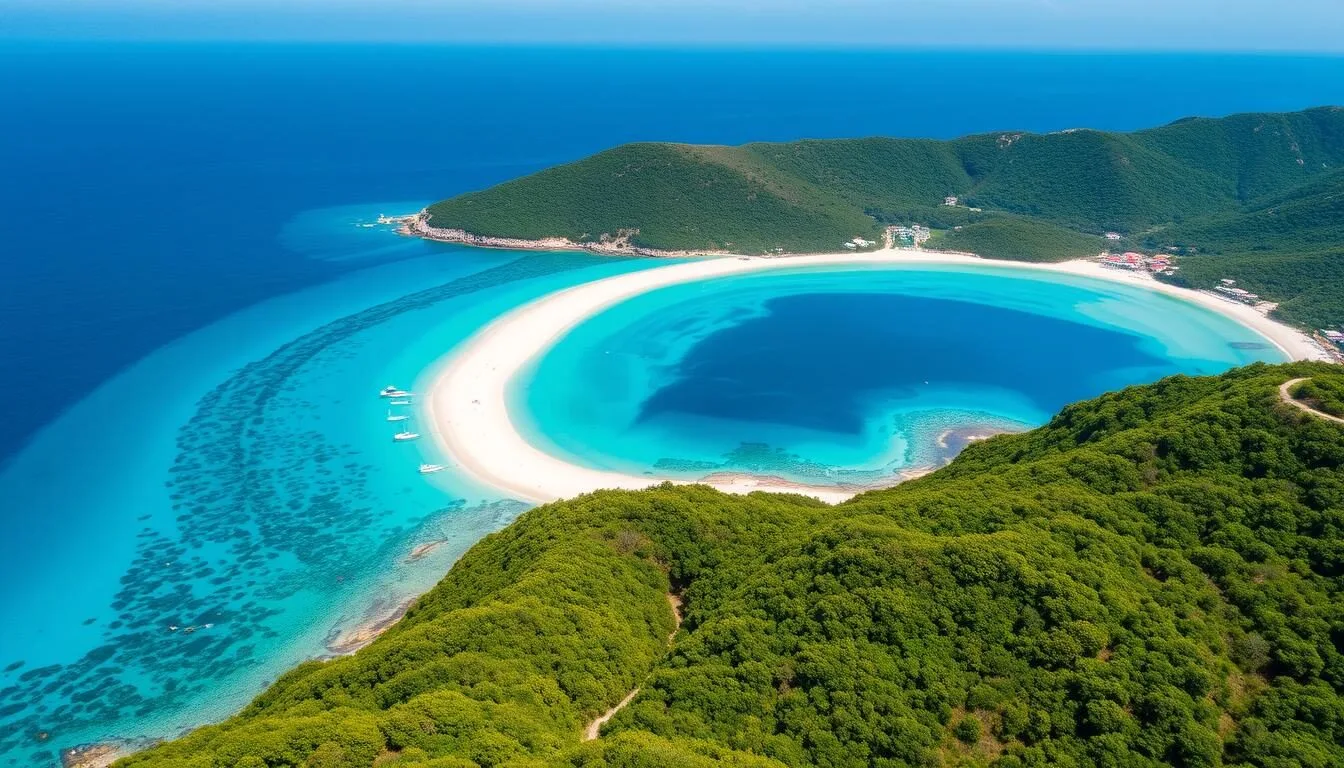
Brewers Bay (Tortola), British Virgin Islands: Best Things to Do – Top Picks
Coming Soon: Clickable Maps