
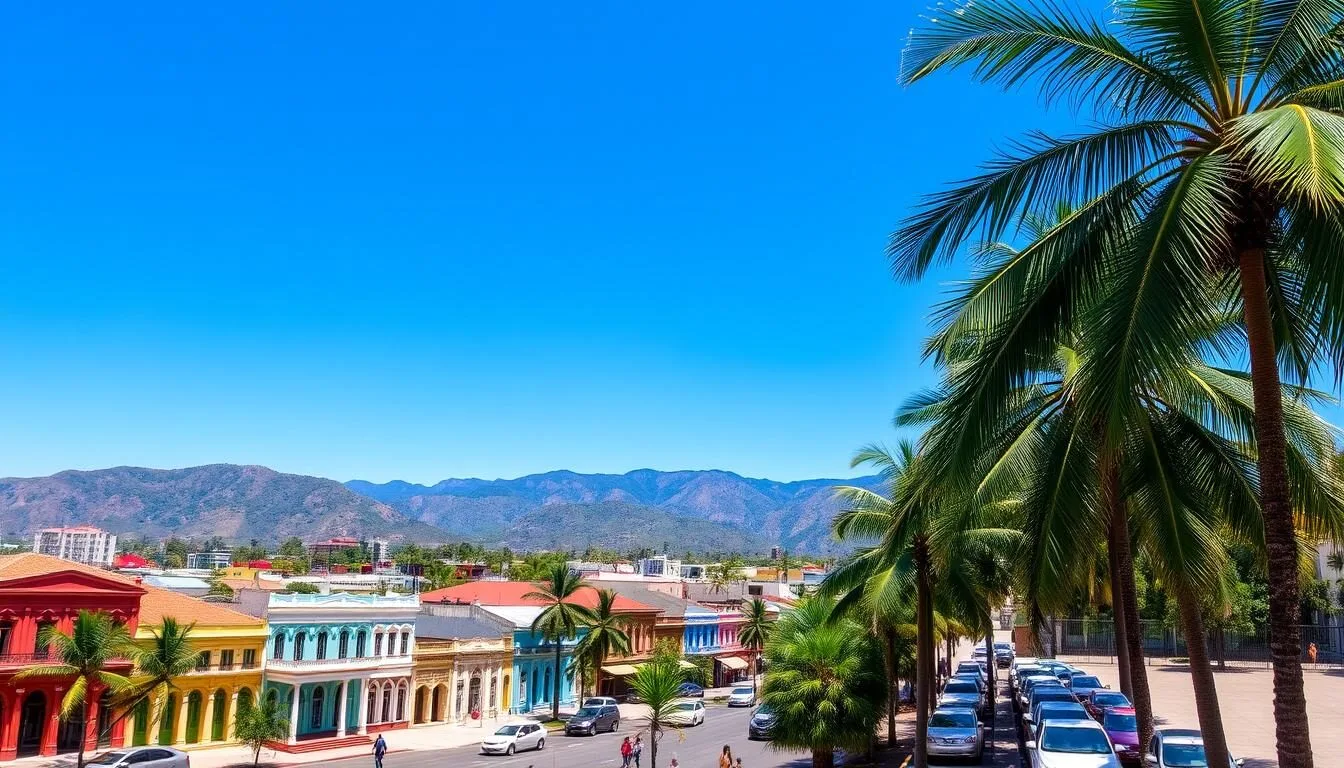
Did you know that Banes is known as the “Archaeological Capital of Cuba,” housing over 80% of the island’s pre-Columbian artifacts? This small town in Holguín province might not be on every traveler’s radar, but it offers a fascinating blend of history, culture, and natural beauty that makes it a worthy addition to your Cuban itinerary.
Getting There & Planning Your Journey
Banes is located in the northern part of Holguín province, approximately 60 km from Holguín city. Most international travelers arrive at Frank País International Airport in Holguín, which receives flights from various countries including the United States, Canada, and European nations.
From Holguín, you can reach Banes by taxi, rental car, or local bus. The journey takes approximately 1-1.5 hours by car. If you’re coming from Havana, expect a longer journey of about 8-9 hours by road.
Travel Documents
- Valid passport with at least 6 months validity
- Cuban tourist card (available from airlines or Cuban consulates)
- Travel insurance with medical coverage
- Printed accommodation details
- Return or onward ticket
Best Time to Visit & Weather Tips
Banes enjoys a tropical climate with warm temperatures year-round. The best time to visit is during the dry season from November to April when temperatures are pleasant and rainfall is minimal.
| Season | Months | Temperature | Rainfall | Notes |
| Dry Season | November-April | 73-82°F (23-28°C) | Low | Ideal for sightseeing and beach activities |
| Wet Season | May-October | 79-88°F (26-31°C) | Moderate to High | Afternoon showers common; hurricane season (June-November) |
| Peak Tourist Season | December-February | 73-80°F (23-27°C) | Low | Higher prices and more crowds |
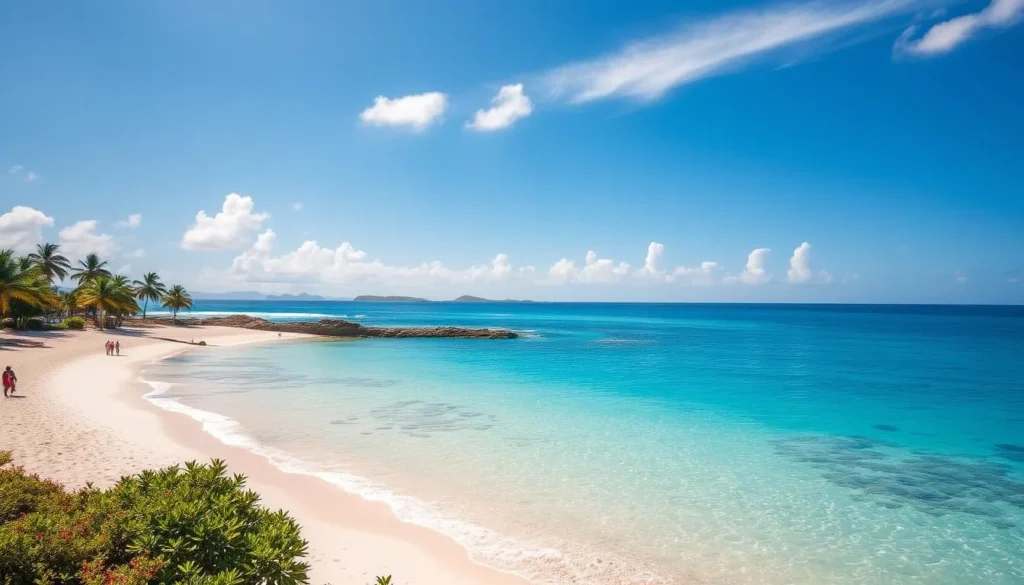
Packing Tip: Even during the dry season, it’s wise to pack a light rain jacket or umbrella. The tropical climate can bring unexpected short showers at any time of year.
Getting Around Locally
Banes is a relatively small town that can be explored on foot, especially the central area. However, to visit attractions in the surrounding areas, you’ll need transportation.
Taxis
Local taxis are available and can be arranged through your accommodation. Agree on the fare before starting your journey.
Rental Cars
Having your own vehicle offers the most flexibility for exploring Banes and the surrounding region.
Bicitaxis
These bicycle taxis are a fun way to get around the town center and experience local transportation.

Where to Stay
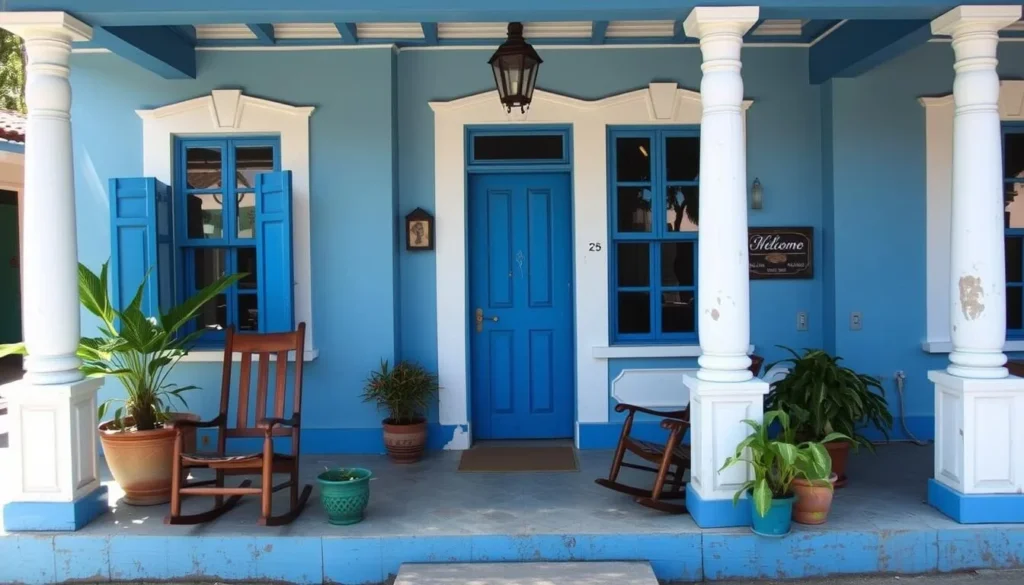
Banes offers limited accommodation options compared to more touristy areas of Cuba. However, you can find comfortable places to stay, with casas particulares (private homestays) being the most common option.
Accommodation Options
- Casas Particulares: Authentic homestays with local families, offering clean rooms and home-cooked meals
- Hotel Brisas Guardalavaca: Located near Guardalavaca beach, about 30 minutes from Banes
- Villa Don Lino: Beach resort approximately 20 minutes from Banes
Insider Tip: Casas particulares typically cost between $20-40 USD per night and often include breakfast. They provide a wonderful opportunity to connect with locals and learn about Cuban culture firsthand.
Dining & Local Cuisine
Cuban cuisine is a delightful blend of Spanish, African, and Caribbean influences. In Banes, you’ll find authentic local dishes that showcase the region’s culinary traditions.

Must-Try Local Dishes
Ajiaco Banense
A hearty stew unique to the Banes region, made with various root vegetables, corn, and meat. This dish reflects the area’s agricultural heritage.
Lechón Asado
Slow-roasted pork marinated in a blend of citrus juices, garlic, and herbs. Often served with congri (rice and black beans cooked together).
Seafood Dishes
Given Banes’ proximity to the coast, fresh seafood features prominently on local menus, including grilled fish, shrimp, and lobster when in season.
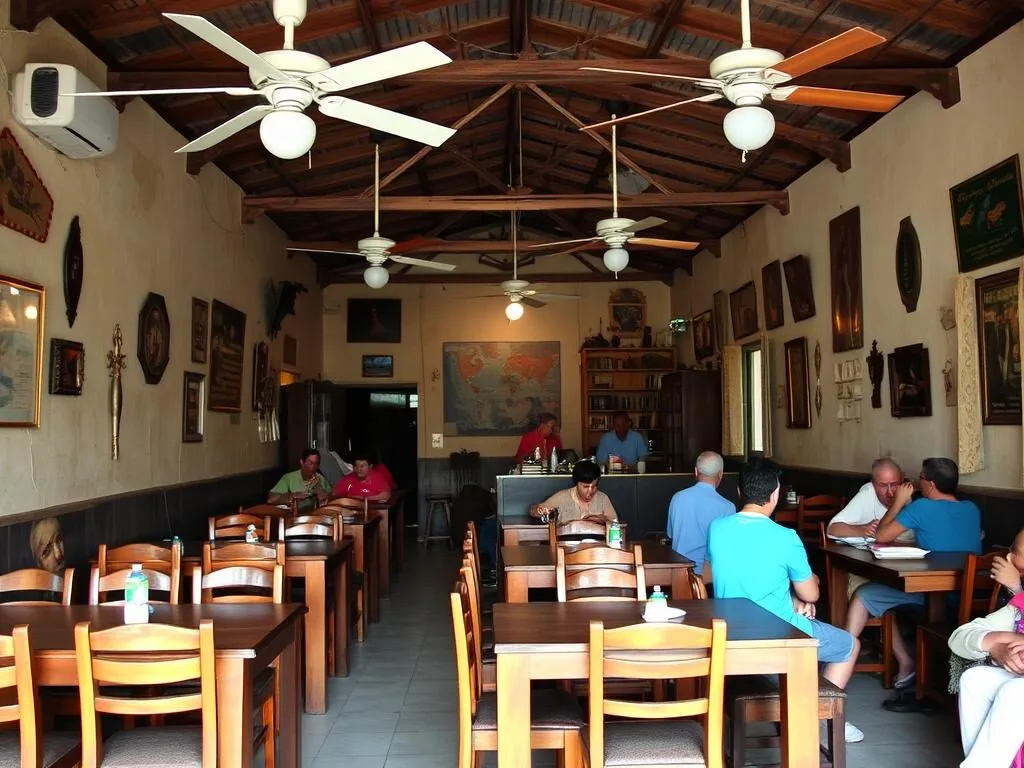
The best dining experiences in Banes are often found in paladares (privately-owned restaurants) and casas particulares, where home-cooked meals showcase authentic local flavors and family recipes passed down through generations.
Attractions, Sightseeing & Activities
Banes offers a wealth of historical and cultural attractions, with a particular focus on archaeological sites that have earned it the title of “Archaeological Capital of Cuba.”

Top Historical & Cultural Sites
Indocuban Baní Museum
Housing the most significant collection of indigenous artifacts in Cuba, including the famous “Ídolo de Oro” (Gold Idol), a symbol of the fertility goddess Atabey.
Chorro de Maíta Museum
An archaeological site featuring a pre-Columbian cemetery with over 100 indigenous burials, offering insights into the Taíno culture that once thrived in the region.
Iglesia de Nuestra Señora de la Caridad
A beautiful church with an eclectic architectural style, combining various influences that reflect Cuba’s diverse cultural heritage.

Other Notable Attractions
- Faro de Lucrecia Lighthouse: Built in 1868, this historic lighthouse offers panoramic views of the coastline
- Martí Park: A central plaza perfect for people-watching and experiencing local life
- Cárdenas Park: A pleasant green space for relaxation and recreation
- Locomotora a vapor 964 (Steam Locomotive): A symbol of the economic progress of Banes during the sugar industry era
Beaches & Natural Attractions
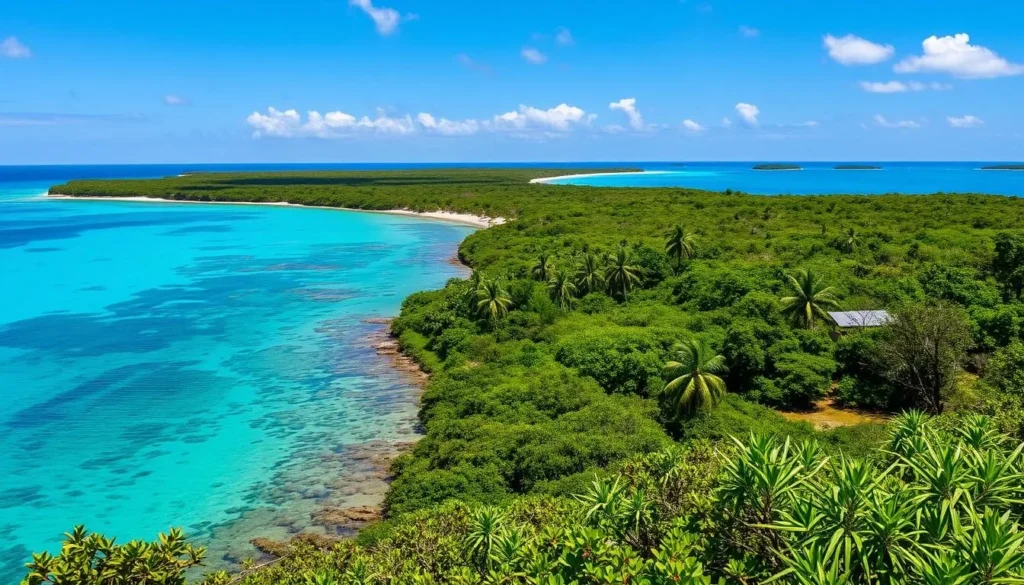
While Banes itself is not directly on the coast, it’s surrounded by some of Cuba’s most beautiful beaches and natural areas, all within a short drive.

Guardalavaca Beach
One of the most popular beaches in the region, known for its white sand and crystal-clear waters. Perfect for swimming, snorkeling, and water sports.
Playa Esmeralda
A quieter beach with emerald-colored waters, ideal for those seeking a more peaceful beach experience away from crowds.
Bahía de Naranjo Natural Park
A protected natural area featuring diverse ecosystems, including mangroves and coral reefs. Home to the Cayo Naranjo Aquarium where visitors can swim with dolphins.
Outdoor Activities
- Snorkeling and Diving: Explore vibrant coral reefs in the clear waters off the coast
- Hiking: Follow the Las Guanas Ecoarchaeological Route to discover both natural beauty and historical sites
- Birdwatching: Spot endemic Cuban bird species in the Rocazul Biopark
- Boat Tours: Take a boat trip to explore the coastline and nearby cays
Practical Travel Tips
To make the most of your visit to Banes, here are some essential tips to keep in mind:
Money & Currency
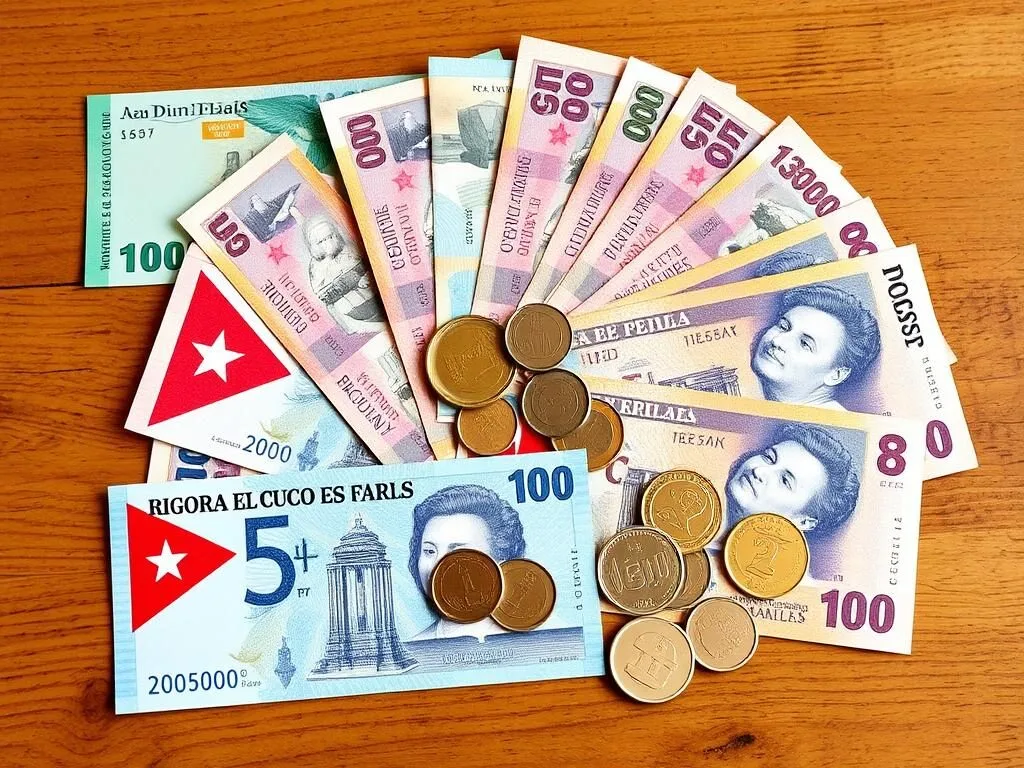
- The official currency is the Cuban Peso (CUP)
- Bring cash (Euros or Canadian Dollars preferred) as ATMs are scarce and US credit cards often don’t work
- Exchange currency at official exchange houses (CADECA) or banks
- Budget extra for unexpected expenses as prices can fluctuate
Communication & Internet
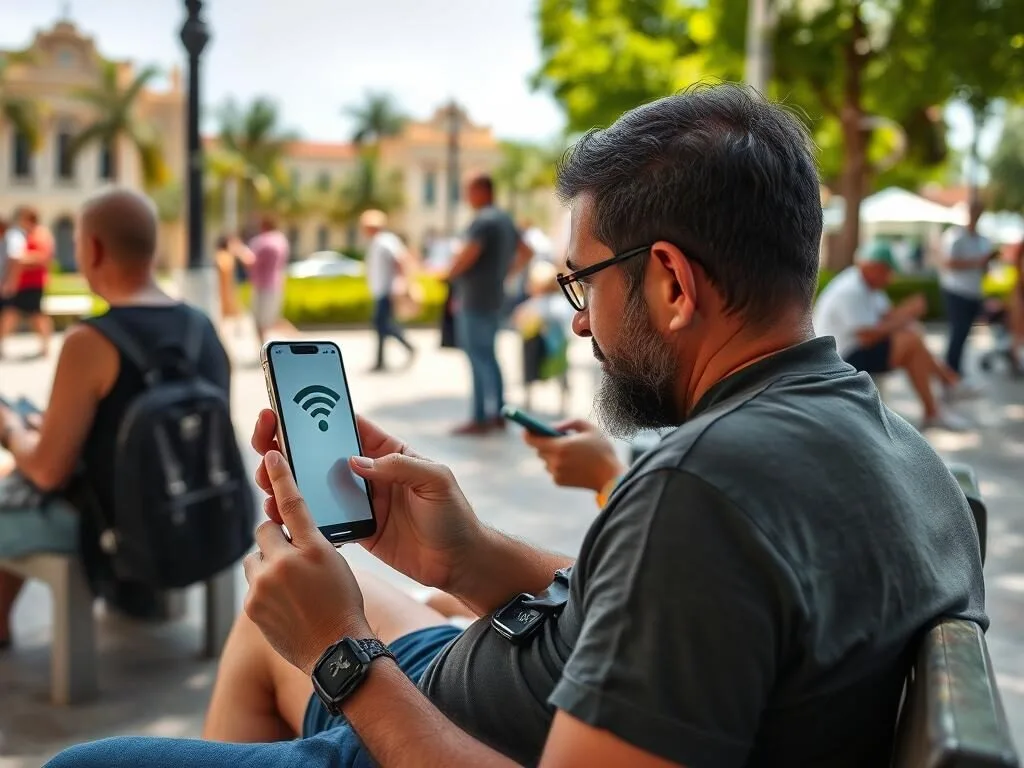
- Wi-Fi is available in designated hotspots, usually in public parks and hotel lobbies
- Purchase ETECSA internet cards at official stores or hotels
- Download offline maps and translation apps before your trip
- Consider renting a local phone or purchasing a Cuban SIM card for emergencies
Safety & Etiquette
Do’s
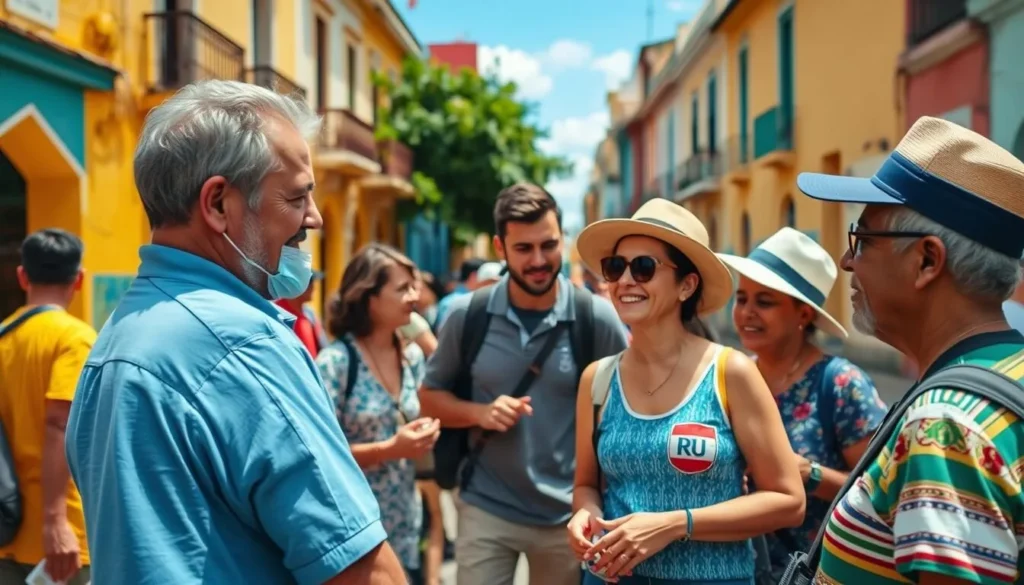
- Respect local customs and traditions
- Dress modestly when visiting churches or official buildings
- Ask permission before taking photos of people
- Tip service providers (10-15% is standard)
- Learn basic Spanish phrases
Don’ts
- Don’t discuss politics unless initiated by locals
- Don’t drink tap water
- Don’t photograph military or government buildings
- Don’t expect punctuality for scheduled events
- Don’t exchange currency on the black market
Cruise Options
While Banes itself doesn’t have a cruise port, the nearby city of Holguín is accessible to cruise ships that dock at ports in the region. If you’re arriving by cruise, you can arrange excursions to Banes to explore its archaeological treasures and cultural sites.

Ready to Discover Banes?
Banes may not be as well-known as Havana or Varadero, but its rich archaeological heritage, proximity to beautiful beaches, and authentic Cuban atmosphere make it a rewarding destination for travelers seeking to explore beyond the typical tourist path. From ancient Taíno artifacts to colonial architecture and nearby natural wonders, Banes offers a unique perspective on Cuban history and culture.



0 Comments