
Hotels by Trip.com
Flights by Trip.com
Did you know Baracoa was Cuba’s first Spanish settlement, founded in 1511, and remained completely isolated from the rest of the island until a mountain road was built in 1964? This remote eastern gem, where Christopher Columbus first landed in 1492, preserves some of Cuba’s most authentic experiences and breathtaking landscapes. From the iconic flat-topped El Yunque mountain to pristine beaches and unique chocolate production, Baracoa offers travelers a glimpse into a Cuba that time forgot.
Getting There & Planning Your Journey
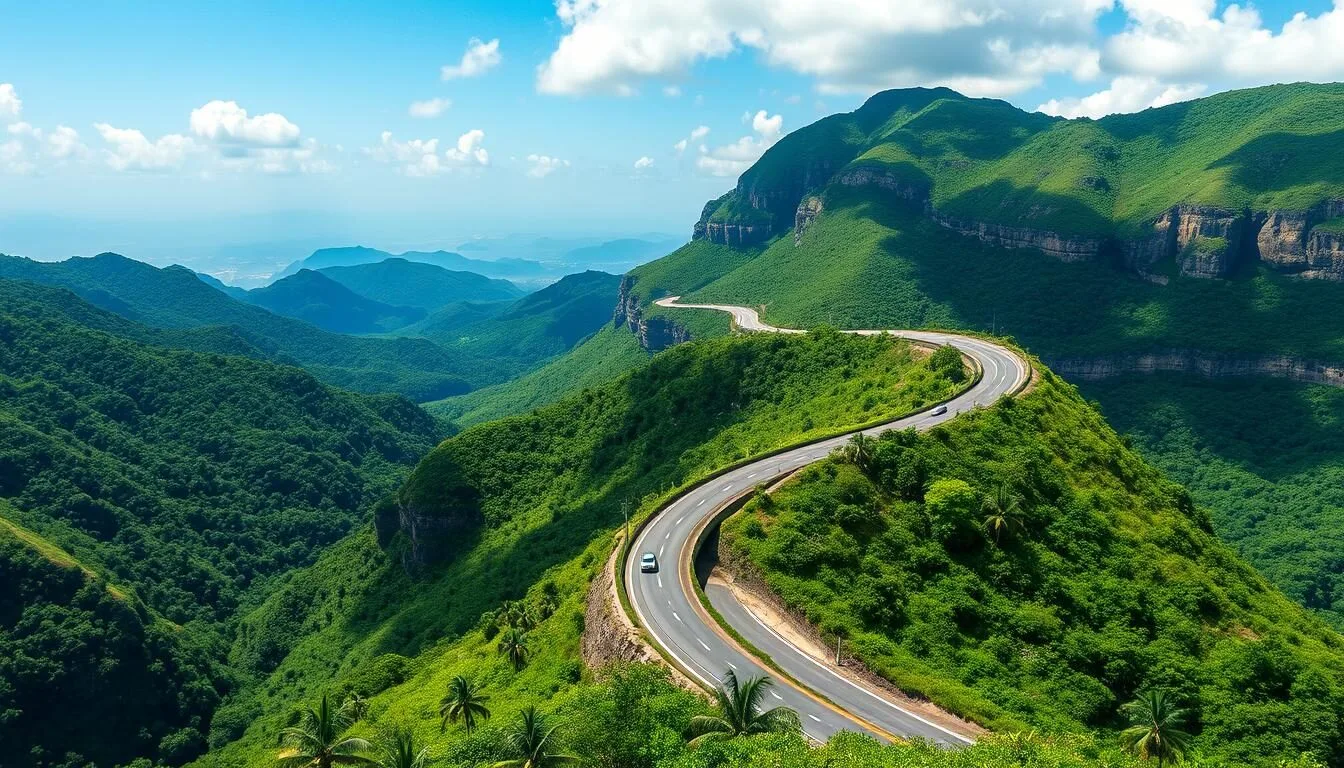
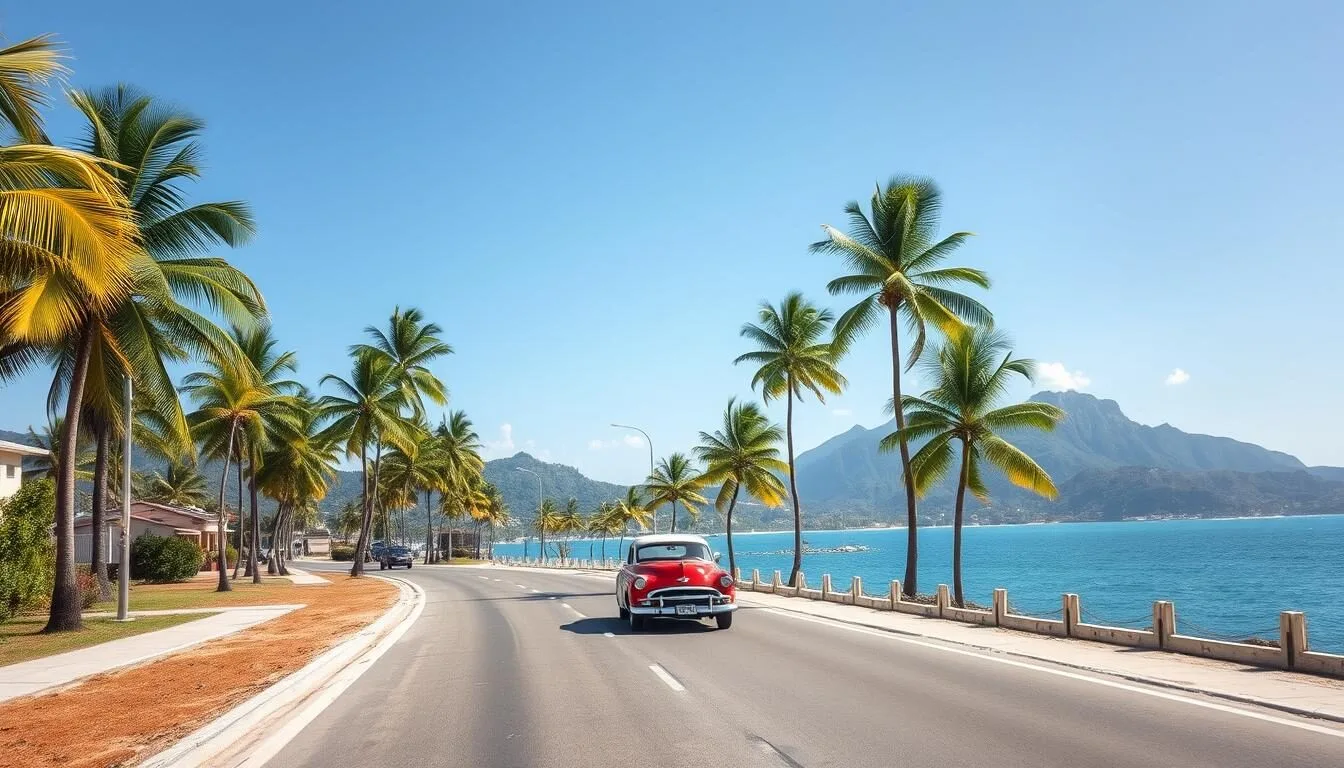
The spectacular La Farola mountain road, connecting Baracoa to the rest of Cuba
Reaching Baracoa requires some planning, as it’s located at Cuba’s easternmost tip. The journey itself is part of the adventure, with the spectacular La Farola mountain road offering breathtaking views as you wind through the Sierra del Purial mountains.
By Bus
The most common route to Baracoa is from Santiago de Cuba. Currently, Transtur operates buses on Wednesday, Friday, and Sunday at 15:00, with return journeys at 06:00. Tickets cost approximately 15 Euros and must be purchased in advance at Havanatur or Cubatur offices in Santiago de Cuba. Note that payment is by card only, and US cards are not accepted.
By Car
Renting a car gives you flexibility but prepare for a challenging drive on sometimes poorly maintained roads. The journey from Santiago de Cuba takes approximately 4-5 hours.
By Taxi or Colectivo
Private taxis or shared colectivos (collective taxis) are another option, costing around $50 per person one way from Santiago de Cuba. Your casa particular host can often arrange this transportation for you.
Best Time to Visit & Weather Tips
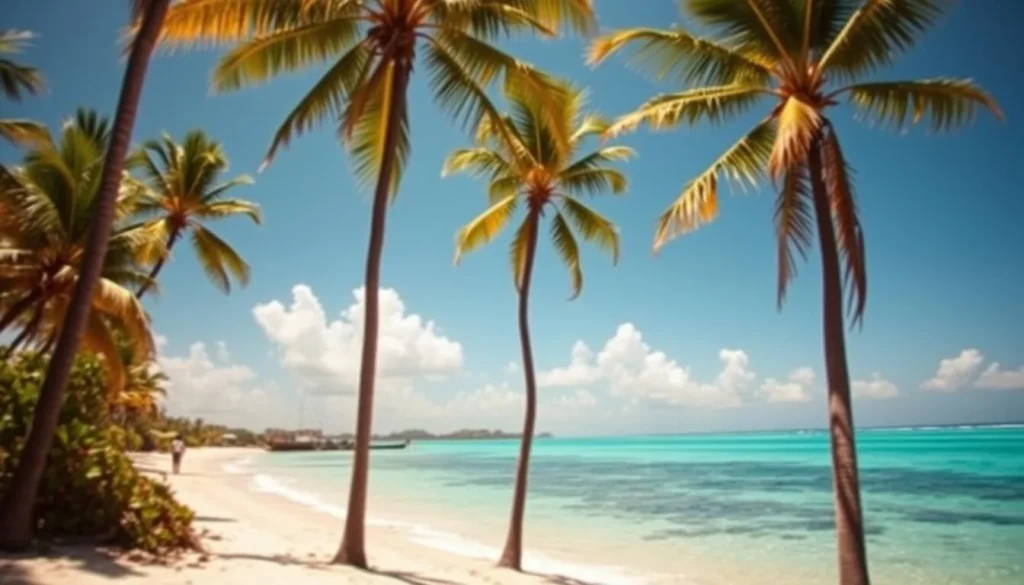
Baracoa receives significantly more rainfall than other parts of Cuba, which accounts for its lush rainforests and verdant landscapes. Understanding the seasonal patterns will help you plan the optimal visit.
Dry Season (November-April)
The ideal time to visit Baracoa is during the dry season, particularly December through March. During these months, you’ll experience:
- Pleasant temperatures averaging 75-85°F (24-29°C)
- Lower humidity levels
- Minimal rainfall, making outdoor activities more enjoyable
- Better conditions for hiking El Yunque and exploring beaches
Rainy Season (May-October)
The wet season brings frequent afternoon showers and occasional heavy downpours. If visiting during this period:
- Plan morning activities when rain is less likely
- Pack lightweight rain gear and quick-dry clothing
- Expect higher humidity and temperatures around 85-90°F (29-32°C)
- Be prepared for potential trail closures after heavy rains
Travel Tip: Even during the dry season, bring a light rain jacket or umbrella. Baracoa’s microclimate means brief showers can occur year-round, especially in the mountains.
Getting Around Locally
Baracoa’s compact size makes it easy to explore the town center on foot. For venturing to nearby attractions, several transportation options are available:
Walking
The town center is easily walkable, with most points of interest within a 15-20 minute stroll. The Malecón (seaside promenade) offers a pleasant route with views of the bay.
Bicycle
Rent bicycles from your casa particular or local rental shops for around 5-8 CUC per day. This is an excellent option for exploring the town and nearby beaches like Playa Blanca.
✓ Check 30,000+ Local Sightseeing Tours Worldwide
Taxis & Colectivos
For trips to more distant attractions like Playa Maguana or Alejandro Humboldt National Park, hire a taxi through your accommodation. Expect to pay 15-25 CUC depending on distance.
Where to Stay in Baracoa
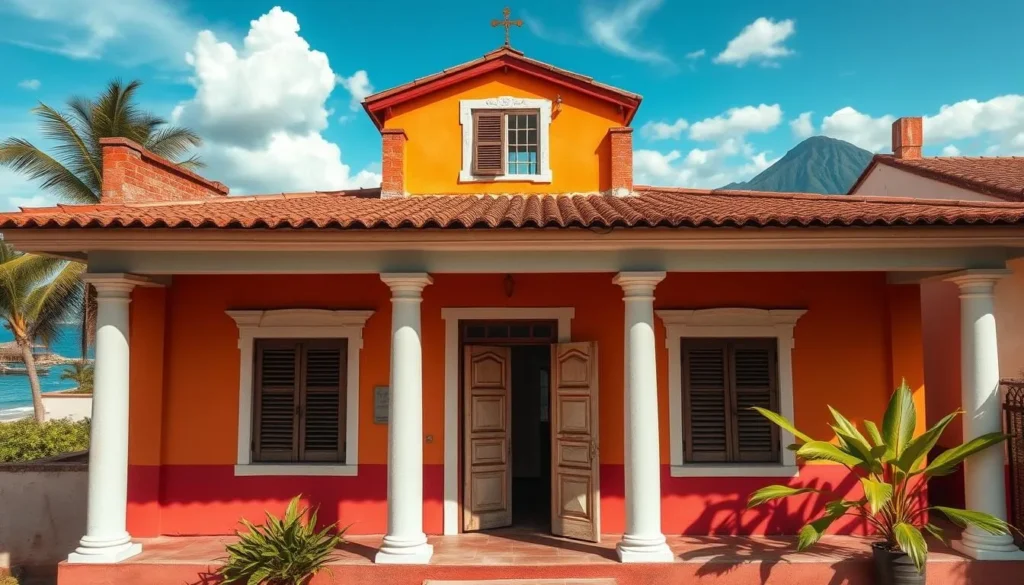
Baracoa offers a range of accommodation options, though the most authentic experience comes from staying in a casa particular (private homestay). These family-run guesthouses provide comfortable rooms and a chance to connect with locals.
Casa Particulares
The most popular and recommended accommodation option in Baracoa is the casa particular. These private homestays typically offer:
- Clean, air-conditioned rooms with private bathrooms
- Home-cooked breakfasts featuring local specialties
- Helpful hosts who can arrange excursions and transportation
- Often include rooftop terraces with views of the bay or El Yunque
- Prices ranging from 20-35 CUC per night
Hotels
For those preferring hotel accommodations, Baracoa offers a few options:
- Hotel El Castillo – Perched on a hill in a former Spanish fortress with panoramic views
- Hotel La Rusa – A historic hotel in the town center with colonial charm
- Hotel Porto Santo – Located near the Malecón with sea views
Dining & Local Cuisine
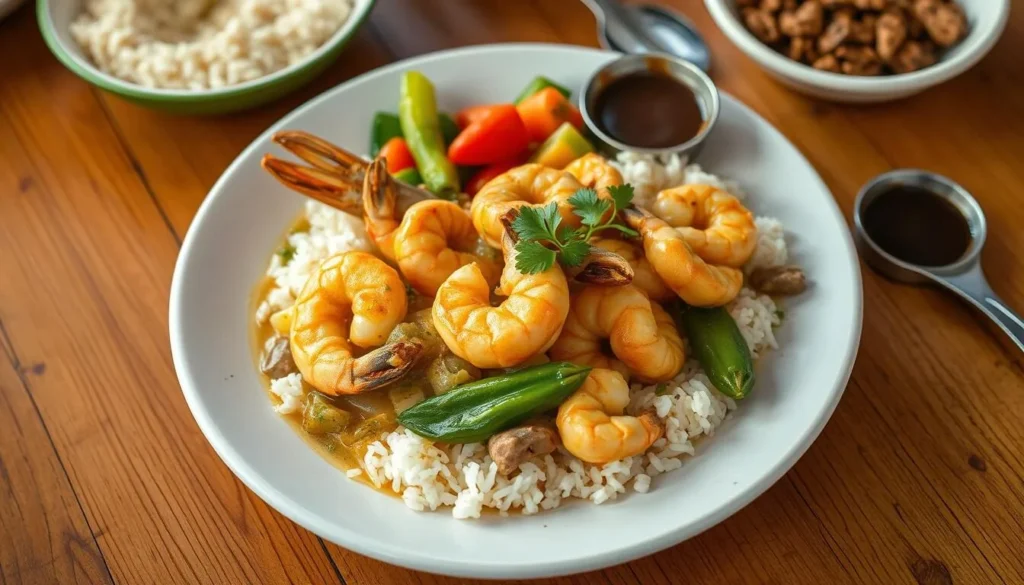
Baracoa’s cuisine stands apart from the rest of Cuba, offering unique flavors influenced by its geography and cultural heritage. The region is known for its use of coconut milk, cacao, and fresh seafood, creating dishes you won’t find elsewhere on the island.
Must-Try Local Specialties
Savory Dishes
- Bacán – Plantain tamale filled with pork and cooked in banana leaves
- Seafood in Coconut Sauce – Fresh fish, shrimp, or lobster in a spicy coconut milk sauce
- Calalú – A stew made with local vegetables, often served with coconut milk
- Tetí – Tiny river fish unique to the region, typically fried and served with rice
Sweet Treats
- Cucurucho – Coconut, honey, and fruits wrapped in palm leaves
- Chorote – A rich chocolate drink made with local cacao, coconut milk, and spices
- Coquitos – Sweet coconut candies
- Casa del Cacao – Visit for hot chocolate and chocolate-based desserts
Recommended Restaurants
La Roca
A family-run paladar (private restaurant) serving authentic Baracoan cuisine with excellent seafood in coconut sauce. Often features live music in the evenings.
El Buen Sabor
Popular with locals and visitors alike, offering generous portions of traditional dishes at reasonable prices. Try their lobster in coconut sauce.
La Colina
Rooftop restaurant with stunning views of the bay and El Yunque. Known for excellent vegetarian options and seafood dishes.
Dining Tip: Many casa particulares offer home-cooked dinners that are often the best meals you’ll have in Baracoa. Ask your host about this option!
Top Attractions & Sightseeing in Baracoa, Cuba
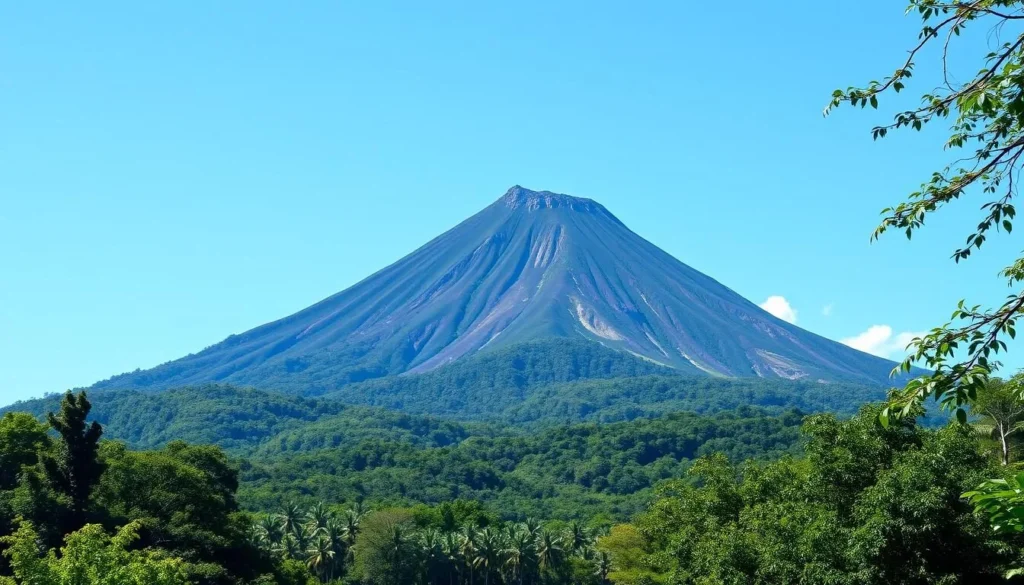
El Yunque, the iconic flat-topped mountain that serves as Baracoa’s natural landmark
Baracoa’s attractions blend natural wonders, historical sites, and cultural experiences. Here are the must-see sights in and around the city:
In Town Attractions
Malecón (Seaside Promenade)
Stroll along Baracoa’s 1.5-kilometer waterfront esplanade for beautiful views of the bay. The best time to visit is early evening when locals gather and impromptu cocktail bars set up. Don’t miss trying a mojito here—locals claim they’re the best in Cuba!
Parque Independencia
Baracoa’s main square, formerly Plaza de Las Armas, is surrounded by cafes and important buildings. It’s the heart of the town and a great place for people-watching.
Catedral de Nuestra Señora de la Asunción
Visit this historic cathedral on the main square to see the Cruz de la Parra, the only remaining cross from Christopher Columbus’s 1492 voyage. This sacred artifact is the oldest Columbus-related relic in Cuba.
Matachin Fortress Museum
Housed in one of Baracoa’s original Spanish forts, this museum displays artifacts covering the region’s history from indigenous peoples through colonization and revolution. Opening hours can be irregular.
Natural Attractions
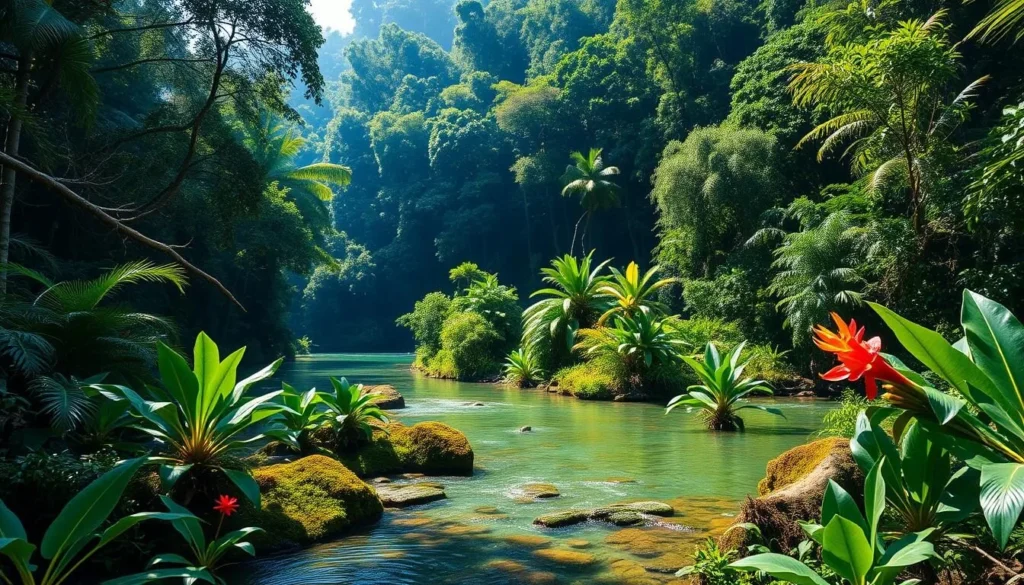
The lush rainforest of Alejandro Humboldt National Park, a UNESCO World Heritage Site
El Yunque
This flat-topped mountain (575m) is Baracoa’s most recognizable landmark. The 4-5 hour round-trip hike offers spectacular views and opportunities to spot endemic wildlife. Guides are required and can be arranged through your accommodation.
Alejandro Humboldt National Park
A UNESCO World Heritage Site with extraordinary biodiversity, including many endemic species. Various hiking trails and boat excursions allow you to explore this ecological treasure. Don’t miss seeing the colorful polymita snails, found nowhere else in the world.
Yumurí Canyon
Take a boat ride through this spectacular canyon along the Yumurí River. The excursion typically includes swimming in natural pools, visiting a cocoa plantation, and relaxing on a secluded beach where the river meets the ocean.
Beautiful Beaches Near Baracoa
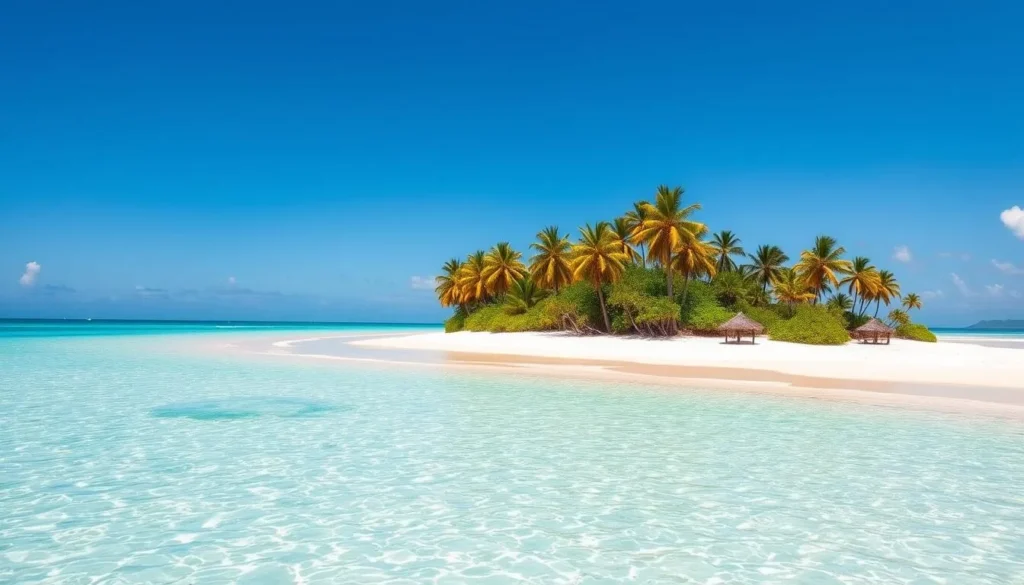
The pristine white sands of Playa Maguana, Baracoa’s most beautiful beach
While Baracoa’s city beach is not particularly impressive, the surrounding area boasts some stunning coastal spots worth visiting:
Playa Maguana
Located about 20km from Baracoa, this is the region’s most beautiful beach. With powdery white sand, crystal-clear turquoise waters, and palm trees, it’s the quintessential Caribbean paradise. Facilities are limited, so bring what you need for the day. Taxis from town cost around 15-20 CUC each way.
Playa Blanca
A more secluded option, accessible by crossing the River Miel by boat (the bridge is incomplete). The journey itself is an adventure, and the reward is a peaceful beach with few visitors. The river crossing costs about 1 CUC per person.
Boca de Yumurí
Where the Yumurí River meets the ocean, this small beach is typically included in Yumurí Canyon excursions. It’s a beautiful spot to relax after exploring the canyon.
Beach Safety Tips
- Bring plenty of water, sunscreen, and snacks as facilities are limited
- Watch for sea urchins in rocky areas
- Ask locals about current conditions, as some beaches can have strong currents
- Arrange your return transportation in advance, especially from more remote beaches
Baracoa’s Chocolate Heritage
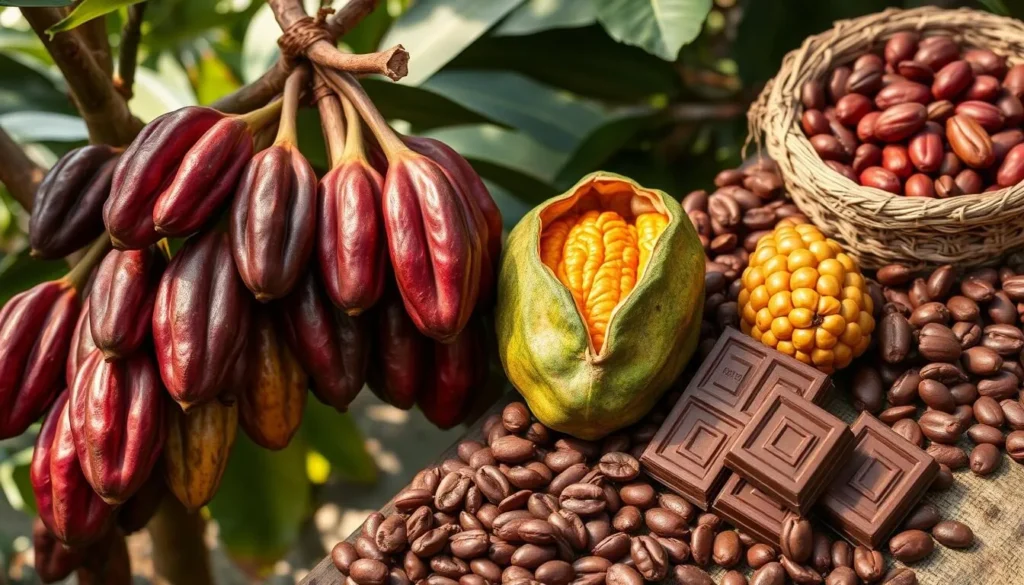
Cacao cultivation and chocolate production are central to Baracoa’s cultural identity
Baracoa is the center of Cuba’s chocolate production, a tradition introduced by French settlers fleeing the Haitian Revolution. Exploring the region’s cacao farms and chocolate-making process is a must for any visitor.
Chocolate Experiences
Casa del Cacao
Often called the “chocolate museum,” this establishment on Baracoa’s main street offers chocolate drinks, desserts, and products. Try the chorote, a traditional drink made with local cocoa, coconut milk, and spices.
Finca Duaba
Visit this cacao farm to learn about cultivation and processing methods. Tours include chocolate tastings and demonstrations of traditional production techniques.
Chocolate Shopping
Purchase locally-made chocolate products as souvenirs, including bars, cocoa powder, and the famous cucuruchos. For the freshest products, buy directly from producers.
Chocolate Cooking Class
Some casa particulares offer cooking classes where you can learn to prepare traditional chocolate-based dishes and drinks. Ask your host about arranging this unique experience.
Practical Travel Tips for Baracoa
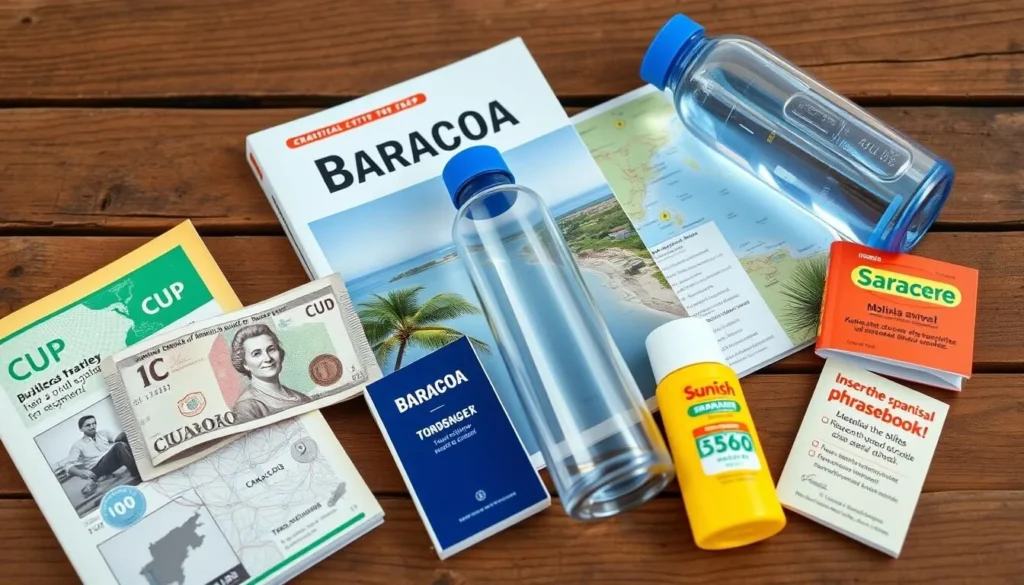
Money Matters
- Cuba now uses only Cuban Pesos (CUP) after eliminating the dual currency system
- The exchange rate is approximately 24 CUP to 1 USD
- Bring enough cash for your entire stay as ATMs are limited and often unreliable
- US credit/debit cards generally don’t work in Cuba due to the embargo
- There is an ATM at Parque Martí in Baracoa, but don’t count on it working
Communication
- Internet access is limited but improving
- ETECSA offices sell internet cards for public WiFi spots
- Download maps and essential information before arriving
- Learn basic Spanish phrases—English is less commonly spoken in Baracoa than in major tourist centers
- Consider renting a local phone or purchasing a Cuban SIM card if staying longer
Health & Safety
- Bring insect repellent, especially during rainy season
- Pack a basic first-aid kit as pharmacies may have limited supplies
- Drink bottled or purified water
- Baracoa is generally very safe, but take normal precautions with valuables
- Bring any prescription medications you need—they may be unavailable locally
Important: Arrange your transportation out of Baracoa well in advance, especially if you have international flights to catch. Allow extra time for travel disruptions, as schedules can change unexpectedly.
Sample 3-Day Baracoa Itinerary
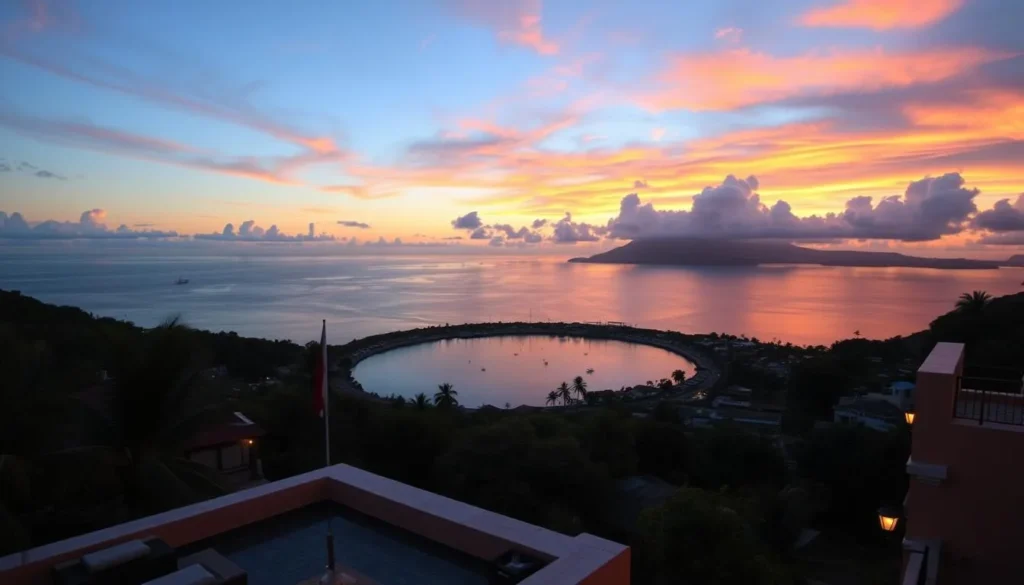
Sunset view over Baracoa Bay from the terrace of Hotel El Castillo
Day 1: Town Exploration
- Morning: Stroll around the town center, visit Parque Independencia and the Cathedral to see the Cruz de la Parra
- Lunch: Try local cuisine at El Buen Sabor
- Afternoon: Visit the Matachin Fortress Museum and Casa del Cacao
- Evening: Watch sunset from Hotel El Castillo with a cocktail, then dinner at your casa particular
Day 2: Natural Wonders
- Morning: Early departure for El Yunque hike (4-5 hours round trip)
- Lunch: Picnic or meal at a local restaurant near the mountain
- Afternoon: Cool off with a swim in the Duaba River
- Evening: Relax on the Malecón and enjoy fresh seafood at La Roca
Day 3: Beach & Chocolate
- Morning: Visit a cacao farm to learn about chocolate production
- Lunch: Enjoy a meal at a beachside restaurant
- Afternoon: Relax at Playa Maguana
- Evening: Farewell dinner at La Colina with views over the bay
Why Baracoa Should Be On Your Cuba Itinerary
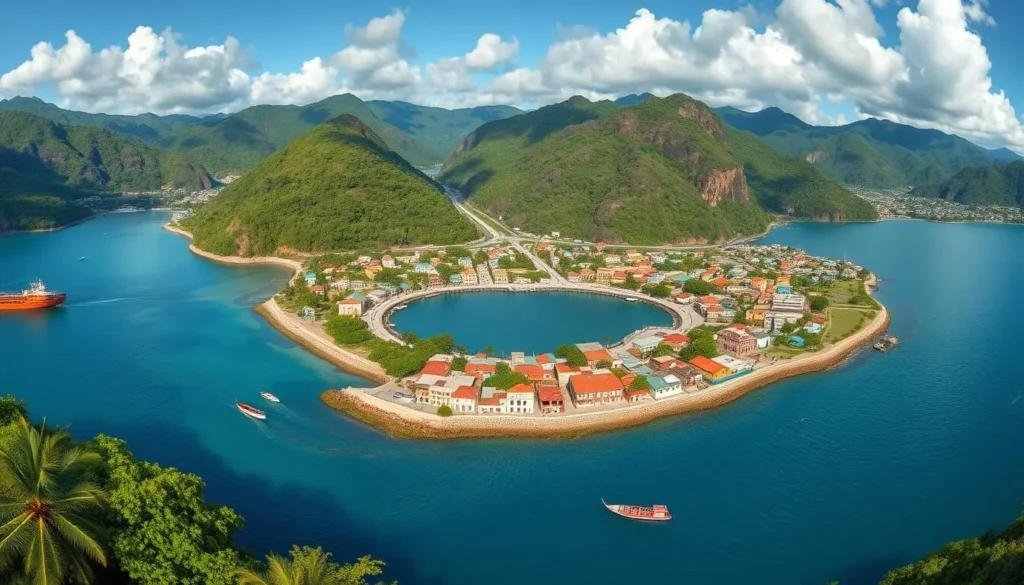
Baracoa represents a side of Cuba that few travelers experience—a place where time seems to move at its own pace, untouched by mass tourism. Its unique combination of stunning natural landscapes, rich history, distinctive cuisine, and warm local culture creates an unforgettable destination for those willing to venture to Cuba’s eastern tip.
The journey to Baracoa may be challenging, but the rewards are immense: hiking through pristine rainforests, swimming in crystal-clear rivers, savoring chocolate-infused cuisine, and connecting with a way of life that has remained largely unchanged for generations. As Christopher Columbus noted when he first landed here in 1492, this truly is “the most beautiful land that human eyes have ever seen.”
Whether you’re seeking adventure, relaxation, cultural immersion, or simply a place that feels worlds away from everyday life, Baracoa delivers with authentic Cuban charm. Make the effort to include this hidden gem in your Cuba itinerary—you’ll be among the fortunate few who discover Cuba’s best-kept secret.
Related Posts
Yaguajay, Cuba: Best Things to Do – Top Picks
Vinales National Park, Cuba: Best Things to Do – Top Picks
Varadero, Cuba: Best Things to Do – Top Picks
Valle de Vinales, Cuba: Best Things to Do – Top Picks
Santo Domingo, Cuba: Best Things to Do – Top Picks

Turquino National Park, Cuba: Best Things to Do – Top Picks
Coming Soon: Clickable Maps