Hotels by Trip.com
Flights by Trip.com
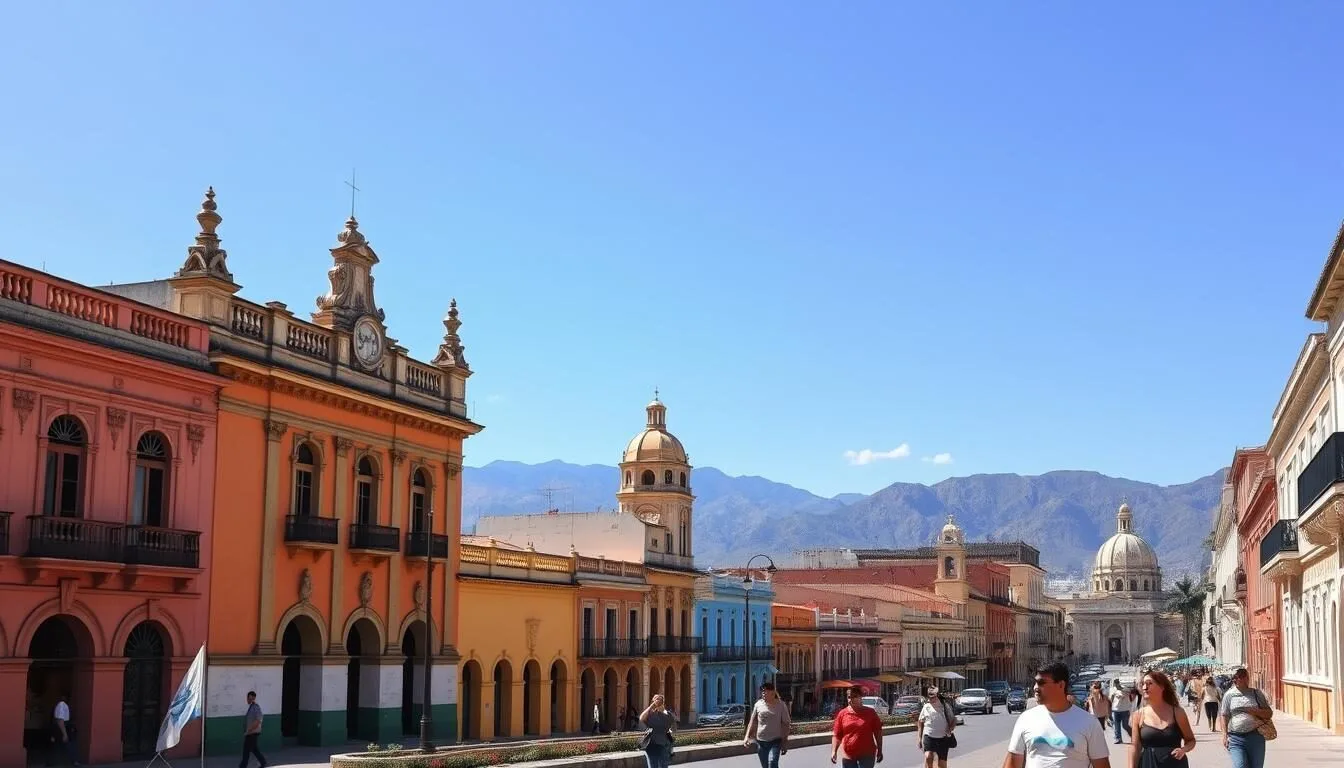
Did you know Havana averages 300 days of sunshine yearly, yet its rainiest month (June) sees nearly 200 mm (8 in) of torrential downpours? This striking contrast highlights why timing is everything when planning your Cuban adventure. The island’s tropical climate creates distinct seasons that dramatically affect your experience – from perfect beach days to potential hurricane disruptions. Understanding Havana’s weather patterns isn’t just about comfort; it’s about maximizing your experience in this vibrant, historic city where outdoor plazas, classic car tours, and seaside strolls form the heart of your journey.
Getting There & Planning Your Journey
Most international travelers reach Havana through José Martí International Airport, located about 15 km (9 miles) southwest of the city center. Direct flights operate from various North American and European cities, with connecting options available worldwide.
When planning your trip, consider that Cuba requires tourists to have a tourist card (visa), travel insurance with medical coverage, and proof of accommodation. Booking your flights 3-4 months in advance is recommended, especially if traveling during the high season (December-March).
For U.S. citizens, travel to Cuba falls under specific categories of authorized travel. Most tourists use the “Support for the Cuban People” category, which requires maintaining a full schedule of activities that involve meaningful interaction with individuals in Cuba and that promote independence from Cuban authorities.
Best Time to Visit & Weather Tips

Havana’s climate is tropical with two distinct seasons: the dry season (November to April) and the wet season (May to October). The best months to visit Havana are December through March, when temperatures are pleasant, humidity is lower, and rainfall is minimal.
| Month | Weather | What to Wear | Things to Do | Pros & Cons |
| January | 26°C/20°C (79°F/68°F), 70 mm (2.8 in), 11 hrs daylight, 75% humidity | Light layers, light jacket for evenings | Havana Jazz Festival, city tours, beach days | ✅ Perfect weather ❌ Peak tourist season, higher prices |
| February | 27°C/19°C (81°F/66°F), 45 mm (1.8 in), 11.5 hrs daylight, 75% humidity | Light clothing, sweater for evenings | Cigar Festival, street performances, Malecón walks | ✅ Driest month ❌ High tourist numbers |
| March | 28°C/20°C (82°F/68°F), 50 mm (2 in), 12 hrs daylight, 75% humidity | Light, breathable clothing | Ballet Festival, hiking in Viñales, beach trips | ✅ Warm, mostly dry ❌ Still high season pricing |
| April | 29°C/21°C (84°F/70°F), 80 mm (3.1 in), 12.5 hrs daylight, 75% humidity | Light, breathable clothing, rain jacket | International Dance Festival, beach activities | ✅ Fewer tourists ❌ Occasional showers |
| May | 30°C/22°C (86°F/72°F), 110 mm (4.3 in), 13 hrs daylight, 80% humidity | Light clothing, rain gear, hat | Biennial Art Exhibition (odd years), museum visits | ✅ Lower prices ❌ Beginning of rainy season |
| June | 31°C/23°C (88°F/73°F), 180 mm (7.1 in), 13.5 hrs daylight, 80% humidity | Lightweight, quick-dry clothing, umbrella | Indoor cultural activities, Caribbean Festival | ✅ Few tourists ❌ Heavy rain, hurricane season begins |
| July | 32°C/24°C (90°F/75°F), 130 mm (5.1 in), 13.5 hrs daylight, 80% humidity | Very light clothing, sun protection, rain gear | Carnival celebrations, indoor museums | ✅ Vibrant cultural events ❌ Very hot, humid, hurricane risk |
| August | 32°C/24°C (90°F/75°F), 150 mm (5.9 in), 13 hrs daylight, 80% humidity | Lightest clothing, sun hat, rain gear | Havana Carnival, morning beach visits | ✅ Budget prices ❌ Hottest month, hurricane risk |
| September | 31°C/24°C (88°F/75°F), 170 mm (6.7 in), 12.5 hrs daylight, 80% humidity | Light clothing, rain gear, waterproof bag | Indoor activities, cooking classes | ✅ Lowest prices ❌ Peak hurricane season |
| October | 30°C/23°C (86°F/73°F), 180 mm (7.1 in), 11.5 hrs daylight, 80% humidity | Light clothing, rain gear | Ballet Festival, museum tours | ✅ Few tourists ❌ Wettest month, hurricane risk |
| November | 28°C/22°C (82°F/72°F), 90 mm (3.5 in), 11 hrs daylight, 75% humidity | Light clothing, light jacket for evenings | Latin American Film Festival, city tours | ✅ Hurricane season ending ❌ Occasional rain |
| December | 27°C/21°C (81°F/70°F), 60 mm (2.4 in), 11 hrs daylight, 75% humidity | Light layers, light jacket for evenings | New Year celebrations, Parrandas festival | ✅ Excellent weather ❌ Holiday season crowds |
Seasonal Overview
Winter (Dec-Feb)
Weather: 26-27°C (79-81°F), minimal rain, low humidity
What to Wear: Light layers, light jacket for evenings
Things to Do: Jazz Festival, beach days, city tours
Pros: Perfect weather, vibrant atmosphere
Cons: Peak tourist season, higher prices
Spring (Mar-May)
Weather: 28-30°C (82-86°F), increasing rain, moderate humidity
What to Wear: Light clothing, occasional rain gear
Check 30,000+ Local Sightseeing Tours Worldwide
✓ Numerous languages and currencies are available
Things to Do: Art festivals, beach activities, hiking
Pros: Fewer tourists by late spring, lower prices
Cons: Increasing rainfall, humidity rises
Summer (Jun-Aug)
Weather: 31-32°C (88-90°F), heavy rain, high humidity
What to Wear: Lightest clothing, rain gear, sun protection
Things to Do: Carnival, indoor museums, morning activities
Pros: Budget prices, authentic local experience
Cons: Hurricane risk, hot and humid, afternoon downpours
Fall (Sep-Nov)
Weather: 28-31°C (82-88°F), heavy to moderate rain
What to Wear: Light clothing, rain gear
Things to Do: Film festivals, museums, cooking classes
Pros: Lowest prices (Sep-Oct), fewer tourists
Cons: Peak hurricane season (Sep-Oct)
Best Time to Visit Havana, Cuba
Best Months to Visit
- December to March: Ideal weather, minimal rain, comfortable temperatures
- April and November: Good shoulder season options with fewer tourists
- Late November: Beginning of dry season with decreasing hurricane risk
Months to Avoid
- September and October: Peak hurricane season, heaviest rainfall
- June to August: Very hot and humid with frequent afternoon downpours
- May: Beginning of rainy season with increasing humidity
Getting Around Locally
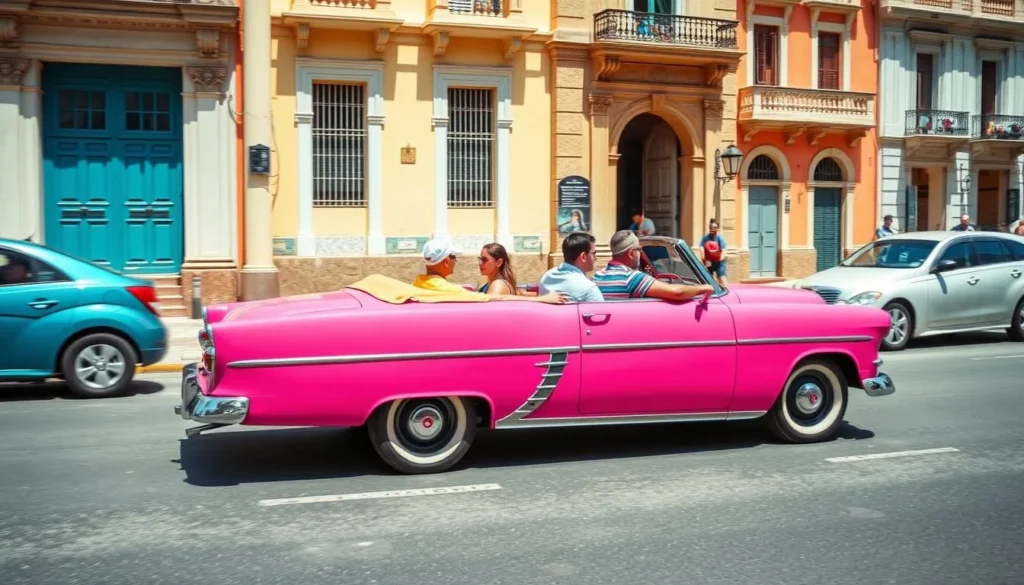
Navigating Havana offers a unique blend of vintage and modern transportation options. The city’s compact historic center (Habana Vieja) is best explored on foot, allowing you to soak in the colonial architecture and vibrant street life at your own pace.
Classic Transportation Options
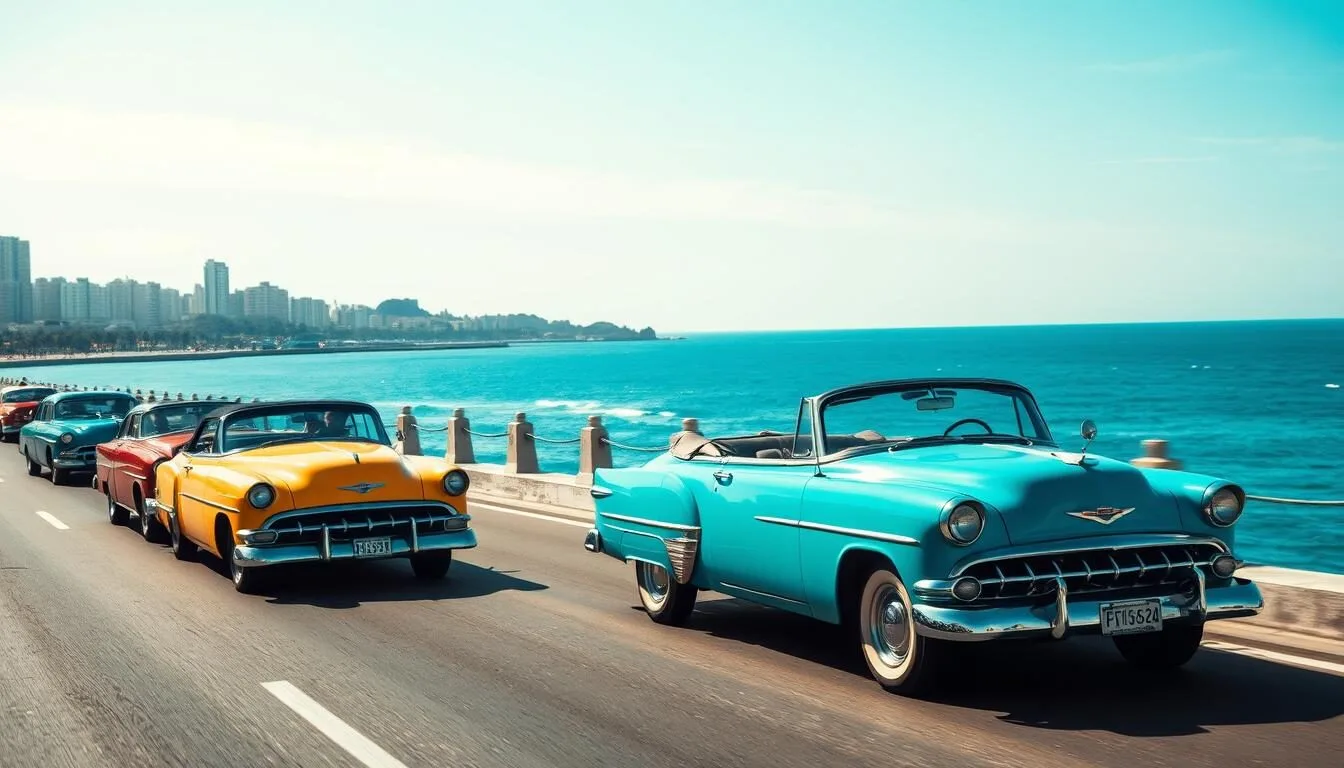
- Classic Car Taxis: Iconic 1950s American cars offer tours starting at 30 CUC (approximately $30) per hour
- Cocotaxis: Yellow three-wheeled scooters that are fun for short distances
- Horse-drawn Carriages: Available in tourist areas for leisurely sightseeing
Modern Transportation Options
- Modern Taxis: Yellow cabs with meters (ensure they use them)
- Colectivos: Shared taxis that follow fixed routes
- Public Buses: Inexpensive but often crowded local transportation
Weather Tip: During the rainy season (May-October), afternoon downpours can make walking difficult. Plan indoor activities for afternoons and keep small change for unexpected taxi rides when sudden storms hit.
Where to Stay
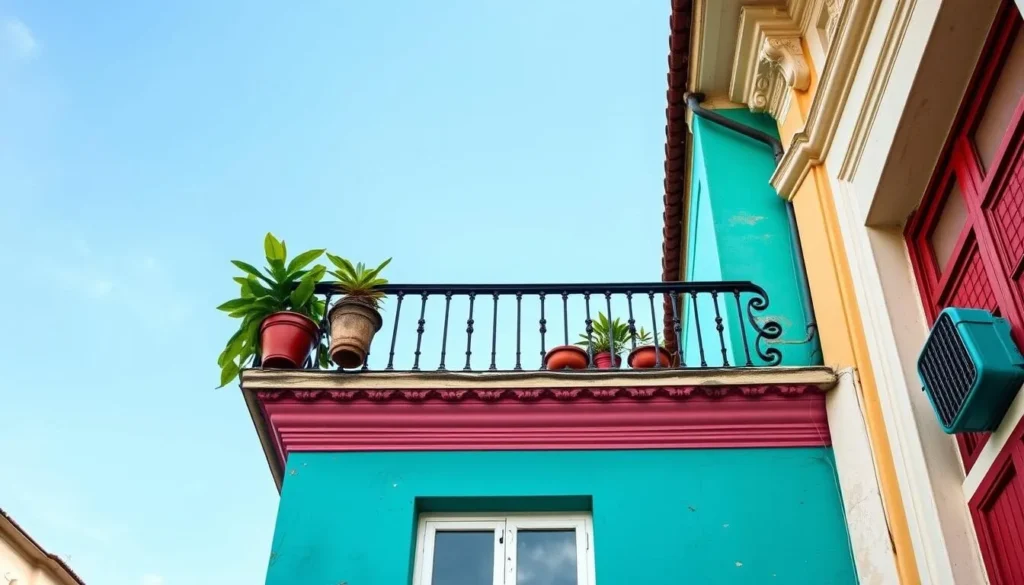
Havana offers diverse accommodation options ranging from luxury hotels to authentic homestays. Your choice should consider both your budget and the season of your visit.
Casas Particulares
These Cuban homestays offer authentic experiences with local families. Most provide air conditioning (essential during summer months) and breakfast options.
Price range: $25-50 per night
Best for: Cultural immersion, budget travelers
Weather consideration: Choose centrally located casas during rainy season to minimize walking in downpours
Boutique Hotels
Renovated colonial buildings offering charm and comfort, often with rooftop terraces perfect for dry season evenings.
Price range: $100-200 per night
Best for: Couples, comfort-seekers
Weather consideration: Many offer swimming pools, ideal for cooling off during hot summer months
Luxury Hotels
International brands and historic properties like Hotel Nacional offer full amenities and services.
Price range: $200-400+ per night
Best for: Luxury travelers, families
Weather consideration: Provide reliable air conditioning and backup generators during hurricane season
Hurricane Season Tip: If traveling between June and November, especially September-October, choose accommodations with hurricane protocols and backup power systems. Many hotels offer free rebooking for weather-related cancellations during this period.
Dining & Local Cuisine
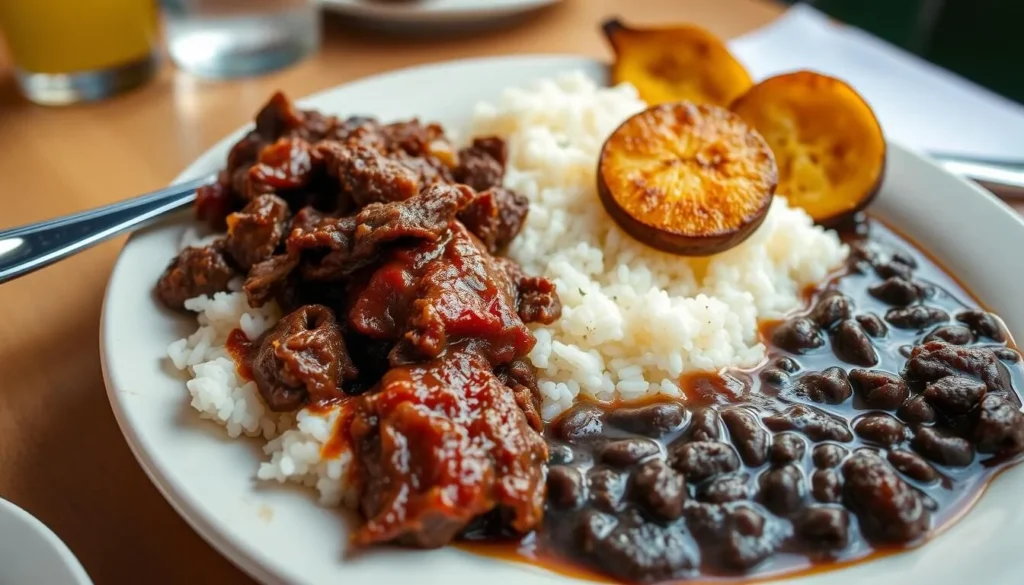
Cuban cuisine reflects the country’s Spanish, African, and Caribbean influences. The dining scene in Havana has evolved dramatically in recent years, with private restaurants (paladares) offering increasingly sophisticated options alongside traditional state-run establishments.
Seasonal Food Experiences
Dry Season Dining (November-April)
- Rooftop Restaurants: Enjoy pleasant evening temperatures at Havana’s growing number of rooftop venues
- Street Food: More vendors operate during tourist season with expanded offerings
- Seafood: Fresh catches are more reliable during calmer sea conditions
Wet Season Dining (May-October)
- Indoor Restaurants: Seek air-conditioned comfort during hot, humid months
- Tropical Fruits: Mango, guava, and pineapple reach peak ripeness
- Restaurant Availability: Easier reservations with fewer tourists
Must-Try Cuban Dishes
Main Dishes
- Ropa Vieja: Shredded beef in tomato sauce
- Lechón Asado: Roast pork
- Arroz con Pollo: Chicken and rice
Side Dishes
- Moros y Cristianos: Black beans and rice
- Tostones: Fried plantains
- Yuca con Mojo: Cassava with garlic sauce
Drinks
- Mojito: Rum, mint, lime, sugar
- Cuba Libre: Rum and cola
- Fresh Fruit Juices: Seasonal availability
Weather-Savvy Dining Tip: During the rainy season, plan lunch at restaurants near your morning activities to avoid getting caught in afternoon downpours. Many paladares offer delivery services during inclement weather.
Attractions, Sightseeing & Activities
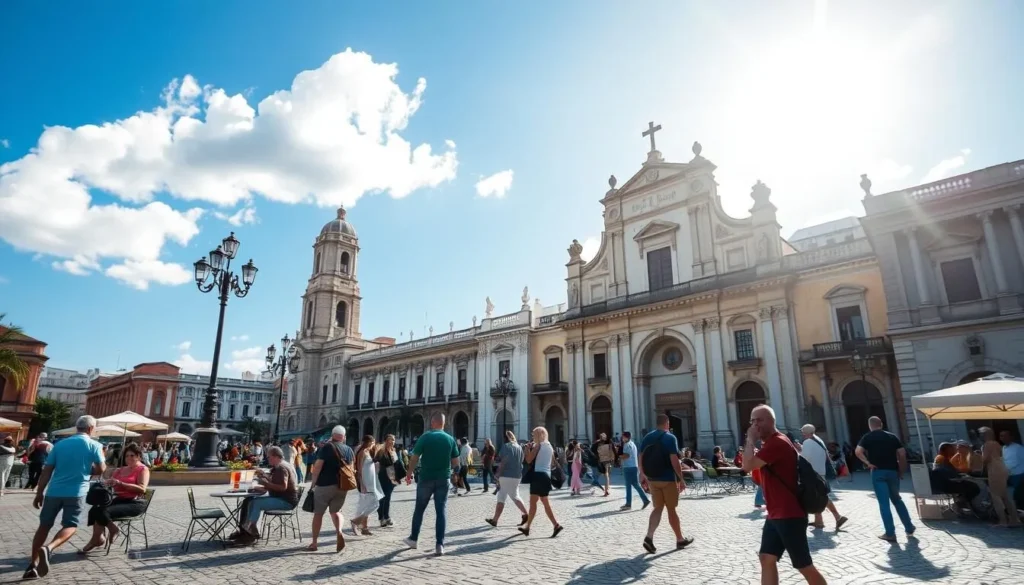
Havana’s rich history and vibrant culture offer endless exploration opportunities. The best activities often depend on the season and weather conditions during your visit.
Weather-Optimized Itineraries
Dry Season Activities (November-April)
- Walking Tours: Explore Old Havana’s four main plazas
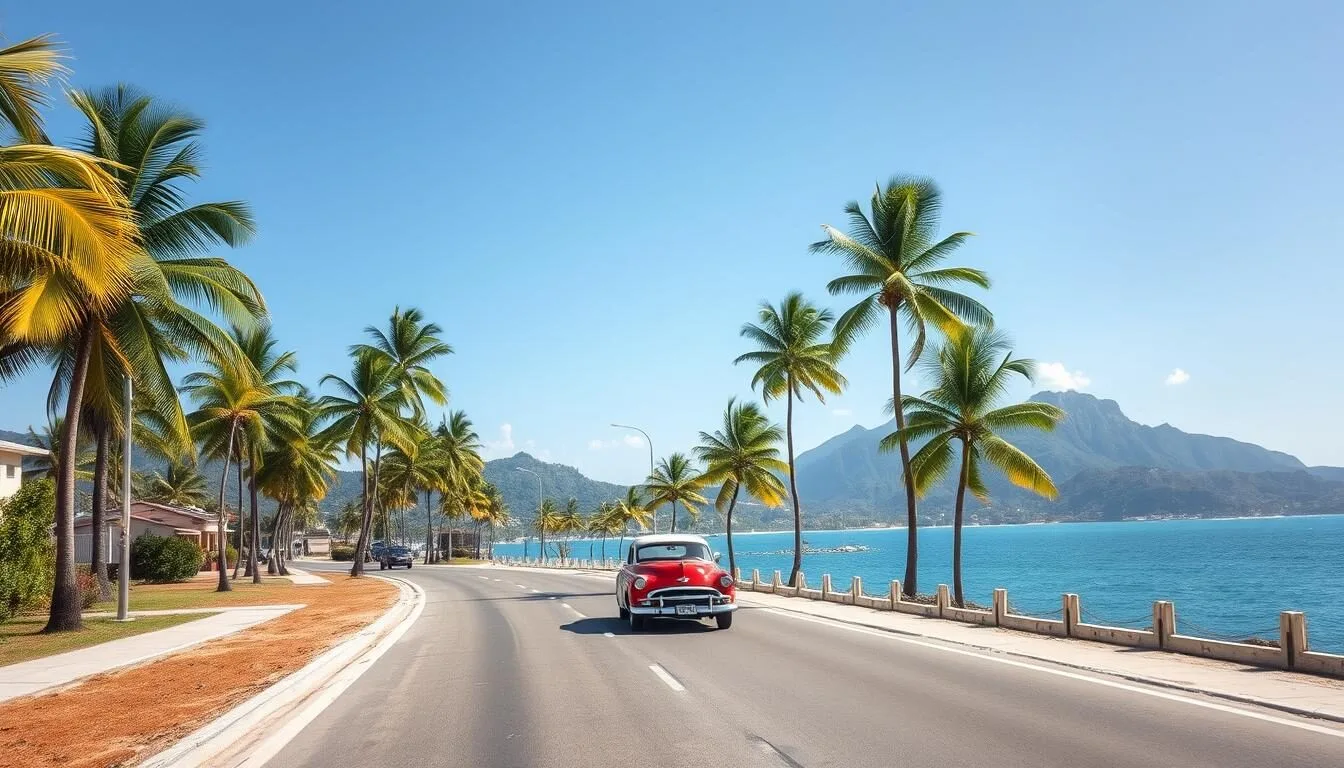
- Convertible Classic Car Tours: Cruise the Malecón in vintage style
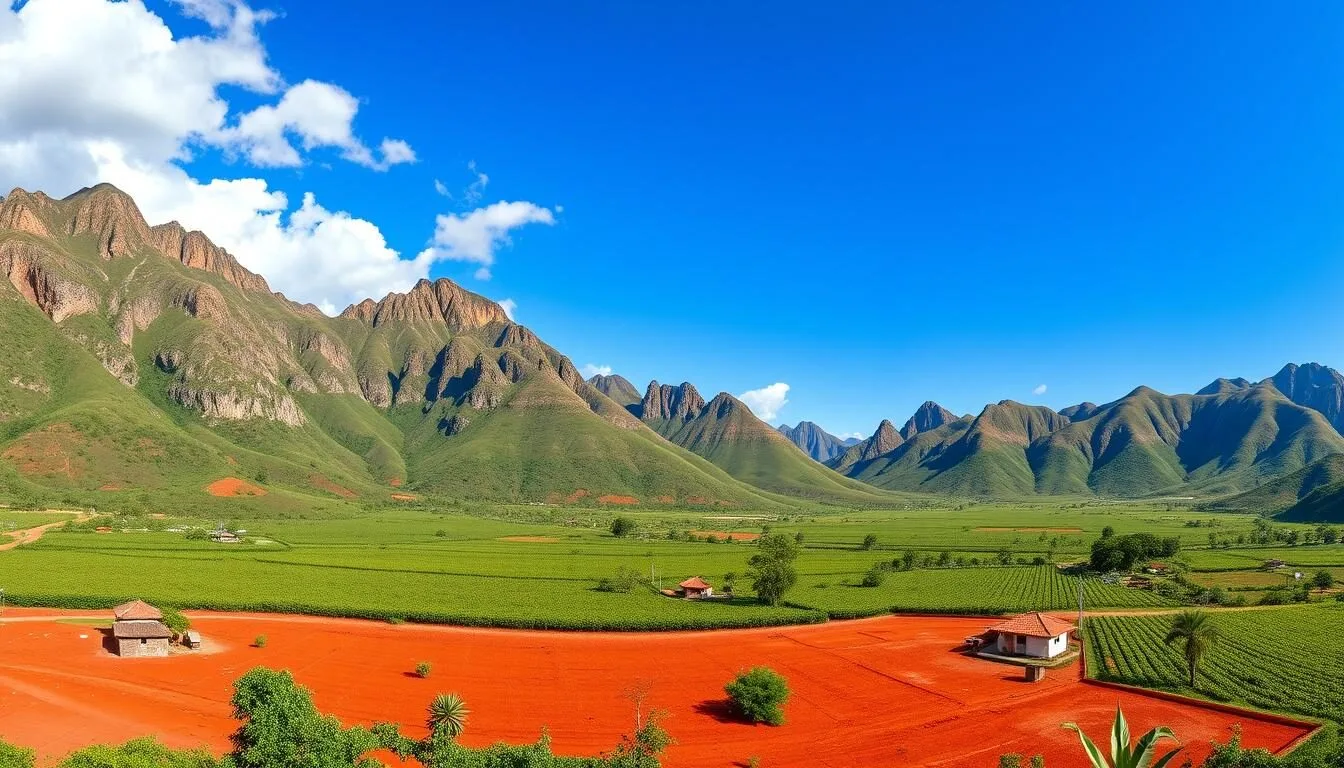
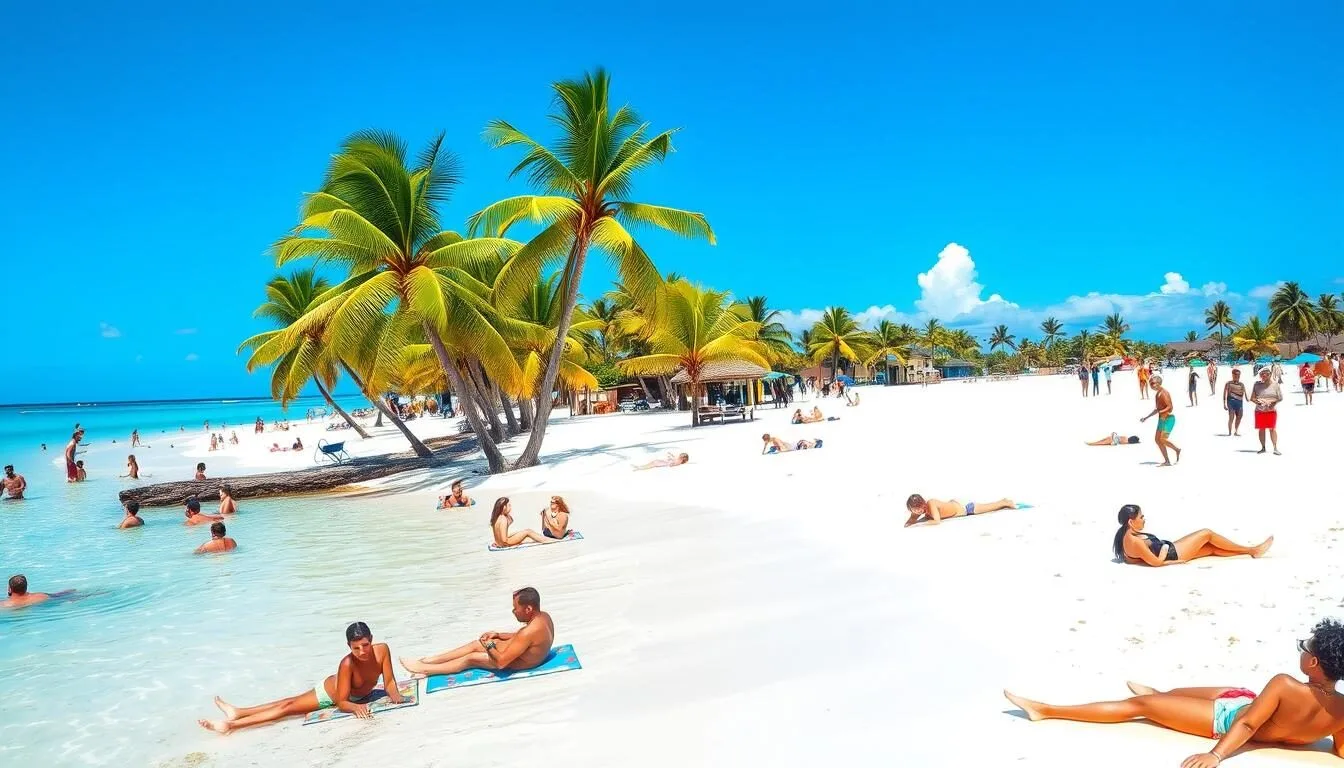
- Day Trips: Visit Viñales Valley or Varadero beaches
- Sunset Sails: Harbor cruises with perfect evening temperatures
Wet Season Alternatives (May-October)
- Museum Hopping: Revolution Museum, Fine Arts Museum
- Rum Factory Tours: Learn about Havana Club production
- Cigar Factory Visits: See tobacco craftsmanship firsthand
- Cooking Classes: Learn Cuban cuisine techniques
Must-Visit Attractions
Historic Sites
- Old Havana (Habana Vieja): UNESCO World Heritage site
- El Capitolio: Recently restored national capitol building
- Castillo de los Tres Reyes del Morro: 16th-century fortress
Cultural Experiences
- Fábrica de Arte Cubano: Contemporary art and music venue
- Callejón de Hamel: Afro-Cuban art and rumba performances
- Gran Teatro de La Habana: Home to the Cuban National Ballet
Local Favorites
- El Malecón: Iconic seafront promenade (best in dry season)
- Playas del Este: Beaches east of the city
- Fusterlandia: Mosaic art neighborhood
Seasonal Tip: Many outdoor attractions offer morning tours during the wet season to avoid afternoon thunderstorms. Book flexible tours that offer rain date options if traveling during hurricane season.
Museums, Cultural Spots & Festivals

Havana’s cultural calendar is packed year-round, but timing your visit to coincide with major festivals can enhance your experience. The city’s museums and cultural venues offer refuge during inclement weather and insight into Cuba’s rich heritage.
Year-Round Cultural Calendar
| Month | Festival/Event | Description | Weather Considerations |
| January | Havana International Jazz Festival | World-class jazz performances throughout the city | Perfect weather for outdoor concerts |
| February | Habanos Festival | Celebration of Cuban cigars with tastings and workshops | Comfortable temperatures for outdoor events |
| April | International Perucho Figueredo Festival | Classical music performances | Some indoor venues for occasional showers |
| May (odd years) | Havana Biennial | Contemporary art exhibitions throughout the city | Beginning of rainy season; many indoor exhibits |
| July | Fiesta del Fuego (Caribbean Festival) | Caribbean cultural celebration | Hot and humid; evening events preferred |
| August | Havana Carnival | Street parades, music, and dancing | Very hot; possible afternoon storms |
| October | Ballet Festival of Havana | International ballet performances | Indoor venues during peak hurricane season |
| December | New Latin American Film Festival | Showcasing Latin American cinema | Pleasant temperatures, minimal rain |
Top Museums for Rainy Days
Museum of the Revolution
Housed in the former Presidential Palace, this museum chronicles Cuba’s revolutionary history.
Best season: Year-round, excellent rainy day option
Location: Old Havana
National Museum of Fine Arts
Extensive collection of Cuban art spanning colonial period to contemporary works.
Best season: Year-round, air-conditioned comfort in summer
Location: Centro Habana
Hemingway Museum (Finca Vigía)
Ernest Hemingway’s former home preserved as he left it.
Best season: Dry season (gardens are part of experience)
Location: San Francisco de Paula (outskirts)
Cultural Tip: Many museums in Havana close on Mondays. During the wet season, plan museum visits for afternoons when rain is most likely. Most cultural venues are not fully air-conditioned, so even indoor activities can be warm during summer months.
Sports, Nature & Outdoor Experiences
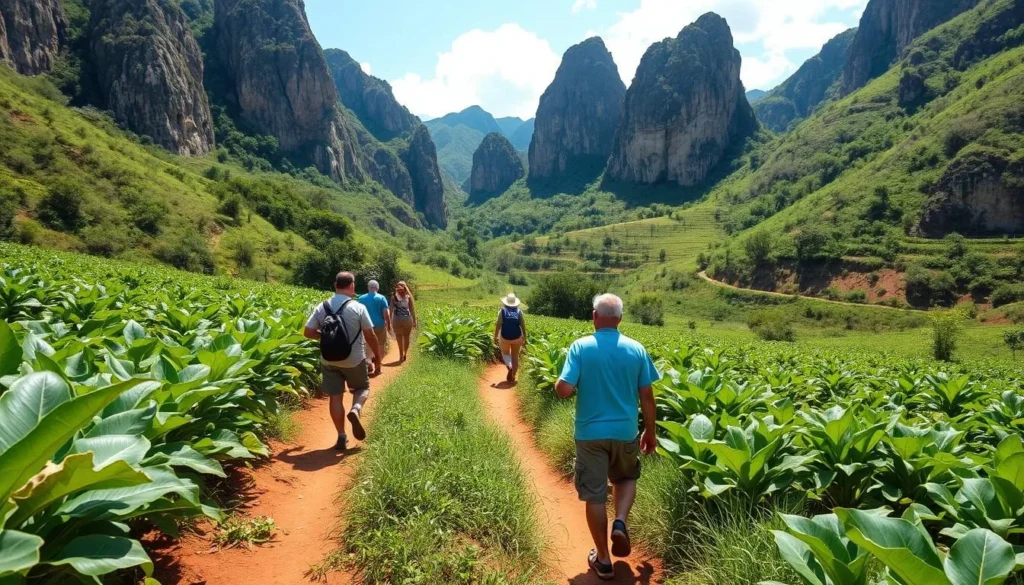
Cuba’s natural beauty extends beyond Havana, with day trips offering access to stunning landscapes. Timing these outdoor adventures with favorable weather conditions is essential for the best experience.
Weather-Dependent Day Trips from Havana
Best in Dry Season (November-April)
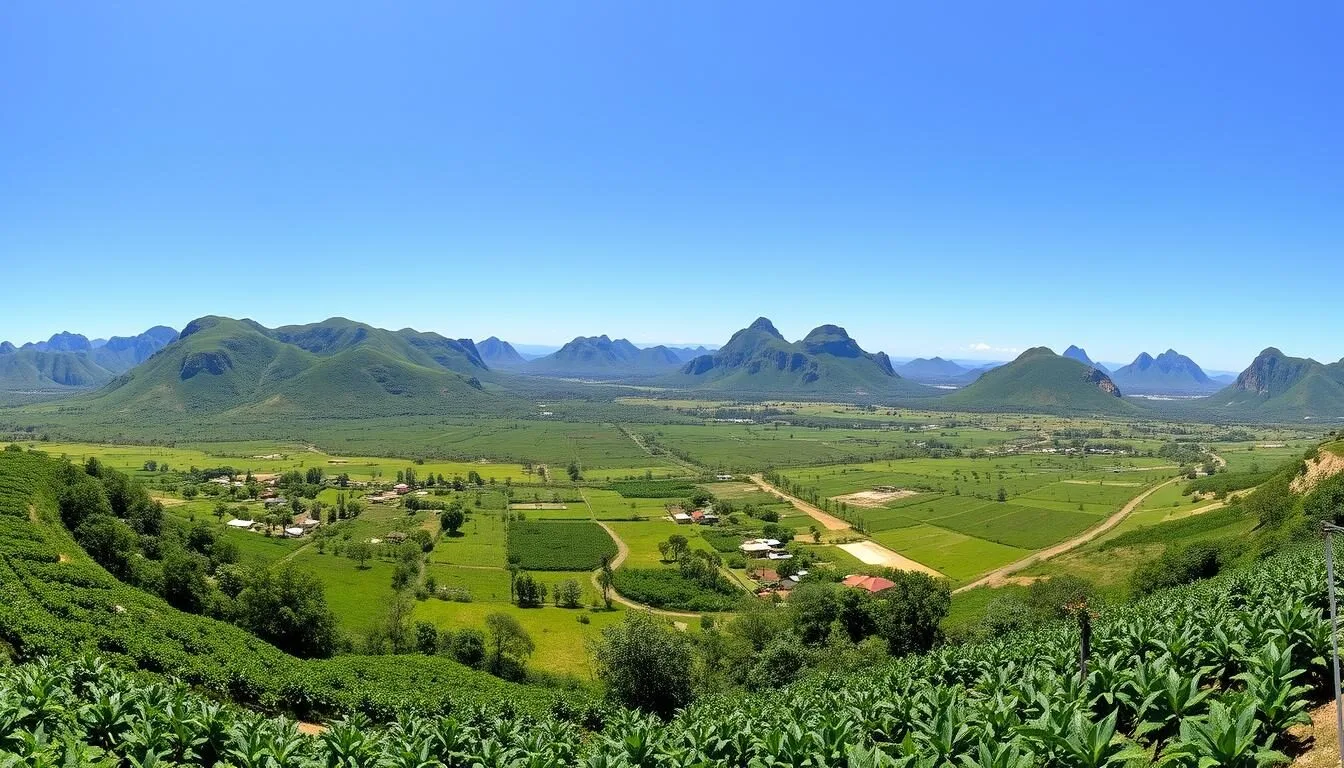
- Viñales Valley: UNESCO site with tobacco farms and limestone formations
- Varadero Beach: White sand beaches (2-hour drive)
- Las Terrazas: Eco-community with hiking and swimming
- Cayo Levisa: Island day trip with pristine beaches
Possible Year-Round (with precautions)
- Playas del Este: Local beaches 30 minutes from Havana
- Finca Vigía: Hemingway’s estate (partially indoor)
- Jibacoa: Beach area with snorkeling options
- Soroa: Orchid garden and waterfall (morning visits recommended in wet season)
Outdoor Activities by Season
Water Activities
- Snorkeling/Diving: Best December-April (clearer waters)
- Sailing: Best in dry season (November-April)
- Fishing: Year-round with seasonal catches
Land Activities
- Hiking: Best November-March (cooler, drier)
- Horseback Riding: Available year-round, best in dry season
- Cycling: Best December-February (cooler temperatures)
Urban Outdoor
- Baseball Games: Season runs November-April
- Outdoor Markets: Year-round, morning visits recommended in summer
- Classic Car Tours: Best in dry season for convertible options
Check 30,000+ Local Sightseeing Tours Worldwide
✓ Numerous languages and currencies are available
Hurricane Season Warning: If traveling between June and November, especially September-October, check weather forecasts daily and be prepared to adjust outdoor plans. Many tour operators offer flexible rebooking during hurricane season.
Safety, Etiquette & Local Customs
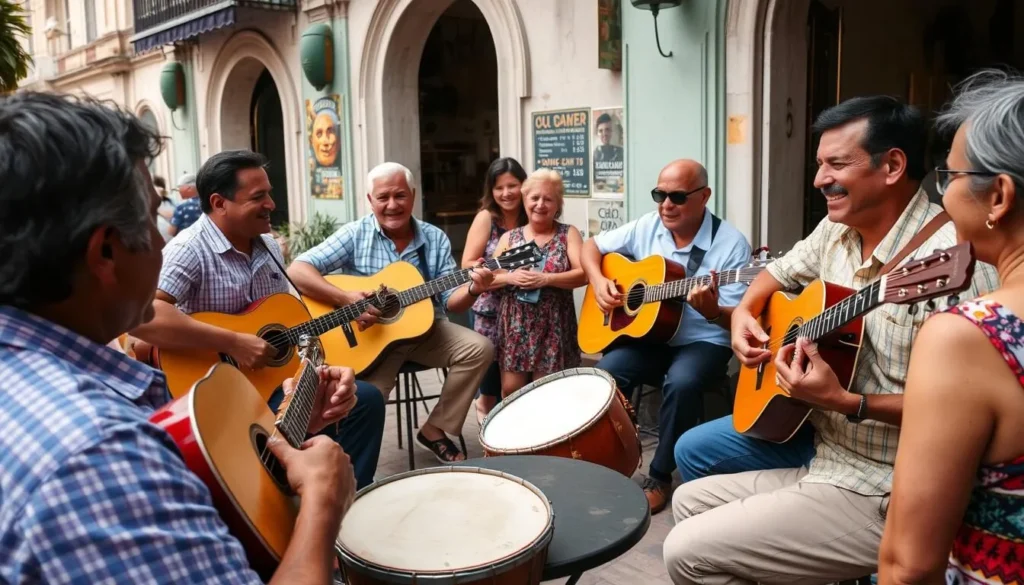
Cuba is generally a safe destination for travelers, with low rates of violent crime. However, understanding local customs and preparing for weather-related challenges will enhance your experience.
Weather-Related Safety
Hurricane Preparedness
- Monitor weather forecasts daily during hurricane season (June-November)
- Register with your embassy when traveling during peak hurricane months
- Consider travel insurance with hurricane coverage
- Have a communication plan with family back home
Heat Safety
- Stay hydrated with bottled water (aim for 2-3 liters daily in summer)
- Plan outdoor activities for morning hours during summer months
- Wear lightweight, breathable clothing and sun protection
- Take afternoon breaks in air-conditioned spaces during extreme heat
Cultural Etiquette
Social Customs
- Greet with a handshake or cheek kiss
- Dress casually but neatly (shorts acceptable for tourists)
- Tipping 10% is appreciated for good service
Communication
- Learn basic Spanish phrases
- Cubans appreciate attempts to speak their language
- Political discussions should be approached with sensitivity
Photography
- Ask permission before photographing people
- Avoid military installations
- Street performers may expect small tips
Health Tip: Cuba has excellent healthcare, but bring basic medications as they can be difficult to find. During rainy season, pack insect repellent to protect against mosquitoes, which can be more prevalent after rainfall.
Practical Travel Tips
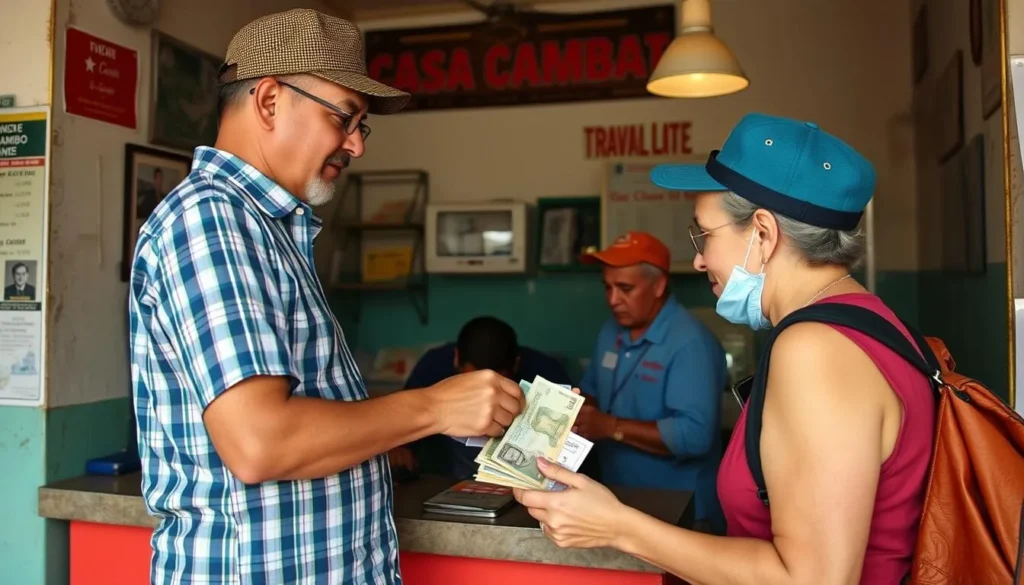
Cuba requires some additional planning compared to other destinations, particularly regarding currency, internet access, and seasonal considerations.
Currency & Payments
- Bring cash (Euros or Canadian dollars preferred over USD)
- Most U.S. credit/debit cards don’t work in Cuba
- Exchange money at official Cadeca exchange offices
- Budget extra during high season (December-March) when prices increase
Connectivity
- Purchase ETECSA WiFi cards for internet access
- Download offline maps before arrival
- Inform family of limited communication possibilities
- Download weather apps that work offline during hurricane season
Packing Essentials
- Dry Season: Sunscreen, hat, light layers
- Wet Season: Compact umbrella, quick-dry clothing, waterproof bag
- Year-round: Comfortable walking shoes, basic medications
- Toiletries and personal items (limited availability)
Final Weather Tip: For the ideal balance of good weather, reasonable prices, and manageable crowds, consider visiting during the shoulder seasons of early November or late April. You’ll enjoy mostly dry conditions while avoiding peak tourist numbers and prices.
Experience the Best of Havana, Whatever the Weather

Havana captivates visitors year-round with its intoxicating blend of history, music, and resilient spirit. While December through March offers the most reliable weather for exploring this vibrant capital, each season in Havana presents its own unique charm and opportunities. From the lively festivals of summer to the perfect temperatures of winter, timing your visit to align with your preferences will ensure an unforgettable Cuban experience. Pack your dancing shoes, brush up on your Spanish, and prepare to fall under the spell of this remarkable city where time seems to stand still, yet life moves to an irresistible rhythm. ¡Hasta pronto, Havana!