

Did you know that Jiguani is home to one of Cuba’s oldest military fortresses, the historic Fuerte de la Loma (Fort of the Hill), which once served as a crucial communication point in eastern Cuba? This small town of around 41,000 residents in Cuba’s Granma Province holds fascinating historical significance and authentic Cuban charm that most travelers overlook.
Nestled in the expansive Cauto plain, Jiguani offers visitors a glimpse into Cuba beyond the typical tourist destinations. From colonial architecture to revolutionary history, this guide will help you discover the best experiences in this hidden Cuban gem.
Getting There & Planning Your Journey
Jiguani is located in eastern Cuba’s Granma Province, approximately 750 km (466 mi) from Havana. While not directly accessible by international flights, there are several ways to reach this charming town.
Nearest Airports
The closest airports to Jiguani are:
- Carlos Manuel de Céspedes Airport (BYM) in Bayamo – 20 km (12.4 mi)
- Frank Pais International Airport (HOG) – 49 km (30.4 mi)
- Sierra Maestra International Airport (MZO) – 69 km (42.9 mi)
From Havana to Jiguani
From Havana, you can reach Jiguani by:
- Domestic flight to Bayamo, then taxi or local bus (approximately 30 minutes)
- Long-distance bus (Viazul) to Bayamo, then local transportation
- Rental car – approximately 9-10 hours drive via the Carretera Central
Best Time to Visit Jiguani
Jiguani experiences a tropical climate with distinct dry and rainy seasons. Understanding the weather patterns will help you plan your visit for the most comfortable experience.

Recommended Months to Visit
Best Time (December-April)
- Average temperatures: 24-29°C (75-84°F)
- Minimal rainfall and humidity
- Clear skies perfect for sightseeing
- Comfortable evenings around 18-21°C (64-70°F)
Months to Avoid (May-October)
- Hurricane season (June-November)
- Heavy rainfall, especially September-October
- High humidity levels
- Temperatures reaching 32-34°C (90-93°F)
Local Tip: If you visit during June, you might catch the Patronales de San Pedro festival, a local celebration with music, dance, and traditional food. This can be worth braving the early rainy season!
Getting Around Locally
Jiguani is a relatively small town that’s easy to navigate on foot. However, there are several transportation options for exploring the town and surrounding areas.

Walking
The town center is compact and pedestrian-friendly. Most attractions, restaurants, and shops are within walking distance of each other.
Bicitaxis
These bicycle taxis are common in Jiguani and provide an affordable way to get around town. Negotiate the fare before boarding.
Taxis
Both official and unofficial taxis are available. Classic car taxis are popular and can be hired for trips to nearby attractions.
Currency Note: Cuba has a dual currency system. Bring cash (Euros or Canadian dollars preferred) as U.S. credit cards typically don’t work, and ATMs are scarce in smaller towns like Jiguani.
Where to Stay
While Jiguani has limited hotel options compared to larger Cuban cities, it offers authentic accommodations that provide a genuine Cuban experience.

Accommodation Options
Casas Particulares
The most common and recommended option in Jiguani. These family-run guesthouses offer clean rooms, home-cooked meals, and cultural immersion with local hosts.
Price range: 20-35 CUC per night (approximately $20-35 USD)
Nearby Hotels
For those preferring hotel amenities, consider staying in nearby Bayamo (20 km away), which offers more traditional hotel options while keeping Jiguani accessible for day trips.
Price range: 50-100 CUC per night (approximately $50-100 USD)
Rural Homestays
Some farms and rural properties around Jiguani offer overnight stays, providing a unique opportunity to experience Cuban countryside living.
Price range: 15-25 CUC per night (approximately $15-25 USD)
Dining & Local Cuisine
Jiguani offers authentic Cuban cuisine with an emphasis on local ingredients and traditional recipes. Most restaurants are small, family-run establishments or paladares (private restaurants).
Must-Try Local Dishes
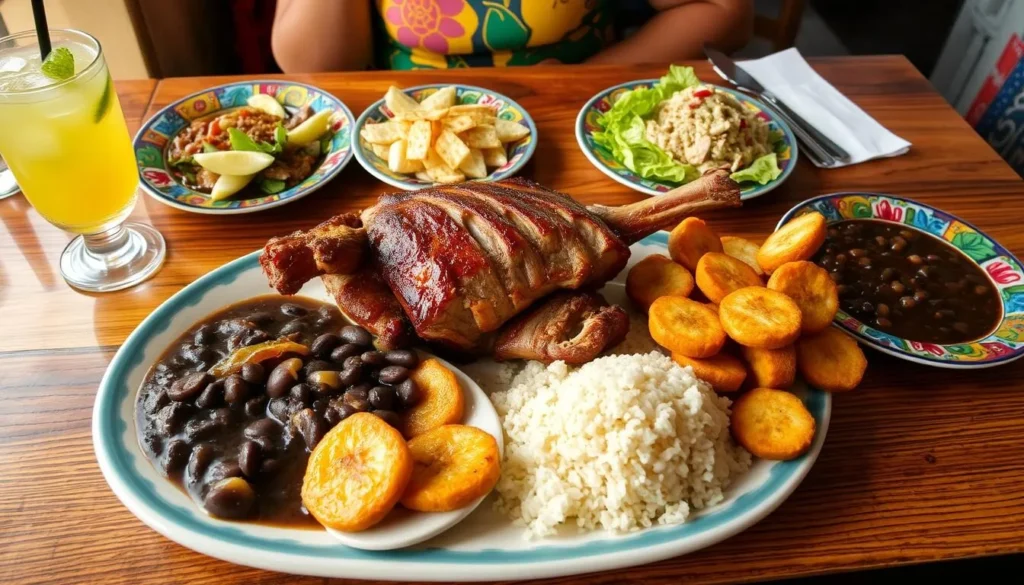
- Ajiaco Cubano – A hearty stew with various root vegetables, corn, and meat
- Congri – Rice cooked with black beans, a staple of eastern Cuban cuisine
- Lechón Asado – Slow-roasted pork, often the centerpiece of special meals
- Tostones – Twice-fried plantain slices, a popular side dish
- Yuca con Mojo – Cassava with garlic citrus sauce
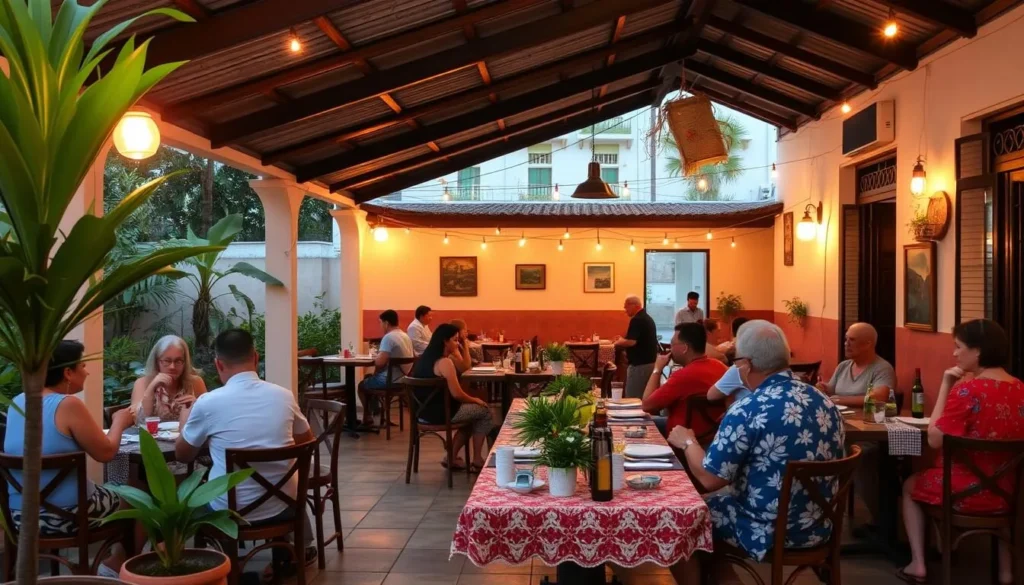
“The best dining experiences in Jiguani are often found in casas particulares, where home-cooked meals showcase generations of culinary tradition and the freshest local ingredients.”
Attractions, Sightseeing & Activities
While smaller than many Cuban tourist destinations, Jiguani offers several fascinating historical sites and cultural attractions worth exploring.

Historical Sites
Fuerte de la Loma (Fort of the Hill)
This colonial military fortress built in the mid-19th century offers fascinating insights into Cuba’s colonial past. The stone walls and remaining artillery positions provide excellent views of the surrounding Cauto plain.
Don’t miss: The preserved heliograph pedestal that made this an important communication point in eastern Cuba.
Dos Ríos
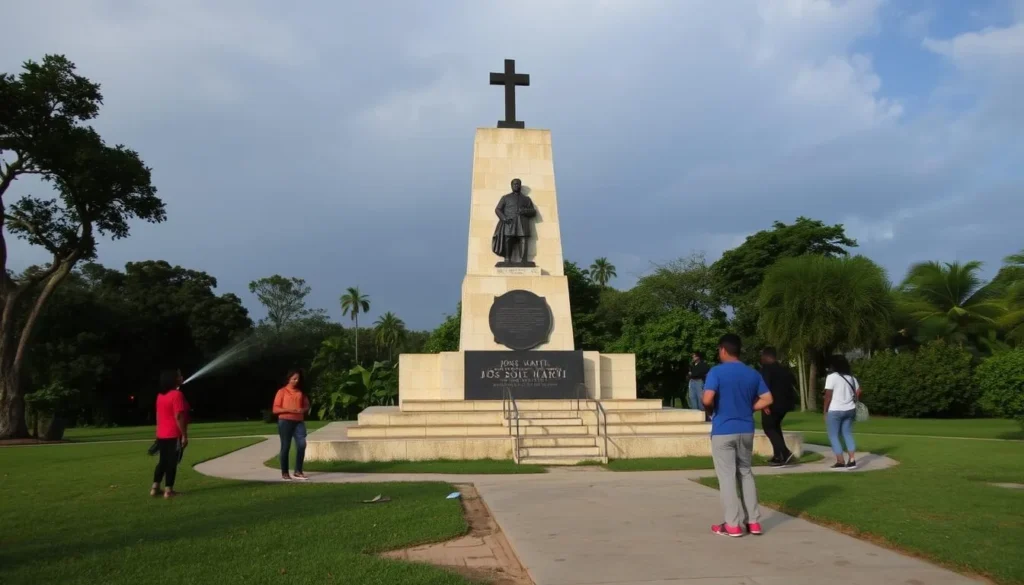
Just outside Jiguani lies Dos Ríos, the site where Cuban National Hero José Martí fell in combat in 1895. This important historical site includes monuments and information about this pivotal moment in Cuba’s struggle for independence.
Tip: Guided tours provide the most comprehensive historical context.
Cultural Experiences
- Iglesia de San Pablo – The historic church in the town center dates back to colonial times
- Parque Central – The main square where locals gather, especially in the evenings
- Local Markets – Experience daily Cuban life at the town’s small markets
- Casa de Cultura – Often hosts traditional music and dance performances
Nature & Outdoor Experiences
Jiguani’s location near the Sierra Maestra mountains provides excellent opportunities for nature lovers and outdoor enthusiasts.

Nearby Natural Attractions
Sierra Maestra Trails
The nearby Sierra Maestra mountain range offers hiking opportunities with varying difficulty levels. Local guides can be arranged in Jiguani for day trips.
Río Cauto
Cuba’s longest river flows near Jiguani. Fishing excursions and boat rides can be arranged through local guides.
Birdwatching
The diverse ecosystems around Jiguani make it an excellent spot for birdwatching, with numerous endemic Cuban species.

Safety, Etiquette & Local Customs
Jiguani is generally a safe destination for travelers, with low crime rates and friendly locals. Understanding a few cultural norms will enhance your experience.

Cultural Tips
- Greetings – Cubans typically greet with a handshake or kiss on the cheek for women
- Tipping – 10% is standard for services; small tips are appreciated for washroom attendants
- Photography – Always ask before photographing locals; some government buildings prohibit photos
- Dress Code – Casual but modest dress is appropriate; bring light layers for evenings
- Language – Spanish is predominant; bringing a phrasebook is helpful as English is limited
Important: Internet access is limited in Jiguani. ETECSA telecommunications centers or larger hotels in nearby Bayamo offer Wi-Fi cards for purchase. Download offline maps and translation tools before your trip.
Practical Travel Tips
Make your visit to Jiguani smooth and enjoyable with these essential travel tips.
Essential Information
Money & Currency
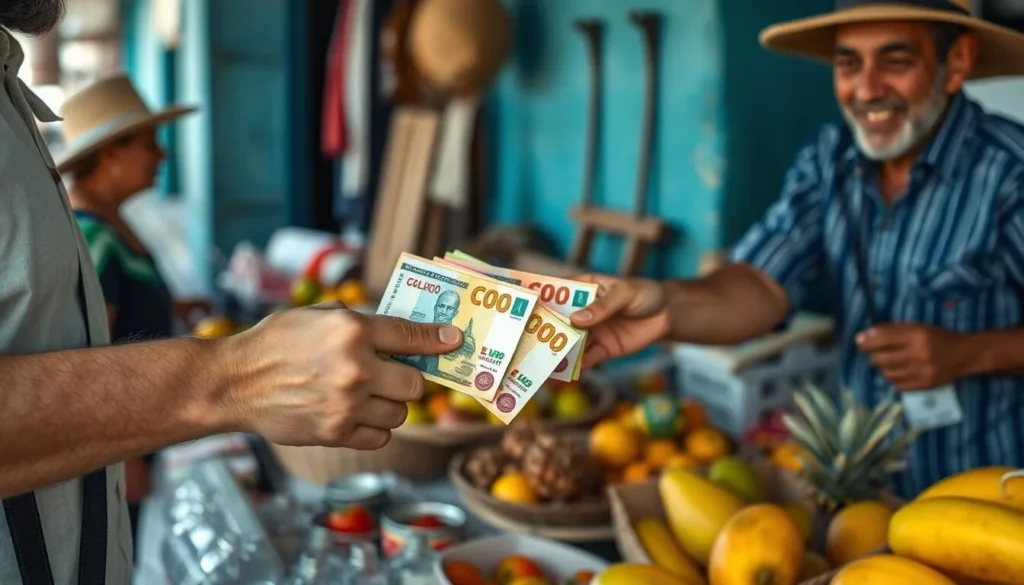
- Cuba uses a dual currency system: Cuban Convertible Peso (CUC) for tourists and Cuban Peso (CUP) for locals
- Bring cash (Euros or Canadian dollars preferred)
- No ATMs in Jiguani; nearest are in Bayamo
- U.S. credit/debit cards typically don’t work in Cuba
Health & Safety
- Bring all necessary medications; pharmacies have limited supplies
- Drink bottled water only
- Basic medical facilities available; comprehensive care in Bayamo
- Travel insurance with medical coverage is mandatory for Cuba

Is Jiguani worth visiting if I’m already going to Havana and Trinidad?
Absolutely! While Havana and Trinidad offer more tourist infrastructure, Jiguani provides an authentic glimpse into everyday Cuban life away from major tourist centers. Its historical significance, particularly the Fuerte de la Loma and connection to José Martí, makes it valuable for those interested in Cuban history.
How many days should I spend in Jiguani?
1-2 days is typically sufficient to explore Jiguani itself. Consider using it as a base to explore other parts of Granma Province, including Bayamo and Sierra Maestra, which would extend your stay to 3-4 days.
Experience the Authentic Cuba in Jiguani
Jiguani may not feature on most standard Cuban itineraries, but that’s precisely what makes it special. This authentic town offers a window into Cuba’s rich history, from colonial times through the independence struggles to the present day.
With its historic fortress, proximity to important revolutionary sites, and genuine local culture untouched by mass tourism, Jiguani rewards travelers seeking to venture beyond Cuba’s more famous destinations. The warm hospitality of its residents, authentic cuisine, and surrounding natural beauty make it a worthwhile addition to any Cuban adventure.
Ready to explore Jiguani’s timeless charm? Start planning your Cuban adventure today!




0 Comments