
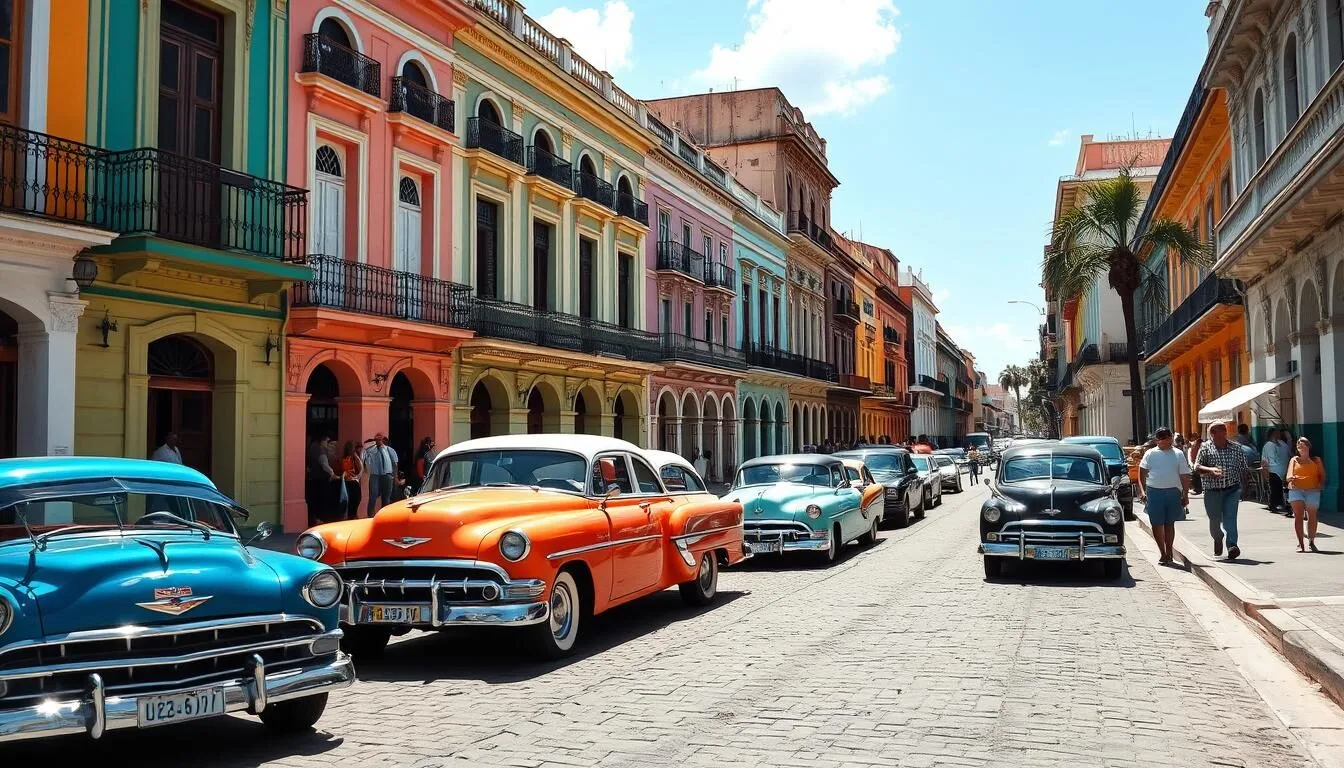
Did you know that Old Havana (Habana Vieja) is home to over 900 buildings of historical significance, with many dating back to the 16th century? This UNESCO World Heritage site packs five centuries of fascinating history into just 4.5 square kilometers (1.7 square miles). Walking these cobblestone streets feels like stepping through a time portal where colonial architecture, vintage American cars, and the rhythms of salsa create an atmosphere unlike anywhere else in the world.
Getting There & Planning Your Journey
The main gateway to Havana is José Martí International Airport (HAV), located approximately 15 km (9.3 miles) southwest of Old Havana. Most international visitors arrive through Terminal 3, which handles flights from the United States, Canada, Europe, and Latin America.
Before traveling to Cuba, ensure you have:
- A valid passport with at least six months validity
- A tourist card (visa) which can be purchased from your airline or Cuban embassy
- Travel insurance with medical coverage (required for entry)
- Proof of accommodation bookings
- Sufficient cash for your trip (US cards typically don’t work in Cuba)
From the airport, you can reach Old Havana by taxi (approximately 25-30 CUC/USD), or pre-arrange a transfer through your accommodation. The journey takes about 30 minutes depending on traffic.
Havana is also a popular cruise port, with ships docking at Sierra Maestra Terminal, conveniently located at the edge of Old Havana.
Best Time to Visit & Weather Tips
Recommended Months to Visit
The ideal time to visit Old Havana is during the dry season from November to April. During these months, you’ll enjoy pleasant temperatures ranging from 20°C to 27°C (68°F to 81°F) with lower humidity and minimal rainfall.
Months to Avoid
The rainy season runs from May to October, with September and October being the peak hurricane months. During this period, temperatures can reach 32°C (90°F) with high humidity, making sightseeing less comfortable. If you do visit during these months, plan indoor activities for the afternoons when heat and humidity are highest.
| Season | Months | Temperature | Rainfall | Crowds |
| High Season | December-March | 21-27°C (70-81°F) | Low | High |
| Shoulder Season | April-May, November | 23-30°C (73-86°F) | Moderate | Moderate |
| Low Season | June-October | 25-32°C (77-90°F) | High | Low |
For cultural experiences, consider visiting during special events like the Havana Jazz Festival (January), International Film Festival (December), or the colorful Carnival (July-August) if you don’t mind the heat.
Getting Around Locally
Old Havana is best explored on foot, as most attractions are within walking distance of each other. The compact historic center with its narrow streets and plazas is perfect for wandering and discovering hidden gems. Comfortable walking shoes are essential as you’ll be navigating cobblestone streets.
For longer distances or to reach other parts of Havana, consider these options:
Classic Car Tours
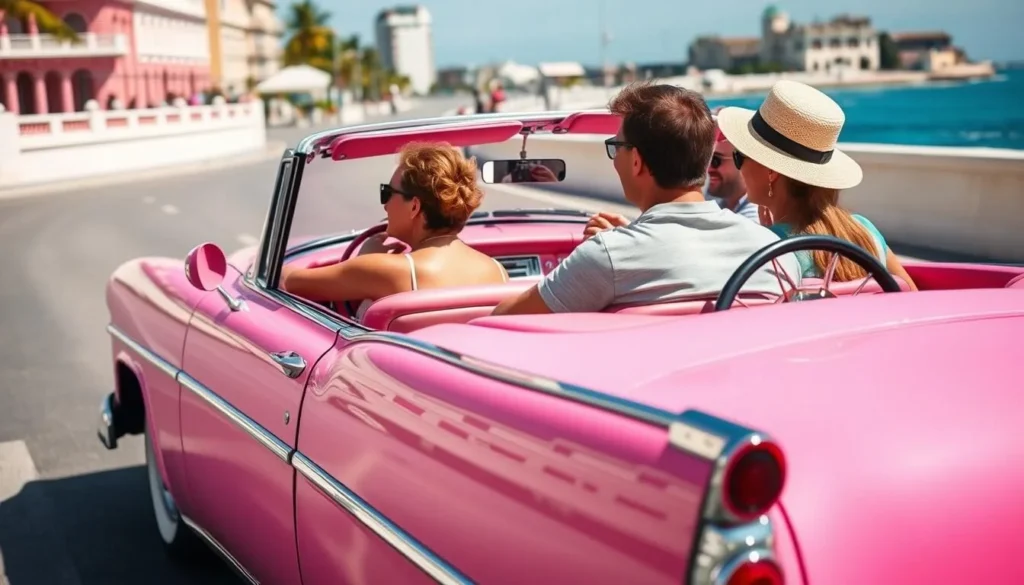
A quintessential Havana experience is touring the city in a colorful vintage American car from the 1950s. These can be hired with drivers for one or two-hour tours, costing between 30-50 CUC depending on your negotiation skills and the car’s condition.
Taxis
Official taxis are readily available and can be hailed on the street or found at taxi stands near major hotels and tourist areas. Always agree on the fare before starting your journey, as meters are rarely used. A typical ride within Havana costs 5-10 CUC.
Cocotaxis and Bicitaxis
For short distances, the yellow three-wheeled cocotaxis or bicycle taxis (bicitaxis) offer a fun alternative. Negotiate the price beforehand, typically 2-5 CUC for short trips.
Hop-on Hop-off Bus
The T1 Habana Tour bus follows a route through Old Havana and Central Havana, with a day pass costing 10 CUC. It’s a convenient way to get an overview of the city’s main areas.
Where to Stay
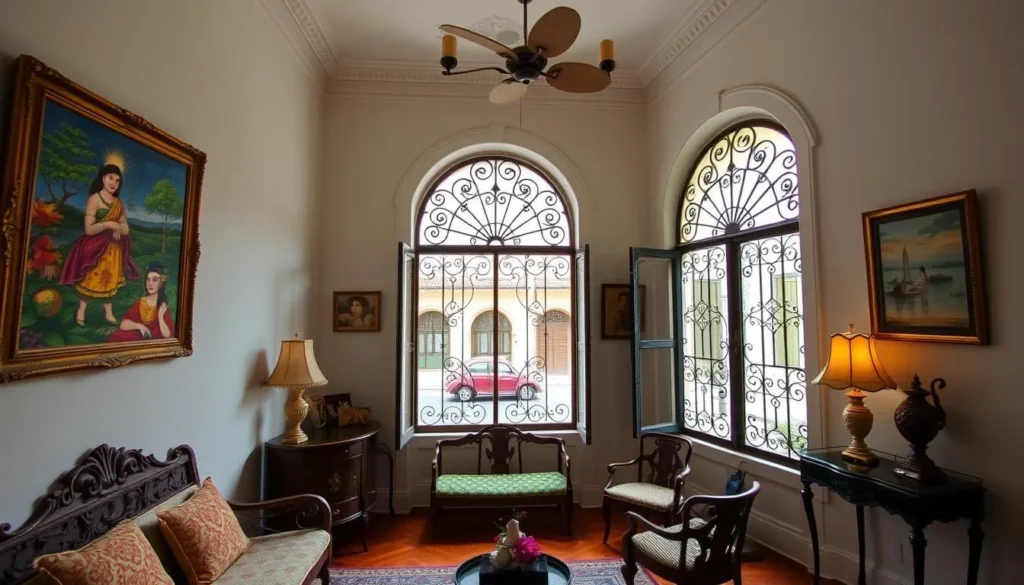
Staying in or near Old Havana puts you within walking distance of major attractions and the vibrant atmosphere of this historic district. Accommodation in Cuba falls into two main categories:
Casas Particulares (Private Homestays)
These family-run accommodations offer an authentic Cuban experience and direct contact with locals. Rooms typically cost 25-50 CUC per night, often including breakfast. Many casas are located in beautifully restored colonial buildings with charming interior courtyards.
Hotels
Old Havana boasts several historic hotels housed in colonial buildings. While they offer more amenities than casas particulares, they tend to be more expensive and often book up months in advance.
Best Areas to Stay
- Old Havana (Habana Vieja) – Perfect for first-time visitors who want to be in the heart of the historic district
- Centro Habana – More local feel with lower prices, still walking distance to Old Havana
- Vedado – Residential area with beautiful architecture and good restaurants, requires transportation to reach Old Havana
Popular Accommodations
- Hotel Ambos Mundos – Historic hotel where Ernest Hemingway once stayed
- Hotel Raquel – Beautiful art nouveau building with stained glass ceiling
- Hotel Saratoga – Luxury option with rooftop pool overlooking the city
- Casa Colonial 1715 – Charming casa particular in a restored colonial building
Book your accommodation well in advance, especially during high season (December-March), as the best places fill up quickly. When staying at casas particulares, your host can often help arrange tours, transportation, and provide valuable local insights.
Dining & Local Cuisine
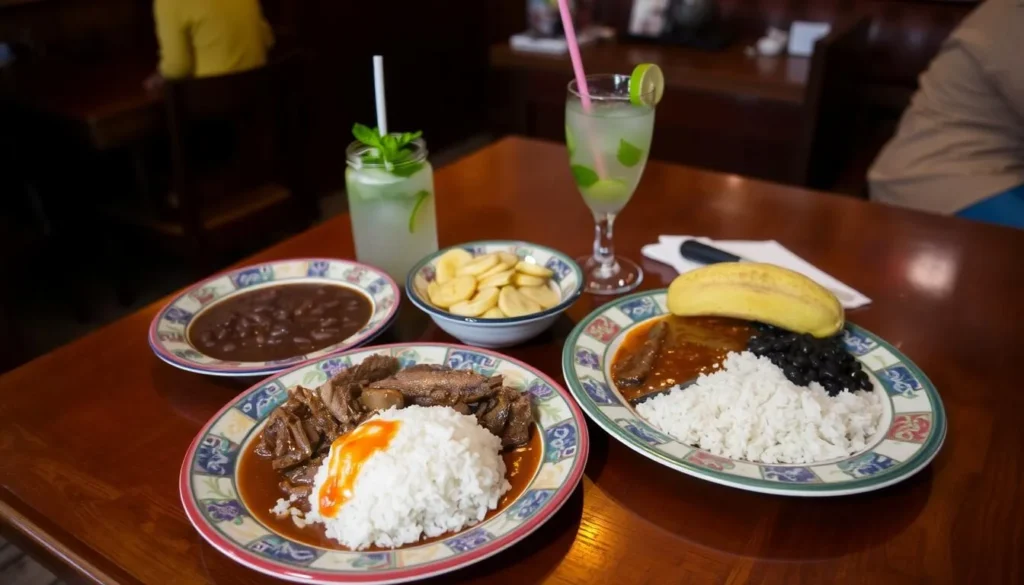
Cuban cuisine is a flavorful blend of Spanish, African, and Caribbean influences. In Old Havana, you’ll find everything from state-run restaurants to private paladares (family-run restaurants) and street food vendors.
Must-Try Cuban Dishes
- Ropa Vieja – Shredded beef slow-cooked with tomatoes, peppers, and spices
- Moros y Cristianos – Black beans and rice cooked together
- Lechón Asado – Roast pork marinated in citrus juices
- Tostones – Twice-fried green plantain slices
- Yuca con Mojo – Cassava with garlic citrus sauce
Popular Restaurants in Old Havana
Traditional Cuban
- La Bodeguita del Medio – Famous for its mojitos and traditional Cuban food
- Doña Eutimia – Authentic Cuban cuisine in a charming setting
- El Chanchullero – Popular spot with affordable meals and great atmosphere
Modern Cuban
- El Del Frente – Contemporary Cuban cuisine with a rooftop terrace
- O’Reilly 304 – Creative cocktails and fusion dishes
- La Guarida – Upscale dining in a stunning building featured in the film “Strawberry and Chocolate”
Drinks & Cocktails
Cuba is the birthplace of several iconic cocktails. Don’t miss trying:
- Mojito – Rum, lime, sugar, mint, and soda water
- Daiquiri – Rum, lime juice, and sugar
- Cuba Libre – Rum and cola with lime
- Canchánchara – Rum, honey, lime, and water
Dining Tip: Most restaurants in Old Havana cater to tourists and prices are higher than in other parts of the city. For more authentic and affordable meals, venture slightly outside the tourist center or ask locals for recommendations.
Attractions, Sightseeing & Activities
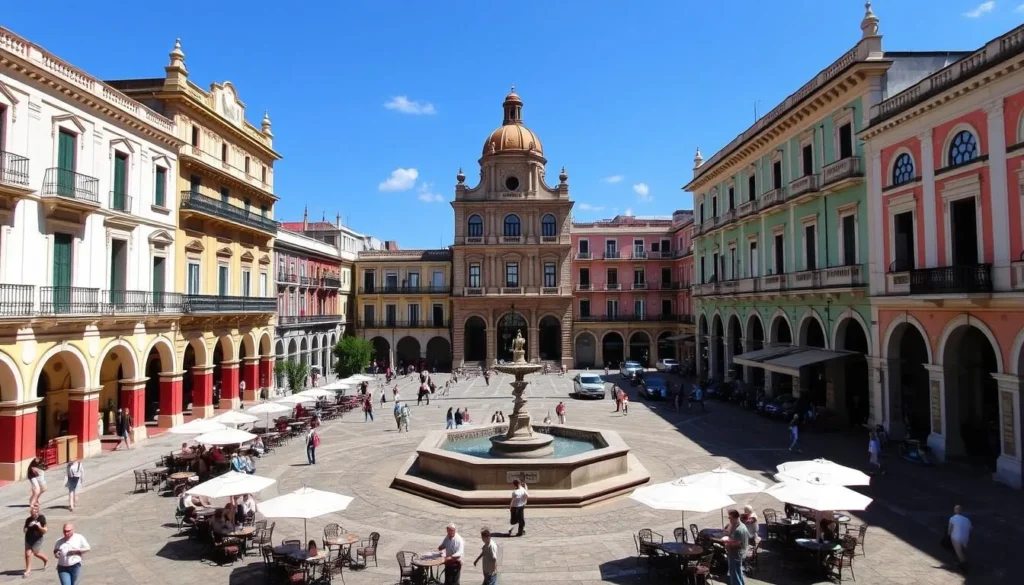
Old Havana is a living museum with countless attractions packed into its historic streets. Here are the must-see sights and experiences:
Historic Plazas
Old Havana is centered around four main plazas, each with its own character:
- Plaza de la Catedral – Home to the stunning Havana Cathedral (Catedral de San Cristóbal)
- Plaza Vieja – Surrounded by colorful colonial buildings and outdoor cafes
- Plaza de Armas – Havana’s oldest square with a book market and the Museum of the City
- Plaza de San Francisco – Features the basilica of the same name and faces the harbor
Iconic Streets
- Calle Obispo – Lively pedestrian street with shops, restaurants, and music
- Paseo del Prado – Elegant tree-lined promenade separating Old Havana from Centro Habana
- Malecón – Famous seaside promenade perfect for sunset strolls
Classic Car Tours
No visit to Havana is complete without cruising in a vintage American car from the 1950s. These colorful classics offer a unique way to see the city beyond Old Havana, including Revolution Square and the Malecón.
Hemingway’s Haunts
Ernest Hemingway spent many years in Cuba, and you can follow in his footsteps by visiting:
- La Bodeguita del Medio – Where he allegedly enjoyed his mojitos
- El Floridita – His favorite spot for daiquiris, complete with a bronze statue of the author
- Hotel Ambos Mundos – Where he stayed and wrote in the 1930s
Fortresses
Explore the impressive fortifications that once protected Havana:
- Castillo de la Real Fuerza – One of the oldest stone fortresses in the Americas
- Castillo del Morro – Iconic fortress guarding the entrance to Havana Bay
- Fortaleza de San Carlos de la Cabaña – Massive 18th-century fortress with nightly cannon ceremony
Museums, Cultural Spots & Festivals
Top Museums
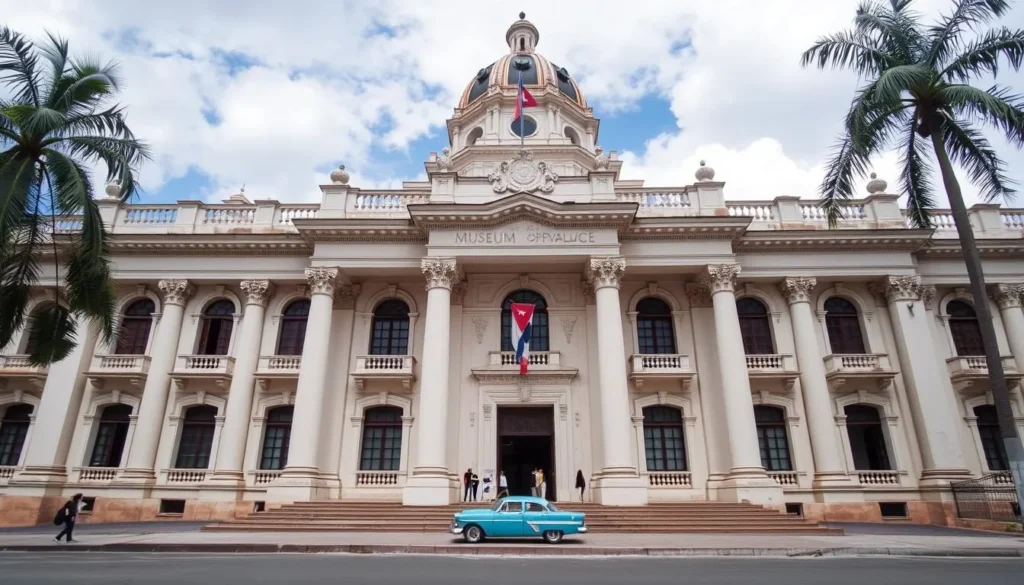
- Museum of the Revolution – Housed in the former Presidential Palace, chronicling Cuba’s revolutionary history
- National Museum of Fine Arts – Extensive collection of Cuban art spanning five centuries
- Museo del Ron Havana Club – Learn about the history and production of Cuban rum
- Museum of the City – Located in the former Palace of the Captains General on Plaza de Armas
Cultural Experiences
Immerse yourself in Cuban culture through these experiences:
- Salsa Dancing – Take a lesson or visit a dance club to experience Cuba’s passionate dance tradition
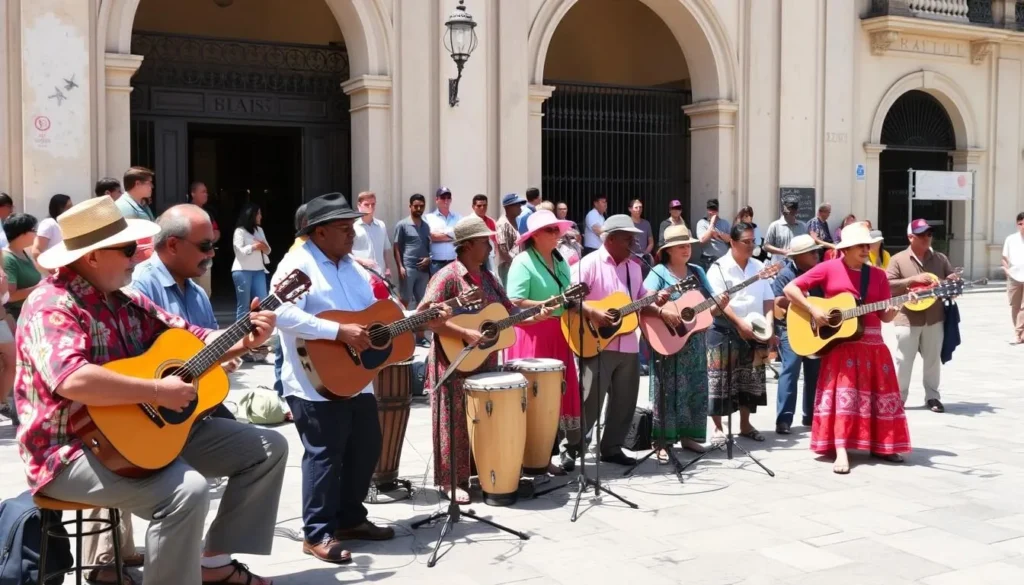
- Live Music – Enjoy traditional Cuban son, rumba, and jazz at venues throughout Old Havana
- Cigar Factory Tours – Visit the Partagás Factory to see how Cuba’s famous cigars are made
- Fábrica de Arte Cubano – Contemporary art space and cultural center (located in Vedado)
Annual Festivals & Events
| Festival | Month | Description |
| Havana Jazz Festival | January | International jazz performances throughout the city |
| International Book Fair | February | Literary event held at the Fortaleza de San Carlos de la Cabaña |
| Havana Biennial | April (every other year) | Contemporary art exhibition across multiple venues |
| Carnival | July-August | Colorful parades and street performances |
| Ballet Festival | October-November | International ballet performances at the Gran Teatro de La Habana |
| International Film Festival | December | Screenings of Latin American and international films |
Sports, Nature & Outdoor Experiences
While Old Havana is primarily known for its urban attractions, there are several ways to enjoy outdoor activities and natural beauty:
The Malecón
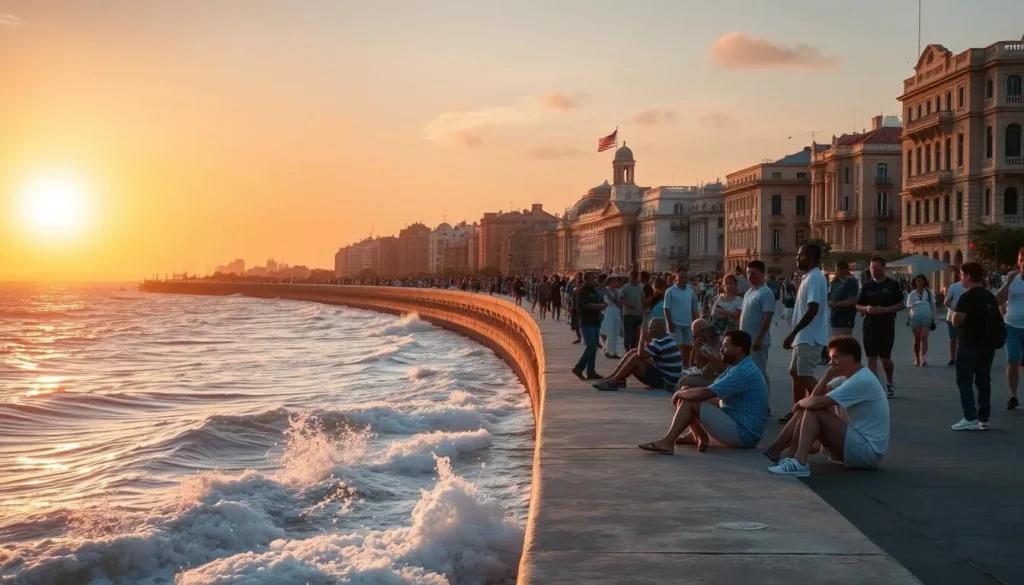
This 8 km (5 mile) seaside promenade is the social heart of Havana. Join locals at sunset for fishing, music, and socializing. The Malecón begins at the edge of Old Havana and stretches westward, offering beautiful views of the city and sea.
Nearby Beaches
The beautiful beaches of Playas del Este are just 20 minutes east of Havana:
- Santa María del Mar – The most popular beach with white sand and clear waters
- Bacuranao – Smaller beach with good snorkeling opportunities
- Guanabo – Beach town with a more local atmosphere
You can reach these beaches by taxi (15-20 CUC) or the T3 hop-on-hop-off bus from Parque Central (5 CUC for a day pass).
Parks & Green Spaces
- Parque Central – Central park surrounded by important buildings and a gathering place for locals
- Parque Histórico Militar Morro-Cabaña – Green space surrounding the fortresses with harbor views
- Jardines del Prado – Shaded promenade with marble benches and lion statues
Baseball
Baseball is Cuba’s national passion. If you’re visiting during the season (November to April), catch a game at Estadio Latinoamericano in Cerro. The atmosphere is electric, and tickets are very affordable (1-3 CUC).
Outdoor Tip: The Cuban sun is intense, especially between 11 AM and 3 PM. Always carry water, wear sunscreen, and seek shade during the hottest hours of the day.
Safety, Etiquette & Local Customs
Safety
Old Havana is generally safe for tourists, with violent crime being rare. However, like any tourist destination, be aware of:
- Pickpocketing in crowded areas
- Scams targeting tourists (such as overpriced cigars or “special” events)
- Unofficial taxis that may overcharge
Use common sense precautions: don’t display expensive jewelry or electronics, be cautious when using ATMs, and keep a copy of your passport separate from the original.
Local Customs & Etiquette
- Greetings – Cubans typically greet with a handshake or kiss on the cheek for women
- Tipping – 10% is standard in restaurants and for services
- Photography – Ask permission before photographing individuals, especially if they’re in uniform
- Dress Code – Casual attire is fine for sightseeing, but dress neatly for restaurants and cultural venues
Communication
Spanish is the official language. While some people in the tourism industry speak English, learning a few basic Spanish phrases will enhance your experience and is appreciated by locals.
Internet & Connectivity
Internet access in Cuba is limited and relatively expensive. Wi-Fi is available in designated hotspots (parks and hotel lobbies) using prepaid ETECSA cards (1-2 CUC per hour). Consider downloading offline maps and guides before your trip.
Cultural Tip: Cubans are generally warm and friendly people who love to engage with visitors. Political discussions can be sensitive, so follow the lead of locals on such topics.
Visitor Comments About Old Havana
“Old Havana exceeded all my expectations with its vibrant energy and well-preserved colonial architecture. Walking through the colorful streets felt like stepping back in time, especially with all the classic cars. Don’t miss the sunset at the Malecón and be sure to try the mojitos at La Bodeguita del Medio – they really are the best!”
“The highlight of our Cuba trip was definitely the walking tour of Old Havana. Our guide shared fascinating stories about each building and plaza that we would have completely missed on our own. My advice: stay in a casa particular rather than a hotel – our hosts treated us like family and gave us insider tips that made our experience truly authentic.”
“As a photography enthusiast, Old Havana was a dream destination. The combination of colorful buildings, vintage cars, and lively street scenes provided endless photo opportunities. I recommend exploring early in the morning when the light is beautiful and before the crowds arrive. And don’t forget to venture beyond the main plazas – some of my favorite shots came from the less touristy side streets.”
Practical Travel Tips
Money Matters
- Cuba has a dual currency system: Cuban Convertible Peso (CUC) for tourists and Cuban Peso (CUP) for locals
- Most US credit/debit cards don’t work in Cuba, so bring enough cash for your entire trip
- Euros or Canadian dollars are better to exchange than US dollars (which incur an additional 10% fee)
- Exchange money at official CADECA offices or banks, not with individuals on the street
Packing Essentials
- Comfortable walking shoes for cobblestone streets
- Sunscreen, hat, and sunglasses
- Insect repellent
- Basic medications (pharmacies may have limited supplies)
- Toilet paper and hand sanitizer (not always available in public restrooms)
- Adapters for electrical outlets (110V and 220V are both used)
Transportation Tips
Cultural Insights
- Cuba operates at a relaxed pace – embrace “Cuban time” and be patient
- Live music is everywhere – small tips are appreciated if you stop to listen or take photos
- Bring small gifts like pens, soap, or t-shirts to give to new friends or helpful locals
- Water conservation is important – be mindful of your usage
Final Tip: While planning is important, leave room in your itinerary for spontaneous discoveries. Some of the best experiences in Old Havana come from wandering down an unexpected street, following the sound of music, or accepting an invitation from a friendly local.
The Timeless Magic of Old Havana Awaits
Old Havana captivates visitors with its unique blend of colonial splendor, revolutionary history, and vibrant cultural life. As you wander its cobblestone streets, surrounded by the sounds of salsa and the sight of vintage cars cruising past colorful facades, you’ll understand why this UNESCO World Heritage site has enchanted travelers for generations. Whether you’re sipping a mojito at a historic bar, dancing under the stars, or simply soaking in the atmosphere of a plaza, Old Havana offers an authentic experience that stays with you long after you’ve returned home. The city’s warm people, rich traditions, and timeless charm create memories that will call you back to Cuba again and again.
Related Posts
Yaguajay, Cuba: Best Things to Do – Top Picks

Vinales National Park, Cuba: Best Things to Do – Top Picks
Varadero, Cuba: Best Things to Do – Top Picks

Valle de Vinales, Cuba: Best Things to Do – Top Picks
Santo Domingo, Cuba: Best Things to Do – Top Picks

Turquino National Park, Cuba: Best Things to Do – Top Picks
Coming Soon: Clickable Maps