
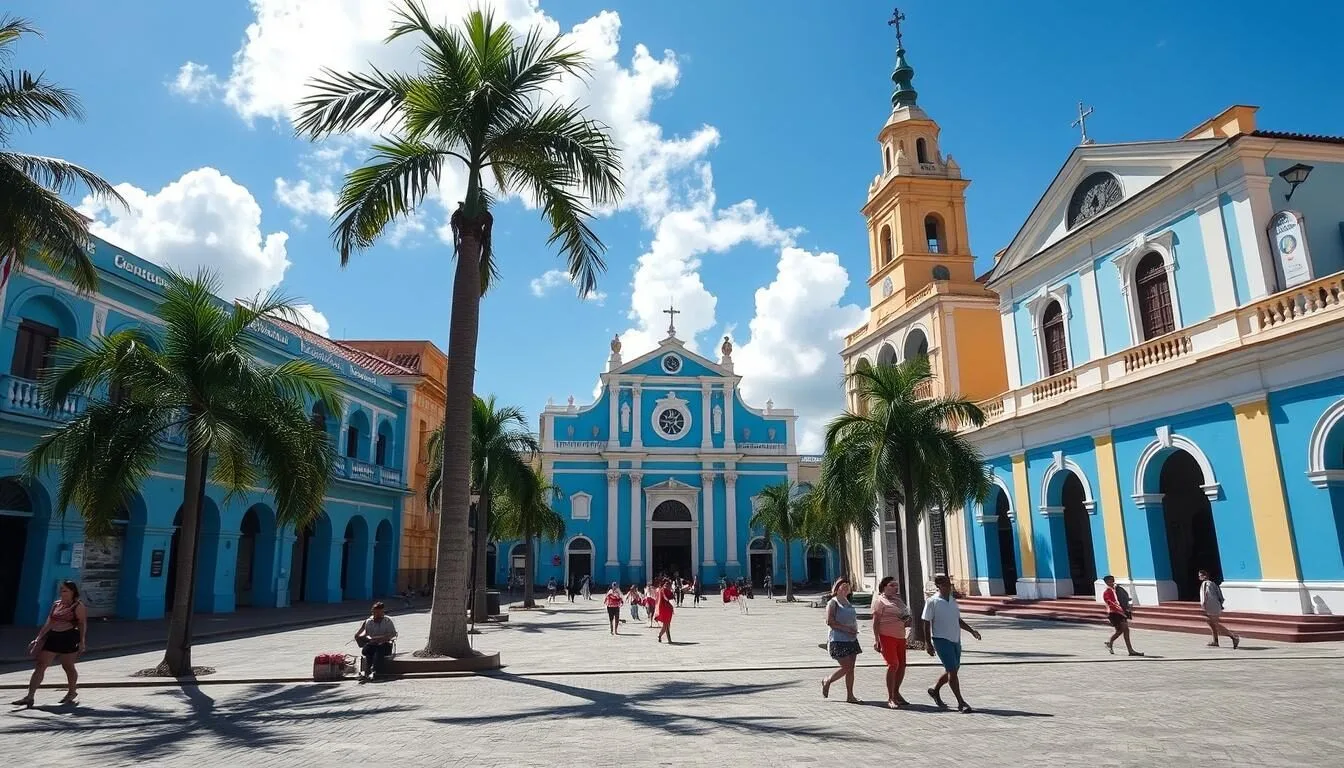
Did you know Remedios is home to one of Cuba’s oldest Spanish settlements, founded in 1513—making it older than Havana? This hidden gem in Villa Clara province has preserved its colonial charm while remaining largely untouched by mass tourism. With its colorful streets, vibrant Plaza Martí, and the spectacular Las Parrandas festival, Remedios offers an authentic Cuban experience that combines history, culture, and local life in one compact colonial town.
Getting There & Planning Your Journey
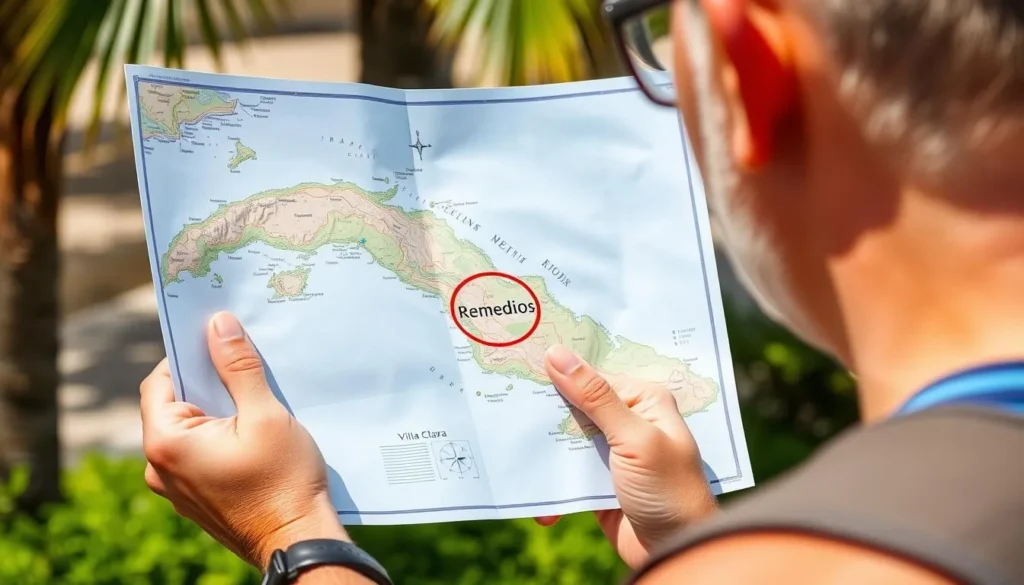
Remedios is located in the Villa Clara province, about 50 km from Santa Clara and just 8 km from the northern coast of Cuba. While it may not be on the main tourist route, its strategic location makes it an excellent stop, especially for travelers heading to the beach resorts of Cayo Santa María.
By Air
The closest airport to Remedios is Abel Santamaría Airport (SNU) in Santa Clara, approximately 50 km away (about a 1-hour drive). International flights arrive here from various destinations including Canada, Mexico, and some European countries.
From Havana’s José Martí International Airport, you can either take a domestic flight to Santa Clara or make the journey by land, which takes approximately 4-5 hours (340 km).
By Road
From Santa Clara, it’s about a 1-hour drive along good roads to reach Remedios. If you’re coming from Havana, expect about 4–5 hours (340 km) on mostly straightforward highways.
Viazul buses connect Havana, Varadero, and Santa Clara with Caibarién, the town closest to the causeway. From Caibarién, it’s just 7 km to Remedios, which you can cover by taxi or bici-taxi (bicycle taxi).
Best Time to Visit Remedios
Remedios can be visited year-round, but your experience will vary significantly depending on when you go. The climate is tropical with distinct dry and wet seasons.
Dry Season (November to April)
This is the best time to visit, with warm and sunny days averaging 22–28°C (72–82°F). The weather is perfect for exploring the colonial streets or combining your trip with nearby beaches.
December is particularly special due to the Las Parrandas festival, making it the most magical time to experience local culture.
Wet Season (May to October)
Expect higher humidity, afternoon showers, and temperatures averaging 28–32°C (82–90°F). Travel is still possible, but be prepared for heat and occasional heavy rain.
September and October are hurricane season months, so it’s best to avoid these if possible.
Festival Season (December)
If you’re lucky enough to visit during the Parrandas de Remedios, usually held around Christmas time, you’ll experience one of Cuba’s oldest and most spectacular festivals.
Book accommodations well in advance as this is the busiest time in Remedios.
Getting Around Locally
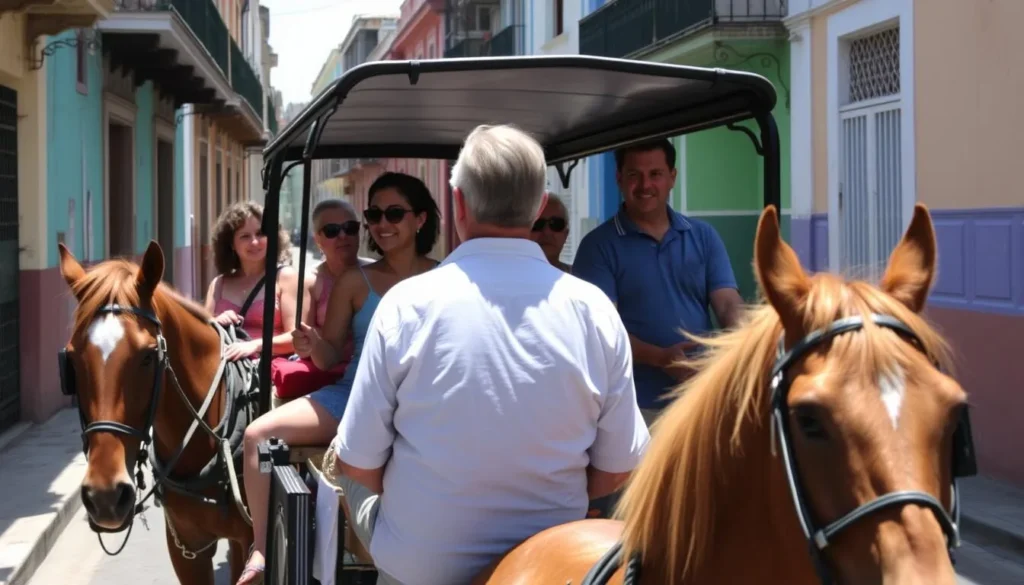
Remedios is a small colonial town, and the best way to explore it is simply on foot. Most of the main attractions, including Plaza Martí, churches, and colonial buildings, are all within a few minutes’ walk of each other.
If you arrive by car, parking is straightforward. Many casas particulares (local guesthouses) offer private parking, or you can leave your car safely near Plaza Martí for a small fee.
Where to Stay
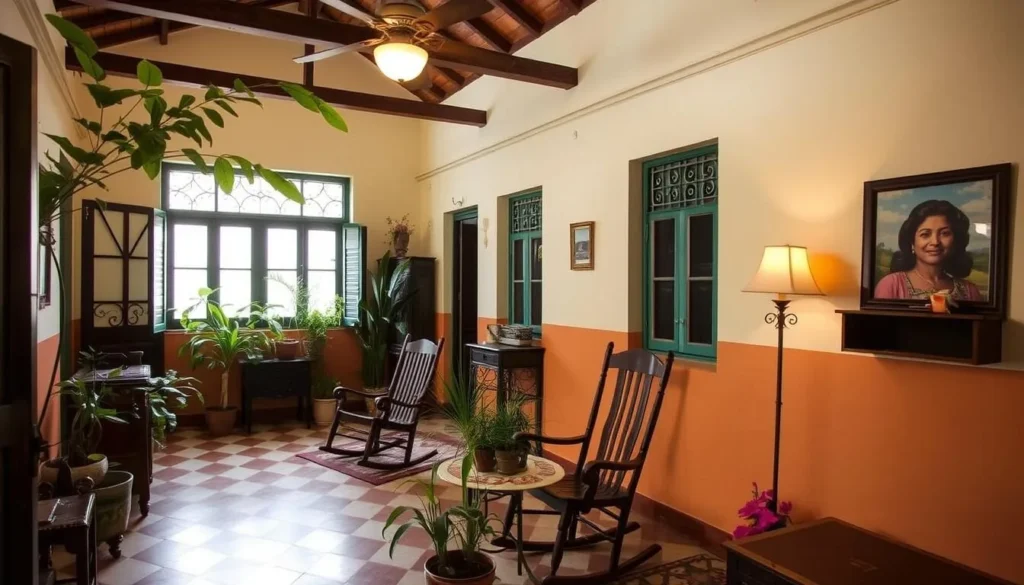
Remedios is a small town, so you won’t find big international hotels here. Instead, the charm lies in staying at a casa particular—Cuba’s version of a guesthouse, often run by local families. They’re cozy, affordable, and give you a much more authentic experience of Cuban hospitality.
Budget Options
Casa Particulares via Airbnb or direct booking offer simple, family-run stays with breakfast included. Expect to pay around €20-30 per night.
These homes often feature traditional colonial architecture with interior courtyards and provide an authentic glimpse into Cuban daily life.
Mid-Range Options
Hostal Buen Viaje and similar boutique guesthouses offer more amenities while maintaining local charm. Beautiful colonial houses with spacious rooms and leafy courtyards.
Prices range from €40-60 per night, often including breakfast and sometimes dinner options.
Premium Options
Villa Colonial Frank and Arelys and similar properties offer boutique-style accommodations in historic 18th-century buildings right on the main square.
Expect to pay €70-100 per night for these premium experiences with the best locations and services.
Dining & Local Cuisine
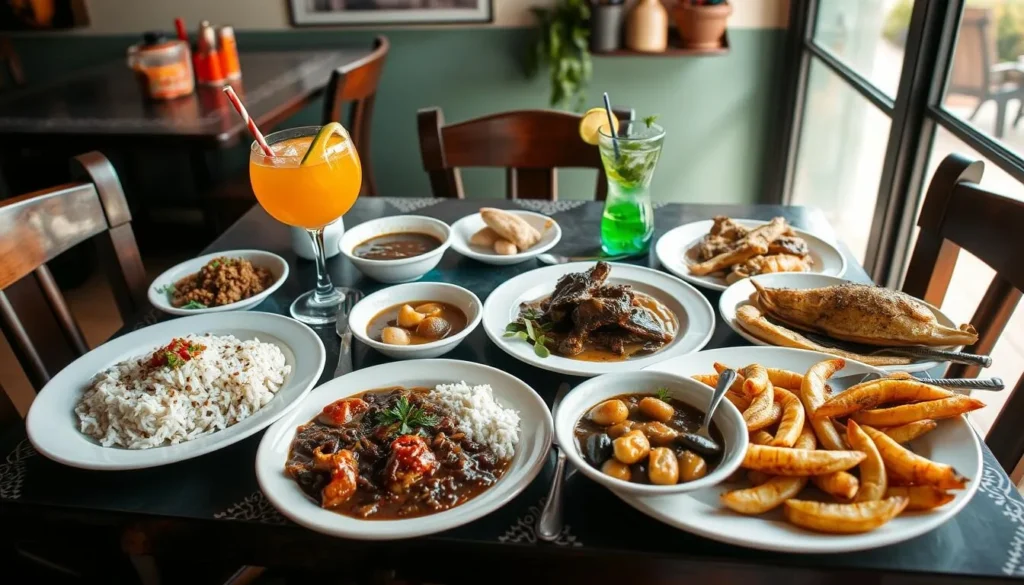
Food in Remedios, like in most of Cuba, is simple but hearty, with lots of rice, beans, plantains, and either chicken, pork, or seafood. Since it’s close to the coast, you’ll often find fresh fish and lobster at very reasonable prices compared to international standards.
Where to Eat
Most visitors end up eating at their casa particular, where hosts prepare homemade meals with love. These home-cooked dinners are often better and more plentiful than in restaurants, and you’ll usually pay around €8–12 for dinner.
There are also a few small restaurants and paladares (privately-owned restaurants) around Plaza Martí that serve traditional Cuban cuisine. Look for places where locals are eating for the most authentic experience.
What to Try
Tip for Vegetarians: If you’re vegetarian or vegan, let your casa hosts know in advance. They’ll happily prepare delicious alternatives with local produce, though options may be limited compared to larger cities.
Attractions, Sightseeing & Activities
Despite its small size, Remedios offers several fascinating attractions that showcase its rich colonial history and vibrant local culture. Most can be explored in a single day, making it perfect for a short stay.

Plaza Martí
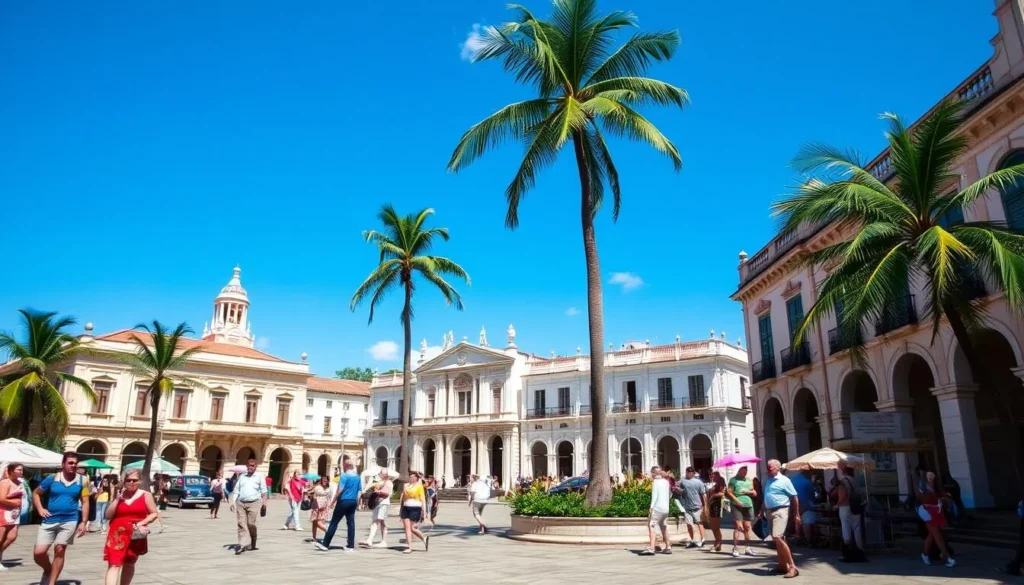
The heart of Remedios and the place where everything happens. This central square dates back to 1852 and was laid out by the town’s first settlers. Surrounded by colorful colonial buildings, shaded benches, and lively cafés, it’s the perfect spot to sit back and soak up the local atmosphere.
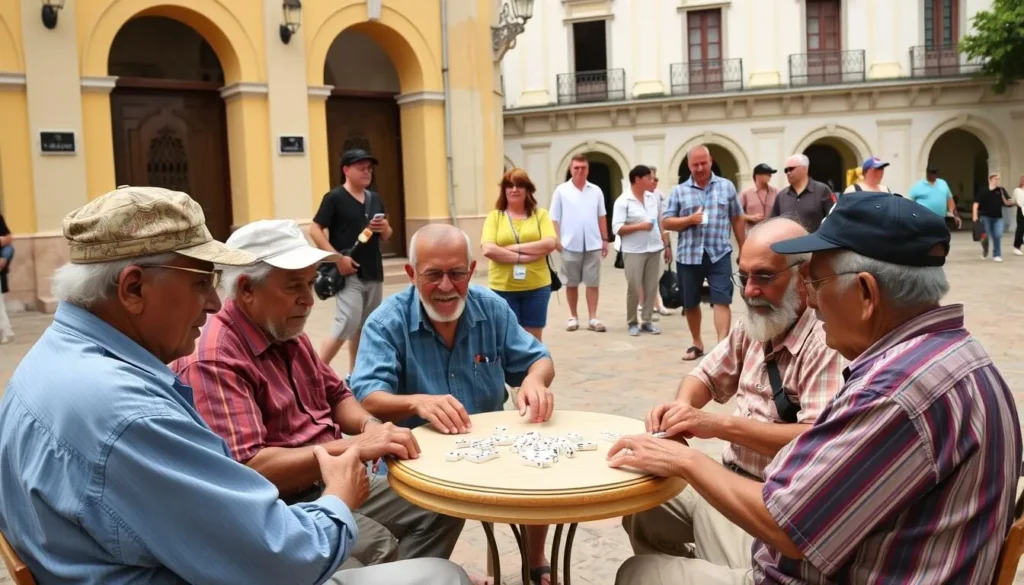
Life in Remedios revolves around this square — from kids playing to old men chatting, and during festivals, it transforms into a stage for music, dance, and celebrations.
Iglesia de San Juan Bautista
One of the most remarkable landmarks in Remedios is this parish church, also called the Parish Church of San Juan Bautista. The church holds treasures that will surprise you — from its richly decorated golden altar to intricate woodwork and religious art.
The contrast between the modest exterior and the ornate interior is striking, making it a must-see stop when exploring Plaza Martí. Don’t miss the unique statue of a pregnant Virgin Mary and the statue of Our Lady of Charity, the patron saint of Cuba.
Iglesia de Nuestra Señora del Buen Viaje
The smaller of the two churches on Plaza Martí, established in 1703 and built between 1713 and 1719. While it looks recently painted on the outside, the inside is in a state of beautiful ruins.
This creates an interesting contrast with the more opulent San Juan Bautista church, and together they make Plaza Martí the only town square in Cuba with two churches.
Libertad Park
Just a short walk from Plaza Martí, you’ll find Libertad Park, home to the Statue of Liberty of San Juan de los Remedios. Unlike its famous namesake in New York, this statue rises from an elegant obelisk and was built in the early 20th century.
The park itself is a peaceful spot to relax, shaded by trees and surrounded by local life. It’s the kind of place where you can sit on a bench, people-watch, and soak in the slower rhythm of Remedios.
Teatro Rubén Martínez Villena
Right by Plaza Martí stands this elegant colonial building with its neoclassical façade and graceful proportions. The theater is named after Cuban writer and revolutionary Rubén Martínez Villena.
Though it’s no longer as lively as in its prime, it remains a proud symbol of the town’s cultural heritage. Standing here, you can almost imagine the days when plays and performances filled its halls with music and voices.
Cigar Factory
One of the most fascinating experiences in Remedios is stepping inside a cigar factory. As you stroll around town, you’ll most likely come across one of these workshops where Cuba’s most famous export is still crafted by hand.
Watching the workers roll cigars is a real art form—every movement is precise, from selecting the leaves to shaping and pressing the cigar. Even if you’re not a smoker, it’s a unique glimpse into one of Cuba’s proudest traditions.
Museums, Cultural Spots & Festivals
Remedios may be small, but it’s rich in cultural heritage and home to one of Cuba’s most spectacular festivals. Exploring these cultural aspects will give you a deeper appreciation of this historic town.

Las Parrandas Festival
Remedios is home to a spectacular celebration before Christmas called Las Parrandas that involves fireworks, many of which are homemade, and a nighttime parade including enormous floats lit with colorful lights. There are costumes and dancing in the streets.
Two neighborhoods (San Salvador and El Carmen) compete against each other to design the float that best represents the theme chosen the prior June. Las Parrandas originated in Remedios and now many cities in Cuba have similar celebrations, but the celebration in Remedios is the biggest in Cuba.
If you can time your visit for December 24th, you’ll witness one of the Caribbean’s oldest and most spectacular traditional festivals.
Museums and Historical Sites
Sports, Nature & Outdoor Experiences
While Remedios itself is primarily known for its colonial architecture and cultural heritage, its strategic location near the northern coast of Cuba provides easy access to beautiful natural areas and outdoor activities.
Cayo Santa María
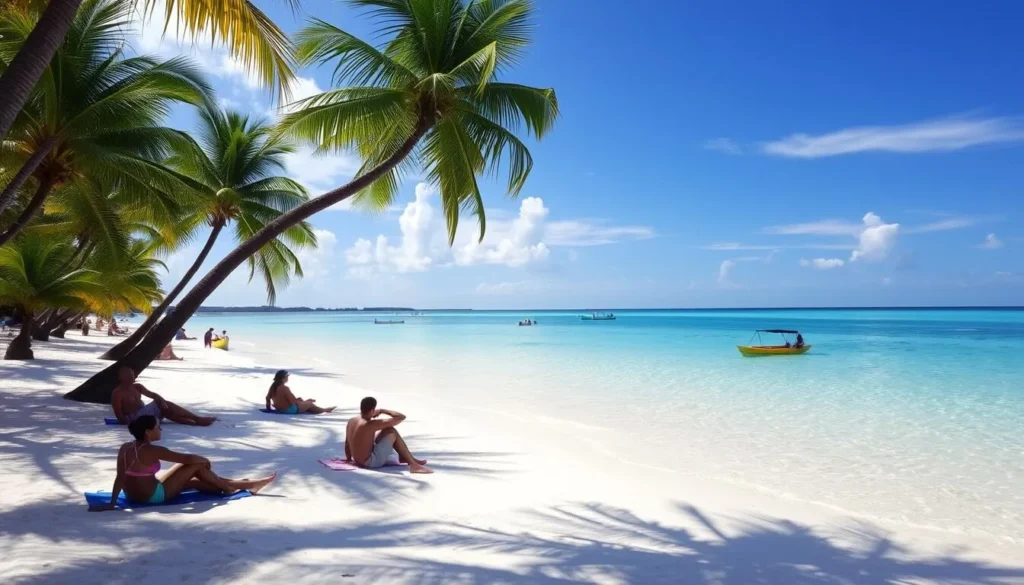
Just a short drive from Remedios is the El Pedraplén causeway, a 48-kilometer bridge that connects the Cuban mainland to the island of Cayo Santa María. This stunning key is known for its pristine beaches with powdery white sand and crystal-clear turquoise waters.
Activities include swimming, snorkeling, and kayaking in the protected waters. Many travelers combine a cultural stay in Remedios with beach time at Cayo Santa María.
Rural Countryside
The countryside around Remedios offers a fascinating glimpse into rural Cuban life. You’ll see tobacco farms with neat rows of plants and distinctive drying barns, sugar cane fields stretching to the horizon, and farmers working with traditional methods.
Consider renting bicycles to explore the rural areas at a leisurely pace, stopping to chat with friendly locals along the way.
Birdwatching
The wetlands near the northern coast are home to diverse bird species, making this area excellent for birdwatching. Look for flamingos, herons, and many endemic Cuban species.
Local guides can be arranged through your casa particular to take you to the best birdwatching spots in the region.
Eco-Tourism Tip: When visiting natural areas, practice responsible tourism by staying on designated paths, not disturbing wildlife, and taking all trash with you. The ecosystems around Remedios are fragile and deserve protection.
Safety, Etiquette & Local Customs
Remedios is generally a very safe destination for travelers, with low crime rates and friendly locals. However, as with any travel destination, it’s good to be aware of local customs and practices to ensure a smooth and respectful visit.
Safety Tips
Local Customs & Etiquette
Visitor Comments About Remedios
“Remedios was the highlight of our Cuban journey. We timed our visit for Las Parrandas and were blown away by the spectacle. The competing neighborhoods create incredible floats and the fireworks are unlike anything I’ve seen. The local casa particular we stayed in treated us like family, and the home-cooked meals were outstanding.”
“What a charming colonial town! We spent two days in Remedios and loved the relaxed pace. Plaza Martí is beautiful, and the churches are impressive. The golden altar in San Juan Bautista church is stunning. We used Remedios as a base to visit Cayo Santa María beaches, which was perfect—cultural mornings and beach afternoons.”
“Don’t miss the cigar factory tour! Watching the craftsmen roll cigars by hand was fascinating, even as a non-smoker. Our casa host arranged a local guide who showed us hidden corners of Remedios we would have missed otherwise. The town feels authentic and untouched by mass tourism, which is increasingly rare in popular destinations.”
Practical Travel Tips
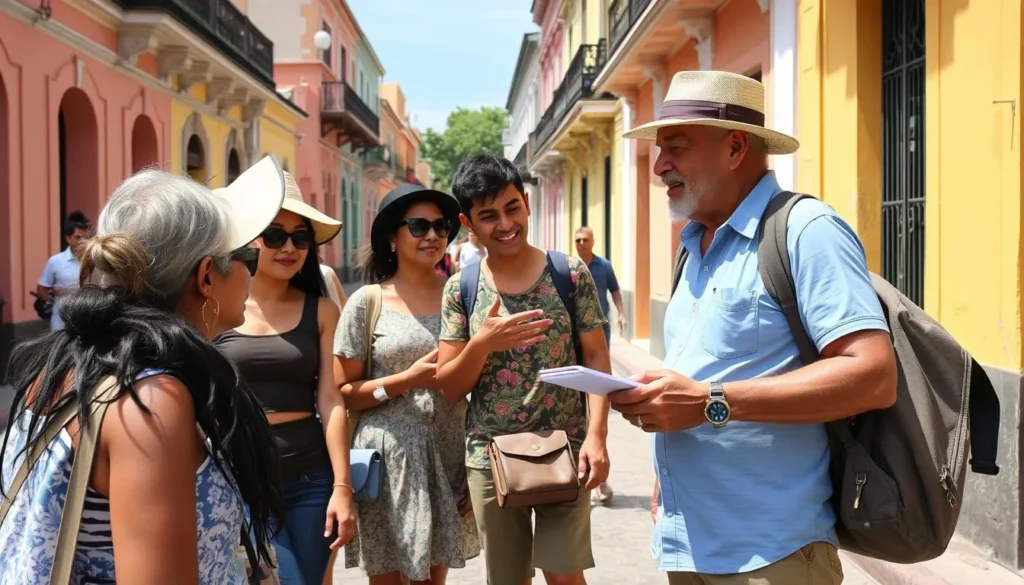
Make the most of your visit to Remedios with these practical tips that will help you navigate local customs, transportation, and daily life in this charming Cuban town.
Money Matters
Communication
Packing Essentials
Your Cuban Adventure Awaits in Remedios
Remedios offers a perfect blend of colonial charm, cultural richness, and authentic Cuban experiences that larger tourist destinations often lack. Whether you’re exploring the historic Plaza Martí, marveling at the golden altar of San Juan Bautista church, or timing your visit for the spectacular Las Parrandas festival, this hidden gem rewards travelers who venture off the beaten path.
With its strategic location near the beaches of Cayo Santa María, Remedios serves as both a cultural destination in its own right and a gateway to Cuba’s stunning northern coast. The warm hospitality of casa particular hosts, the delicious home-cooked meals, and the relaxed pace of life create memories that will stay with you long after your visit.
As Cuba continues to change and develop its tourism industry, places like Remedios remain treasures that offer glimpses into the authentic heart of this fascinating island nation. Add it to your Cuban itinerary, and you’ll discover why this small colonial town captures the hearts of travelers who take the time to explore its colorful streets and rich heritage.
The above is subject to change.
Check back often to TRAVEL.COM for the latest travel tips and deals.




0 Comments