
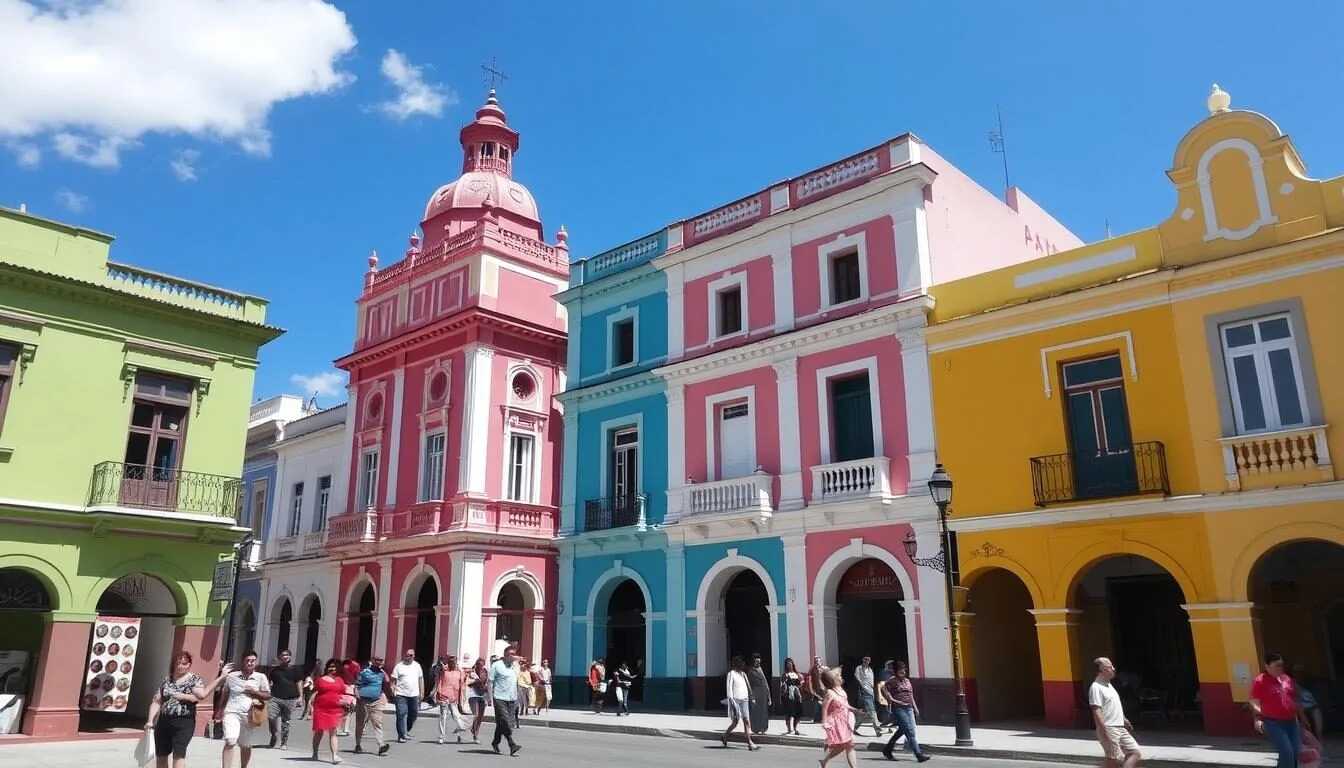
Founded in 1514, Sancti Spiritus is one of Cuba’s oldest and most overlooked colonial treasures. While tourists flock to nearby Trinidad, this charming city remains wonderfully authentic with just 1% of the visitors that its UNESCO-listed neighbor receives. This hidden gem boasts Cuba’s oldest church, a stunning Roman-style bridge, and cobblestone streets virtually free of tourist crowds – offering a glimpse into genuine Cuban life that’s increasingly rare to find.
Getting There & Planning Your Journey
The closest airport to Sancti Spiritus is Abel Santamaría Airport in Santa Clara, approximately 90 km away. International travelers typically fly into Havana’s José Martí International Airport and then connect to Santa Clara or travel directly to Sancti Spiritus by road.
Sancti Spiritus is located approximately 350 km from Havana, making it a 5-hour drive. The city is conveniently positioned along Cuba’s central highway, about 70 km northeast of Trinidad, making it an ideal stop on a central Cuba itinerary.
The Viazul bus network connects Sancti Spiritus to major Cuban cities, with regular routes from Havana, Trinidad, and Santiago de Cuba. For more flexibility, consider hiring a private taxi or renting a car to explore at your own pace.
Best Time to Visit Sancti Spiritus
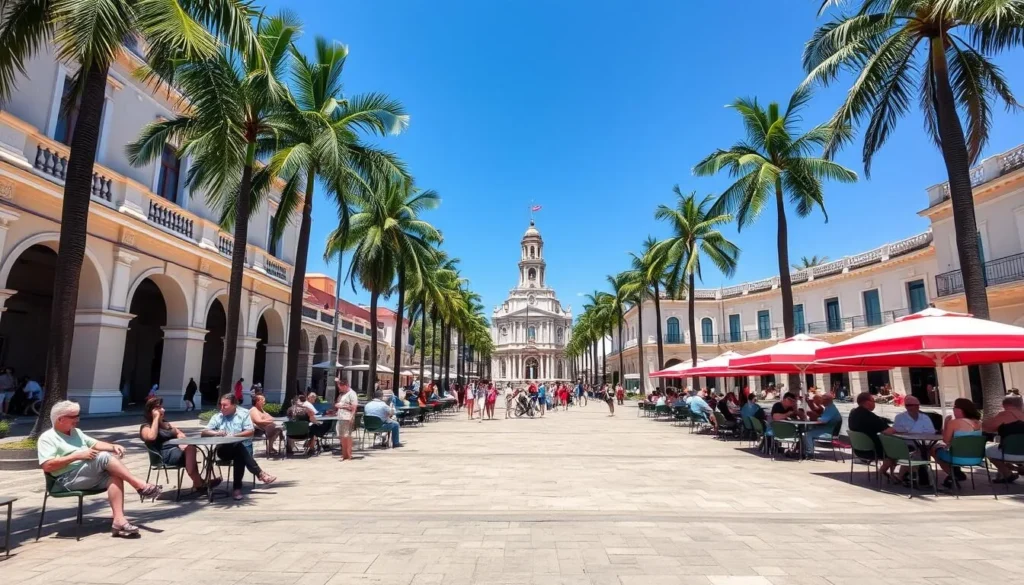
The ideal time to visit Sancti Spiritus is during the dry season from November to April, when temperatures range from 22°C to 28°C (72°F to 82°F) and rainfall is minimal. December through February offers the most pleasant weather with cooler evenings and sunny days perfect for exploring.
Recommended Months
- November – comfortable temperatures with decreasing humidity
- December to February – coolest months with ideal weather
- March to April – warm but still dry and pleasant
Months to Avoid
- May to October – rainy season with high humidity
- August to October – hurricane risk and heaviest rainfall
- July – hottest month with temperatures often exceeding 32°C (90°F)
If you’re interested in cultural events, consider visiting during the Sancti Spiritus Week celebrations in mid-June, which commemorate the city’s founding with music, dance, and street festivals – just be prepared for occasional afternoon showers.
Getting Around Locally
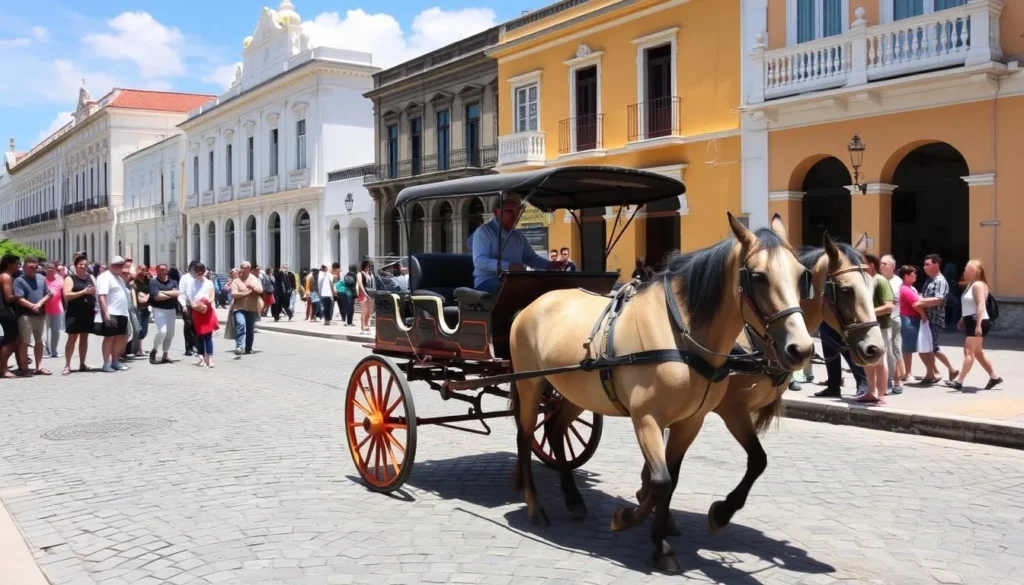
Sancti Spiritus is a compact city with most attractions concentrated in the historic center, making it perfect for exploring on foot. The colonial core can be easily covered in a leisurely day of walking.
For longer distances or to rest tired feet, several local transportation options are available:
- Bicitaxis (Bicycle Taxis) – These three-wheeled cycles are perfect for short trips around the center and typically cost 1-2 CUC per ride.
- Horse-Drawn Carriages – A charming and authentic way to see the city, especially around the Yayabo Bridge area. Expect to pay 3-5 CUC for a short journey.
- Local Taxis – Available for longer trips or excursions to nearby attractions. Always negotiate the fare before departing.
- Rental Bicycles – Some casa particulars offer bicycle rentals, providing an independent way to explore the city and surrounding countryside.
The city’s layout is fairly straightforward, with Parque Serafín Sánchez serving as the central reference point. Most streets follow a grid pattern, making navigation relatively simple even without a detailed map.
Where to Stay in Sancti Spiritus

Sancti Spiritus offers a range of accommodation options, though the most authentic experience comes from staying in a casa particular (private homestay). These family-run establishments provide comfortable rooms, home-cooked meals, and invaluable local insights.
Recommended Casa Particulars
Casa Sara
Located just 3 minutes from the bus station and 15 minutes walking to the city center. Offers bicycle rentals, Spanish dancing lessons, and delicious cocktails. Rooms feature A/C, private bathrooms, and refrigerators.
El Buganvil Hostal
Centrally located just 50 meters from Serafín Sánchez Park. Features internet access, laundry service, and a BBQ area. Rooms include private bathrooms, A/C, and TVs with excellent breakfast options.
Casa Norma Belen
Well-situated with comfortable rooms featuring A/C and private bathrooms. Bicycle loans available, plus laundry service and a garden. The owner is a tour guide, offering valuable local knowledge.
For travelers preferring hotels, the Hotel del Rijo in the historic center offers colonial charm in a restored 18th-century mansion, while the Hotel Encanto Plaza provides modern amenities with traditional Cuban hospitality.
Dining & Local Cuisine
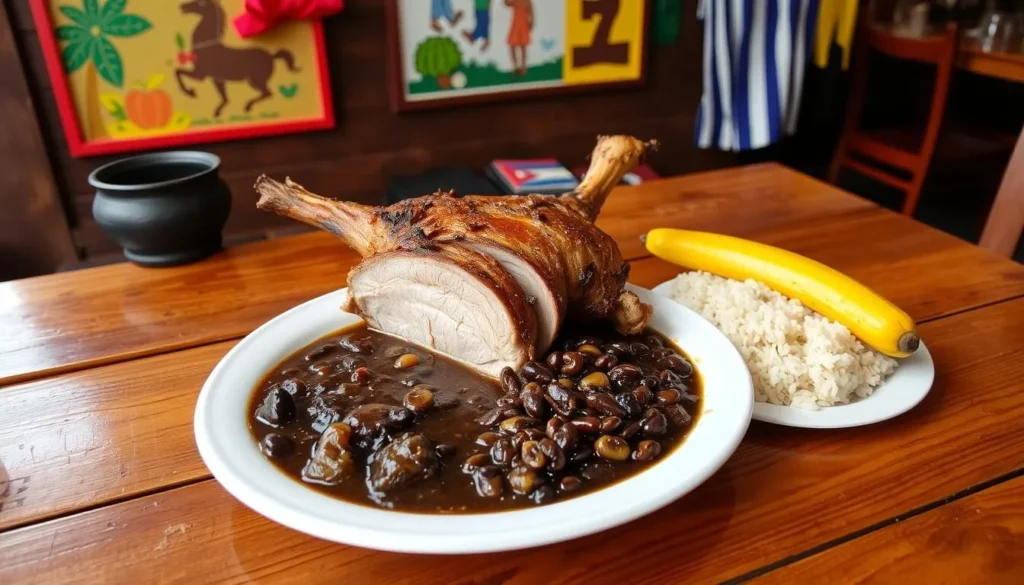
Sancti Spiritus offers authentic Cuban cuisine at prices considerably lower than more touristy destinations. Many of the best dining experiences are found in paladares (private restaurants) and casa particulars rather than state-run establishments.
Must-Try Local Dishes
- Ropa Vieja – Shredded beef slow-cooked with tomatoes, peppers, and spices
- Yayabo River Fish – Locally caught fish prepared with garlic and lime
- Tostones – Twice-fried plantain slices, a staple side dish
- Espirituano Tamales – Corn tamales with a local twist
- Casabe – Traditional cassava bread dating back to pre-colonial times
Recommended Restaurants
Taberna Yayabo
Located beside the iconic Yayabo Bridge, this restaurant offers traditional Cuban dishes with a spectacular view. Try their specialty cocktails while watching the sunset over the river.
Mesón de la Plaza
Situated near Parque Serafín Sánchez, this restaurant serves excellent creole cuisine in a colonial setting. Their ropa vieja and fresh seafood dishes are particularly noteworthy.
For an authentic experience, don’t miss the opportunity to enjoy home-cooked meals at your casa particular. Many hosts are excellent cooks who take pride in sharing traditional family recipes with guests.
Attractions, Sightseeing & Activities
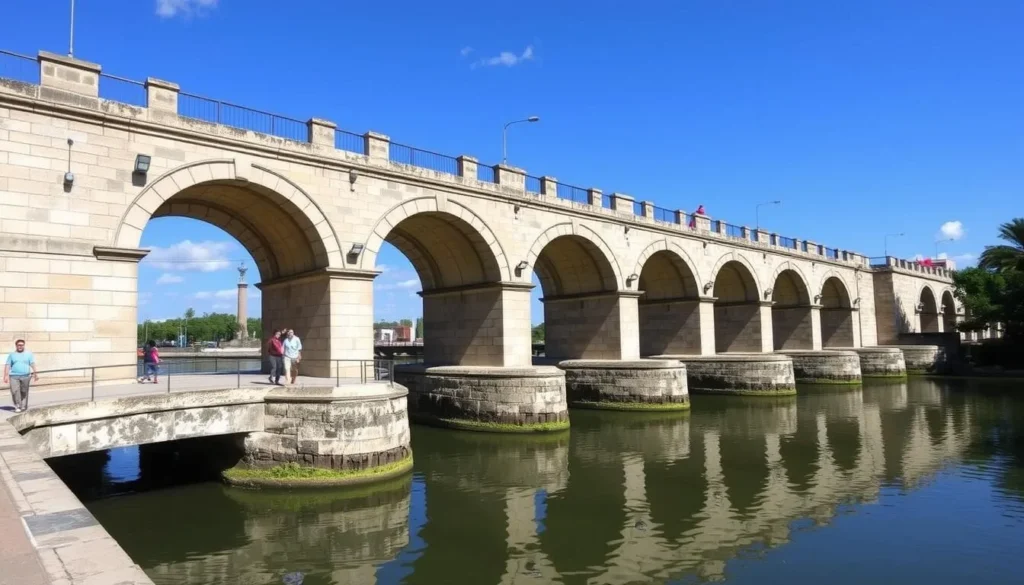
1. Puente Yayabo (Yayabo Bridge)
This iconic stone bridge, built between 1817 and 1831, is one of Cuba’s most photographed structures. With its five elegant arches spanning the Yayabo River, the bridge resembles something you might find in rural England rather than central Cuba. Now a National Monument, it’s best viewed from the terrace of Taberna Yayabo, where you can capture its perfect reflection in the water.
2. Parque Serafín Sánchez
The heart of Sancti Spiritus, this central plaza is surrounded by colorful colonial buildings and serves as the city’s social hub. While not as ornate as some Cuban squares, its authentic local atmosphere makes it a perfect spot to people-watch and experience daily Cuban life.
3. Calle Llano
Sancti Spiritus’ most atmospheric street, this bent-elbow cobblestone lane is lined with pastel-colored houses featuring tiled roofs. As one of the last surviving stone alleys in town, it offers a perfect glimpse into colonial Cuba and leads down to the Yayabo Bridge.
4. Iglesia Parroquial Mayor del Espíritu Santo
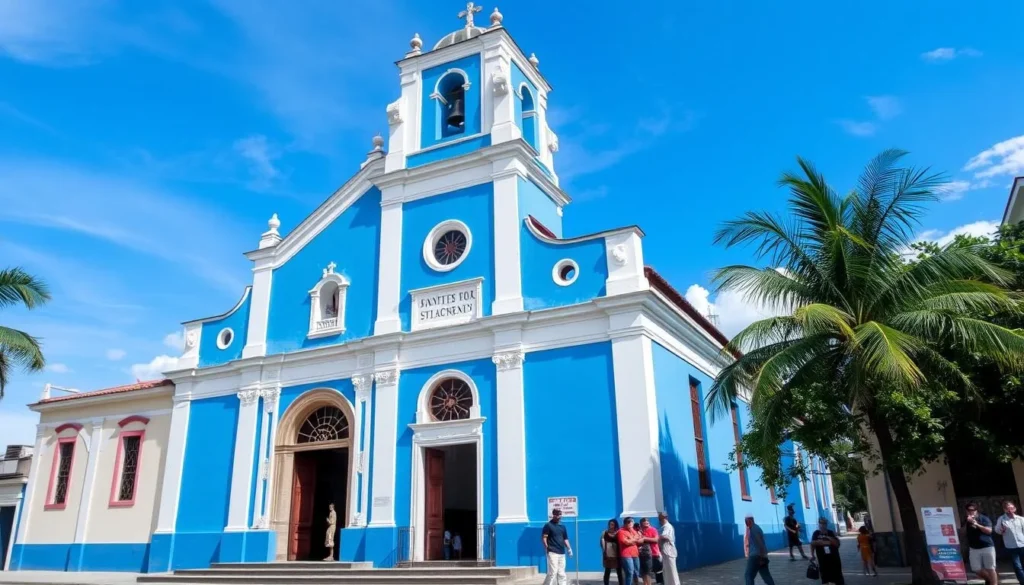
Known as Cuba’s oldest church, this blue-painted colonial treasure was initially built in wood before being relocated and reconstructed in its current location in 1680. The 103-step staircase leads to a 40-meter bell tower offering panoramic views of the city. Look for the main entrance, known as the “Forgiveness Gate,” which has a fascinating local legend attached to it.
5. Casa de la Guayabera
Sancti Spiritus claims to be the birthplace of the guayabera, Cuba’s iconic formal shirt. This museum showcases the history and evolution of this cultural garment, including what might be the world’s largest guayabera shirt. You’ll also see local women crafting these shirts using traditional methods.
Museums, Cultural Spots & Festivals
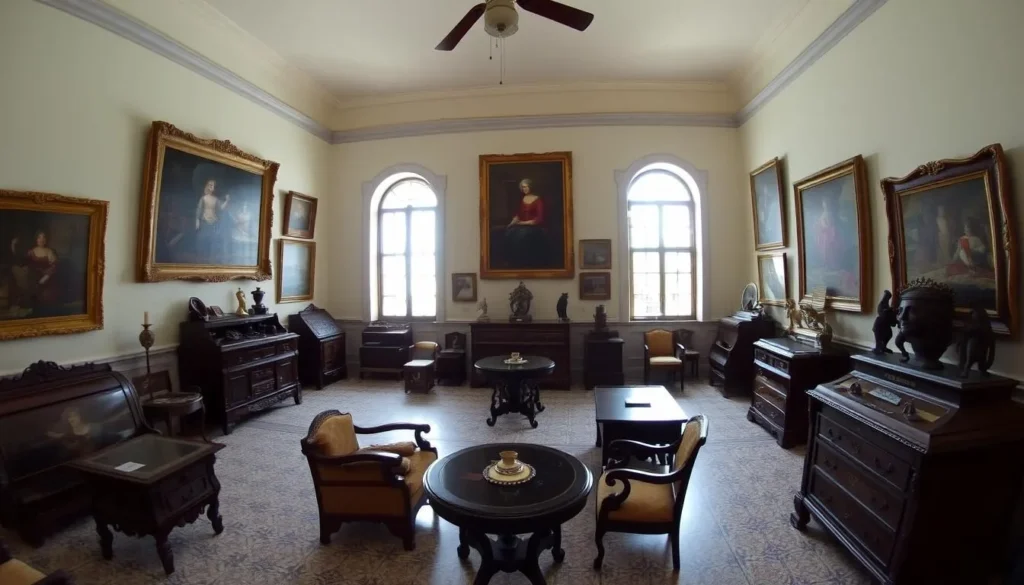
Museo de Arte Colonial (Colonial Art Museum)
Housed in a beautifully restored 17th-century mansion formerly owned by the wealthy Valle Iznaga family, this museum is known as the “House of the Hundred Doors” due to its numerous apertures. The collection includes impressive ceramics, furniture, marble works, and paintings from the colonial period. Don’t miss the American-made piano from the mid-18th century – one of only two in Cuba.
Biblioteca Provincial Rubén Martínez Villena
This neoclassical building from the early 20th century is not just a library but an architectural masterpiece. Originally a gathering place for progressive elites, it now houses over 100,000 bibliographic samples. The second-floor balcony offers a stunning view of Parque Serafín Sánchez.
Casa de la Trova
The heart of Sancti Spiritus’ music scene, this cultural center opened in 1974 and hosts regular live performances of traditional Cuban music. It’s an excellent place to enjoy authentic trova music while sipping affordable drinks and mingling with locals. The venue also functions as a museum with a collection of recordings and artifacts of cultural significance.
Local Festivals
- Sancti Spiritus Week (June) – Celebrating the city’s founding with music, dance, and cultural events
- Feria Agropecuaria Delio Luna Echemendia (December) – Agricultural fair showcasing local products and traditions
- Festival Nacional de Música de Órgano (November) – Organ music festival held in the city’s historic churches
Sports, Nature & Outdoor Experiences
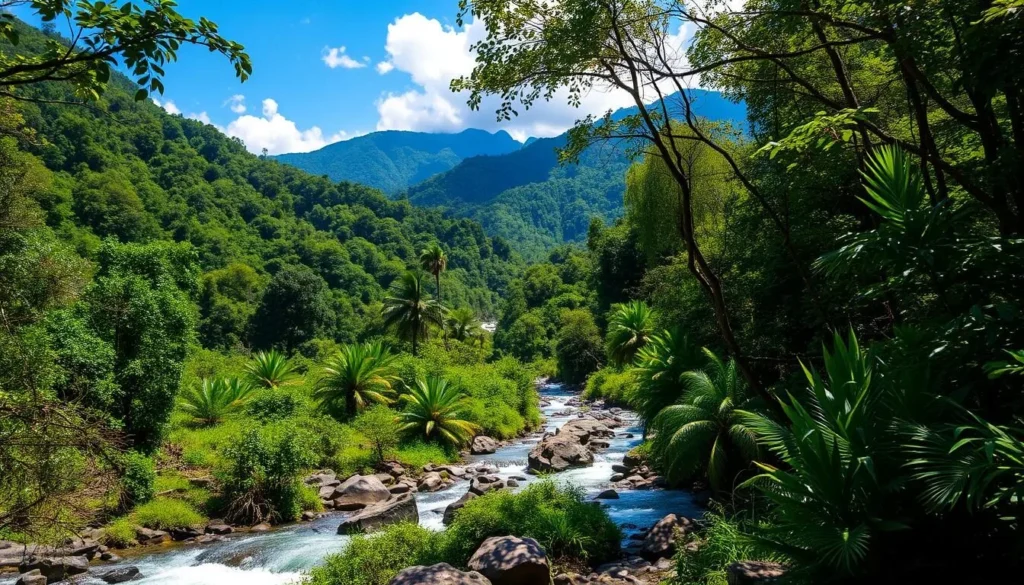
Alturas de Banao
Located just 20 km from Sancti Spiritus, this ecological reserve in the Sierra de Escambray mountains offers spectacular hiking opportunities. The area features streams, mountains, and valleys with unique bird species, including the tocororo (Cuba’s national bird) and the endemic Santamaria snake. Local guides can help you spot wildlife while explaining the area’s ecological importance.
Baseball at Estadio José Antonio Huelga
Experience Cuba’s national passion by catching a game featuring the local team, the Gallos (Roosters). Games are lively affairs with enthusiastic crowds, drums, and chants. Tickets are affordable and available at the stadium, offering an authentic glimpse into Cuban sporting culture.
Río Yayabo Activities
The Yayabo River offers opportunities for swimming, fishing, and kayaking in certain sections. Local guides can arrange these activities, which provide a refreshing break from city exploration, especially during the warmer months.
Safety, Etiquette & Local Customs
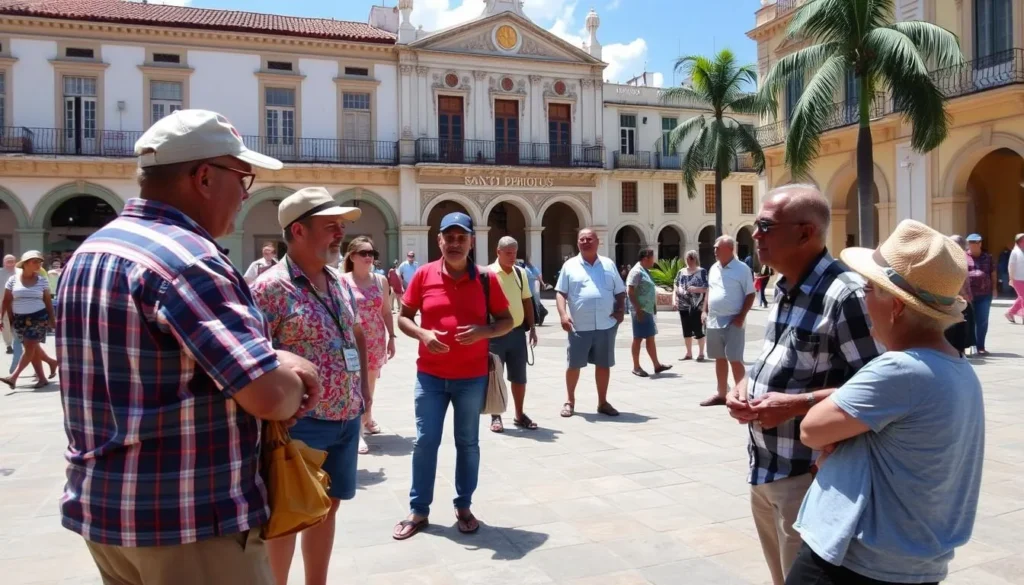
Sancti Spiritus is generally very safe for visitors, with violent crime extremely rare. As in any destination, basic precautions like not displaying expensive items and being aware of your surroundings are advisable.
Important Cultural Tips
- Greetings – Cubans typically greet with a handshake or kiss on the cheek. A friendly “Hola” or “Buenos días” goes a long way.
- Tipping – While not mandatory, a 10% tip is appreciated in restaurants and for services. Small gifts like toiletries or school supplies are also welcomed.
- Photography – Always ask permission before photographing locals. Some government buildings may prohibit photography.
- Dress Code – Casual attire is acceptable, but Cubans tend to dress neatly. For churches and nicer restaurants, avoid beachwear and very casual clothing.
- Currency – Cuba has a dual currency system. Tourists typically use CUC (Cuban Convertible Peso), while locals use CUP (Cuban Peso). Be aware of which you’re using.
Internet access in Sancti Spiritus is limited but improving. ETECSA telecommunication centers and some hotels offer Wi-Fi cards for purchase. Download offline maps and translation tools before your visit for convenience.
Visitor Comments About Sancti Spiritus
“Sancti Spiritus was the highlight of our Cuba trip. While everyone else crowded into Trinidad, we had this beautiful colonial city almost to ourselves. The Yayabo Bridge at sunset is magical, and staying in a casa particular gave us insights into Cuban life we wouldn’t have experienced in a resort town.”
“Don’t miss the Colonial Art Museum! The collection is impressive, and our guide shared fascinating stories about the Valle Iznaga family. The city feels like stepping back in time but without the tourist crowds. We loved the authentic atmosphere and friendly locals.”
“We almost skipped Sancti Spiritus but decided to stop for lunch on our way to Trinidad. We ended up extending our stay for two nights! The casa particulars are excellent value, and watching baseball with locals at Estadio José Antonio Huelga was a true cultural immersion experience.”
Practical Travel Tips
Money Matters
- Bring cash – credit cards from US banks are not accepted
- Exchange currency at official CADECA offices
- Budget around 40-60 CUC per day for mid-range travel
- Casa particulars cost 20-35 CUC per night
Packing Essentials
- Comfortable walking shoes for cobblestone streets
- Sunscreen and insect repellent
- Basic medications and first-aid supplies
- Spanish phrasebook or translation app
- Toilet paper (not always available in public facilities)
Communication
- Download offline maps before arrival
- Purchase ETECSA Wi-Fi cards for internet access
- Learn basic Spanish phrases
- International calling cards available at ETECSA offices
Experience Cuba’s Authentic Heart
Sancti Spiritus offers what many travelers to Cuba seek but rarely find – an authentic glimpse into Cuban life, history, and culture without the tourist crowds. From the iconic Yayabo Bridge to the soulful music at Casa de la Trova, this colonial gem rewards visitors with genuine experiences and warm local connections. Whether you’re making a quick stop between Trinidad and Camagüey or settling in for a few days of slow travel, Sancti Spiritus reveals a Cuba that exists beyond the tourist brochures – a place where history breathes through cobblestone streets and everyday life unfolds with refreshing authenticity.




0 Comments