
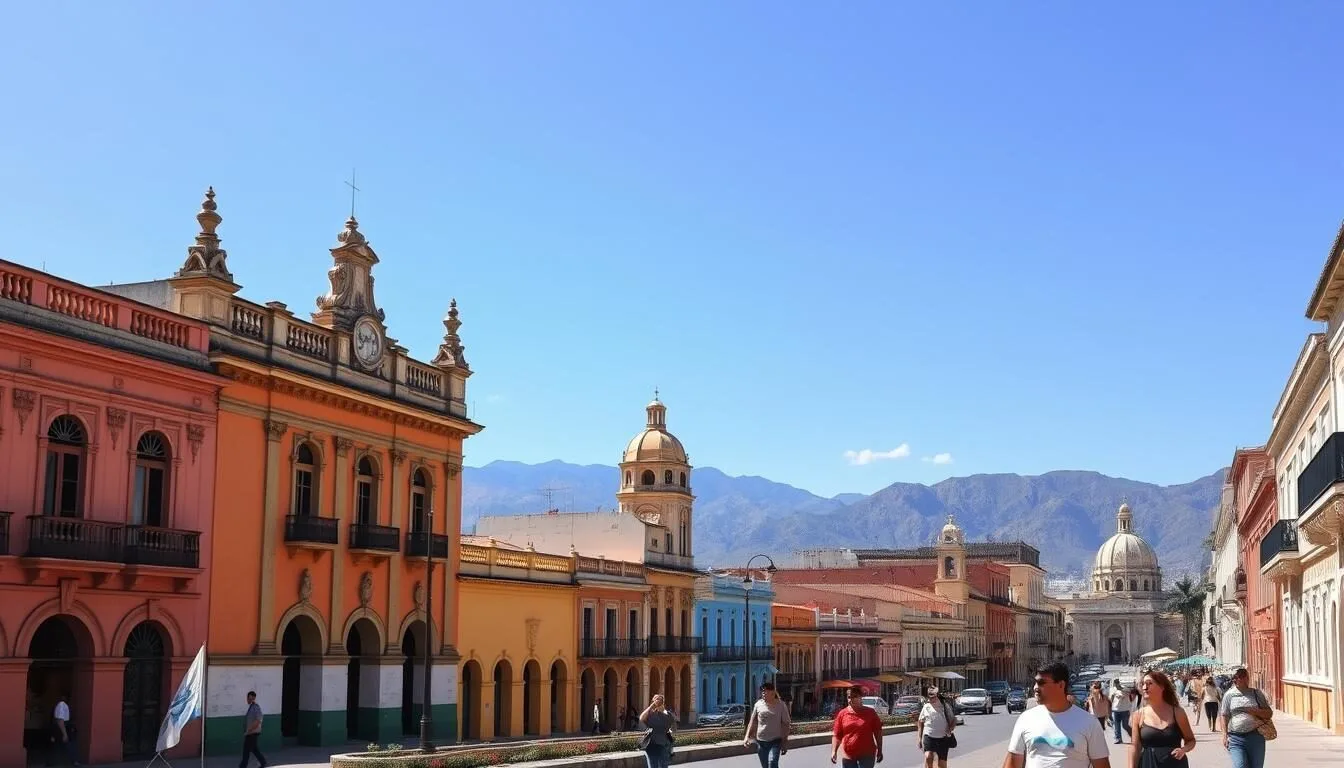
Did you know that Santo Domingo, Cuba is home to one of the island’s oldest Spanish settlements, founded in 1515, making it nearly a century older than most colonial towns in the Caribbean? This hidden gem in central Cuba offers travelers an authentic glimpse into Cuban history and culture without the crowds found in more popular destinations. From colonial architecture to pristine natural landscapes, Santo Domingo provides a perfect blend of cultural immersion and outdoor adventure.
Getting There & Planning Your Journey
Santo Domingo is nestled in the heart of central Cuba, making it somewhat off the beaten path for international travelers. The closest airports are Antonio Maceo Airport in Santiago de Cuba, approximately 65 km (40 miles) away, and Frank País Airport in Holguín, about 120 km (75 miles) away. Most international travelers will need to fly into one of these airports and then arrange ground transportation to Santo Domingo.
Many visitors choose to include Santo Domingo as part of a larger Cuban itinerary, often combining it with visits to Trinidad, Cienfuegos, or Santa Clara. This approach allows you to experience multiple facets of Cuban culture while minimizing travel logistics.
Best Time to Visit Santo Domingo
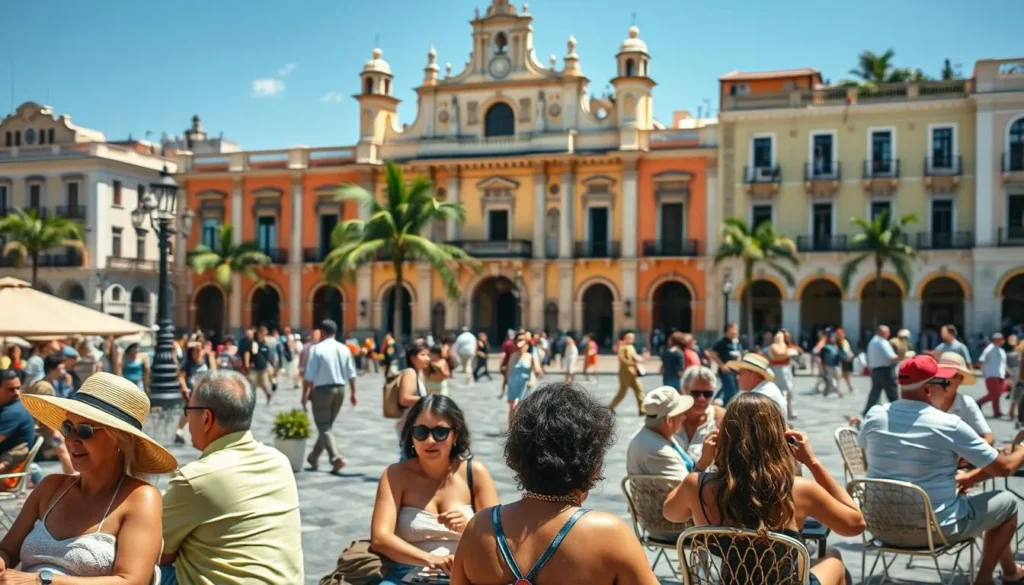
The climate in Santo Domingo follows Cuba’s typical tropical pattern, with distinct dry and rainy seasons that significantly impact your travel experience.
| Season | Months | Temperature | Precipitation | Recommendation |
| Dry Season (Recommended) | December-April | 21-29°C (70-84°F) | Low | Ideal for sightseeing and outdoor activities |
| Shoulder Season | May-June, November | 24-32°C (75-90°F) | Moderate | Good balance of weather and fewer tourists |
| Rainy Season (Avoid) | July-October | 26-33°C (79-91°F) | High | Hurricane season, not recommended |
The optimal time to visit Santo Domingo is during the dry season from December to April when temperatures are pleasant and rainfall is minimal. This period offers ideal conditions for exploring both the town’s historic sites and the surrounding natural attractions. September and October should be avoided if possible, as these months fall within the peak of hurricane season and often experience heavy rainfall that can disrupt travel plans.
Getting Around Locally
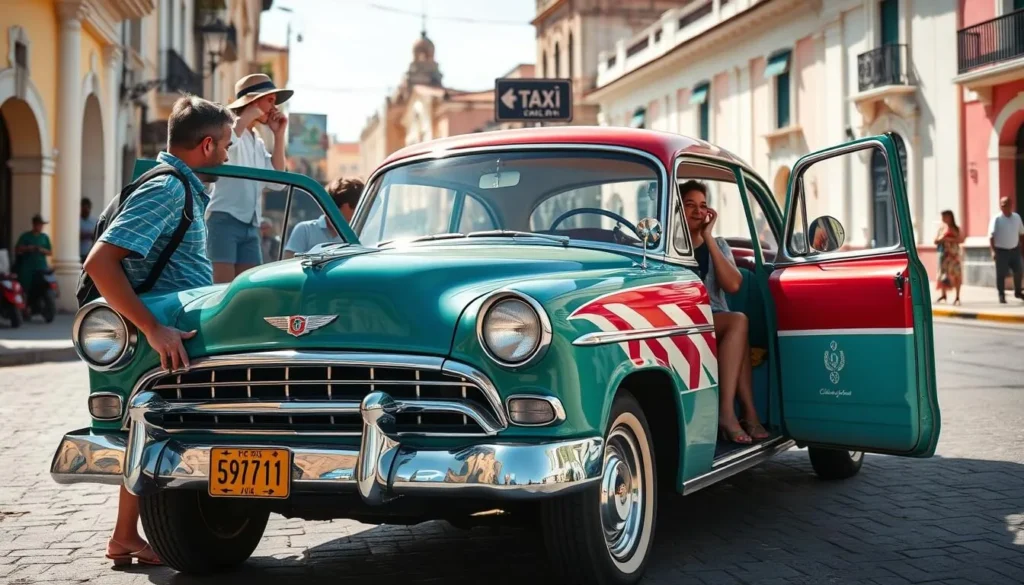
Santo Domingo is a compact town that’s easily navigable on foot, especially in the historic center. Most attractions, restaurants, and accommodations are within walking distance of each other, making it convenient to explore at a leisurely pace.
Local Transportation Options
- Bici-taxis (bicycle rickshaws) are abundant and provide an eco-friendly way to travel short distances
- Classic car taxis offer both transportation and a nostalgic experience
- Horse-drawn carriages are available for scenic rides around town
- Local buses connect Santo Domingo to nearby villages and natural attractions
Rental Options
- Bicycle rentals are available from several local shops
- Scooter rentals provide more mobility for exploring the surrounding countryside
- Car rentals give you the freedom to explore at your own pace
- Guided tours often include transportation to attractions outside town
For travelers wanting to explore beyond the town limits, renting a car is the most flexible option. The roads around Santo Domingo are generally well-maintained, though you may encounter occasional potholes on rural routes. Having your own vehicle allows you to visit nearby natural attractions like waterfalls and hiking trails at your own pace.
Where to Stay in Santo Domingo
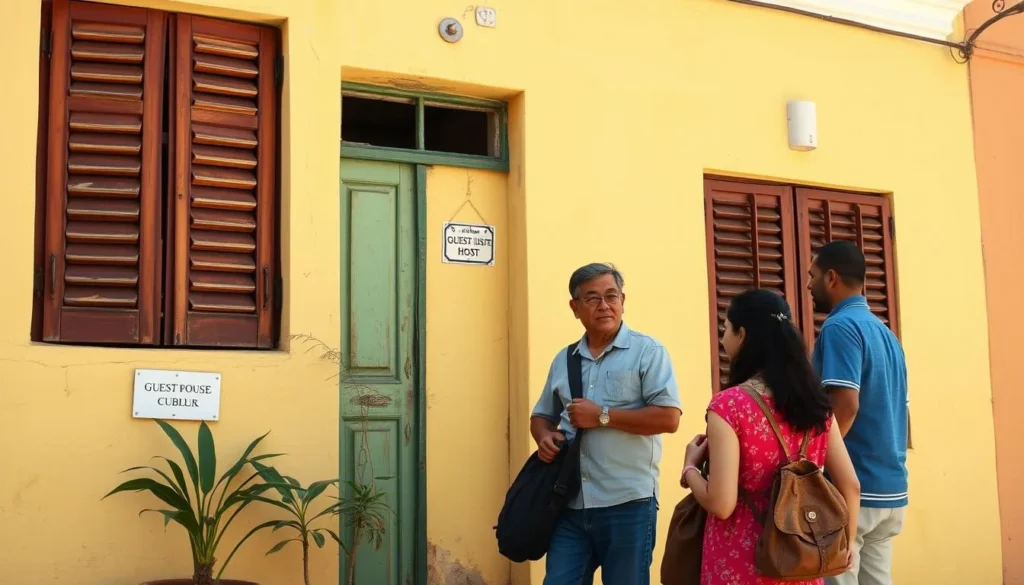
Accommodation in Santo Domingo ranges from authentic casas particulares (private homestays) to small boutique hotels. Each option offers a unique perspective on local life and culture.
Casas Particulares
These family-run guesthouses provide an authentic Cuban experience with home-cooked meals and personal interactions with local hosts. Prices typically range from 25-40 CUC (approximately $25-40 USD) per night. Most casas include breakfast and can arrange dinner upon request.
Boutique Hotels
Several restored colonial buildings now operate as small boutique hotels, offering more amenities while maintaining local character. Expect to pay 60-100 CUC ($60-100 USD) per night for these accommodations, which often feature courtyard gardens and rooftop terraces.
Eco-Lodges
For those interested in nature, eco-lodges on the outskirts of town provide a tranquil setting with easy access to hiking trails and natural attractions. Prices range from 40-80 CUC ($40-80 USD) per night, often including guided nature activities.
Reservations are recommended, especially during the high season (December-April). Many accommodations in Santo Domingo don’t have an online presence, so booking through a travel agency specializing in Cuba can be helpful. Alternatively, you can arrange stays through platforms that feature Cuban properties.
Dining & Local Cuisine
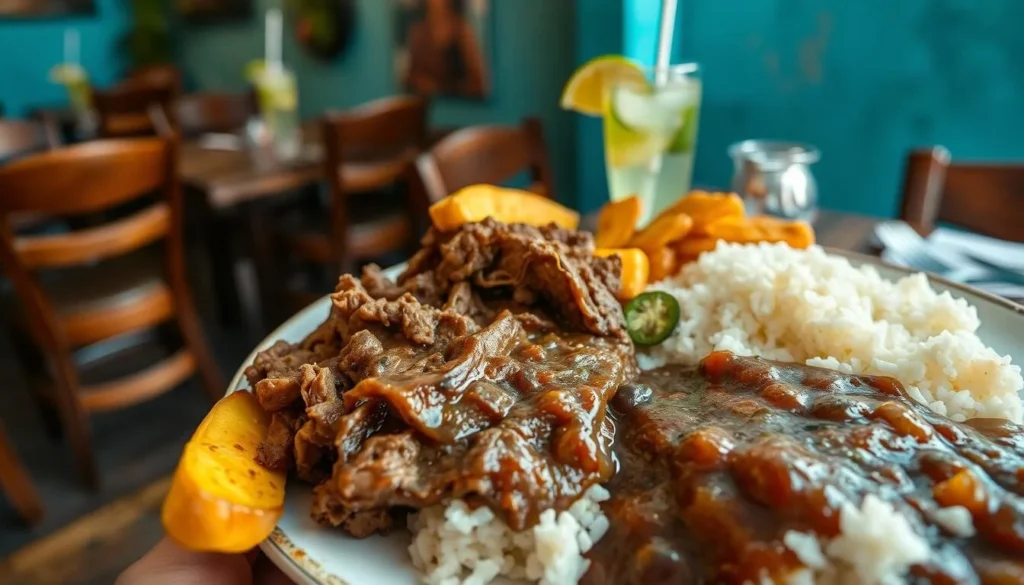
Santo Domingo’s culinary scene offers an authentic taste of Cuban cuisine, with an emphasis on locally sourced ingredients and traditional recipes passed down through generations.
Local Specialties to Try
- Ropa Vieja – Shredded beef slow-cooked with peppers, onions, and tomatoes
- Moros y Cristianos – Black beans and rice cooked together with spices
- Yuca con Mojo – Cassava root with a garlic citrus sauce
- Lechón Asado – Slow-roasted pork marinated in citrus juices
- Tostones – Twice-fried plantain slices, often served as a side dish
- Flan de Coco – Coconut caramel custard dessert
Dining Establishments
Most dining options in Santo Domingo fall into two categories:
- Paladares – Family-run restaurants often located in private homes
- State-run restaurants – Larger establishments with standard Cuban fare
Paladares typically offer more authentic and flavorful dishes, while state-run restaurants may have more consistent availability but less distinctive cuisine.
Beverages
No visit to Cuba is complete without sampling the local drinks:
- Mojito – Rum, mint, lime, sugar, and soda water
- Cuba Libre – Rum and cola with lime
- Daiquiri – Rum, lime juice, and sugar
- Café Cubano – Strong espresso with sugar
- Guarapo – Fresh sugarcane juice
Many casas particulares offer home-cooked meals that provide some of the most authentic culinary experiences in town. These family-style dinners typically cost 8-12 CUC ($8-12 USD) per person and often include multiple courses with generous portions.
Attractions, Sightseeing & Activities in Santo Domingo Cuba
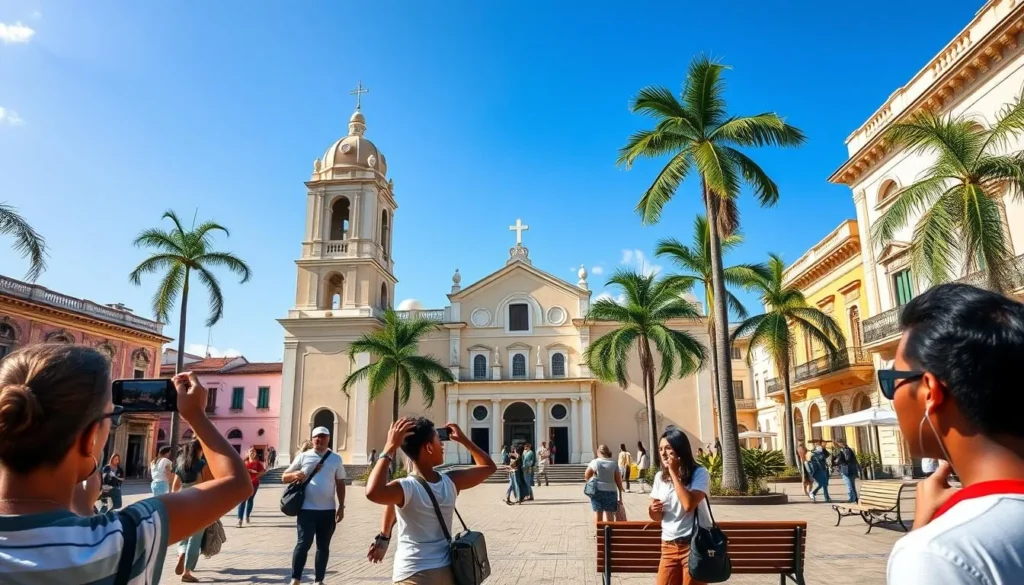
Santo Domingo offers a variety of attractions that showcase both its colonial heritage and the natural beauty of central Cuba.
Historic Sites
Colonial Center
The heart of Santo Domingo features well-preserved colonial architecture dating back to the 16th century. Stroll through cobblestone streets lined with colorful buildings, many featuring traditional wooden balconies and interior courtyards. Don’t miss the main plaza, where locals gather in the evenings for social activities.
Iglesia de Santo Domingo
This historic church, dating from the early colonial period, showcases classic Spanish colonial architecture with its imposing facade and bell tower. The interior features religious artifacts and artwork that provide insight into the region’s spiritual heritage.
Natural Attractions
Río Caburní
This picturesque river runs through the region, offering swimming holes and small waterfalls perfect for cooling off on hot days. Local guides can lead you to the best spots that are often missed by independent travelers.
Topes de Collantes Nature Reserve
Located just outside town, this protected area features hiking trails through lush forests, leading to hidden waterfalls and natural swimming pools. The reserve is home to numerous bird species and endemic plants, making it a paradise for nature enthusiasts.
Museums, Cultural Spots & Festivals
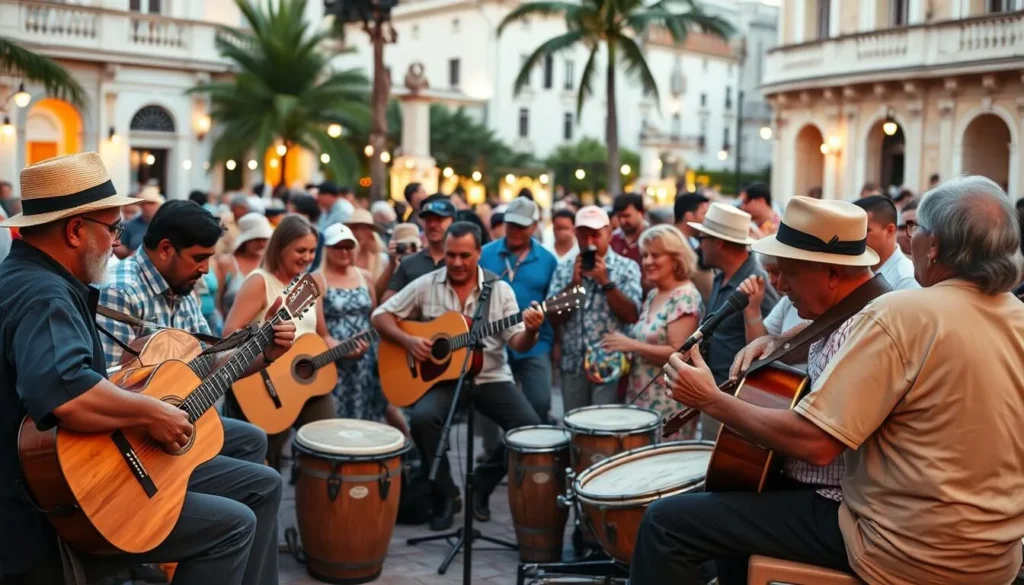
Santo Domingo’s rich cultural heritage is reflected in its museums, art galleries, and vibrant festivals that celebrate local traditions.
Museums & Cultural Venues
- Casa de la Cultura – This cultural center hosts art exhibitions, music performances, and dance workshops throughout the year
- Museo Municipal – Housed in a colonial building, this small museum displays artifacts related to the town’s history and development
- Galería de Arte – Features rotating exhibitions of works by local artists, with an emphasis on contemporary Cuban art
- Casa de la Música – Evening venue where you can enjoy live performances of traditional Cuban music
Annual Festivals & Events
| Festival | Date | Description |
| Fiestas Patronales | August 4-8 | Celebration honoring the town’s patron saint with processions, music, dance, and traditional food |
| Festival del Son | Late February | Music festival celebrating traditional Cuban son music with performances by local and regional musicians |
| Semana de la Cultura | Early October | Week-long cultural celebration featuring art exhibitions, literary readings, and performances |
| Carnaval | July | Colorful parade with costumes, music, and dancing through the streets of Santo Domingo |
Many cultural activities in Santo Domingo are community-oriented and provide opportunities for visitors to interact with locals. Impromptu music sessions often occur in the main plaza during evenings, creating a festive atmosphere where tourists are welcomed to join in the dancing.
Sports, Nature & Outdoor Experiences
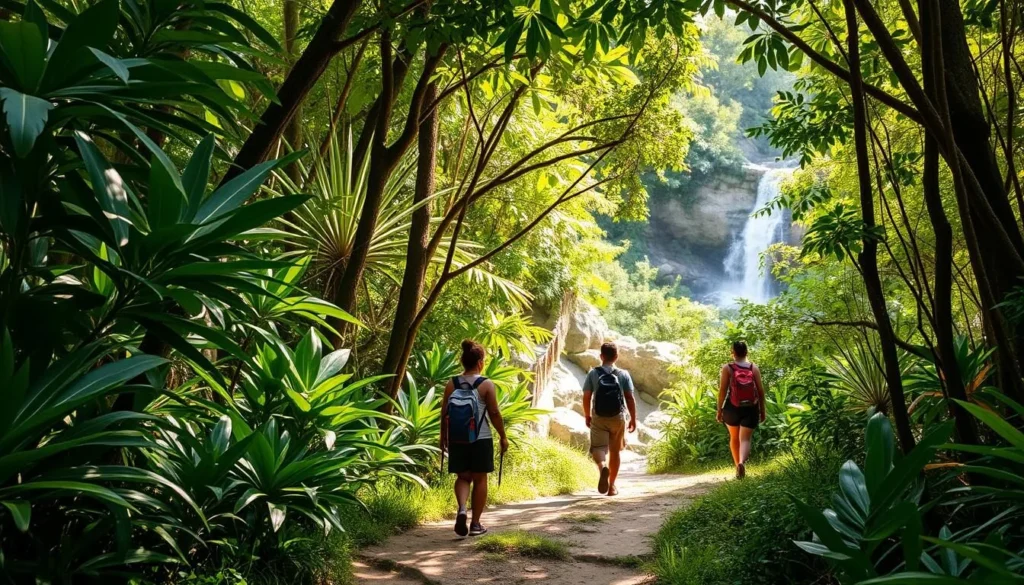
The area surrounding Santo Domingo is a paradise for outdoor enthusiasts, with diverse ecosystems ranging from mountains to rivers that provide numerous opportunities for adventure and exploration.
Hiking & Nature Trails
The nearby Escambray Mountains offer excellent hiking opportunities with trails ranging from easy walks to challenging treks. Local guides can be hired for around 15-25 CUC ($15-25 USD) per day and provide valuable insights about the local flora, fauna, and geology. Popular trails include:
- Sendero La Batata – An easy 3 km (1.9 mile) trail leading to a natural swimming hole
- Camino del Café – A moderate 5 km (3.1 mile) hike through coffee plantations with mountain views
- Pico San Juan – A challenging full-day trek to one of the highest peaks in the region at 1,140 m (3,740 ft)
Water Activities
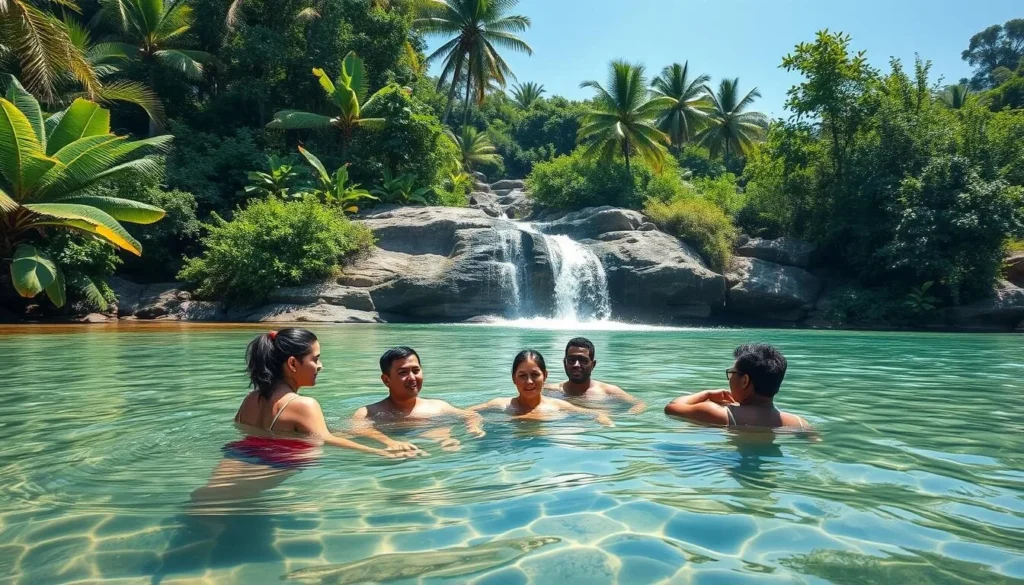
The rivers around Santo Domingo provide refreshing alternatives to beach destinations found elsewhere in Cuba:
- Swimming – Natural pools formed by the Río Caburní offer safe swimming spots with crystal-clear water
- Fishing – Local guides can arrange freshwater fishing excursions on nearby rivers and lakes
- Kayaking – Small-scale kayak rentals are available for exploring gentle river sections (limited to 5 watercraft maximum per group)
Other Outdoor Activities
- Birdwatching – The region is home to numerous endemic bird species, making it ideal for ornithology enthusiasts
- Horseback Riding – Guided rides through the countryside provide a traditional way to explore rural Cuba
- Mountain Biking – Rental bikes are available for exploring the scenic roads and trails around Santo Domingo
- Photography Tours – Specialized guides can lead you to the most photogenic natural and cultural sites
Safety, Etiquette & Local Customs
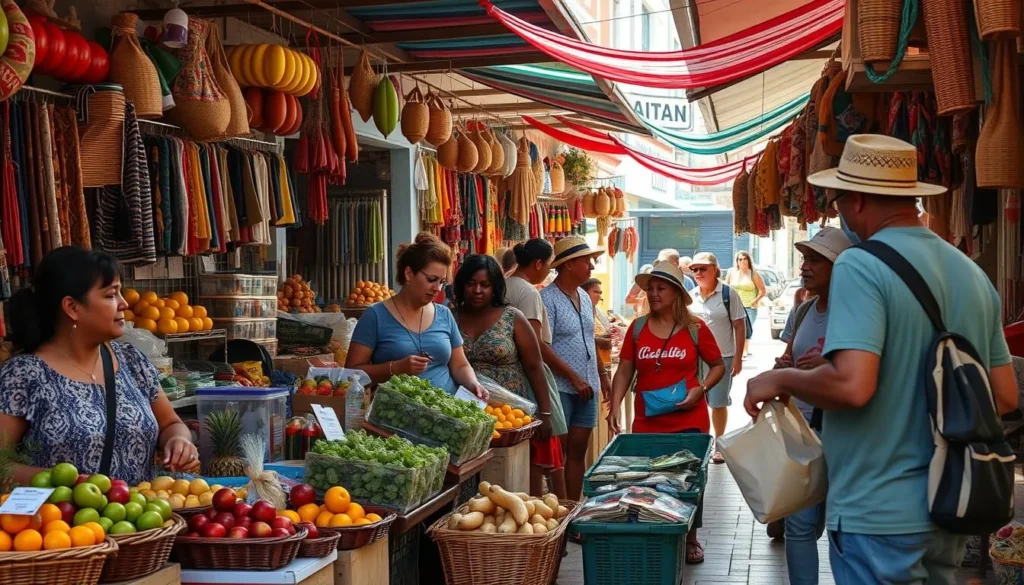
Santo Domingo is generally a safe destination for travelers, with low crime rates and friendly locals. However, as with any travel destination, it’s important to be aware of local customs and practice common-sense safety precautions.
Safety Tips
- Keep valuables secure and avoid displaying expensive jewelry or electronics
- Use official taxis or transportation arranged through your accommodation
- Carry a photocopy of your passport rather than the original when exploring
- Stay hydrated and use sun protection, especially during outdoor activities
- Inform someone of your plans when hiking or exploring remote areas
Local Etiquette
- Greet people with a friendly “Buenos días” (good morning) or “Buenas tardes” (good afternoon)
- Ask permission before taking photos of individuals, especially in rural areas
- Tipping (10-15%) is appreciated for good service in restaurants and for guides
- Dress modestly when visiting churches or official buildings
- Learn basic Spanish phrases to enhance your interactions with locals
Cultural Insights
Understanding some aspects of Cuban culture will enrich your experience in Santo Domingo:
- Dual Currency – Cuba operates with two currencies: Cuban Convertible Pesos (CUC) for tourists and Cuban Pesos (CUP) for locals
- Internet Access – Wi-Fi is limited and typically available only in designated hotspots where you’ll need to purchase access cards
- Socializing – Cubans are generally very social and may invite you to join family gatherings or community events
- Music & Dance – Music is integral to Cuban culture; don’t be shy about joining in when invited to dance
- Pace of Life – Things move at a relaxed pace in Santo Domingo; embrace the slower rhythm and avoid showing impatience
Visitor Comments About Santo Domingo
“Santo Domingo offered us the authentic Cuban experience we were looking for. Away from the tourist crowds, we enjoyed genuine interactions with locals who were eager to share their culture. The hiking trails around town led us to breathtaking waterfalls where we could swim in complete tranquility. Don’t miss the home-cooked meals at casas particulares – they were the highlight of our culinary journey through Cuba.”
“As someone who’s visited Cuba multiple times, I found Santo Domingo to be a refreshing change from the more touristy areas. The colonial architecture is beautifully preserved, and the surrounding nature is spectacular. We hired a local guide for hiking who showed us hidden spots we would never have found on our own. The evenings spent listening to live music in the plaza created memories that will last a lifetime.”
“My family spent three days in Santo Domingo as part of our Cuban road trip, and we wish we had planned for more time there. The town itself is charming, but it’s the surrounding natural attractions that really impressed us. Our teenagers loved swimming in the river pools, and we all enjoyed disconnecting from technology and connecting with the warm, welcoming community. The casa particular we stayed in treated us like family.”
Practical Travel Tips
Money Matters
- Bring cash (Euros or Canadian dollars preferred) as U.S. credit and debit cards generally don’t work in Cuba
- Exchange currency at official CADECA offices rather than unofficial sources
- Budget approximately 50-70 CUC ($50-70 USD) per day for mid-range travel
- Keep small denominations handy for tips, small purchases, and transportation
Packing Essentials
- Lightweight, breathable clothing with some layers for cooler evenings
- Comfortable walking shoes for exploring cobblestone streets
- Hiking shoes if you plan to explore trails
- Insect repellent and sunscreen (which can be expensive or difficult to find locally)
- Basic first-aid supplies and any prescription medications you need
- Reusable water bottle with a purification system
- Flashlight or headlamp (power outages can occur)
Communication
Internet access in Santo Domingo is limited, so prepare accordingly:
- Download offline maps and travel guides before your trip
- Inform family and friends that you may be unreachable for periods of time
- Consider purchasing a local SIM card if your phone is unlocked
- Learn basic Spanish phrases to facilitate communication
Your Cuban Adventure Awaits
Santo Domingo, Cuba offers travelers a perfect blend of historical charm, cultural richness, and natural beauty without the crowds found in more touristy destinations. From exploring colonial architecture to hiking through lush mountains and swimming in crystal-clear rivers, this hidden gem provides authentic experiences that connect you with the heart and soul of Cuba. Whether you’re seeking adventure, relaxation, or cultural immersion, Santo Domingo delivers unforgettable memories that will draw you back to this enchanting island nation time and again.
The above is subject to change.
Check back often to TRAVEL.COM for the latest travel tips and deals.


0 Comments