
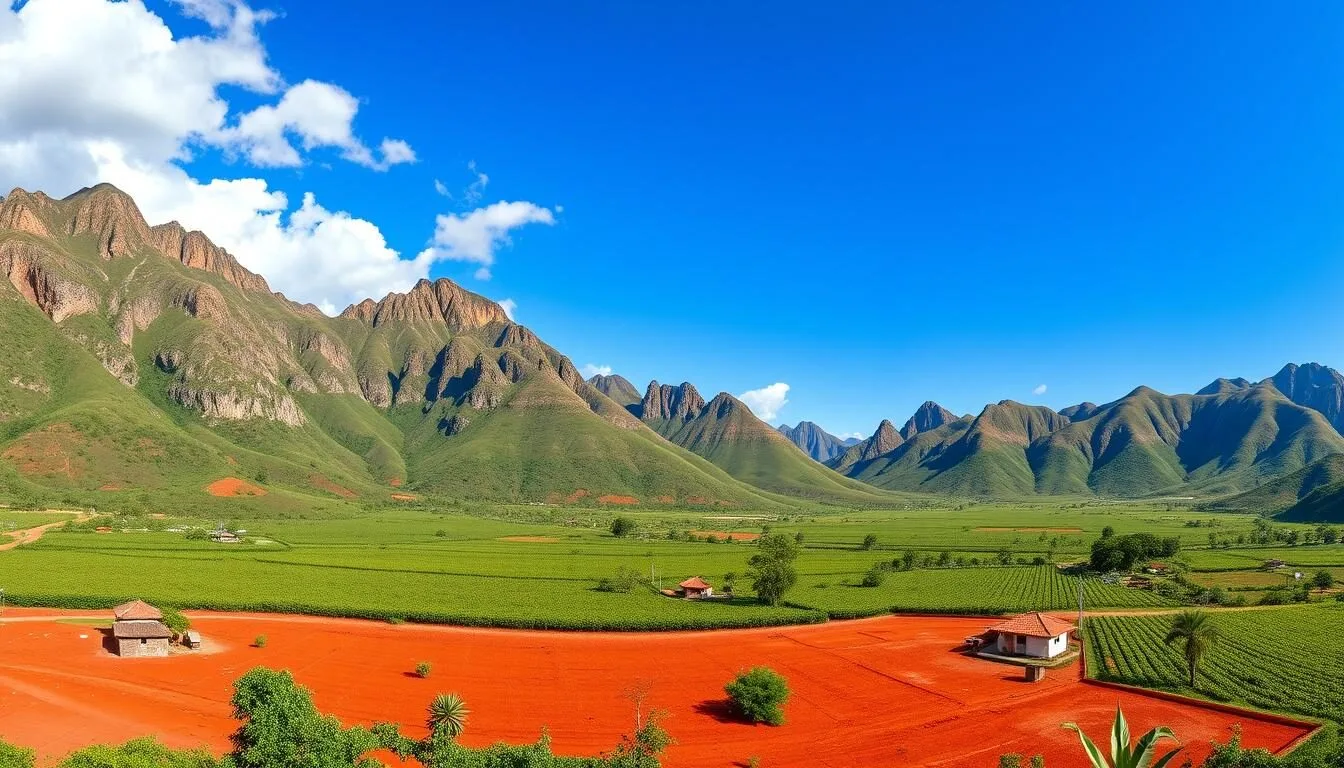
Did you know that Vinales Valley produces over 80% of Cuba’s premium tobacco, the essential ingredient in those world-famous Cuban cigars? This lush UNESCO World Heritage site, nestled in western Cuba’s Pinar del Río province, isn’t just about tobacco—it’s where prehistoric-looking limestone mountains called “mogotes” rise dramatically from fertile red soil. Here, farmers still plow fields with oxen, and life moves at a pace that feels delightfully disconnected from the modern world. If you’re seeking the authentic soul of rural Cuba, Vinales National Park offers a perfect blend of natural beauty, cultural richness, and unforgettable adventures.
Getting There & Planning Your Journey
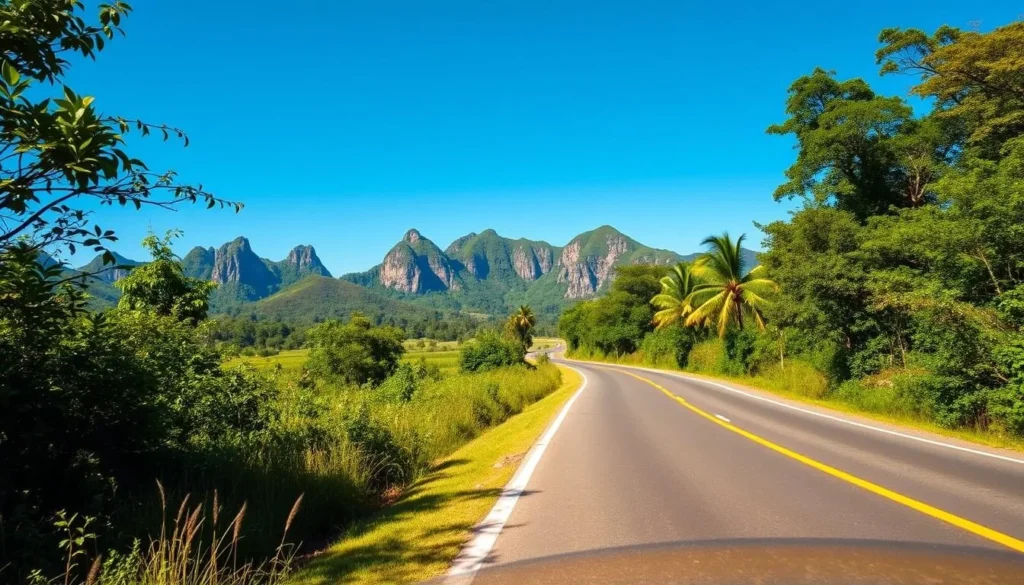
Vinales is located approximately 180 kilometers (112 miles) west of Havana, making Cuba’s capital the most common starting point for visitors. The two closest airports are José Martí International Airport in Havana and Juan Gualberto Gómez Airport in Varadero. From either airport, you’ll need to arrange transportation to Vinales.
From Havana to Vinales
You have several transportation options to reach Vinales from Havana:
- Viazul Bus: The most economical option at around 12 CUC (Cuban Convertible Pesos), taking approximately 3-4 hours. Currently running only three days a week (Friday, Saturday, Sunday).
- Collective Taxi (Taxi Colectivo): Shared taxis cost about 20-25 CUC per person, with a travel time of approximately 2.5 hours. Your accommodation can usually arrange this.
- Private Taxi: Expect to pay 120-150 CUC for a private taxi, which offers the flexibility to stop at points of interest along the way.
- Organized Day Tour: If you’re short on time, day trips from Havana are available, though staying overnight in Vinales is highly recommended to fully experience the area.
Best Time to Visit & Weather Tips
Vinales enjoys a tropical climate with two distinct seasons: the dry season (November to April) and the rainy season (May to October). Your experience will vary significantly depending on when you visit.
Recommended Months to Visit
Best Time: November to April (Dry Season)
- Pleasant temperatures averaging 22-28°C (72-82°F)
- Lower humidity and minimal rainfall
- Ideal conditions for hiking, horseback riding, and exploring
- Peak tourist season, especially December through February
- Tobacco harvesting season (January-February)
Months to Avoid: May to October (Rainy Season)
- Higher temperatures averaging 25-32°C (77-90°F)
- Increased humidity and afternoon thunderstorms
- Hurricane season peaks in August-October
- Some trails may be muddy and difficult to navigate
- Fewer tourists and potentially lower prices
If you’re interested in seeing tobacco cultivation in action, plan your visit between December and February when farmers are actively working in the fields. March and April offer a good balance of pleasant weather and fewer crowds than the peak winter months.
Getting Around Locally
Vinales is a small town with a walkable center, but many attractions are spread throughout the surrounding valley. Here are the best ways to explore the area:
Exploring Options in Vinales
- On Foot: The town center is easily explored by walking, with restaurants, shops, and some attractions within walking distance.
- Bicycle Rental: Rent a bike for around 8 CUC per half-day to explore at your own pace. The valley is relatively flat, making cycling accessible for most fitness levels.
- Horseback Tours: One of the most popular and authentic ways to explore the valley, typically costing around 5 CUC per hour per person.
- Hop-on Hop-off Bus: For approximately 3 CUC, this bus stops at major attractions including caves, viewpoints, and the Prehistoric Mural.
- Taxi Services: Local taxis can be arranged for trips to specific attractions or for a full-day tour of the valley.
For the most immersive experience, consider combining transportation methods: walk around town, take a horseback tour of the valley, and perhaps rent a bicycle for a day to explore at your own pace.
Where to Stay in Vinales
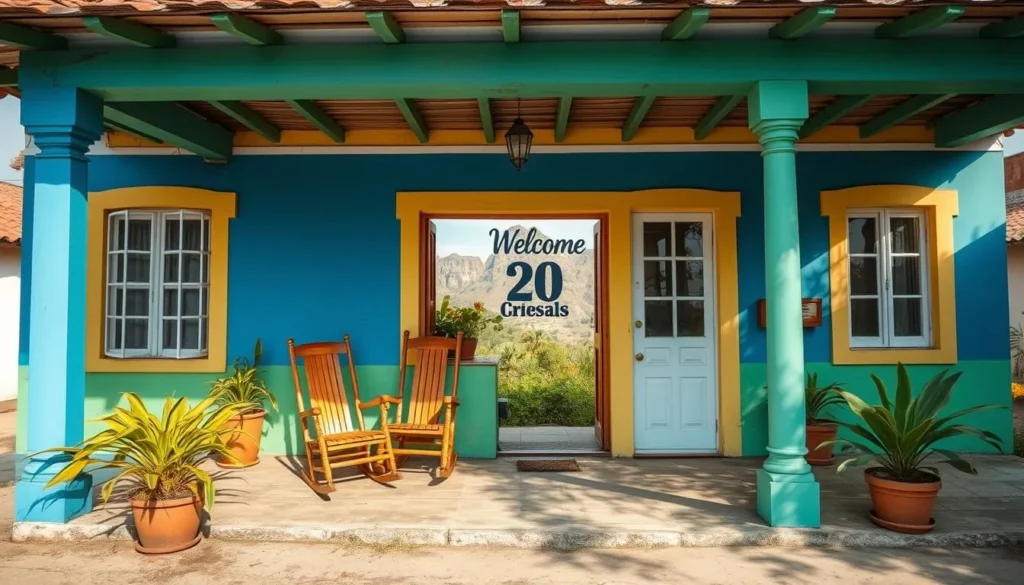
Vinales offers a range of accommodation options, though the most authentic and recommended choice is staying in a casa particular (private homestay). These provide an opportunity to connect with local families and experience Cuban hospitality firsthand.
Accommodation Options
Casa Particulares (Homestays)
The most popular and authentic option in Vinales. These family-run accommodations offer private rooms with en-suite bathrooms, often including breakfast. Many feature rooftop terraces with valley views. Prices range from 20-40 CUC per night.
Benefits include home-cooked meals, local knowledge, and assistance arranging tours and transportation.
Hotels
Limited hotel options include Hotel Los Jazmines, Hotel La Ermita, and Hotel Rancho San Vicente. These state-run hotels offer standard amenities, restaurants, and often swimming pools with spectacular views of the valley.
While more expensive than casas particulares (80-150 CUC per night), they provide more conventional hotel services and facilities.
Camping & Budget Options
For budget travelers, Campismo Dos Hermanas offers basic cabins and camping facilities. Located near the Mural de la Prehistoria, it’s primarily used by Cuban tourists but is open to international visitors.
This is an excellent option for travelers seeking to immerse themselves in local culture while keeping costs low.
Best Areas to Stay
For convenience to restaurants and services, stay in central Vinales town. For spectacular views, look for accommodations on the outskirts of town facing the valley. The Los Jazmines area offers particularly stunning vistas of the mogotes and valley below.
Dining & Local Cuisine
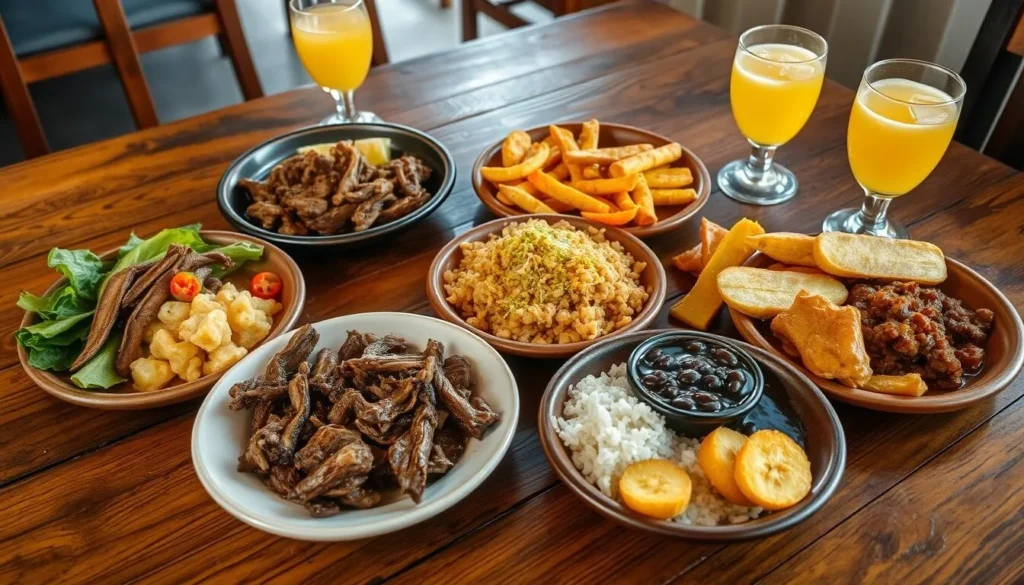
Vinales offers some of Cuba’s freshest and most authentic cuisine, with many restaurants serving farm-to-table dishes using locally grown ingredients. The rural setting means you’ll find more variety and better quality than in many Cuban cities.
Must-Try Local Dishes
- Ropa Vieja: Shredded beef slow-cooked with vegetables and spices
- Lechón Asado: Slow-roasted pork, often cooked over an open fire
- Congrí: Rice cooked with black beans, a Cuban staple
- Yuca con Mojo: Cassava with garlic citrus sauce
- Tostones: Twice-fried plantain slices
- Lobster: Surprisingly affordable in Vinales compared to other destinations
Top Dining Experiences
Finca Agroecológica El Paraíso
This organic farm-to-table restaurant offers a spectacular fixed-price menu (10 CUC) featuring up to nine courses of fresh, locally grown food. The panoramic views from their lookout tower are perfect for sunset dining.
Don’t miss their special “anti-stress” piña colada made with five medicinal herbs grown on the property.
Casa Particulares Home Cooking
Many casa particulares offer home-cooked dinners for around 8-12 CUC per person. These meals often feature the freshest ingredients and authentic family recipes not found in restaurants.
Arrange these meals with your host in the morning so they can prepare accordingly.
Balcón del Valle
Located near Hotel Los Jazmines, this restaurant offers spectacular valley views and excellent creole cuisine. Their mojitos are considered among the best in the region, and the sunset views are unmatched.
For the best dining experience, try to eat at least one meal at your casa particular, visit Finca Agroecológica El Paraíso for their farm experience, and enjoy dinner at a restaurant with valley views during sunset.
Top Attractions & Activities in Vinales Valley
1. Explore Tobacco Plantations
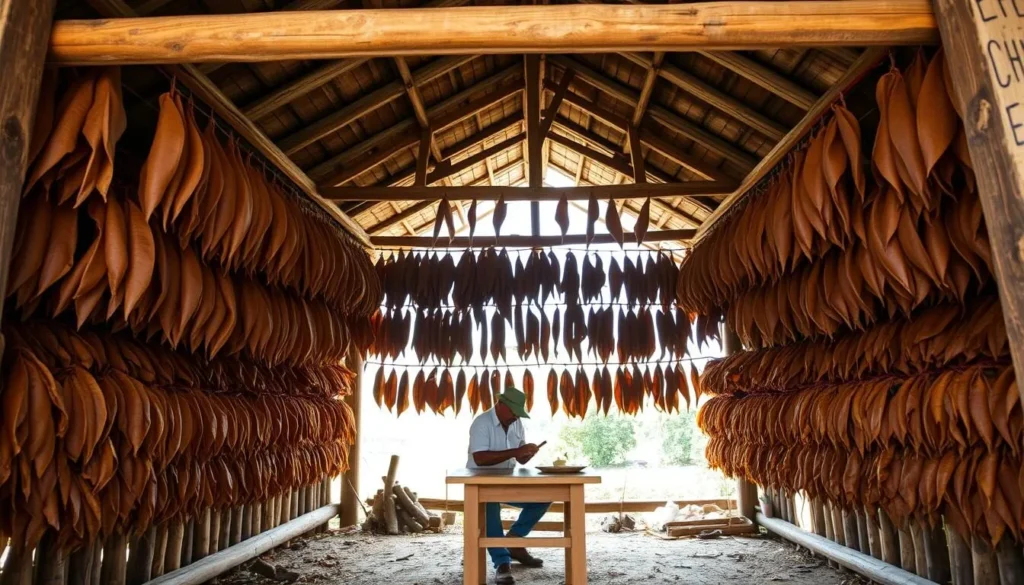
Vinales is Cuba’s premier tobacco-growing region, and visiting a tobacco farm is an essential experience. Learn how tobacco is cultivated, dried, and rolled into Cuba’s famous cigars from farmers who have practiced these traditions for generations.
2. Visit Cueva del Indio (Indian Cave)
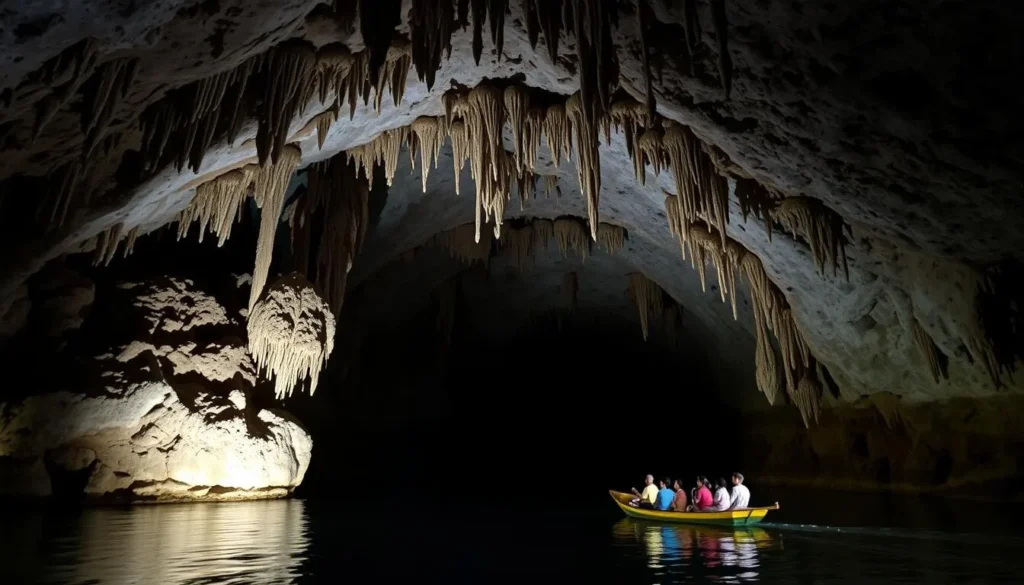
Discovered in the 1920s, this cave was once home to indigenous Guanajatabey people. The highlight is a boat ride along the underground San Vicente River that runs through the cave. Entrance costs 5 CUC and includes the boat journey through dramatically lit stalactites and stalagmites.
3. Horseback Riding Through the Valley
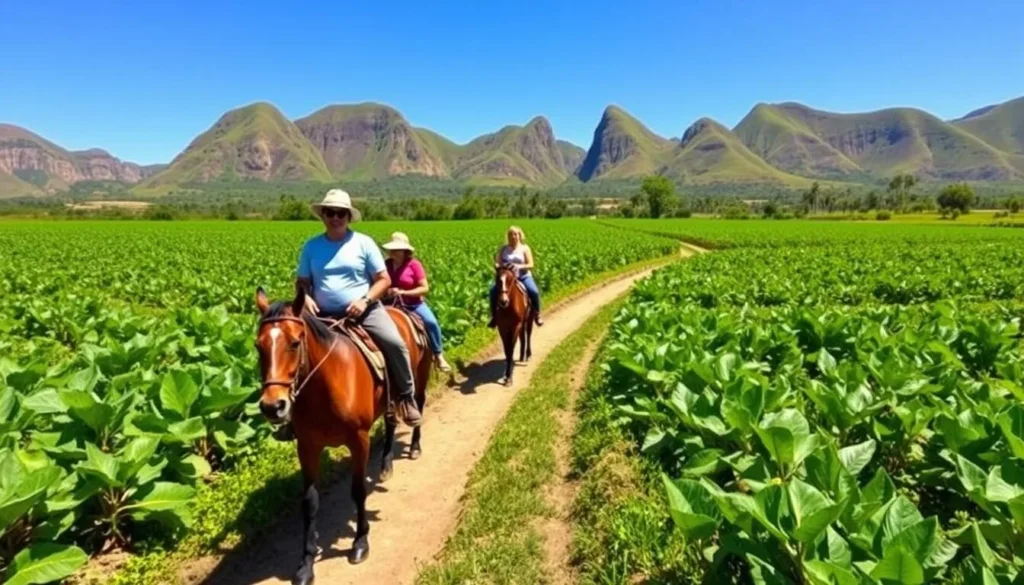
One of the most popular activities in Vinales is exploring the valley on horseback. These tours typically include visits to tobacco farms, coffee plantations, and caves, offering a comprehensive introduction to the region’s highlights. Expect to pay around 5 CUC per hour, with most tours lasting 3-4 hours.
4. Mural de la Prehistoria
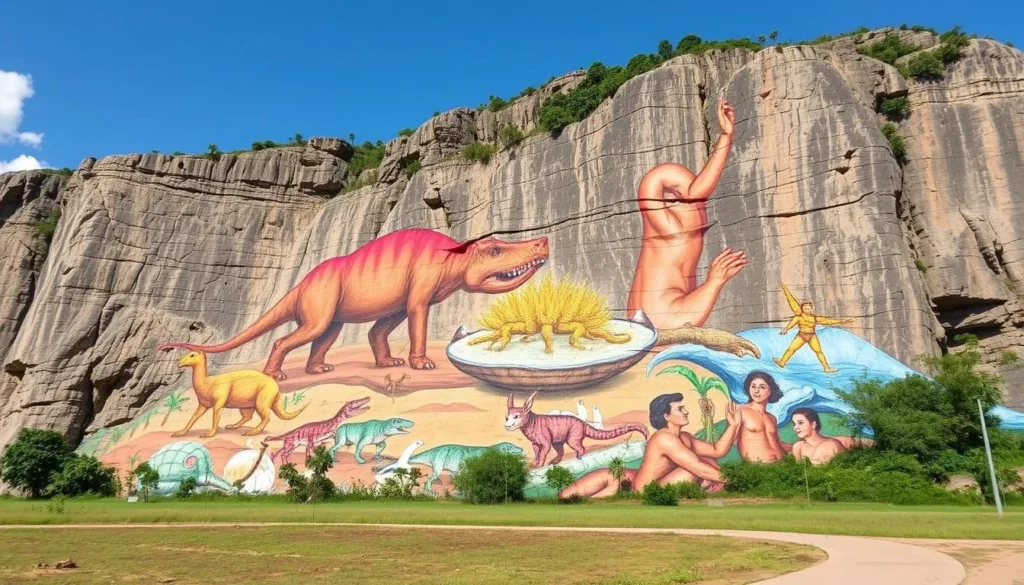
This massive 120-meter (394-foot) mural painted on a mountainside depicts evolutionary history from mollusks to humans. Completed in 1961 by artist Leovigildo González Morillo and a team of artists, it’s a colorful if somewhat incongruous sight in the natural landscape. Entrance fee is 3 CUC and includes a cocktail.
5. Hotel Los Jazmines Viewpoint
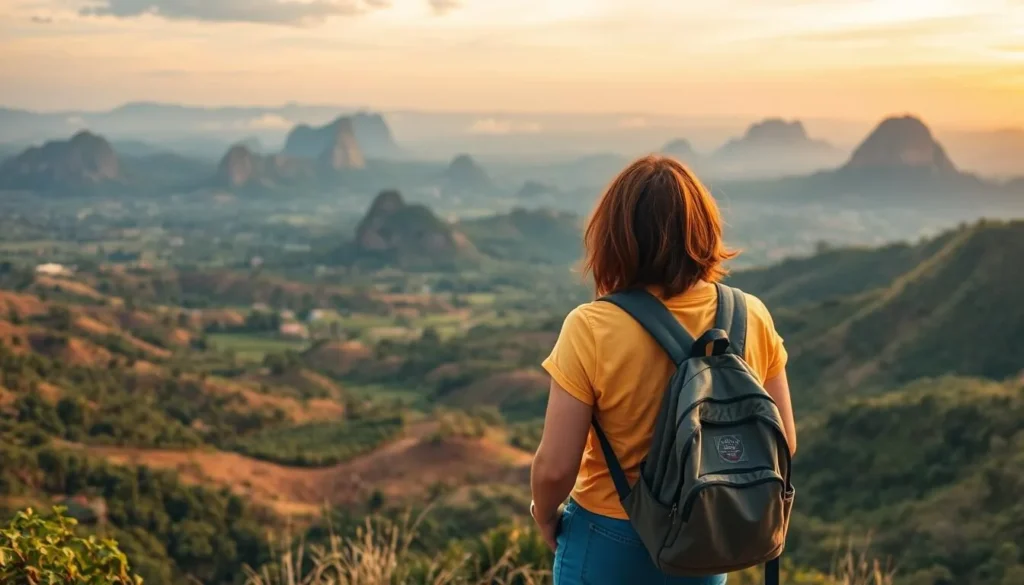
Even if you’re not staying at Hotel Los Jazmines, visit for what many consider the best panoramic view of the Vinales Valley. The hotel’s terrace café offers drinks while you take in the spectacular vista of mogotes and farmland below. For a refreshing break, non-guests can use the swimming pool for a small fee.
6. Explore Palenque de Los Cimarrones
This cave and cultural site commemorates the history of runaway slaves (cimarrones) who hid in these caves. The site includes a restaurant and features performances demonstrating Afro-Cuban traditions with fire, drums, and dancing. Entrance fee is 5 CUC.
7. Visit a Coffee Plantation
Learn about traditional coffee cultivation methods at one of the valley’s small coffee farms. Many horseback tours include coffee plantation visits, where you can sample freshly brewed Cuban coffee and learn about the growing and processing methods.
Outdoor Adventures & Natural Experiences
1. Rock Climbing
The limestone mogotes of Vinales offer world-class rock climbing opportunities with over 250 routes of varying difficulty. Local guides can provide equipment and instruction for climbers of all levels. The Mogote del Valle is the primary climbing area, with routes offering spectacular views of the surrounding landscape.
2. Hiking to Los Aquaticos
This challenging hike leads to a small community founded in the 1940s whose residents believed in the healing powers of water. The trail offers spectacular views, especially at sunrise. While unmarked, the trail can be followed using offline mapping apps or with a local guide.
3. Visit Valle del Silencio (Valley of Silence)
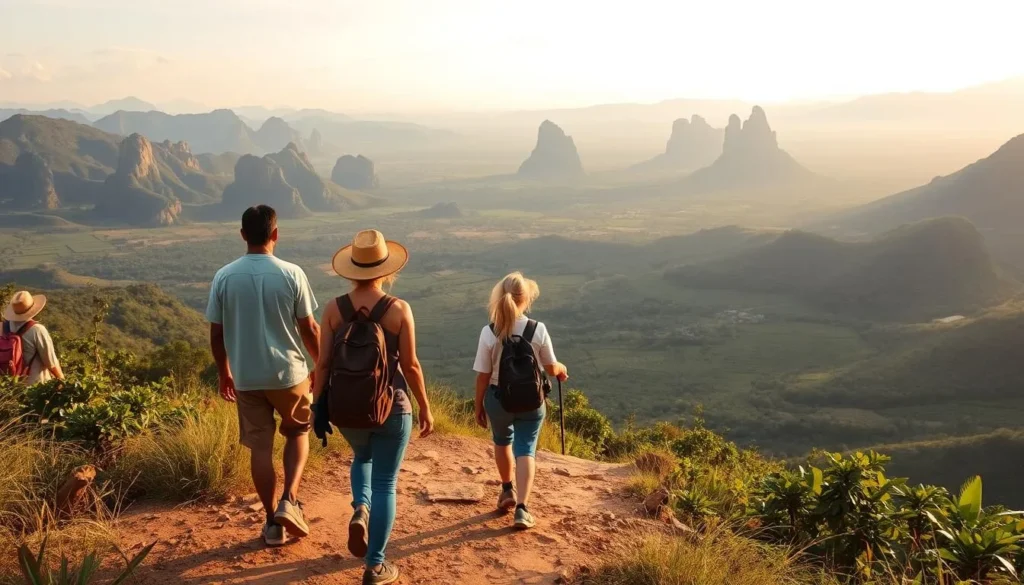
This secluded valley offers a peaceful escape from the more touristed areas. Accessible by hiking or horseback, it features tobacco farms, coffee plantations, and stunning natural scenery with fewer visitors than other parts of Vinales.
4. Zip Lining at El Fortin
For adrenaline seekers, the zip line park at El Fortin offers four different lines spanning over 1 kilometer (0.6 miles). The longest line stretches more than 400 meters (1,312 feet), providing thrilling views of the surrounding landscape. Entrance fee is approximately 8 CUC.
5. Cave Exploration
Beyond the popular Cueva del Indio, more adventurous travelers can explore:
- Gran Caverna de Santo Tomás: Cuba’s largest cave system and the second largest in Latin America, requiring helmets and guides for the 2-hour trek.
- Cueva del Palmarito: Features a natural pool inside the cave, perfect for cooling off after hiking.
- Cueva de la Vaca (Cow Cave): A less-visited cave that can be traversed from one side of a hill to the other.
6. Day Trip to Cayo Jutias Beach
Located about 60 kilometers (37 miles) from Vinales (approximately 90 minutes by car), Cayo Jutias offers a pristine white sand beach, clear waters, and excellent snorkeling opportunities. Shared taxis cost around 15 CUC per person round-trip and can be arranged through your accommodation.
Cultural Spots & Local Experiences
1. Centro Cultural Polo Montañez
Located on the main square, this cultural center hosts live music and dance performances every evening. It’s the perfect place to experience authentic Cuban music and dancing alongside locals. Entry costs 1-2 CUC depending on the day of the week, with performances typically starting around 9 PM.
2. Jardin de Caridad Botanical Garden
This family-run botanical garden offers free guided tours (tips appreciated) of medicinal plants, flowers, and ornamental displays. Located near the center of town, it provides insight into traditional plant uses and Cuban gardening traditions.
3. Local Cooking Classes
Several casa particulares and restaurants offer cooking classes where you can learn to prepare traditional Cuban dishes using local ingredients. These hands-on experiences typically include market visits and culminate in enjoying the meal you’ve prepared.
4. Traditional Music and Dance
Beyond the cultural center, many restaurants feature live music in the evenings. The main plaza comes alive on Saturday nights when locals and visitors gather for outdoor dancing and socializing with live bands.
5. Artisan Markets
Browse local handicrafts, artwork, and souvenirs at small shops and stands throughout town. Look for hand-carved items made from local hardwoods, tobacco-leaf artwork, and hand-rolled cigars directly from farmers (remember that these lack official packaging and may be difficult to transport internationally).
Additional Nearby Destinations
1. Cayo Levisa
This island paradise is accessible by boat from Palma Rubia (about 1.5 hours from Vinales). The island features pristine beaches, excellent snorkeling, and diving opportunities. Day trips include boat transportation, with departures in the morning and returns in the afternoon.
2. Las Terrazas
This eco-community and UNESCO Biosphere Reserve is located between Havana and Vinales. Visitors can explore coffee plantations, swim in natural pools at the San Juan River, and learn about sustainable community development initiatives.
3. Soroa
Known as the “Rainbow of Cuba,” Soroa features a spectacular orchid garden with over 700 species and a refreshing waterfall perfect for swimming. It’s an ideal half-day trip when traveling between Havana and Vinales.
Safety, Etiquette & Local Customs
Safety in Vinales
Vinales is generally very safe for tourists, with low crime rates compared to larger cities. Nevertheless, take standard precautions:
- Keep valuables secure and don’t display expensive items
- Use a money belt or secure inner pocket for cash and documents
- Take official taxis rather than unmarked vehicles
- Stay on marked trails when hiking to avoid getting lost
- Bring a flashlight if you’ll be out after dark, as street lighting is limited
Local Etiquette
Cubans are generally warm and welcoming to visitors. Show respect by observing these customs:
- Greet people with a friendly “Hola” or “Buenos días/tardes/noches”
- Ask permission before photographing individuals, especially on farms
- Dress casually but modestly, especially when visiting rural communities
- Learn basic Spanish phrases—even simple efforts are appreciated
- Tipping is expected for services (10% in restaurants, 1 CUC for washroom attendants)
Cultural Considerations
Understanding these aspects of Cuban culture will enhance your experience:
- Cuba has two currencies: CUC (tourist currency) and CUP (local currency)
- Internet access is limited—purchase ETECSA cards for Wi-Fi in public squares
- Expect a relaxed pace of service in restaurants and businesses
- Political discussions should be approached with sensitivity and respect
- Cubans often use humor to navigate challenging situations
Visitor Comments About Vinales National Park
“Vinales was the highlight of our Cuba trip. The landscape is unlike anything I’ve seen before—those rounded mountains rising from the valley floor are spectacular. We stayed in a casa particular with the most welcoming family who arranged a horseback tour through tobacco farms and caves. Don’t miss sunset from Hotel Los Jazmines viewpoint—absolutely magical!”
“We spent three days in Vinales and wished we’d planned for more. The horseback riding through the valley was unforgettable, and learning about tobacco cultivation directly from farmers was fascinating. Our casa hosts prepared the best meals we had in Cuba. If you’re considering a day trip from Havana—don’t! Stay at least two nights to truly experience this special place.”
“As a solo traveler, I found Vinales incredibly welcoming and easy to navigate. The hiking opportunities are excellent—I especially recommend the sunrise hike to Los Aquaticos for breathtaking views. The evening music scene at Centro Cultural Polo Montañez was lively and authentic. Bring cash though, as ATMs are scarce and credit cards aren’t widely accepted.”
Location of Vinales National Park
Practical Travel Tips
Money Matters
- Currency: Bring cash in Euros or Canadian dollars to exchange (US dollars incur an additional 10% fee)
- ATMs: Limited in Vinales—bring enough cash from Havana or larger cities
- Credit Cards: Not widely accepted, especially US-issued cards
- Tipping: 10% in restaurants, 1 CUC for bathroom attendants, 5-10 CUC per day for guides
Communication
- Internet: Available in the main plaza via ETECSA prepaid cards (1-2 CUC per hour)
- Language: Spanish is predominant; English is limited outside tourism establishments
- Offline Maps: Download Maps.me or similar apps with offline functionality before arrival
Packing Essentials
- Comfortable walking shoes for exploring the valley
- Sun protection (hat, sunscreen, sunglasses)
- Insect repellent for evenings and cave visits
- Flashlight or headlamp for poorly lit streets and cave exploration
- Lightweight rain jacket (especially during rainy season)
- Medications as pharmacies have limited supplies
Planning Your Stay
- Duration: Minimum 2 nights, ideally 3-4 for a comprehensive experience
- Reservations: Book casa particulares in advance during high season (December-February)
- Timing: Start activities early to avoid afternoon heat and potential rain
- Transportation: Arrange return transportation in advance, especially during peak season
The Timeless Magic of Vinales National Park
Vinales National Park offers a rare glimpse into a Cuba that exists beyond the vintage cars and colonial architecture of Havana—a place where time moves more slowly, traditions remain intact, and nature’s beauty takes center stage. From the distinctive mogotes rising from fertile tobacco fields to the warm hospitality of local farmers and casa hosts, Vinales provides an authentic Cuban experience that will linger in your memory long after you’ve returned home. Whether you’re riding horseback through verdant valleys, learning the art of cigar making from multi-generational tobacco farmers, or simply rocking in a chair on a casa particular porch as the sun sets behind limestone mountains, Vinales invites you to slow down and savor a simpler, more connected way of life. In a world of increasingly homogenized travel experiences, Vinales National Park remains refreshingly, beautifully itself—a true Cuban treasure waiting to be discovered.
The above is subject to change.
Check back often to TRAVEL.COM for the latest travel tips and deals.



0 Comments