

Did you know that Yaguajay is home to one of Cuba’s most remarkable ecological reserves where you can witness the rare spectacle of thousands of pink flamingos gathering in shallow waters? This lesser-known Cuban gem, tucked away in the northern part of Sancti Spíritus province, offers travelers an authentic glimpse into rural Cuban life far from the tourist crowds of Havana and Varadero. With its rich biodiversity, fascinating historical sites, and genuine local culture, Yaguajay represents Cuba at its most authentic and unspoiled.
Getting There & Planning Your Journey
Yaguajay is located approximately 350 km (217 miles) east of Havana, making it an excellent addition to a comprehensive Cuban itinerary. The closest international airport is Abel Santamaría Airport (SNU) in Santa Clara, about 80 km (50 miles) away. Alternatively, you can fly into Juan Gualberto Gómez Airport (VRA) in Varadero or José Martí International Airport (HAV) in Havana and travel overland to Yaguajay.
The scenic route to Yaguajay offers breathtaking views of the Cuban countryside
For the most flexibility, consider renting a car in one of the major cities. The drive from Santa Clara takes approximately 1.5 hours, while from Havana it’s around 5 hours. If you prefer public transportation, Viazul buses connect major Cuban cities, though you may need to transfer in Sancti Spíritus or Caibarién and take a local taxi for the final leg to Yaguajay.
When planning your trip, allocate at least 2-3 days to fully experience Yaguajay and its surrounding attractions. This allows enough time to visit the ecological reserves, historical sites, and enjoy the local culture without rushing.
Best Time to Visit & Weather Tips
Yaguajay enjoys a tropical climate with distinct wet and dry seasons. The optimal time to visit is during the dry season from November to April when temperatures average a pleasant 24-28°C (75-82°F) with minimal rainfall and lower humidity.
Recommended Months
- November to April (dry season)
- December to February (coolest months)
- March (ideal balance of warm weather and low rainfall)
- Early May (shoulder season with fewer tourists)
Months to Avoid
- August to October (peak hurricane season)
- June to September (hottest months with temperatures reaching 32°C/90°F)
- May to October (wet season with afternoon thunderstorms)
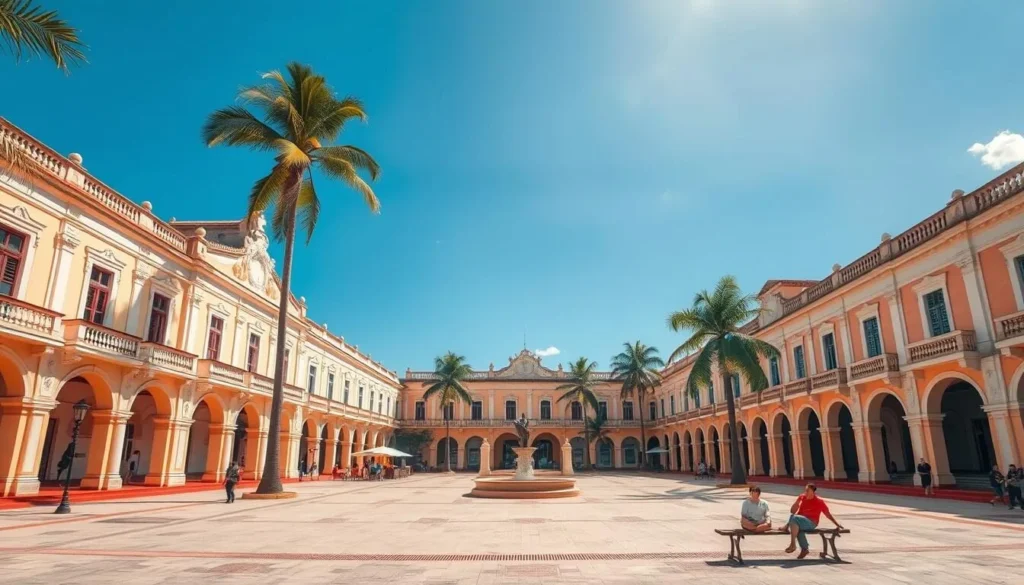
Yaguajay’s main plaza basks in sunshine during the dry season
If you visit during the wet season (May to October), plan outdoor activities for the morning hours when rain is less likely. Afternoon thunderstorms are common but typically pass quickly. Hurricane season officially runs from June to November, with the highest risk period being August through October.
Getting Around Locally
Yaguajay is a relatively small town that’s easy to navigate on foot. For exploring the central area and visiting local restaurants and shops, walking is your best option. The town has a relaxed pace, and strolling through its streets offers an authentic glimpse into everyday Cuban life.
To reach attractions outside the town center, such as the ecological reserves or nearby beaches, you have several transportation options:
- Taxis: Available in the town center and can be arranged through your accommodation. Negotiate the fare before departing.
- Bicitaxis: Three-wheeled bicycle taxis are perfect for short distances within town.
- Horse-drawn carriages: A traditional and charming way to travel around, particularly popular with visitors.
- Rental cars: If you’ve rented a car for your Cuba trip, this provides the most flexibility for exploring the region.
- Guided tours: Many accommodations can arrange day trips to major attractions with transportation included.
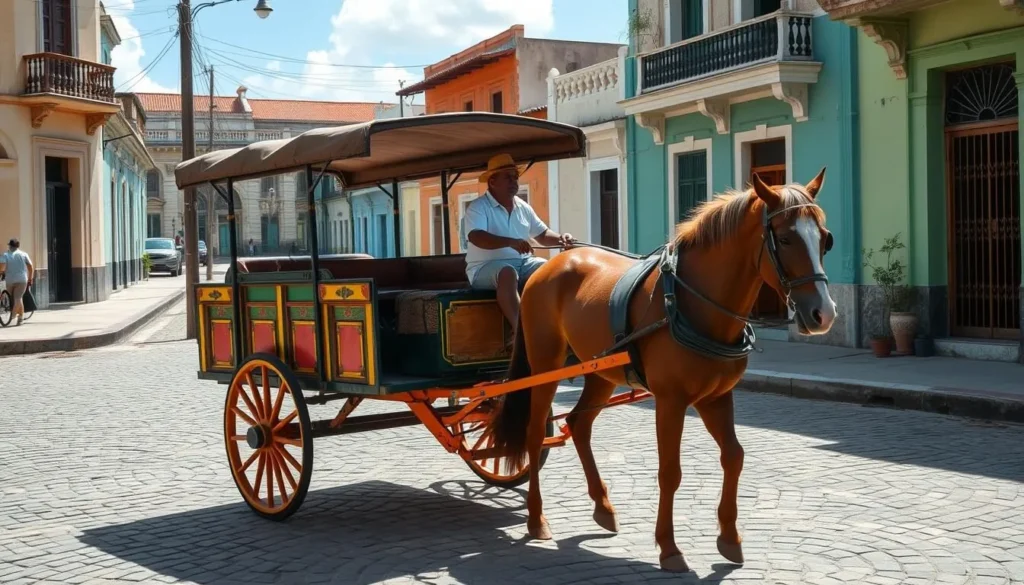
Horse-drawn carriages offer a traditional way to explore Yaguajay
For visits to Caguanes National Park or the northern keys, organized tours are recommended as they include boat transportation and knowledgeable guides who can enhance your experience with information about the local ecosystem.
Where to Stay
Yaguajay offers an authentic Cuban accommodation experience, with casas particulares (private homestays) being the primary lodging option. These family-run guesthouses provide comfortable rooms and a chance to connect with locals while enjoying home-cooked meals.
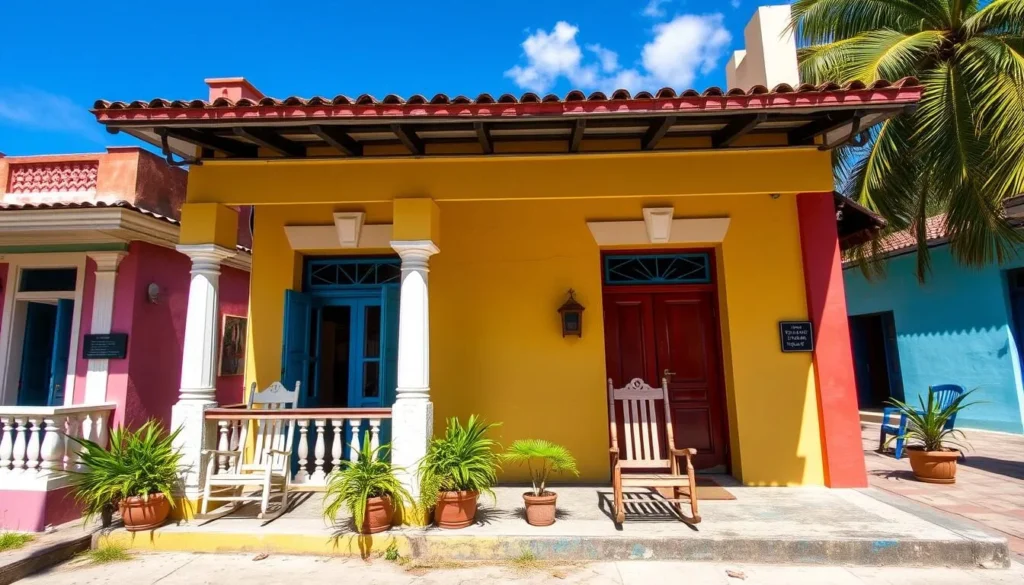
A typical casa particular in Yaguajay offers authentic Cuban hospitality
Recommended Accommodation Options:
Casa Particulares
Family-run guesthouses offering clean rooms, home-cooked meals, and local insights. Prices range from 20-35 CUC per night. Most hosts can arrange excursions to nearby attractions.
Eco-Lodges
Several eco-friendly accommodations have emerged near the ecological reserves, offering sustainable stays with stunning natural surroundings. Perfect for nature enthusiasts.
Hotel Encanto Yaguajay
The town’s main hotel offers more conventional amenities including air conditioning, restaurant, and bar. While more expensive than casas particulares, it provides reliable comfort.
Most accommodations in Yaguajay require advance booking, especially during the high season (December-April). Many casas particulares don’t have online booking platforms, so arranging your stay through a Cuban travel agency or by phone is often necessary.
Dining & Local Cuisine
Yaguajay offers authentic Cuban cuisine with an emphasis on fresh, locally sourced ingredients. Seafood features prominently on menus due to the town’s proximity to the coast, while traditional Cuban staples like rice, beans, and root vegetables form the foundation of most meals.
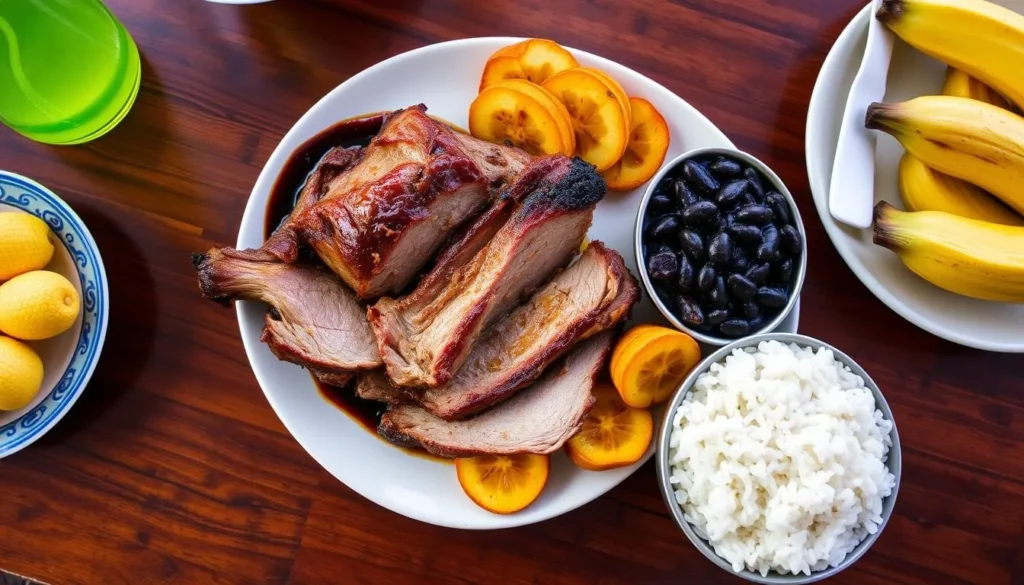
A typical Cuban meal featuring local specialties from the Yaguajay region
Where to Eat in Yaguajay:
- Paladares: Family-run private restaurants often attached to casas particulares offer the most authentic dining experiences. Try the house specialties, which frequently feature family recipes passed down through generations.
- El Rincón Criollo: A popular local restaurant serving traditional Cuban dishes like ropa vieja (shredded beef), lechón asado (roast pork), and fresh seafood.
- Casa Particular Dining: Many homestays offer breakfast (usually included in the room rate) and dinner by arrangement. These home-cooked meals are often the highlight of visitors’ culinary experiences in Yaguajay.
- Street Food: Local vendors sell Cuban snacks like tamales, empanadas, and fresh fruit juices throughout the town.
Don’t miss trying local specialties such as cangrejo enchilado (spicy crab), pescado a la plancha (grilled fish), and yuca con mojo (cassava with garlic sauce). For dessert, look for flan de coco (coconut custard) and pudin de pan (bread pudding).
Most restaurants and paladares in Yaguajay accept both Cuban pesos (CUP) and convertible pesos (CUC), though carrying small denominations is recommended as change can sometimes be limited.
Attractions, Sightseeing & Activities
Yaguajay offers a diverse range of attractions that showcase both natural wonders and historical significance. From ecological reserves to revolutionary landmarks, there’s something to interest every type of traveler.
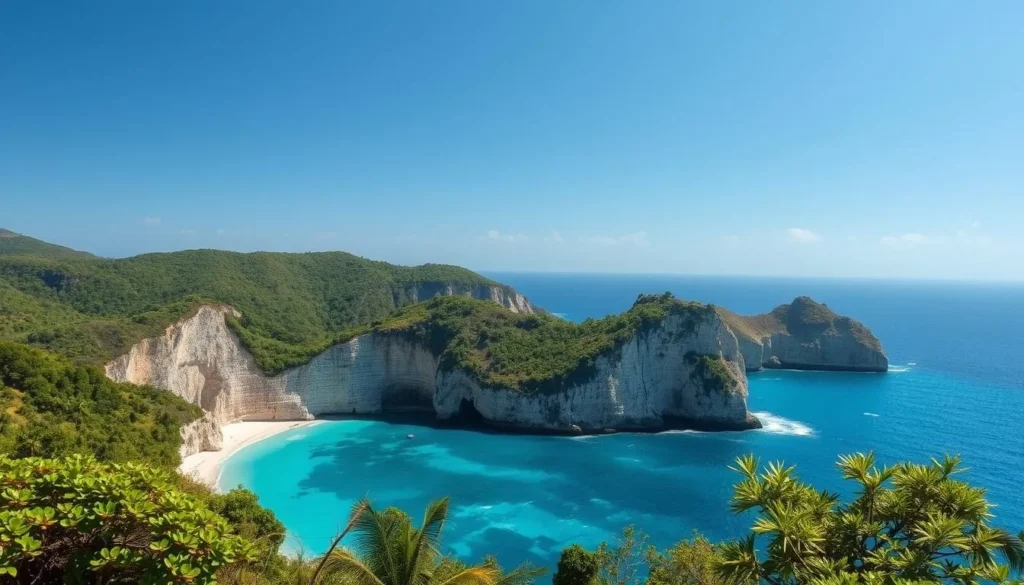
The stunning coastal landscapes of Caguanes National Park
Top Attractions in Yaguajay:
Natural Wonders
- Caguanes National Park: A UNESCO Biosphere Reserve featuring caves with pre-Columbian pictographs, diverse wildlife, and stunning coastal scenery.
- Cayo Santa María: Accessible from Yaguajay, this pristine key offers white-sand beaches and crystal-clear waters perfect for swimming and snorkeling.
- Jobo Rosado Protected Area: A lush mountain ecosystem with hiking trails, waterfalls, and rich biodiversity just south of Yaguajay.
Historical Sites
- Camilo Cienfuegos Historical Complex: Dedicated to the revolutionary hero, this museum showcases artifacts and exhibits from the Cuban Revolution.
- Remedios: One of Cuba’s oldest settlements (founded in 1513), located near Yaguajay, featuring well-preserved colonial architecture and the famous Parrandas festival.
- Sugar Mill Ruins: Remnants of the region’s sugar production history, offering a glimpse into Cuba’s colonial past.
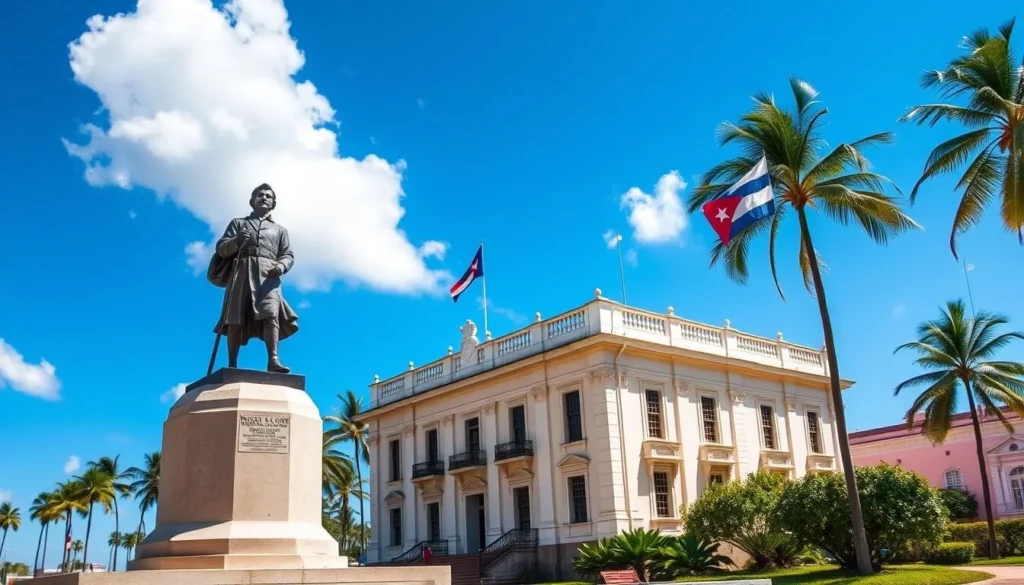
The Camilo Cienfuegos Historical Complex honors the revolutionary hero
Most attractions in Yaguajay can be visited independently, though hiring a local guide can significantly enhance your understanding of the area’s ecological and historical significance. Many casas particulares can arrange guided tours with knowledgeable locals who speak English.
Museums, Cultural Spots & Festivals
Despite its small size, Yaguajay offers several cultural attractions that provide insight into the region’s history, revolutionary significance, and local traditions.
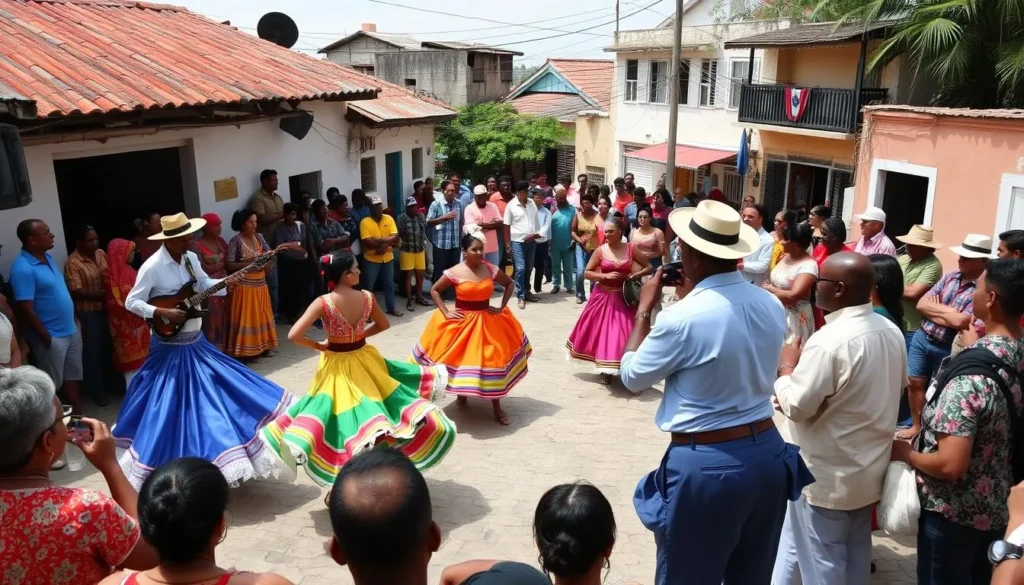
Traditional dancers perform during a local festival in Yaguajay
Museums and Cultural Sites:
- Museo Municipal de Yaguajay: Houses exhibits on local history, from pre-Columbian times through the revolution, with artifacts and photographs documenting the region’s development.
- Casa de la Cultura: The local cultural center hosts art exhibitions, music performances, and dance shows featuring traditional Cuban styles.
- Biblioteca Municipal: The town library often features displays of historical documents and photographs related to Yaguajay’s past.
Annual Festivals and Events:
- Fiestas Populares (July): The town’s main annual celebration featuring music, dance, food, and cultural performances.
- Semana de la Cultura (Culture Week): Usually held in October, this week-long event showcases local artists, musicians, and performers.
- Revolutionary Commemorations: December 28th marks the anniversary of the Battle of Yaguajay, a significant revolutionary victory led by Camilo Cienfuegos, with special events and ceremonies.
- Las Parrandas: While centered in nearby Remedios, this famous Christmas festival’s influence extends to Yaguajay, with smaller celebrations featuring music, fireworks, and elaborate decorations.
Engaging with local cultural events offers a deeper understanding of Cuban traditions and community life. Even if your visit doesn’t coincide with a major festival, you’ll likely encounter impromptu music performances in local establishments, where residents gather to share in Cuba’s rich musical heritage.
Sports, Nature & Outdoor Experiences
Yaguajay’s location between mountains and sea creates perfect conditions for nature lovers and outdoor enthusiasts. The region’s diverse ecosystems support a wide range of activities from bird watching to hiking and water sports.
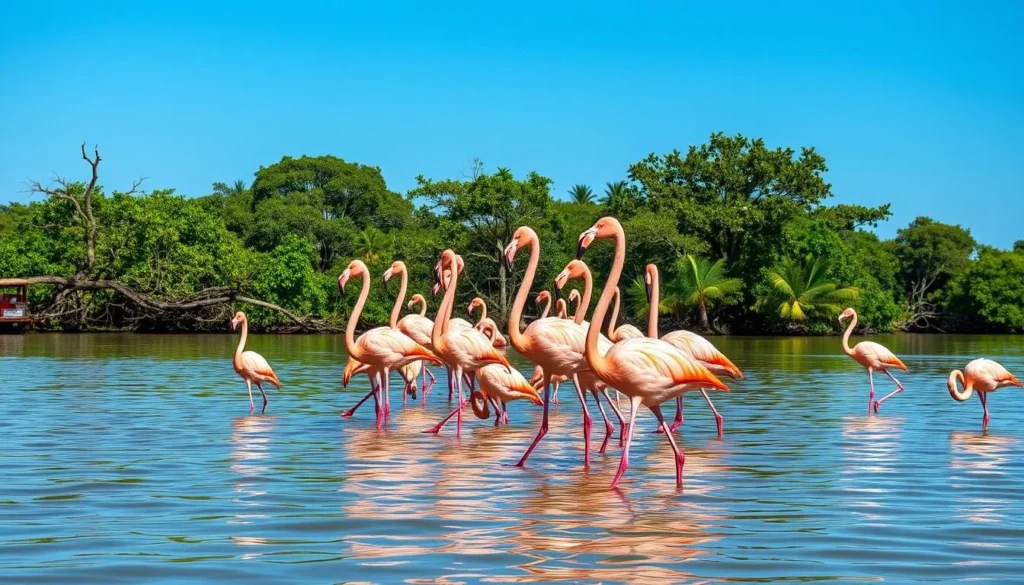
Pink flamingos gather in the protected wetlands near Yaguajay
Top Outdoor Activities:
Water Activities
- Snorkeling and Diving: The northern keys accessible from Yaguajay offer pristine coral reefs teeming with marine life.
- Fishing: Both freshwater fishing in local rivers and saltwater fishing in the coastal areas are popular activities.
- Boat Tours: Explore the mangrove ecosystems and coastal areas with guided boat excursions from Caibarién.
Land Activities
- Hiking: Trails in Jobo Rosado Protected Area offer routes for all skill levels with opportunities to see local wildlife and plants.
- Bird Watching: The region is home to over 200 bird species, including the Cuban trogon (national bird), flamingos, and numerous migratory species.
- Cave Exploration: Caguanes National Park features an extensive cave system with guided tours available.
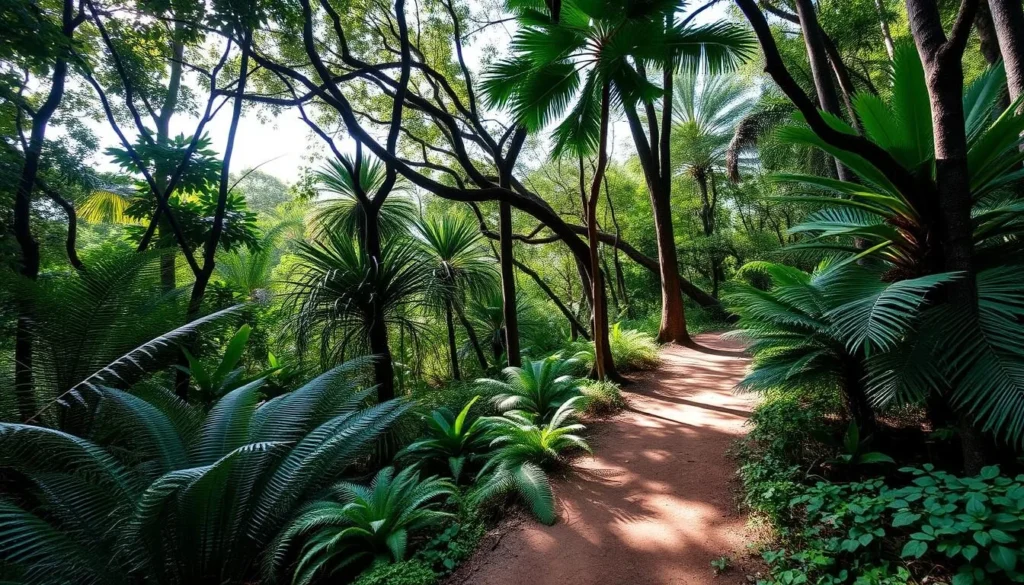
A scenic hiking trail in Jobo Rosado Protected Area south of Yaguajay
For the best outdoor experiences, consider hiring local guides who can lead you to lesser-known spots and provide valuable information about the local ecosystem. Most guides are knowledgeable about the area’s flora and fauna and can help you spot elusive wildlife species.
When participating in outdoor activities, remember to bring sufficient water, sun protection, and insect repellent. The tropical climate can be demanding, especially during summer months.
Safety, Etiquette & Local Customs
Yaguajay is generally a safe destination for travelers, with low crime rates and friendly locals. However, as with any travel destination, it’s important to be aware of local customs and practice common-sense safety precautions.
Safety Tips:
- Keep valuables secure and avoid displaying expensive items or large amounts of cash.
- Use official taxis or transportation arranged through your accommodation.
- Carry a photocopy of your passport while leaving the original in a secure location.
- Stay hydrated and use sun protection, as the tropical climate can cause heat-related issues.
- When hiking or exploring natural areas, stay on marked trails and ideally go with a local guide.
Local Etiquette and Customs:
- Greetings are important in Cuban culture. A simple “Buenos días” (good morning) or “Buenas tardes” (good afternoon) goes a long way.
- Tipping (10-15%) is appreciated for good service in restaurants and for guides.
- Ask permission before taking photos of people, especially in rural areas.
- Dress casually but respectfully. While beach attire is fine for coastal activities, cover up when visiting towns or cultural sites.
- Political discussions should be approached with sensitivity and respect for different perspectives.
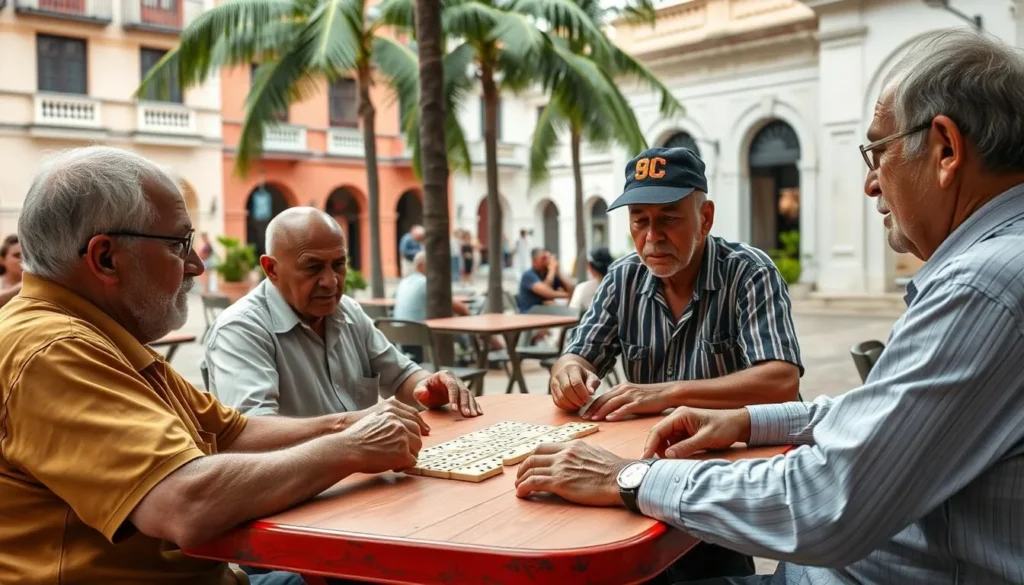
Dominoes is a popular pastime among locals in Yaguajay
Internet access in Yaguajay is limited compared to larger Cuban cities. ETECSA (the Cuban telecommunications company) offers Wi-Fi hotspots in the main square, but connection can be spotty. It’s advisable to download offline maps and essential information before your trip.
Healthcare facilities in Yaguajay are basic, with more comprehensive services available in larger cities like Sancti Spíritus and Santa Clara. Travelers should carry a basic medical kit and any prescription medications they might need.
Visitor Comments About Yaguajay
“Yaguajay was the highlight of our Cuba trip. We stayed in a wonderful casa particular where our host arranged a boat tour through the mangroves of Caguanes National Park. Seeing flamingos in their natural habitat was magical! The town itself has such an authentic feel—no tourist crowds, just genuine Cuban hospitality.”
“After visiting the busy tourist spots in Havana and Trinidad, Yaguajay was a breath of fresh air. The Camilo Cienfuegos museum gave us a deeper understanding of Cuban revolutionary history. What really stood out was hiking in Jobo Rosado—the guide showed us medicinal plants and we even spotted the colorful Cuban trogon bird!”
“Don’t miss the home-cooked meals in Yaguajay! Our casa particular host prepared the most amazing seafood dinner with ingredients from the local market. The slow pace of life here lets you truly connect with Cuban culture. We joined a local family for an evening of music and dancing—an experience you simply can’t plan or book online.”
Additional Nearby Destinations
While Yaguajay offers plenty to keep visitors engaged, its central location makes it an excellent base for exploring other noteworthy destinations in central Cuba.
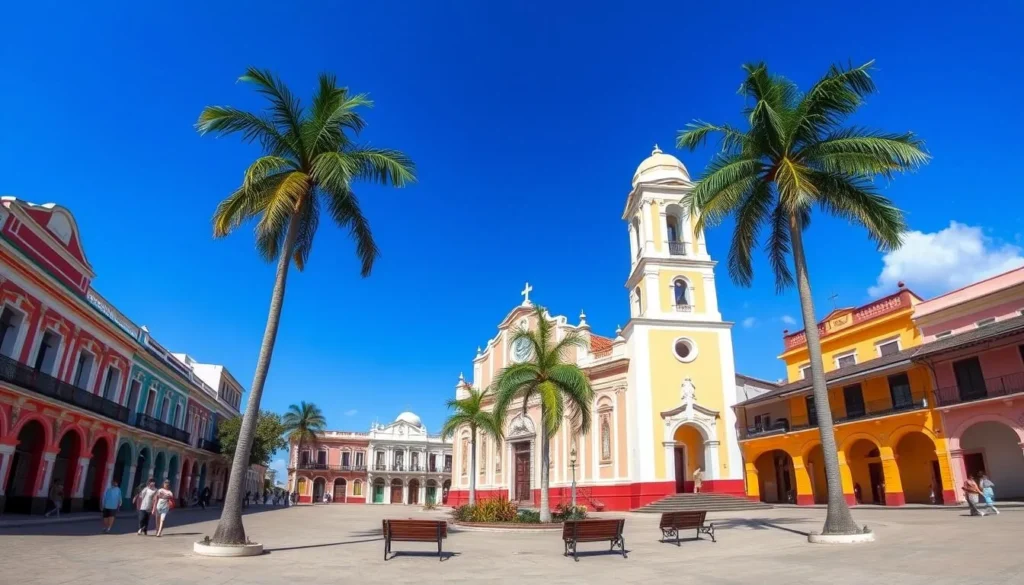
The colonial charm of nearby Remedios, one of Cuba’s oldest towns
Destinations Within Day-Trip Distance:
Remedios (30 km)
One of Cuba’s oldest colonial towns, founded in 1513. Known for its well-preserved central plaza, the San Juan Bautista de Remedios church with its gold altar, and the famous Las Parrandas festival held each December.
Santa Clara (80 km)
A city with strong revolutionary connections, home to the Che Guevara Mausoleum and Monument. The city also features the armored train monument commemorating a key battle in the Cuban Revolution.
Cayo Santa María (50 km)
A stunning key connected to the mainland by a 48 km causeway. Offers pristine beaches, crystal-clear waters, and all-inclusive resorts for those seeking a beach break during their cultural exploration.
For those with more time, Trinidad (approximately 120 km from Yaguajay) makes an excellent overnight trip. This UNESCO World Heritage Site features exceptionally well-preserved colonial architecture, cobblestone streets, and nearby Valle de los Ingenios (Valley of the Sugar Mills).
When planning day trips, consider hiring a driver for the day or joining organized excursions, as public transportation between smaller towns can be limited and time-consuming.
Practical Travel Tips
Essential items for your trip to Yaguajay, including both types of Cuban currency
Currency and Payments:
- Cuba has two currencies: Cuban Convertible Pesos (CUC) for tourists and Cuban Pesos (CUP) for locals, though both are accepted in many places.
- Bring cash to exchange, as ATMs are scarce in Yaguajay and credit cards from U.S. banks are not accepted in Cuba.
- Exchange currency at official CADECA exchange offices or banks rather than unofficial sources.
Communication:
- Wi-Fi access is limited to designated hotspots, primarily in the main square.
- Purchase ETECSA internet cards (available at ETECSA offices or sometimes through casa particular hosts) to access Wi-Fi.
- Download offline maps, translation apps, and any essential information before your trip.
- Learning basic Spanish phrases will significantly enhance your experience in this less-touristed area.
Packing Essentials:
- Lightweight, breathable clothing suitable for tropical weather
- Sturdy walking shoes for exploring the town and hiking trails
- Sun protection (hat, sunglasses, high-SPF sunscreen)
- Insect repellent, particularly if visiting during the wet season
- Basic medications and first-aid supplies
- Flashlight or headlamp (power outages can occur)
- Reusable water bottle
Advance planning is essential for a smooth trip to Yaguajay. Book accommodation ahead of time, especially during high season, and research transportation options thoroughly. While spontaneity is part of the charm of Cuban travel, having a basic itinerary will help you make the most of your time in this off-the-beaten-path destination.
Your Cuban Adventure Awaits
Yaguajay represents Cuba at its most authentic—a place where revolutionary history, natural beauty, and genuine cultural experiences converge. Far from the tourist crowds of more famous destinations, this hidden gem offers travelers a chance to experience the real Cuba, where life moves at a gentler pace and connections with locals happen naturally. Whether you’re exploring the ecological wonders of Caguanes National Park, learning about revolutionary history at the Camilo Cienfuegos Complex, or simply enjoying home-cooked Cuban cuisine at a family-run paladar, Yaguajay rewards visitors with memories that capture the true essence of this fascinating island nation. As you plan your Cuban adventure, consider giving Yaguajay the time it deserves—you’ll be richly rewarded with experiences that few other travelers can claim.
The above is subject to change.
Check back often to TRAVEL.COM for the latest travel tips and deals.


0 Comments