
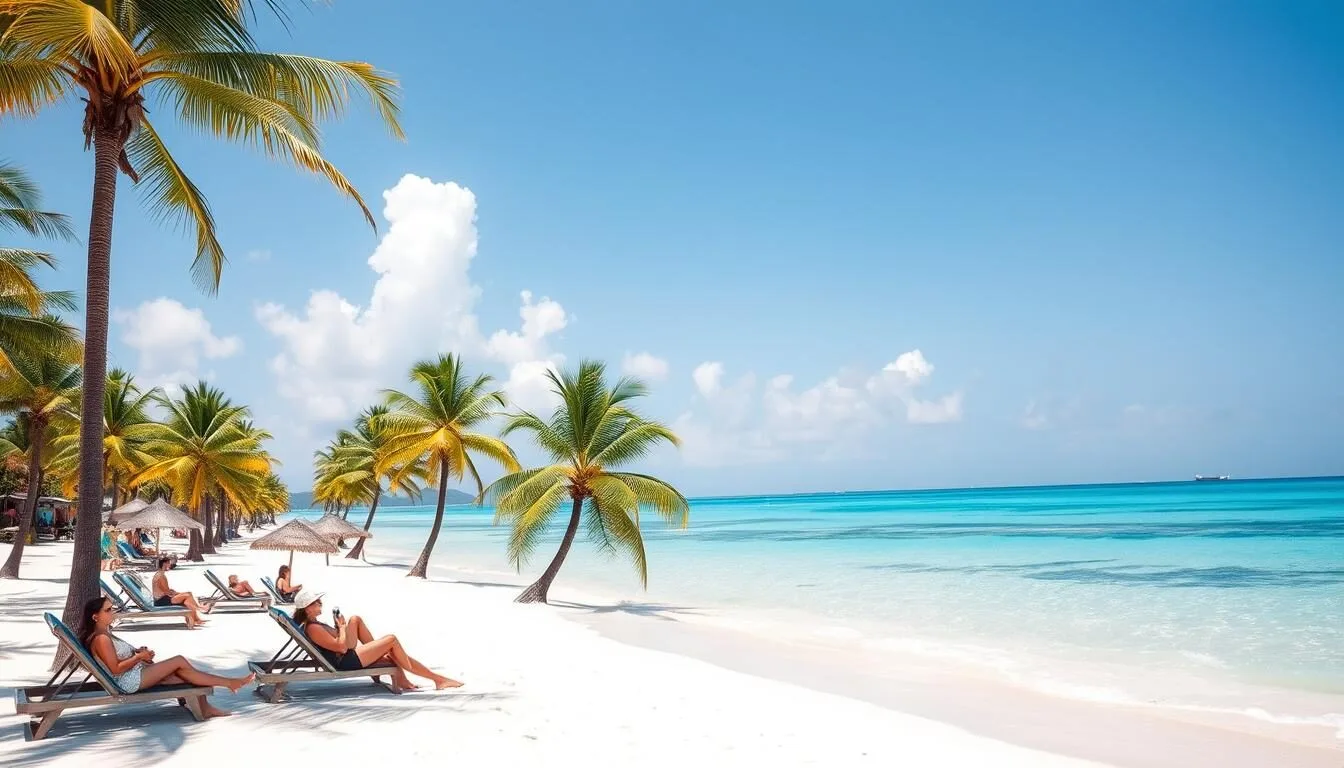
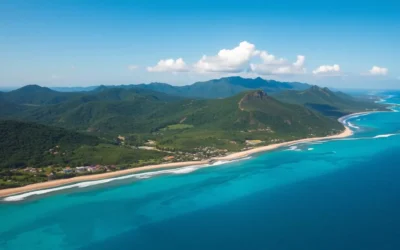
Did you know the Dominican Republic is home to the Caribbean’s highest mountain peak, Pico Duarte at 3,098 m (10,164 ft), and the region’s lowest elevation point, Lake Enriquillo at 46 m (151 ft) below sea level? This remarkable contrast perfectly captures the incredible diversity of experiences awaiting visitors to this Caribbean paradise. From pristine beaches and colonial architecture to lush mountains and vibrant culture, the Dominican Republic offers something for every type of traveler.
Getting There & Planning Your Journey
The Dominican Republic is well-connected to international destinations with several major airports. Punta Cana International Airport (PUJ) on the eastern coast is the busiest, handling most tourist arrivals with direct flights from North America, Europe, and Latin America. Las Américas International Airport (SDQ) near Santo Domingo serves the capital region, while Gregorio Luperón International Airport (POP) provides access to the northern Puerto Plata area.
Most visitors from North America and Europe don’t need a visa for stays under 30 days, but you’ll need to purchase a tourist card (approximately $10 USD) if it’s not already included in your airfare. Your passport should be valid for at least six months beyond your planned departure date.
When packing, prepare for tropical weather with lightweight clothing, sun protection, and insect repellent. Don’t forget swimwear, hiking shoes if you plan to explore mountains, and a light jacket for cooler evenings in higher elevations.
Best Time to Visit Dominican Republic
The Dominican Republic enjoys a tropical climate with warm temperatures year-round, but timing your visit can significantly impact your experience.
Recommended Time to Visit:
December to April marks the dry season and is considered the best time to visit. During these months, you’ll enjoy sunny days with temperatures averaging 25-28°C (77-82°F), low humidity, and minimal rainfall. This period is ideal for beach activities, outdoor adventures, and exploring the country’s diverse landscapes.
January to March offers an additional highlight for nature enthusiasts: the opportunity to witness humpback whales in Samaná Bay, where thousands of these magnificent creatures come to breed and give birth.
Times to Avoid:
September and October fall in the peak of hurricane season, bringing the highest risk of tropical storms and hurricanes. While prices are lower during this period, the potential for weather disruptions makes it less ideal for vacation planning.
May to November constitutes the rainy season, with higher humidity and afternoon showers. If you do visit during these months, plan morning activities and be prepared for occasional rainfall.
Getting Around Locally
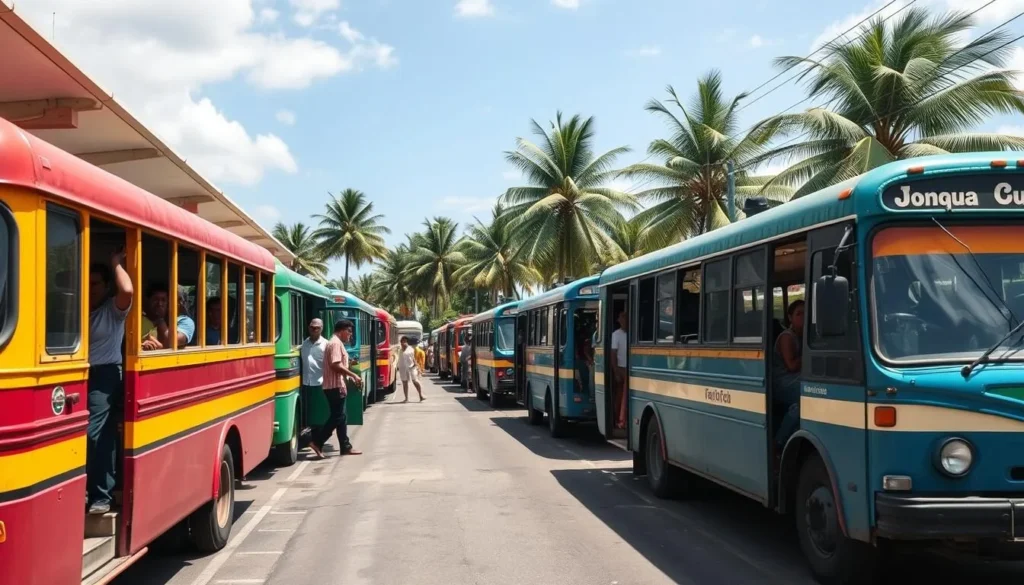
Navigating the Dominican Republic offers various options depending on your comfort level, budget, and itinerary:
Rental Cars
Renting a car provides the most flexibility for exploring at your own pace, especially if you plan to visit multiple regions. Major international agencies operate at airports and tourist areas. Be prepared for aggressive local driving styles and varying road conditions. A valid driver’s license from your home country is typically sufficient.
Taxis and Ride-Sharing
Taxis are readily available in tourist areas and cities but lack meters, so negotiate fares before departing. In Santo Domingo and some larger cities, Uber offers a convenient alternative with transparent pricing.
Public Transportation
For budget travelers, public buses known as “guaguas” connect major cities and towns. These colorful minibuses are inexpensive but often crowded and run on flexible schedules. For longer distances, companies like Caribe Tours offer more comfortable coach services between major destinations.
Motoconchos
These motorcycle taxis provide quick transportation for short distances within towns and cities. While affordable and efficient for navigating traffic, they may not be the safest option for those unfamiliar with local roads.
Where to Stay
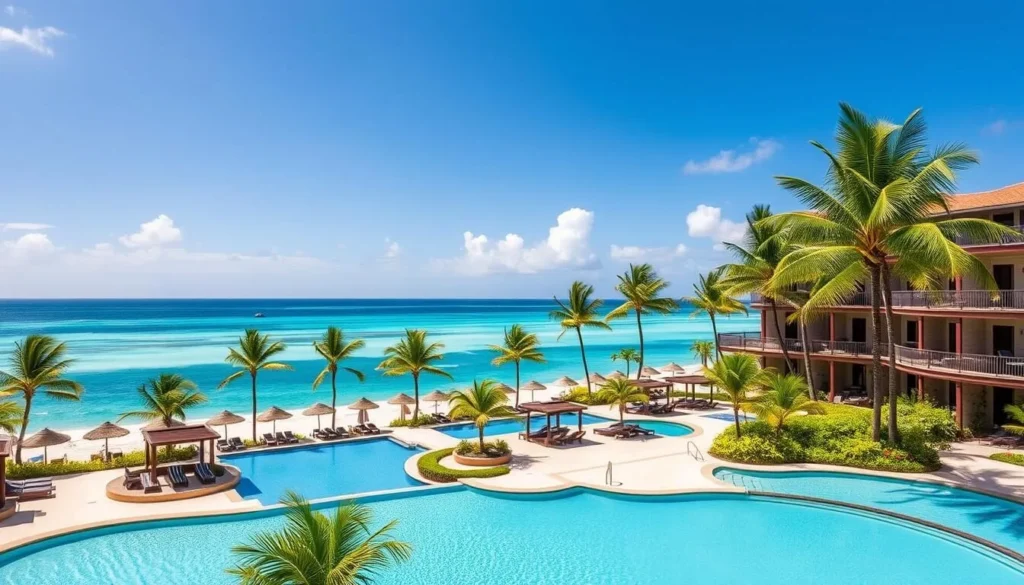
The Dominican Republic offers accommodations for every preference and budget, from luxurious all-inclusive resorts to intimate boutique hotels and eco-friendly lodges.
All-Inclusive Resorts
Punta Cana and Puerto Plata are renowned for their all-inclusive resorts, offering hassle-free vacations with meals, drinks, activities, and entertainment included in one price. These properties typically feature multiple restaurants, swimming pools, and direct beach access, making them ideal for families and those seeking convenience.
Boutique Hotels
For a more authentic experience, consider boutique hotels in colonial Santo Domingo or Las Terrenas. These smaller properties often showcase local architecture and provide personalized service in charming settings.
Eco-Lodges
In mountainous regions like Jarabacoa or Samaná, eco-lodges offer sustainable accommodations immersed in nature. These properties typically feature fewer amenities but compensate with stunning views and proximity to outdoor adventures.
Vacation Rentals
For longer stays or group travel, apartment and villa rentals provide space and privacy, often at competitive rates compared to hotels. Popular areas include Cabarete, Las Terrenas, and the outskirts of tourist zones.
Dining & Local Cuisine
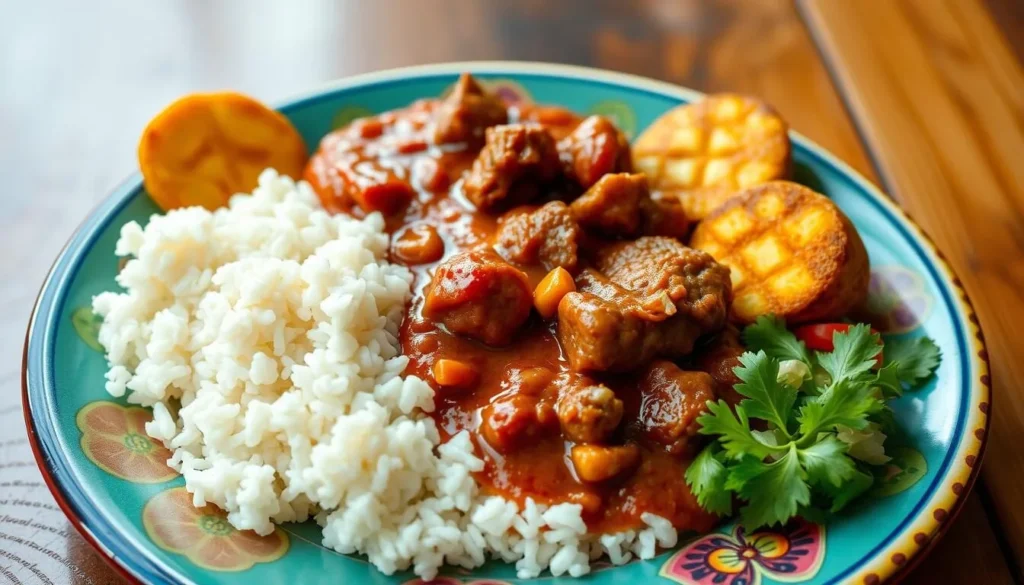
Dominican cuisine reflects the country’s multicultural heritage, blending Spanish, African, and Taíno influences into flavorful dishes that showcase local ingredients and traditional cooking methods.
Must-Try Dishes
La Bandera Dominicana (“The Dominican Flag”) serves as the national dish, consisting of white rice, red beans, and meat (typically chicken or beef), often accompanied by a side salad and fried plantains.
Mangú, a breakfast staple made from mashed green plantains topped with pickled red onions, pairs perfectly with fried cheese, eggs, or salami for a hearty morning meal.
Sancocho, a rich meat and vegetable stew, represents celebration food, bringing families together for special occasions with its complex flavors and comforting warmth.
Street Food
For authentic local flavors at budget-friendly prices, explore street food options like chimichurris (Dominican hamburgers), empanadas (fried turnovers with various fillings), and yaroa (a layered dish of french fries, meat, cheese, and sauces).
Beverages
Cool down with fresh tropical fruit juices or try Mamajuana, the national drink combining rum, red wine, honey, and herbs soaked with tree bark and roots. For beer lovers, local brands Presidente and Bohemia offer refreshing options.
Attractions, Sightseeing & Activities
Punta Cana: Beach Paradise
Punta Cana’s 32 km (20 miles) of white-sand beaches rank among the Caribbean’s finest. Bavaro Beach offers postcard-perfect scenery with swaying palms and turquoise waters, while Macao Beach attracts surfers with its more dramatic waves. Beyond sunbathing, visitors can explore Hoyo Azul, a stunning natural cenote with crystal-clear freshwater perfect for swimming.
Santo Domingo: Colonial History
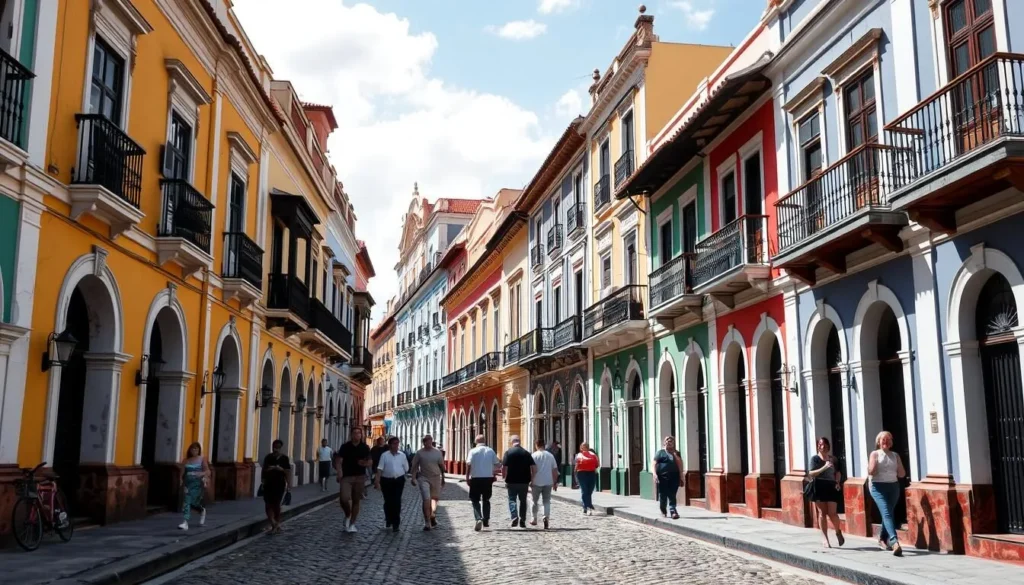
As the oldest European settlement in the Americas, Santo Domingo’s Colonial Zone (Zona Colonial) transports visitors back in time with its 16th-century Spanish architecture. Highlights include the First Cathedral of America, Alcázar de Colón (Columbus’s residence), and the pedestrian-friendly El Conde street lined with shops and cafes.
Samaná Peninsula: Natural Beauty
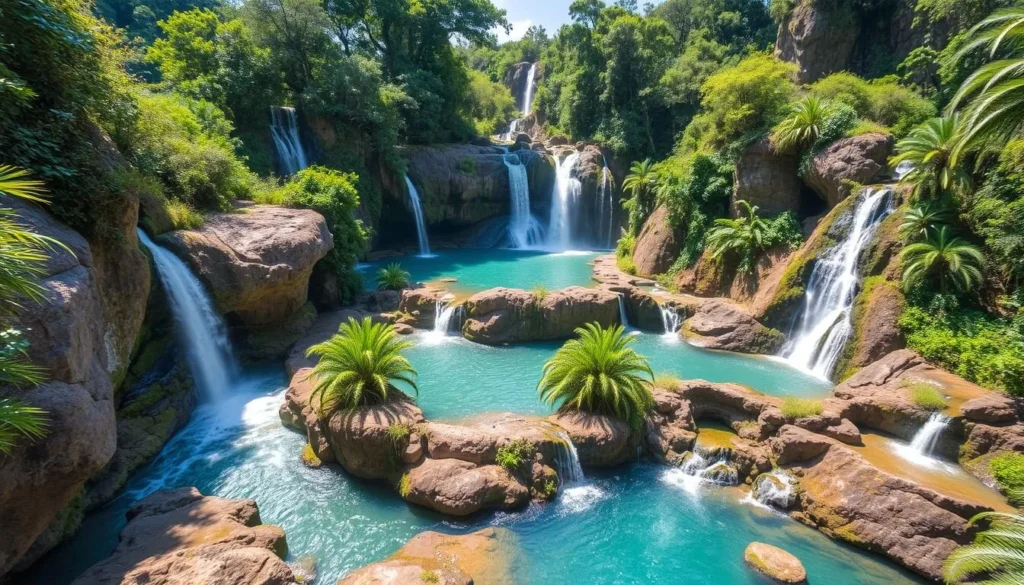
The Samaná Peninsula offers some of the country’s most spectacular natural attractions. El Limón Waterfall cascades 40 m (131 ft) into a refreshing natural pool, accessible via hiking trails or horseback. From January to March, thousands of humpback whales gather in Samaná Bay, creating one of the world’s most impressive whale-watching experiences.
Puerto Plata: Adventure Hub
The northern coast around Puerto Plata combines beautiful beaches with thrilling adventures. The 27 Waterfalls of Damajagua invite visitors to hike, swim, and slide through a series of natural pools and cascades. Nearby, the cable car to Mount Isabel de Torres provides panoramic views and access to a botanical garden and Christ the Redeemer statue.
Museums, Cultural Spots & Festivals
Museums
The Amber Museum in Puerto Plata showcases the Dominican Republic’s famous amber deposits, including rare specimens with preserved prehistoric insects. In Santo Domingo, the Museum of the Royal Houses offers insights into colonial governance, while the Alcázar de Colón displays period furniture and artifacts from Christopher Columbus’s family.
Cultural Experiences
For an authentic taste of Dominican culture, visit a cigar factory in Santiago to witness skilled artisans hand-rolling premium cigars. In La Romana, the recreated 16th-century Mediterranean village of Altos de Chavón houses artisan workshops, galleries, and an archaeological museum celebrating Taíno heritage.
Festivals
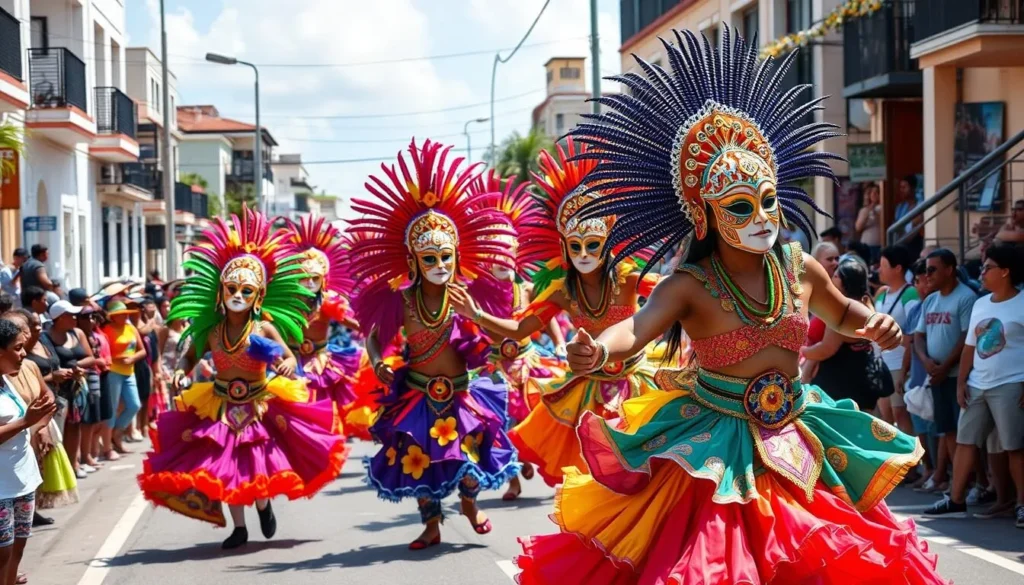
Dominican Carnival, celebrated throughout February with the grandest parades on Independence Day (February 27), features elaborate costumes, masks, music, and dancing in the streets. Each region showcases unique characters and traditions, with the most spectacular celebrations in La Vega, Santo Domingo, and Santiago.
Merengue and bachata music define Dominican identity, celebrated during the Merengue Festival in Santo Domingo (late July) and the Bachata Festival in Puerto Plata (September), featuring concerts, dance competitions, and cultural exhibitions.
Sports, Nature & Outdoor Experiences
Water Sports
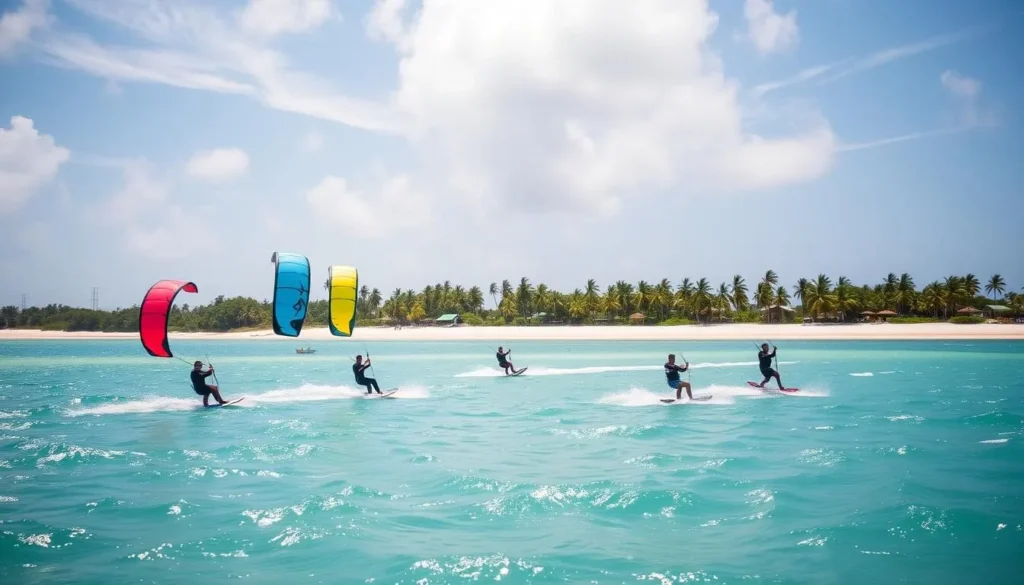
Cabarete, known as the “Kiteboarding Capital of the Caribbean,” offers ideal conditions for kitesurfers and windsurfers with consistent trade winds and protected bays. For scuba diving and snorkeling enthusiasts, the northern coast near Sosúa and the southern waters around Bayahibe reveal vibrant coral reefs, shipwrecks, and diverse marine life.
Hiking & Mountain Adventures
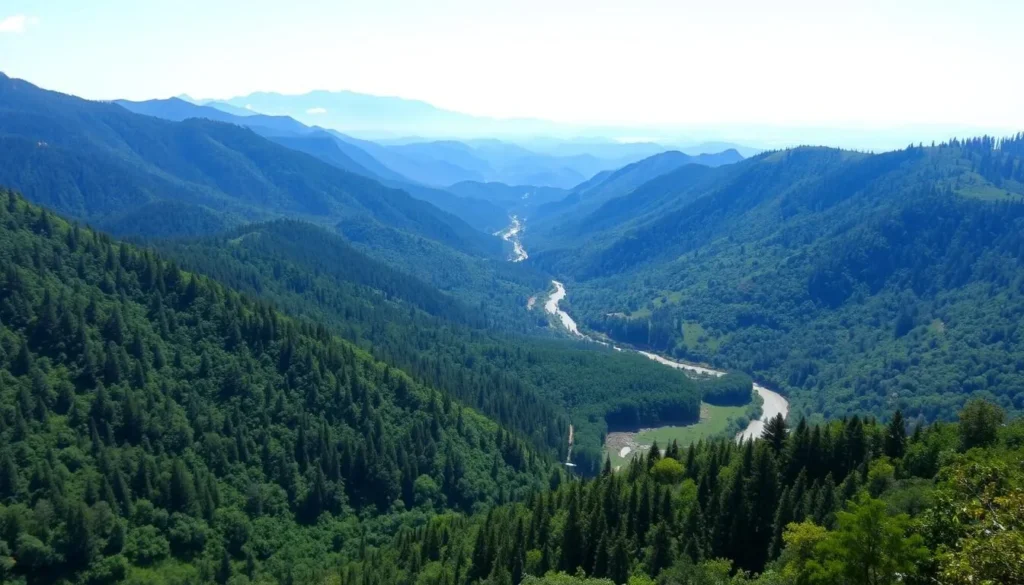
Pico Duarte, the Caribbean’s highest peak at 3,098 m (10,164 ft), challenges hikers with a multi-day trek through diverse ecosystems. For less strenuous options, Jarabacoa’s mountains offer shorter trails to waterfalls and lookout points, along with opportunities for paragliding, canyoning, and white-water rafting on the Yaque del Norte River.
Eco-Tourism
Los Haitises National Park protects 1,600 sq km (618 sq miles) of limestone karst landscape, mangrove forests, and bird-rich islands. Boat tours explore caves decorated with Taíno petroglyphs and navigate through mangrove channels teeming with wildlife.
Lake Enriquillo, the Caribbean’s largest lake and lowest point at 46 m (151 ft) below sea level, spans approximately 37,500 ha (92,650 acres). This hypersaline lake hosts one of the region’s largest populations of American crocodiles, along with flamingos and other water birds.
Safety, Etiquette & Local Customs
Safety Tips
The Dominican Republic is generally safe for tourists, especially within resort areas and major attractions. However, standard travel precautions apply. Avoid displaying valuable items, use hotel safes for passports and extra cash, and be vigilant in crowded areas where pickpocketing can occur.
When exploring beyond tourist zones, consider guided tours or travel with companions, particularly after dark. Use registered taxis or reputable ride-sharing services rather than unmarked vehicles, and be cautious when withdrawing money from ATMs.
Cultural Etiquette
Dominicans value politeness and personal connections. Basic Spanish phrases like “por favor” (please) and “gracias” (thank you) are appreciated, even if your Spanish is limited. Greetings typically include a handshake, while friends may exchange cheek kisses or embraces.
Dress modestly when visiting churches or small towns away from beach areas. While resort attire is acceptable in tourist zones, covering shoulders and knees shows respect when exploring local communities.
Tipping Customs
Many restaurants add a 10% service charge, but an additional 5-10% for good service is customary. For hotel staff, $1-2 USD per bag for bellhops and $1-2 USD per day for housekeeping is appropriate. Tour guides typically receive $5-10 USD per person for half-day excursions.
Visitor Comments About Dominican Republic
“The people’s warmth matched the tropical weather! The beaches were paradise, but what really made our trip special was how welcoming everyone was, from hotel staff to street vendors.”
“Beyond the resorts, the colonial zone and local markets showed us the real DR culture. Don’t miss the opportunity to explore Santo Domingo’s historic district—it’s like stepping back in time while still enjoying modern comforts.”
“The diversity from mountains to coast surprised us most. Every day offered something new—one day we were hiking through pine forests, the next swimming in crystal-clear cenotes, and then exploring colonial architecture.”
Additional Nearby Destinations
Island Excursions
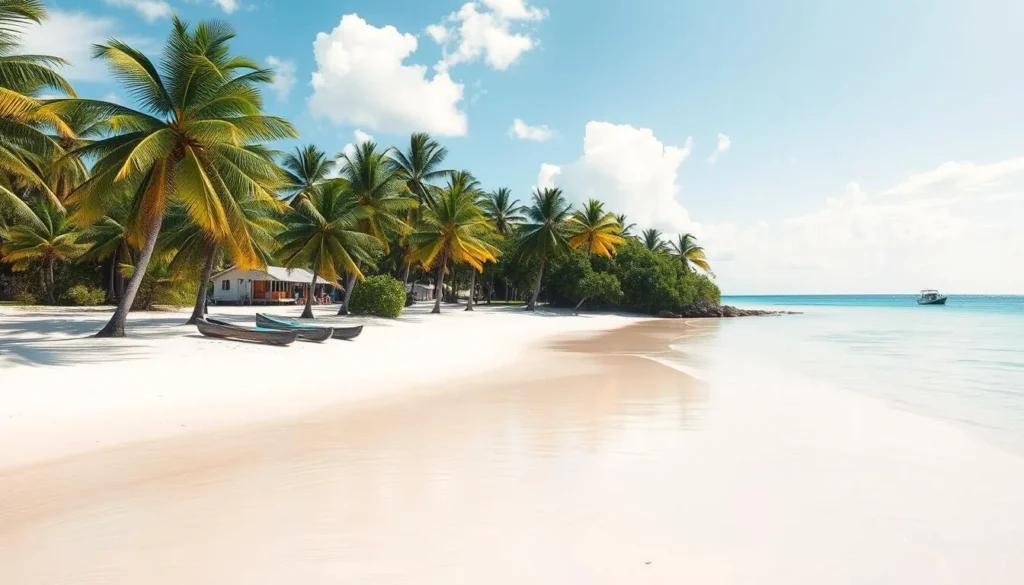
Saona Island, part of Cotubanamá National Park, offers day trips to pristine beaches and natural pools. The smaller Catalina Island provides excellent snorkeling and diving opportunities around coral reefs teeming with tropical fish.
Border Exploration
The border region with Haiti features unique landscapes like Lake Enriquillo and Bahía de las Águilas, one of the country’s most remote and unspoiled beaches stretching for 8 km (5 miles) along the southwestern coast.
Caribbean Neighbors
For extended Caribbean exploration, Puerto Rico lies just 112 km (70 miles) across the Mona Passage, accessible by short flights or ferry services. The Turks and Caicos Islands and eastern Cuba also offer relatively convenient multi-destination opportunities.
Practical Travel Tips
Currency & Payments
The Dominican Peso (DOP) is the local currency, though US dollars are widely accepted in tourist areas. ATMs are readily available in cities and resort areas, but carry some cash for smaller establishments and rural locations. Major credit cards are accepted at hotels, restaurants, and larger shops.
Communication
Purchase a local SIM card for affordable data and calls, available at airports and phone shops with just your passport. Free Wi-Fi is common in hotels, restaurants, and some public spaces. The country code for the Dominican Republic is +1-809, +1-829, or +1-849.
Health Precautions
Drink bottled water and avoid ice in smaller establishments. Apply mosquito repellent, particularly during dawn and dusk hours. Basic medical facilities are available in tourist areas, but comprehensive travel insurance is recommended for potential emergencies.
Electricity
The Dominican Republic uses 110V/60Hz with Type A and B plugs (same as the United States and Canada). Power outages occasionally occur, so keeping a portable charger for essential devices is advisable.
Your Caribbean Adventure Awaits
The Dominican Republic offers a perfect blend of natural beauty, rich history, and vibrant culture that extends far beyond its famous beaches. Whether you’re seeking relaxation under swaying palms, adventures through mountain landscapes, or immersion in centuries of colonial heritage, this Caribbean gem delivers unforgettable experiences at every turn. With friendly locals, diverse attractions, and activities for every interest, the Dominican Republic invites you to create your own perfect tropical getaway. As you plan your journey to this island paradise, remember that the most rewarding experiences often come from venturing beyond the resorts to discover the authentic heart of the Dominican Republic.
The above is subject to change.
Check back often to TRAVEL.COM for the latest travel tips and deals.



0 Comments