
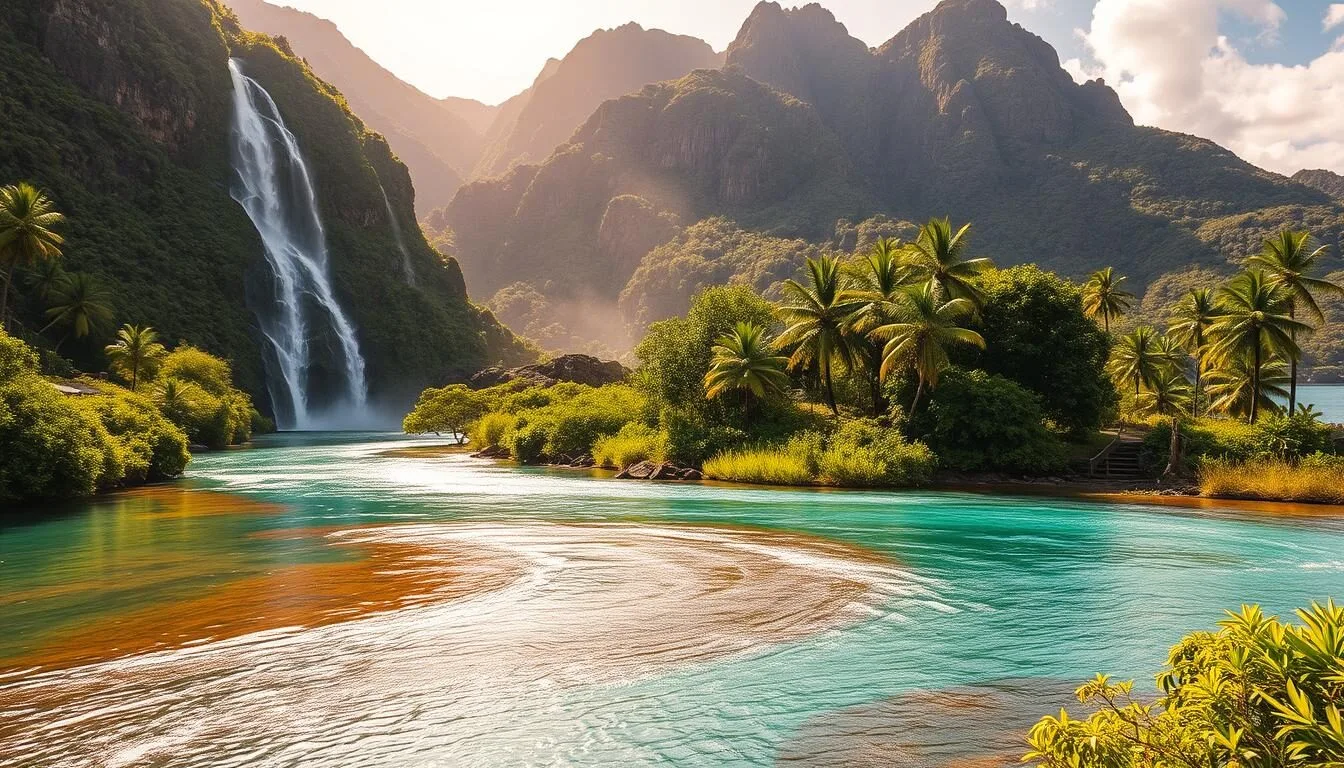
Imagine yourself surrounded by lush rainforests, volcanic landscapes, and pristine beaches, where the air is fresh and the water is crystal clear. Welcome to Basse-Terre, the western wing of Guadeloupe’s butterfly-shaped territory, a haven for nature lovers and adventure seekers.
Unlike its more developed counterpart, Grande-Terre, Basse-Terre Island offers a wilder, more natural experience, with stunning waterfalls and hiking trails waiting to be explored. As a UNESCO Biosphere Reserve, this island is a treasure trove of French Caribbean culture and volcanic topography.
In this comprehensive guide, you’ll discover the top attractions and activities that make Basse-Terre worth visiting, from its breathtaking beaches to its rich cultural heritage. Get ready to immerse yourself in an authentic Caribbean experience, far from the crowds of mass tourism.
Discovering the Wild Side of Guadeloupe
When visiting Guadeloupe, you’re not just visiting one island, but two distinct worlds. Guadeloupe is shaped like a butterfly, with two wings that offer very different experiences. The eastern wing, Grande-Terre, is where you’ll find beautiful beaches, numerous hotels, charming towns like Sainte-Anne and Saint-François, a variety of restaurants, and a lively nightlife scene. However, it’s also where you’ll encounter crowds and traffic jams.
The Two Faces of Guadeloupe
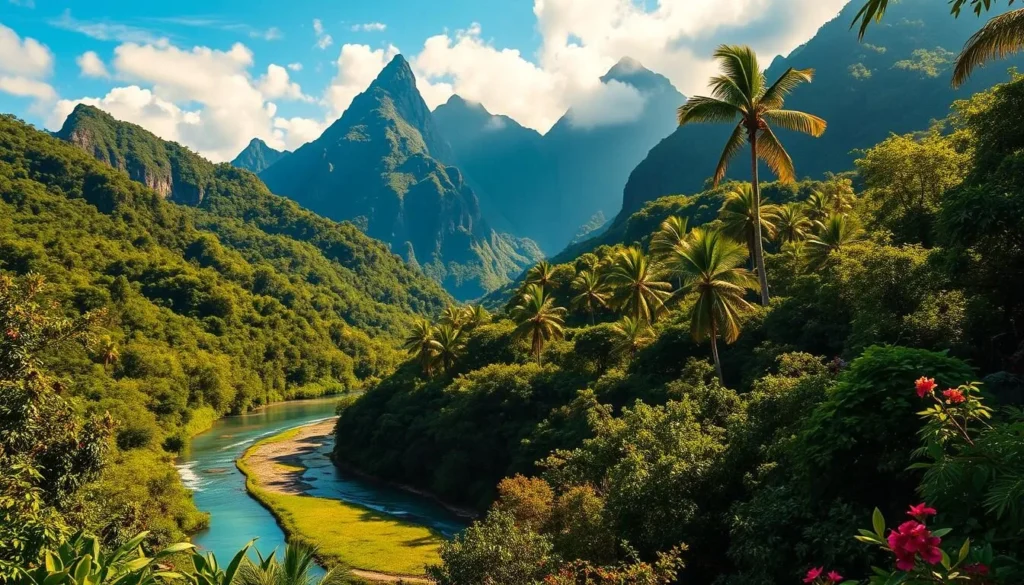
In contrast, the western wing, Basse-Terre, is much wilder and less crowded. It boasts stunning beaches, lush rainforests, waterfalls, natural hot springs, and volcanic peaks. Basse-Terre is a haven for hikers and nature lovers, home to the Guadeloupe National Park, a UNESCO Biosphere Reserve, and the Cousteau Marine Reserve. This part of Guadeloupe offers a more authentic experience, perfect for those seeking natural beauty and outdoor adventures.
Why Basse-Terre Deserves Your Time
Basse-Terre is often overlooked by first-time visitors who stay in Grande-Terre’s resort areas, missing out on the island’s natural wonders. However, Basse-Terre deserves at least several days of exploration, not just a day trip from Grande-Terre, due to its size and wealth of attractions. As you explore this place, you’ll discover that it’s an island with a rich natural heritage, waiting to be explored.
By spending time in Basse-Terre, you’ll experience the true essence of Guadeloupe, far from the crowds. Whether you’re hiking through rainforests, relaxing on secluded beaches, or exploring the island’s volcanic landscapes, Basse-Terre promises an unforgettable adventure.
Breathtaking Beaches of Basse-Terre
From secluded coves to expansive stretches of sand, Basse-Terre’s beaches are a treasure trove of experiences. You can explore the island’s west-facing coastline, which is often free of sargassum seaweed, a common issue in the Caribbean.
Grande Anse Beach
Grande Anse Beach is one of Basse-Terre’s most iconic beaches. It’s perfect for watching the sunset, but it can get crowded, so arriving early is recommended, especially for families with children, as the waves can be strong.
La Perle Beach
La Perle Beach, or Plage de la Perle, boasts translucent waters and is generally less crowded than Grande Anse. You can enjoy the serene atmosphere and picturesque surroundings.
Malendure Beach
Malendure Beach is famous for its sea turtles that can be spotted grazing in the seagrass beds about 25-50 meters from the shoreline. It’s also the gateway to the Cousteau Reserve, making it a perfect spot for snorkeling and diving excursions.
Lesser-Known Beach Gems
For a more secluded experience, consider visiting Petite Anse near Deshaies, which offers protected swimming and excellent snorkeling. You can also explore the southern Petite Anse near Trois-Rivières. Beach-hopping along Basse-Terre’s coast is one of the best ways to discover your own favorite spots away from the crowds.
With dozens of beautiful beaches to choose from, Basse-Terre has something for everyone. Whether you’re looking for a lively atmosphere or a secluded spot, you’ll find it on this stunning island.
Exploring Guadeloupe National Park
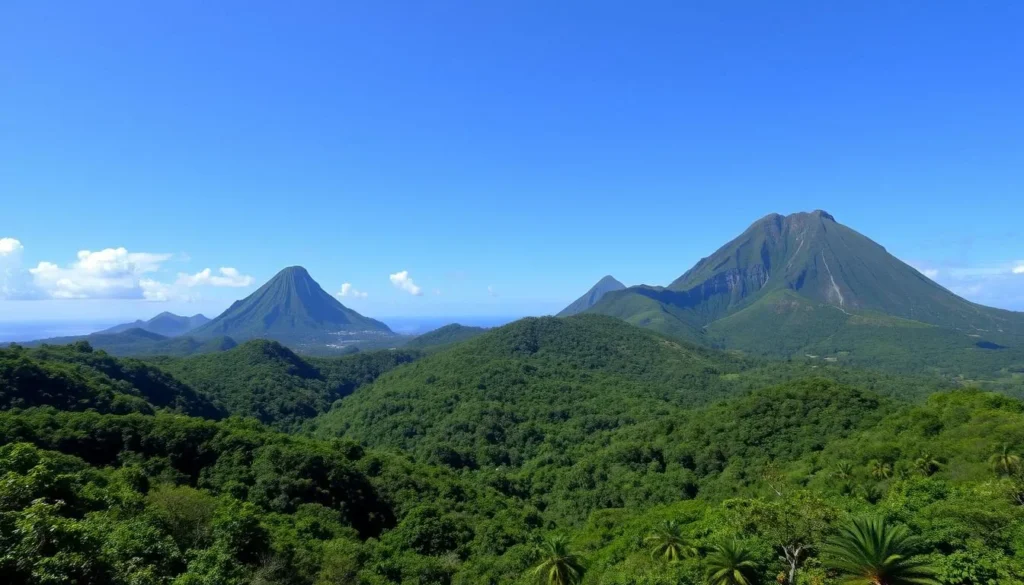
The Guadeloupe National Park, a UNESCO Biosphere Reserve, is a treasure trove of biodiversity and natural wonders. Established in 1989, it covers over 17,000 hectares of Basse-Terre’s interior, making it a paradise for nature lovers and adventure seekers.
UNESCO Biosphere Reserve
As a UNESCO Biosphere Reserve, Guadeloupe National Park is recognized for its exceptional biodiversity. The park’s diverse ecosystems range from coastal mangroves to tropical rainforests and the volcanic summit of La Soufrière.
Best Hiking Trails
The park offers numerous hiking trails, including the trail to Maison de la Forêt (Forest House), where you can learn about the park’s unique ecosystem. The “Route de la Traversée” (Cross Island Road) provides access to many of the park’s attractions and trailheads.
Wildlife and Plant Species
The park is home to an incredible array of wildlife and plant species, including over 300 species of trees, rare orchids, and endemic wildlife like the Guadeloupe woodpecker and raccoon. To make the most of your visit, stop by the park’s information centers to get maps, trail conditions, and guidance from park rangers.
Even if you’re not an avid hiker, you can still enjoy the park through scenic drives, short nature walks, and visits to accessible waterfalls like Cascade aux Écrevisses. Remember to respect park rules to preserve this natural treasure for future generations.
Hiking La Soufrière Volcano
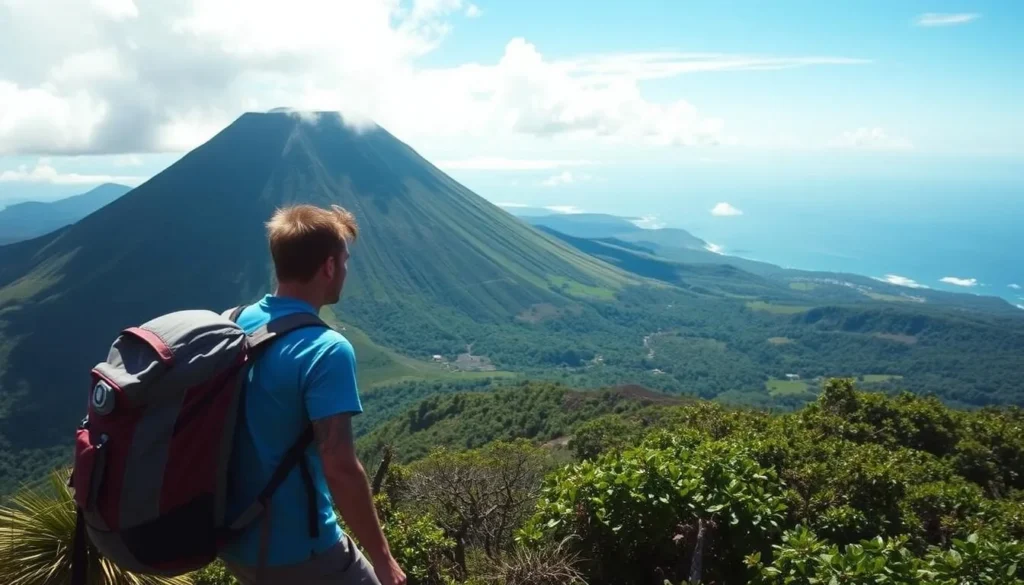
Guadeloupe’s La Soufrière volcano stands as the highest peak in the Lesser Antilles, offering a challenging yet rewarding hike with breathtaking views. At 1,467 meters (4,813 feet), it’s a must-do hike for adventure seekers visiting Basse-Terre Island.
Trail Difficulty and Duration
The hike to La Soufrière’s summit is considered intermediate to difficult, taking approximately 3 to 4 hours round trip. The trail includes steep and rocky sections, making proper hiking footwear essential for a safe and enjoyable experience.
What to Bring
To ensure a comfortable and safe hike, it’s crucial to bring:
- Plenty of water (at least 2 liters per person)
- Hiking shoes with good traction
- Sun protection (hat, sunscreen, sunglasses)
- Rain jacket, as weather conditions can change rapidly
- Snacks to keep your energy up
- A camera to capture the stunning views
Best Time to Hike
The best time to hike La Soufrière is early morning, starting around 7-8 AM. This timing helps you avoid afternoon clouds and rain, ensuring clearer views from the summit.
Safety Tips
While hiking La Soufrière, remember to:
- Never hike alone
- Inform someone of your hiking plans
- Stay on marked trails
- Be cautious around sulfur vents
- Turn back if weather conditions deteriorate
After your hike, you can relax and soothe your muscles at the nearby Bains Jaunes (Yellow Baths), a natural warm spring.
The panoramic views from the summit are truly breathtaking, offering a glimpse of Guadeloupe’s butterfly shape and neighboring islands on clear days.
Chasing Waterfalls: Carbet Falls and More
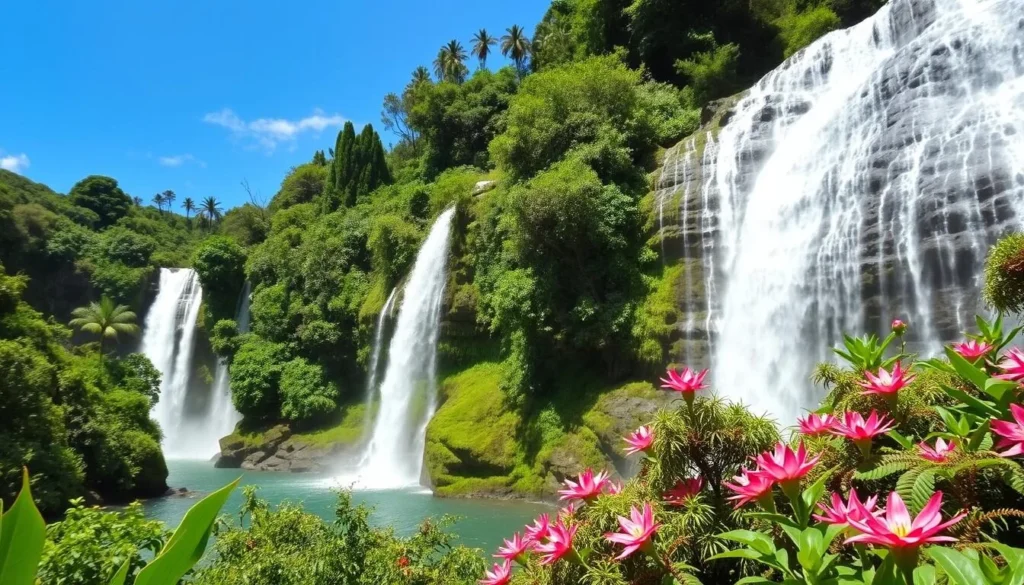
In the heart of Guadeloupe National Park, you’ll find the breathtaking Carbet Falls, a trio of waterfalls that will leave you speechless. The Carbet Falls, or Les Chutes du Carbet, are a stunning natural attraction nestled within the lush jungle forest of the park.
The Three Carbet Falls
The Carbet Falls consist of three separate waterfalls, each with its own unique character. The second, or middle, fall is the most accessible, requiring only a 45-minute round trip walk on a relatively smooth trail from the Visitors’ Center. For those who don’t want to venture far, a peek-a-boo view of the first and second falls is available just 200 meters from the Visitors’ Center.
The first, or top, Carbet waterfall is more challenging to reach, requiring a 3-4 hour round trip hike on an intermediate-to-difficult trail. However, the reward is well worth the effort, with spectacular views awaiting hikers.
Crayfish Waterfall
For a more family-friendly option, the Crayfish Waterfall, or Cascade aux Écrevisses, is located right off the D23 road. It’s a short 10-minutes walk over a platform to reach the waterfall. Visitors can enjoy a refreshing dip in the natural swimming pool, making it a popular spot with locals and tourists alike.
Hiking Routes and Accessibility
Proper footwear is essential for all waterfall hikes, as trails and rocks can be slippery, especially after rain. To avoid crowds, consider visiting the waterfalls early in the morning, especially at the easily accessible Crayfish Waterfall, which receives over 200,000 visitors annually.
Whether you’re hiking to Carbet Falls or visiting Crayfish Waterfall, the experience is sure to be unforgettable, surrounded by the lush beauty of Guadeloupe’s national park.
Diving and Snorkeling in the Cousteau Reserve
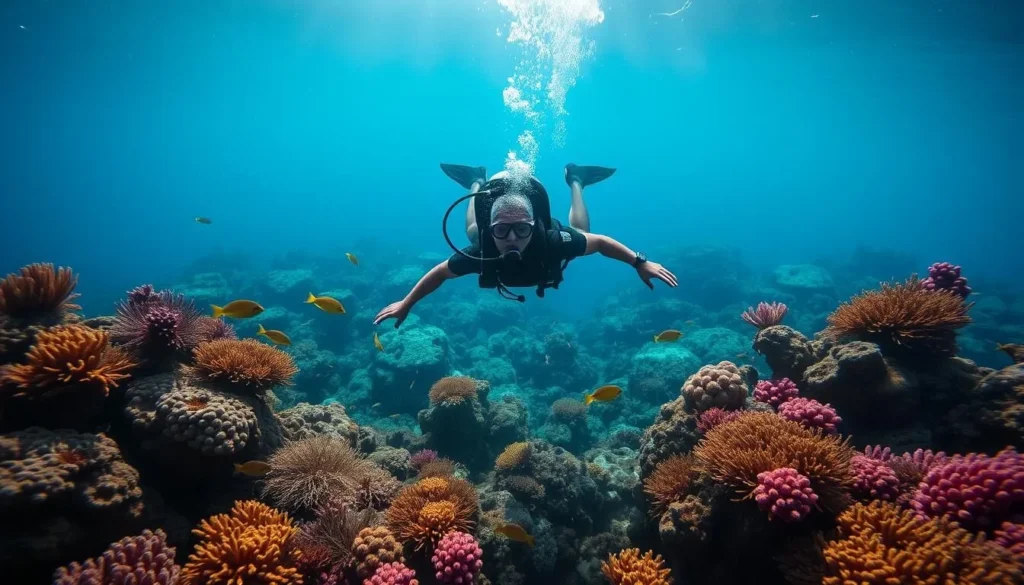
Named after the famous oceanographer Jacques Cousteau, this reserve is renowned for its exceptional diving and snorkeling opportunities. The Cousteau Reserve, located just off Malendure Beach in Bouillante, is a protected marine park since 1987, spanning over 200 hectares including the Pigeon Islands.
Marine Life and Coral Reefs
The reserve is home to over 160 marine species, featuring healthy, colorful coral formations, sea sponges of various shapes and sizes, and abundant reef fish. Visitors can expect to see angelfish, trumpetfish, parrotfish, trunkfish, moray eels, and hawksbill turtles, with occasional sightings of larger species like tazards.
Best Diving Spots
The underwater topography of the Cousteau Reserve consists mainly of dramatic drop-offs where coral shelters a multitude of marine life. Notable diving spots include “The Aquarium,” known for its fish-filled waters, and “Coral Garden,” where divers can find an underwater bust of Jacques Cousteau at 12 meters depth.
Snorkeling with Sea Turtles
Snorkelers can also enjoy the reserve’s wonders, either by kayaking from Malendure Beach to the Pigeon Islands or joining a boat tour. The calm and clear waters make it an ideal spot to observe sea turtles and other marine life in their natural habitat.
Recommended Tour Operators
To ensure a safe and enjoyable experience, it’s recommended to visit with accredited tour operators. Reputable dive operators include Les Heures Saines Plongée, PPK Plongée, and Atlantis Formation. For snorkeling, Gwada Pagaie offers kayak rentals with snorkeling gear. Visiting early in the morning is advised to avoid crowds and have a more peaceful experience with less disturbed marine life.
By exploring the Cousteau Reserve, you’ll not only witness the beauty of the sea but also contribute to the conservation of this precious ecosystem.
Basse-Terre Island, Guadeloupe: Best Things to Do for Nature Lovers
With its rich biodiversity and stunning natural scenery, Basse-Terre Island offers an unforgettable experience for nature enthusiasts. The island is home to a variety of landscapes and ecosystems that cater to different interests and activities.
Botanical Garden of Deshaies
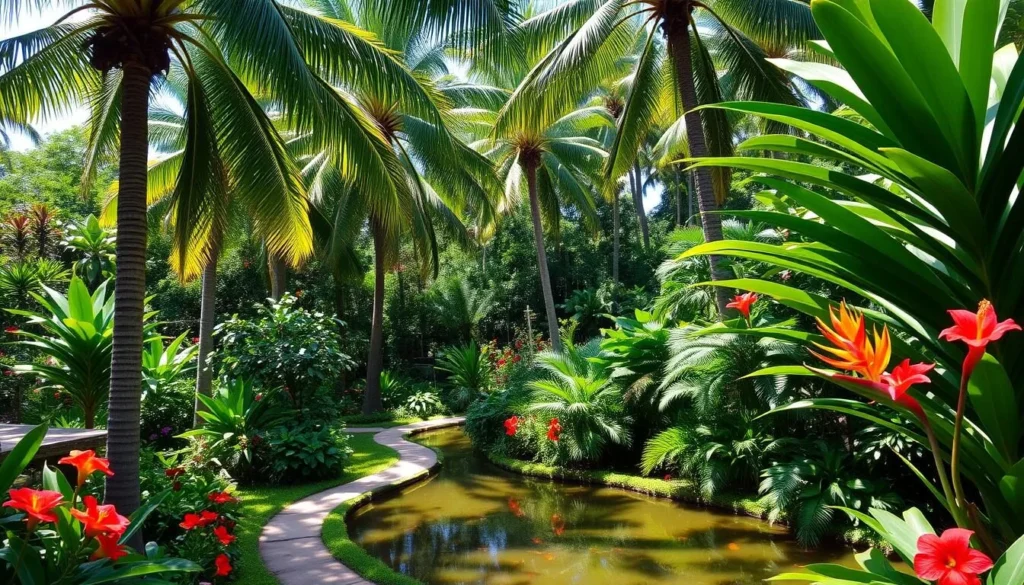
The Jardin Botanique de Deshaies is a 7-hectare botanical garden located on the northwest coast of Basse-Terre. This paradise features around 1,000 tropical plant species from around the world, created in the late 1990s on property once owned by French comedian Coluche. As you stroll through the garden, you’ll discover diverse sections dedicated to orchids, cacti, bougainvillea, hibiscus, and ferns, as well as magnificent water lilies blooming in various colors.
The garden is designed with wide, accessible paths, making it suitable for all visitors, including those with strollers or limited mobility. The entrance fee is approximately €15 per person, and visitors should plan for about 2 hours to fully enjoy the experience.
Bird Watching Opportunities
Basse-Terre Island is a haven for bird watchers, with opportunities to spot species like the Guadeloupe woodpecker, hummingbirds, bananaquits, and various migratory birds. The island’s diverse ecosystems provide a habitat for a wide range of birdlife, making it a fascinating destination for ornithologists and nature enthusiasts alike.
- Guadeloupe woodpecker
- Hummingbirds
- Bananaquits
- Migratory birds
Rainforest Exploration
Beyond the main hiking trails, Basse-Terre offers guided nature walks with local experts who can identify plants, birds, and other wildlife. Nature lovers can also explore the mangrove ecosystems along Basse-Terre’s coast, which serve as important nurseries for marine life and can be discovered via kayak tours.
These rainforest exploration options provide a deeper understanding of the island’s rich biodiversity and offer an immersive experience in the natural beauty of Basse-Terre.
Hot Springs and Thermal Baths
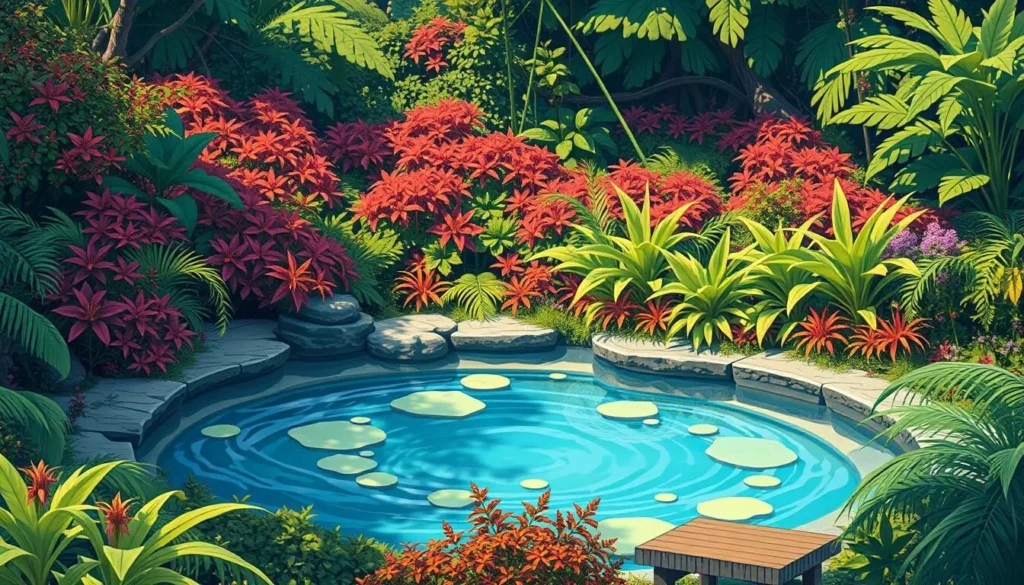
Basse-Terre Island, Guadeloupe, boasts a variety of natural hot springs and thermal baths, thanks to its volcanic landscape. Visitors can indulge in therapeutic and relaxing bathing experiences at several locations across the island.
Bain Chaud de Bouillante
Bain Chaud de Bouillante offers a unique hot spring experience. Here, geothermal waters from the town’s geothermal plant are cooled to 45°C and then mix with the sea, creating a natural hot tub effect right on the beach. To visit, look for the Aux Sources Chaudes restaurant on the beach and park across the street. Be sure to wear reef shoes as the beach is pebbly.
Les Bains Jaunes
Les Bains Jaunes, or Yellow Baths, is another popular spot, especially among hikers tackling La Soufrière volcano. The sulfur-rich waters are believed to soothe tired muscles, making it a great place to relax after a hike.
Safety Considerations
While enjoying the hot springs, it’s crucial to be aware of safety considerations. Avoid submerging your head underwater due to the risk of Naegleria fowleri amoeba in some natural hot springs. Visiting early in the morning or during weekdays can also help you avoid crowds.
In addition to Bain Chaud de Bouillante and Les Bains Jaunes, other hot springs on the island include Les Bains de Thomas in Bouillante, Sofaïa Sulphur Baths in Sainte-Rose, and Les Bains D’amour (Sources de Dole) in Gourbeyre. Each offers a unique experience, showcasing the natural beauty and therapeutic benefits of Basse-Terre’s hot springs.
Day Trip to Les Saintes
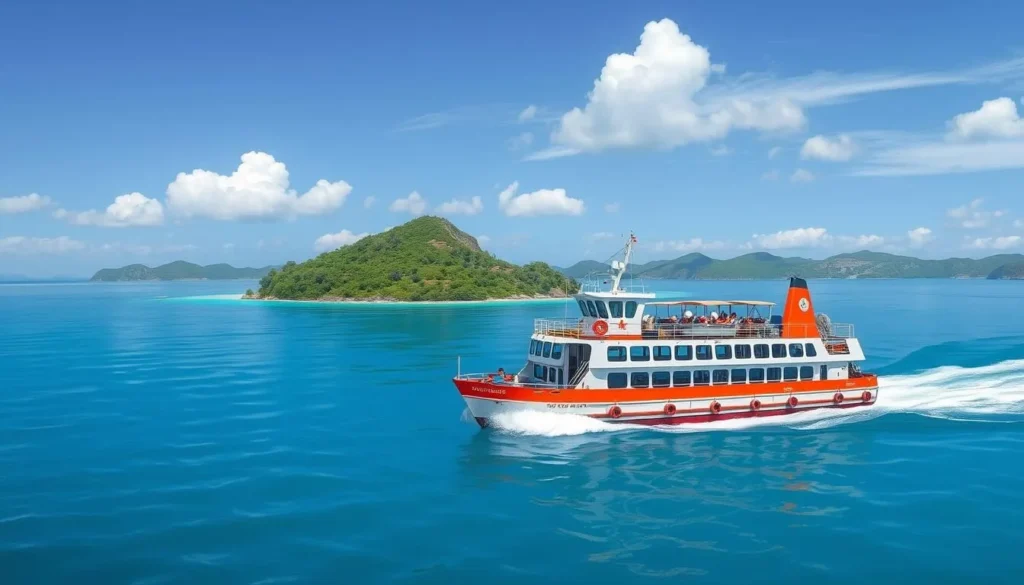
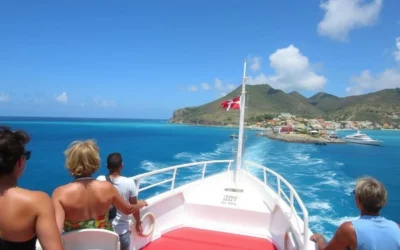
You can experience the beauty of Les Saintes with a day trip from Basse-Terre. Les Saintes is an archipelago of nine small islands located just south of Basse-Terre, with Terre-de-Haut being the main inhabited island. This charming island is known for its stunning turquoise waters, white sandy beaches, and vibrant Creole culture.
Ferry Information
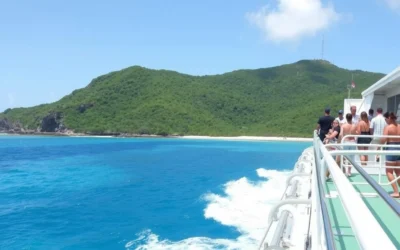
The ferry to Terre-de-Haut departs multiple times daily from Trois-Rivières at the southern tip of Basse-Terre. The scenic journey takes approximately 25 minutes each way. It’s highly recommended to book your ferry tickets in advance, especially during the high tourist season (December-March), through operators like CTM Deher.
Exploring Terre-de-Haut
Terre-de-Haut has a small population of about 1,500 inhabitants, many of whom make their living from fishing and tourism. Visitors can enjoy a wide range of activities, including snorkeling, scuba diving, hiking, and exploring the island’s historic sites. You don’t need a car on Terre-de-Haut, but renting a golf cart or electric bike can help you make the most of your day trip.
Must-See Attractions
Some of the must-see attractions on Terre-de-Haut include Fort Napoléon, which features a historical museum and botanical garden, Pain de Sucre Beach, and the picturesque village of Bourg with its waterfront promenade. Be sure to visit these iconic spots to experience the full charm of the island.
Local Cuisine
Don’t miss the opportunity to try the local cuisine specialties, particularly the island’s famous “tourment d’amour” (a coconut or guava tart) and fresh seafood dishes at waterfront restaurants. Savoring the local flavors is a great way to complete your day trip experience.
Alternatively, you can consider taking a sailing day trip around Les Saintes from Gourbeyre for a guided experience with snorkeling opportunities. This option offers a unique perspective on the islands and their marine life.
Historical Sites and Cultural Experiences
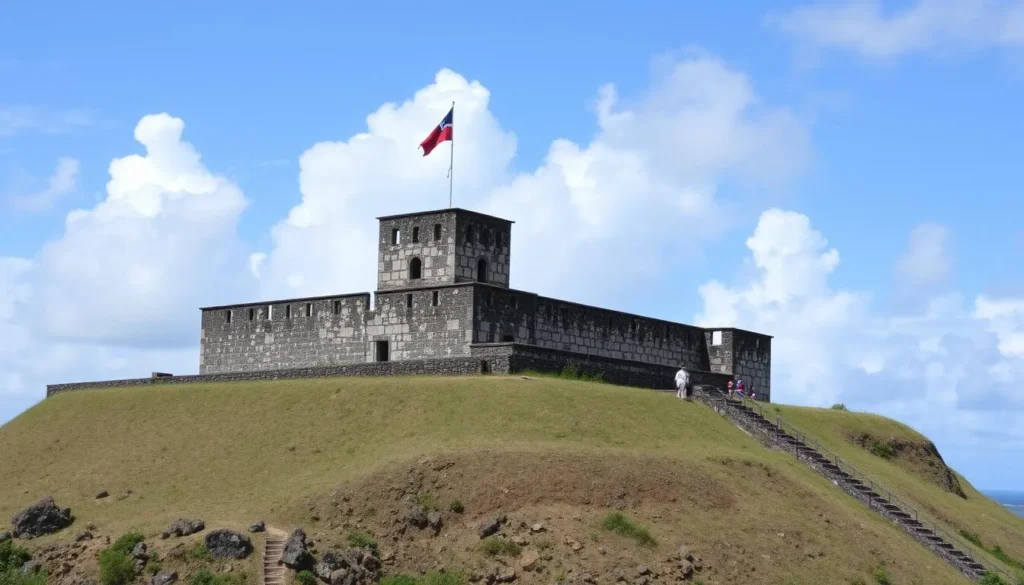
The island of Basse-Terre is steeped in history, from its colonial past to its struggle for independence. As you explore this captivating island, you’ll encounter numerous historical sites and cultural experiences that showcase its rich heritage.
Fort Delgrès
One of the most significant historical sites on the island is Fort Delgrès, built in the 17th century. Originally used as a military base to defend Guadeloupe against foreign invaders, the fort is now a symbol of the island’s struggle for freedom, named after Louis Delgrès, a Guadeloupean revolutionary leader who fought against the reinstatement of slavery in 1802. Perched strategically overlooking Basse-Terre city and the Caribbean Sea, Fort Delgrès offers visitors both historical insights and breathtaking panoramic views.
Colonial Architecture
The colonial architecture found throughout Basse-Terre is another testament to the island’s history. Towns like Basse-Terre city, the administrative capital, boast historic buildings, churches, and traditional Creole houses that reflect the island’s cultural melting pot.
Local Markets
To experience authentic Guadeloupean culture, be sure to visit the local markets in towns like Basse-Terre city and Sainte-Claude. Here, you can sample local products, purchase handmade crafts, and soak up the vibrant atmosphere. Visiting during cultural events and festivals is highly recommended, as you can enjoy traditional music, dance, and cuisine that reflect the island’s unique blend of African, European, and Caribbean influences.
Understanding Basse-Terre’s history enhances your appreciation of its natural beauty, providing context for the island’s development and cultural landscape. A visit to this place is not complete without exploring its historical sites and immersing yourself in its rich cultural heritage on this beautiful island, particularly at a historic fort.
Tasting Tours: Rum, Chocolate, and Coffee
Taste the essence of Guadeloupe in Basse-Terre, where local producers invite you to explore their craft through immersive tours and tastings. You can spend all day discovering the production processes behind some of Guadeloupe’s most famous exports.
Rhum Bologne Distillery
Rhum Bologne is Guadeloupe’s oldest distillery, famous for its award-winning blends. The distillery offers an immersive tour that includes the cane plots, the distillery, the bottling line, the aging cellar, and of course, a tasting. Be sure to book ahead.
Chocolate Making Workshops
At places like La Maison du Cacao and Gwakako, you can participate in chocolate-making workshops. Learn about cacao cultivation, processing, and even make your own chocolate bars from locally-grown beans. These workshops offer a fun and informative experience.
Banana Plantation Tours
Visit a banana plantation like La Maison de la Banane to discover that banana plants are technically herbs. Learn about cultivation methods and taste different banana varieties and products. This visit to a local plantation is a great place to learn about Guadeloupe’s agricultural practices.
These tasting tours make excellent rainy day activities, providing both shelter and enriching cultural experiences. It’s recommended to book these tours in advance, especially during high season. Some tours, like La Maison du Cacao’s 12 PM English tour, offer special language options.
Combining these tasting experiences with visits to local markets allows you to purchase these products as authentic souvenirs of your Guadeloupe trip.
Adventure Activities: Canyoning and More
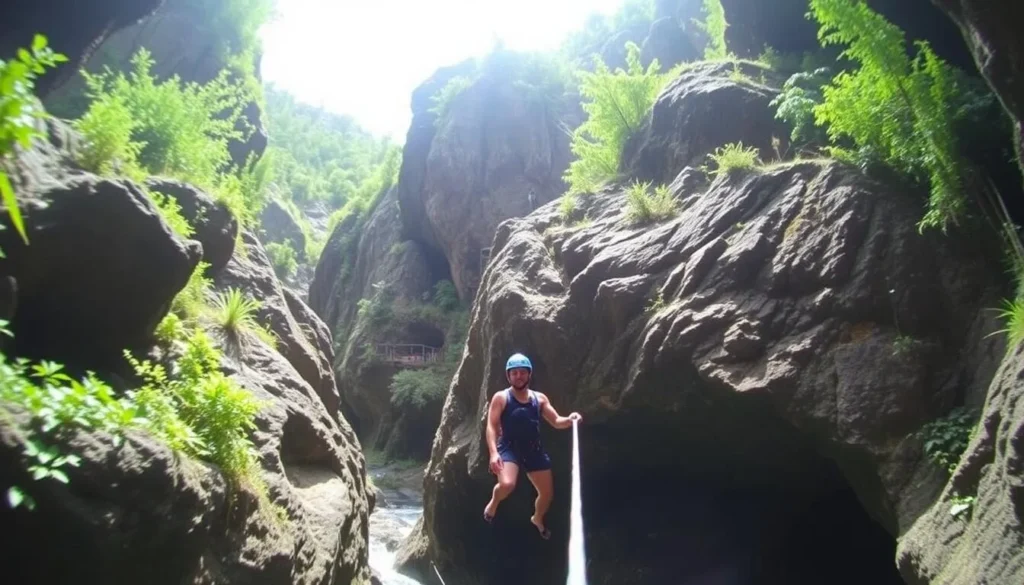
Get ready for an adrenaline rush on Basse-Terre Island, Guadeloupe, where adventure activities await. The island’s rugged terrain, rivers, waterfalls, and rainforests provide the perfect setting for thrilling experiences.
Best Canyoning Spots
Canyoning is one of the island’s premier adventure experiences, with spots like Ravine Chaude canyon offering thrilling descents through tropical gorges with natural slides, jumps, and rappels. For families, Ti Canyon is a great option, providing a 4-hour experience in the heart of the Guadeloupe rainforest, suitable for children aged 8 and over.
Kayaking and Stand-Up Paddleboarding
Explore Basse-Terre’s western coast by water, particularly around Malendure Beach and the Cousteau Reserve, where paddlers can explore mangroves, reach snorkeling spots, and potentially spot sea turtles. You can rent equipment and join a guided tour to make the most of your experience.
Zip-lining Through the Rainforest
For a bird’s-eye view of Basse-Terre’s lush landscapes, try zip-lining through the rainforest canopy. This exhilarating activity offers a unique perspective on the island’s natural beauty. Most adventure activities include equipment rental and professional guides who prioritize safety while sharing knowledge about local ecosystems and geology.
To make the most of your adventure experience, be sure to book your tours in advance, especially during high season. Wear quick-dry clothing and water shoes for water-based activities, and enjoy the unique perspectives on Basse-Terre’s natural wonders.
Planning Your Perfect Basse-Terre Getaway
Planning a trip to Basse-Terre requires some insider knowledge to ensure you don’t miss out on the island’s hidden gems. To make the most of your trip, understanding the best time to visit is crucial.
The best time to visit Basse-Terre is from December to May, when the weather is typically dry and sunny, avoiding the rainy season from June to October. This period is ideal for enjoying the beaches and outdoor activities without the hindrance of rain.
Renting a car is essential for exploring Basse-Terre due to the distances between attractions and limited public transportation. For instance, driving from Trois Rivières in the south to Deshaies in the north takes about 90 minutes on winding roads.
A minimum stay of 3-4 days is recommended to experience Basse-Terre’s diverse attractions without rushing. However, a week would allow for a more relaxed pace, giving you time to enjoy the island‘s natural beauty and cultural heritage.
Consider basing yourself in either the Deshaies area for beaches and northern attractions or near Trois-Rivières for southern attractions and easy access to Les Saintes. Alternatively, splitting your stay between both areas could be a great way to experience all that Basse-Terre has to offer.
Basse-Terre’s west-facing beaches are generally less affected by sargassum seaweed compared to those on Grande-Terre. For the best chances of seaweed-free beaches, plan your visit between December and February.
Practical tips for your trip include knowing that the local currency is the Euro, and tipping is not expected. While French is the predominant language, many tourism workers speak English. Don’t forget to pack reef-safe sunscreen, insect repellent, hiking shoes, and reef shoes to make the most of your experience.
Balancing beach days with more active adventures will make for a well-rounded trip. Be sure to allow time for recovery after strenuous activities like hiking La Soufrière or canyoning.
Basse-Terre offers a more authentic, less commercialized experience of Guadeloupe compared to Grande-Terre, making it ideal for travelers seeking natural beauty, outdoor adventures, and cultural immersion.
The above is subject to change.
Check back often to TRAVEL.COM for the latest travel tips and deals.
0 Comments