
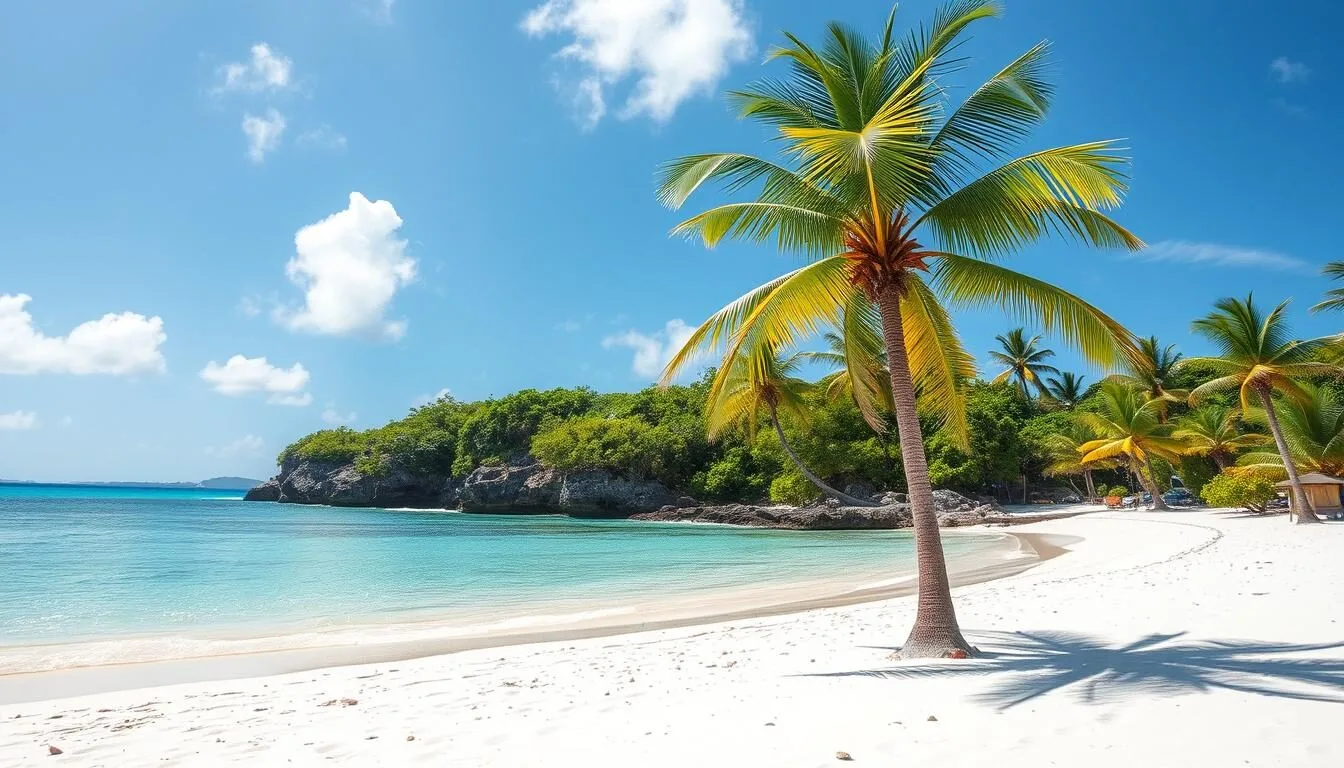
Did you know that Guadeloupe receives over 2,800 hours of sunshine annually, yet is also one of the wettest islands in the Caribbean? This butterfly-shaped French overseas territory offers a fascinating climate paradox that savvy travelers need to understand before booking their tropical escape. With its unique microclimate variations between Grande-Terre and Basse-Terre, timing your visit can make the difference between a picture-perfect vacation and one dampened by frequent downpours.
Getting There & Planning Your Journey
Guadeloupe is accessible via Pointe-à-Pitre International Airport, with direct flights from Paris, Miami, and several Caribbean islands. From Europe, Air France, Air Caraïbes, and Corsair offer regular connections. North American travelers can find flights through Miami or San Juan, Puerto Rico.
When planning your trip, consider that flight prices typically increase during the high season (December-April) and French school holidays. Booking 3-4 months in advance is recommended, especially if you’re planning to visit during the peak dry season or Carnival period in February.
Best Time to Visit & Weather Tips
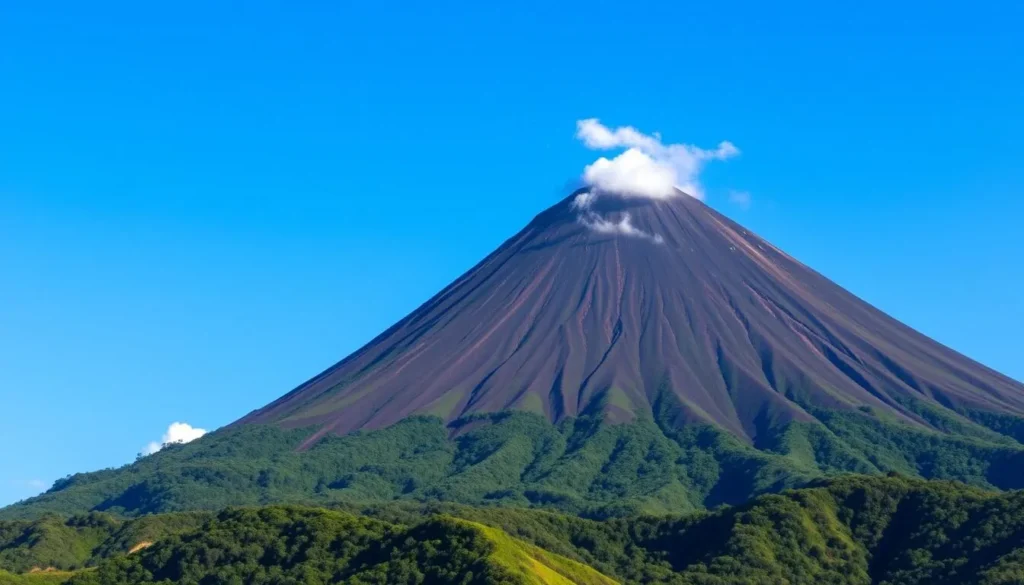
Guadeloupe enjoys a tropical climate with two distinct seasons: a dry, cooler season from December to April (known locally as “carême”) and a hot, humid, rainy season from June to November (called “hivernage”). The island’s butterfly shape creates interesting microclimates, with Basse-Terre receiving significantly more rainfall due to its mountainous terrain.
Monthly Weather Guide for Guadeloupe
| Month | Weather | What to Wear | Things to Do | Pros & Cons |
| January | 25°C (77°F) / 21°C (70°F), 80 mm (3.1 in), 11h daylight, 75% humidity | Light cotton clothing, light sweater for evenings, sun hat, swimwear | Beach activities, snorkeling, Carnival events begin, hiking La Soufrière | ✅ Dry weather, perfect temperatures ❌ High season prices, busier beaches |
| February | 25°C (77°F) / 21°C (70°F), 60 mm (2.4 in), 11.5h daylight, 74% humidity | Light breathable clothing, swimwear, sun protection | Carnival celebrations, whale watching, beach time, snorkeling | ✅ Driest month, vibrant Carnival atmosphere ❌ Peak tourist season, higher prices |
| March | 26°C (79°F) / 21°C (70°F), 75 mm (3 in), 12h daylight, 73% humidity | Light clothing, swimwear, sun protection | Whale watching, hiking, Mid-Lent carnivals, beach activities | ✅ Sunniest month, warm waters ❌ Still high season with premium prices |
| April | 27°C (81°F) / 22°C (72°F), 100 mm (3.9 in), 12.5h daylight, 75% humidity | Light clothing, swimwear, light rain jacket | Easter celebrations, beach activities, exploring rainforests | ✅ Less crowded than peak months ❌ Slightly increasing rainfall |
| May | 28°C (82°F) / 23°C (73°F), 125 mm (4.9 in), 13h daylight, 77% humidity | Light clothing, rain jacket, water-resistant footwear | Terre de Blues music festival, less crowded beaches, rainforest hikes | ✅ Lower prices, fewer tourists ❌ Increasing rainfall, higher humidity |
| June | 29°C (84°F) / 24°C (75°F), 150 mm (5.9 in), 13h daylight, 78% humidity | Lightweight breathable clothing, rain gear, water-resistant footwear | Fête de la Musique, beach activities between rain showers | ✅ Good deals on accommodations ❌ Start of rainy season, higher humidity |
| July | 29°C (84°F) / 24°C (75°F), 175 mm (6.9 in), 13h daylight, 80% humidity | Very light clothing, rain gear, moisture-wicking fabrics | Cultural festivals, beach time between showers, local markets | ✅ Vibrant local festivals, fewer tourists ❌ Regular rain showers, high humidity |
| August | 29°C (84°F) / 24°C (75°F), 200 mm (7.9 in), 12.5h daylight, 81% humidity | Lightweight clothing, quality rain gear, moisture-wicking fabrics | Local festivals, indoor activities, beach visits between showers | ✅ Low season rates ❌ Hurricane risk begins, frequent rain |
| September | 29°C (84°F) / 24°C (75°F), 225 mm (8.9 in), 12h daylight, 82% humidity | Lightweight clothing, quality rain gear | Indoor activities, museum visits, short beach breaks | ✅ Lowest prices of the year ❌ Peak hurricane season, very wet |
| October | 28°C (82°F) / 23°C (73°F), 225 mm (8.9 in), 11.5h daylight, 81% humidity | Lightweight clothing, quality rain gear | Creole Week celebrations, indoor activities, cooking classes | ✅ Authentic cultural experiences ❌ Very wet, continued hurricane risk |
| November | 27°C (81°F) / 22°C (72°F), 175 mm (6.9 in), 11h daylight, 79% humidity | Light clothing, light rain jacket | All Saints’ Day celebrations, beginning of hiking season | ✅ Decreasing rainfall, lower prices ❌ Still quite wet, lingering hurricane risk |
| December | 26°C (79°F) / 22°C (72°F), 125 mm (4.9 in), 11h daylight, 77% humidity | Light clothing, light sweater for evenings, swimwear | Christmas celebrations, beach activities, snorkeling, hiking | ✅ Beginning of dry season, festive atmosphere ❌ Prices begin to rise, becoming busier |
Seasonal Overview
Dry Season (December-April)
Weather: 25-27°C (77-81°F), low rainfall, pleasant humidity
What to Wear: Light clothing, swimwear, sun protection
Things to Do: Beach activities, snorkeling, hiking, Carnival
Pros: Perfect weather, ideal for outdoor activities
Cons: Higher prices, more tourists
Transition Season (May-June)
Weather: 28-29°C (82-84°F), increasing rainfall, higher humidity
What to Wear: Light clothing, rain gear
Things to Do: Music festivals, less crowded beaches
Pros: Good balance of weather and prices
Cons: Unpredictable rain showers
Rainy Season (July-September)
Weather: 29°C (84°F), heavy rainfall, high humidity
What to Wear: Very light clothing, quality rain gear
Things to Do: Cultural events, indoor activities
Pros: Lowest prices, authentic experiences
Cons: Hurricane risk, frequent downpours
Late Rainy Season (October-November)
Weather: 27-28°C (81-82°F), decreasing rainfall
What to Wear: Light clothing, light rain jacket
Things to Do: Creole Week, All Saints’ celebrations
Pros: Decreasing rain, good deals
Cons: Still quite wet, some hurricane risk
Best Time to Visit Guadeloupe
Recommended: January to April offers the ideal combination of dry weather, warm temperatures, and vibrant cultural events like Carnival.
Good alternative: December and May bookend the high season with decent weather and better prices.
Avoid if possible: August to October, which constitute the peak of hurricane season with frequent heavy rainfall.
Getting Around Locally
Exploring Guadeloupe’s butterfly-shaped islands requires careful transportation planning. The archipelago’s size is deceptively large, with travel times between attractions often taking longer than expected.
Rental Car
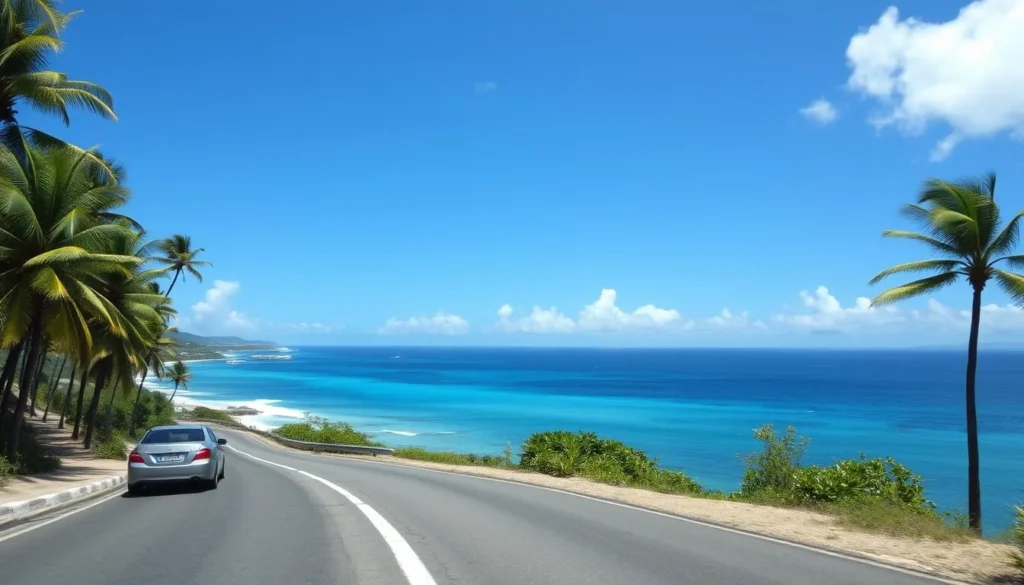
The most convenient option for exploring at your own pace. Roads are well-maintained on Grande-Terre but can be winding and challenging on mountainous Basse-Terre. Book in advance during high season (December-April).
Public Transportation
Limited but available. “Cars” (local buses) connect major towns but have unpredictable schedules. Collective taxis are another option for getting between main areas, though they don’t run on a fixed schedule.
Inter-Island Ferries
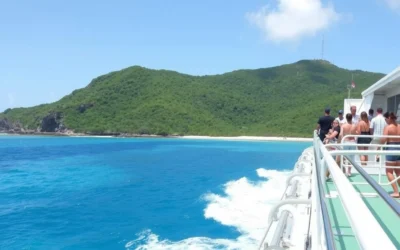
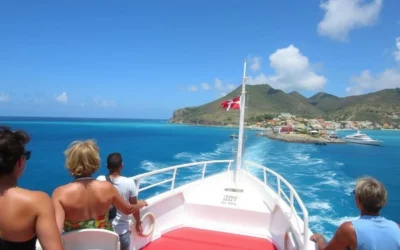
Regular boat services connect the main islands. Ferries to Les Saintes depart from Trois-Rivières, while boats to Marie-Galante leave from Pointe-à-Pitre and Saint-François.
Taxis
Available but expensive. Agree on the fare before departing, as most don’t use meters. Some taxi drivers also offer island tours at negotiable rates.
Where to Stay
Guadeloupe offers diverse accommodation options across its different islands and regions. Your choice of location significantly impacts your experience, as travel times between areas can be substantial.
Basse-Terre (West Coast)
Perfect for nature lovers and hikers. The lush, mountainous region offers access to La Soufrière volcano, rainforest trails, and excellent snorkeling spots. Deshaies and Bouillante are popular bases with beautiful beaches and natural surroundings.
Grande-Terre
The eastern wing offers the best beaches and nightlife. Le Gosier is convenient for first-time visitors, while Sainte-Anne and Saint-François feature stunning beaches and a more resort-like atmosphere. Perfect for beach lovers and those seeking more amenities.
Les Saintes & Marie-Galante
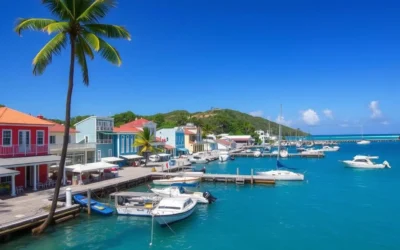
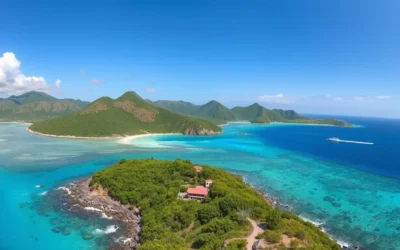
These smaller islands offer a more authentic, laid-back experience. Terre-de-Haut in Les Saintes features one of the world’s most beautiful bays and a charming village atmosphere. Marie-Galante provides a glimpse of rural Caribbean life with beautiful beaches.
Accommodation Types
Hotels & Resorts
Limited compared to other Caribbean destinations. Most are small to medium-sized with 3-4 star ratings. La Créole Beach Hotel & Spa in Le Gosier and Langley Resort Fort Royal in Deshaies are among the larger options.
Gîtes & Bungalows
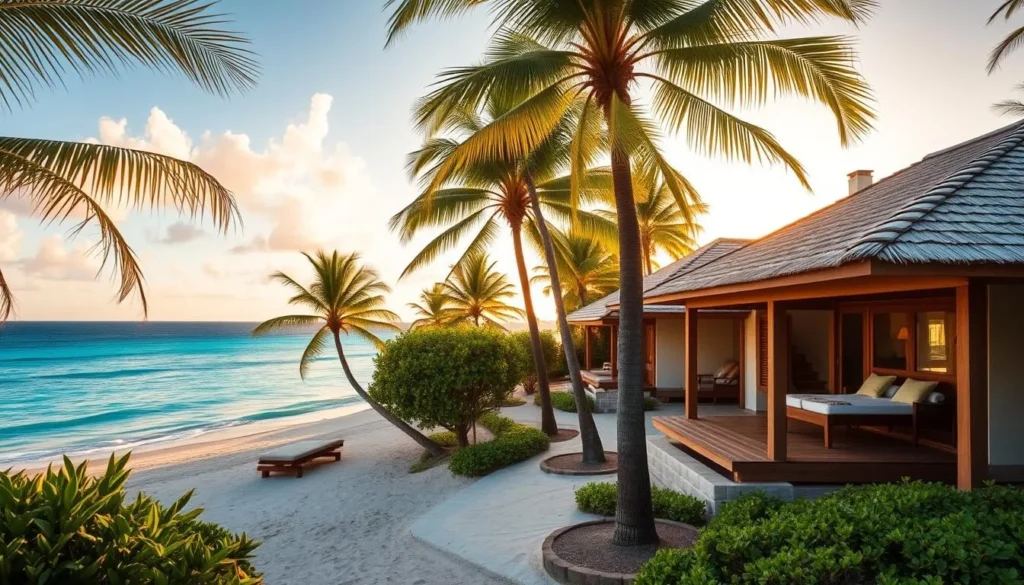
The most common and authentic accommodation type. These self-catering cottages and bungalows range from simple to luxurious and often provide a more immersive experience with local hosts offering valuable tips.
Dining & Local Cuisine
Guadeloupean cuisine blends French culinary techniques with African, Indian, and Caribbean influences, creating a unique and flavorful food experience. Fresh seafood, tropical fruits, and spices feature prominently in local dishes.
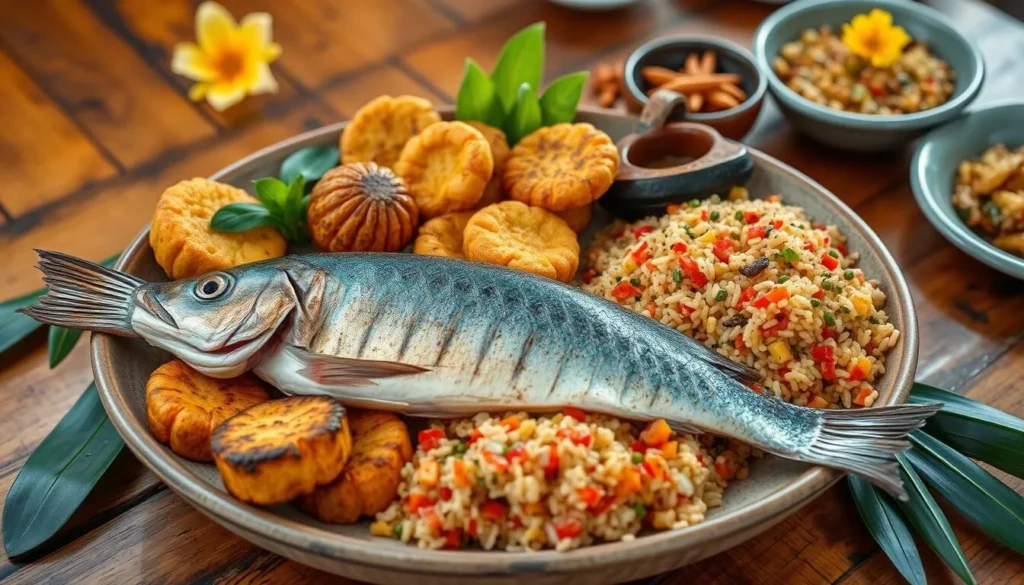
Must-Try Local Specialties
Drinks & Spirits
Rum (Rhum)
Guadeloupe is famous for its agricultural rum (rhum agricole) made directly from sugarcane juice rather than molasses. Visit distilleries like Damoiseau, Longueteau, or Bologne for tastings and tours.
Ti’ Punch
The signature cocktail combines white rum, lime, and cane sugar syrup. Traditionally served without ice, though tourists often request it “avec glaçon” (with ice).
Dining Tip: Restaurants in tourist areas often close during the low season (May-November). In high season, reservations are recommended for popular establishments, especially in Les Saintes and Saint-François.
Attractions, Sightseeing & Activities
Guadeloupe offers diverse attractions beyond its beaches, from volcanic landscapes to cultural sites. The archipelago’s varied topography provides opportunities for both adventure and relaxation.
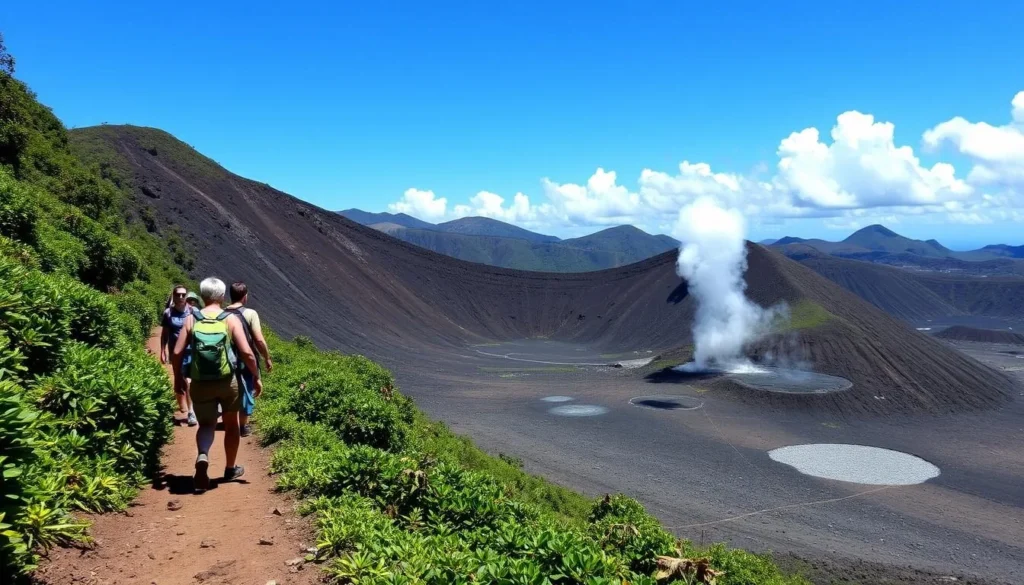
Natural Wonders
Cultural Sites
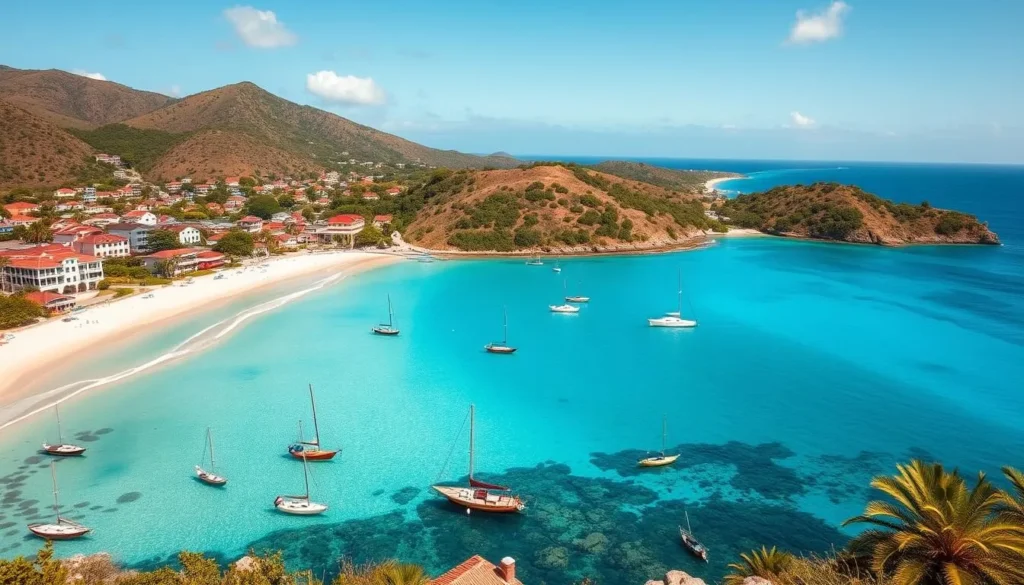
Best Beaches & Water Activities
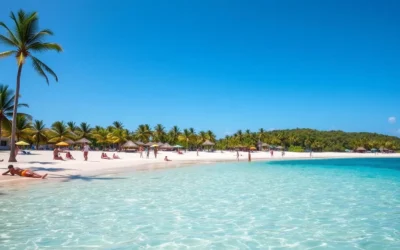
Guadeloupe’s diverse coastline offers everything from white sand beaches to volcanic black sand shores. Each coast has its own character, with the calmest waters typically found on the Caribbean (western) side.
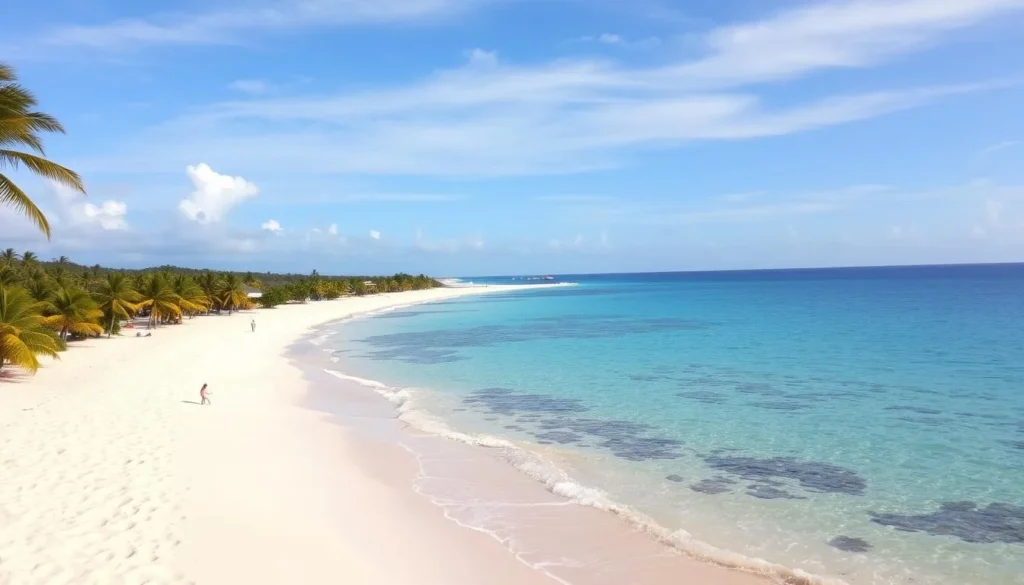
Top Beaches by Region
Grande-Terre
- Plage de la Caravelle (Sainte-Anne) – Long stretch of white sand with calm, turquoise waters
- Plage de Bois Jolan – Less crowded beach with shallow waters protected by a coral reef
- Plage des Raisins Clairs (Saint-François) – Family-friendly beach with facilities
Basse-Terre
- Grande Anse (Deshaies) – Spectacular 3 km golden sand beach with deeper waters
- Plage de Malendure – Black sand beach near the Cousteau Reserve, excellent for snorkeling
- Petite Anse – Secluded beach between Pointe-Noire and Deshaies with great snorkeling
Smaller Islands
- Plage de Pompierre (Les Saintes) – Sheltered beach with palm trees and clear waters
- Pain de Sucre (Les Saintes) – Small beach with exceptional snorkeling
- Plage de la Feuillère (Marie-Galante) – Long white sand beach lined with coconut palms
Water Activities
Snorkeling & Diving
The Cousteau Reserve near Bouillante offers world-class underwater experiences. Other excellent spots include Pain de Sucre in Les Saintes and Petite Anse in Deshaies. The best visibility is during the dry season (December-April).
Surfing & Kitesurfing
The main surf season runs from November to April. Le Moule on Grande-Terre is the surfing capital, while Saint-François is popular for kitesurfing due to consistent trade winds.
Festivals, Cultural Events & Museums
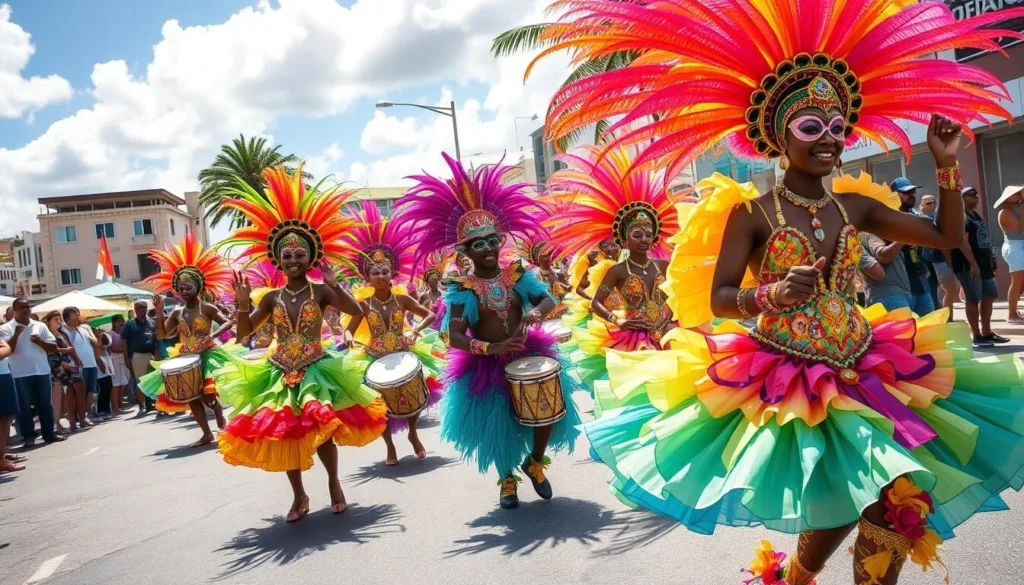
Guadeloupe’s vibrant cultural scene reflects its diverse heritage, with festivals and events throughout the year. The island’s French and Creole influences create a unique cultural landscape.
Major Festivals
Museums & Cultural Sites
Cultural Tip: Many museums close on Mondays and during the low season. Check opening hours in advance, especially if traveling between May and November.
Nature & Outdoor Experiences
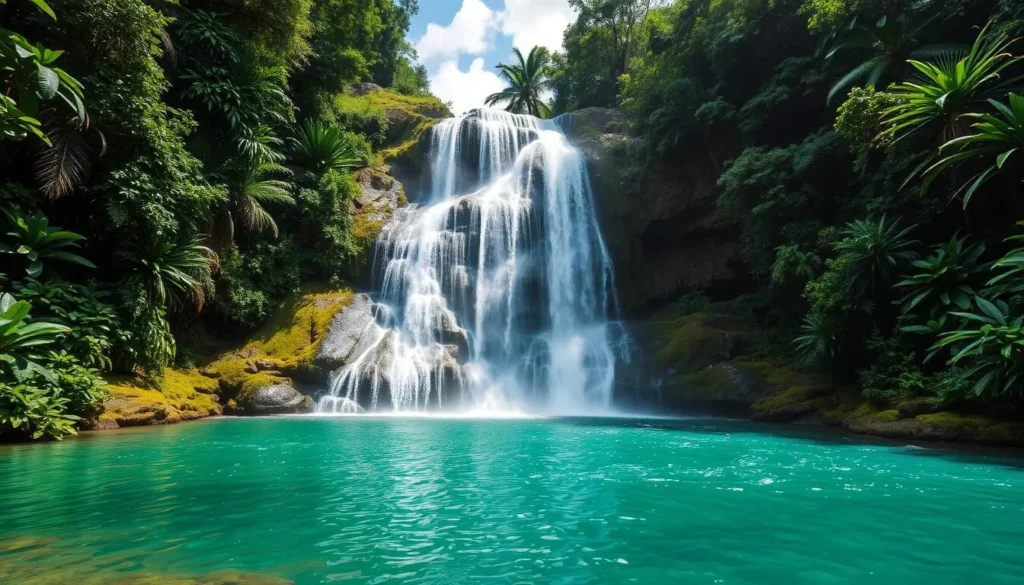
Guadeloupe National Park covers much of Basse-Terre, protecting the island’s remarkable biodiversity. The park offers numerous hiking trails through rainforests, along rivers, and up to volcanic peaks.
Top Hiking Experiences
Wildlife Watching
Marine Life
Humpback whales can be spotted from December to April, with peak season in February and March. Dolphins are visible year-round. Book whale-watching tours from Bouillante or Deshaies on the west coast.
Bird Watching
The Grand Cul-de-sac Marin Nature Reserve is excellent for spotting waterfowl and mangrove species. The rainforests of Basse-Terre are home to hummingbirds, including the endemic purple-throated carib.
Hiking Safety: Weather conditions can change rapidly in the mountains. Bring plenty of water, wear appropriate footwear, and check weather forecasts before hiking, especially during the rainy season.
Safety, Etiquette & Local Customs
Guadeloupe is generally safe for tourists, with standard precautions advised. As a French overseas department, it follows French laws and customs while maintaining its unique Creole culture.
Safety Considerations
Health & Medical
Healthcare facilities are of European standard. Bring a European Health Insurance Card if you’re an EU citizen. Tap water is generally safe to drink in urban areas. Use mosquito repellent, especially during the rainy season.
Natural Hazards
Hurricane season runs from June to November, with the highest risk in August and September. Follow local authorities’ advice during severe weather. La Soufrière is an active volcano with occasional increased activity.
Cultural Etiquette
Cultural Insight: Guadeloupe has a complex history and relationship with mainland France. Be sensitive when discussing political topics, and recognize the island’s unique cultural identity that blends French, African, and Caribbean influences.
Practical Travel Tips
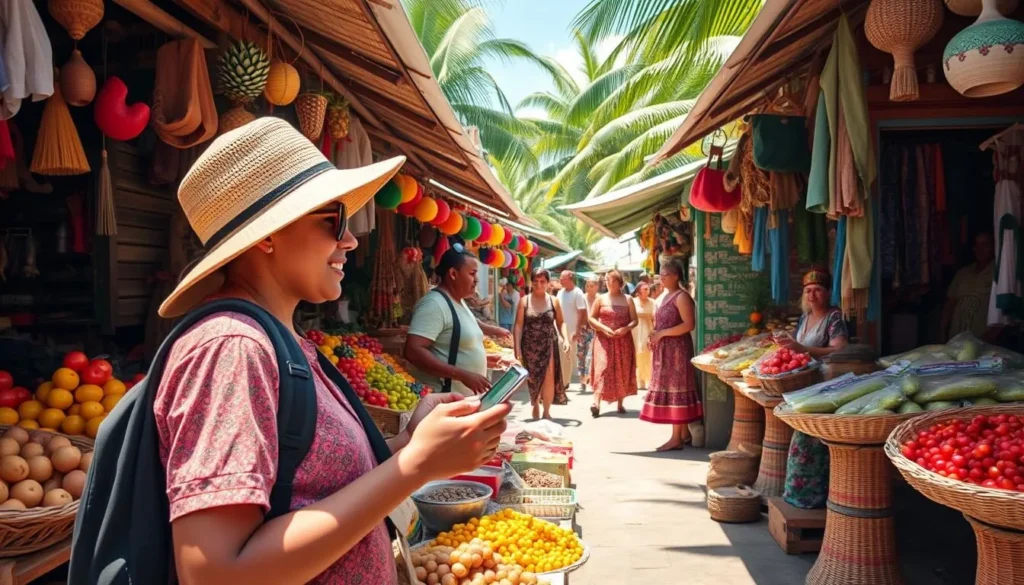
These practical considerations will help you navigate Guadeloupe smoothly and make the most of your weather-savvy trip.
Money & Payments
- Currency: Euro (€)
- Credit cards widely accepted in tourist areas
- ATMs available in towns and tourist zones
- Carry some cash for small vendors and remote areas
Connectivity
- EU roaming works (for European visitors)
- Local SIM cards available at the airport
- Wi-Fi common in accommodations and restaurants
- Limited connectivity in remote areas of Basse-Terre
Shopping & Business Hours
- Most shops open 8:30am-1pm and 3pm-6pm
- Many businesses close for a long lunch break
- Sunday closures common except in tourist areas
- Markets typically busiest in the morning
Packing Essentials
Ready to Experience Guadeloupe’s Perfect Weather?
From the sun-drenched beaches of Grande-Terre to the misty rainforests of Basse-Terre, Guadeloupe offers a remarkable diversity of experiences that change with the seasons. By timing your visit between December and April, you’ll maximize your chances of experiencing this French Caribbean gem at its weather-perfect best. Pack your swimwear, hiking boots, and sense of adventure – the butterfly islands are waiting to enchant you with their natural beauty, vibrant culture, and perfect tropical climate.
The above is subject to change.
Check back often to TRAVEL.COM for the latest travel tips and deals.
0 Comments