
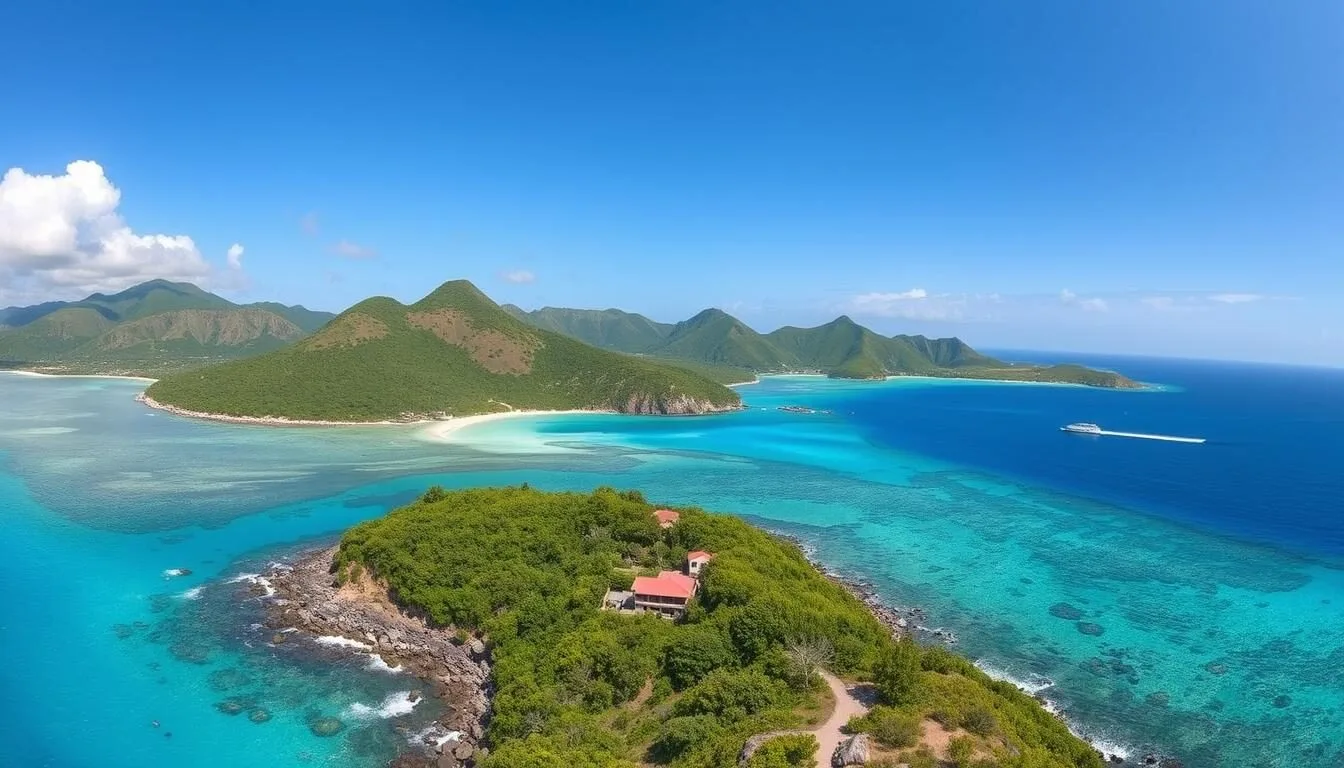
Did you know that Terre-de-Bas Island, despite being just 8 km² in size, is home to one of the Caribbean’s most diverse marine ecosystems? This hidden gem in Guadeloupe’s Les Saintes archipelago offers travelers a rare glimpse into authentic Caribbean life, with pristine beaches, scenic hiking trails, and a cultural experience largely untouched by mass tourism.
As part of the Les Saintes archipelago, Terre-de-Bas provides a genuine escape from the tourist crowds that flock to better-known Caribbean destinations. With approximately 1,400 residents and a landscape shaped by its volcanic origins, this island paradise promises an unforgettable adventure for those seeking tranquility and natural beauty.
Key Takeaways
- Discover a pristine Caribbean destination off the beaten path
- Experience authentic local culture and unspoiled landscapes
- Explore unique hiking trails and scenic coastal routes
- Enjoy intimate, low-tourist environment with genuine local experiences
- Perfect destination for travelers seeking tranquility and natural beauty
Getting There & Planning Your Journey
Getting to Terre-de-Bas Island is part of the adventure. Most travelers begin their journey by flying into Pointe-à-Pitre International Airport (PTP) on Guadeloupe’s main island. Direct flights are available from Paris, Montreal, Miami, and several Caribbean islands.
Ferry Options
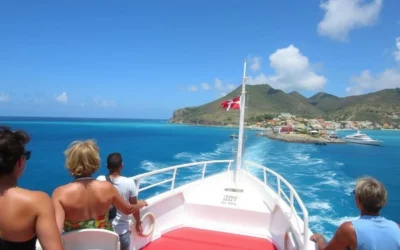
From Guadeloupe, you’ll need to take a ferry to reach Terre-de-Bas. The most reliable ferry services depart from Trois-Rivières on Guadeloupe’s southern coast. CTM Deher offers several daily sailings with a journey time of approximately 25 minutes.
“The journey to Terre-de-Bas is as memorable as the destination itself” – Local Travel Guide
Trois-Rivières is about a 50-60 minute drive from Guadeloupe’s international airport. You can take a taxi or arrange a private car service. If you’re renting a car in Guadeloupe, there’s parking available at the ferry terminal.
Pro Tip: Book your ferry tickets at least a week in advance as they can sell out, especially during peak season. If you arrive early, you can often exchange your tickets for an earlier sailing for a small fee.
Island Hopping
Terre-de-Bas can also be reached from the neighboring island of Terre-de-Haut, which is more developed and receives more tourists. Mawaly offers boat transfer services between the two islands, making it possible to visit Terre-de-Bas as a day trip if you’re staying on Terre-de-Haut.
Best Time to Visit Terre-de-Bas
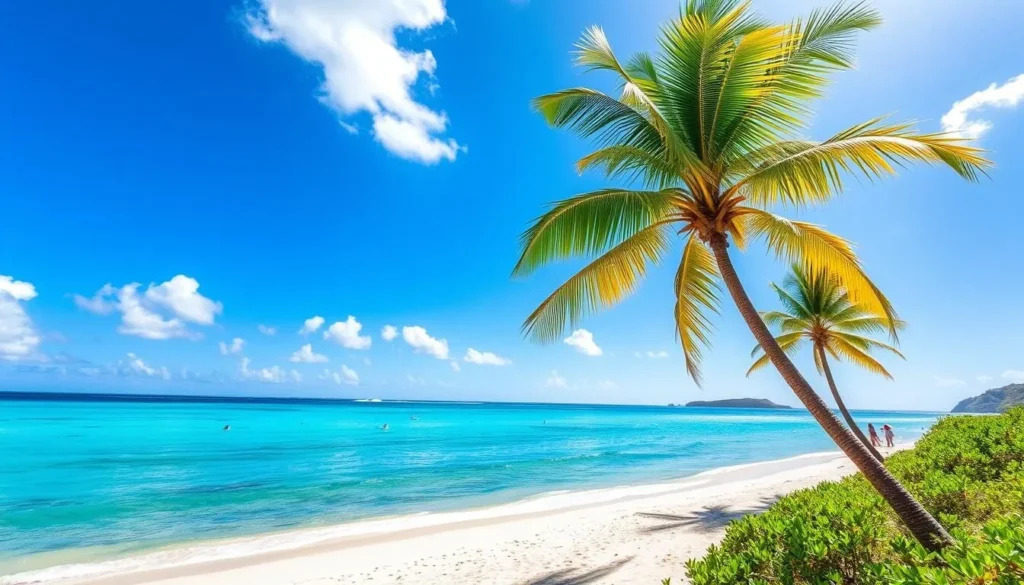
Terre-de-Bas enjoys a tropical climate with temperatures ranging from 26°C to 30°C (79°F to 86°F) year-round. However, there are distinct wet and dry seasons that can significantly impact your visit.
Peak Season (December to May)
The best time to visit Terre-de-Bas is during the dry season from December to May. During these months, you can expect:
- Minimal rainfall
- Comfortable daytime temperatures
- Ideal conditions for hiking and outdoor activities
- Peak eco-tourism opportunities
Off-Season (June to November)
June to November is considered the rainy season, with higher humidity and increased chance of precipitation. While prices may be lower during this period, some activities might be limited due to weather conditions.
| Season | Months | Temperature | Rainfall | Recommendation |
| Peak Dry Season | December-February | 26-28°C (79-82°F) | Low | Highly Recommended |
| Late Dry Season | March-May | 28-30°C (82-86°F) | Very Low | Ideal |
| Early Wet Season | June-August | 29-31°C (84-88°F) | Moderate | Good (fewer tourists) |
| Late Wet Season | September-November | 28-30°C (82-86°F) | High | Not Recommended |
Hurricane Season Alert: The Atlantic hurricane season runs from June to November, with the highest risk period being August to October. While direct hits are rare, it’s advisable to check weather forecasts and consider travel insurance if visiting during these months.
Getting Around Locally
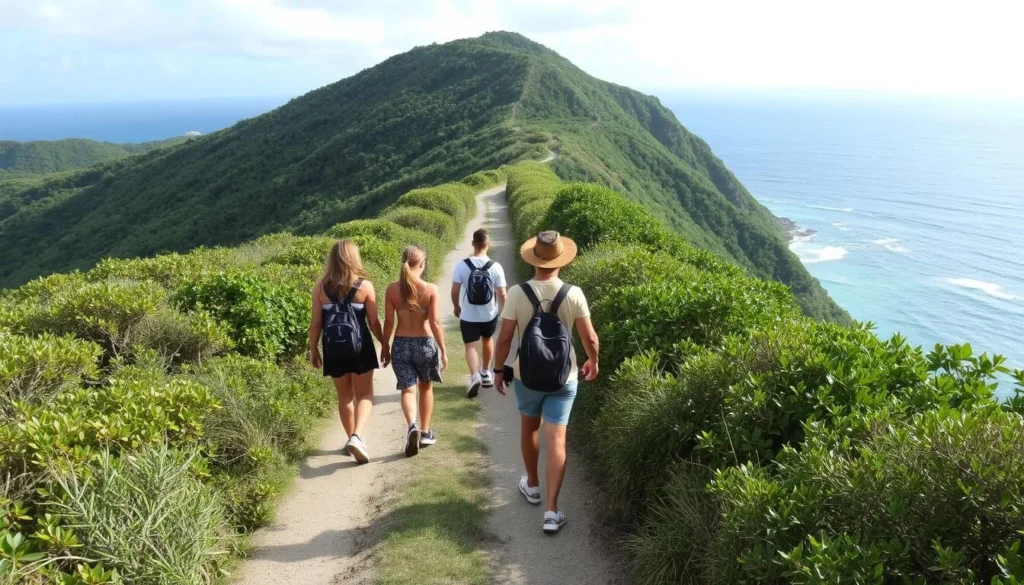
Terre-de-Bas is a small island with limited transportation options, which is part of its charm. The island’s compact size (just 8 km²) makes it ideal for exploration on foot or by bicycle.
Walking
Walking is the most common way to get around Terre-de-Bas. The island’s main villages and attractions are connected by well-maintained paths, and the distances are generally manageable for anyone with reasonable fitness. Walking also allows you to fully appreciate the island’s natural beauty and encounter local wildlife.
Bicycles and E-Bikes
Bicycles and electric bikes can be rented from several locations in Grande Anse village. This is an excellent option for covering more ground while still enjoying the open air. Prices typically range from €15-30 per day depending on the type of bicycle.
Taxis and Local Guides
A few local taxi services are available for those who prefer not to walk or cycle, especially useful for reaching more remote parts of the island. Hiring a local guide with transportation is also an option, providing the added benefit of local knowledge and insights.
Local Tip: The island has some hilly terrain, so comfortable walking shoes are essential if you plan to explore on foot. For longer distances or if you’re not accustomed to walking in tropical heat, consider arranging transportation in advance.
Where to Stay
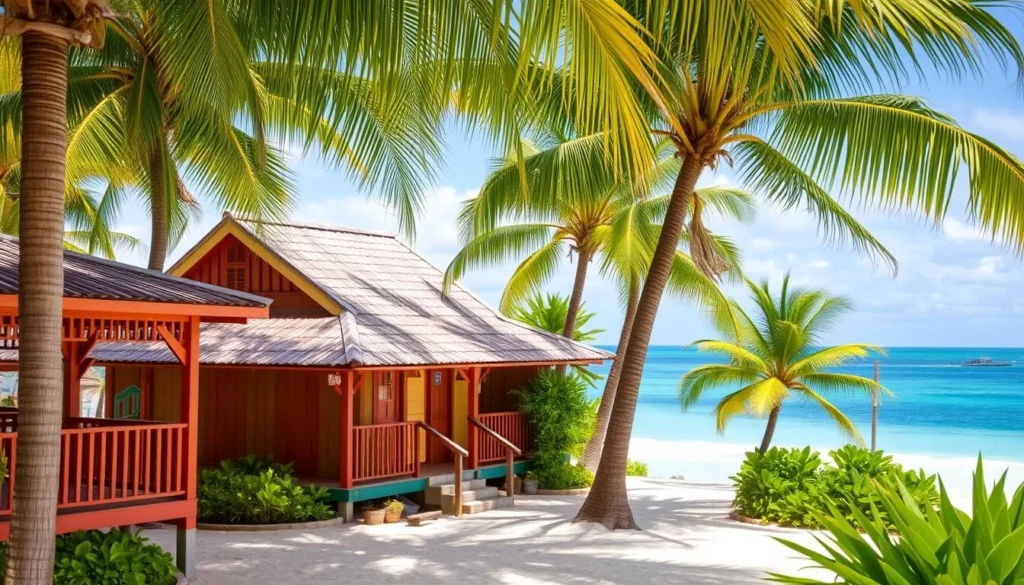
Accommodation options on Terre-de-Bas are limited but authentic, offering a genuine taste of Caribbean island life. Most lodgings are small, family-run establishments that provide a personal touch you won’t find at large resorts.
Guesthouses and B&Bs
The most common accommodation type on Terre-de-Bas is the guesthouse or bed and breakfast. These charming properties often feature traditional Creole architecture and are run by local families who can provide insider tips about the island.
- Typically offer 3-10 rooms
- Often include breakfast featuring local fruits and specialties
- Prices range from €70-120 per night
- Personal service from owners who usually live on-site
Vacation Rentals
For more independence, several vacation homes and apartments are available for rent. These range from simple studios to more spacious houses, often with kitchen facilities that allow you to prepare your own meals using local ingredients.
“Staying in a local guesthouse on Terre-de-Bas offers a rare chance to disconnect and dive into real island life.” – Local Tourism Board
Eco-Lodges
A few eco-friendly accommodations have been developed on the island, designed to minimize environmental impact while maximizing connection with nature. These properties often feature open-air designs, rainwater collection systems, and solar power.
Booking Tip: Accommodations on Terre-de-Bas are limited and can fill up quickly during peak season (December-May). It’s advisable to book at least 2-3 months in advance to secure your preferred option.
Dining & Local Cuisine
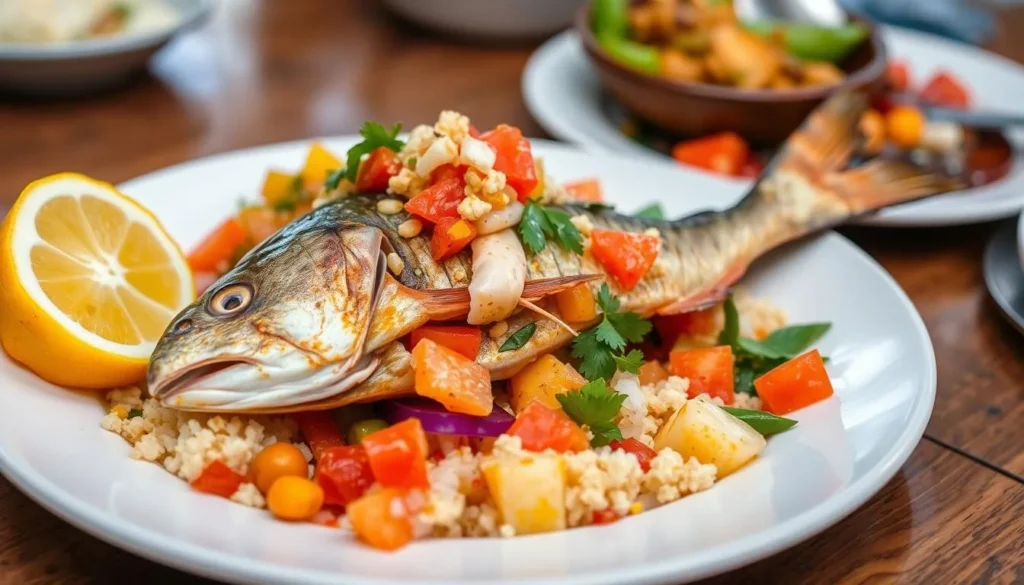
The cuisine of Terre-de-Bas reflects its rich cultural heritage, blending French culinary techniques with Caribbean ingredients and flavors. Seafood naturally dominates the menus, with the day’s catch often going straight from boat to plate.
Traditional Creole Dishes
Local restaurants serve authentic Creole cuisine that has been passed down through generations. Must-try dishes include:
- Accras de Morue – Crispy cod fritters seasoned with local herbs and spices
- Poisson Grillé – Grilled fish marinated in lime, garlic, and herbs
- Colombo – A curry-like stew made with meat or seafood
- Tourment d’Amour – A sweet coconut tart that’s a local specialty
- Ti’ Punch – The signature drink made with rum, lime, and cane sugar
Where to Eat
Dining options on Terre-de-Bas are limited but authentic. Most restaurants are small, family-run establishments that offer a warm welcome and home-style cooking.
Chez Eugénette
The island’s most famous restaurant, known for exceptional seafood and traditional Creole dishes. Reservations are essential, especially during peak season.
Location: Grande Anse village
Specialty: Langouste (Caribbean lobster)
Le Paradis Créole
A charming beachfront restaurant offering fresh seafood and panoramic views of the bay. The perfect spot for a leisurely lunch.
Location: Petites Anses
Specialty: Poisson grillé (grilled fish)
Local Markets
For self-catering or picnics, visit the small market in Grande Anse where local fishermen sell their morning catch and farmers offer tropical fruits, vegetables, and homemade preserves. The market is typically busiest in the early morning hours.
Dining Tip: Many restaurants on Terre-de-Bas close between lunch and dinner (typically 2:30-7:00 PM). Some establishments are closed entirely on Mondays and Tuesdays, so plan accordingly.
Attractions, Sightseeing & Activities
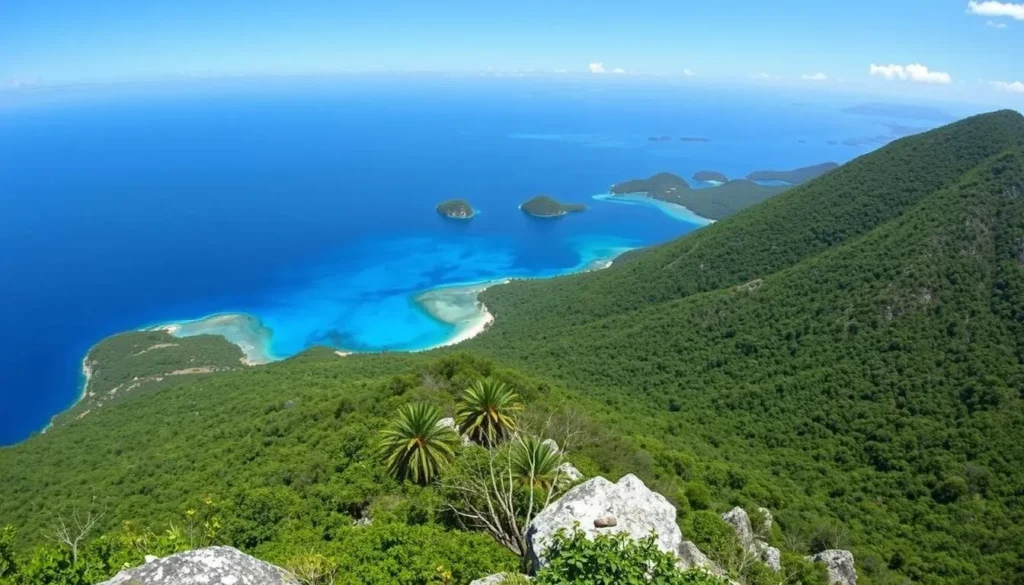
Despite its small size, Terre-de-Bas offers a variety of attractions and activities that showcase its natural beauty and cultural heritage. The island’s unspoiled environment provides the perfect backdrop for exploration and relaxation.
Grande Anse Village
The main settlement on Terre-de-Bas, Grande Anse is a charming village with colorful Creole houses, a picturesque church, and a laid-back atmosphere. Stroll through its narrow streets to experience authentic island life and interact with friendly locals.
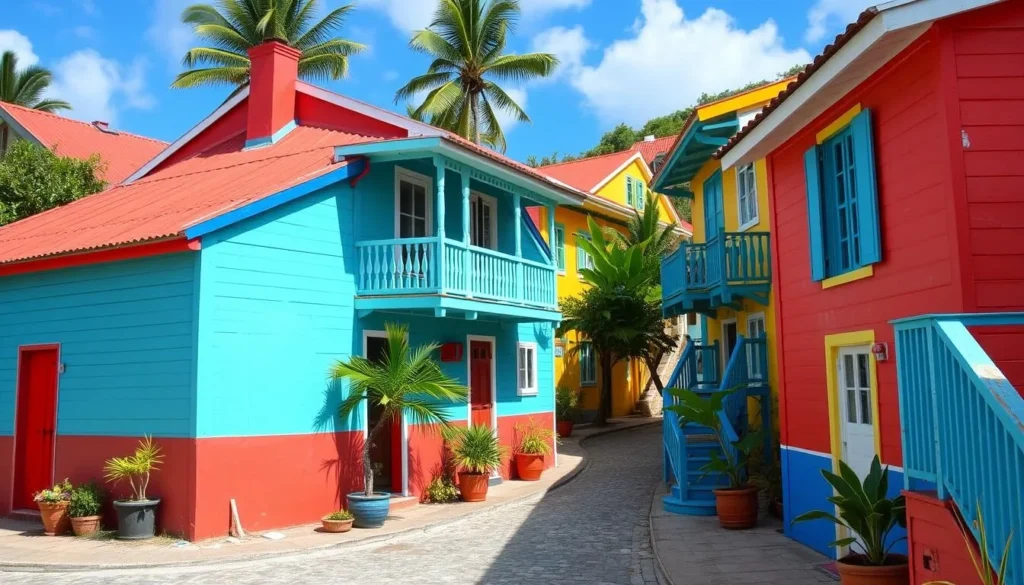
The village is centered around a small harbor where local fishermen bring in their daily catch. This is also where you’ll find most of the island’s restaurants, shops, and services.
Petites Anses
This smaller settlement offers a glimpse into traditional island life. The peaceful village is home to several artisans who continue to practice traditional crafts, including the making of Salako hats – distinctive headwear originally worn by fishermen.
Historic Pottery Site
Explore the ruins of an 18th-century pottery workshop that once produced ceramic containers for the sugar industry. This historical site provides insight into the island’s colonial past and economic history.
Beautiful Beaches
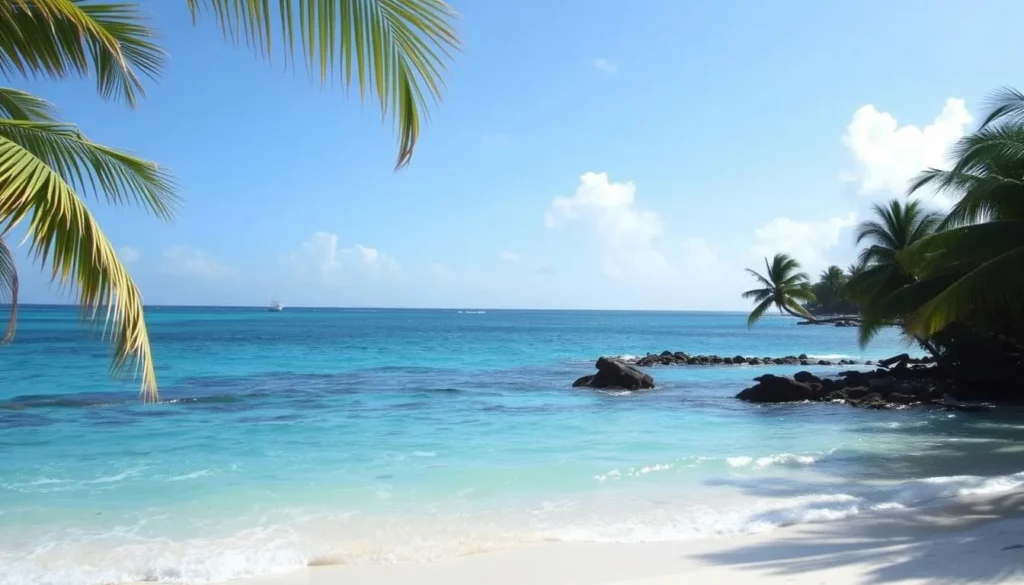
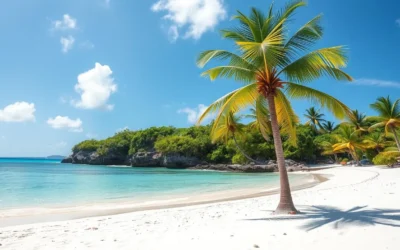
Terre-de-Bas is blessed with several stunning beaches, each with its own unique character. Unlike the more developed Caribbean islands, beaches here remain largely unspoiled and uncrowded.
Grande Anse Beach
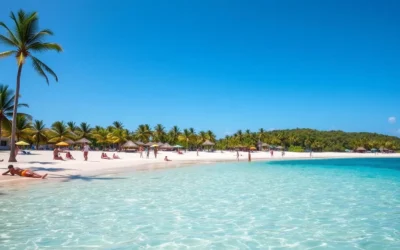
This kilometer-long stretch of golden sand is the island’s largest beach. Protected by a natural bay, its calm waters are perfect for swimming and snorkeling. Palm trees provide natural shade, making it an ideal spot for a day of relaxation.
Petite Anse
A more secluded beach with excellent snorkeling opportunities. The coral reef just offshore is home to a variety of colorful fish and marine life. The beach is accessible via a short hiking trail, which helps keep visitor numbers low.
Anse à Dos
This small, sheltered cove on the western coast offers spectacular sunset views. Its pebbled shore gives way to crystal-clear waters that are perfect for swimming. The surrounding cliffs provide a dramatic backdrop for photos.
Beach Tip: Most beaches on Terre-de-Bas have minimal facilities, so bring everything you need for the day, including water, snacks, and sun protection. Consider packing a small trash bag to take your waste with you, helping preserve the island’s pristine environment.
Hiking Trails and Natural Attractions
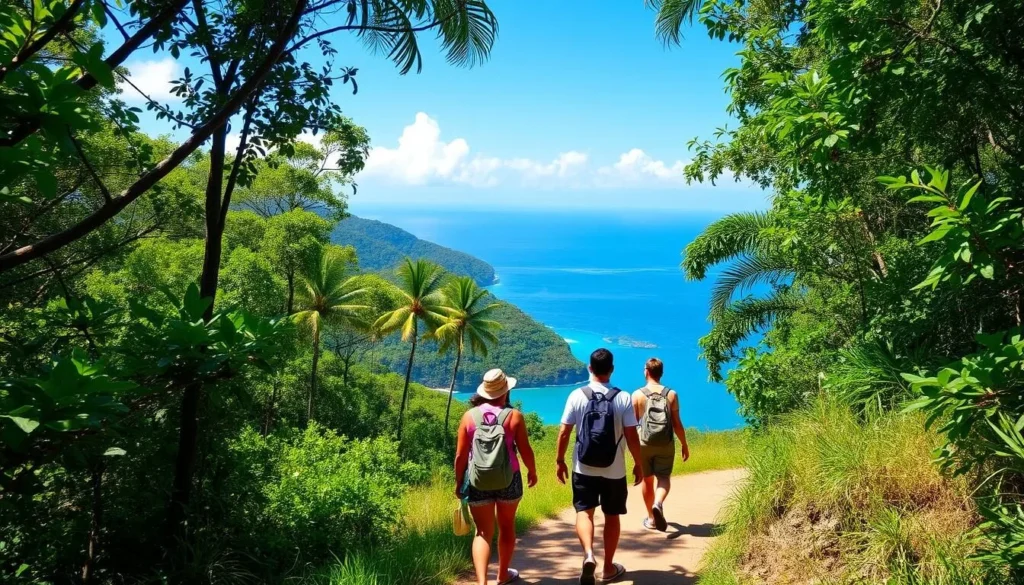
Terre-de-Bas offers excellent hiking opportunities that showcase the island’s diverse landscapes, from coastal paths to inland forests. The island’s volcanic origin has created dramatic terrain with spectacular viewpoints.
Tour de Terre-Bas Trail
This signature hiking route circles the island, connecting its main villages and natural attractions. The complete loop is approximately 12 km (7.5 miles) and can be completed in 4-5 hours, though many hikers choose to explore sections rather than the entire trail.
- Difficulty: Moderate, with some steep sections
- Highlights: Panoramic viewpoints, coastal scenery, forest sections
- Best time: Early morning to avoid midday heat
Mare Grand Trou Nature Reserve
This protected area preserves a unique ecosystem centered around a natural freshwater pond. Once the island’s primary source of drinking water, it’s now a sanctuary for local wildlife and native plants. A well-marked trail leads to the reserve, offering opportunities for bird watching and nature photography.
Le Morne Abymes
The highest point on Terre-de-Bas at 207 m (679 ft), this peak offers spectacular 360-degree views of the entire Les Saintes archipelago and, on clear days, even Guadeloupe’s main islands. The moderately challenging hike to the summit takes approximately 1.5 hours each way.
Hiking Safety: When hiking on Terre-de-Bas, always carry plenty of water, wear sun protection, and use proper footwear. Let someone know your planned route and expected return time. Cell phone coverage can be spotty in some areas of the island.
Water Activities
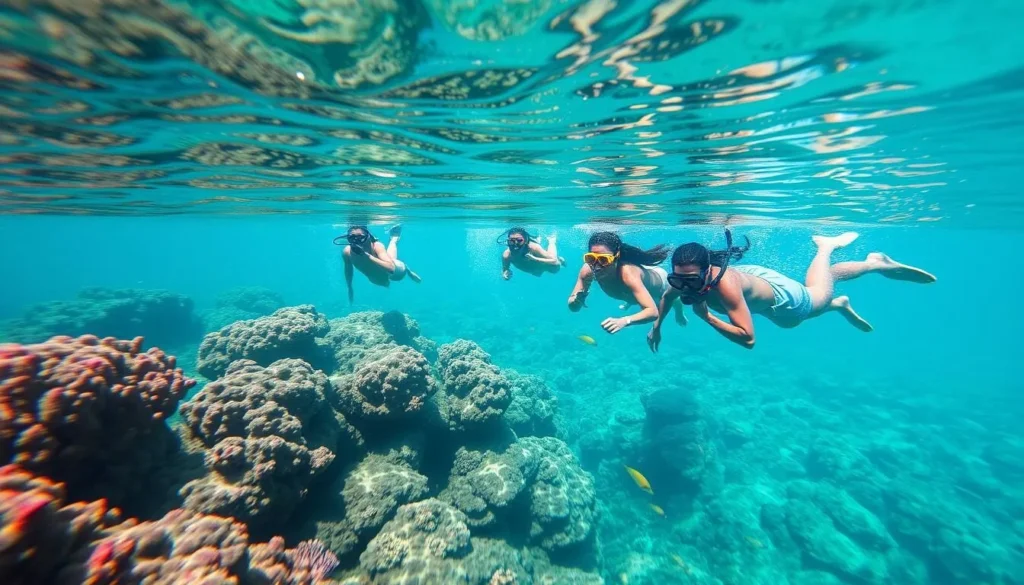
The pristine waters surrounding Terre-de-Bas offer exceptional opportunities for water activities. The island’s marine environment is part of the Guadeloupe National Park, ensuring its protection and preservation.
Snorkeling
The coral reefs fringing Terre-de-Bas are home to a diverse array of marine life. Several beaches offer excellent snorkeling directly from shore, with the best spots located on the western and southern coasts.
- Best Spots: Petite Anse, Anse à Dos, Grande Anse (western end)
- Marine Life: Tropical fish, sea turtles, rays, coral formations
- Equipment: Basic snorkeling gear can be rented in Grande Anse village
Kayaking and SUP
Explore the coastline at your own pace by kayak or stand-up paddleboard. Several operators offer rentals and guided tours, including transparent kayaks that allow you to observe marine life without getting wet.
Boat Tours
Join a boat tour to discover hidden coves and snorkeling spots that are inaccessible from land. Some tours include visits to neighboring uninhabited islands in the Les Saintes archipelago.
Cultural Experiences
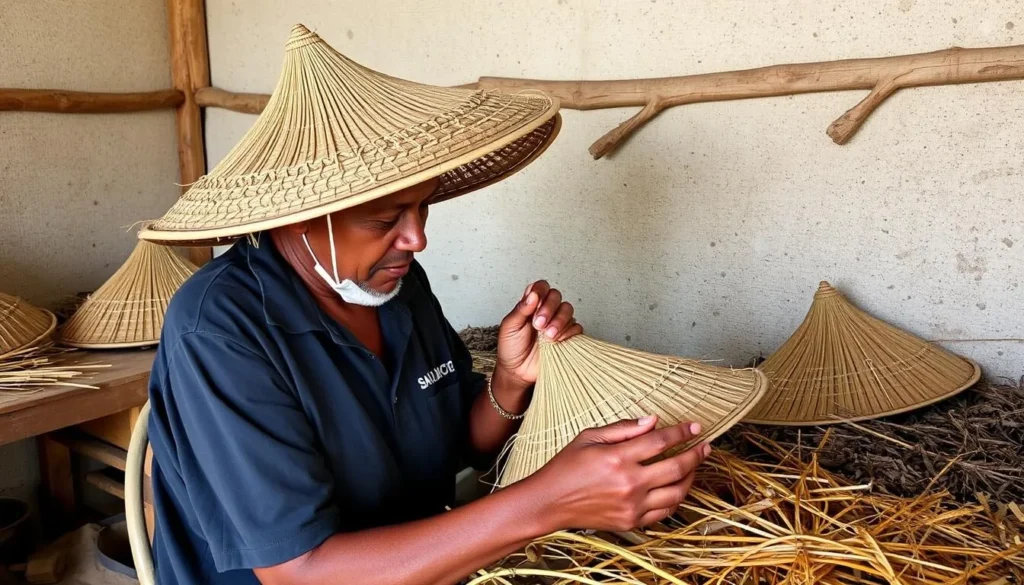
The cultural heritage of Terre-de-Bas reflects its complex history, blending French, African, and Caribbean influences. The island’s relative isolation has helped preserve traditional practices and a distinct way of life.
Traditional Crafts
Visit local artisans who continue to practice traditional crafts passed down through generations. The most famous local craft is the making of Salako hats – distinctive headwear originally worn by fishermen for protection from the sun and rain.
Fishing Traditions
Fishing remains central to life on Terre-de-Bas. Early mornings offer the chance to observe local fishermen returning with their catch in traditional wooden boats called “saintoises.” Some fishermen are willing to share stories about their craft and the changes they’ve witnessed over the years.
Local Festivals
If your visit coincides with a local festival or celebration, you’ll have the opportunity to experience the island’s vibrant cultural traditions firsthand. Key events include:
- Fête des Pêcheurs (Fishermen’s Festival) – Typically held in June, celebrating the island’s fishing heritage
- Fête Patronale – The island’s patron saint celebration, featuring processions, music, and dancing
- Carnival – Part of the wider Guadeloupe carnival celebrations in February/March
Safety, Etiquette & Local Customs
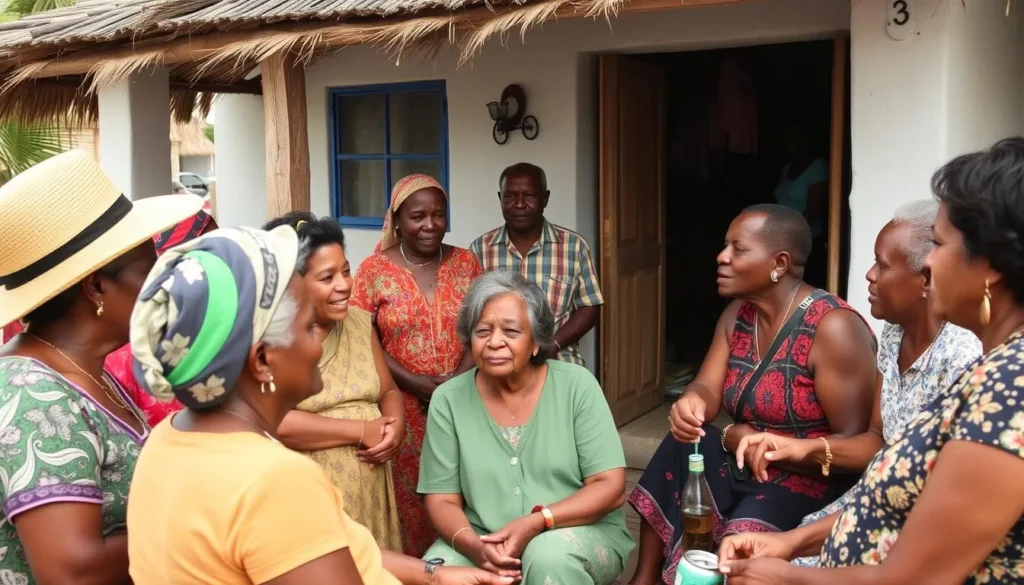
Terre-de-Bas is generally a safe destination with low crime rates. The small population and close-knit community contribute to a secure environment for visitors. However, as with any travel destination, it’s important to exercise common sense and respect local customs.
Health and Safety
- Medical Facilities: Healthcare on Terre-de-Bas is limited to a small clinic in Grande Anse. For serious medical issues, evacuation to Guadeloupe’s main island may be necessary.
- Sun Protection: The Caribbean sun is intense. Use high-SPF sunscreen, wear a hat, and stay hydrated.
- Manchineel Trees: Be aware of manchineel trees, which are poisonous and can cause severe skin reactions. They’re usually marked with red paint around the trunk.
- Swimming Safety: Always check local conditions before swimming and never swim alone in remote areas.
Cultural Etiquette
Understanding and respecting local customs will enhance your experience and interactions with island residents:
- Greetings: Begin interactions with “Bonjour” (good day) or “Bonsoir” (good evening). This simple courtesy is highly appreciated.
- Language: While French is the official language, many locals also speak Antillean Creole. English is understood in tourist areas but less common elsewhere.
- Photography: Ask permission before photographing people, especially in small communities.
- Dress Code: Casual attire is acceptable, but beachwear should be confined to beaches. Cover up when visiting churches or villages.
Environmental Responsibility
Terre-de-Bas’s natural environment is its greatest treasure. Help preserve it by:
- Taking all trash with you when visiting beaches and natural areas
- Not removing shells, coral, or other natural items
- Staying on marked trails when hiking
- Using reef-safe sunscreen to protect marine ecosystems
Terre-de-Bas Island Map
Visitor Comments About Terre-de-Bas
“Terre-de-Bas was the highlight of our Caribbean trip. We spent three days hiking the coastal trails and snorkeling in pristine waters. The local seafood was incredible, especially at Chez Eugénette. What makes this island special is how untouched it feels compared to other destinations.”
“As someone who’s traveled extensively through the Caribbean, I found Terre-de-Bas to be a rare gem. The absence of large resorts and cruise ships means you experience authentic island life. Don’t miss the hike to Le Morne Abymes for breathtaking views of the entire archipelago.”
“We visited Terre-de-Bas as a day trip from Terre-de-Haut and wished we had planned to stay longer. The island has a peaceful energy that’s hard to describe. The locals were incredibly welcoming, and the beaches were some of the most pristine we’ve ever seen. A true hidden paradise!”
Practical Travel Tips
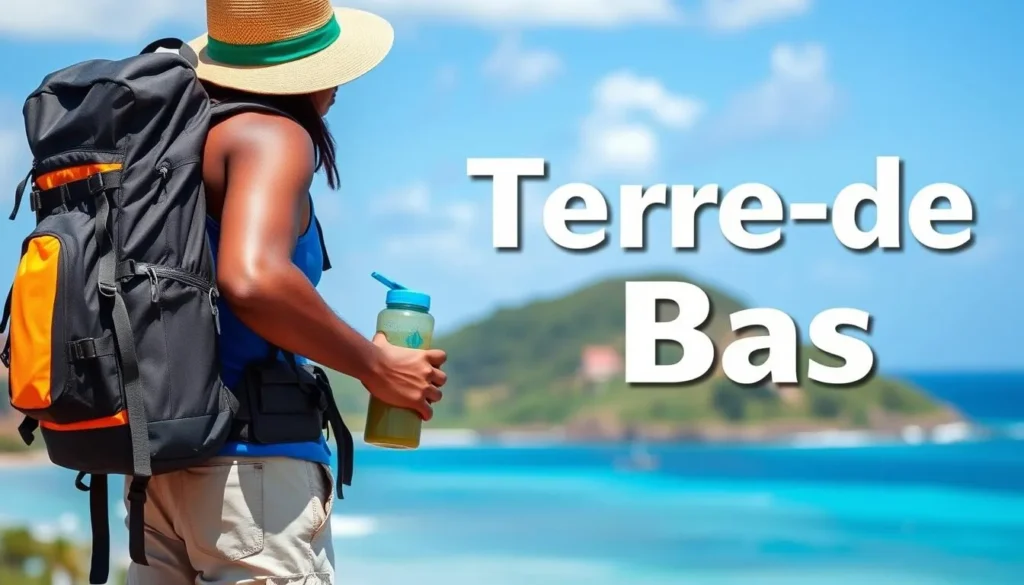
What to Pack
- Lightweight, breathable clothing
- Swimwear and beach towel
- Hiking shoes or sturdy sandals
- Sun protection (hat, sunglasses, high-SPF sunscreen)
- Insect repellent
- Reusable water bottle
- Basic first aid supplies
- Waterproof bag for electronics
- Snorkeling gear (if you have your own)
Money Matters
- The currency is the Euro (€)
- There are no ATMs on Terre-de-Bas
- Bring enough cash for your entire stay
- Credit cards are accepted at larger establishments but not everywhere
- Most prices include tax and service
- Tipping is not customary but appreciated for exceptional service
Communication
Mobile coverage on Terre-de-Bas can be spotty, particularly in remote areas. French mobile networks operate on the island, and international roaming is available for most carriers. Wi-Fi is offered at some accommodations but may be limited in bandwidth.
Electricity
Terre-de-Bas uses European-style electrical outlets (Type E) with 230V/50Hz power. Travelers from North America and other regions will need adapters and possibly voltage converters for their devices.
Final Tip: Embrace island time! Services on Terre-de-Bas operate at a relaxed pace. This is part of the charm of visiting a small Caribbean island, so adjust your expectations and enjoy the slower rhythm of life.
Paradise Awaits: Your Terre-de-Bas Island Adventure
Terre-de-Bas Island represents the Caribbean as it once was – authentic, unspoiled, and free from mass tourism. This hidden gem in the Les Saintes archipelago offers travelers a rare opportunity to experience pristine natural beauty and genuine island culture in an increasingly commercialized world.
From hiking scenic trails and snorkeling in crystal-clear waters to savoring fresh seafood and connecting with welcoming locals, Terre-de-Bas delivers an experience that larger, more developed destinations simply cannot match. The island’s small size belies its wealth of experiences, proving that sometimes the most memorable adventures come in the smallest packages.
As you plan your journey to this Caribbean paradise, remember that Terre-de-Bas’s greatest charm lies in its simplicity and authenticity. Embrace the island’s relaxed pace, respect its natural environment, and prepare to create memories that will last a lifetime in one of the Caribbean’s last true hidden treasures.
0 Comments