
Getting There & Planning Your Journey
The Blue Mountains are located in eastern Jamaica, spanning across four parishes. The closest major airport is Norman Manley International Airport in Kingston, approximately 45 minutes from the capital and about 1.5-2 hours from the Blue Mountains’ lower elevations.
From Kingston
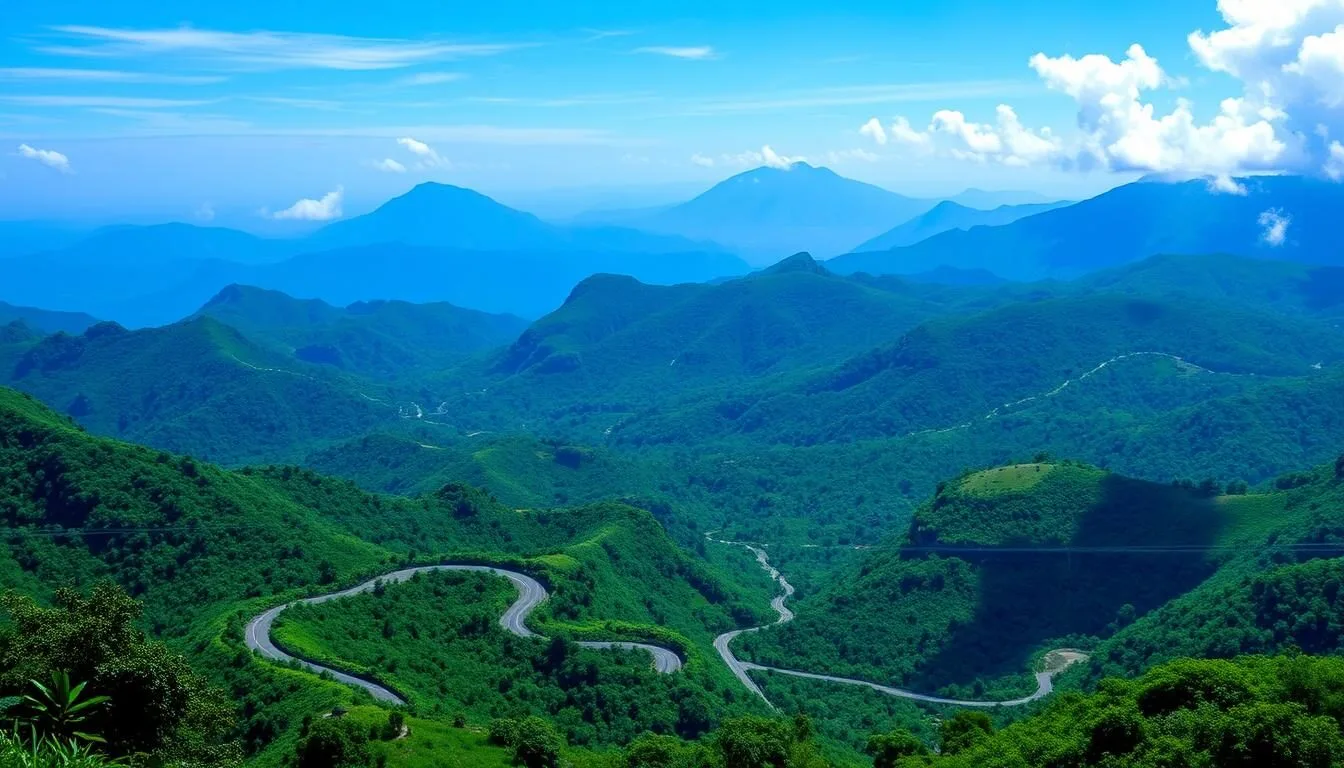
The most common route starts in Kingston and heads northeast through Gordon Town and Irish Town. The roads become increasingly winding and narrow as you ascend, with spectacular views along the way.
From Montego Bay
If you’re flying into Sangster International Airport in Montego Bay, you’ll have a longer journey of approximately 3-4 hours to reach the Blue Mountains. The drive takes you across the island, but the scenery makes it worthwhile.
Important: The roads to the Blue Mountains are notoriously winding and can be treacherous, especially during or after rainfall. A 4×4 vehicle is highly recommended, particularly if you plan to venture to higher elevations or stay at more remote accommodations.
Best Time to Visit & Weather Tips
Recommended Months
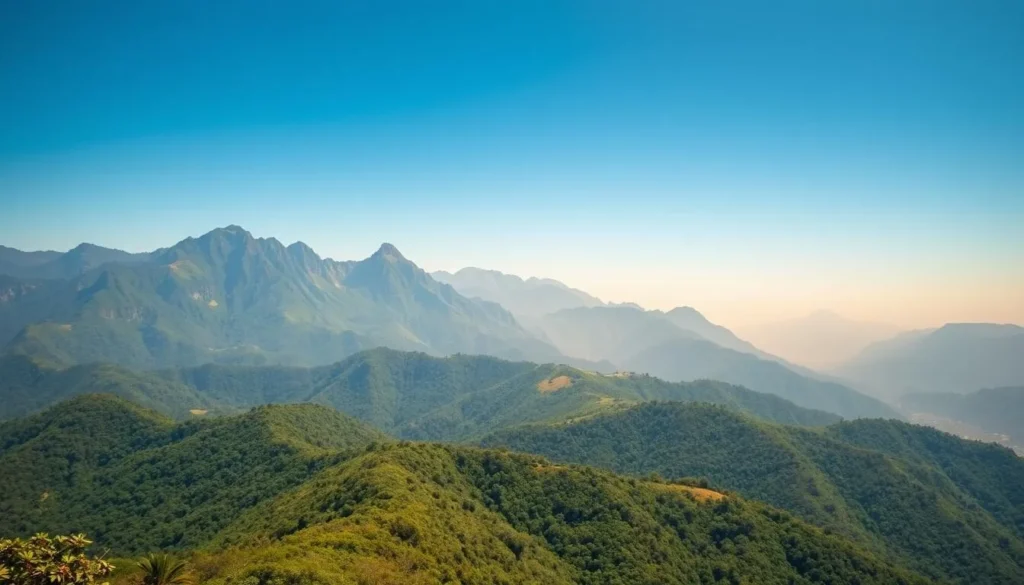
The best time to visit the Blue Mountains is during June and July when rainfall is minimal and visibility is at its best. These months offer the clearest views and most comfortable hiking conditions.
Months to Avoid
Avoid visiting during May and October, which are the rainiest months, as well as late August through October, which is hurricane season. Heavy rainfall can cause landslides and make roads impassable, especially in the higher elevations.
The Blue Mountains have their own microclimate, with temperatures typically 10-15°C (18-27°F) cooler than Kingston. Even during summer, evenings can be quite chilly, with temperatures sometimes dropping to 10°C (50°F) at higher elevations. Pack accordingly!
Getting Around Locally
Navigating the Blue Mountains requires careful planning, as public transportation is limited and roads can be challenging.
Rental Vehicles
A 4×4 vehicle is strongly recommended for exploring the Blue Mountains. Standard cars may struggle with the steep inclines and rough terrain, especially after rain. Many accommodations in the more remote areas are only accessible by 4×4.
Private Drivers
Hiring a local driver familiar with the mountain roads is an excellent option if you’re not comfortable driving yourself. Most hotels can arrange this service for approximately $100 USD per day. This option also provides the benefit of local knowledge and insights.
Accommodation Transfers
Many Blue Mountain accommodations offer transfer services from Kingston or other major towns. This is often the safest and most convenient option, especially for remote locations.
Where to Stay
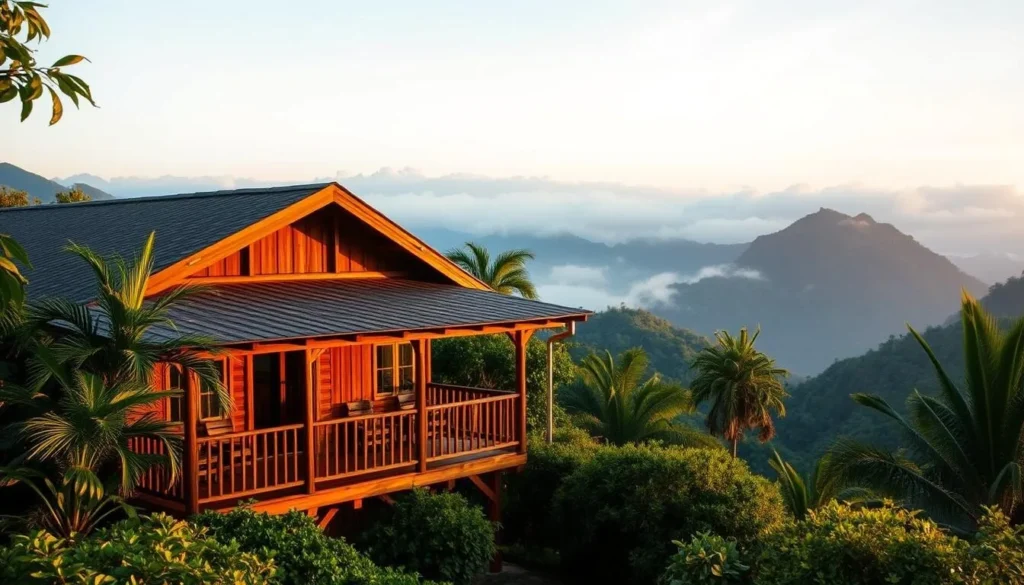
The Blue Mountains offer a range of accommodations from luxury resorts to rustic cottages and homestays. Most properties feature stunning mountain views and authentic Jamaican hospitality.
Luxury Options
- Strawberry Hill – An iconic luxury hotel with infinity pool and spa, offering panoramic views of Kingston below
- Geejam Hotel – A boutique property with modern amenities and artistic flair
- Trident Hotel – Upscale accommodations with exceptional service
Mid-Range Stays
- Lime Tree Farm – A working coffee farm with comfortable cottages and homemade meals
- Serendipity Resort – Charming accommodations with mountain views
- Blue Ridge Cottages – Cozy cottages with rustic charm
Budget-Friendly
- Prince Valley Guesthouse – Authentic Jamaican experience with local cuisine
- Whitfield Hall – Simple hostel accommodations, perfect for hikers
- Holywell Cabins – Basic but comfortable cabins in the national park
Dining & Local Cuisine
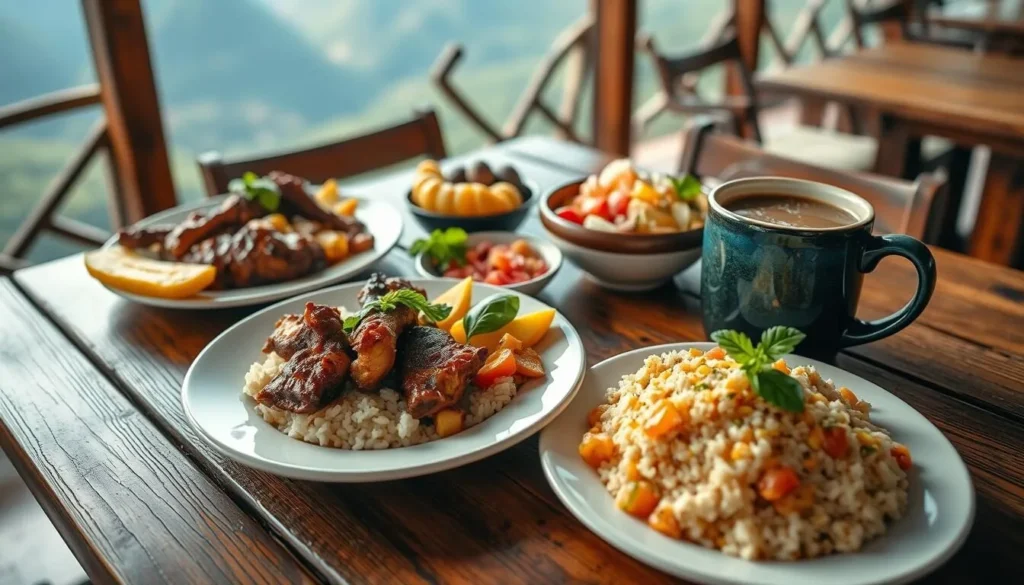
The Blue Mountains offer a unique culinary experience that combines traditional Jamaican flavors with fresh mountain produce. Many restaurants feature farm-to-table concepts, with ingredients sourced directly from nearby gardens.
Blue Mountain Culinary Trail
The Jamaica Tourism Board has created the Blue Mountain Culinary Trail, a collection of excellent eateries along the route from Kingston to the mountains. These restaurants offer everything from traditional Jamaican cuisine to international dishes, all with spectacular views.
Must-Try Dishes
- Blue Mountain Coffee – World-renowned for its mild flavor and lack of bitterness
- Jerk Chicken – Spicy marinated chicken cooked over pimento wood
- Ackee and Saltfish – Jamaica’s national dish, often served for breakfast
- Curry Goat – Tender goat meat in a rich curry sauce
- Callaloo – A nutritious leafy green vegetable similar to spinach
Top Dining Spots
Crystal Edge Restaurant in Irish Town is popular for breakfast with stunning valley views. Café Blue offers excellent coffee and light meals, while the Blue Brews Bistro at Holywell serves all-day breakfast and specialty coffee drinks. Many accommodations also offer home-cooked meals using local ingredients.
Attractions, Sightseeing & Activities
Blue Mountain Peak
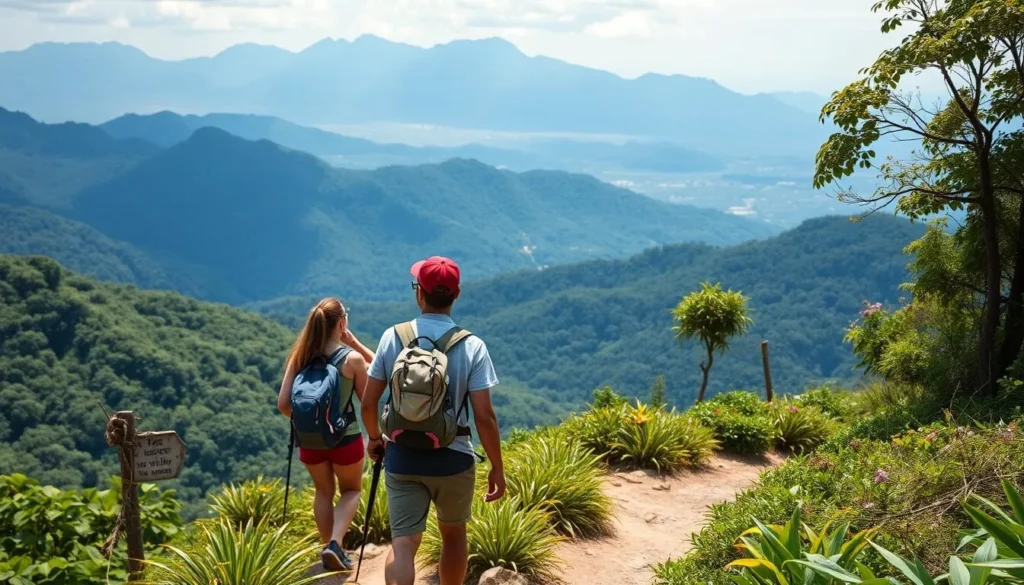
Hiking to the Blue Mountain Peak (2,256 m/7,402 ft) is the quintessential Blue Mountains experience. The 11.5-mile roundtrip trek typically starts at 2 AM to reach the summit for sunrise. On clear days, you can see both the north and south coasts of Jamaica and sometimes even Cuba in the distance.
Coffee Farm Tours
The Blue Mountains are famous for producing some of the world’s most expensive coffee. Visit a working coffee farm like Lime Tree Farm or Mavis Bank Coffee Factory to learn about the bean-to-cup process and sample freshly brewed Blue Mountain coffee.
Waterfalls
The mountains are home to numerous waterfalls, many offering refreshing swimming opportunities. Popular options include:
- Penfield Waterfall – Easily accessible with a 15-minute walk
- Cascade Falls (One Drop Falls) – Beautiful falls with a short but sometimes slippery trail
- Nanny Falls – Located near the Maroon settlement of Moore Town
- Cane River Falls – Surrounded by a cavern with food and drinks available
Cinchona Botanical Gardens
The highest botanical garden in the Western Hemisphere at 1,500 m (4,900 ft) above sea level. Though not as well maintained as in its heyday, it still offers spectacular views and rare plant species.
Museums, Cultural Spots & Festivals
Maroon Communities
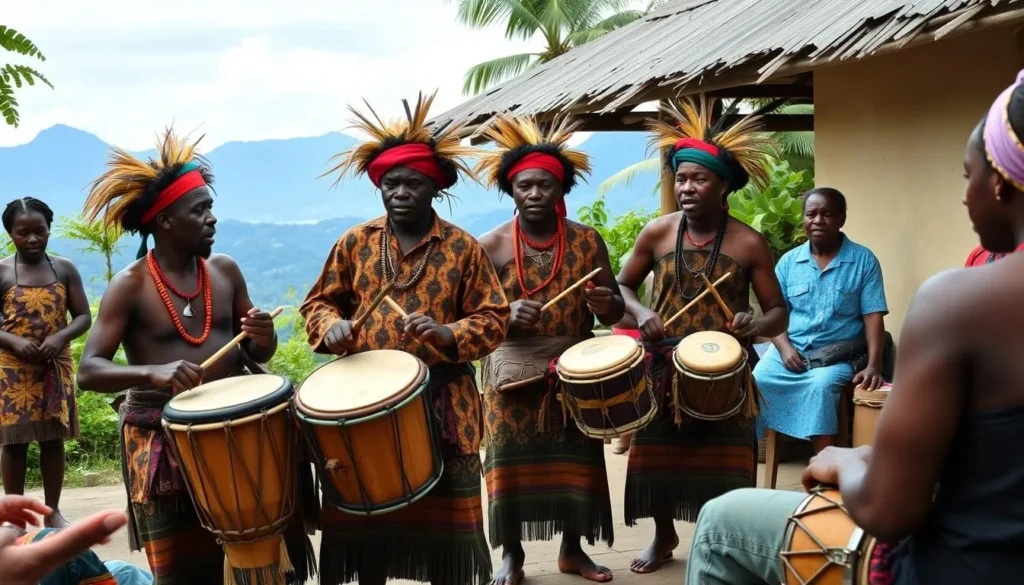
The Blue Mountains are home to several Maroon communities, descendants of escaped enslaved Africans who established free settlements in the mountains. Visit Moore Town, Charles Town, or Scott’s Hall to learn about their unique culture, which has remained largely unchanged for centuries.
Both Moore Town and Charles Town have museums displaying artifacts and information about Maroon history and traditions. In Charles Town, visitors can experience traditional drumming and dancing performances.
Newcastle Training Depot
Founded in 1841 by British Major General Sir William Maynard Gomm, Newcastle served as a mountain retreat for British soldiers to escape yellow fever. Today, it’s a training facility for the Jamaica Defence Force, but civilians can visit to observe military drills and enjoy the panoramic views of Kingston.
Blue Mountain Coffee Festival
Held annually in March, this festival celebrates Jamaica’s coffee heritage with tastings, culinary experiences, live entertainment, and tours of coffee estates. It’s a perfect opportunity to immerse yourself in local culture while sampling the region’s famous coffee.
Sports, Nature & Outdoor Experiences
Bird Watching
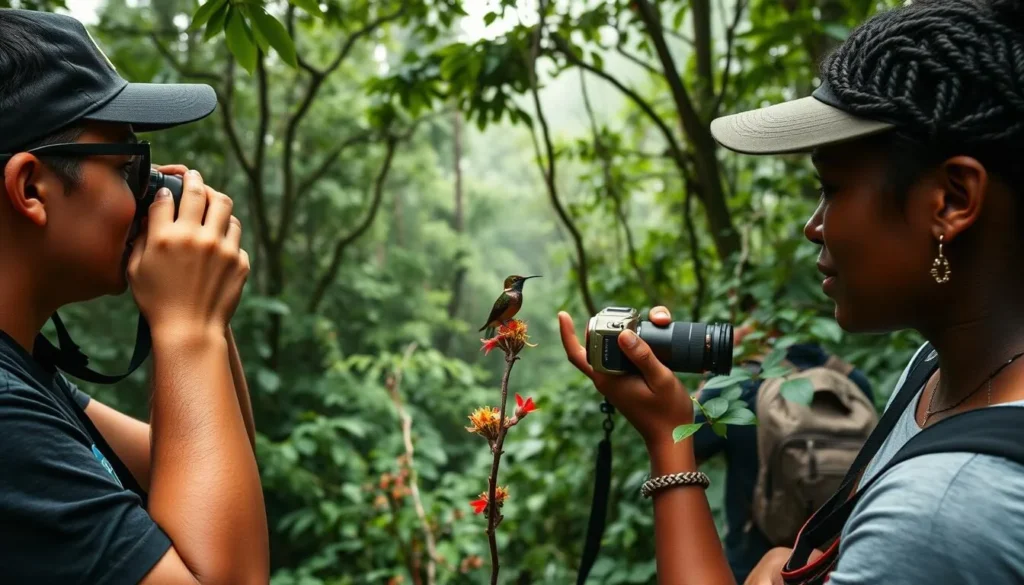
The Blue Mountains are a paradise for bird enthusiasts, being home to all 28 of Jamaica’s endemic bird species. Look for the Jamaican tody, Jamaican blackbird, and the national bird, the Doctor Bird (Streamertail hummingbird). Early morning at Holywell Park offers the best bird-watching opportunities.
Mountain Biking
Experience the Blue Mountains on two wheels with a downhill cycling tour. Companies like Blue Mountain Bicycle Tours offer guided rides through the lush countryside, covering 9-12 miles of mostly downhill terrain with stops at waterfalls and scenic viewpoints.
Camping
Several locations in the Blue Mountains offer camping opportunities, including Holywell, Cinchona, and Portland Gap. Bring your own tent or rent one on-site, and enjoy the rare opportunity to see the Milky Way clearly while keeping warm around a campfire.
Hiking Trails Beyond the Peak
While the Blue Mountain Peak trail gets most of the attention, there are several other excellent hiking options:
- Holywell Nature Trails – Five well-maintained trails ranging from easy to moderate
- Cunha Cunha Pass – A historic 5.5-mile trail once used by Maroons
- Catherine’s Peak – A challenging but rewarding hike to the highest point in St. Andrew parish
- Middleton Mountain – A 6-mile roundtrip hike with river crossings
Safety, Etiquette & Local Customs
Safety Tips
- Always hire a local guide for hiking, especially for the Blue Mountain Peak trail
- Dress warmly for high elevations, as temperatures can drop significantly
- Wear long pants and sleeves while hiking to protect against chiggers and other insects
- Start your drive to the mountains early to avoid navigating the winding roads after dark
- During rainy season, check road conditions before setting out
Cultural Etiquette
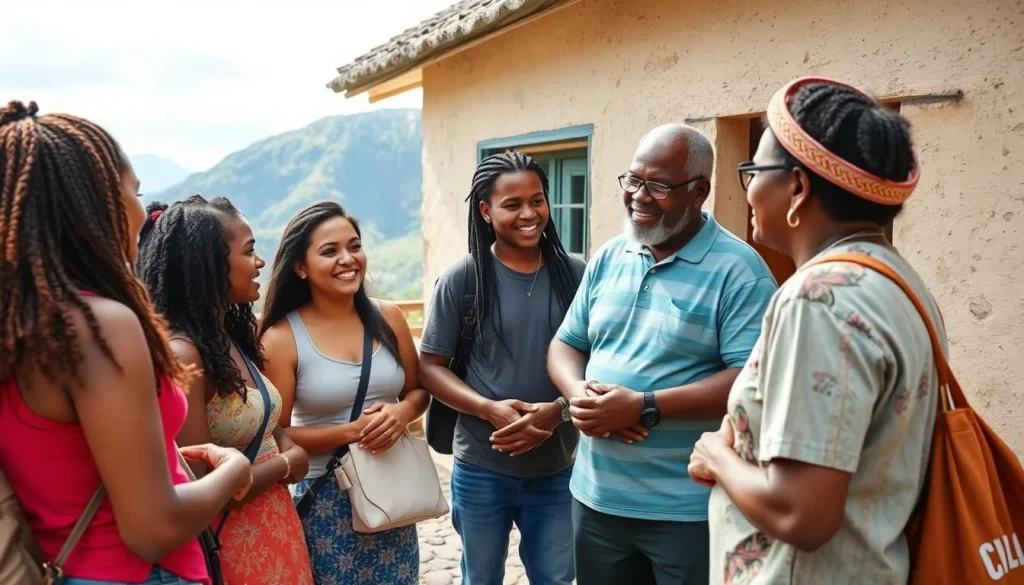
Jamaicans are generally warm and friendly, but it’s important to show respect for local customs. When visiting Maroon communities, always go with a guide and ask permission before taking photographs. Dress modestly when visiting rural communities, and always ask before entering private property.
Language
While English is Jamaica’s official language, many locals in rural areas speak Patois (Jamaican Creole). Learning a few basic Patois phrases can help break the ice with locals:
- “Wah gwaan” – What’s going on/How are you?
- “Respect” – A greeting showing admiration
- “Tenki” – Thank you
Visitor Comments About Blue Mountains
“The Blue Mountain Peak hike was challenging but absolutely worth it! Starting at 2 AM was tough, but watching the sunrise from Jamaica’s highest point was a life-changing experience. Don’t miss the coffee tours either – tasting that famous coffee right at the source was incredible.”
“We stayed at Lime Tree Farm for three nights and it was the highlight of our Jamaica trip. The views were breathtaking, the homemade food was delicious, and learning about coffee production was fascinating. The roads are truly challenging though – definitely get a 4×4 or arrange transportation!”
“As a bird enthusiast, the Blue Mountains were paradise. I spotted 22 of Jamaica’s endemic species in just two days! The locals were incredibly friendly and the mountain climate was a refreshing break from the coastal heat. Holywell Park’s trails were perfect for casual hiking and bird watching.”
Practical Travel Tips
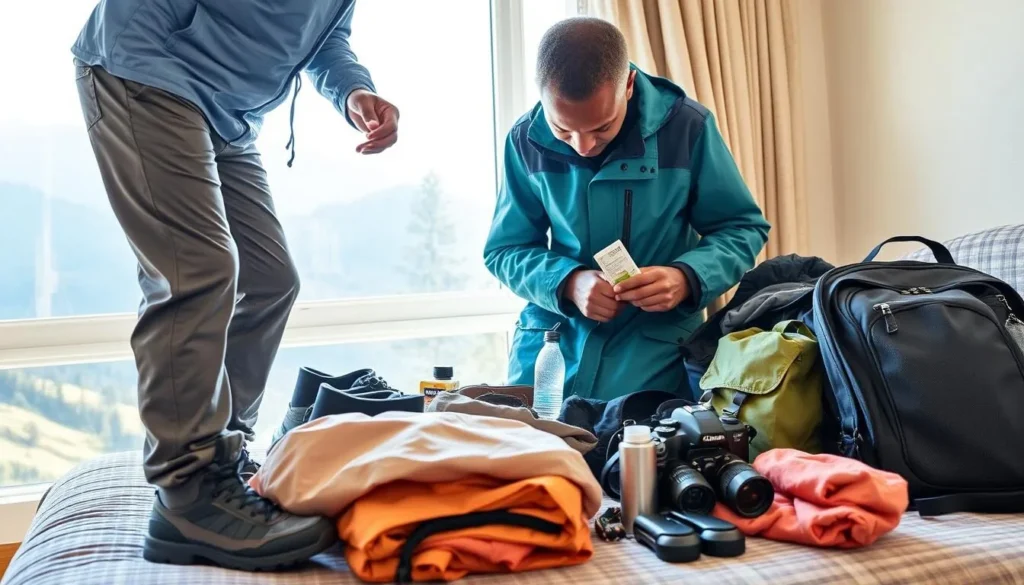
What to Pack
- Hiking boots or sturdy walking shoes
- Rain jacket (regardless of season)
- Warm layers for evenings and high elevations
- Long pants and long-sleeved shirts for hiking
- Insect repellent with DEET
- Sunscreen and sunhat
- Reusable water bottle
- Binoculars for bird watching
- Flashlight or headlamp (essential for pre-dawn hikes)
Money Matters
Many smaller establishments in the Blue Mountains may not accept credit cards, so bring Jamaican dollars in cash. The nearest ATMs are typically in Kingston or larger towns, not in the mountains themselves.
Connectivity
Cell service can be spotty in the mountains, and many accommodations offer limited or no Wi-Fi. Consider this an opportunity to disconnect, but download maps and important information before your trip.
Pro Tip: Most activities in the Blue Mountains cost approximately $30 USD per person. Hiring a private driver for the day costs around $100 USD. Budget accordingly and bring extra cash for unexpected expenses or souvenirs like fresh coffee beans.
Embrace the Blue Mountain Magic
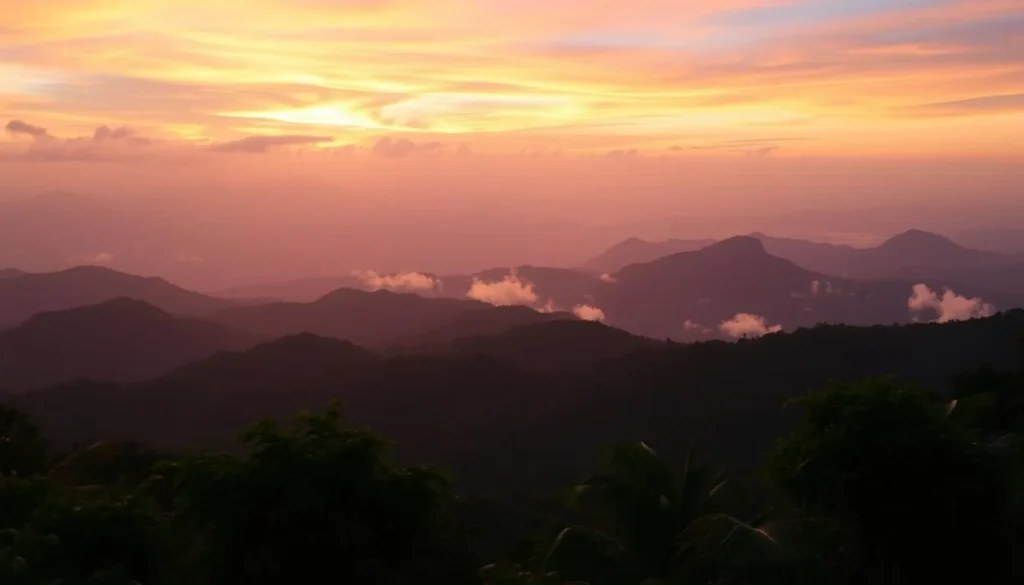
The Blue Mountains of Jamaica offer a side of the island that few tourists experience – a world away from the all-inclusive resorts and crowded beaches. Here, in the cool mist of Jamaica’s highest peaks, you’ll find authentic experiences, from sipping world-class coffee at its source to hiking through primeval forests and connecting with communities that maintain centuries-old traditions.
Whether you come for the adventure of summiting Blue Mountain Peak, the tranquility of bird watching in pristine forests, or simply to escape the heat of the lowlands, these mountains will leave you with memories that last far longer than a typical beach vacation. As you plan your Jamaica itinerary, consider dedicating at least 2-3 days to exploring this UNESCO World Heritage Site – you’ll be among the select few who discover the true heart of Jamaica in its magnificent blue-hued mountains.
0 Comments