Hotels by Trip.com
Flights by Trip.com
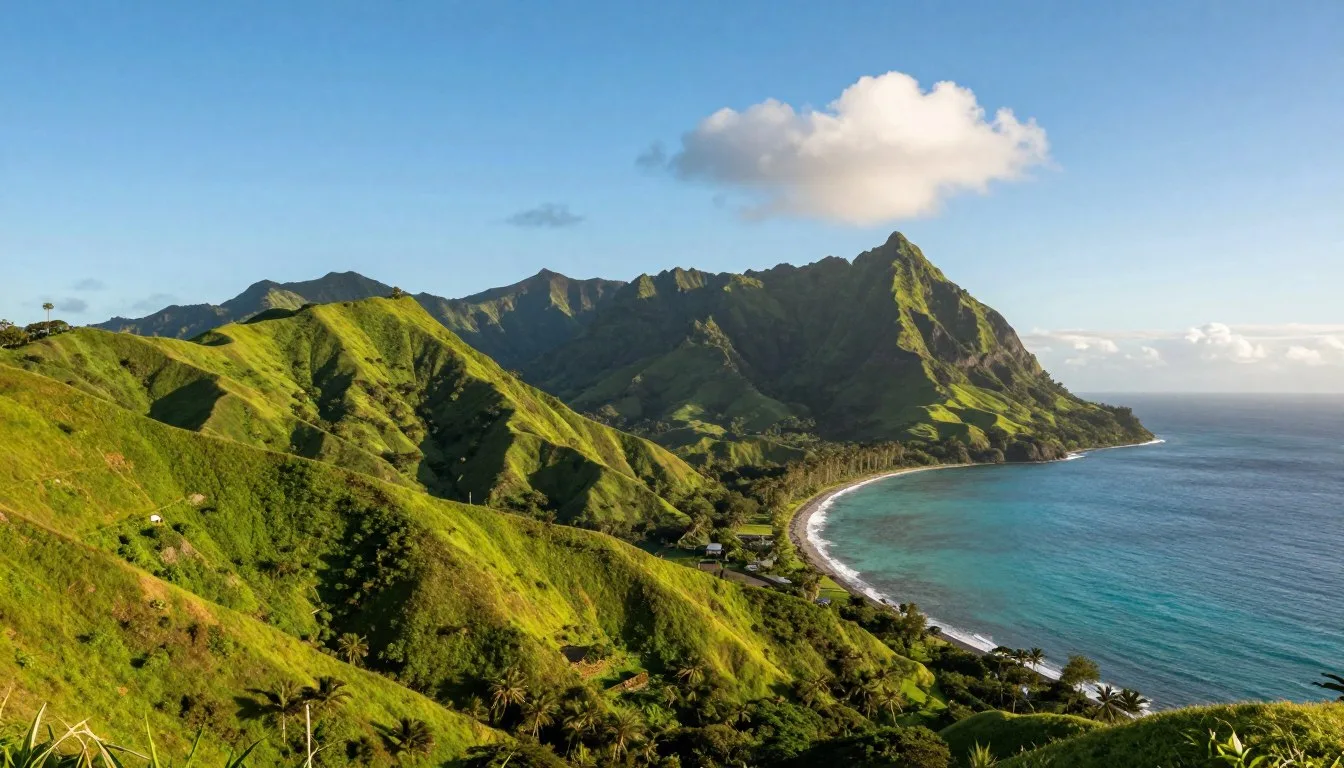
Did you know that two-thirds of Montserrat remains completely off-limits to visitors? The southern portion of this Caribbean island sits frozen in time beneath volcanic ash, creating one of the world’s most haunting modern-day ghost towns. This tiny British Overseas Territory, measuring just 102 square kilometers (39 square miles), offers travelers an experience unlike any other Caribbean destination. The Soufrière Hills volcano continues to shape life on this emerald island, where nature’s raw power meets warm Caribbean hospitality.
Montserrat earned its nickname “The Emerald Isle of the Caribbean” from Irish settlers who arrived in the 1600s. Today, visitors discover a destination where Irish heritage blends with Caribbean culture. The island offers pristine black sand beaches, vibrant coral reefs, and mountain trails through lush rainforest. Adventure seekers explore the exclusion zone’s edge, witnessing nature’s incredible force firsthand.
This comprehensive Montserrat travel guide covers everything you need for an unforgettable visit. From volcanic viewpoints to hidden beaches, traditional Irish-Caribbean festivals to world-class diving spots, we’ll help you discover why this resilient island captivates every traveler who steps ashore. The mountain scenery rivals any Caribbean destination, while the warm local community welcomes visitors with genuine island hospitality.
Getting There and Planning Your Journey
Reaching Montserrat requires some planning, as the island has no commercial airport capable of handling large aircraft. Most visitors arrive through a combination of international and regional flights. The journey becomes part of the adventure, offering spectacular aerial views of the Caribbean islands.
Closest International Airports
V.C. Bird International Airport in Antigua serves as the primary gateway to Montserrat. Located just 48 kilometers (30 miles) northeast, Antigua connects to major international hubs. Direct flights arrive from North America, Europe, and other Caribbean islands. Most visitors spend a night in Antigua before continuing to Montserrat the next day.
From V.C. Bird International Airport
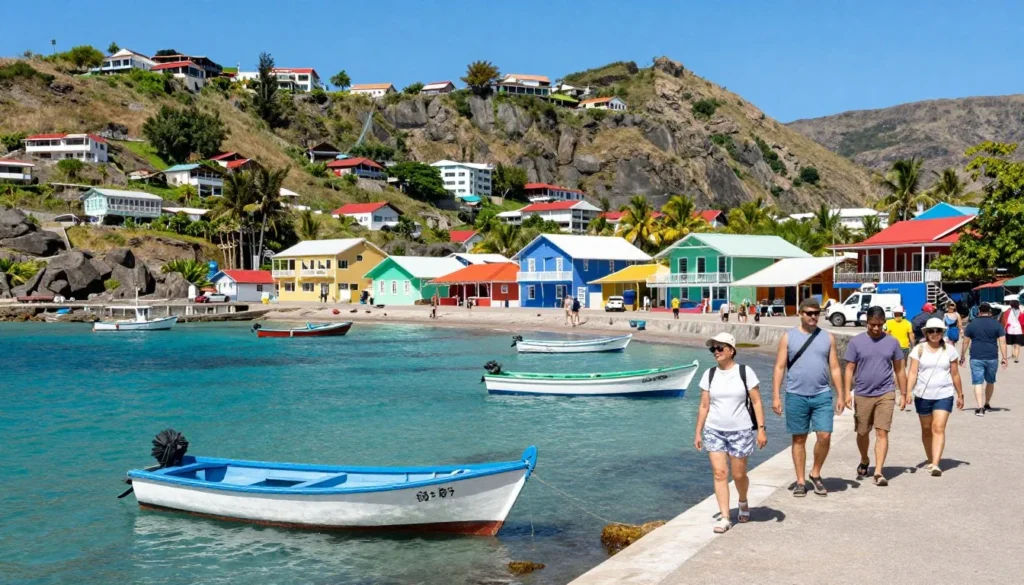
After landing in Antigua, travelers have two main options for reaching Montserrat. The ferry service operates regularly from Antigua’s Heritage Quay, taking approximately 90 minutes to reach Little Bay. The open-air ferry provides stunning views during the crossing. Departures typically run several times weekly, with schedules varying by season.
Alternatively, small aircraft operate from Antigua to John A. Osborne Airport in Montserrat. These flights take just 15 minutes, offering breathtaking aerial views of both islands. The tiny airport sits on the island’s northern tip, with a short runway perched dramatically between mountain and sea.
Regional Connections
Other nearby airports include Robert L. Bradshaw International Airport in St. Kitts, approximately 80 kilometers (50 miles) northwest. However, this route requires additional ferry or charter arrangements. Most travel guides recommend the Antigua route for convenience and reliability.
Charter flights and helicopter services offer more flexible scheduling for those with larger budgets. These services operate from several neighboring islands, providing customized trip options. Contact local operators in Antigua or Montserrat for current rates and availability.
Entry Requirements and Documentation
United States citizens need a valid passport for entry. No visa is required for stays under six months. Visitors must present proof of onward travel and sufficient funds for their stay. Travel insurance is highly recommended, particularly coverage including volcanic activity considerations.
Check 30,000+ Local Sightseeing Tours Worldwide
✓ Numerous languages and currencies are available
The Montserrat Tourist Board can provide current entry requirements and travel advisories. Contact them at +1 (664) 491-2230 for the most up-to-date information before your trip. Requirements may change, so verify details several weeks before departure.
Important Contact: Montserrat Tourist Board – Phone: +1 (664) 491-2230. Office hours: Monday through Friday, 8:00 AM to 4:00 PM Atlantic Standard Time.
Planning Your Visit Duration
Most visitors spend three to seven days exploring Montserrat. This timeframe allows adequate time to experience the volcano viewpoints, beaches, hiking trails, and local culture. Day trips from Antigua are possible but rush the experience significantly. The island’s relaxed pace deserves more than a rushed visit.
Consider building extra days into your itinerary for weather flexibility. The small aircraft to the island may experience delays during poor conditions. Ferry services also depend on favorable sea states. Having buffer time prevents stress and missed connections on your return journey.
Best Time to Visit and Weather Tips
Montserrat enjoys warm tropical weather year-round, with temperatures ranging from 24°C to 30°C (75°F to 86°F). The island experiences distinct dry and wet seasons that significantly impact the visitor experience. Understanding these patterns helps optimize your mountain adventures and beach time.
Best Time to Visit Montserrat
December through April offers the best conditions for visiting. The dry season brings lower humidity, minimal rainfall, and consistent sunshine. Trade winds keep temperatures comfortable even during midday. This period sees the most stable weather for hiking mountain trails and exploring volcanic viewpoints.
February and March stand out as particularly excellent months. The landscape remains lush from earlier rains, yet precipitation stays minimal. Seas remain calm for ferry crossings and water activities. These months also avoid the peak hurricane season entirely.
Peak Season Advantages (December-April)
- Minimal rainfall and lower humidity
- Best conditions for hiking and outdoor activities
- Calm seas for diving and snorkeling
- Comfortable temperatures for exploring
- Reliable ferry schedules
- Clear mountain views for photography
Off-Season Considerations (June-November)
- Hurricane season brings storm risk
- Higher humidity and frequent rain showers
- Potential flight and ferry disruptions
- Some trails may be muddy or closed
- Reduced visibility for volcano viewing
- Limited tour operator availability
Months to Avoid
September and October present the highest hurricane risk. These months see the Atlantic hurricane season at its peak intensity. While Montserrat has good storm preparation infrastructure, visitors should carefully consider travel insurance. The official hurricane season runs from June through November, with August through October showing the greatest activity.
Heavy rainfall during the wet season, particularly from July through November, can impact outdoor plans. Mountain trails become slippery and potentially dangerous. Flash flooding occasionally affects low-lying areas. Some tour operators reduce services or close entirely during the wettest months.
Shoulder Season Opportunities
May and November offer an interesting compromise for budget-conscious travelers. Accommodation rates drop significantly compared to peak season. The island sees fewer visitors, creating a more intimate experience. Weather remains reasonably good, with intermittent rain showers rather than continuous precipitation.
These shoulder months work well for flexible travelers who can adjust daily plans based on conditions. Morning typically offers the best weather, with afternoon clouds building over the mountain. Start hikes and tours early to maximize good conditions.
What to Pack for Montserrat Weather
Lightweight, breathable clothing suits the tropical climate year-round. Quick-dry fabrics work best for the humid conditions. Pack a light rain jacket even during dry season, as brief showers can occur anytime. The mountain areas can be cooler, especially during evening viewpoint visits.
- Sun protection essentials: high SPF sunscreen, wide-brimmed hat, sunglasses
- Sturdy hiking shoes with good traction for mountain trails
- Water shoes for black sand beaches and rocky shores
- Light long sleeves for sun protection and evening mosquito prevention
- Waterproof bag for electronics and documents
- Binoculars for volcano and wildlife viewing
- Reusable water bottle to stay hydrated in the heat
Notable Annual Festivals
Montserrat’s festival calendar reflects its unique Irish-Caribbean heritage. These celebrations offer visitors authentic cultural experiences you won’t find on other Caribbean islands. The festivals blend European traditions with African-Caribbean influences, creating distinctive events that showcase island identity.
St. Patrick’s Festival (Mid-March)
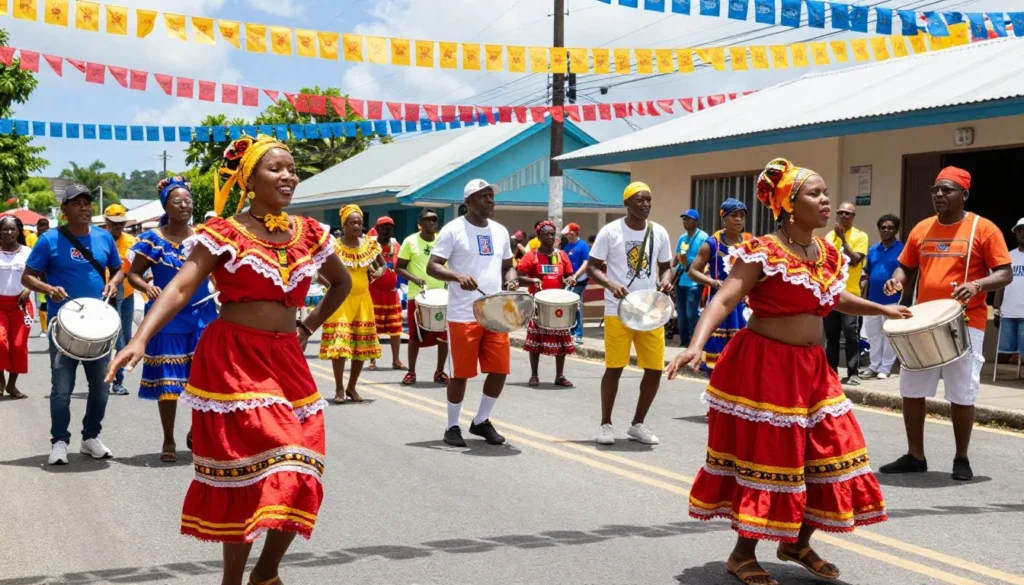
Montserrat hosts the Caribbean’s only St. Patrick’s Day celebration, running for an entire week in mid-March. This festival commemorates both Irish heritage and a 1768 slave rebellion that occurred on March 17. The event transforms the island into a vibrant celebration of freedom, culture, and heritage.
Activities include calypso competitions, traditional Irish music sessions, beach parties, and cultural lectures. The week features a beauty pageant, sports competitions, and nightly entertainment. Local cuisine takes center stage with special dishes blending Irish and Caribbean flavors. The festival attracts visitors from across the Caribbean and Ireland itself.
For festival program details and specific event times, contact the Montserrat Festival Committee at +1 (664) 491-2701. Booking accommodations well in advance is essential, as this remains the island’s busiest time of year.
Montserrat Calabash Festival (Late July)
This three-day music festival in late July celebrates Caribbean and international music. World-renowned reggae, soca, and jazz artists perform alongside local talent. The festival takes its name from the calabash tree, symbolizing abundance and community in Caribbean culture.
Evening concerts take place under the stars at various venues across the island. Daytime activities include beach parties, cultural workshops, and local craft markets. The relaxed atmosphere encourages mingling between visitors and locals. Past performers have included major Caribbean music stars and international acts.
Festival dates vary slightly each year. For current year information and ticket details, contact the Montserrat Arts Council at +1 (664) 491-4242. Early bird tickets offer significant savings when purchased months in advance.
Cudjoe Head Day (December 31)
This unique New Year’s Eve tradition features masked dancers in elaborate costumes parading through villages. The celebration has roots in West African masquerade traditions brought by enslaved people. Characters called “masqueraders” perform satirical skits addressing social and political themes.
The festivities begin in late afternoon and continue past midnight. Spectators line the streets as troupes compete for best costume and performance. Steel pan bands provide music throughout the evening. The event culminates in a massive street party welcoming the new year.
No formal organization handles this grassroots celebration, but the Montserrat Cultural Centre provides information at +1 (664) 491-4242. Arrive early to secure good viewing spots along the main parade route.
Queen’s Birthday Celebration (June)
As a British Overseas Territory, Montserrat celebrates the monarch’s official birthday in early June. The day features military parades, official ceremonies, and community gatherings. School children perform traditional dances and songs. The Governor hosts a garden party at Government House.
This event showcases Montserrat’s British connections while incorporating Caribbean flair. Public buildings display flags and bunting. Many businesses close for the holiday, allowing islanders to participate in festivities. The celebration feels more relaxed than formal, with beach parties following official ceremonies.
Festival Planning Tip: Major festivals require early accommodation booking, often six months in advance. Consider staying in Antigua and taking day trips if Montserrat lodging is fully booked. The ferry schedule expands during festival periods to accommodate additional visitors.
Getting Around Locally
Montserrat’s compact size makes navigation relatively straightforward, though the mountainous terrain and limited road network require some planning. The northern accessible portion of the island contains all current settlements and attractions. Most roads are paved but narrow and winding, following the mountain contours.
Rental Cars and Driving
Renting a car provides maximum flexibility for exploring at your own pace. Several local companies operate near the ferry terminal and airport. Vehicles range from compact cars to SUVs, with four-wheel drive recommended for accessing some mountain roads and beaches.
Visitors must obtain a temporary Montserrat driver’s permit, available from rental agencies for approximately 20 USD. Driving occurs on the left side of the road, following British conventions. Roads can be steep with sharp curves, requiring careful attention. Mountain fog sometimes reduces visibility significantly.
Gas stations are limited, so fill up when opportunities arise. Most rental agencies provide detailed maps and driving tips specific to island conditions. Parking is generally easy to find at most attractions and beaches.
Taxi Services
Licensed taxis serve the island with fixed rates for common routes. Drivers often act as informal tour guides, sharing local knowledge during trips. Fares are set by the government, with rates available at the taxi stand near the ferry terminal.
Most taxi drivers accept US dollars alongside the local Eastern Caribbean dollar. Tipping is appreciated though not mandatory. For reliable taxi service, contact the Montserrat Taxi Association at +1 (664) 491-2461. Booking ahead ensures availability, especially during festivals or busy periods.
Hiring a taxi for a full day tour costs approximately 150-200 USD. This option works well for visitors wanting commentary and local insights without driving themselves. Drivers customize itineraries based on interests and physical abilities.
Public Transportation
Limited bus service connects major settlements during weekday daytime hours. The informal system uses minivans that stop on request along main routes. Fares are inexpensive, typically 2-5 USD depending on distance. Buses don’t follow published schedules, running instead on demand and driver availability.
This option suits budget travelers comfortable with uncertainty. Buses rarely operate evenings or Sundays. Services to more remote beaches and trailheads are essentially nonexistent. The bus system works better for moving between towns than accessing specific attractions.
Walking and Hiking
Walking works well within individual villages and settlements. Little Bay, Brades, and Salem are compact enough to explore on foot. However, distances between settlements make walking impractical for touring multiple areas in one day.
Mountain trails require proper hiking preparation. The terrain is steep with potentially slippery conditions. Always carry water, wear appropriate footwear, and inform someone of hiking plans. Some trails require guides for safety and navigation.
Bicycle Rentals
Limited bicycle rental options exist, though the mountainous terrain makes cycling challenging. The main coastal road offers some flatter sections suitable for casual riding. Traffic is light compared to most destinations, but road shoulders are narrow or nonexistent.
Mountain biking enthusiasts find exciting trails, but should bring their own specialized equipment. Local rental offerings focus on basic transportation rather than performance bicycles. The hot, humid climate also makes extended cycling strenuous.
Navigation Tip: Cell phone coverage is generally reliable in inhabited areas. Download offline maps before arrival, as some remote spots lack signal. The tourist board provides free paper maps showing all main roads, settlements, and attractions. GPS coordinates work better than street addresses for finding specific locations.
Where to Stay
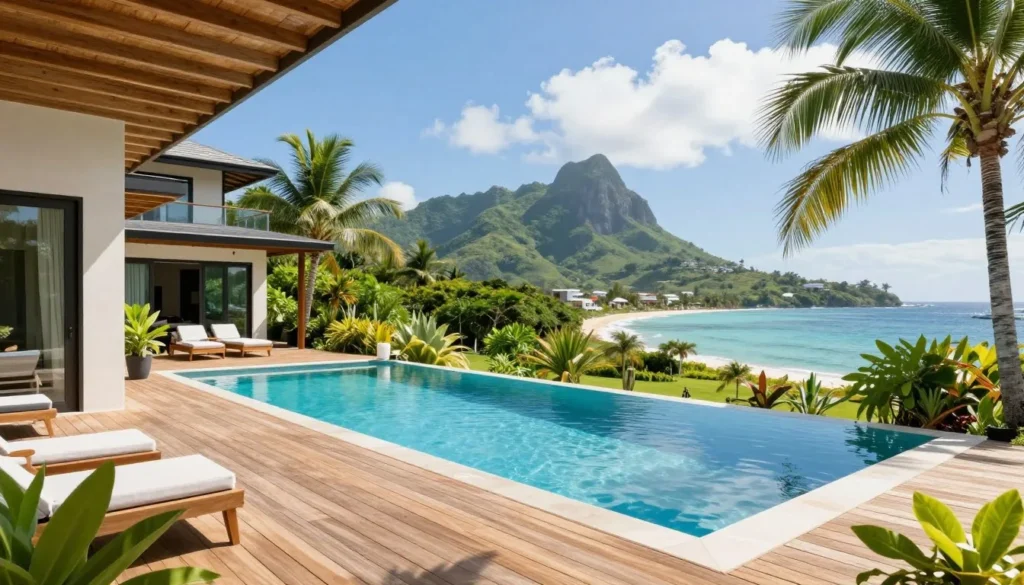
Accommodation options on Montserrat are limited compared to larger Caribbean islands, creating an intimate atmosphere. The variety ranges from guesthouses to villas, with most properties offering personalized service. Booking well in advance is essential, particularly during peak season and festival periods.
Hotels and Inns
Tropical Mansion Suites in Sweeney’s offers upscale accommodations with stunning ocean views. The property features spacious rooms, a pool, and an on-site restaurant. The hilltop location provides cooling breezes and spectacular sunset vistas. Contact them at +1 (664) 491-8767 for availability and rates.
Vue Pointe Hotel sits directly on the waterfront in Old Towne. This establishment offers comfortable rooms with easy beach access. The property includes a restaurant serving local and international cuisine. The hotel arranges tours and activities for guests. Reach them at +1 (664) 491-5210 for reservations.
Guesthouses and Bed & Breakfasts
Gingerbread Hill provides a charming hilltop retreat with personalized service. The owner-operated property offers stunning mountain views and home-cooked meals. Guests receive insider tips on lesser-known attractions and local culture. This intimate setting suits travelers seeking authentic island experiences.
Several smaller guesthouses operate in Woodlands, St. Peter’s, and other villages. These family-run establishments offer basic but clean accommodations at budget-friendly rates. Staying in local guesthouses supports island families directly while providing cultural immersion opportunities.
Villa Rentals
Private villa rentals suit groups, families, and longer stays. Properties range from modest cottages to luxury hillside estates. Many villas include full kitchens, private pools, and spectacular views. Weekly rates often provide better value than nightly hotel stays.
Villas require more advance booking, sometimes six months or more for high season. Property managers can arrange car rentals, stocking services, and private chefs. The independence of villa life appeals to visitors wanting flexibility and privacy.
Camping Options
No formal campgrounds exist on Montserrat. Wild camping is generally not permitted due to volcanic hazards and private land concerns. The island’s small size and available accommodations make camping unnecessary for most visitors.
Booking Considerations
Accommodation inventory is limited, with perhaps only 100-150 rooms island-wide. Festival periods, particularly St. Patrick’s Week, see complete sell-outs. Book absolutely as early as possible for March visits.
Many properties don’t list on major booking websites. Direct contact via phone often works better than online searches. The tourist board maintains an updated accommodation list and can assist with bookings. Their number is +1 (664) 491-2230.
Peak Season Rates
December through April sees the highest rates and lowest availability. Expect to pay 150-300 USD per night for mid-range hotels. Villas run 1,500-4,000 USD weekly depending on size and amenities. Minimum stay requirements often apply during peak periods.
The small inventory means flexibility is limited once booked. Cancellation policies tend to be strict. Travel insurance covering trip interruptions provides peace of mind given the island’s remote nature.
Off-Season Advantages
May through November brings significantly lower rates and better availability. Some properties offer 30-40 percent discounts compared to winter prices. The trade-off involves weather uncertainty and reduced tour operator services.
Off-season travel works well for budget-conscious visitors willing to adjust plans based on conditions. Many accommodations remain open year-round, maintaining full service despite fewer guests. The intimate atmosphere becomes even more pronounced.
Accommodation Tip: Internet and air conditioning are not universal. Confirm these amenities if important to you. Many properties rely on natural ventilation and ceiling fans. Water pressure and temperature can be inconsistent. Set expectations appropriately for a small, developing island.
Dining and Local Cuisine
Montserrat’s culinary scene reflects its Irish-Caribbean heritage with unique dishes found nowhere else. Fresh seafood, locally grown produce, and traditional recipes create memorable dining experiences. The small island means most restaurants operate part-time or by reservation only.
Traditional Montserrat Dishes
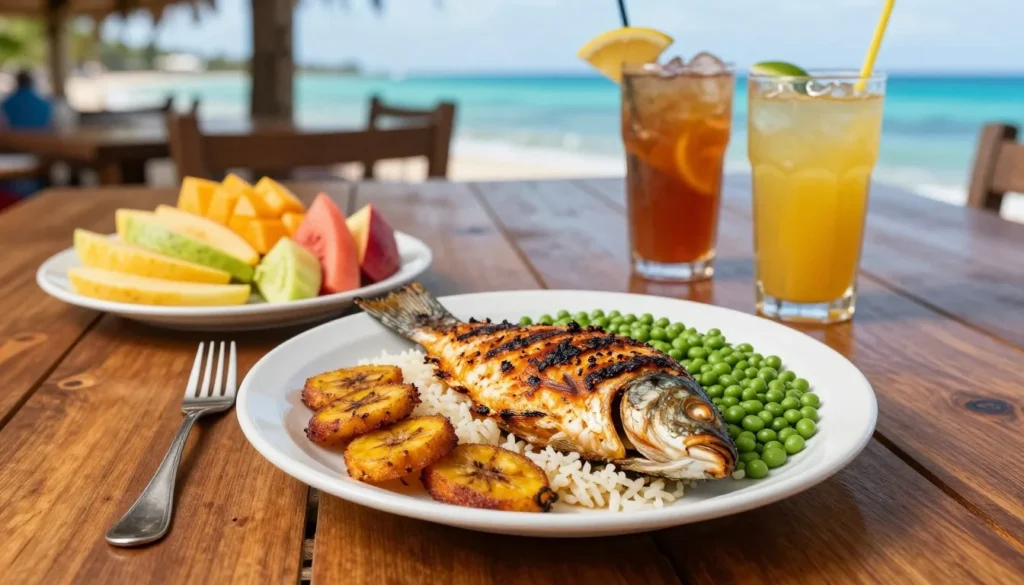
Goat water is the national dish, a hearty stew combining goat meat, vegetables, and spices. Despite the name, the dish contains no water in the finished product. The meat simmers for hours until incredibly tender. Local cooks guard their specific recipes, creating variations across families and restaurants.
Irish influence appears in dishes like potato pudding and dumplings. These European staples gained Caribbean twists through local ingredients and preparation methods. Sweet potato and cassava often substitute for Irish potatoes. African-influenced preparations bring additional spice and complexity.
Seafood Specialties
Fresh fish features prominently in island cuisine. Red snapper, mahi-mahi, and wahoo appear on most menus, often grilled with local seasonings. Lobster is available seasonally, typically from July through February. Conch appears in fritters, chowders, and salads.
Local fishermen bring daily catches directly to restaurants and markets. The freshness is unmatched compared to imported seafood. Many establishments post daily specials based on morning catches rather than fixed menus.
Where to Eat
The People’s Place in Salem offers authentic local cuisine in a casual setting. This community favorite serves generous portions at reasonable prices. The menu changes based on available ingredients and the chef’s inspiration. Call ahead at +1 (664) 491-3712 to confirm hours and daily specials.
Tina’s Restaurant in Brades provides upscale dining with waterfront views. The menu blends international cuisine with local ingredients. Reservations are essential, especially on weekends. Reach them at +1 (664) 491-3538 for booking.
Ziggy’s serves casual beachfront meals with a laid-back atmosphere. The bar stays open later than most island establishments, creating a social gathering spot. Weekend barbecues feature local meats and seafood. Live music occasionally accompanies dinner service.
Check 30,000+ Local Sightseeing Tours Worldwide
✓ Numerous languages and currencies are available
Markets and Self-Catering
Salem Market operates on Friday and Saturday mornings, offering local produce, spices, and fresh fish. Vendors sell mangoes, papayas, avocados, and other tropical fruits picked at peak ripeness. Prices are reasonable, and haggling is not typical practice.
Small supermarkets in Brades and Salem stock imported goods and basic groceries. Selection is limited compared to larger islands. Prices run higher due to import costs. Planning meals around local, seasonal ingredients works better than expecting specific imported brands.
Drinks and Beverages
Montserrat produces its own rum at various small distilleries. The island rum has a distinctive character worth sampling. Bush tea, made from local herbs, is a popular non-alcoholic beverage. Recipes vary by family, often including medicinal properties.
Fresh fruit juices like passion fruit, soursop, and tamarind are widely available. Many establishments make juices to order rather than keeping them pre-made. Coconut water comes straight from young coconuts, providing natural hydration in the heat.
Dining Customs and Etiquette
Service tends to be relaxed and unhurried. Allow extra time for meals, especially at smaller establishments. Tipping is appreciated though not mandatory, with 10-15 percent considered generous. Some restaurants include a service charge automatically.
Dress codes are casual throughout the island. Beach attire is acceptable at most establishments, though covering up shows respect. Reservations are increasingly important even at casual spots, as ingredients may be purchased specifically for confirmed guests.
Dietary Considerations: Vegetarian options exist but require specific requests. Vegan dining is challenging, as dairy and meat feature prominently in traditional dishes. Allergies and dietary restrictions should be communicated clearly when making reservations. Chefs typically accommodate special needs with advance notice.
Attractions, Sightseeing, and Activities
Montserrat’s dramatic volcanic landscape creates unique attractions found nowhere else in the Caribbean. The island balances natural wonders with cultural sites, offering diverse activities for all interests. The compact size allows visiting multiple attractions in a single day.
Montserrat Volcano Observatory
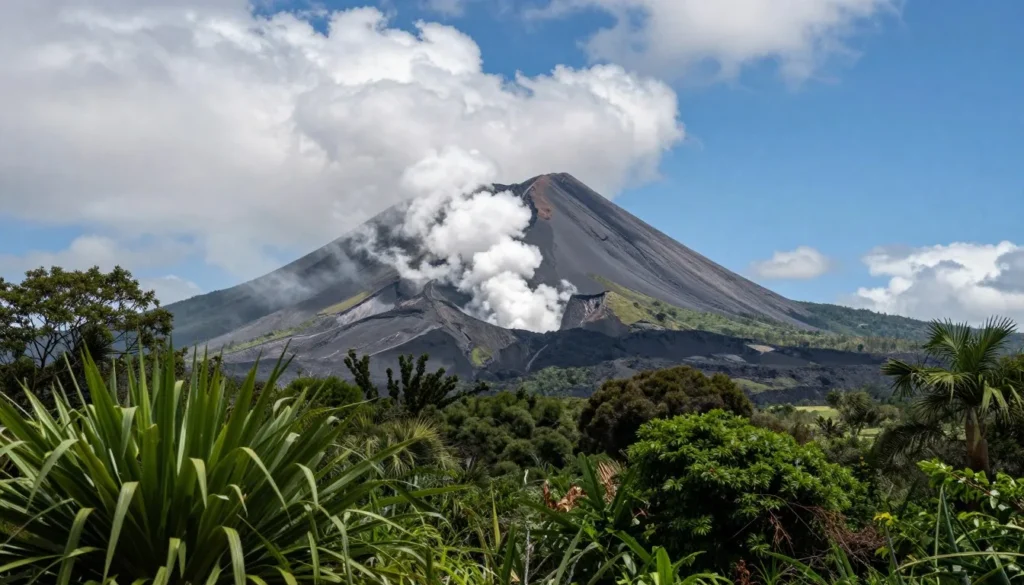
The Montserrat Volcano Observatory perches on Garibaldi Hill, providing spectacular views of the Soufrière Hills volcano. Scientists monitor volcanic activity 24/7 from this facility. The visitor center explains volcanic processes, eruption history, and current hazard levels.
Interactive displays showcase before-and-after photos of Plymouth, the buried former capital. Seismograph readings demonstrate ongoing volcanic activity beneath the mountain. The observation deck offers breathtaking vistas across the exclusion zone. Visiting this site first provides essential context for understanding the island’s transformation.
The observatory opens Monday through Friday, 10:00 AM to 4:00 PM. Admission costs 10 USD for adults. The staff includes world-renowned volcanologists who sometimes give impromptu explanations to curious visitors. Contact +1 (664) 491-5647 for group visits or special programs.
Jack Boy Hill Viewing Area
This official viewpoint provides the closest safe look at Plymouth, the buried capital. Through binoculars, you can see building tops protruding from volcanic deposits. The eerie sight of a modern city frozen in time beneath ash creates powerful emotions.
Interpretive signs explain what lies beneath the grey landscape stretching below. On clear days, the view extends across the entire exclusion zone to the ocean. The volcano often releases steam plumes, offering dramatic photo opportunities. Visiting during morning hours typically provides the clearest mountain views before afternoon clouds develop.
Exclusion Zone Boat Tours
Licensed boat operators conduct tours along the coast through the maritime exclusion zone. These trips provide unique perspectives on buried buildings, pyroclastic flow deposits, and dramatic landscape changes. The coast’s black sand beaches and volcanic cliffs create otherworldly scenery.
Guides explain the eruption timeline while pointing out landmarks now partially submerged or buried. Some tours include snorkeling stops at pristine reefs near the exclusion zone boundary. The experience offers safe access to areas otherwise completely off-limits.
Schooner’s Dive and Watersports operates excellent volcano boat tours. Contact them at +1 (664) 496-7807 for schedules and rates. Tours run approximately three hours and cost around 80-100 USD per person. Rough seas occasionally cancel trips, so flexibility helps.
Plymouth Virtual Tour
The National Museum of Montserrat offers virtual reality experiences recreating Plymouth before its burial. These digital reconstructions allow walking through the former capital’s streets, visiting landmarks that no longer exist in accessible form. The emotional impact rivals viewing the actual buried city.
Historic photos and personal accounts accompany the virtual tour. Survivors share stories of evacuation and loss. The presentation honors what was lost while celebrating Montserrat’s resilience. This indoor attraction works perfectly during rainy weather or extremely hot afternoons.
Runaway Ghaut
This dramatic volcanic canyon was carved by enormous pyroclastic flows. The deep scar cutting through the landscape demonstrates volcanic power firsthand. Visitors can walk partway into the ghaut, though areas remain off-limits depending on current volcanic activity.
The grey volcanic deposits contrast sharply with surrounding green vegetation. Strange volcanic formations create an alien landscape. This site offers excellent photography opportunities and geological education. Always observe posted boundaries and warning signs.
Hilltop Coffee House
Beyond excellent coffee and food, this establishment provides stunning panoramic views. The location offers vistas across both accessible northern Montserrat and the volcanic exclusion zone to the south. Sunset views are particularly spectacular.
The owners are friendly sources of local information and stories. The relaxed atmosphere encourages lingering over drinks while absorbing the views. This makes an excellent stop when traveling between other attractions. Operating hours vary, so calling ahead at +1 (664) 491-2005 prevents disappointment.
Photography Advisory: Volcanic dust can damage camera equipment. Use protective covers and bags, especially on windy days. The dramatic scenery rewards the extra care. Early morning and late afternoon light create the most dramatic mountain photography. Always ask permission before photographing local people.
Museums, Cultural Spots, and Festivals
Montserrat’s rich cultural heritage blends Irish, African, and Caribbean influences. Museums and cultural centers preserve this unique identity while telling the story of volcanic disruption and community resilience. These sites provide essential context for understanding what makes Montserrat special.

National Museum of Montserrat
This museum chronicles the island’s complete history from Arawak settlement through volcanic eruptions. Exhibits include pre-Columbian artifacts, colonial era documents, and contemporary art. The volcanic section features powerful personal accounts from residents who fled their homes.
Rotating exhibitions showcase local artists and historical themes. The museum shop sells locally made crafts and books about Montserrat. Staff members provide knowledgeable answers to visitor questions. The air-conditioned building offers welcome relief during hot afternoons.
The museum opens Tuesday through Saturday, 10:00 AM to 4:00 PM. Admission is 5 USD for adults. Located in Little Bay, the facility is easily accessible. Their contact number is +1 (664) 491-5443 for group visits or special inquiries.
Montserrat Cultural Centre
This performing arts venue hosts concerts, plays, and cultural events year-round. The modern facility includes a theater, gallery space, and classrooms for arts education. Local and visiting artists present diverse programming from classical music to contemporary Caribbean performances.
The gallery features monthly exhibitions by Montserratian and regional artists. Opening receptions provide opportunities to meet artists and other culturally engaged visitors. The center serves as a community gathering space and cultural hub.
Event schedules vary monthly. Check with the center at +1 (664) 491-4242 for current programming. Ticket prices depend on the specific performance, typically ranging from 10-30 USD. The venue also rents space for private functions.
Montserrat Stamp Bureau
Philatelists appreciate Montserrat’s distinctive postage stamps, which feature local wildlife, landscapes, and historical themes. The Stamp Bureau showcases rare and historical issues alongside current releases. Collectors can purchase commemorative sets and first-day covers.
Even non-collectors find the colorful stamp designs appealing as souvenirs. The artistic stamps capture island identity in miniature form. Limited edition releases often sell out quickly among serious collectors worldwide.
Heritage Trail Sites
Several historical sites outside the exclusion zone remain accessible. Sugar mill ruins dot the landscape, remnants of Montserrat’s plantation economy. These stone structures demonstrate engineering ingenuity from centuries past. Interpretive signs explain their operation and historical context.
Old colonial churches, though damaged by hurricanes and volcanic activity, still stand in places. St. Anthony’s Church in St. John’s features beautiful stonework and graveyard with Irish surnames. These sites connect visitors to Montserrat’s complex colonial history.
Local Art Galleries
Small galleries operate in several villages, showcasing paintings, sculptures, and crafts by island artists. Much art explores themes of displacement, resilience, and natural beauty. The volcano itself inspires many contemporary works.
Purchasing art directly from galleries supports local artists and provides unique souvenirs. Many artists welcome studio visits by appointment. The small scale allows personal interaction impossible at commercial art venues elsewhere.
Traditional Music and Dance
String bands and folk groups perform traditional Montserrat music at cultural events. These ensembles use fiddles, guitars, and drums to play Irish-influenced Caribbean melodies. The unique sound can’t be heard anywhere else.
Masquerade dancing continues African-derived traditions through elaborate costumes and performances. Dancers wear masks depicting spirits, historical figures, or satirical characters. The tradition connects contemporary Montserratians to ancestral heritage.
Cultural Etiquette: Photography at cultural sites and events should be respectful. Always ask permission before photographing people, especially elders and during ceremonies. Many Montserratians are happy to share their culture but appreciate being asked first. Modest dress shows respect when visiting churches and attending formal cultural events.
Nature and Outdoor Experiences
Beyond the volcano, Montserrat offers diverse natural attractions. The island’s northern section contains pristine beaches, lush forests, and excellent hiking trails. The mountain terrain creates varied ecosystems within a small area, from coastal scrub to cloud forest.

Centre Hills Forest Reserve
p>This protected rainforest covers much of Montserrat’s northern highlands. The reserve harbors unique wildlife including the critically endangered Montserrat oriole, the national bird. Dense vegetation, strangler figs, and towering tree ferns create a primeval atmosphere.
Several marked trails traverse the reserve at different difficulty levels. The trail to Oriole Walkway is moderate, taking about two hours round trip. Guides significantly enhance the experience by identifying plants, animals, and bird calls. The forest provides cool relief from coastal heat.
For guided hikes, contact the Montserrat Forestry Division at +1 (664) 491-3676. Guides cost approximately 40-60 USD for half-day trips. Going with a guide improves wildlife spotting chances dramatically. The division can also provide trail maps for self-guided hikes on easier paths.
Beaches
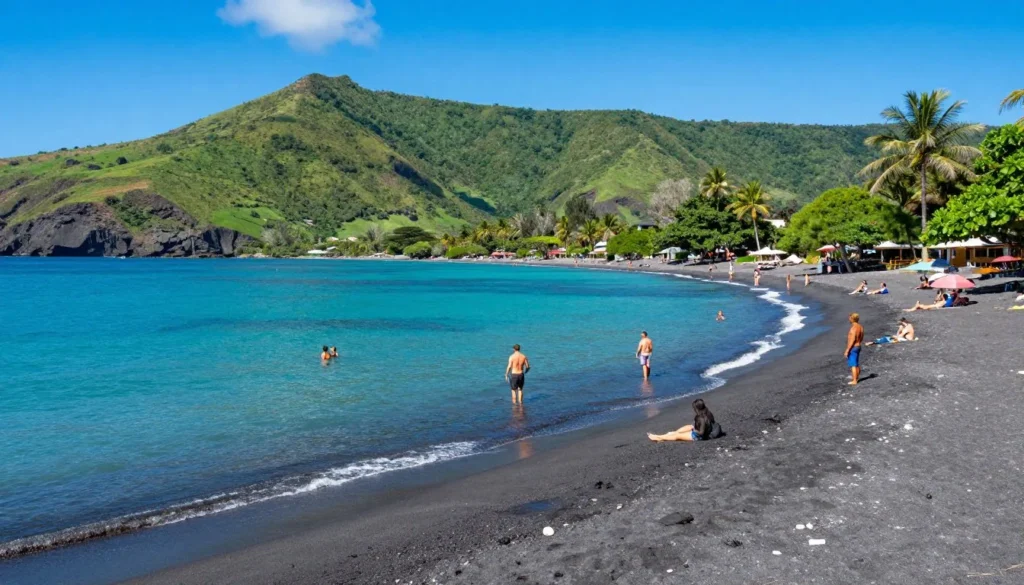
Montserrat’s beaches feature distinctive black volcanic sand. Woodlands Beach offers the easiest access, with parking near the shore. The beach extends for several hundred meters, providing space for strolling. Shade from sea grape trees offers relief from the sun.
Little Bay Beach sits near the ferry terminal with calm, clear water perfect for swimming. Beach bars and restaurants line the shore, providing food and drink. This area sees the most activity, especially when ferries arrive. Kayak rentals are sometimes available from beachfront operators.
Rendezvous Beach requires a boat ride or strenuous hike, rewarding visitors with pristine isolation. The bay offers excellent snorkeling with healthy coral formations. Few people visit, creating a true escape. Local operators arrange boat drop-offs with scheduled pickup times.

Snorkeling and Diving
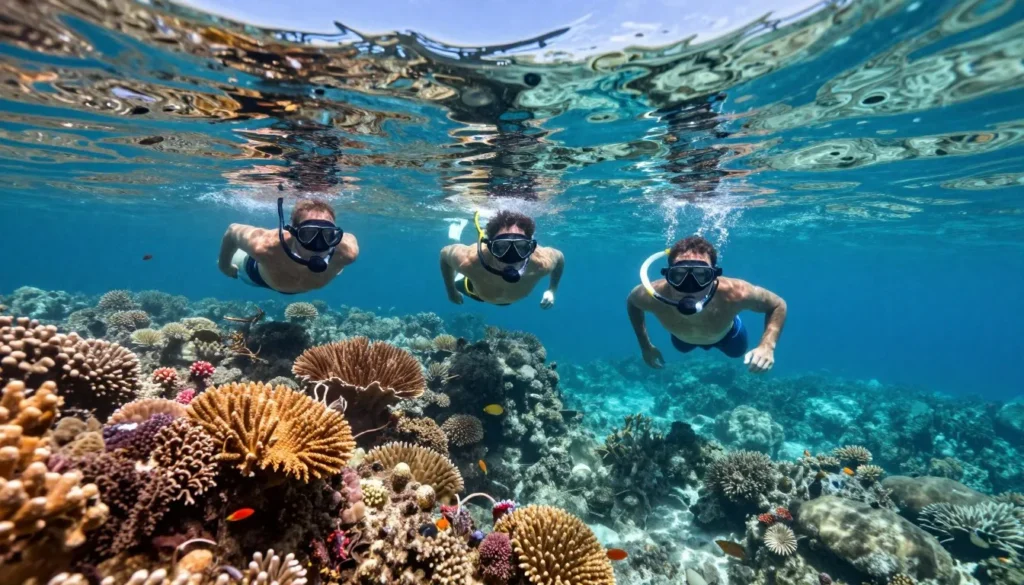
Coral reefs around Montserrat remain healthy and vibrant compared to many Caribbean locations. The waters teem with tropical fish, rays, and occasional turtles. Visibility often exceeds 30 meters (100 feet), creating spectacular underwater views.
Popular dive sites include Bat Cave, which features an underwater cavern and diverse marine life. Rendezvous Bay’s reef offers excellent snorkeling from shore. More advanced dive sites lie off the western coast in deeper water.
Schooner’s Dive and Watersports provides complete services from equipment rental to instruction. Contact them at +1 (664) 496-7807 for rates and scheduling. Dive trips accommodate all skill levels from beginners to advanced technical divers. Snorkel gear rental costs approximately 15-20 USD daily.
Hiking Silver Hills
This trail climbs to Montserrat’s highest accessible peak at 402 meters (1,319 feet). The moderately strenuous hike takes about three hours round trip. Summit views encompass the entire northern island, neighboring islands, and on clear days, the volcano.
The trail passes through different vegetation zones, from dry scrub to moist forest. Birding opportunities abound, particularly in early morning. The exposed summit can be windy, so bring a light jacket despite the tropical climate.
Kayaking and Paddleboarding
Calm bays provide excellent conditions for kayaking and stand-up paddleboarding. Exploring the coastline from water reveals hidden coves and geological features. The activity suits all fitness levels with appropriate bay selection.
Equipment rentals are sometimes available at Woodlands Beach and Little Bay. Availability can be inconsistent, so inquire at your accommodation about current options. Guided kayak tours occasionally run during peak season, combining paddling with snorkeling stops.
Wildlife Watching
Beyond the famous Montserrat oriole, the island hosts diverse wildlife. The Mountain chicken frog, actually a large species of frog, lives in the forests. Though rarely seen, their loud calls echo through the hills at night.
Humpback whales migrate past Montserrat from January through March. Boat operators sometimes spot whales during fishing or diving trips. Dolphins frequently play in boat wakes, delighting passengers during ferry crossings.
Bird Watching
Serious birders travel to Montserrat specifically for the endemic oriole. The rainforest harbors other specialties including the trembler, forest thrush, and Caribbean elaenia. Coastal areas attract herons, egrets, and other water birds.
The Montserrat Oriole Project works to protect this critically endangered species. Fewer than 500 individuals survive, all on Montserrat. Spotting this striking black and yellow bird represents a significant birding achievement. Dawn hikes in Centre Hills offer the best chances.
Safety Reminder: Always inform someone of hiking plans and expected return time. Carry plenty of water, as the tropical climate causes rapid dehydration. Cell phone coverage is unreliable in remote areas. Trails can be slippery, especially after rain. Proper footwear is essential. Turn back if weather deteriorates or if feeling unwell.
Safety, Etiquette, and Local Customs
Montserrat is generally very safe for visitors, with low crime rates and friendly locals. However, the active volcano requires specific precautions. Understanding local customs and etiquette enhances your experience while showing respect for island culture.
Volcanic Safety
The Soufrière Hills volcano remains active, though major eruptions have declined since 2010. The Montserrat Volcano Observatory maintains constant monitoring. Hazard levels change based on volcanic activity, affecting which areas remain accessible.
Never enter the exclusion zone without proper authorization. Boundaries exist for life-threatening reasons including pyroclastic flows, which can reach temperatures of 700°C (1,300°F) and move faster than 100 kilometers per hour (60 mph). Even boats must maintain prescribed distances from the coast.
Check 30,000+ Local Sightseeing Tours Worldwide
✓ Numerous languages and currencies are available
Ashfall occasionally affects the accessible zone when wind patterns shift. If ash falls, stay indoors, close windows, and avoid unnecessary travel. Dampening fabric to cover your nose and mouth provides protection if you must go outside. Ash irritates eyes and respiratory systems.
Emergency sirens exist throughout inhabited areas. If you hear continuous siren blasts, proceed immediately to designated safe zones on high ground. Follow instructions from authorities. The chance of needing evacuation is low but having a plan provides peace of mind.
General Safety Considerations
Standard precautions apply regarding valuables and personal security. Don’t leave items unattended on beaches. Lock rental car doors and hide valuables from view. Most accommodations provide safes for passports and electronics.
The sun’s intensity near the equator surprises many visitors. Apply sunscreen liberally and reapply frequently, especially after swimming. Heat exhaustion affects people unaccustomed to tropical climates. Drink water constantly, even when not feeling thirsty.
Medical facilities are limited compared to larger islands. The hospital in St. John’s handles basic care and emergencies. Serious medical situations may require evacuation to Antigua or beyond. Comprehensive travel insurance including medical evacuation is strongly recommended.
Water and Food Safety
Tap water quality varies across the island. Most accommodations have reliable water, but asking is wise. Bottled water is widely available and inexpensive. Avoid ice unless certain it comes from purified sources.
Food safety standards are generally good. Restaurants serving tourists maintain proper hygiene. Street food from established vendors is typically safe. Use common sense regarding food that has sat in the heat.
Local Customs and Etiquette
Montserratians are generally warm and welcoming but appreciate polite manners. Greet people with “good morning,” “good afternoon,” or “good evening” when passing or entering shops. This courtesy matters more than in many places.
Dress modestly when away from beaches. Cover shoulders and wear longer shorts or skirts in villages, shops, and restaurants. Swimwear belongs at the beach only. Churches require respectful attire covering knees and shoulders.
Photography etiquette matters greatly. Always ask before photographing people, their homes, or private property. Many people happily pose but resent being photographed without permission. This applies especially to older residents and during cultural events.
Environmental Responsibility
Montserrat’s small size makes environmental impact especially visible. Take all trash with you from beaches and trails. Don’t disturb coral or marine life while snorkeling. Stay on marked trails to prevent erosion and protect vegetation.
Single-use plastics are problematic on small islands. Bring reusable water bottles, shopping bags, and containers. Many accommodations and restaurants appreciate guests minimizing waste. The island has limited waste management infrastructure.
Tipping and Money Matters
The Eastern Caribbean Dollar (XCD) is the official currency, though US dollars are widely accepted. Exchange rate is fixed at approximately 2.7 XCD to 1 USD. ATMs exist in main settlements but sometimes run out of cash. Bring sufficient cash, as credit cards aren’t universally accepted.
Tipping is appreciated but not mandatory. Ten to fifteen percent is generous for good service. Some restaurants include service charges automatically. Taxi drivers and tour guides appreciate tips for excellent service. Small guesthouses don’t expect tips as staff are usually owners.
Emergency Contacts
Keep these essential numbers readily available throughout your visit. Cell phone coverage is generally reliable in inhabited areas.
- Police: 999 or +1 (664) 491-2555
- Fire and Ambulance: 911
- Hospital: +1 (664) 491-2552
- Montserrat Disaster Management: +1 (664) 491-7166
- Montserrat Volcano Observatory: +1 (664) 491-5647
- Tourist Board: +1 (664) 491-2230
Cultural Sensitivity: Montserrat’s volcanic trauma affected everyone on the island. Be sensitive when discussing the eruptions. Many residents lost homes, businesses, and loved ones. While people are generally willing to share their experiences, approach the topic with respect and empathy. Don’t treat the buried capital as merely a tourist curiosity.
Visitor Comments About Montserrat
Travelers who visit Montserrat consistently praise the island’s unique character and warm hospitality. The volcanic landscape creates experiences unavailable anywhere else in the Caribbean. Here are genuine perspectives from recent visitors.
“Montserrat exceeded all expectations. The volcano observatory provided fascinating insights into geological processes we’d only read about. Locals shared their personal eruption stories with incredible resilience and grace. The beaches were pristine and uncrowded. We felt like we discovered a secret paradise. The food was outstanding, especially the goat water stew. Our guesthouse hosts treated us like family, offering tips no guidebook contained. We’re already planning our return visit.”
“As an avid hiker, the Centre Hills trails were a dream. Our guide knew every plant and bird call. We spotted the Montserrat oriole after patient watching, a life-list bird for me. The combination of rainforest and volcanic landscapes created unmatched diversity. Viewing Plymouth from Jack Boy Hill was emotionally powerful. The island’s small size meant we explored thoroughly without feeling rushed. The slow pace and genuine interactions with residents made this trip special compared to resort-heavy islands.”
“Montserrat offers something truly different from typical Caribbean vacations. The volcanic tour by boat revealed a landscape that looked like another planet. The black sand beaches were beautiful in their own unique way. We appreciated the lack of crowds and commercial development. Dining felt authentic rather than touristy. The St. Patrick’s Festival timing made our trip even more memorable, with music and celebrations everywhere. Everyone we met was helpful and proud of their island. This destination suits travelers seeking authentic experiences over luxury resorts.”
These visitor experiences reflect common themes: unique volcanic attractions, genuine local hospitality, pristine natural environments, and an unhurried pace. Travelers seeking authentic Caribbean experiences away from mass tourism find Montserrat particularly rewarding. The island requires flexibility and realistic expectations but rewards visitors with memorable, meaningful experiences.
Additional Nearby Destinations
Montserrat’s location in the northern Lesser Antilles provides access to other Eastern Caribbean islands. Combining Montserrat with neighboring destinations creates diverse multi-island itineraries. Each nearby island offers distinct character and attractions.
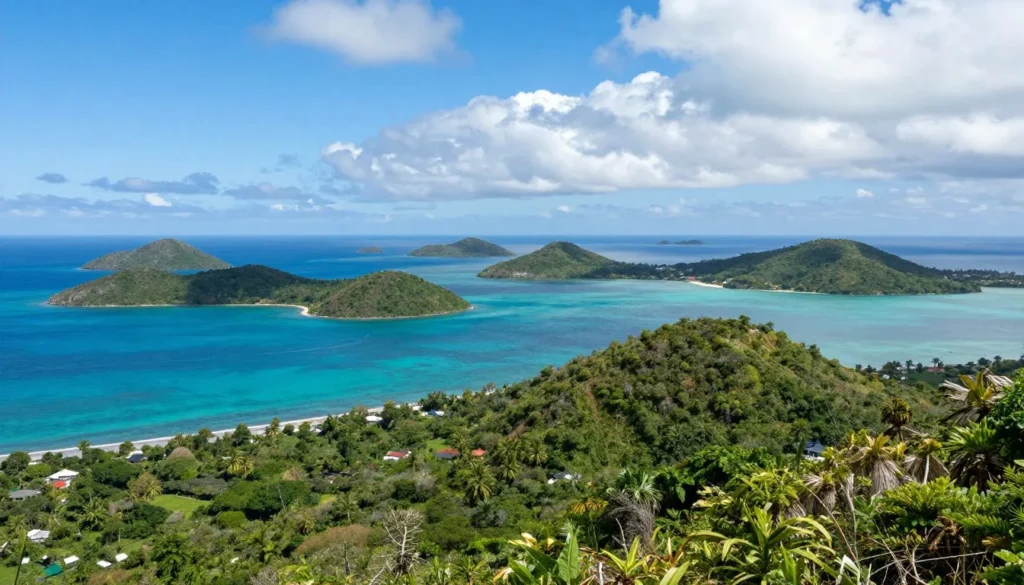
Antigua
Most visitors pass through Antigua en route to Montserrat. The island boasts 365 beaches, one for each day of the year according to tourism marketing. Nelson’s Dockyard preserves colonial naval history in a beautifully restored Georgian harbor.
Antigua offers far more tourism infrastructure than Montserrat, with numerous resorts, restaurants, and organized activities. The contrast highlights Montserrat’s undeveloped character. Spending a night or two in Antigua before or after Montserrat provides good balance. The islands sit only 48 kilometers (30 miles) apart, making the trip straightforward.
Guadeloupe
This French territory lies 110 kilometers (68 miles) south of Montserrat. The butterfly-shaped island combines French and Caribbean cultures. Excellent cuisine, mountain hiking, and beautiful beaches attract diverse visitors. The island’s size offers more to explore than Montserrat.
Guadeloupe also has an active volcano, La Soufrière, though it last erupted in 1977. Hiking to the summit provides dramatic views. The French influence creates noticeably different culture and cuisine compared to British-influenced islands. Regular ferry and air services connect Guadeloupe to surrounding islands.
Nevis and St. Kitts
These twin islands lie 80 kilometers (50 miles) northwest of Montserrat. Nevis offers plantation-era hotels and a more upscale, romantic atmosphere. St. Kitts features a scenic railway circling the island and Brimstone Hill Fortress, a UNESCO World Heritage site.
Both islands share volcanic origins like Montserrat but without recent eruptions. The mountain scenery and rainforests create similar landscapes. Nevis particularly attracts visitors seeking luxury and privacy. Day trips between these islands and Montserrat are possible but require planning around ferry schedules.
Dominica
Called the “Nature Island,” Dominica lies 160 kilometers (100 miles) south. The island features pristine rainforests, numerous waterfalls, and exceptional hiking. Like Montserrat, Dominica has minimal beach-resort development, appealing to ecotourists and adventure travelers.
Dominica also has volcanic features including Boiling Lake and numerous hot springs. The Morne Trois Pitons National Park offers world-class hiking. The island’s rugged terrain and heavy rainfall create dramatically lush vegetation. Visitors interested in Montserrat’s natural aspects often appreciate Dominica’s similar undeveloped character.
Multi-Island Itineraries
Combining multiple islands requires careful planning around ferry and flight schedules. A suggested two-week itinerary might include: three nights in Antigua (arrival buffer and beach time), four nights in Montserrat (volcanic attractions and hiking), three nights in Nevis (relaxation and plantation tours), and two nights back in Antigua (departure buffer).
Each island transition costs time and money. Excessive island hopping leaves little time for depth at each destination. Most travelers benefit from focusing on two or three islands maximum. The contrast between developed islands like Antigua and undeveloped Montserrat enhances appreciation for each location’s unique character.
Day Trip Considerations
While theoretically possible, day trips to Montserrat from other islands don’t allow adequate time. The ferry schedule and small aircraft flights limit flexibility. Montserrat deserves at least two nights to properly experience its attractions without feeling rushed.
Conversely, day trips from Montserrat to Antigua work reasonably well. The morning ferry allows a day of Antiguan beach and shopping before returning on the evening departure. However, most visitors prefer staying overnight to avoid rushing.
Practical Travel Tips
Successful Montserrat visits require some practical planning beyond typical Caribbean trips. The island’s small size and limited infrastructure demand flexibility and realistic expectations. These tips help travelers prepare for Montserrat’s unique characteristics.
Communication and Connectivity
Cell phone coverage through Cable & Wireless reaches most inhabited areas. International roaming works but can be expensive. Purchasing a local SIM card provides economical calling and data. Several shops in Brades and Salem sell SIM cards for approximately 20 USD including initial credit.
WiFi availability varies significantly by accommodation. Higher-end properties typically offer reliable internet, while budget guesthouses may have spotty or no WiFi. Internet cafes no longer operate on the island. Download important information, maps, and entertainment before arrival.
Cellular data speeds can be slow compared to developed markets. Video streaming often doesn’t work well. Plan for limited connectivity and embrace the digital detox opportunity. Emergency communication is reliable, which matters most.
Banking and Money
ATMs exist in main settlements but sometimes run out of cash, especially during festivals or when ferries arrive. Withdraw money promptly upon arrival. Bring backup cash in US dollars, which most establishments accept. Credit cards work at larger hotels and some restaurants but cash remains essential.
The Bank of Montserrat operates branches with limited hours, typically Monday through Thursday 8:00 AM to 2:00 PM, Friday 8:00 AM to 4:00 PM. Plan banking needs around these restricted hours. The bank can exchange major currencies though rates may be less favorable than bringing US dollars.
Shopping and Souvenirs
Shopping opportunities are limited compared to larger islands. Small craft shops sell locally made items including volcanic sand art, woven goods, and paintings. The National Museum shop offers quality souvenirs including books and postage stamps.
Montserrat stamps make excellent collectibles, featuring colorful designs with local themes. Locally produced hot sauce brings island flavor home. Avoid purchasing any items made from coral, turtle shell, or other marine life, which may be illegal to transport internationally.
Electrical Current and Adapters
Montserrat uses 230 volts, 60 Hz electricity with British-style three-pin plugs. North American visitors need both voltage converters and plug adapters. Many modern electronics including phone chargers work with 110-240 volts, requiring only plug adapters. Check devices before plugging in to prevent damage.
Power outages occasionally occur, particularly during heavy weather. Bringing a portable battery pack for phones and other devices provides backup. Flashlights or headlamps are useful, though most accommodations have emergency lighting.
Language
English is the official language, making communication easy for American visitors. The local dialect includes Irish and African influences creating distinctive pronunciation and expressions. Montserratians generally speak clearly with visitors but local conversations may include colorful regional terms.
Health Preparations
No vaccinations are required for visitors from the United States. However, routine immunizations should be current. Mosquito-borne illnesses including dengue fever occasionally occur. Use insect repellent containing DEET, especially during dawn and dusk. Long sleeves and pants provide additional protection during evening hours.
Bring prescription medications in original containers with adequate supply plus extras for delays. The island has a pharmacy but selection is limited. Basic over-the-counter medicines like pain relievers, antihistamines, and stomach remedies should come from home.
What to Pack
Beyond clothing and toiletries, consider these Montserrat-specific items:
- Reef-safe sunscreen (chemical sunscreens damage coral)
- Dry bags for protecting electronics from humidity and rain
- Quality hiking shoes with ankle support
- Lightweight rain jacket for sudden showers
- Binoculars for volcano viewing and birdwatching
- Power bank for charging devices during outages
- Basic first aid supplies including blister treatment
- Waterproof phone case for beach and boat activities
- Plug adapters and voltage converter
- Copies of important documents stored separately from originals
Time Zone
Montserrat observes Atlantic Standard Time year-round, four hours behind Greenwich Mean Time. The island does not observe daylight saving time. This puts Montserrat one hour ahead of Eastern Standard Time or equal to Eastern Daylight Time depending on the season.
Traveling with Children
Montserrat suits families with older children who can handle hiking and appreciate natural wonders. The lack of commercial attractions and limited beaches may bore younger children accustomed to activity-packed vacations. The educational aspects of volcano geology fascinate many school-age children.
Limited medical facilities make traveling with infants or toddlers more challenging. Baby supplies and formula may be difficult to find. Most accommodations can provide cribs with advance notice. The casual, friendly atmosphere welcomes families, but specific children’s activities are minimal.
Key Contact Information: Save these numbers in your phone upon arrival. Tourist Board: +1 (664) 491-2230 • Police: 999 • Hospital: +1 (664) 491-2552 • Volcano Observatory: +1 (664) 491-5647 • Your accommodation’s emergency contact number
Respecting the Environment
Montserrat’s small size makes every visitor’s environmental impact significant. Practice leave-no-trace principles on trails and beaches. Avoid touching coral while snorkeling, as even light contact damages these fragile organisms. Use reef-safe sunscreen to prevent chemical pollution.
Water resources are precious on the island. Take short showers and reuse towels. Avoid running water unnecessarily. The island has limited waste management, so minimize trash production. Bring reusable bags, bottles, and containers rather than single-use items.

Wildlife viewing should never disturb animals. Keep distance from nesting birds and avoid loud noises in the forest. The Montserrat oriole faces extinction, making respectful observation crucial. Never feed wildlife, which disrupts natural behaviors and diets.
Your Montserrat Adventure Awaits
Montserrat stands apart from typical Caribbean destinations through its volcanic drama, Irish heritage, and authentic island culture. The buried capital creates haunting reminders of nature’s power while showcasing human resilience. Pristine beaches, mountain trails, and vibrant reefs reward visitors seeking adventure beyond resort walls.
This small island demands flexibility and realistic expectations. Limited infrastructure means fewer choices but more authentic experiences. The warm welcome from Montserratians transforms a trip into meaningful cultural exchange. Every conversation, meal, and vista becomes more memorable without mass tourism’s commercialization.
Whether hiking rainforest trails, viewing the volcano’s moonscape, diving pristine reefs, or dancing at a festival, Montserrat offers experiences found nowhere else. The island’s tragic recent history makes its current vitality all more inspiring. Supporting Montserrat tourism helps this resilient community continue rebuilding.
Start planning your journey to this emerald Caribbean gem. The volcano, beaches, culture, and incredibly friendly people await. Your Montserrat adventure will exceed expectations while providing stories you’ll share for years to come.