
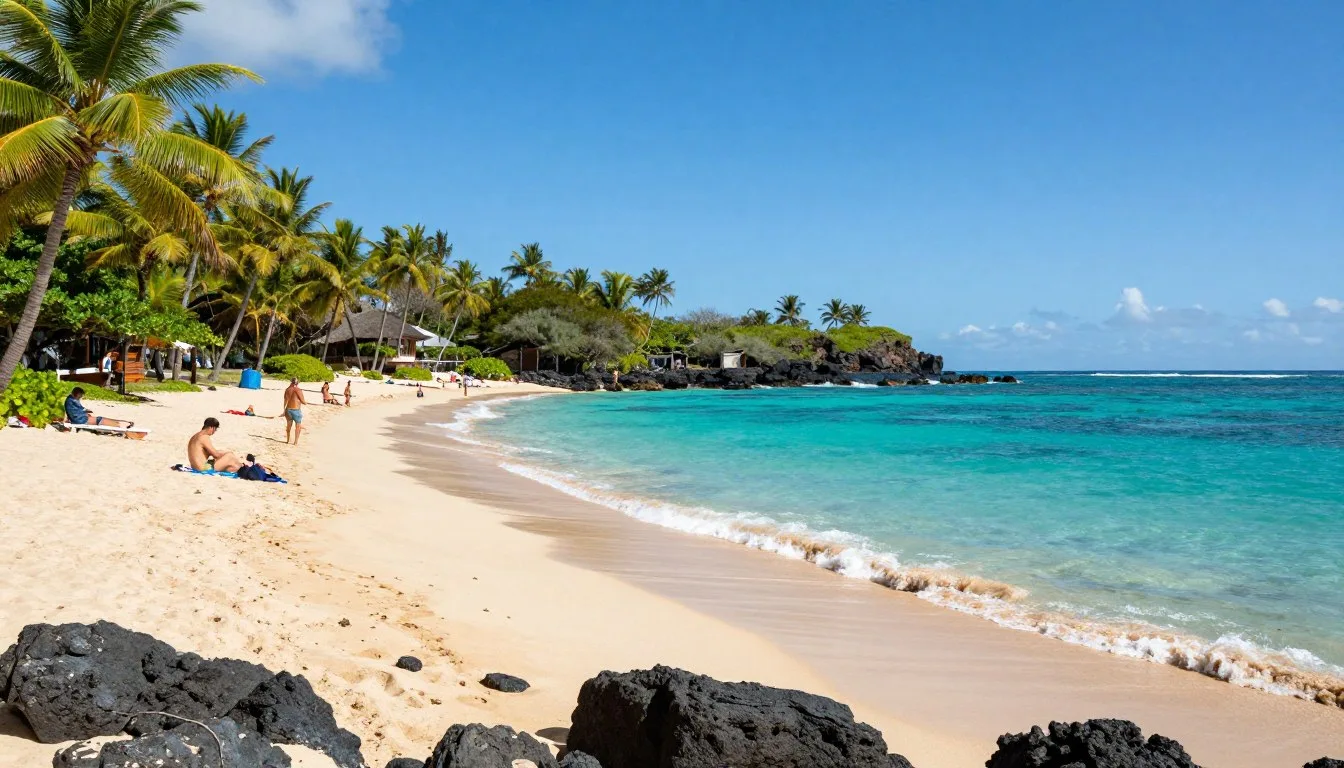
Hotels by Trip.com
Flights by Trip.com
Did you know that St. Vincent Island produces some of the world’s finest arrowroot, supplying nearly all of the global demand for this unique starch? This hidden Caribbean gem surprises visitors with more than agricultural prowess. Dramatic volcanic peaks rise above pristine beaches while underwater gardens teem with colorful marine life.
The island takes its name from Saint Vincent of Saragossa, bestowed by Christopher Columbus who sighted land on January 22, 1498, the saint’s feast day. Today, this destination offers travelers an authentic Caribbean experience far from crowded tourist hubs.
Whether you seek adventure hiking through tropical rainforests, relaxation on secluded black sand beaches, or cultural immersion in vibrant local communities, St. Vincent Island delivers unforgettable experiences. This comprehensive guide reveals the top attractions, practical travel tips, and insider knowledge to help you plan the perfect island getaway.
Getting There & Planning Your Journey
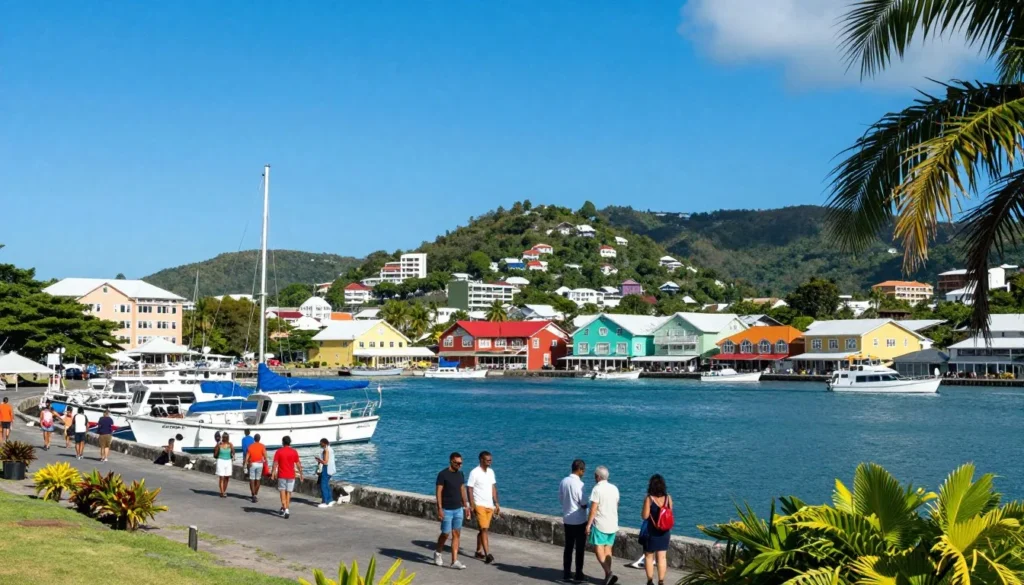
Reaching St. Vincent Island requires some planning, but the journey rewards you with authentic island beauty. E.T. Joshua Airport (SVD) serves as the main gateway, located on the southern coast near Arnos Vale, just 3.2 km (2 miles) from the capital city of Kingstown.
International travelers typically connect through major Caribbean hubs. Several airlines operate regular flights from Barbados, Grenada, Trinidad, and St. Lucia. Flight time from Barbados takes approximately 40 minutes, making this the most popular connection point.
Regional carriers including LIAT, SVG Air, and Caribbean Airlines provide daily service throughout the year. The airport handles smaller aircraft, so you will experience a true island arrival. Runway upgrades have improved operations, though weather conditions can occasionally affect schedules.
Upon arrival, taxis wait outside the terminal building. Fares operate on fixed rates to major destinations. Expect to pay around 25-30 Eastern Caribbean dollars (EC$) to Kingstown or 40-50 EC$ to Villa Beach area. Always confirm the rate before departure.
Travelers can also reach St. Vincent by ferry from neighboring Grenadine islands. Services connect Bequia, Mustique, Canouan, and Union Island with the main island. The Bequia Express offers comfortable, reliable transport with multiple daily departures. Journey time from Bequia takes about one hour.
Entry requirements include a valid passport for all international visitors. US citizens do not need a visa for stays under six months. Check current health requirements and travel advisories before your trip, as regulations can change.
Best Time to Visit & Weather Tips
St. Vincent Island enjoys warm tropical weather year-round, but timing your visit makes a significant difference in your experience. The island experiences two distinct seasons that affect travel conditions.
Best Time to Visit St. Vincent Island
The dry season from December through May offers the most favorable conditions for travel. Temperatures range from 24°C to 29°C (75°F to 84°F) with lower humidity and minimal rainfall. This period sees the most sunshine and calm seas, perfect for beach activities and water sports.
January through April represents peak season when hotels fill quickly and rates increase. Book accommodations well in advance if you plan to visit during these months. The weather remains consistently beautiful with gentle trade winds providing natural cooling.
June through November brings the wet season and hurricane season. While St. Vincent sits at the southern edge of the hurricane belt, storms can still impact the region. September and October see the highest risk period for tropical weather systems.
✓ Check 30,000+ Local Sightseeing Tours Worldwide
Rainfall increases during these months, though showers typically arrive in short, intense bursts rather than all-day events. Temperatures stay warm, ranging from 26°C to 31°C (79°F to 88°F). The landscape becomes exceptionally lush and green, waterfalls flow at their fullest, and you will find better hotel rates.
May and November serve as shoulder months, offering a balance between favorable weather and lower prices. These transition periods provide excellent value for budget-conscious travelers who can tolerate occasional rain.
Notable Annual Festivals
Vincy Mas, the island’s spectacular carnival celebration, takes over St. Vincent each June and July. This multi-week festival features colorful costumes, calypso competitions, steel pan performances, and street parties. The festivities culminate on the first Tuesday in July with massive parades through Kingstown.
Contact the St. Vincent and the Grenadines Tourism Authority at +1 784-457-1502 for current festival schedules and event details.
Nine Mornings Festival transforms the pre-dawn hours from mid-December through Christmas morning. This unique cultural tradition brings communities together for street parties, traditional music, and local food starting at 4:00 AM. The celebration combines African heritage with Caribbean customs in a distinctly Vincentian way.
Bequia Easter Regatta takes place on neighboring Bequia Island each Easter weekend, drawing sailors and spectators from throughout the Grenadines. Traditional boat races, beach parties, and cultural events fill four days of celebration. Ferry services increase during this period to accommodate visitors.
Getting Around Locally
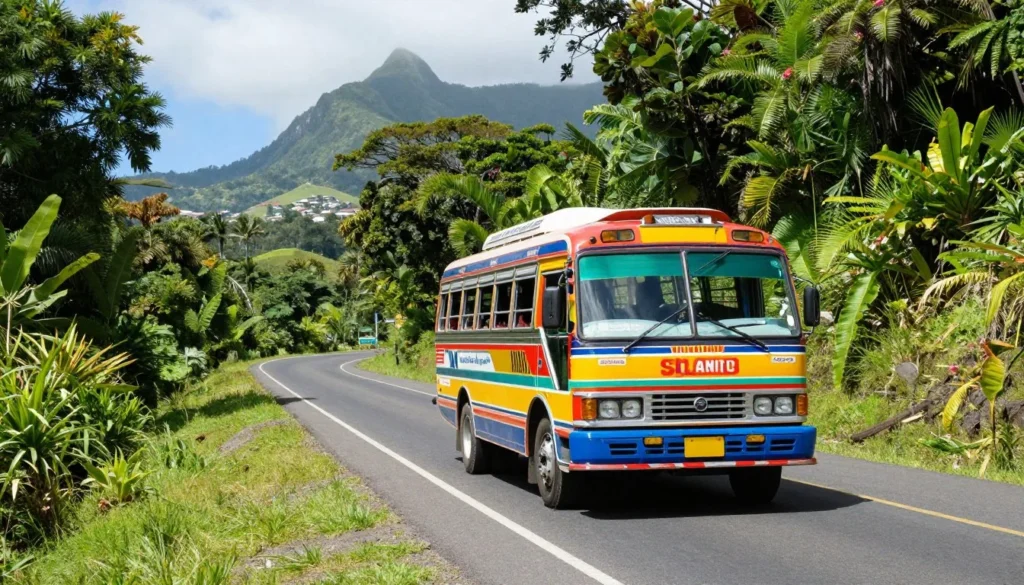
Transportation options on St. Vincent Island range from adventurous to comfortable, each offering unique ways to explore the island. Understanding local transit helps you navigate efficiently and affordably.
Minibuses provide the most authentic and economical transport method. These privately-owned vehicles operate on set routes connecting Kingstown with villages across the island. Fares rarely exceed 6 EC$ for any journey. Buses display their destination on the windshield and depart when full.
Drivers announce stops along the route. Simply notify the driver when you want to exit. Service runs frequently during daylight hours but diminishes after 6:00 PM. Sundays see reduced schedules. The experience puts you alongside locals going about daily life.
Taxis offer more comfort and flexibility, especially for exploring remote areas or traveling with luggage. Official taxis display H license plates. Fares operate on a zone system rather than meters. Request the rate before starting your journey to avoid confusion.
Rental cars provide maximum independence for travelers comfortable driving on the left side of the road. Several agencies operate near the airport and in Kingstown. You need a temporary local driving permit, obtained through your rental company for approximately 65 EC$. Valid home country or international licenses are required.
Roads range from well-maintained highways along the coast to narrow, winding mountain routes. The Leeward Highway connecting Kingstown to the northern end offers scenic coastal views. Interior roads climb steep grades with numerous hairpin turns. Defensive driving skills prove valuable.
Water taxis and boat services connect coastal areas and offshore attractions. These prove essential for reaching certain beaches and dive sites accessible only by sea. Negotiate rates in advance and confirm the return trip time.
Where to Stay
St. Vincent Island offers diverse accommodation options that suit various budgets and travel styles. From luxury resorts to family-run guesthouses, you will find comfortable bases for exploring the island.
The Villa Beach area on the south coast provides the highest concentration of hotels and resorts. This developed zone offers easy airport access and numerous dining options. Beachfront properties provide direct access to calm waters ideal for swimming.
Young Island Resort occupies a private island just 183 m (600 feet) offshore from Villa Beach. This luxury option delivers exclusivity with cottages scattered among tropical gardens. The resort operates a boat shuttle to the mainland. All-inclusive packages cover meals, water sports, and activities.
Buccament Bay Resort on the leeward coast combines championship golf with beach access and hillside villas. The property spans over 40 hectares (100 acres) of manicured grounds. Multiple restaurants, pools, and a spa cater to guests seeking full-service amenities.
Kingstown provides budget-friendly guesthouses and small hotels convenient for business travelers or those wanting to experience local urban life. The capital lacks beaches but serves as a transportation hub. Accommodations here cost significantly less than coastal resorts.
Northern regions near Wallilabou Bay offer eco-lodges and boutique properties surrounded by rainforest. These remote options attract nature enthusiasts and those seeking tranquility. Limited amenities trade for stunning natural settings and hiking access.
Vacation rentals and villas present excellent value for families and groups. Properties range from simple apartments to luxury hillside estates with private pools. Kitchen facilities allow you to prepare meals using fresh local ingredients from markets.
Book accommodations well in advance during peak season from December through April. Many smaller properties have limited rooms. Chain hotels have minimal presence on St. Vincent, with most lodging consisting of independently operated establishments. This creates authentic experiences but means amenities vary significantly between properties.
Dining & Local Cuisine
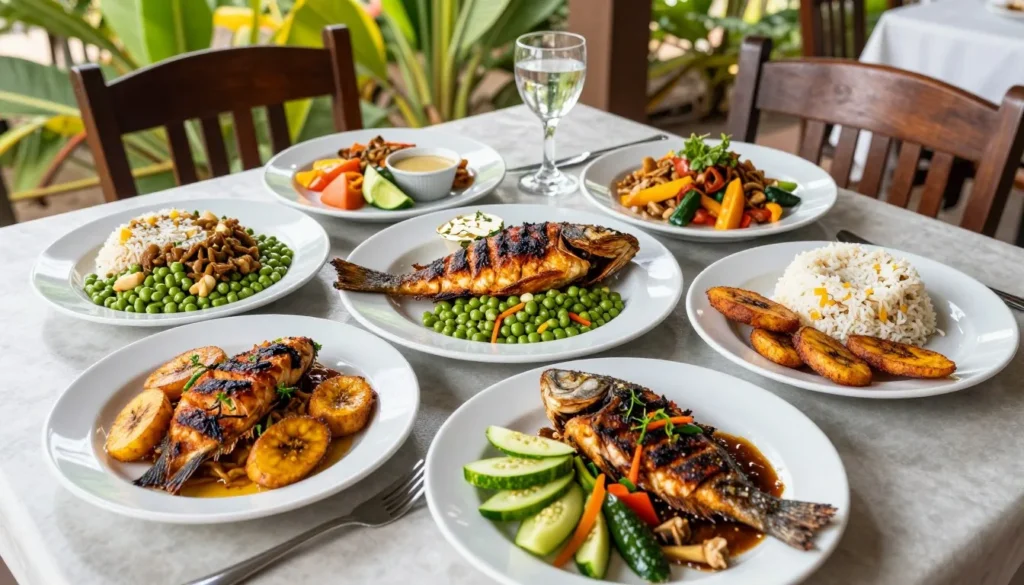
St. Vincent’s culinary scene blends African, Caribbean, and European influences into distinctive island flavors. Fresh seafood, tropical fruits, and locally grown vegetables form the foundation of traditional cuisine.
Roasted breadfruit serves as a beloved staple, often accompanying main dishes. This starchy fruit grows abundantly across the island and appears in various preparations from fried chips to creamy soups. Locals consider it comfort food that connects them to their heritage.
Fresh fish dominates menus at restaurants across the island. Fishermen bring in daily catches of mahi-mahi, snapper, kingfish, and tuna. Grilled preparations with local seasonings highlight the natural flavors. Don’t miss the opportunity to try fish served with provisions, a traditional side dish of boiled ground vegetables.
Callaloo soup showcases leafy greens cooked with okra, coconut milk, and spices into a rich, savory dish. This nutritious favorite appears on most local restaurant menus. Each cook adds their own twist to the basic recipe.
The capital city of Kingstown offers the widest dining variety, from casual roti shops to upscale waterfront restaurants. The Bounty Restaurant overlooks the harbor, serving excellent seafood in an atmospheric setting. Local eateries around the Kingstown Market provide authentic meals at budget-friendly rates.
Villa Beach resort area caters to international tastes while maintaining Caribbean character. Beachfront restaurants allow you to enjoy meals with your toes in the sand. French’s Restaurant has earned a reputation for consistently excellent cuisine combining local ingredients with international techniques.
Street food vendors offer quick, delicious, and affordable options throughout the island. Look for stalls selling saltfish and bakes for breakfast, or johnny cakes filled with cheese or saltfish. These handheld treats provide authentic flavors for just a few dollars.
The local rum industry produces several excellent spirits worth sampling. Sunset Strong Rum and Hairoun Beer represent Vincentian beverage traditions. Many restaurants feature these in tropical cocktails that pair perfectly with Caribbean cuisine.
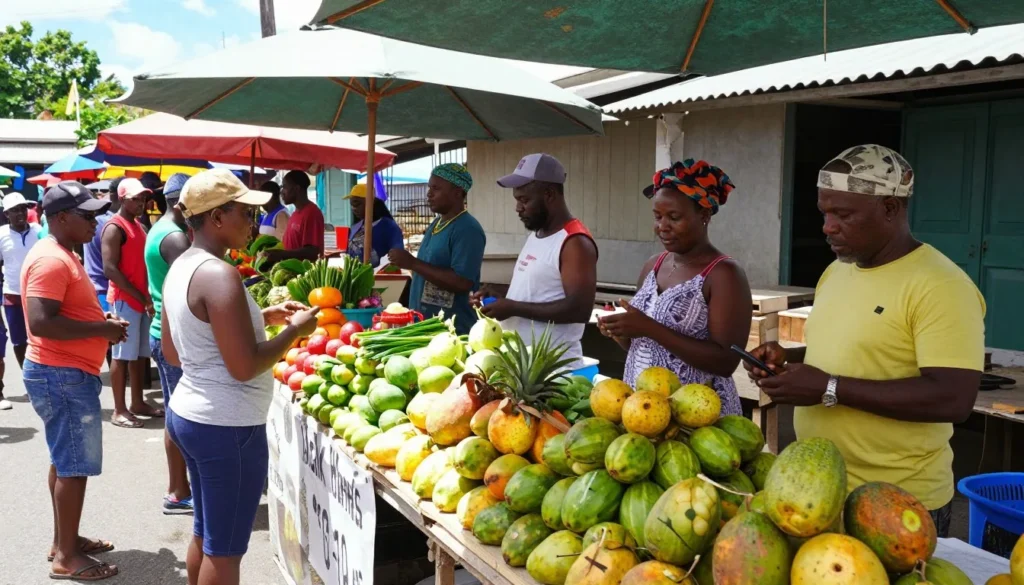
Vegetarian travelers find ample options featuring locally grown vegetables, beans, rice, and tropical fruits. The island’s agricultural richness ensures fresh produce appears on every menu. Markets sell an amazing variety of fruits many visitors have never encountered.
Attractions, Sightseeing & Activities
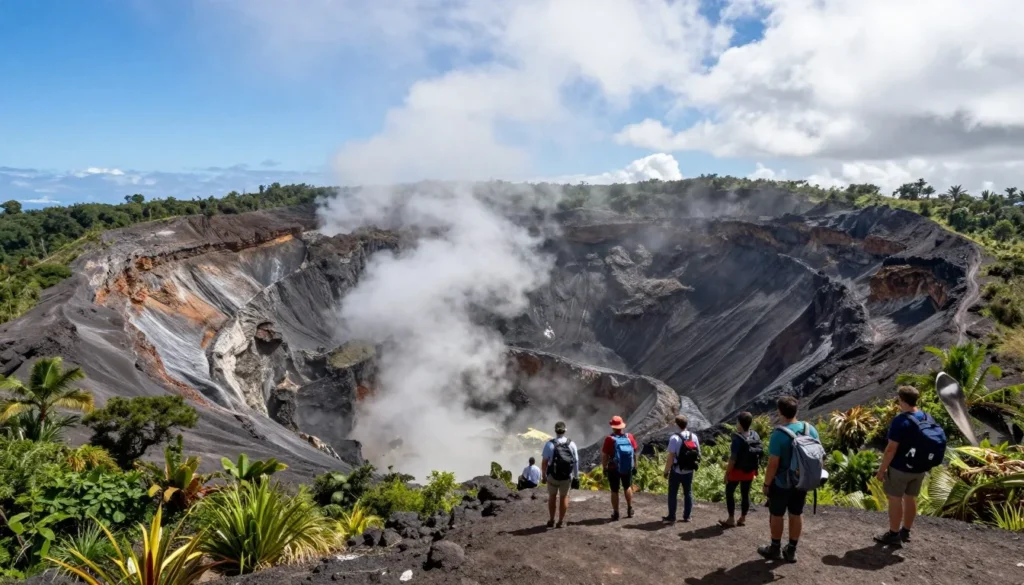
St. Vincent Island packs remarkable diversity into its 344 square kilometers (133 square miles). Volcanic landscapes, colonial history, and vibrant culture create endless exploration opportunities for curious travelers.
La Soufriere volcano dominates the northern end of the island, rising to 1,234 m (4,049 feet) above sea level. This active volcano last erupted in 2021, reshaping the summit crater. The challenging hike to the top takes 3-4 hours from the trailhead at Bamboo Ridge.
Experienced guides lead groups up the mountain, navigating through rainforest and bamboo groves before emerging onto the barren summit. The crater contains a turquoise lake surrounded by steaming fumaroles. Clear days reward hikers with views extending to neighboring islands.
Fort Charlotte overlooks Kingstown Harbor from a strategic hilltop position. British forces constructed this military installation in the late 1700s. Well-preserved cannons, barracks, and fortifications tell stories of colonial conflicts. The site museum displays historical artifacts and paintings depicting Black Caribs.
Montreal Gardens showcases tropical horticulture across 3 hectares (7.5 acres) of landscaped grounds. This botanical paradise contains exotic plants, fruit trees, and flowering shrubs from around the world. Stone pathways wind through different garden rooms, each with distinct themes. The property provides a peaceful retreat and excellent photo opportunities.
Dark View Falls offers an accessible natural attraction near the windward coast. Two waterfalls cascade into refreshing pools surrounded by rainforest. The first falls requires just a five-minute walk from the parking area. Hardy adventurers can climb to the second, taller falls above.
Wallilabou Bay gained fame as a filming location for Pirates of the Caribbean movies. The replica 18th-century port facilities remain on site, creating a unique attraction. The bay itself provides a beautiful anchorage for yachts. A small restaurant serves visitors who come to see where Captain Jack Sparrow once walked.
Owia Salt Pond presents a remarkable natural swimming pool on the island’s northeastern tip. Volcanic rocks form protective barriers, creating calm pools filled by the Atlantic Ocean. The setting offers dramatic coastal views with powerful surf crashing against the rocks just beyond the safe swimming area.
Museums, Cultural Spots & Festivals
St. Vincent’s cultural heritage reflects complex histories of indigenous peoples, European colonization, African heritage, and Caribbean traditions. Several sites help visitors understand this rich cultural tapestry.
The St. Vincent and the Grenadines National Trust maintains historical properties and promotes cultural preservation. Their headquarters in Kingstown provides information about heritage sites across the islands. The organization conducts educational programs highlighting local history and traditions.
St. George’s Cathedral in Kingstown represents one of the Caribbean’s oldest Anglican churches, consecrated in 1820. The Georgian architecture features beautiful stained glass windows and historical monuments. The building survived numerous hurricanes and remains an active place of worship.
The Kingstown Market serves as the cultural heart of the capital city. This bustling marketplace operates six days a week, bringing farmers and fishermen together with shoppers seeking fresh provisions. The upstairs section features craft vendors selling handmade baskets, spices, and local artwork.
Layou Petroglyph Park preserves pre-Columbian rock carvings created by indigenous Carib peoples. These ancient stone etchings depict human figures and symbols whose meanings remain partially mysterious. The riverside park setting adds to the contemplative atmosphere.
Cultural performances bring St. Vincent’s artistic traditions to life throughout the year. Steel pan orchestras, calypso shows, and traditional dance companies present regularly during the tourist season. Many hotels arrange cultural entertainment for guests.
Nature & Outdoor Experiences
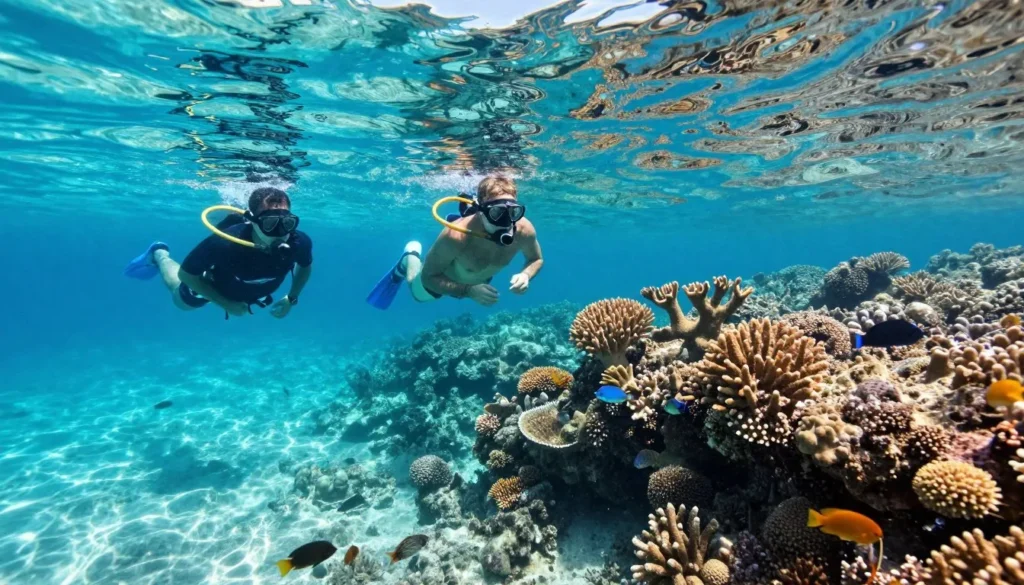
St. Vincent Island’s volcanic origins created diverse ecosystems ranging from black sand beaches to cloud forests. Nature lovers discover outstanding opportunities for hiking, diving, and wildlife observation.
The Vermont Nature Trail winds through primary rainforest in the island’s interior. This moderate 2-hour loop trail passes through stands of giant tree ferns, mahogany trees, and bamboo groves. The St. Vincent parrot, the national bird, inhabits these forests. Patient hikers might spot these colorful endangered birds in the canopy.
Trinity Falls requires a challenging hike but rewards adventurers with three spectacular cascades. The trail follows a river valley through dense jungle vegetation. Proper footwear and a guide are essential as the path crosses streams and climbs over slippery rocks.
Diving and snorkeling reveal underwater wonders around St. Vincent’s coastline. The leeward side offers calm conditions and healthy coral reefs teeming with tropical fish. Multiple dive operators provide equipment and guided trips for all experience levels.
New Guinea Reef near the southern tip creates an underwater garden just offshore. Soft corals, sea fans, and sponges cover the reef structure. Schools of blue tangs, parrotfish, and angelfish swim among the formations. The site suits both snorkelers and divers.
Bottle Reef features an artificial reef created by bottles embedded in the seafloor. This unusual site attracts marine life while creating an intriguing underwater landscape. Clear water conditions make it ideal for underwater photography.
Kayaking opportunities exist along protected coastlines and up river estuaries. Villa Beach and other southern locations rent kayaks by the hour. Paddling provides a peaceful way to explore the coastline and observe marine life from the water surface.
Black sand beaches line portions of St. Vincent’s coastline, created by volcanic minerals. These dramatic dark shores contrast beautifully with the turquoise Caribbean water. Rabacca Dry River Beach on the northeast coast offers a stunning example where a volcanic riverbed meets the sea.
Birdwatching enthusiasts discover over 150 species across the island’s varied habitats. Beyond the endemic St. Vincent parrot, visitors might observe purple-throated caribs, Antillean crested hummingbirds, and tropical mockingbirds. Early morning excursions into mountain forests provide the best viewing opportunities.
Travel With Children
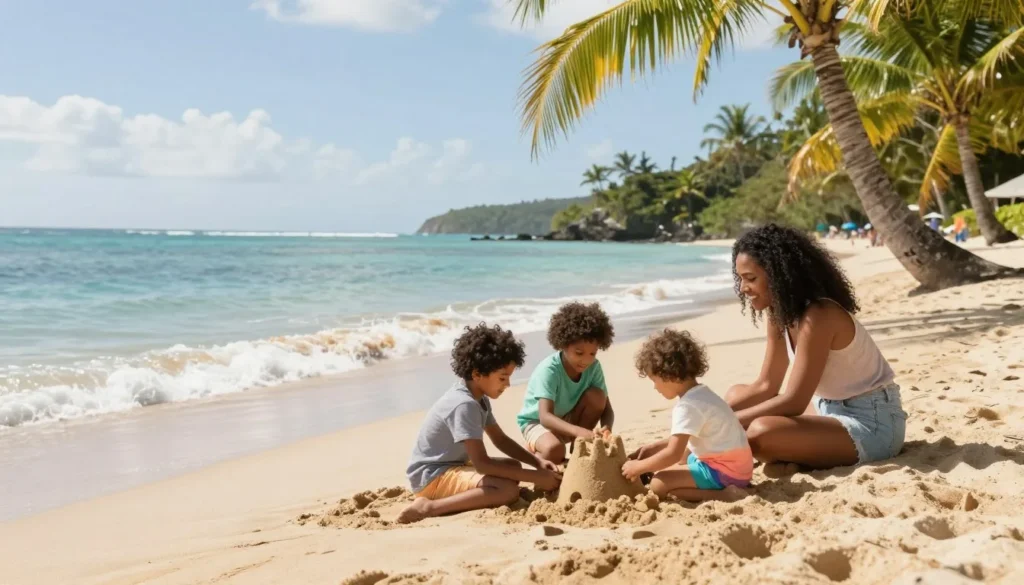
St. Vincent Island welcomes families with children, offering safe beaches, educational experiences, and activities that engage young travelers. Planning ahead ensures everyone enjoys the island adventure.
Villa Beach provides the best option for families with young children. The calm, shallow water allows kids to swim safely while parents relax nearby. Several resorts in this area cater specifically to families with connecting rooms and child-friendly meal options.
Indian Bay Beach adjacent to Villa Beach offers additional swimming areas with similarly calm conditions. Local vendors rent beach toys and flotation devices. Shade trees provide relief from midday sun. The beach has few rocks or hazards, creating a safe environment for play.
Older children enjoy snorkeling adventures in the clear Caribbean water. Many operators provide child-sized equipment and instruction. Starting in shallow areas builds confidence before venturing to deeper reefs. The abundant fish and colorful corals captivate young observers.
Boat tours around the island create memorable family experiences. Glass-bottom boat excursions allow even non-swimmers to observe underwater life. Shorter trips accommodate young children with limited attention spans. Pack snacks and sun protection for everyone.
The Botanic Gardens in Kingstown offer an educational outing that appeals to curious minds. Wide paths accommodate strollers, and shaded areas provide rest spots. Children enjoy spotting different bird species and learning about tropical plants. The well-maintained grounds ensure safe exploration.
Simple hikes to accessible waterfalls work well for active families. Trinity Falls might be too demanding, but Dark View Falls offers an achievable adventure. The short trail and swimming opportunities keep children engaged. Always supervise young ones around water.
Local restaurants generally welcome children, though high chairs and children’s menus are not universal. Grilled fish, rice, and fresh fruit provide familiar, healthy options. Many families find vacation rentals with kitchens helpful for preparing familiar meals and snacks.
Healthcare facilities in Kingstown include a modern hospital and several clinics. Pack a basic first aid kit with any necessary prescription medications. Sunscreen, insect repellent, and anti-diarrheal medication prove useful. Most common children’s medicines are available at pharmacies in the capital.
Money Saving Tips
Traveling to St. Vincent Island on a budget requires planning, but the island rewards savvy travelers with authentic experiences at reasonable rates. These practical tips help stretch your vacation dollars.
Visit during shoulder season months of May, June, or November for significantly lower hotel rates. Many properties drop prices by 30-40% compared to peak winter months. The weather remains pleasant with only slightly increased rainfall. You will also encounter fewer crowds at popular sites.
Vacation rentals provide excellent value for groups and families. Dividing costs among several travelers reduces per-person expenses. Self-catering capabilities allow you to shop at local markets and prepare some meals, saving substantially on dining costs. Markets offer incredible variety and freshness at fraction of restaurant prices.
Eat where locals eat for the best value and most authentic flavors. Small rum shops and food stalls serve generous portions at budget-friendly rates. A filling meal of fish, rice, and vegetables typically costs 15-25 EC$. Breakfast at local bakeries provides fresh bread and pastries for just a few dollars.
Public minibuses cost far less than taxis for getting around the island. Learning the system takes minimal effort and opens up independent exploration. Fares rarely exceed 6 EC$ for any trip. The experience of traveling with Vincentians adds cultural value beyond the monetary savings.
Free activities abound for those willing to explore. Many beaches charge no entrance fees. Hiking trails like the Vermont Nature Trail offer outstanding experiences at no cost beyond transportation. Fort Charlotte has no admission charge. Walking tours of Kingstown reveal colonial architecture and local life free of charge.
Book flights well in advance and consider connecting through less popular hubs. Regional carriers occasionally offer promotional fares that substantially reduce travel costs. Flexibility with travel dates helps you capture the best rates. Join airline newsletters to receive advance notice of sales.
Avoid currency exchange at hotels and airports where rates favor the house. Use ATMs to withdraw Eastern Caribbean dollars directly from your bank account. This typically provides the best exchange rate. Many establishments accept US dollars, though you will receive change in EC$ and at less favorable conversion rates.
✓ Check 30,000+ Local Sightseeing Tours Worldwide
Package deals combining accommodation and car rental sometimes offer savings over booking separately. Compare prices across multiple platforms. Call properties directly after checking online rates, as smaller hotels sometimes negotiate, especially for longer stays.
Safety & Local Customs
St. Vincent Island maintains a welcoming atmosphere for visitors who respect local customs and exercise reasonable precautions. Understanding cultural norms and safety practices ensures a positive experience for everyone.
The island experiences relatively low rates of violent crime, though petty theft can occur in tourist areas. Safeguard valuables and avoid displaying expensive jewelry or electronics. Use hotel safes for passports, extra cash, and valuables. When swimming, don’t leave belongings unattended on beaches.
Kingstown becomes quieter after dark, particularly on Sundays. Stick to well-lit main streets if walking at night. Taxis provide safe transportation after sunset. Always use licensed taxis with H plates rather than accepting rides from strangers.
Dress modestly when away from beach areas. While swimwear is acceptable at the beach, cover up before entering towns, shops, or restaurants. This shows respect for local sensibilities. Business casual attire works well for nicer dining establishments.
Vincentians value polite greetings. Say “good morning,” “good afternoon,” or “good evening” when entering shops or approaching people for assistance. This small courtesy matters in local culture. Rushing directly into questions without greeting first can seem rude.
Photography etiquette requires asking permission before photographing individuals, particularly at markets or cultural events. Most people happily agree when asked respectfully. Some may request a small tip for posed photos.
Marijuana remains illegal despite its presence on the island. Possession and use carry penalties including fines and imprisonment. Decline any offers to purchase drugs. Enforcement has increased in tourist areas.
Water safety requires attention, as currents can be strong on windward coasts. Swim only at designated beaches and heed local warnings. The leeward western shore provides calmer conditions safer for swimming. Never swim alone in unfamiliar areas.
Hiking safety demands proper preparation. Inform someone of your plans before heading into remote areas. Carry adequate water, wear appropriate footwear, and consider hiring a guide for challenging trails. Weather can change quickly in the mountains.
Traffic moves on the left side of the road. Rental car drivers from countries that drive on the right need extra caution, especially on narrow mountain roads. Defensive driving serves you well, as local drivers know the roads and sometimes drive assertively.
Healthcare facilities concentrate in Kingstown. The Milton Cato Memorial Hospital provides emergency services. Travel insurance covering medical evacuation is strongly recommended, as serious medical issues may require transport to larger regional facilities.
Visitor Comments About St. Vincent Island
“The hiking on St. Vincent exceeded all expectations. La Soufriere’s crater was absolutely worth the challenging climb. Our guide’s knowledge of the flora and fauna made the entire journey educational and safe. The black sand beaches were unlike anything we’d seen before. We felt completely immersed in nature away from typical tourist crowds.”
R.G., Bhopal
“St. Vincent offered the authentic Caribbean experience we were searching for. The food was incredible, especially the fresh fish at local restaurants in Kingstown. Minibus travel put us right alongside residents, and everyone was incredibly friendly. Villa Beach provided the perfect base with calm water for our children. We will definitely return.”
H.T., Providence
“Diving around St. Vincent revealed pristine reefs and abundant marine life. The water clarity was outstanding, and we saw more fish species than we could count. Dark View Falls provided a refreshing break from beach time. The island felt unspoiled and genuine, without the overdevelopment we’d encountered elsewhere in the Caribbean. Highly recommend for adventurous travelers.”
D.G., Makawao
Additional Nearby Destinations
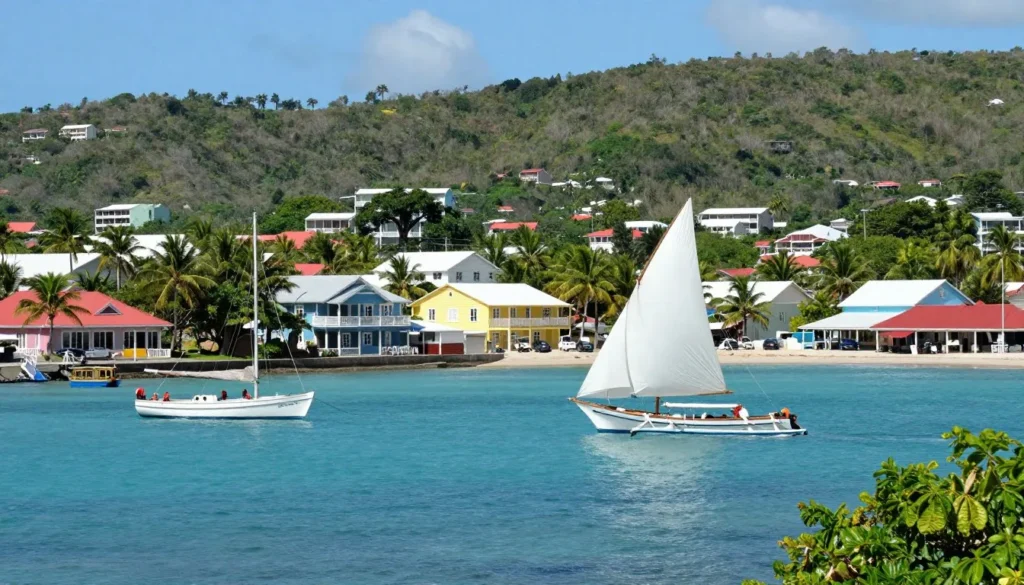
St. Vincent serves as the gateway to the spectacular Grenadine Islands, each offering distinct character and attractions. Exploring these nearby destinations extends your Caribbean adventure with easy access.
Bequia Island lies just 14 km (9 miles) south of St. Vincent, accessible by a one-hour ferry ride. This charming island maintains a traditional Caribbean atmosphere with excellent sailing, beautiful beaches, and friendly communities. Princess Margaret Beach offers pristine white sand and excellent swimming. The main town of Port Elizabeth features waterfront restaurants and boutique shops.
Mustique Island represents exclusive luxury, attracting celebrities and royalty to private villas scattered across rolling hills. Day visitors can experience the island’s stunning beaches and upscale atmosphere. Macaroni Beach ranks among the Caribbean’s most beautiful stretches of sand. Access requires advance arrangements as the island remains privately developed.
Canouan Island combines luxury resorts with unspoiled natural beauty. The island features one of the region’s finest championship golf courses alongside pristine beaches. Godahl Beach on the windward side offers excellent swimming and snorkeling. Ferry and air services connect Canouan with St. Vincent.
Union Island serves as the southernmost Grenadine destination, known for excellent diving and kiteboarding conditions. The island’s compact size makes exploration easy. Chatham Bay on the windward coast provides a spectacular setting for beach activities. Regular ferry services link Union Island with St. Vincent and other Grenadines.
Tobago Cays Marine Park protects a group of uninhabited islands surrounded by extensive coral reefs. This protected area offers the Caribbean’s best snorkeling with sea turtles, rays, and countless tropical fish. Day trips from St. Vincent typically include sailing, snorkeling, and beach time on the pristine cays.
St. Lucia sits just 60 km (37 miles) north of St. Vincent, offering dramatic mountain scenery and well-developed tourism infrastructure. The UNESCO World Heritage Pitons create an iconic landscape. Fast ferries and short flights make St. Lucia accessible for multi-destination trips.
Grenada, located 130 km (80 miles) south, features fragrant spice plantations, stunning waterfalls, and excellent diving. The island’s compact size suits independent exploration. Regular flights connect Grenada with St. Vincent in about 30 minutes.
Practical Travel Tips
These practical details help you navigate St. Vincent Island smoothly and make the most of your visit. Small preparations prevent common travel hassles.
The Eastern Caribbean dollar (EC$) serves as the official currency, pegged at approximately 2.7 EC$ to 1 US$. US dollars are widely accepted, though you’ll receive change in EC$ often at rounded exchange rates. Credit cards work at most hotels and larger restaurants, but cash remains essential for markets, minibuses, and smaller establishments.
ATMs in Kingstown and major towns dispense Eastern Caribbean dollars. Notify your bank before traveling to prevent card blocks. Withdrawal limits may be lower than your home country. Several banks including FirstCaribbean and Bank of St. Vincent operate branches with reliable ATMs.
Electricity runs on 220-240 volts at 50Hz using British-style three-prong outlets. US travelers need plug adapters and voltage converters for electronics not rated for dual voltage. Most modern phone chargers and laptops handle both voltages, but check specifications to avoid damage.
Mobile phone coverage is generally good in populated areas but spotty in remote mountain regions. Local SIM cards offer excellent value for extended stays. Digicel and FLOW provide prepaid options. Purchase SIM cards at their offices in Kingstown with passport identification.
Internet access is available at most hotels and resorts, though speeds may be slower than you’re accustomed to. Some accommodations charge for WiFi access. Cafes in Kingstown offer internet access for customers. Don’t expect reliable connectivity in remote areas.
Tipping practices vary by establishment. Upscale restaurants often add a 10% service charge to bills. If not included, 10-15% tips are appreciated for good service. Hotel staff appreciate small tips for exceptional service. Taxi drivers don’t expect tips but round up the fare for convenience.
Shopping hours run Monday through Friday 8:00 AM to 4:00 PM, with reduced hours on Saturday. Most businesses close on Sunday. The Kingstown Market opens early morning six days a week (closed Sunday). Supermarkets keep longer hours until early evening.
Tap water in St. Vincent is generally safe to drink, coming from mountain watershed sources. However, many visitors prefer bottled water to avoid any stomach sensitivity. Bottled water is inexpensive and widely available. Hotels and restaurants use municipal water for ice and food preparation.
Time zone is Atlantic Standard Time (AST), four hours behind Greenwich Mean Time. St. Vincent does not observe daylight saving time, so the time difference with North America varies seasonally.
Language is English, making communication easy for most visitors. Local dialect includes Caribbean expressions and rhythms that may take time to understand fully. Most Vincentians speak clearly with visitors and appreciate your patience learning local phrases.
Pack lightweight, breathable clothing suitable for tropical conditions. Cotton and moisture-wicking fabrics work best. Bring a light rain jacket regardless of season. Sturdy hiking shoes or boots are essential for trail exploration. Reef-safe sunscreen protects both you and marine ecosystems.
Your St. Vincent Island Adventure Awaits
St. Vincent Island rewards travelers who venture beyond typical Caribbean tourist trails. From volcanic peaks to pristine beaches, from bustling markets to tranquil rainforests, this authentic destination delivers experiences that stay with you long after you return home.
The island’s compact size belies its incredible diversity. You can hike through cloud forests in the morning, snorkel vibrant reefs at midday, and enjoy fresh seafood while watching the sun set over the Caribbean. Local communities welcome visitors with genuine warmth, sharing their culture, cuisine, and traditions.
Whether you seek adventure scaling La Soufriere’s volcanic slopes, relaxation on secluded beaches, or cultural immersion in Kingstown’s historic streets, St. Vincent Island offers it all. The neighboring Grenadine islands extend your exploration possibilities with easy day trips.
This guide has equipped you with the essential information to plan your perfect St. Vincent vacation. The rest is up to you. Start imagining your island adventure, book that flight, and prepare for an authentic Caribbean experience that exceeds expectations. St. Vincent Island is waiting to show you a side of the Caribbean few travelers discover. Your journey begins now.


