

The Community Baboon Sanctuary in Belize has achieved what many conservation projects only dream of—increasing the black howler monkey population from just 800 individuals in 1985 to over 3,500 today. This remarkable success story spans more than 5,000 hectares along the Belize River, where seven villages have voluntarily committed to preserving critical forest habitat while developing sustainable ecotourism.
Unlike traditional protected areas, this sanctuary operates through a unique voluntary pledge system. Local landowners maintain forest corridors on their private property, creating a patchwork of connected habitats that allow the endangered black howler monkeys (locally called “baboons” despite being monkeys) to thrive. This community-based conservation model has become so successful it’s been replicated throughout Central America.
Getting There & Planning Your Journey
The Community Baboon Sanctuary is located in Bermudian Landing, approximately 43 km (27 miles) northwest of Belize City. The closest international airport is Philip S. W. Goldson International Airport in Belize City, which receives direct flights from major cities in the United States, Central America, and some Canadian cities.
From Belize City, you have several transportation options:
- Rental car: The drive takes about 45-60 minutes via the George Price Highway and Bermudian Landing Road.
- Taxi: Expect to pay around 100-150 Belizean dollars (50-75 USD) one way.
- Public bus: The most economical option, though less convenient. Take a bus from Belize City to Bermudian Landing (check current schedules locally).
- Tour operators: Many Belize City tour companies offer day trips that include transportation.
Most visitors explore the sanctuary as a day trip from Belize City, though staying overnight in the area allows for early morning wildlife viewing when howler monkeys are most active. The sanctuary’s visitor center opens daily from 8:00 AM to 4:30 PM.
Best Time to Visit & Weather Tips

The Community Baboon Sanctuary can be visited year-round, but certain seasons offer distinct advantages:
Recommended Months:
- December to April (Dry Season): The most popular time to visit with sunny days, minimal rainfall, and temperatures averaging 24-29°C (75-84°F). Wildlife is easier to spot as animals gather near water sources, and trails are more accessible.
- May and November (Shoulder Seasons): These transitional months offer fewer crowds and lower prices while still providing relatively good weather.
Months to Consider Carefully:
- June to October (Wet Season): While the sanctuary remains open, heavy rainfall can make trails muddy and less accessible. However, the forest is at its most lush, and accommodation rates are lower. If visiting during this period, morning tours generally have better weather.
- September and October: These months have the highest rainfall and potential for tropical storms.
For bird enthusiasts, the December to June period is exceptional, with over 125 species visible in the sanctuary. For howler monkey viewing, early mornings (6:00-9:00 AM) offer the best opportunity to hear their distinctive calls echoing through the forest.
Getting Around Locally

The Community Baboon Sanctuary is relatively compact and designed for exploration on foot. Here’s how to navigate the area:
- Guided Tours: The most informative way to experience the sanctuary. Local guides are extremely knowledgeable about wildlife spotting, traditional medicinal plants, and conservation efforts.
- Walking Trails: Several well-maintained trails range from easy 30-minute walks to more challenging 2-hour hikes. The main trails are relatively flat and suitable for most fitness levels.
- River Tours: Canoe or kayak tours along the Belize River offer a different perspective and opportunities to spot wildlife from the water.
- Between Villages: To visit different communities within the sanctuary area, local transportation may be necessary. Ask at the visitor center about current options.
Most visitors begin at the Museum and Visitor Center in Bermudian Landing, where you can arrange guides, learn about the sanctuary’s history, and plan your exploration. Wearing comfortable walking shoes, bringing insect repellent, and carrying water are essential for enjoying the trails.
Where to Stay

While many visitors experience the sanctuary as a day trip from Belize City, staying locally offers a more immersive experience and better wildlife viewing opportunities. Accommodation options include:
Within the Sanctuary Area:
- Community Guesthouses: Several families in Bermudian Landing and nearby villages offer simple, clean rooms in their homes, providing an authentic cultural experience and home-cooked meals.
- Baboon Lodge: Located near the visitor center, this modest lodge offers basic rooms with private bathrooms and screened windows.
- Homestays: The Women’s Conservation Group can arrange stays with local families, offering cultural immersion and direct community support.
Nearby Options:
- Belize River Lodge: Located about 30 minutes away, offering more upscale accommodations with river views.
- Black Orchid Resort: In Burrell Boom village, approximately 20 minutes from the sanctuary, providing comfortable rooms, a swimming pool, and restaurant.
Staying within the sanctuary area not only puts you closer to early morning wildlife activity but also ensures more of your tourism dollars directly benefit the local conservation efforts and communities.
Dining & Local Cuisine
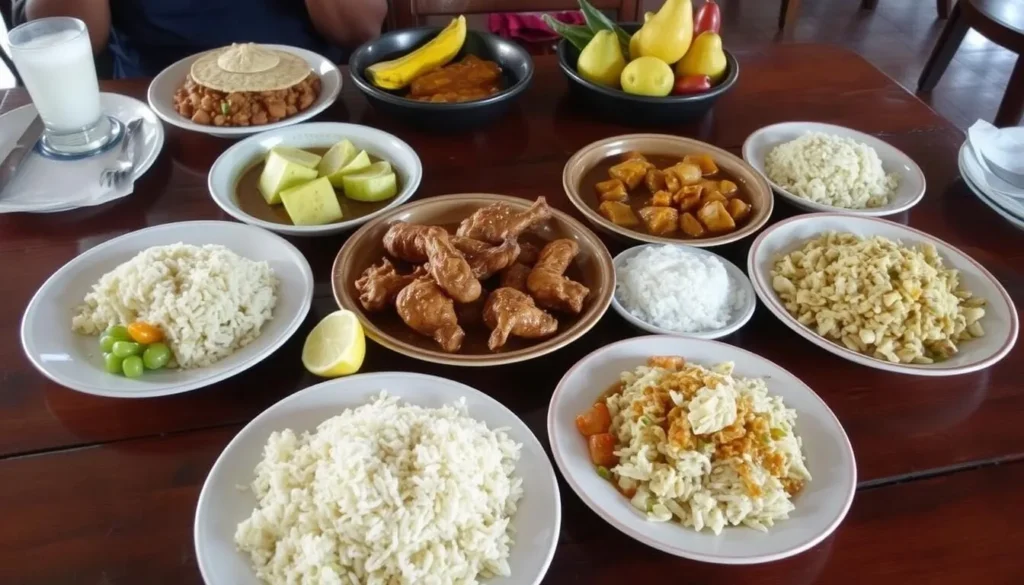
Dining options within the sanctuary area are limited but authentic, offering visitors a taste of traditional Belizean cuisine:
Local Eateries:
- Community Restaurants: Small family-run establishments in Bermudian Landing serve traditional Belizean meals. These typically need to be arranged in advance through your accommodation or the visitor center.
- Home-Cooked Meals: If staying with a local family or at a community guesthouse, meals are often included and prepared using local ingredients.
- Visitor Center Café: Simple snacks and refreshments are available during operating hours.
Traditional Belizean Dishes to Try:
- Rice and Beans: The national dish, often served with stewed chicken, plantains, and coleslaw.
- Gibnut: A local rodent considered a delicacy, sometimes called the “royal rat” after it was served to Queen Elizabeth II.
- Cassava Bread: Traditional flatbread made from the cassava root.
- Cashew Wine: Locally produced from the cashew fruit (when in season).
- Fresh Tropical Fruits: Papaya, mango, and soursop are commonly available depending on the season.
For more dining options, the nearby villages of Burrell Boom and Bermudian Landing offer additional small restaurants. Visitors planning full-day excursions should consider bringing water and snacks, as food options are limited on the trails.
Attractions, Sightseeing & Activities

The Community Baboon Sanctuary offers various activities centered around wildlife observation, cultural experiences, and natural exploration:
Guided Wildlife Tours:
- Howler Monkey Tours: The signature experience, where knowledgeable local guides lead small groups through the forest to observe black howler monkeys in their natural habitat. Success rates for spotting the monkeys are remarkably high.
- Night Hikes: Evening tours reveal a different side of the forest ecosystem, with opportunities to spot nocturnal species like opossums, owls, and insects.
- Birding Tours: With over 125 bird species in the area, guided birding excursions are popular among enthusiasts.
Water-Based Activities:
- Belize River Canoeing: Paddle along the historic waterway that served as a major transportation route for the Maya and early settlers.
- Crocodile Night Adventures: Evening boat tours spotlight the riverbanks to observe Morelet’s crocodiles and other nocturnal wildlife.
Cultural Experiences:
- The Kriol Experience: Cultural demonstrations including traditional food preparation, cashew seed roasting, and other daily activities of Belizean Kriol culture.
- Museum and Visitor Center: Exhibits on local ecology, conservation efforts, and the history of the sanctuary.
Most activities require a guide and should be arranged at the visitor center upon arrival or booked in advance during peak season. Tour durations range from 1-3 hours, with prices typically including the sanctuary entrance fee.
Museums, Cultural Spots & Festivals
While the sanctuary primarily focuses on wildlife conservation, it also offers valuable insights into local culture and history:
Museum and Educational Facilities:
- Community Baboon Sanctuary Museum: Located at the visitor center, this small but informative museum features exhibits on black howler monkey biology, local ecosystems, and the history of conservation efforts in the region.
- Conservation Demonstration Areas: Displays showing sustainable farming techniques and forest management practices that support both wildlife and local livelihoods.
Cultural Events:
- Cashew Festival: If visiting in May, the nearby village of Crooked Tree hosts the annual Cashew Festival, celebrating the harvest with food, music, and cultural demonstrations.
- Community Demonstrations: Throughout the year, the sanctuary occasionally hosts special events showcasing traditional crafts, cooking, and cultural practices of the Belize River Valley communities.
Historical Sites:
- Bermudian Landing Village: The central village itself has historical significance as one of Belize’s early settlements along the river trading route.
- Flowers Bank: One of the seven communities within the sanctuary area, known for its historical role in Belizean independence movements.
The sanctuary’s approach to conservation through community involvement makes the cultural aspects of a visit particularly meaningful. Conversations with local guides often provide the richest insights into how traditional practices and modern conservation efforts have been successfully integrated.
Sports, Nature & Outdoor Experiences

The sanctuary and surrounding area offer numerous opportunities for nature enthusiasts and outdoor adventurers:
Water Activities:
- Canoeing/Kayaking: Guided paddling trips along the Belize River provide a tranquil way to observe wildlife along the riverbanks.
- Fishing: The Belize River contains various fish species, and local guides can arrange catch-and-release fishing experiences.
Land-Based Activities:
- Hiking: Beyond the standard wildlife trails, longer hiking routes connect different villages within the sanctuary area.
- Mountain Biking: Some of the wider trails and rural roads are suitable for cycling, offering an alternative way to explore the area.
- Photography: The combination of wildlife, river scenes, and forest landscapes provides excellent photography opportunities.
Wildlife Observation:
- Bird Watching: Besides the famous howler monkeys, the sanctuary is home to toucans, parrots, kingfishers, and many other bird species.
- Reptile Spotting: Iguanas, basilisk lizards, and various snake species can be observed with experienced guides.
- Butterfly Gardens: Small butterfly habitats showcase the diverse lepidoptera of the region.
For the most rewarding experiences, early morning activities (starting around 6:00 AM) offer the best wildlife viewing opportunities when animals are most active and temperatures are cooler. Always arrange activities with local guides who understand wildlife patterns and can ensure responsible interactions with the natural environment.
Safety, Etiquette & Local Customs

Visiting the Community Baboon Sanctuary responsibly ensures both your safety and the continued success of conservation efforts:
Safety Considerations:
- Wildlife Interaction: Never feed or attempt to touch the howler monkeys or other wildlife. Maintain a respectful distance of at least 5-10 meters (16-33 feet).
- Trail Safety: Stay on designated paths to avoid getting lost and to minimize habitat disturbance.
- Sun Protection: The tropical sun can be intense. Wear a hat, use sunscreen, and carry water to prevent dehydration.
- Insect Precautions: Apply insect repellent and consider wearing long sleeves and pants, particularly during dawn and dusk hours.
Cultural Etiquette:
- Photography: Always ask permission before photographing local residents or their private property.
- Dress Code: While casual attire is appropriate, modest dress is appreciated when visiting villages and interacting with community members.
- Supporting Local Economy: Purchase handicrafts, food, and services directly from community members to ensure tourism benefits reach local families.
Conservation Etiquette:
- Waste Management: Carry out all trash and dispose of it properly. No facilities exist on most trails.
- Noise Levels: Keep voices low to avoid disturbing wildlife, particularly when observing howler monkeys.
- Smoking: Avoid smoking on trails due to fire risk and impact on wildlife.
The sanctuary operates on a model of mutual respect between visitors, wildlife, and local communities. Understanding and honoring this relationship enhances both the conservation impact of your visit and your personal experience.
Visitor Comments About Community Baboon Sanctuary
“The howler monkey tour exceeded all expectations! Our guide knew exactly where to find several monkey families, and we spent nearly an hour watching them feed and interact in the trees. The sanctuary’s commitment to involving local communities in conservation is evident everywhere you look. Don’t miss the night hike—we saw amazing nocturnal creatures we’d never have spotted on our own.”
“As a wildlife photographer, I found the Community Baboon Sanctuary to be an ethical and accessible place to photograph black howler monkeys in their natural habitat. The guides are incredibly knowledgeable about monkey behavior and helped me position for perfect shots without disturbing the animals. Staying with a local family was the highlight—authentic food and fascinating conversations about life in the Belize River Valley.”
“We visited with our teenage children and were all captivated by the sanctuary’s approach to conservation. Hearing the howler monkeys’ calls echoing through the forest at dawn was unforgettable! The museum might be small, but it’s informative, and the canoe trip along the river gave us a different perspective on the ecosystem. Well worth the journey from Belize City.”
Additional Nearby Destinations
The Community Baboon Sanctuary makes an excellent base for exploring other attractions in the region:
Within 30 Minutes:
- Bermudian Landing Village: Explore the central village beyond the sanctuary facilities to experience everyday Belizean rural life.
- Belize River Valley Communities: The seven villages that participate in the sanctuary each have their own character and small attractions worth visiting.
Within 1 Hour:
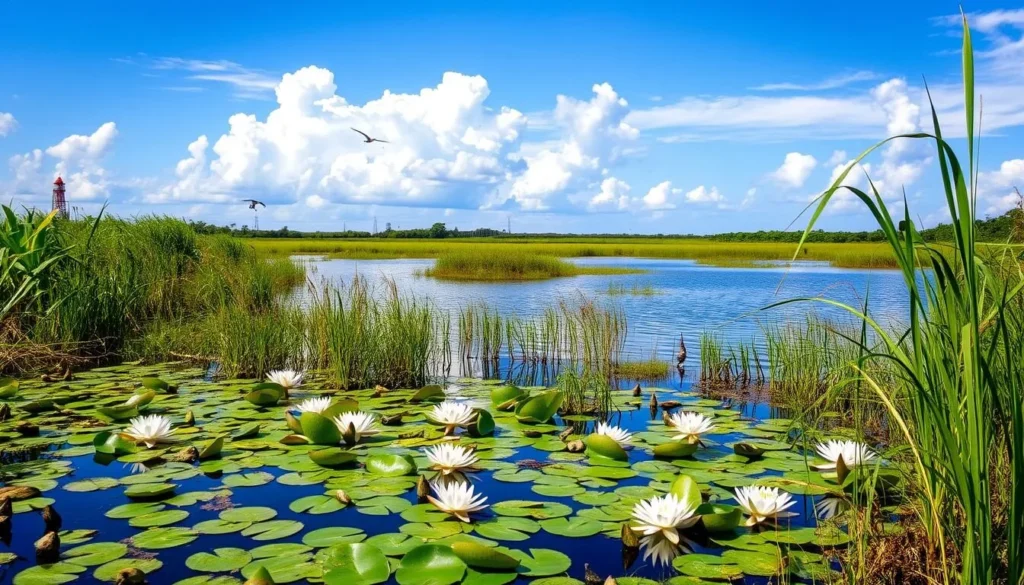
- Crooked Tree Wildlife Sanctuary: A renowned wetland reserve approximately 45 minutes away, famous for bird watching, particularly during the dry season when thousands of migratory birds gather.
- Altun Ha: Impressive Maya ruins located about 30 minutes east, featuring temples and plazas dating back to 200 BCE.
- Belize Zoo: A unique “natural” zoo about 30 minutes south that houses only native Belizean wildlife, many of which are rescue animals.
Day Trips (1-2 Hours):
- Lamanai Archaeological Reserve: Accessible via a scenic boat ride, these extensive Maya ruins include impressive temples and a museum.
- Belize City: The country’s largest urban center offers cultural attractions, shopping, and dining options.
- Caye Caulker: With an early start, you can reach this laid-back island via water taxi from Belize City for snorkeling and beach activities.
Many local tour operators can arrange transportation and guided visits to these destinations, making it easy to combine your sanctuary visit with other Belizean attractions.
Practical Travel Tips
Essential Information:
- Currency: Belize Dollar (BZD), fixed at 2 BZD = 1 USD. US dollars are widely accepted throughout Belize.
- Language: English is the official language, though you’ll also hear Kriol, Spanish, and Maya languages.
- Entrance Fee: The sanctuary charges a modest entrance fee (approximately 10 USD for international visitors) that supports conservation efforts.
- Opening Hours: The visitor center operates from 8:00 AM to 4:30 PM daily.
- Guided Tours: Prices range from 20-40 USD per person depending on the tour type and duration.
What to Bring:
- Appropriate Clothing: Lightweight, breathable fabrics in neutral colors. Long sleeves and pants are recommended for trail walks.
- Footwear: Closed-toe shoes with good traction for potentially muddy trails.
- Essentials: Insect repellent, sunscreen, hat, water bottle, and small daypack.
- Photography: If photographing wildlife, a camera with zoom capability is recommended.
- Cash: ATMs are not available in the sanctuary area, so bring sufficient cash for fees, guides, and purchases.
Communication:
- Mobile Coverage: Cell service is available but can be spotty in some areas of the sanctuary.
- Internet: Limited Wi-Fi may be available at the visitor center and some accommodations.
- Advance Booking: For specialized tours or overnight stays, contact the Community Baboon Sanctuary Women’s Conservation Group in advance.
The sanctuary operates with a focus on sustainability and community benefit, so services are authentic rather than luxurious. Approaching your visit with flexibility and appreciation for local customs enhances the experience.
The Call of Conservation: Your Journey Awaits
The Community Baboon Sanctuary represents far more than just another wildlife destination—it embodies a revolutionary approach to conservation where local communities, international researchers, and travelers unite in protecting an endangered species. As you listen to the powerful calls of the black howler monkeys echoing through the forest canopy, you become part of this remarkable success story.
What makes this sanctuary truly special is the genuine connection between visitors and the Belize River Valley communities. Here, tourism directly supports both wildlife protection and local livelihoods, creating a sustainable model that has inspired similar projects worldwide. Whether you’re watching howler monkeys feed in the early morning light, paddling along the historic Belize River, or sharing stories with a local family over dinner, each experience contributes to preserving this unique ecosystem.
The Community Baboon Sanctuary invites you to discover not just the fascinating world of the black howler monkey, but also the power of community-based conservation to transform both landscapes and lives. This hidden gem of Belize offers an authentic travel experience that leaves you with lasting memories and the satisfaction of knowing your visit directly supports a conservation success story decades in the making.
The above is subject to change.
Check back often to TRAVEL.COM for the latest travel tips and deals.




0 Comments