Hotels by Trip.com
Flights by Trip.com
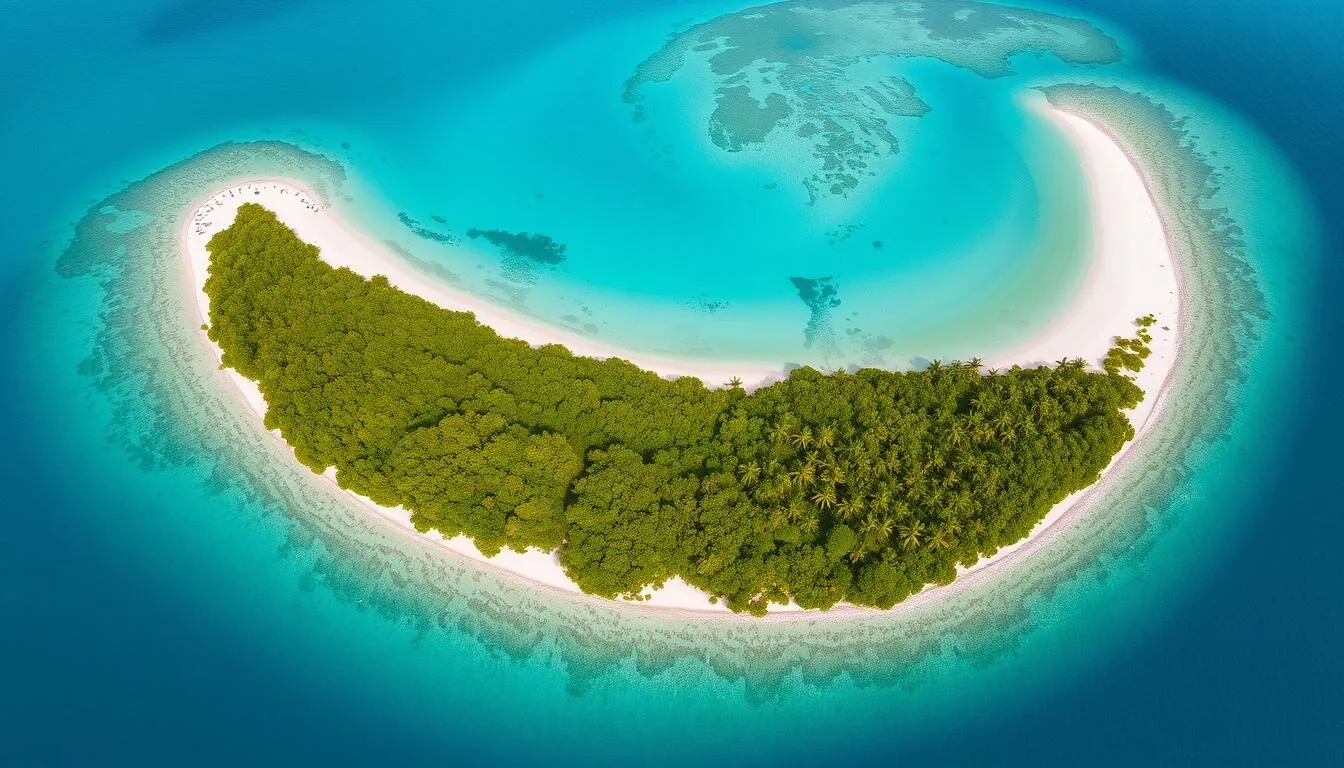
Half Moon Caye is home to one of only two protected red-footed booby bird colonies in the Western Hemisphere, making it a truly unique destination for wildlife enthusiasts. This crescent-shaped island paradise, located at the southeast corner of Lighthouse Reef Atoll, was Belize’s first protected natural area and continues to enchant visitors with its pristine beaches, crystal-clear waters, and remarkable biodiversity both above and below the waves.
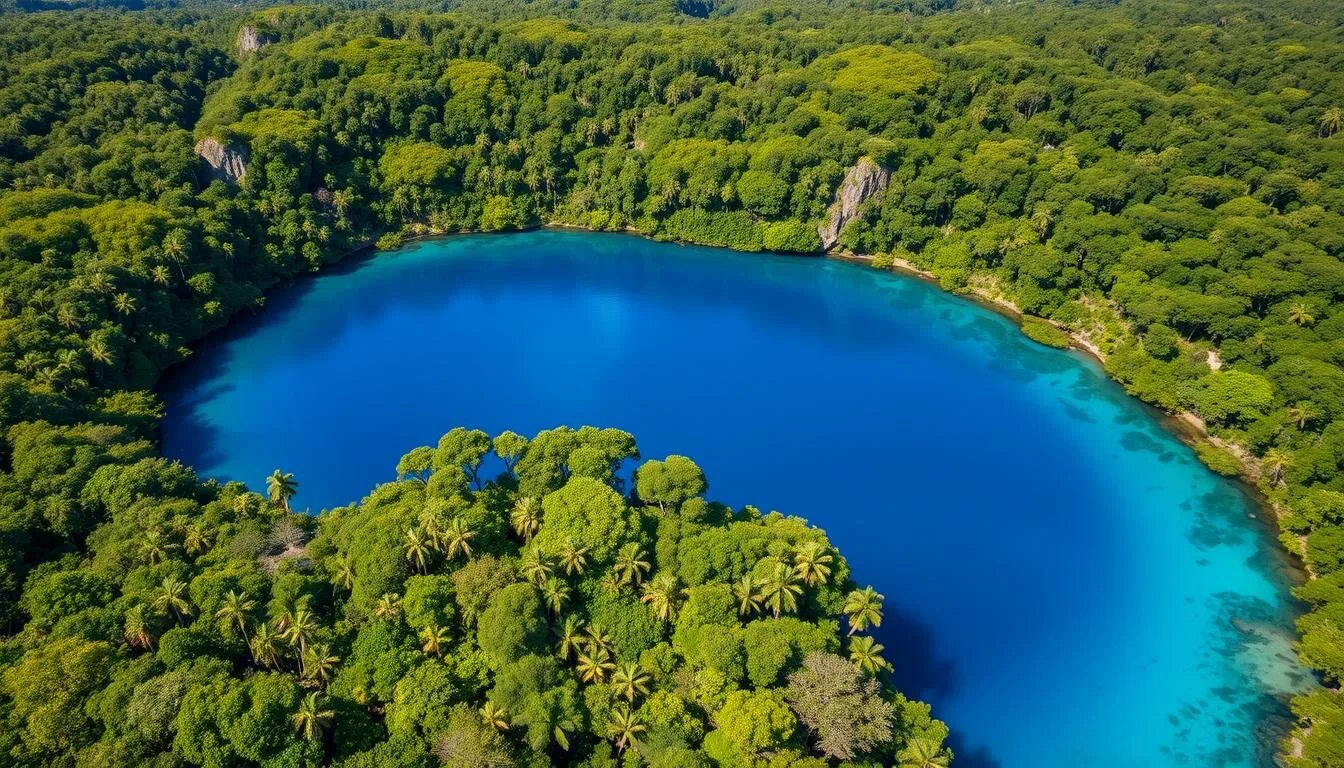
The stunning crescent-shaped Half Moon Caye from above
Getting There & Planning Your Journey
Half Moon Caye is located approximately 52 miles from mainland Belize, requiring some planning to reach this remote paradise. The journey is well worth the effort, as you’ll be rewarded with uncrowded beaches and pristine natural environments.
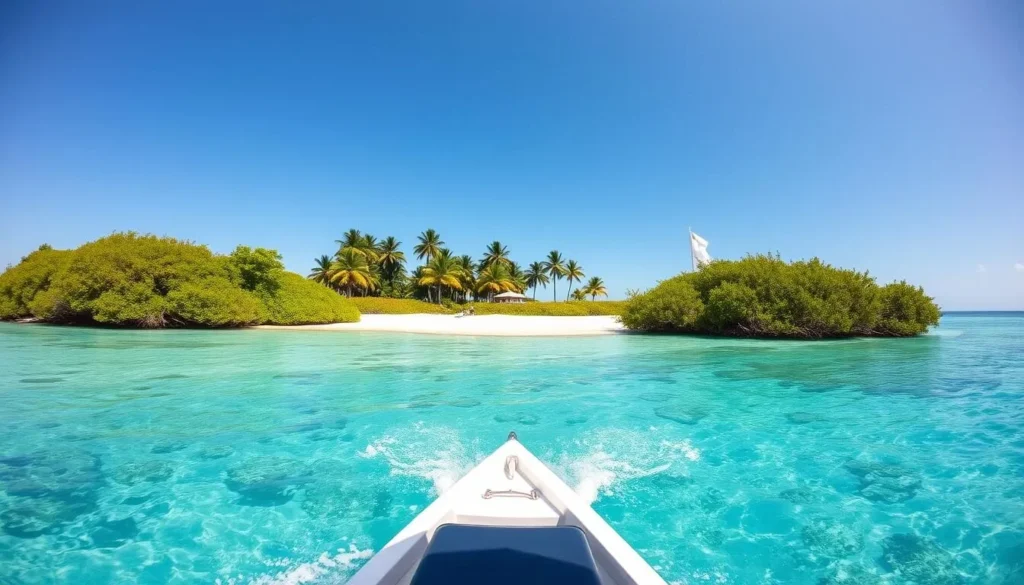
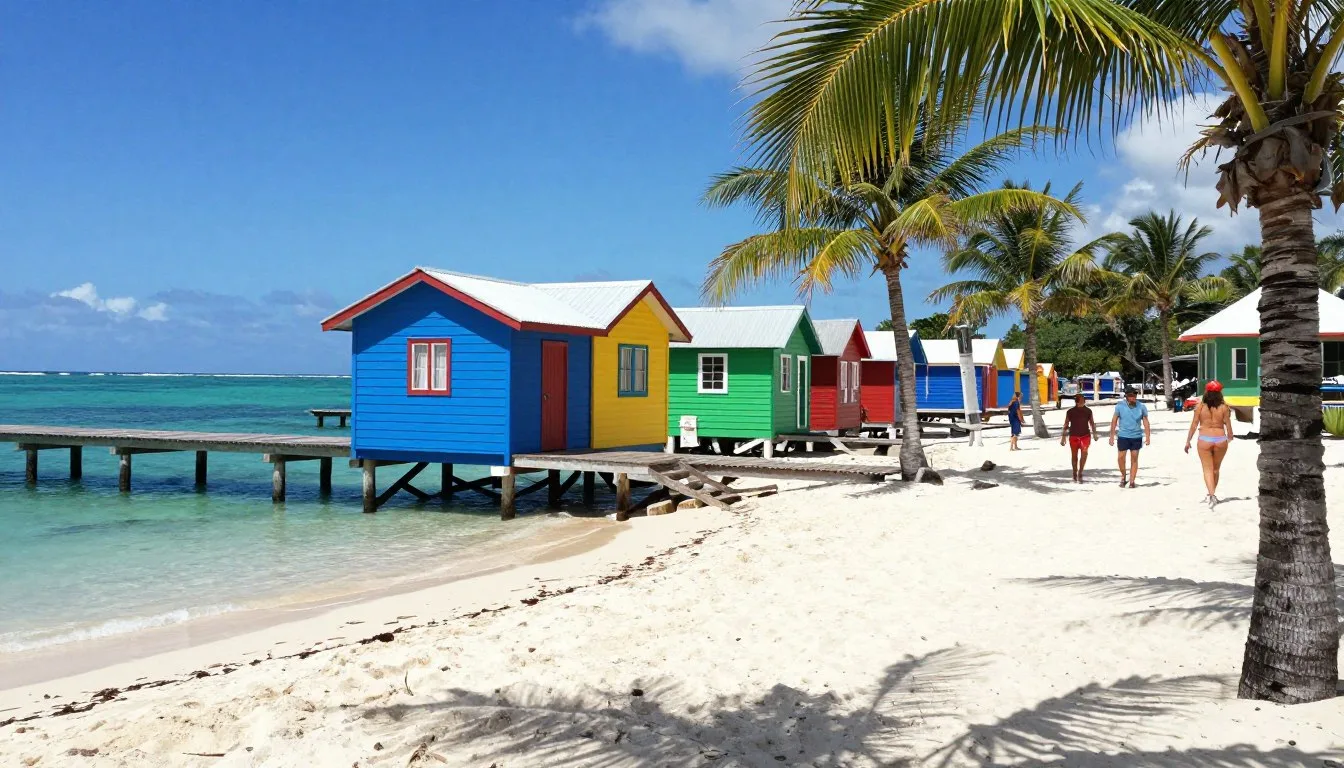
The approach to Half Moon Caye reveals its stunning waters
Transportation Options
Most visitors reach Half Moon Caye through organized day trips or dive excursions from:
- Ambergris Caye (San Pedro)
- Caye Caulker
- Belize City
The boat journey takes approximately 2-3 hours each way, depending on your departure point and weather conditions. For a faster option, chartered seaplanes can also reach the caye, offering spectacular aerial views.
When planning your visit, keep in mind:
- Day trips typically depart early morning (around 6-7am)
- Tours often combine Half Moon Caye with visits to the famous Blue Hole
- The $40 USD park entrance fee may be included in tour packages or paid separately
- Bring essentials as there are no stores on the island
For the most seamless experience, book your transportation in advance, especially during high season (December-April).
Best Time to Visit & Weather Tips
Half Moon Caye enjoys a tropical climate with warm temperatures year-round, but certain seasons offer distinct advantages for visitors.
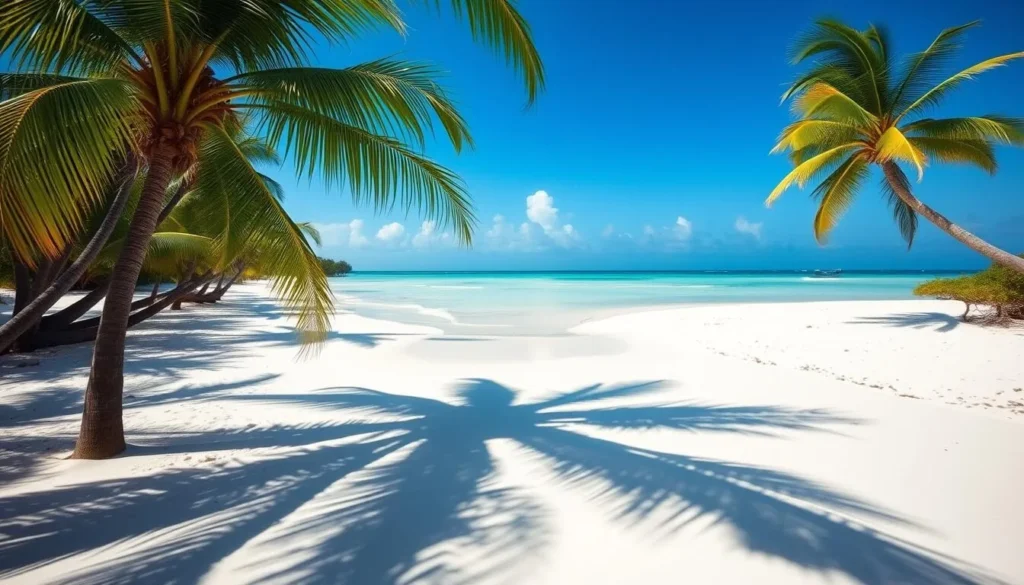
Perfect weather conditions make Half Moon Caye a year-round destination
Dry Season (November-May)
- Ideal weather with minimal rainfall
- Average temperatures 75-85°F (24-29°C)
- Peak visibility for diving and snorkeling
- Higher tourist numbers and prices
Wet Season (June-October)
- Brief, heavy afternoon showers
- Fewer crowds and lower prices
- Slightly warmer temperatures
- Some tour operators reduce schedules
- Hurricane risk (especially September-October)
Pro Tip: The shoulder months of May and November often provide the perfect balance of good weather, fewer crowds, and better prices. For bird enthusiasts, March is optimal for viewing nesting red-footed boobies.
Check 30,000+ Local Sightseeing Tours Worldwide
✓ Numerous languages and currencies are available
Weather conditions can affect boat transportation to the caye, so build flexibility into your itinerary if possible. Always check weather forecasts before departing, especially during hurricane season.
Attractions, Sightseeing & Activities
Half Moon Caye offers a remarkable diversity of activities despite its small size. The island is divided into two distinct ecosystems: the western side features dense vegetation with rich fertile soil, while the eastern section is dominated by coconut palms and sandy beaches.
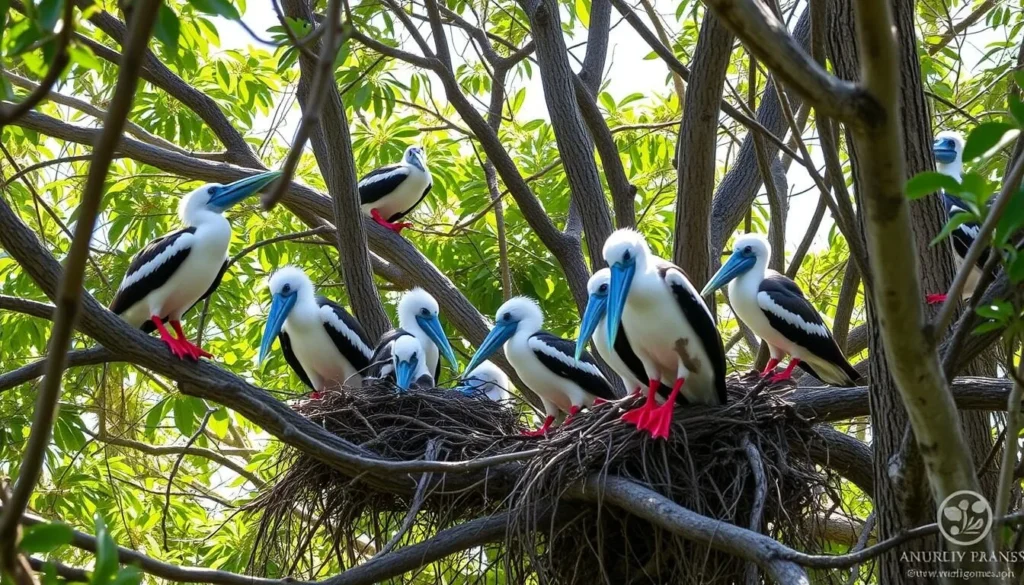
The famous red-footed booby colony is a must-see attraction
Bird Sanctuary
The island’s littoral forest hosts the only viable breeding colony of red-footed boobies in the western Caribbean. Don’t miss the observation tower that allows you to view these fascinating birds from above the forest canopy. March is particularly special as you can observe nesting parents tending to their hatchlings.
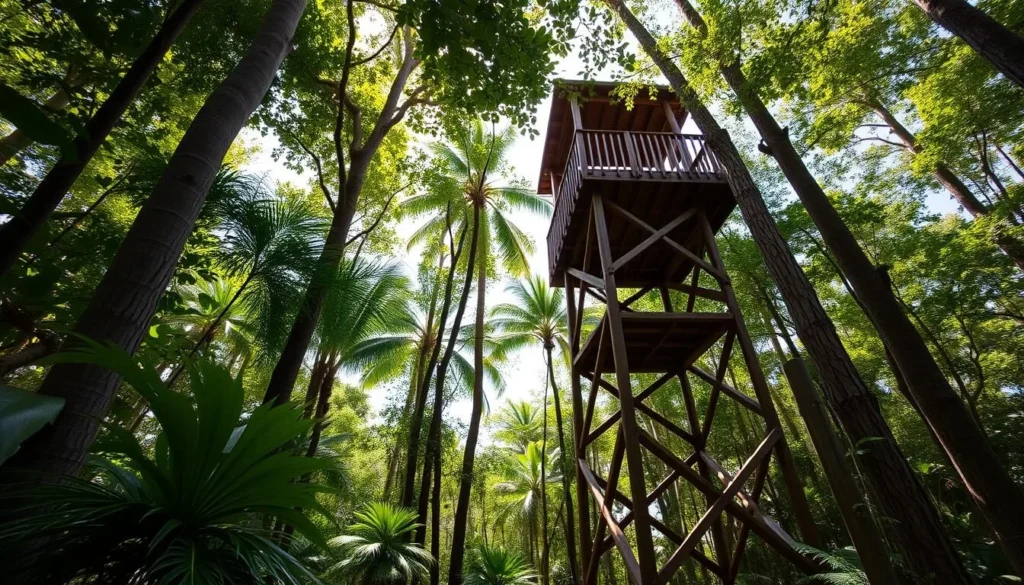
The observation tower provides incredible views of the booby colony
Diving & Snorkeling
The waters surrounding Half Moon Caye offer world-class diving opportunities, particularly at the famous Half Moon Caye Wall. This spectacular dive site features:
- Vertical reef walls dropping into the abyss
- Exceptional water clarity
- Abundant marine life including groupers, snappers, stingrays, and eels
- Opportunities to spot loggerhead turtles and barracuda
- Spectacular coral formations

The spectacular Half Moon Caye Wall is a diver’s paradise
Even snorkelers can enjoy the marine biodiversity in the shallower waters near the beach, where garden eels and colorful reef fish abound.
Beaches & Relaxation
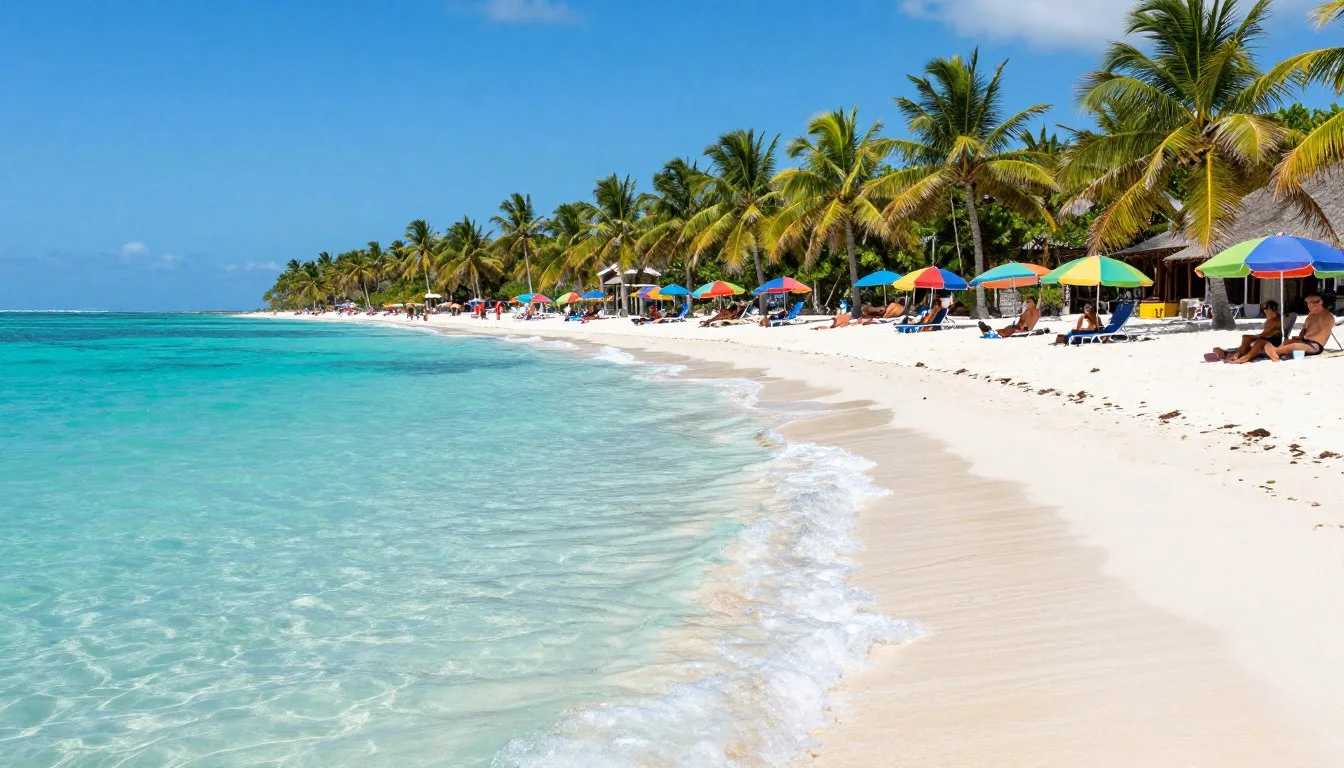
The eastern side of Half Moon Caye features pristine white-sand beaches perfect for relaxation. The crescent-shaped southern beach offers particularly stunning views and excellent swimming conditions. Take time to simply enjoy the peaceful atmosphere of this remote paradise.
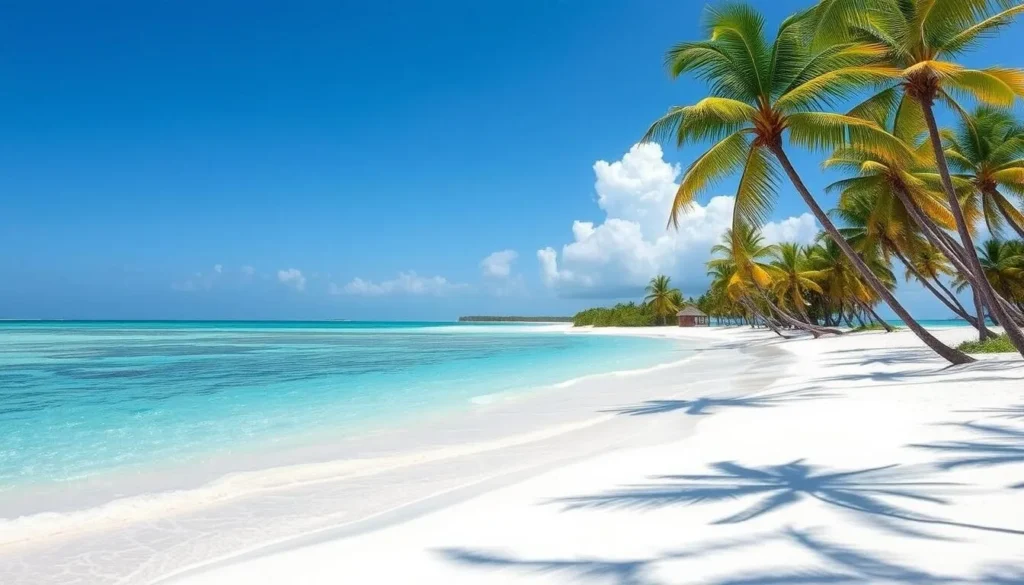
The pristine beaches of Half Moon Caye offer perfect relaxation spots
Wildlife Encounters
Beyond the famous booby birds, the island is home to several unique species:
- The endemic Island Leaf-toed Gecko (found nowhere else in the world)
- Magnificent frigatebirds
- Hermit crabs
- Various lizard species
Practical Travel Tips
Making the most of your visit to Half Moon Caye requires some preparation, as this remote location has limited facilities.
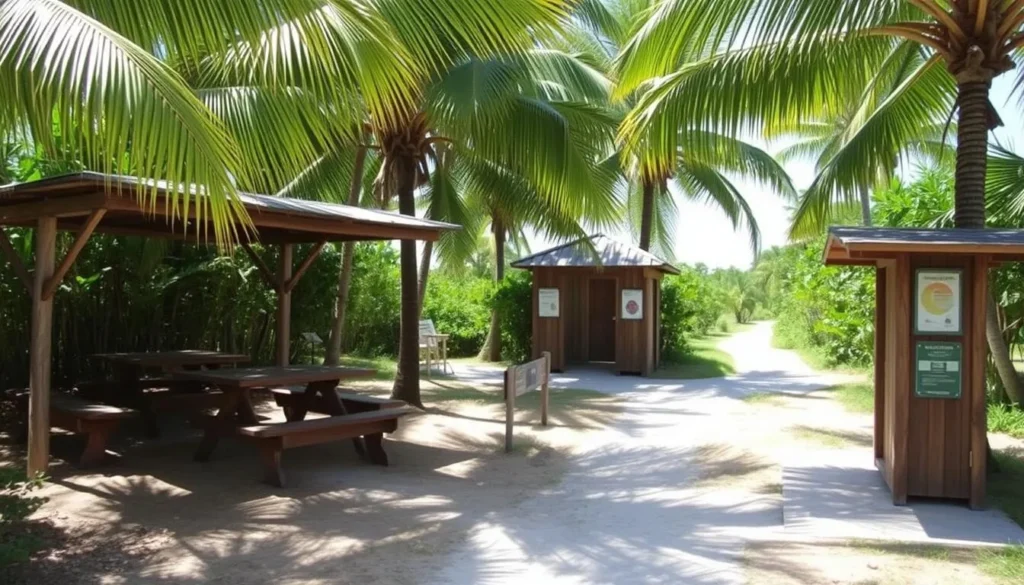
Basic visitor facilities are available on the island
What to Bring
- Plenty of drinking water
- Snacks and food (no restaurants on the island)
- Sunscreen (reef-safe preferred)
- Hat and sunglasses
- Insect repellent
- Camera with zoom lens for bird photography
- Snorkeling gear (though tour operators often provide this)
- Cash for park fees if not included in your tour
Facilities Available
- Basic restrooms
- Picnic tables
- Informational signage
- Walking trails
- Observation tower
- Park rangers (limited staff)
There are no accommodations, restaurants, or shops on Half Moon Caye. Most visitors come for day trips, though camping may be permitted with advance permission from the Belize Audubon Society.
Conservation Note: Half Moon Caye is a protected area. Take only photographs, leave only footprints, and follow all park guidelines to help preserve this natural treasure for future generations.
Safety & Etiquette
When visiting Half Moon Caye, please observe these important guidelines:
- Stay on marked trails to protect sensitive vegetation
- Maintain a respectful distance from nesting birds
- Do not touch or collect marine life, shells, or coral
- Pack out all trash
- Use reef-safe sunscreen to protect the marine ecosystem
- Follow all instructions from park rangers and guides
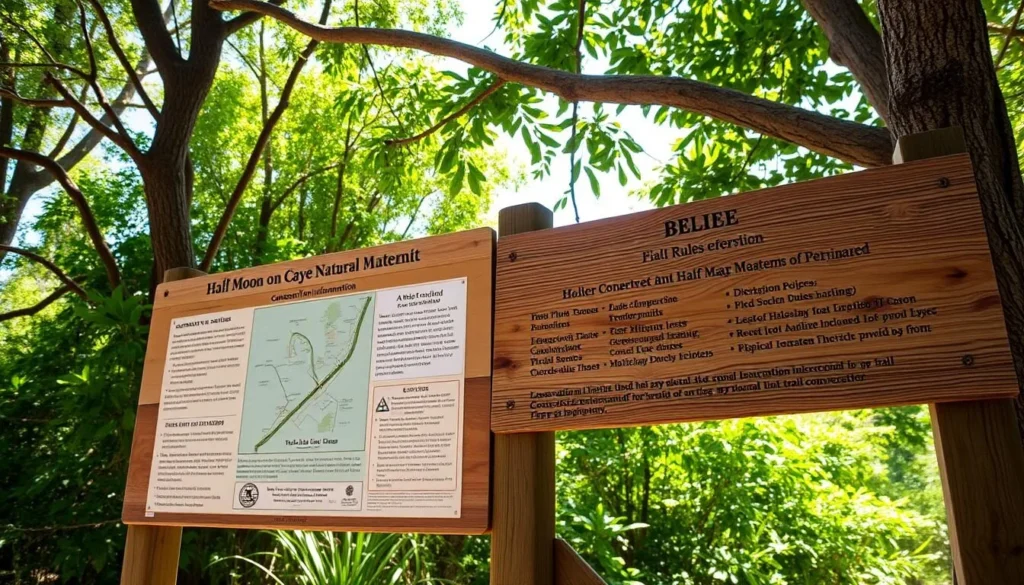
Informational signs help visitors navigate the island responsibly
Nearby Attractions
Many tours combine Half Moon Caye with visits to other remarkable sites in the area:
- The Great Blue Hole (a world-famous dive site)
- Long Caye (another island in the Lighthouse Reef Atoll)
- The Aquarium (a popular dive and snorkel site)
Consider a multi-destination tour if you want to experience the full splendor of Lighthouse Reef Atoll.
Half Moon Caye is located at the southeast corner of Lighthouse Reef Atoll
Experience the Magic of Half Moon Caye
Half Moon Caye represents Belize at its most pristine—a perfect balance of natural wonders both above and below the waves. From the unique red-footed booby colony to the spectacular wall diving, this small island packs an unforgettable punch for nature lovers and adventure seekers alike.
Whether you’re an avid diver, passionate bird watcher, or simply seeking a slice of paradise away from the crowds, Half Moon Caye offers a genuine connection with nature that’s increasingly rare in today’s world. Its protected status ensures that future generations will continue to enjoy this remarkable ecosystem.
For a complete Belize experience, consider adding a to your itinerary.