Hotels by Trip.com
Flights by Trip.com
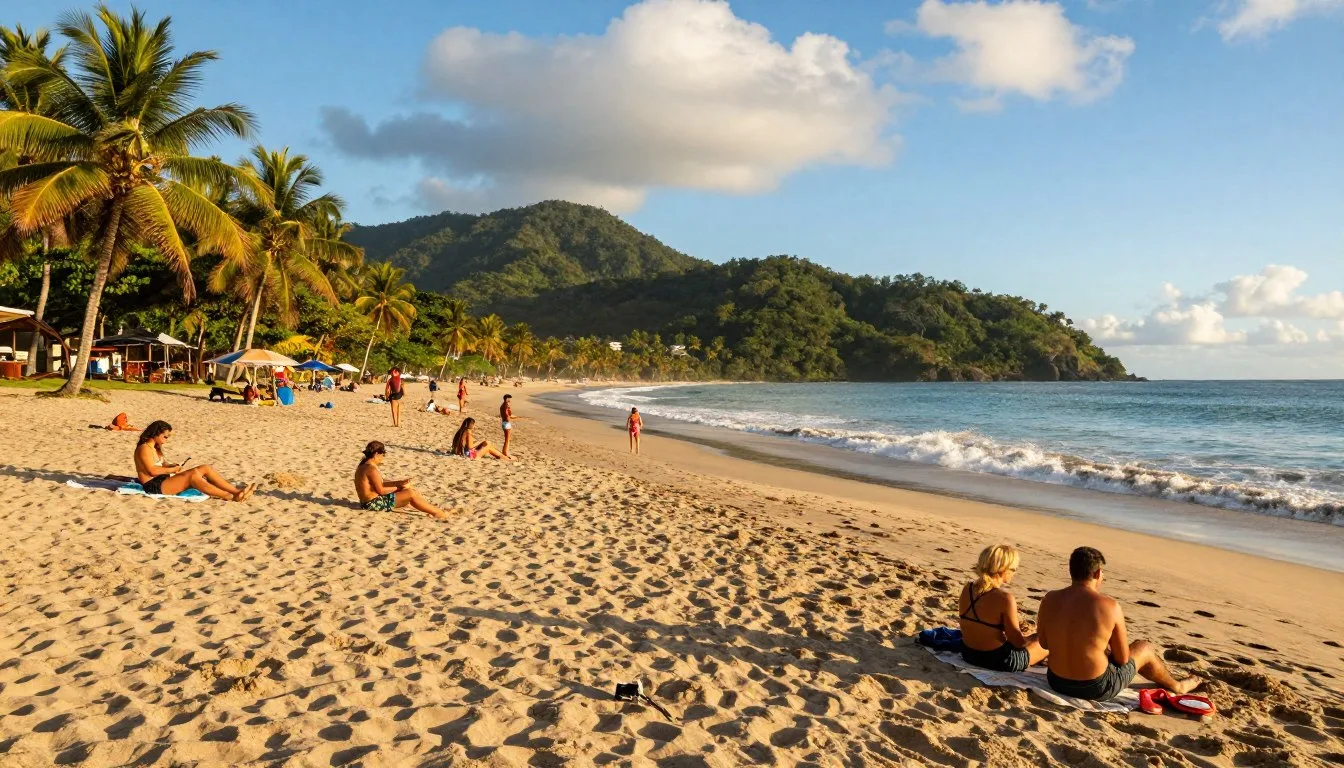
Over 30,000 sea turtles return to Tortuguero beaches each year to lay their eggs in one of nature’s most remarkable wildlife spectacles. This remote jungle paradise on Costa Rica’s Caribbean coast hosts the most important green sea turtle nesting site in the Western Hemisphere. The name “Tortuguero” comes from the Spanish word for turtle catchers, though today the area protects rather than harvests these ancient mariners.
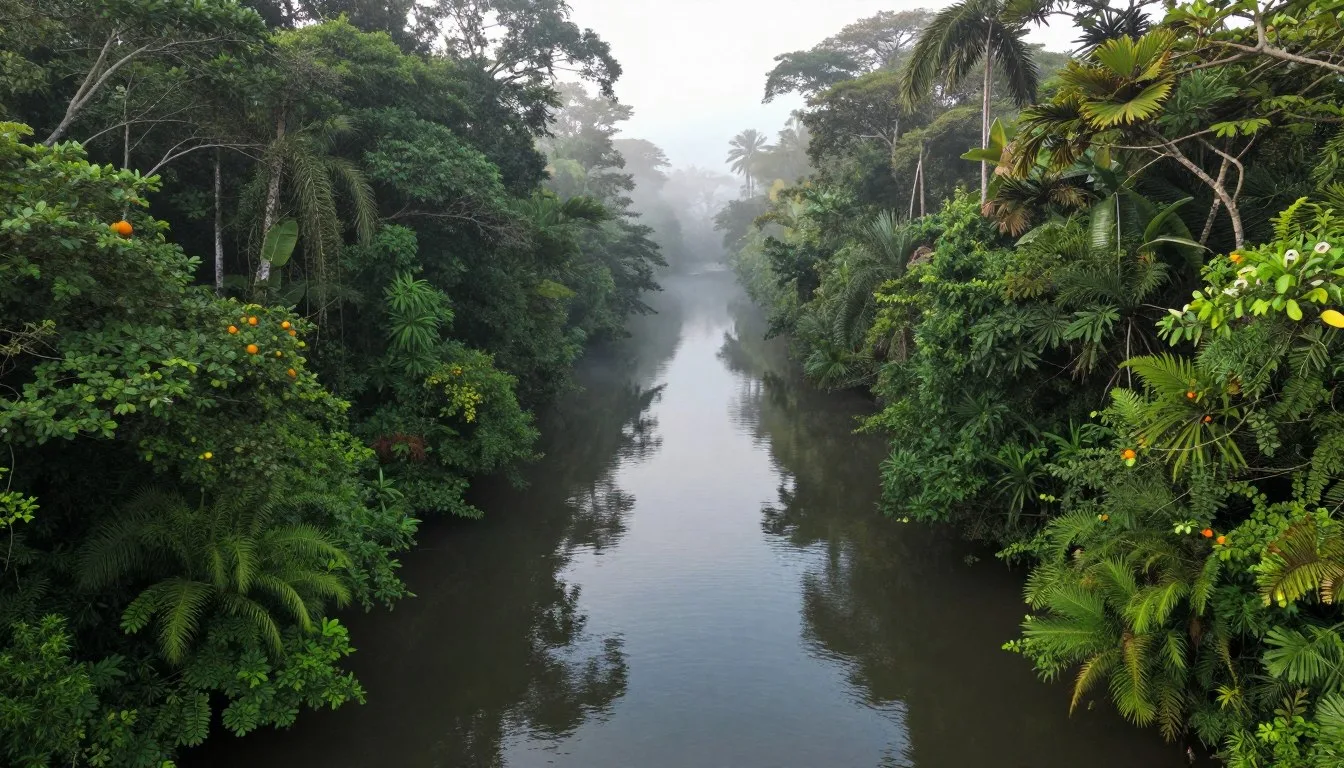
Tortuguero National Park protects 31,187 hectares (77,032 acres) of coastal rainforest, wetlands, and beaches. The park encompasses a maze of natural canals that wind through jungle teeming with wildlife. Visitors navigate this water-based wilderness by boat, encountering monkeys, sloths, caimans, and over 400 bird species along the way.
This comprehensive guide covers everything you need to know about visiting Tortuguero National Park. You will discover the best time to witness turtle nesting, how to navigate the remote waterways, where to stay in the small village, and what wildlife experiences await in this protected jungle area.
Getting There and Planning Your Journey
Reaching Tortuguero National Park requires careful planning because no roads connect this remote area to the rest of Costa Rica. The journey itself becomes part of the adventure as you travel through canals and rivers to access the park.
Closest Airports
Juan Santamaria International Airport in San Jose serves as the main gateway for international visitors to Costa Rica. From San Jose, travelers face a journey of approximately 4 to 5 hours to reach Tortuguero. Limon Airport offers a closer alternative on the Caribbean coast, though most visitors still begin their trip from San Jose.
Several domestic airlines operate small aircraft flights directly from San Jose to Tortuguero. These flights take about 30 minutes and land on a grass airstrip near the village. While more expensive than ground transportation, the aerial route saves considerable time and offers spectacular views of the Caribbean coastline and jungle canopy.
Ground and Water Transportation
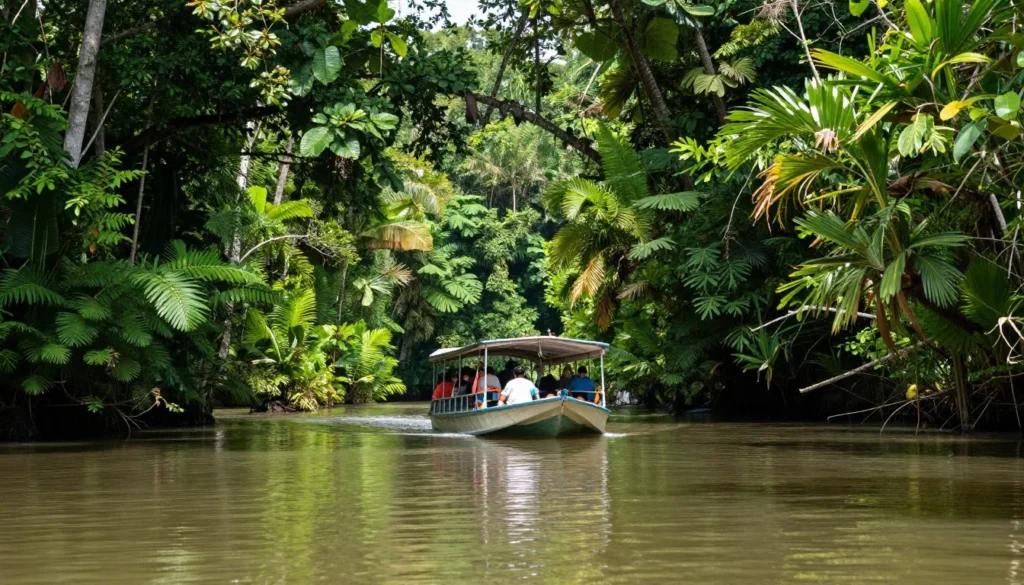
Most visitors choose the combined bus and boat route from San Jose. Public buses depart from the Gran Terminal del Caribe to the town of Cariari. From Cariari, another bus continues to La Pavona or Caño Blanco, where water taxis wait to transport passengers through the canals to Tortuguero village. The boat journey takes 60 to 90 minutes.
Many lodges and tour operators offer package transportation that includes bus and boat transfers. These organized trips typically include breakfast stops and guide commentary during the canal journey. The experience proves more expensive than public transport but eliminates navigation challenges for first-time visitors.
Planning Your Visit Duration
Most visitors spend 2 to 3 days exploring Tortuguero National Park and the surrounding area. This timeframe allows for a turtle nesting tour, canal exploration, village walks, and wildlife watching opportunities. Some travelers extend their stay to 4 days for more in-depth nature experiences and relaxation time.
Day trips from San Jose prove logistically difficult due to travel distances. The long journey makes overnight stays the practical choice for experiencing the park properly. Tour packages typically include 2 nights and 3 days with meals, lodging, and guided activities.
Best Time to Visit and Weather Tips
Tortuguero experiences a tropical rainforest climate with high humidity and rainfall throughout the year. Understanding weather patterns and seasonal wildlife activity helps visitors choose the ideal time for their trip to the national park.
Check 30,000+ Local Sightseeing Tours Worldwide
✓ Numerous languages and currencies are available
Sea Turtle Nesting Seasons
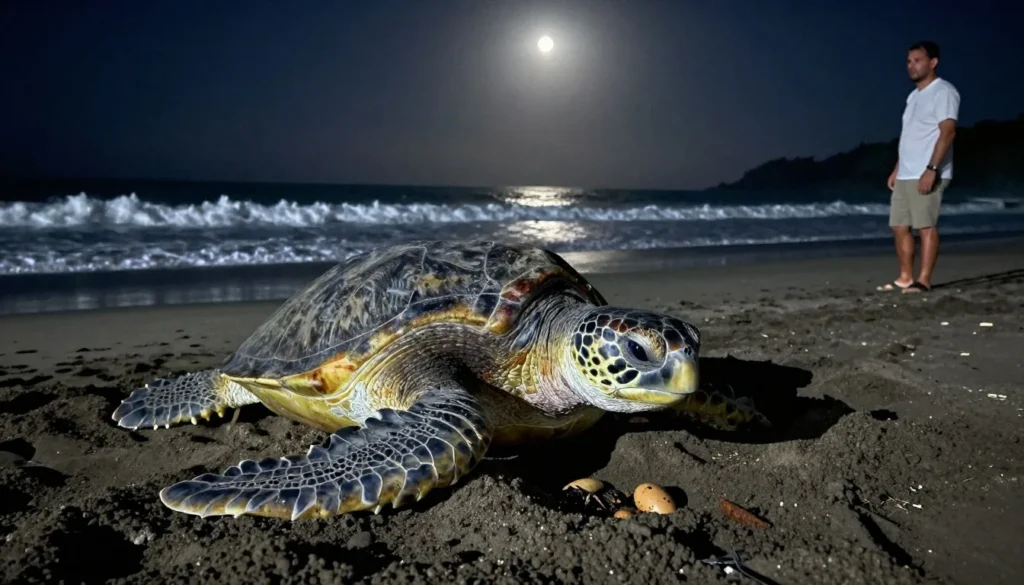
Green sea turtles nest on Tortuguero beaches from July through October, with peak activity occurring in August and September. During these months, hundreds of turtles emerge from the Caribbean Sea each night to dig nests and lay eggs. The experience of watching a sea turtle nest ranks among the most memorable wildlife encounters in Costa Rica.
Leatherback turtles visit Tortuguero beaches from March through May. These massive creatures represent the largest turtle species and create an impressive sight as they haul themselves onto the sand. Hawksbill and loggerhead turtles also nest here in smaller numbers throughout various months of the year.
Recommended Months to Visit
The period from July to October offers the best combination of turtle nesting activity and relatively drier weather. September and October typically bring the heaviest rainfall, but turtle activity remains high. March through May provides good weather conditions and the chance to see leatherback turtles, though green turtle nesting has not yet begun.
December through February marks the driest season along the Caribbean coast, making these months ideal for visitors who prioritize comfortable weather over turtle nesting experiences. Wildlife viewing remains excellent year-round as the jungle supports constant animal activity regardless of season.
Months to Consider Avoiding
November presents the wettest month in Tortuguero, with frequent heavy downpours and overcast skies. While the park remains open and some travelers enjoy the dramatic rain atmosphere, challenging weather conditions can limit outdoor activities. June also brings significant rainfall as the wet season transitions into full effect.
No truly bad time exists to visit Tortuguero for dedicated nature enthusiasts. The rain sustains the lush jungle environment, and wildlife activity continues regardless of weather. Visitors should pack waterproof gear and maintain flexible expectations about conditions in this rainforest environment.
Weather Characteristics
Temperatures remain consistently warm throughout the year, ranging from 24°C to 30°C (75°F to 86°F). High humidity levels between 80% and 90% create a steamy jungle atmosphere. Brief afternoon rain showers occur frequently even during drier months.
The Caribbean coast receives more rainfall than Costa Rica’s Pacific side, with annual precipitation exceeding 5,000 millimeters (197 inches) in Tortuguero. Water levels in the canals fluctuate with rainfall patterns, sometimes affecting boat navigation through shallow areas during drier periods.
Notable Annual Festivals
Tortuguero hosts several community celebrations that showcase local culture and environmental conservation efforts. These events provide insight into village life and the relationship between residents and the surrounding natural environment.
Sea Turtle Festival
The annual Sea Turtle Festival takes place in July to celebrate the beginning of green turtle nesting season. Local organizations host educational activities, cultural performances, and conservation presentations during this multi-day event. The festival raises awareness about turtle conservation and brings together community members, researchers, and visitors.
Village Anniversary Celebration
Tortuguero celebrates its founding anniversary each April with traditional Costa Rican music, dance performances, and community gatherings. Local restaurants prepare special dishes featuring Caribbean coast cuisine. The celebration reflects the unique Afro-Caribbean cultural heritage of the region.
Environmental Education Days
Throughout the year, the Sea Turtle Conservancy and local organizations conduct environmental education programs for school groups and community members. While not formal festivals, these events often welcome visitor participation and offer opportunities to learn about ongoing conservation research and turtle monitoring programs.
Getting Around Locally
Tortuguero village and the national park operate entirely without cars or roads. Visitors navigate this unique environment using boats, canoes, and walking paths. The water-based transportation system creates a peaceful atmosphere free from vehicle noise and pollution.
Boat Transportation
Water taxis operate along the main canal connecting different parts of Tortuguero village. These small motorized boats function like buses, picking up passengers at various docks and lodges. Most lodges provide boat transportation for their guests as part of tour packages.
The national park requires boat access for exploring the extensive canal system. Visitors cannot independently enter the park on foot. Licensed tour operators provide guided boat tours ranging from 2 to 4 hours, navigating through different canal routes to maximize wildlife viewing opportunities.
Walking Paths
The village features a network of sandy paths connecting hotels, restaurants, and shops. The main walking trail stretches along the beach and through the village center. Walking remains the standard way to explore the village during free time between organized activities.
Within the national park, two main walking trails allow visitors to experience the jungle on foot. The Jaguar Trail extends for 2 kilometers (1.2 miles) through primary rainforest. The Gavilán Trail covers 1 kilometer (0.6 miles) and offers opportunities to spot birds and monkeys in the forest canopy.
Kayak and Canoe Rentals
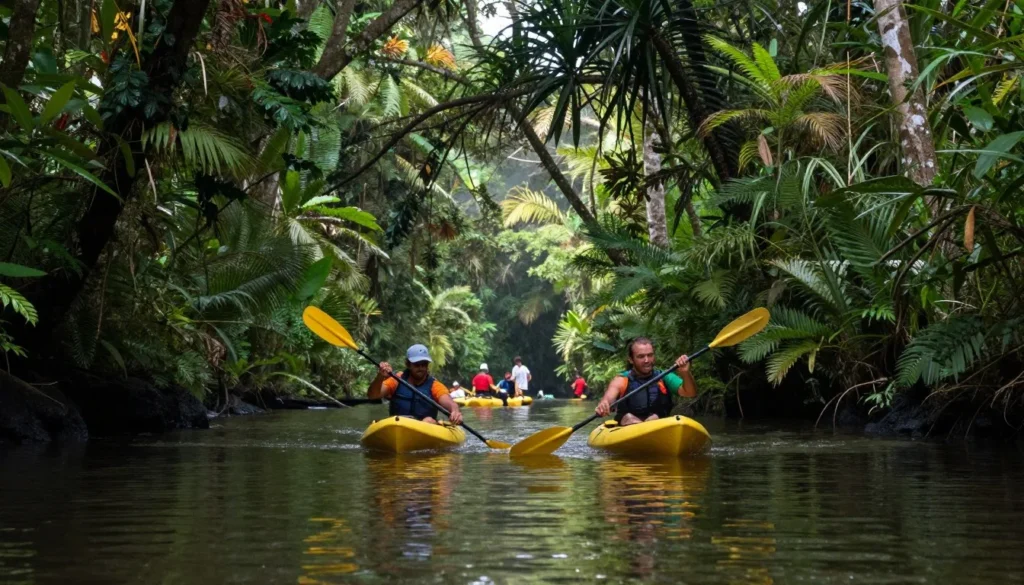
Several operators in Tortuguero village rent kayaks and canoes for independent exploration of the canals. Paddling silently through the waterways increases chances of encountering wildlife up close. Rental prices typically range from $15 to $25 for half-day use.
Guided kayak tours provide instruction and wildlife expertise while navigating the canal system. These quiet watercraft allow closer approach to animals compared to motorized boats. Morning kayak tours often yield the best wildlife sightings when animals are most active.
Where to Stay
Accommodation options in Tortuguero range from budget hostels to upscale eco-lodges. The village sits on a narrow strip of land between the canal and the Caribbean Sea. Most visitors choose lodges that include meal plans and guided tours in their rates.
Eco-Lodges and Resort Packages
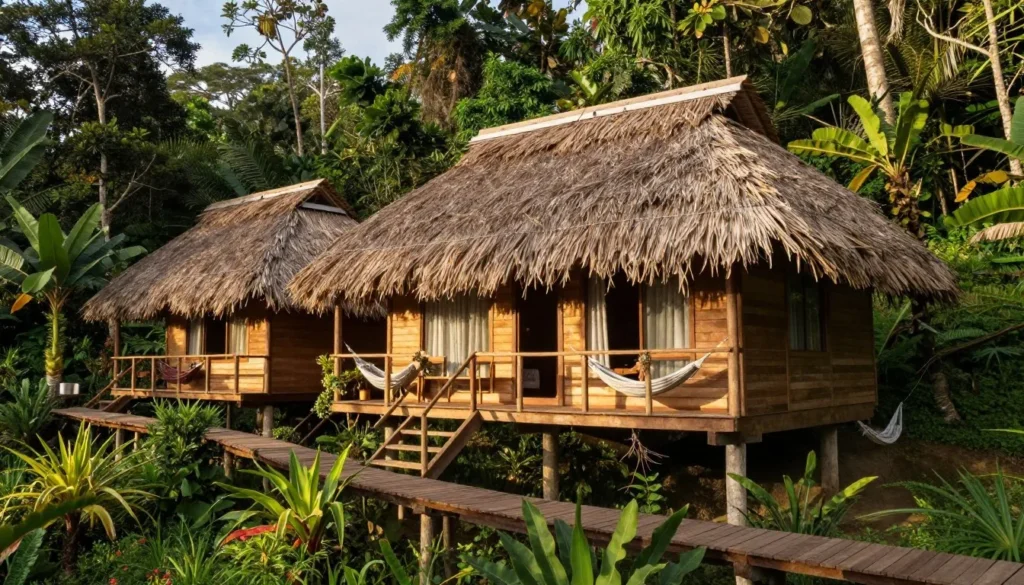
Full-service eco-lodges provide comprehensive packages including transportation from San Jose, meals, and guided tours. These properties typically feature comfortable rooms with private bathrooms, swimming pools, restaurants, and naturalist guides. Prices range from $200 to $400 per person for 2-night packages.
Popular lodges like Tortuga Lodge, Evergreen Lodge, and Mawamba Lodge operate with environmental sustainability practices. These properties employ local staff and support conservation initiatives in the area. The all-inclusive nature of these packages simplifies planning for visitors unfamiliar with the region.
Budget Accommodations in the Village
Several budget hotels and hostels operate in Tortuguero village for independent travelers. These properties offer basic rooms with fans and shared or private bathrooms. Prices start around $20 to $40 per night without meals or tours included.
Budget travelers can arrange tours separately through local operators in the village. This approach provides flexibility and potentially lower overall costs compared to package deals. However, coordinating multiple services requires more effort and Spanish language skills prove helpful.
Location Considerations
Lodges located north of the village offer closer access to the national park entrance and better proximity to primary turtle nesting beaches. Properties south of the village provide quieter settings but require longer boat rides to reach park areas.
Village-center accommodations place guests within walking distance of restaurants, shops, and the Sea Turtle Conservancy visitor center. This location suits travelers who enjoy exploring independently during free time. More remote lodges provide greater immersion in nature but limit spontaneous village exploration.
Dining and Local Cuisine
Tortuguero offers a distinctive Caribbean coast culinary experience that differs from cuisine in other parts of Costa Rica. Fresh seafood, coconut flavors, and Afro-Caribbean influences characterize the local food culture.
Restaurant Options
The village contains approximately a dozen small restaurants serving both Costa Rican and Caribbean dishes. Most establishments feature open-air seating and casual atmospheres. Prices remain reasonable compared to other tourist areas in Costa Rica, with meals typically costing $8 to $15.
Popular dishes include Caribbean rice and beans cooked in coconut milk, fresh fish prepared with Caribbean spices, and patacones (fried green plantains). Many restaurants serve casado, the traditional Costa Rican plate combining rice, beans, salad, plantains, and a protein choice.
Lodge Dining
Most eco-lodges include all meals in their package rates. Lodge restaurants typically offer buffet-style service featuring both international and local dishes. The quality and variety of lodge meals generally exceed village restaurant offerings, though prices reflect the all-inclusive model.
Some lodges accommodate special dietary requirements with advance notice. Vegetarian options appear on most menus, though vegan and gluten-free choices may be limited. Communicating dietary needs when booking ensures appropriate meal preparation.
Local Specialties
Rondon represents the signature dish of Costa Rica’s Caribbean coast. This hearty coconut milk-based stew combines fish or seafood with yuca, plantains, and vegetables. The slow-cooked preparation creates rich, complex flavors that showcase Afro-Caribbean culinary traditions.
Fresh ceviche features prominently on many menus, prepared with fish caught in Caribbean waters. Pan bon, a dark sweet bread with dried fruit, reflects the region’s cultural connections to Jamaica and other Caribbean islands. Fresh tropical fruit juices and coconut water provide refreshing beverages in the humid climate.
Attractions, Sightseeing, and Activities
Tortuguero National Park and the surrounding area offer diverse activities focused on wildlife observation, water-based exploration, and environmental education. The remote jungle setting provides experiences unavailable elsewhere in Costa Rica.
Guided Canal Tours
Boat tours through the national park canal system rank as the primary activity for most visitors. These guided excursions last 2 to 4 hours and depart in early morning or late afternoon when wildlife is most active. Naturalist guides use spotlights and binoculars to locate animals in the dense jungle.
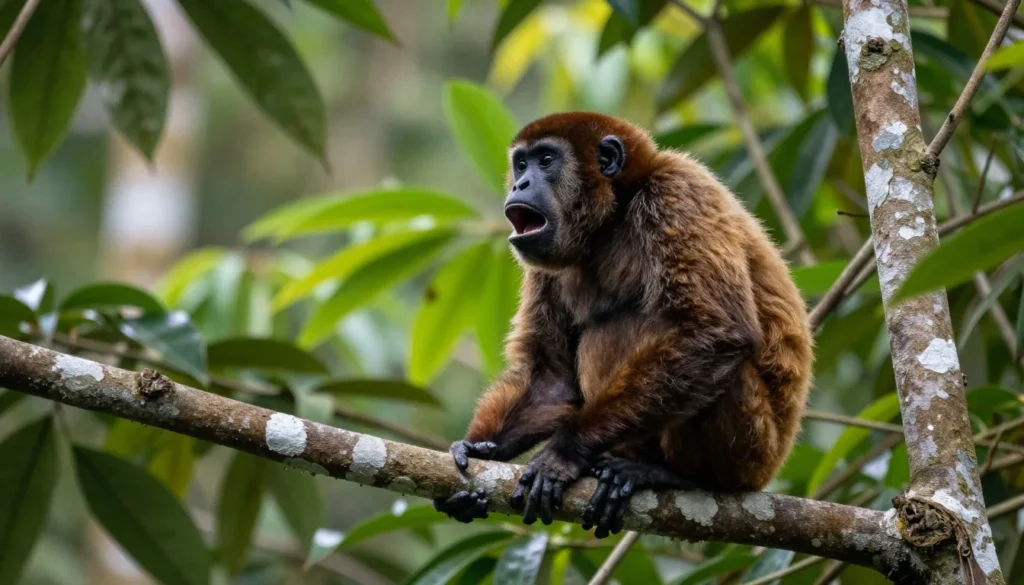
Common sightings during canal tours include howler monkeys, white-faced capuchin monkeys, three-toed sloths, river otters, caimans, basilisk lizards, and numerous bird species. Guides identify animals and explain their behaviors and ecological roles within the rainforest ecosystem.
Turtle Nesting Tours
Night tours to observe sea turtle nesting operate from July through October for green turtles and March through May for leatherback turtles. Licensed guides lead small groups onto protected beach areas where turtles come ashore to lay eggs. Strict regulations govern these tours to minimize disturbance to nesting turtles.
Tours begin after dark when turtles emerge from the sea. Guides locate turtles that have begun nesting before bringing groups to observe. Red-filtered flashlights allow viewing without disrupting the turtle’s sensitive vision. The entire process from nest excavation to egg laying to returning to the sea takes approximately 2 hours.
Turtle conservation groups collect data during nesting season, and tour fees support these research efforts. Visitors witness conservation work in action while experiencing one of nature’s most ancient reproductive rituals.
Jungle Hiking
The national park maintains two walking trails accessible from the village. The Jaguar Trail provides opportunities to experience the rainforest on foot, though actually spotting a jaguar remains extremely rare. The trail passes through dense jungle where poison dart frogs, leaf-cutter ants, and various bird species inhabit the understory.
Early morning hikes yield the best wildlife sightings before heat and humidity increase. Guided hikes help visitors identify plants, insects, and animals that untrained eyes might miss. The jungle environment requires sturdy waterproof footwear as trails can become muddy.
Sea Turtle Conservancy Visitor Center
The Sea Turtle Conservancy operates an educational center in Tortuguero village. Exhibits explain sea turtle biology, nesting behaviors, conservation challenges, and research methods. A short video presentation introduces visitors to the organization’s work protecting turtles along the Caribbean coast.
The center provides context for understanding the importance of Tortuguero as a turtle nesting site. Visitors learn about threats facing sea turtle populations and conservation strategies addressing those challenges. Admission fees support ongoing research and community education programs.
Museums, Cultural Spots, and Festivals
While Tortuguero functions primarily as a nature destination, the village offers cultural attractions that showcase local history and the relationship between community and environment.
Local History and Culture
Tortuguero’s population descends largely from Afro-Caribbean settlers who arrived in the 19th and early 20th centuries. This heritage appears in local music, food, and language. Many residents speak both Spanish and Caribbean English dialects reflecting cultural connections to Jamaica and other island nations.
The village economy historically relied on turtle hunting, lumber extraction, and small-scale fishing. Conservation efforts beginning in the 1950s transformed the area into a protected park and ecotourism destination. This transition created new economic opportunities while preserving the natural environment.
Community Art and Crafts
Several small shops in the village sell locally made crafts including wood carvings, paintings, and jewelry featuring turtle and rainforest themes. These items provide souvenirs while supporting local artisans. Quality and prices vary, so browsing multiple shops helps identify well-crafted pieces.
Some lodges display artwork created by Costa Rican artists depicting local wildlife and landscapes. These pieces enhance lodge atmosphere while showcasing the country’s artistic traditions.
Nature and Outdoor Experiences
The exceptional biodiversity of Tortuguero National Park creates unparalleled opportunities for wildlife observation and nature photography. The protected area encompasses diverse habitats from coastal beaches to inland swamp forests.

Wildlife Diversity
Tortuguero supports over 400 bird species, making it one of Costa Rica’s premier birdwatching destinations. Common sightings include toucans, macaws, herons, kingfishers, and colorful tanagers. The canals provide excellent viewing opportunities as birds feed and nest along the waterways.
Three monkey species inhabit the park: howler monkeys, white-faced capuchin monkeys, and spider monkeys. These primates feed and travel through the forest canopy, often visible from boats in the canals. Howler monkeys produce distinctive vocalizations that carry long distances through the jungle.
Other mammals include three-toed sloths, river otters, kinkajous, and occasionally jaguars, though these elusive cats rarely appear. Reptiles range from tiny poison dart frogs to spectacled caimans and green iguanas. The park protects significant populations of endangered species including West Indian manatees.
Birdwatching Opportunities
Serious birdwatchers spend multiple days in Tortuguero identifying species in different habitats. The canals attract water birds including anhingas, herons, and jacanas. Forest trails provide access to interior species like antbirds, manakins, and woodcreepers.
The best birdwatching occurs during early morning hours when birds are most active and vocal. Experienced guides know productive locations and can identify birds by calls and brief glimpses. Bringing binoculars and a field guide enhances the birdwatching experience.
Photography Considerations
Wildlife photography in Tortuguero presents challenges due to dense vegetation, low light conditions under the forest canopy, and movement from boats. Telephoto lenses help capture distant animals while fast lenses perform better in dim jungle light.
Waterproof camera protection proves essential given the high humidity and frequent rain. Ziplock bags and dry sacks protect equipment during boat rides. The dynamic jungle environment offers countless photo opportunities for patient photographers willing to work within the challenging conditions.
Travel With Children
Tortuguero offers family-friendly experiences that engage children with nature while providing educational value. The wildlife-rich environment captivates young visitors, though parents should consider age-appropriate activities and challenges.

Age Considerations
Children ages 6 and older typically enjoy and remember Tortuguero experiences. Younger children can participate but may have shorter attention spans during boat tours and nature walks. The heat, humidity, and insects present challenges for very young children unaccustomed to tropical conditions.
Turtle nesting tours generally welcome children, though late night schedules can be difficult for younger kids. The magical experience of seeing sea turtles often outweighs schedule disruptions. Some tour operators set minimum age requirements for certain activities.
Family-Friendly Activities
Canal boat tours fascinate children as guides point out monkeys, sloths, and colorful birds. The novelty of water transportation and close wildlife encounters maintains interest even for shorter attention spans. Many lodges offer special family-oriented tours with guides experienced in engaging young visitors.
Walking through the village provides breaks between organized activities. Children enjoy the sandy paths, small shops, and casual village atmosphere. Beach time offers opportunities for swimming and playing in the sand, though strong currents require supervision.
Practical Tips for Families
Pack child-safe insect repellent and apply it frequently to prevent mosquito bites. Light-colored, long-sleeved clothing provides additional protection. Waterproof bags protect electronics and cameras from humid conditions and rain.
Many lodges provide family rooms or connecting accommodations. Confirming meal options for picky eaters before arrival helps avoid food issues. Bringing familiar snacks supplements local cuisine options for children who prefer familiar foods.
Money Saving Tips
Visiting Tortuguero requires careful budgeting as the remote location limits low-cost options. However, strategic planning reduces expenses while maintaining quality experiences.
Transportation Savings
Using public buses and water taxis instead of private shuttle services cuts transportation costs significantly. The public route from San Jose to Tortuguero costs approximately $15 to $20 compared to $80 to $100 for organized shuttle services. The trade-off involves more complex logistics and longer travel time.
Check 30,000+ Local Sightseeing Tours Worldwide
✓ Numerous languages and currencies are available
Booking direct flights during off-peak seasons sometimes yields competitive prices compared to ground transportation when factoring in time savings and reduced overnight stays outside Tortuguero.
Accommodation Strategies
Staying in budget village hotels instead of eco-lodges saves substantial money. Independent travelers booking separate tours often spend less overall than all-inclusive packages, though this requires more planning effort. Visiting during low season (November to early December and May to June) yields lower accommodation rates.
Some lodges offer Costa Rican resident discounts. If traveling with locals or extended stays in Costa Rica, inquiring about such rates might reduce costs.
Activity Planning
Walking the free trails in the national park provides nature experiences without tour costs. Renting kayaks for independent canal exploration costs less than guided boat tours while offering unique wildlife viewing opportunities. The Sea Turtle Conservancy visitor center charges minimal admission and provides educational value.
Eating at local village restaurants instead of lodge dining rooms reduces meal expenses. Purchasing snacks and water from village shops proves cheaper than lodge convenience stores. Preparing some meals from groceries purchased in larger towns before arriving further reduces food costs.
Tour Selection
Booking tours directly with local operators in the village rather than through lodges or international booking sites often yields lower prices. However, ensuring operator legitimacy and safety standards requires research. Group tours cost less per person than private excursions while still providing quality experiences.
Safety and Local Customs
Tortuguero presents minimal safety concerns for visitors who exercise reasonable precautions. Understanding local customs and environmental considerations ensures respectful, safe travel experiences.
General Safety
Violent crime remains rare in Tortuguero village. Petty theft occasionally occurs, so securing valuables and using hotel safes provides prudent protection. The small community atmosphere and tourism-dependent economy create incentives for maintaining visitor safety.
Swimming in the ocean requires caution due to strong currents and rip tides along the Caribbean coast. Many beaches display warning signs, and lodges typically advise against ocean swimming. The canals and rivers provide safer water activities under proper supervision.
Health Precautions
Mosquitoes carrying dengue fever and occasionally other diseases inhabit the area. Using insect repellent, wearing protective clothing, and sleeping under mosquito nets reduces bite risk. No malaria risk exists in Tortuguero, though travelers should consult doctors about current health recommendations.
The humid climate promotes rapid bacterial growth. Minor cuts and scrapes require careful cleaning and monitoring. Packing a basic first aid kit with antiseptic and bandages helps address minor injuries. Serious medical issues require evacuation to larger towns as Tortuguero lacks advanced medical facilities.
Environmental Respect
Strict regulations protect turtle nesting beaches. Visitors must join authorized guided tours rather than attempting independent beach access at night. Flash photography disturbs nesting turtles and is prohibited. Maintaining appropriate distance from wildlife ensures animal welfare and visitor safety.
Littering damages the pristine environment and threatens wildlife. Carrying reusable water bottles reduces plastic waste. Many lodges implement comprehensive recycling and waste reduction programs. Supporting these efforts helps preserve Tortuguero for future generations.
Cultural Considerations
The laid-back Caribbean pace of life characterizes Tortuguero village. Patience and flexibility serve travelers better than rigid schedules. Greeting people with “buenos dias” or “buenas tardes” demonstrates respect. Learning basic Spanish phrases enhances interactions, though many tourism workers speak English.
Tipping guides and service workers follows standard Costa Rican practices. Quality tour guides typically receive $5 to $10 per person per day. Restaurant tips of 10% are customary when service charges are not included.
Visitor Comments About Tortuguero National Park
“Watching a massive green sea turtle lay her eggs on the moonlit beach was the most incredible wildlife experience of my life. The canals teemed with monkeys, sloths, and exotic birds everywhere we looked. Our guide’s knowledge made every boat trip fascinating. Tortuguero exceeded all expectations.”
“The remote jungle setting felt like stepping into another world. No roads, just peaceful canals winding through pristine rainforest. We saw more wildlife in three days than during our entire two-week Costa Rica trip. The eco-lodge provided comfortable accommodation without spoiling the wild atmosphere.”
“Our family loved the adventure of reaching Tortuguero by boat and the excitement of spotting animals from our kayaks. The kids still talk about the howler monkeys and baby sloth we saw. It was educational and thrilling. Worth every effort to get to this special place.”
Additional Nearby Destinations
Several worthwhile destinations lie within reasonable travel distance from Tortuguero, allowing visitors to extend their Costa Rica Caribbean coast experience.
Cahuita National Park
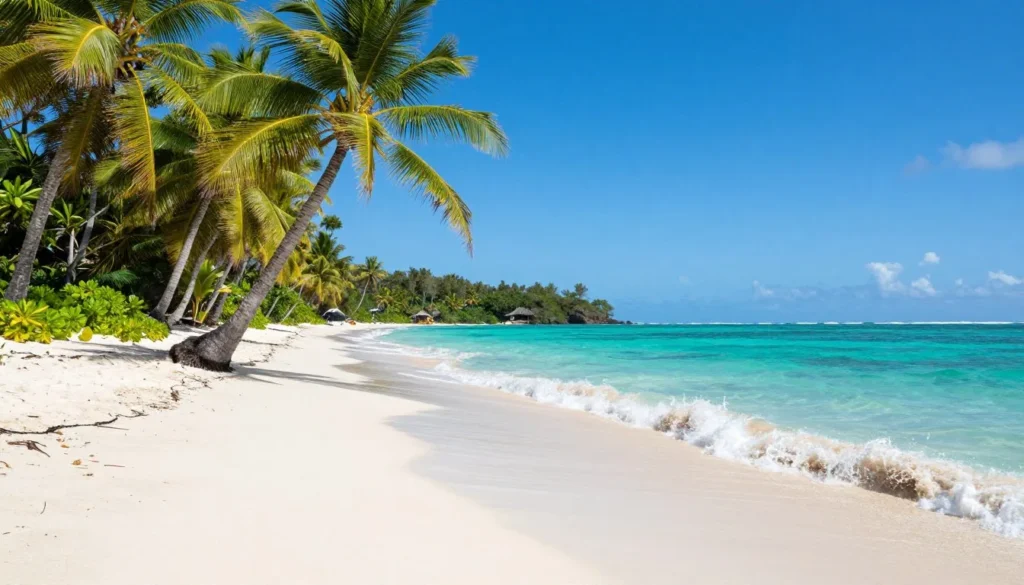
Located approximately 100 kilometers (62 miles) south of Tortuguero, Cahuita protects coral reefs and coastal rainforest along the Caribbean coast. The park offers easier access than Tortuguero, with roads connecting to nearby towns. Snorkeling in the coral reef reveals colorful tropical fish and marine life.
Cahuita village features more developed tourism infrastructure with numerous hotels, restaurants, and tour operators. The combination of beaches, jungle trails, and reef exploration provides diverse activities. Travel time from Tortuguero to Cahuita takes approximately 3 to 4 hours by public transportation.
Puerto Viejo de Talamanca
This laid-back beach town south of Cahuita offers surf breaks, Afro-Caribbean culture, and access to several beautiful beaches. The area attracts younger travelers and surfers with its relaxed atmosphere. Restaurants serve excellent Caribbean cuisine reflecting the region’s cultural heritage.
Nearby beaches like Playa Cocles, Playa Chiquita, and Punta Uva provide options for swimming, surfing, and sunbathing. The Gandoca-Manzanillo Wildlife Refuge protects coastal areas south of Puerto Viejo. Bicycle rentals allow easy exploration of the coastal road connecting various beaches.
Braulio Carrillo National Park
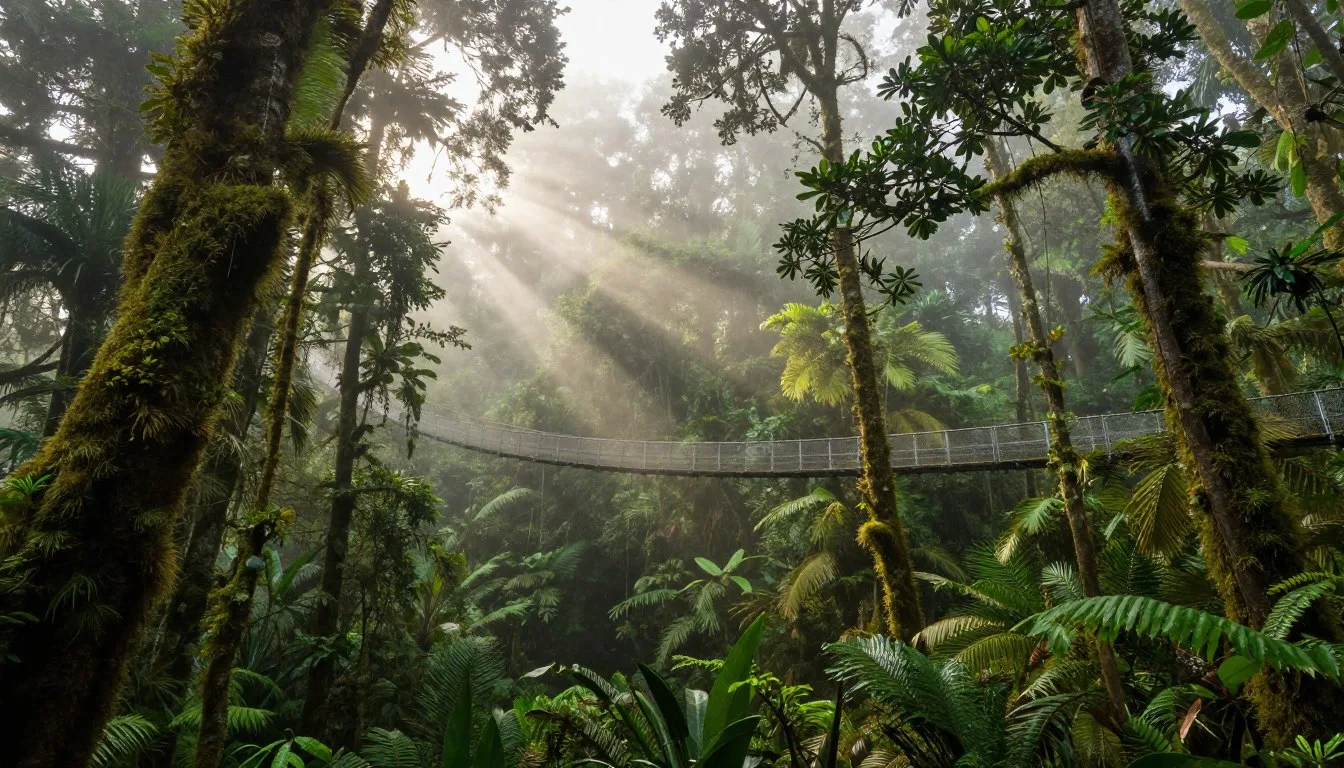
This large mountainous park lies between San Jose and the Caribbean lowlands. Travelers passing through on the route to Tortuguero can stop at the Rainforest Aerial Tram for canopy tours offering bird’s-eye views of the cloud forest. The park protects rugged terrain and significant biodiversity.
Few visitors explore Braulio Carrillo extensively due to limited infrastructure and challenging terrain. However, the Aerial Tram provides accessible rainforest experiences without requiring extensive hiking. The dramatic landscape transition from highland cloud forest to Caribbean lowland rainforest occurs within this park.
Practical Travel Tips
Successful Tortuguero visits require preparation for the remote jungle environment and unique logistical considerations of this roadless destination.
What to Pack
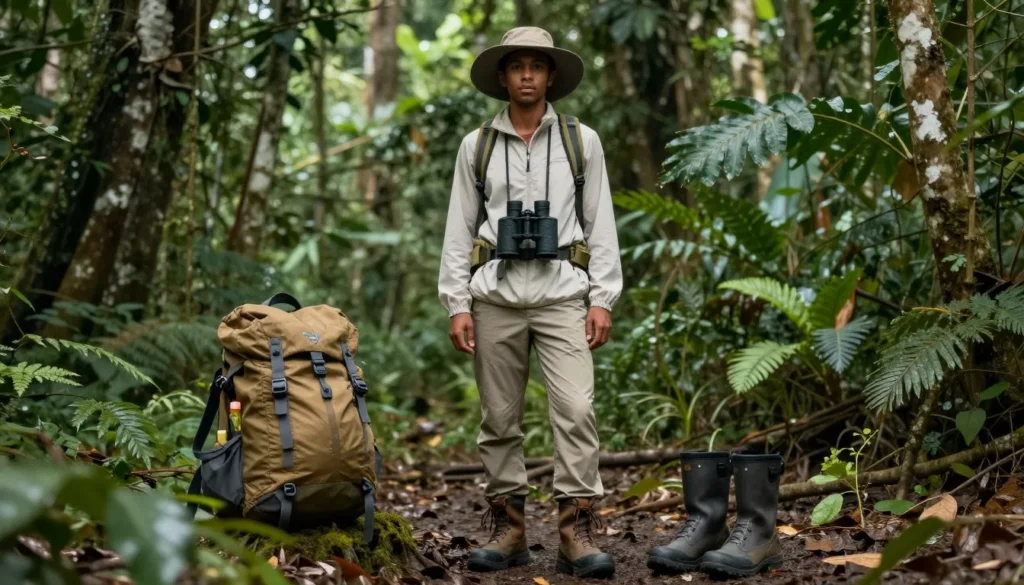
Waterproof bags protect electronics, cameras, and documents from humidity and rain. Quick-drying clothing works better than cotton in the damp environment. Long-sleeved shirts and long pants provide sun and insect protection. A wide-brimmed hat shields from sun during boat tours.
Sturdy waterproof boots or closed-toe water shoes suit jungle trails and village paths. Sandals serve for lodge time and casual wear. Bringing binoculars enhances wildlife viewing, though some lodges provide them to guests. A headlamp or flashlight proves essential for night activities.
Money and Banking
Limited banking services exist in Tortuguero village. Bringing sufficient cash from larger towns prevents financial difficulties. Most lodges and some restaurants accept credit cards, but village shops and smaller establishments operate on cash basis. Both US dollars and Costa Rican colones are accepted, though colones typically yield better exchange rates.
ATM access is limited and unreliable in the village. Planning cash needs before arrival prevents inconvenient shortages. Tipping guides and service workers requires small bills, so breaking large denominations in San Jose or other cities proves helpful.
Communication and Connectivity
Cell phone service in Tortuguero is limited and unreliable. Many lodges offer WiFi in common areas, though connections are often slow. Embracing digital disconnection enhances the remote jungle experience. Communicating potential communication limitations to family and contacts before departure prevents worry.
Some lodges provide satellite phones for emergency contact. Understanding communication constraints helps set realistic expectations. The isolation from constant connectivity allows greater immersion in the natural environment.
Language Considerations
Spanish serves as the primary language, though many tourism workers speak functional English. Learning basic Spanish phrases improves interactions and shows cultural respect. Translation apps help when internet connectivity allows their use.
Tour guides generally speak English well and communicate effectively about wildlife and park features. Village restaurants and shops may require more basic communication. Patience and good humor overcome most language barriers in this friendly community.
Booking Recommendations
Advance reservations for lodges and tours prove essential during peak turtle nesting season from July through September. Last-minute availability becomes scarce when international visitors flock to witness nesting activity. Off-season travel allows more flexibility and often yields better prices.
Researching tour operator safety records and guide qualifications ensures quality experiences. Reading recent reviews from other travelers provides insight into current conditions and service quality. Confirming exactly what is included in package prices prevents surprise expenses.
Sustainable Tourism Practices
Supporting locally owned lodges and restaurants keeps tourism revenue within the community. Choosing tour operators committed to environmental conservation and fair labor practices promotes sustainable tourism development. Respecting wildlife regulations and maintaining appropriate distances from animals protects both visitors and wildlife.
Minimizing plastic use through reusable bottles and bags reduces environmental impact. Participating in beach clean-up activities or supporting conservation organizations contributes positively to Tortuguero’s future. The park’s long-term preservation depends on responsible visitor behavior and support for conservation efforts.
Your Tortuguero Adventure Awaits
Tortuguero National Park stands as one of Costa Rica’s most extraordinary natural treasures. The combination of accessible wildlife viewing, ancient sea turtle nesting rituals, and pristine jungle waterways creates experiences that remain etched in memory long after returning home. This remote corner of the Caribbean coast rewards adventurous travelers with intimate encounters with nature in its purest form.
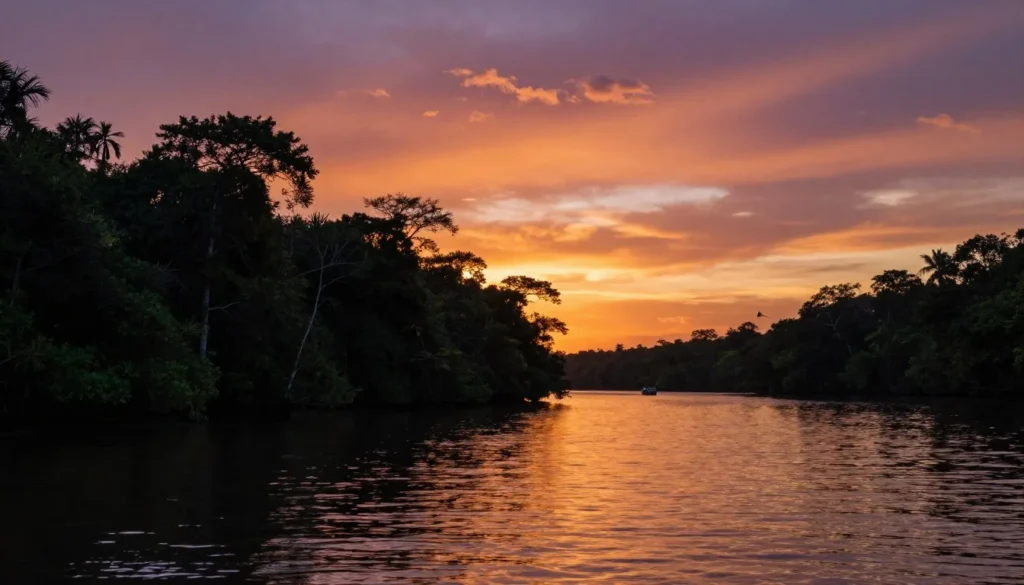
The journey to Tortuguero requires effort and planning, but the rewards justify every logistical challenge. Where else can you paddle silently through jungle canals at dawn as monkeys call from the canopy overhead, then witness massive sea turtles emerge from ancient oceans to continue cycles repeated for millions of years? Tortuguero delivers these moments of wonder to those willing to venture beyond standard tourist paths into Costa Rica’s wild heart.