
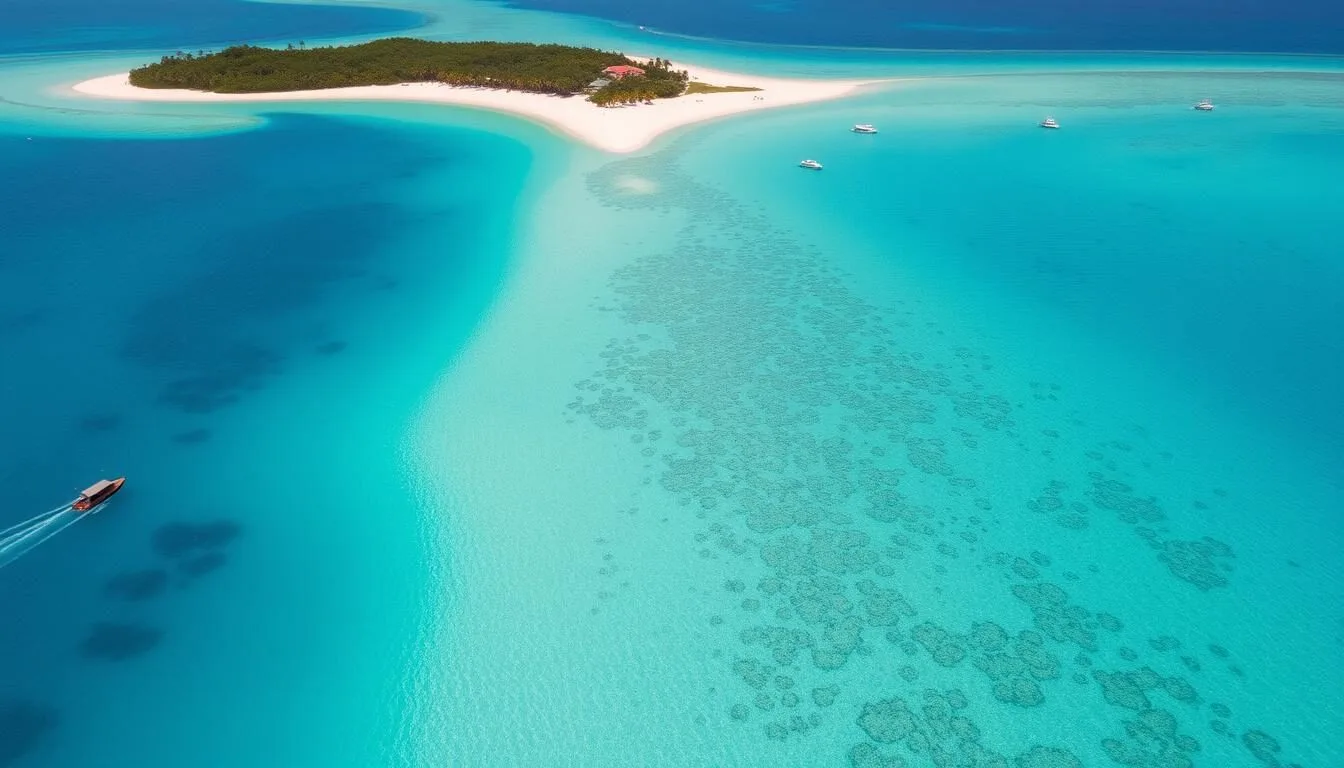
Did you know the Bay Islands sit on the world’s second-largest barrier reef? This underwater paradise hosts over 500 fish species and 60 types of coral – but fewer than 5% of Honduras’ tourists visit annually! While mainland Honduras sometimes gets overlooked, these Caribbean gems offer world-class diving, pristine beaches, and authentic cultural experiences without the crowds of more commercialized destinations.
The stunning Bay Islands archipelago with its crystal-clear waters and vibrant reefs
Getting There & Planning Your Journey
The Bay Islands archipelago consists of three main islands – Roatán, Utila, and Guanaja – plus numerous smaller cays. Each offers a unique experience, but they all share the same stunning marine environment that makes this region special.
By Air
The most convenient way to reach the Bay Islands is by flying into Juan Manuel Gálvez International Airport (RTB) on Roatán, which receives direct flights from major U.S. cities including Miami, Houston, and Atlanta. Alternatively, you can fly into Ramón Villeda Morales International Airport (SAP) in San Pedro Sula on the mainland, then connect to the islands via a short domestic flight.
By Ferry
Budget travelers often opt for the ferry service. Regular ferries connect La Ceiba on the mainland to both Roatán and Utila. The journey takes approximately 1-1.5 hours to Roatán and about 1 hour to Utila. Galaxy Wave and Safe Way Maritime are the two main ferry operators, with tickets costing around $30 one-way.
By Cruise
Roatán is a popular cruise ship destination, with a dedicated port at Coxen Hole and Mahogany Bay. If you’re considering a Caribbean cruise that includes Honduras, this can be a convenient way to get a taste of the islands, though you’ll only have a day to explore.
Best Time to Visit & Weather Tips
The Bay Islands enjoy a tropical climate with warm temperatures year-round, but there are definitely optimal times to visit depending on your priorities.

Spectacular sunset over West Bay Beach, one of the Bay Islands’ most beautiful spots
Dry Season (February-August)
The peak tourist season runs from February through August, when rainfall is minimal and visibility for diving and snorkeling is at its best. March to June offers particularly ideal conditions with calm seas and excellent underwater visibility often exceeding 100 feet. Temperatures typically range from 77°F to 88°F (25°C to 31°C).
Rainy Season (September-January)
The wet season brings occasional heavy showers, but they’re usually brief and followed by sunshine. This period offers fewer crowds and lower prices, making it attractive for budget travelers. September and October can see occasional tropical storms, so monitor weather forecasts if traveling during these months.
Special Events
Consider timing your visit around local festivals for an enhanced cultural experience:
- Utila Carnival (July) – A week of parades, music, and dancing
- Roatán International Fishing Tournament (September) – Exciting sport fishing competition
- Garifuna Settlement Day (April 12) – Cultural celebrations with traditional music and dance
- Bay Islands Triathlon (May) – Athletic competition across swimming, cycling, and running
Getting Around Locally
Each of the Bay Islands has its own transportation system, with options varying by island size and infrastructure.
On Roatán
As the largest and most developed island, Roatán offers several transportation options:
- Taxis: Widely available but negotiate the fare before getting in, as meters aren’t common. A trip from the airport to West End typically costs $15-20.
- Colectivos: These shared vans run along the main road and cost around $2-3 per person. Flag them down anywhere along their route.
- Water Taxis: A scenic way to travel between West End and West Bay, costing about $3 per person each way.
- Rental Cars: Available from several agencies at the airport and in major towns. Expect to pay $40-70 per day.
- Scooters and ATVs: Popular options for exploring, with rentals starting around $30 per day for scooters and $75 for ATVs.
On Utila
Utila is much smaller and more compact than Roatán:
- Walking: Most accommodations, restaurants, and dive shops in Utila Town are within walking distance.
- Tuk-tuks: These three-wheeled taxis are perfect for short distances, costing $1-3 per trip.
- Bicycle Rentals: Available for around $5-10 per day, ideal for exploring the island.
- Water Taxis: Necessary for reaching more remote beaches and cays, with prices negotiable.
On Guanaja
Guanaja is the least developed of the three main islands:
- Boats: The primary transportation method, as there are very few roads. Most resorts offer boat transfers.
- Walking: The main settlement of Bonacca (also called Guanaja Town) is built on stilts over the water and is navigated by foot.
Map of the Bay Islands, Honduras
Where to Stay
The Bay Islands offer accommodations for every budget and travel style, from backpacker hostels to luxury resorts. Each island has its own distinct character and accommodation options.
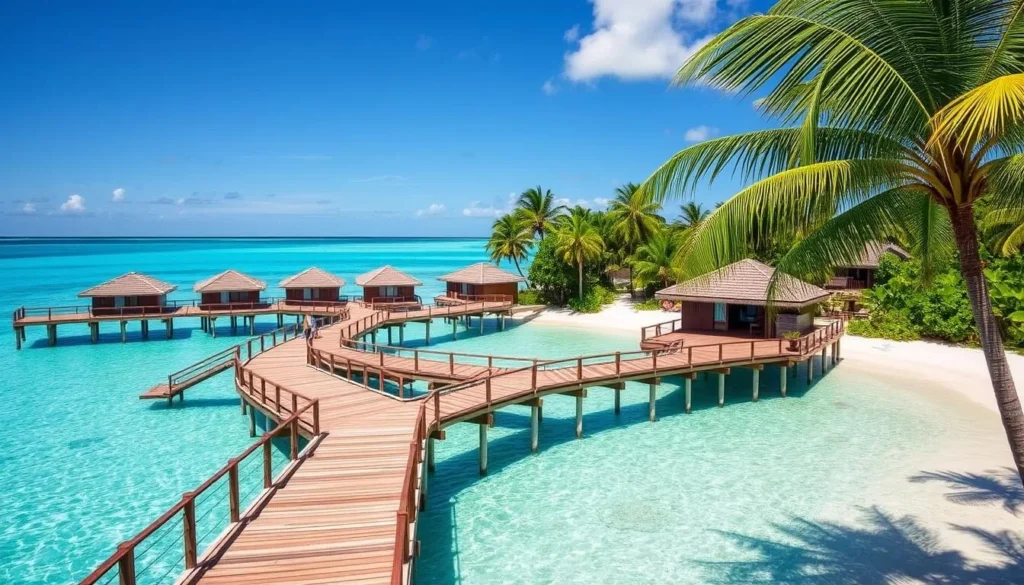
Luxury overwater accommodations offer direct access to the Caribbean Sea
Roatán Accommodations
West End
The social hub of Roatán with a range of budget to mid-range options. Perfect for divers, solo travelers, and those seeking nightlife.
Budget: $15-40/night
Recommended: Seabreeze Inn, West End Dive Resort
West Bay
Home to Roatán’s most beautiful beach and upscale resorts. Ideal for families, couples, and those seeking luxury beachfront experiences.
Budget: $100-300+/night
Recommended: Grand Roatan Resort, Infinity Bay
Sandy Bay & East End
Quieter areas with a mix of boutique hotels and vacation rentals. Perfect for those seeking tranquility and authentic island living.
Budget: $50-150/night
Recommended: Tranquilseas Eco Lodge, Camp Bay Lodge
Utila Accommodations
Known as the budget-friendly diving mecca, Utila offers mostly affordable options centered around dive schools. Most accommodations are in Utila Town, with a few eco-resorts on the north side of the island.
- Dive Hostels: Many dive centers offer package deals with accommodations included, starting around $250-350 for a week including diving certification.
- Boutique Hotels: Several charming small hotels offer more comfort without breaking the bank, ranging from $40-100 per night.
- Eco-Resorts: A few upscale options like Utopia Village offer seclusion and luxury, starting around $150 per night.
Guanaja Accommodations
The least developed island offers a handful of fishing lodges and small resorts, most accessible only by boat. Prices tend to be higher due to the remote location and all-inclusive nature of most properties.
- Fishing Lodges: All-inclusive packages starting around $200-300 per night.
- Eco-Resorts: Secluded properties focusing on sustainability and natural experiences, ranging from $150-250 per night.
Dining & Local Cuisine
The Bay Islands offer a delicious blend of Caribbean, Honduran, and international cuisines, with an emphasis on fresh seafood and tropical ingredients. Each island has its own food scene, ranging from street food to fine dining.

Traditional Honduran baleadas – a must-try local specialty in the Bay Islands
Must-Try Local Dishes
- Baleadas: Honduras’ signature dish consists of a thick flour tortilla filled with refried beans, cheese, and cream. Additional toppings might include eggs, avocado, or meat.
- Coconut Seafood Soup: Known locally as “sopa de mariscos,” this rich soup combines fresh seafood with coconut milk, plantains, and local spices.
- Fried Conch: A local delicacy, conch is typically battered and fried, served with plantains and rice and beans.
- Tajadas: Fried green plantain chips, often served with guacamole or chimol (a fresh tomato salsa).
- Lionfish: Eating this invasive species actually helps the reef! Try it grilled, in ceviche, or as fish tacos.
Dining on Roatán
Roatán offers the most diverse dining scene of the Bay Islands:
- West End: The restaurant hub with options ranging from local eateries like Calelu’s (famous for baleadas) to international cuisine at places like The Argentinian Grill.
- West Bay: Upscale resort restaurants and beachfront dining, including excellent seafood at Beacher’s and Vintage Pearl.
- Sandy Bay: More local-oriented spots with authentic island flavors, like the Blue Parrot.
- Food Trucks & Markets: Don’t miss the local food trucks and the Roatán Chocolate Factory for delicious treats.
Dining on Utila
Utila’s dining scene caters primarily to budget travelers and dive enthusiasts:
- Mango Tango: Popular for its fresh seafood and sunset views.
- Skid Row: A backpacker favorite with affordable meals and lively atmosphere.
- RJ’s BBQ: Famous for its barbecue nights and generous portions.
- Utila Brewing Company: Craft beers and pub food in a relaxed setting.
Dining on Guanaja
Most dining on Guanaja happens within resorts, with meals typically included in accommodation packages. Expect fresh seafood caught daily and traditional Honduran dishes with a Caribbean twist.
Local Tip: For the freshest seafood, look for restaurants where local fishermen deliver their catch directly. Ask about the “catch of the day” rather than ordering from the standard menu for the best experience.
Attractions, Sightseeing & Activities
The Bay Islands Honduras best things to do revolve around the stunning marine environment, but there’s plenty to explore on land as well. Here’s a comprehensive guide to the top attractions and activities across the islands.
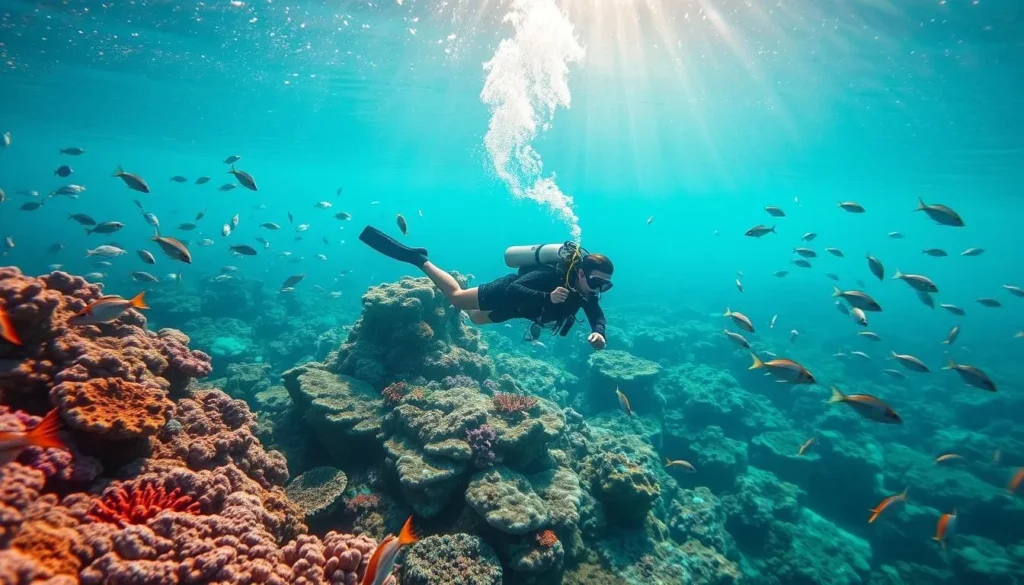
The Bay Islands offer world-class diving experiences on the Mesoamerican Barrier Reef
Water Activities
Scuba Diving
The Bay Islands are world-renowned for diving, with over 100 dive sites across the archipelago:
- Roatán: Features dramatic wall dives, swim-throughs, and wrecks. Top sites include Mary’s Place, Blue Channel, and the El Aguila wreck.
- Utila: Famous for affordable diving and whale shark encounters. Popular sites include Black Hills, Airport Caves, and the Halliburton wreck.
- Guanaja: Offers pristine, less-visited dive sites with exceptional visibility and healthy coral.
Certification courses are available at numerous dive shops, with PADI Open Water courses ranging from $250-350 on Utila and $300-400 on Roatán.
Snorkeling
You don’t need to be a certified diver to enjoy the underwater wonders:
- West Bay (Roatán): Accessible house reef perfect for snorkeling directly from the beach.
- Half Moon Bay (Roatán): Protected bay with calm waters and abundant marine life.
- Blue Channel (Roatán): Guided snorkel tours to this deeper site offer amazing visibility.
- Coral View (Utila): Excellent shore snorkeling with healthy coral formations.
Other Water Sports
- Kayaking & Paddleboarding: Explore mangroves and calm bays at your own pace.
- Fishing: Charter boats offer deep-sea fishing for marlin, tuna, and wahoo.
- Parasailing: Available in West Bay, offering spectacular aerial views of Roatán.
- Kiteboarding: Camp Bay on Roatán and the north shore of Utila offer ideal conditions.
Land Activities
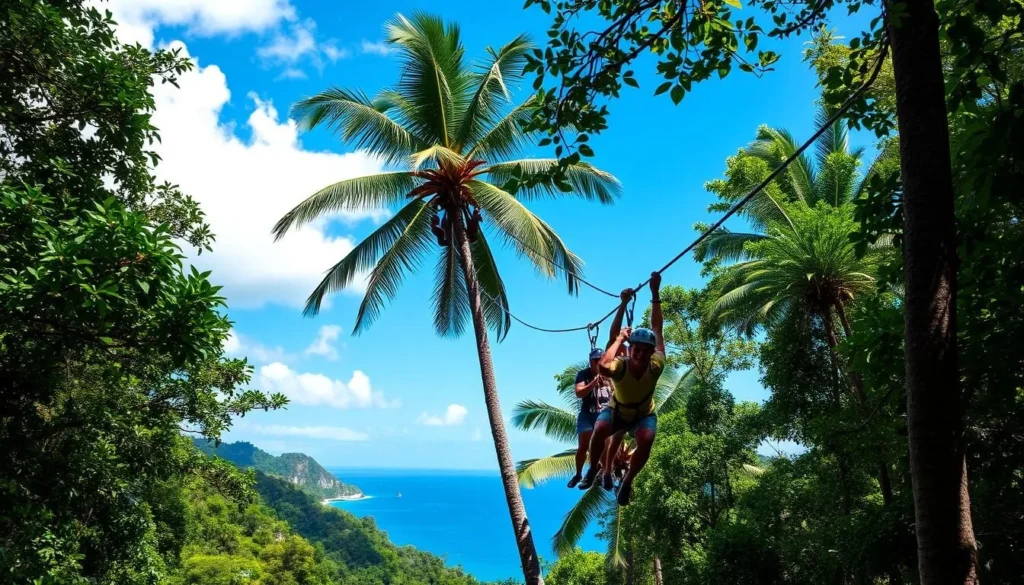
Zip-lining through the tropical canopy offers thrilling views of the islands
Beaches
The Bay Islands boast some of the Caribbean’s most beautiful beaches:
- West Bay Beach (Roatán): Picture-perfect white sand beach with crystal clear water.
- Camp Bay Beach (Roatán): Secluded, less-visited beach on the eastern end of the island.
- Chepes Beach (Utila): Quiet beach with good snorkeling on the north shore.
- Michael Rock Beach (Guanaja): Pristine beach accessible only by boat.
Adventure Activities
- Zip-lining: Several canopy tours on Roatán offer thrilling rides through the jungle.
- ATV Tours: Explore Roatán’s rugged interior on guided ATV excursions.
- Horseback Riding: Beach rides available in several locations on Roatán.
- Hiking: Trails on all three islands, with Pumpkin Hill (Utila) and Guanaja’s pine forest trails being highlights.
Wildlife Encounters
Ethical Tourism Note: When choosing wildlife experiences, opt for observation-only activities rather than those allowing handling of animals. Many “sanctuaries” in the region don’t meet international welfare standards.
- Whale Shark Encounters: Utila is one of the few places worldwide where whale sharks can be spotted year-round, with peak seasons in March-April and August-September.
- Bird Watching: Guanaja’s pine forests host numerous bird species, including the endangered Honduran emerald hummingbird.
- Carambola Botanical Gardens (Roatán): Explore tropical flora and fauna on well-maintained trails.
Museums, Cultural Spots & Festivals
While the natural environment takes center stage, the Bay Islands also offer rich cultural experiences reflecting their unique history and diverse population.
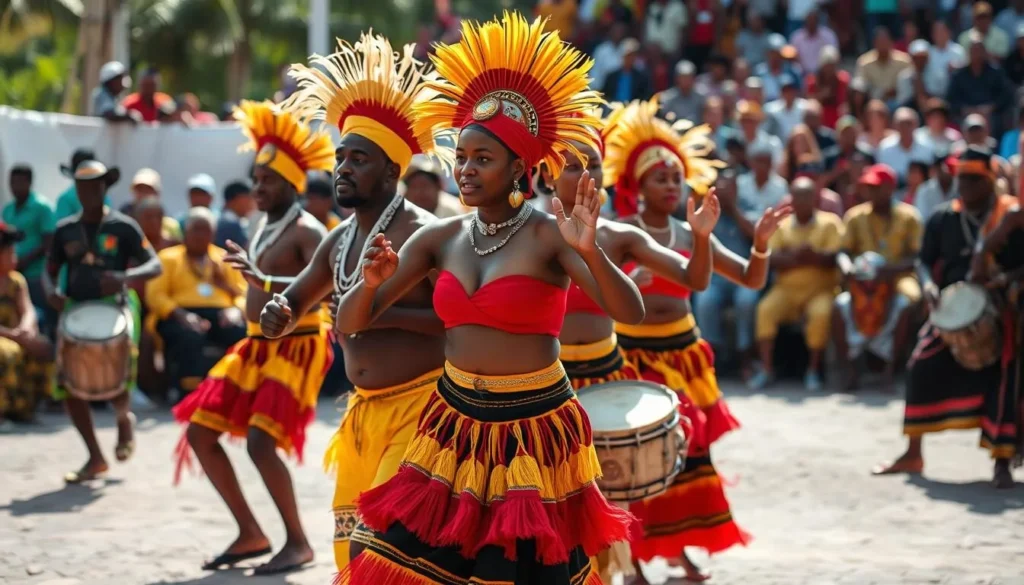
Garifuna cultural performances showcase the islands’ rich heritage
Cultural Heritage
The Bay Islands have a fascinating multicultural history, with influences from indigenous peoples, Spanish colonizers, British settlers, Garifuna communities, and Caribbean cultures.
Garifuna Culture
The Garifuna people, descendants of shipwrecked African slaves who intermarried with indigenous Caribs, maintain their unique language, music, and traditions:
- Punta Gorda (Roatán): The oldest Garifuna settlement in Central America, established in 1797.
- Cultural Performances: Traditional punta dancing and drumming can be experienced at cultural centers or during festivals.
- Garifuna Cuisine: Try traditional dishes like hudut (fish in coconut broth) and ereba (cassava bread).
Museums & Historical Sites
- Roatán Museum: Located at Anthony’s Key Resort, it showcases the island’s history from indigenous settlements through pirate days to the present.
- Flamingo Cultural Center (Roatán): Exhibits on Garifuna history and culture in Punta Gorda.
- Historic Harbor (Utila): The colorful buildings reflect the island’s British colonial influence.
Festivals & Events
Timing your visit to coincide with local celebrations adds a special dimension to your Bay Islands experience:
- Garifuna Settlement Day (April 12): Commemorates the arrival of the Garifuna people to the Bay Islands with music, dance, and traditional food.
- Utila Carnival (July): A week-long celebration with parades, costumes, music, and dancing.
- Roatán International Fishing Tournament (September): Attracts anglers from around the world.
- Bay Islands Triathlon (May): Competitive swimming, cycling, and running event.
- Independence Day (September 15): Honduran independence celebrations with parades and festivities.
Local Artisans & Shopping

Local artisan markets offer unique handcrafted souvenirs
Support local artisans by purchasing handcrafted souvenirs:
- Roatán Craft Market: Rotating locations around the island, featuring local artists and craftspeople.
- Mahogany Crafts: Beautiful wood carvings made from sustainable sources.
- Garifuna Crafts: Woven baskets, drums, and jewelry in Punta Gorda.
- Roatán Chocolate Factory: Locally-made chocolate using Honduran cacao.
Sports, Nature & Outdoor Experiences
The natural environment of the Bay Islands offers endless opportunities for outdoor enthusiasts, from underwater adventures to jungle exploration.
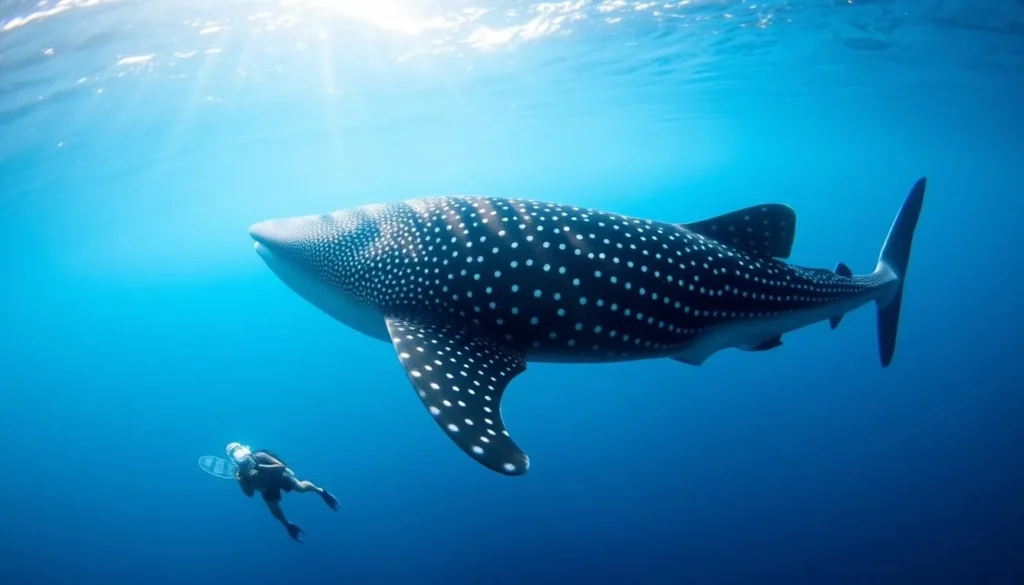
Utila is one of the few places worldwide where whale sharks can be spotted year-round
Marine Conservation
The Bay Islands’ marine ecosystem is both stunning and fragile. Several organizations work to protect and restore the reef:
- Roatán Marine Park: Manages the Sandy Bay-West End Marine Reserve and offers educational programs and conservation initiatives.
- Bay Islands Conservation Association (BICA): Works across all three islands on conservation projects.
- Utila Center for Marine Studies: Research facility focused on whale sharks and reef health.
Visitors can participate in conservation efforts through:
- Lionfish Hunting: After obtaining a special permit, you can help control this invasive species.
- Coral Restoration: Some dive shops offer coral planting and monitoring programs.
- Beach Clean-ups: Regularly organized by local conservation groups.
Nature Reserves & Parks
- Sandy Bay-West End Marine Reserve (Roatán): Protected marine area with strict fishing regulations.
- Carambola Botanical Gardens (Roatán): 40 acres of tropical flora with hiking trails and lookout points.
- Utila Cays Marine Reserve: Protected area around the small cays off Utila’s coast.
- Guanaja National Forest Reserve: Covers much of Guanaja’s mountainous interior.
Day Trips & Excursions
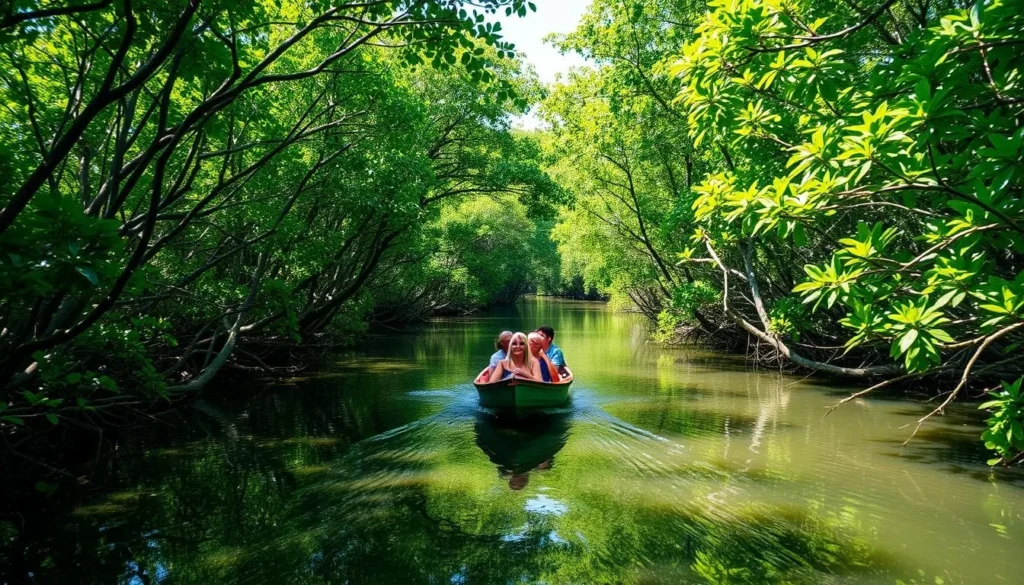
Mangrove tours offer a glimpse into these vital coastal ecosystems
Expand your Bay Islands experience with these popular excursions:
- Island Hopping: Day trips between the main islands are possible via charter boats or scheduled ferries.
- Cayos Cochinos: This small archipelago between Roatán and the mainland offers pristine beaches and excellent snorkeling.
- Pigeon Cay (off Roatán): Uninhabited cay with spectacular snorkeling and picnic opportunities.
- Mainland Excursions: Visit Pico Bonito National Park on the mainland for rainforest hiking, white-water rafting, and wildlife viewing.
Safety, Etiquette & Local Customs
While Honduras has faced safety challenges on the mainland, the Bay Islands are generally safe for tourists. Still, it’s important to be informed and respectful during your visit.
Safety Tips
- General Safety: The Bay Islands experience significantly fewer safety issues than mainland Honduras. Still, use common sense—don’t display valuables, be cautious when withdrawing money, and avoid isolated areas after dark.
- Water Safety: Always respect the ocean. Check for currents before swimming, never dive alone, and follow dive guides’ instructions.
- Health: Bring insect repellent, sunscreen, and basic medications. Tap water is generally not safe to drink—stick to bottled water.
- Medical Facilities: Roatán has the most developed medical facilities, including a hyperbaric chamber for diving emergencies. Consider travel insurance that covers medical evacuation.
Important: While credit cards are widely accepted at larger establishments, many smaller businesses operate on cash only. ATMs are available in the main towns, but service can be unreliable. Bring sufficient cash (US dollars are widely accepted) and small bills for tips and purchases.
Local Etiquette & Customs
- Greetings: Hondurans are generally friendly and appreciate basic courtesy. A simple “buenos días” (good morning) or “buenas tardes” (good afternoon) goes a long way.
- Tipping: A 10% service charge is often included in restaurant bills. If not, 10-15% is appropriate. Tip dive guides, boat captains, and tour guides $5-10 per day.
- Photography: Always ask permission before photographing local people, especially in Garifuna communities.
- Dress Code: While beachwear is fine at resorts and beaches, cover up when visiting towns or local communities.
Environmental Responsibility
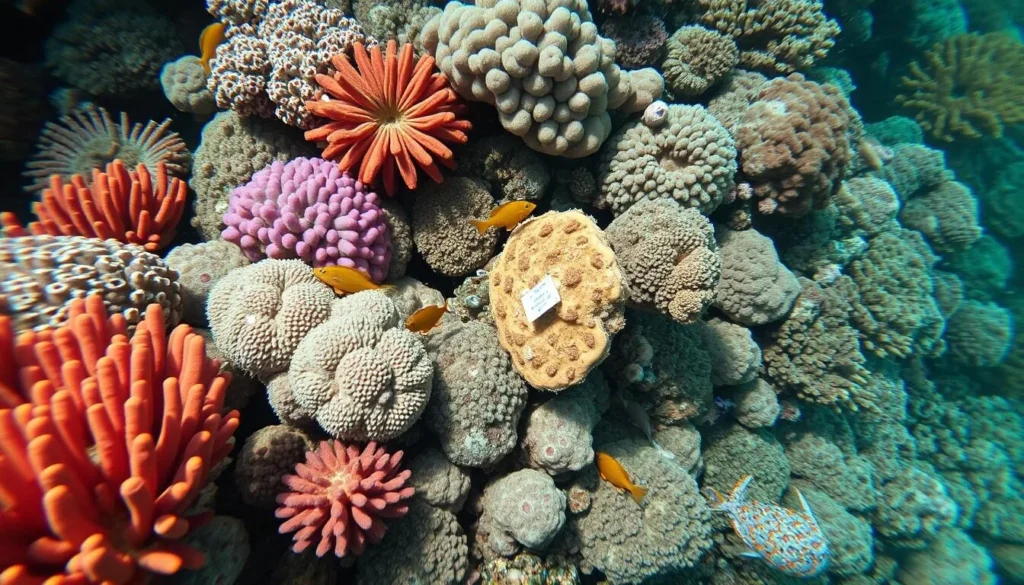
Conservation efforts help preserve the Bay Islands’ fragile marine ecosystem
The Bay Islands’ ecosystem is fragile and under threat from climate change, development, and tourism impacts. Be a responsible visitor:
- Reef Protection: Use reef-safe sunscreen, never touch or stand on coral, and maintain proper buoyancy when diving or snorkeling.
- Waste Management: Minimize single-use plastics and dispose of trash properly. Many small islands have limited waste management capabilities.
- Wildlife: Observe animals from a respectful distance and never feed wildlife.
- Water Conservation: Fresh water is limited on the islands. Take short showers and reuse towels when possible.
Practical Travel Tips
These final tips will help you navigate your Bay Islands adventure with ease.
Money Matters
- Currency: The official currency is the Honduran Lempira (HNL), but US dollars are widely accepted.
- Exchange Rates: As of 2023, approximately 24 Lempiras = 1 USD.
- Banking: ATMs are available in major towns but can run out of cash. Bring backup payment methods.
- Credit Cards: Major cards are accepted at larger establishments, but always have cash for smaller vendors.
Communication
- Language: Spanish is the official language, but English is widely spoken, especially in tourist areas and on Roatán.
- Internet: Wi-Fi is available at most accommodations and restaurants, though connection speeds vary.
- Mobile Service: Local SIM cards are available from Tigo and Claro. Coverage is generally good on Roatán, more limited on Utila and Guanaja.
Packing Essentials
- Reef-safe sunscreen (oxybenzone and octinoxate-free)
- Insect repellent with DEET for mosquitoes
- Light, breathable clothing and a light rain jacket
- Underwater camera or waterproof case for your phone
- Reusable water bottle with filter
- Basic first aid kit including anti-diarrheal medication
- Dry bag for boat trips and water activities
Pro Tip: If you plan to dive, bring your certification card and logbook. Consider packing your own mask and snorkel for comfort and hygiene, even if you rent the rest of your gear.
Entry Requirements
- Passport: Valid for at least six months beyond your planned departure date.
- Visas: Most visitors (including those from the US, Canada, EU, and many other countries) do not need a visa for stays under 90 days.
- Tourist Card: A $3 tourist card fee is typically included in your airline ticket.
- Departure Tax: Usually included in airline tickets but may be charged separately for some flights ($48.44).
Your Bay Islands Adventure Awaits
The Bay Islands aren’t just a destination – they’re a call to adventure. Whether you’re diving into liquid sapphire waters, swaying to Garifuna drums, or simply relaxing on pristine beaches, these Caribbean gems offer experiences that will stay with you long after you leave.
With their perfect balance of natural beauty, cultural richness, and adventure opportunities, the Bay Islands represent Honduras at its finest. And the best part? You’ll be experiencing this paradise before the crowds discover it.
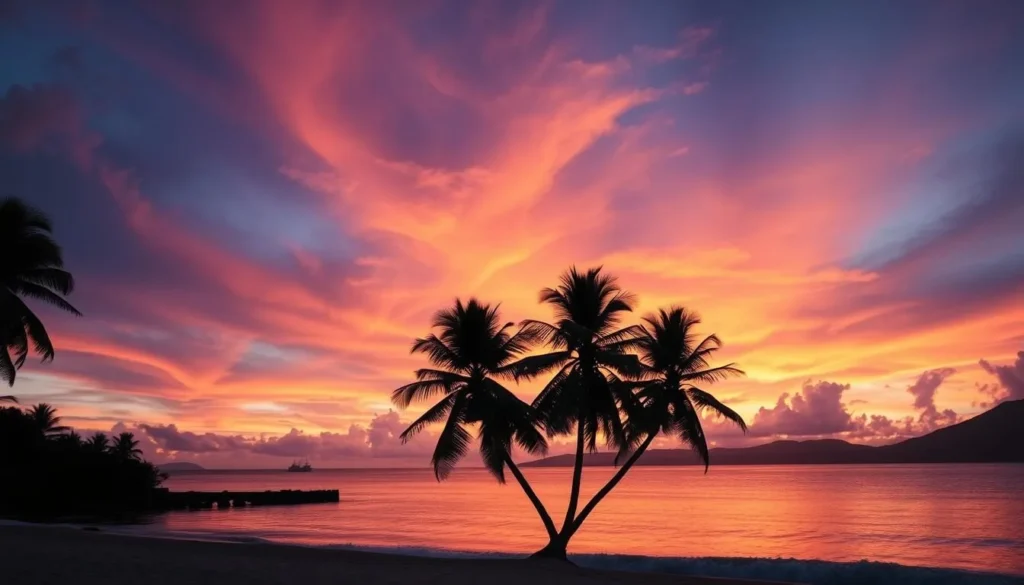
The magical sunsets of the Bay Islands will leave you planning your return before you’ve even left




0 Comments