
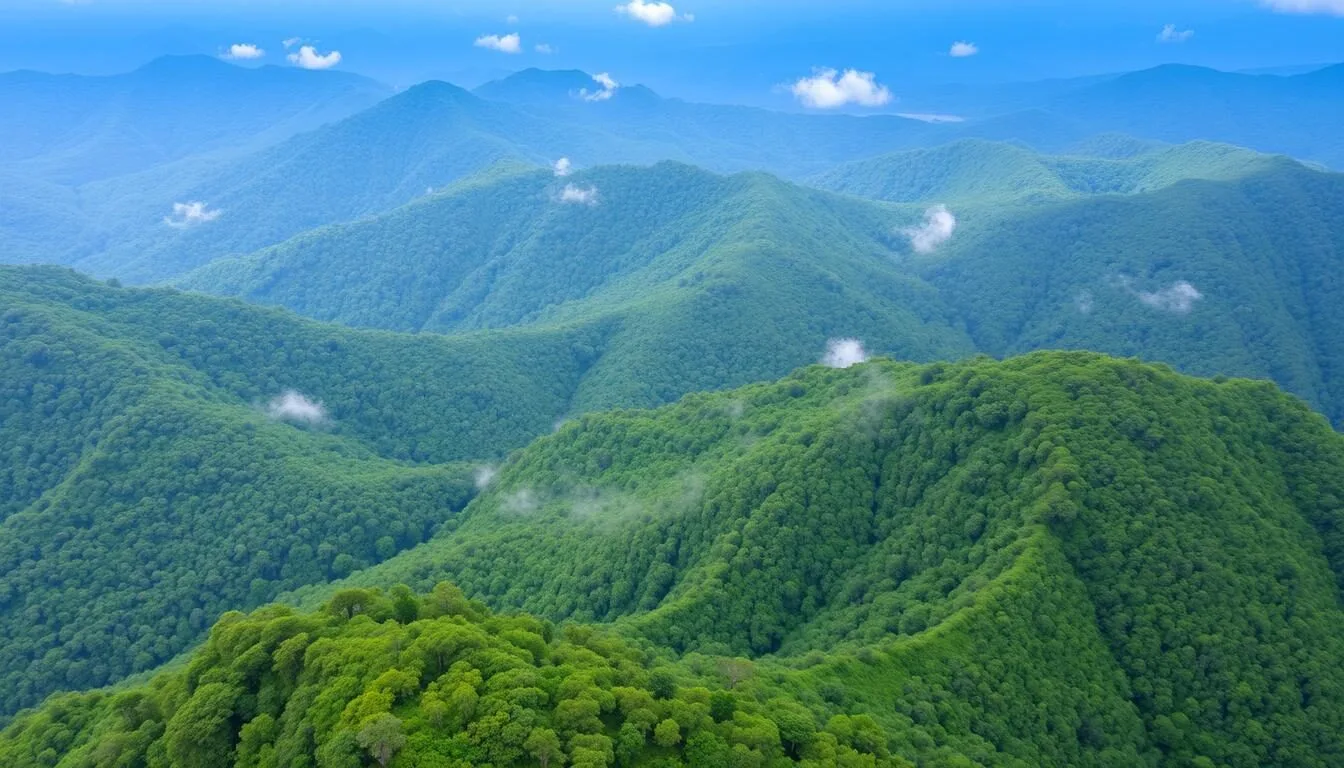
Getting There & Planning Your Journey
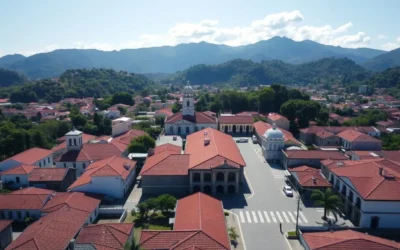
The Montana de Botaderos Carlos Escaleras Mejia National Park is located in the northern Honduran department of Colon, with the city of Tocoa serving as the main gateway. Most international travelers arrive via Palmerola International Airport (XPL) near Comayagua, about 3-4 hours from the park by car.
Getting to Tocoa
From Palmerola International Airport, you have several options:
- Rental car: The most flexible option for exploring the region (3-4 hour drive)
- Public bus: Budget-friendly but time-consuming (5-6 hours with transfers)
- Private shuttle: Can be arranged through hotels in Tocoa
Alternatively, you can fly into Ramón Villeda Morales International Airport (SAP) in San Pedro Sula or Golosón International Airport (LCE) in La Ceiba, both offering closer access to the park region.
Best Time to Visit & Weather Tips
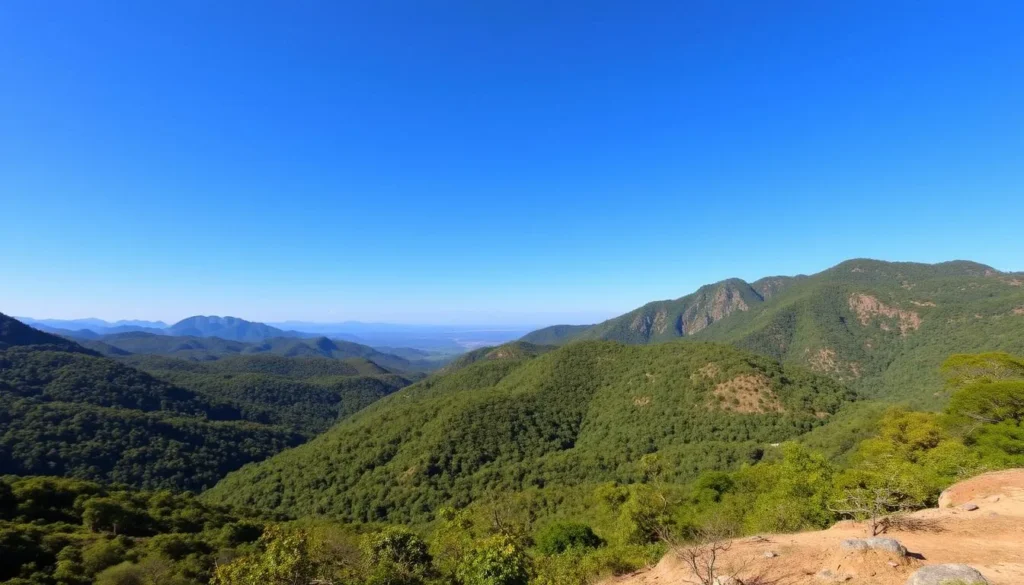
The park experiences two distinct seasons that significantly impact your visit:
Dry Season (December-April)
Advantages: Ideal for hiking with temperatures averaging 24-28°C (75-82°F). Trails are more accessible, and wildlife viewing opportunities increase as animals gather around remaining water sources.
Considerations: Higher visitor numbers (though still low compared to other parks). Book accommodations in advance.
Rainy Season (May-November)
Advantages: Lush, vibrant landscapes with fewer visitors. Temperatures range from 22-26°C (72-79°F). Waterfalls and rivers are at their most impressive.
Considerations: Some trails may become muddy or inaccessible. Afternoon downpours are common, so plan morning activities.
Local Tip: The “transition months” of November and May often provide the best balance of good weather and fewer crowds. Early morning starts (6-7 AM) are recommended year-round to maximize wildlife sightings and avoid afternoon heat or rain.
Getting Around Locally
Navigating the Montana de Botaderos Carlos Escaleras Mejia National Park requires some planning. The park’s vast size and limited infrastructure mean visitors should consider these transportation options:
Transportation Options
Guided Tours
The most hassle-free option. Local guides from Tocoa know the best trails and can arrange transportation to and within the park. Prices typically range from $30-80 USD per person depending on tour length and group size.
4×4 Vehicle
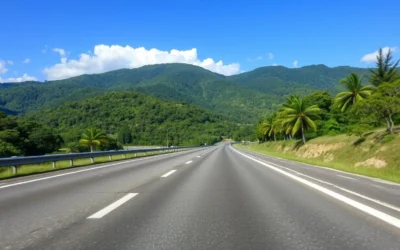
Essential if self-driving, as many roads leading to trailheads are unpaved and can be challenging, especially during the rainy season. High-clearance vehicles are strongly recommended.
Local Transport
Budget travelers can use “colectivos” (shared taxis) from Tocoa to communities near the park boundaries, though service is limited and requires Spanish language skills to navigate.
Where to Stay
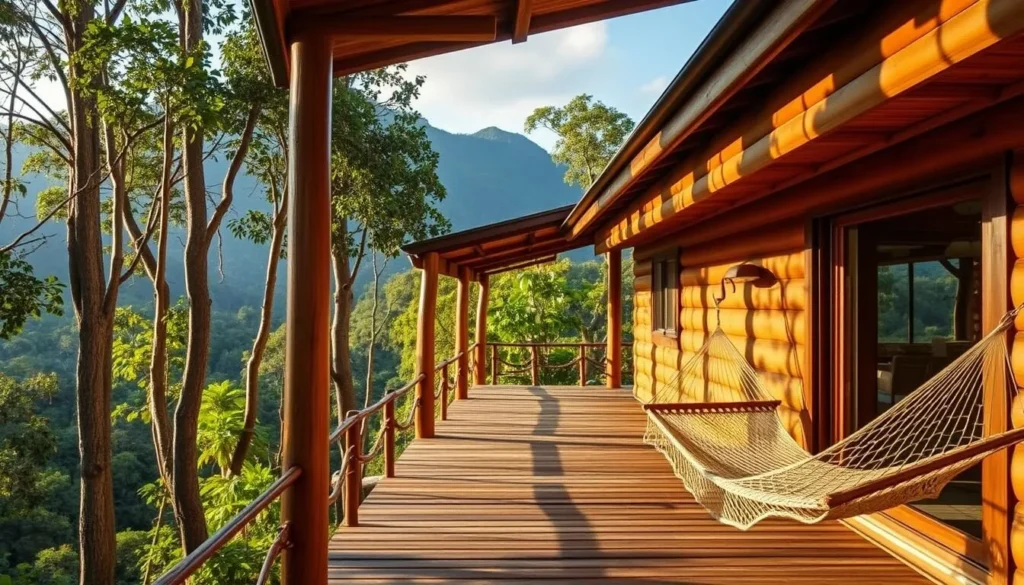
Accommodation options near Montana de Botaderos Carlos Escaleras Mejia National Park are limited but growing as eco-tourism develops in the region. Here are your best options:
Tocoa (Gateway City)
The city of Tocoa, located about 30 minutes from the park’s western entrance, offers the widest range of accommodations:
- Hotel San Isidro – Mid-range hotel with clean rooms, air conditioning, and reliable Wi-Fi. Convenient location for organizing park visits.
- Hotel Plaza Tocoa – Budget-friendly option with basic amenities and helpful staff who can assist with transportation arrangements.
Eco-Lodges Near Park Boundaries
For a more immersive experience, consider these eco-friendly options:
- Guapinol Eco Lodge – Sustainable cabins with solar power, located near the Guapinol River. Offers guided hikes and bird-watching tours.
- San Pedro Mountain Retreat – Family-run lodge with stunning views, home-cooked meals, and direct access to hiking trails.
Note: Advance reservations are essential, especially during the dry season (December-April). Many lodges have limited or no internet presence, so booking through a local tour operator is often the most reliable method.
Dining & Local Cuisine
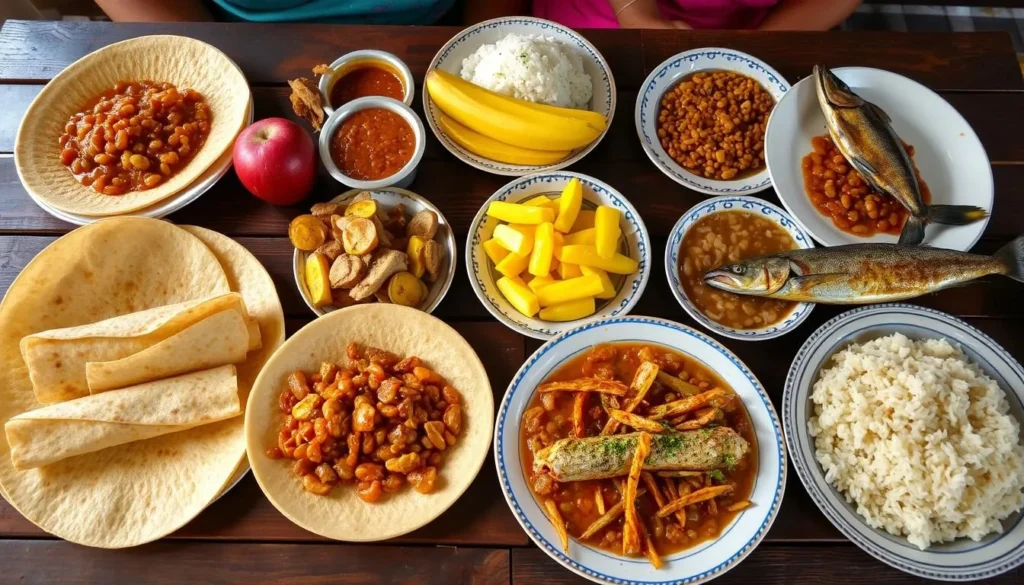
The culinary experience around Montana de Botaderos Carlos Escaleras Mejia National Park reflects the rich agricultural heritage of Honduras’ northern region. Most dining options are found in Tocoa or provided by eco-lodges.
Local Specialties to Try
- Baleadas – Flour tortillas filled with refried beans, cream, and cheese. Often served with avocado and eggs for breakfast.
- Catrachitas – Fried corn tortillas topped with beans, cheese, and pickled vegetables.
- Sopa de Caracol – Conch soup with coconut milk, yucca, plantains, and spices (a Caribbean coast specialty).
- Fresh Tropical Fruits – The region produces abundant mangoes, papayas, pineapples, and bananas.
Dining Options
In Tocoa
- Restaurante El Patio – Local favorite serving traditional Honduran dishes at reasonable prices.
- Café San Alonso – Great for breakfast and coffee, with some vegetarian options.
- Comedor Doña Luz – Simple, authentic home-style cooking popular with locals.
At Eco-Lodges
- Most eco-lodges offer full-board options with home-cooked meals using locally sourced ingredients.
- Advance notice for dietary restrictions is essential.
- Some lodges offer cooking classes featuring traditional recipes.
Traveler Tip: Bring a reusable water bottle with a filter or purchase purified water in Tocoa before heading to remote areas of the park. Most eco-lodges provide filtered water for guests.
Attractions, Sightseeing & Activities
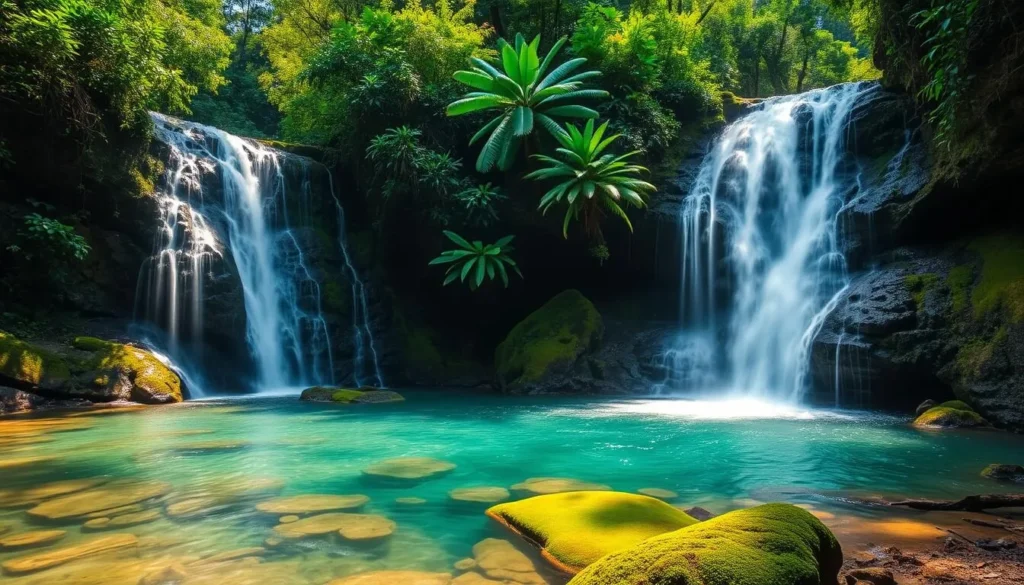
Montana de Botaderos Carlos Escaleras Mejia National Park offers diverse attractions that showcase Honduras’ natural beauty. The park’s 24,223 hectares of core protected zone and 72,531 hectares of buffer zone contain remarkable biodiversity and stunning landscapes.
Top Attractions
Guapinol River
Crystal-clear waters perfect for swimming and cooling off after hiking. The river’s name comes from the guapinol trees (Hymenaea courbaril) that line its banks. Several natural pools and small waterfalls make this a refreshing destination.
San Pedro Lookout
A panoramic viewpoint offering breathtaking vistas of the surrounding mountains and valleys. On clear days, you can see all the way to the Caribbean coast. Best visited early morning when clouds are minimal.
Microbasins Trail Network
A series of interconnected trails that showcase the park’s vital water sources. Interpretive signs explain the ecological importance of these watersheds that supply drinking water to thousands of people in surrounding communities.
Must-Do Activities
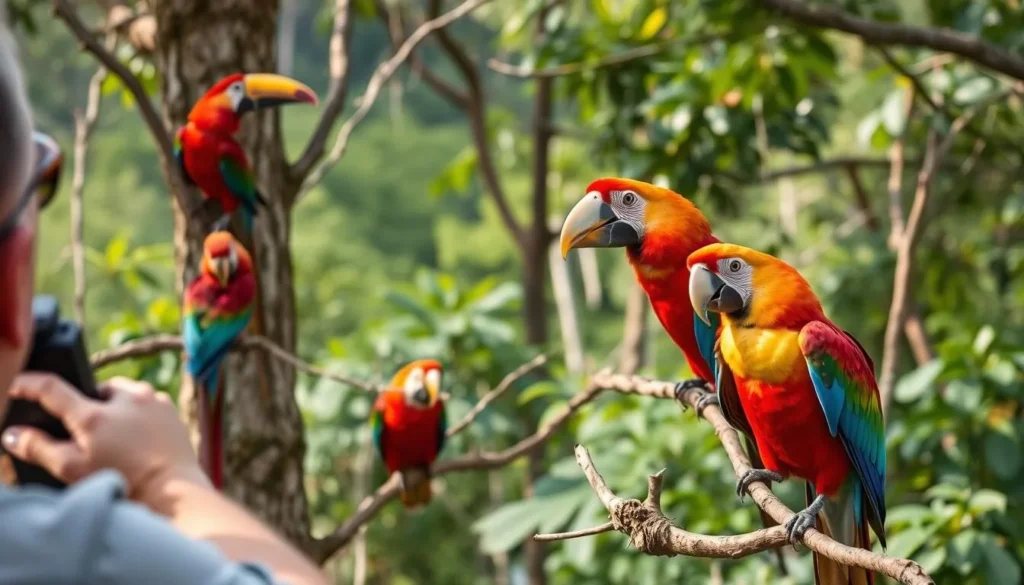
- Birdwatching – The park is home to over 400 bird species, including toucans, parrots, and the elusive quetzal. Early morning guided tours offer the best sightings.
- Waterfall Hikes – Several trails lead to hidden waterfalls throughout the park, with varying difficulty levels to suit different abilities.
- Night Walks – Guided evening excursions reveal the park’s nocturnal wildlife, including frogs, owls, and sometimes even wildcats.
- Photography – Stunning landscapes and diverse wildlife make this a photographer’s paradise. The changing light throughout the day creates magical conditions.
Wildlife & Natural Wonders
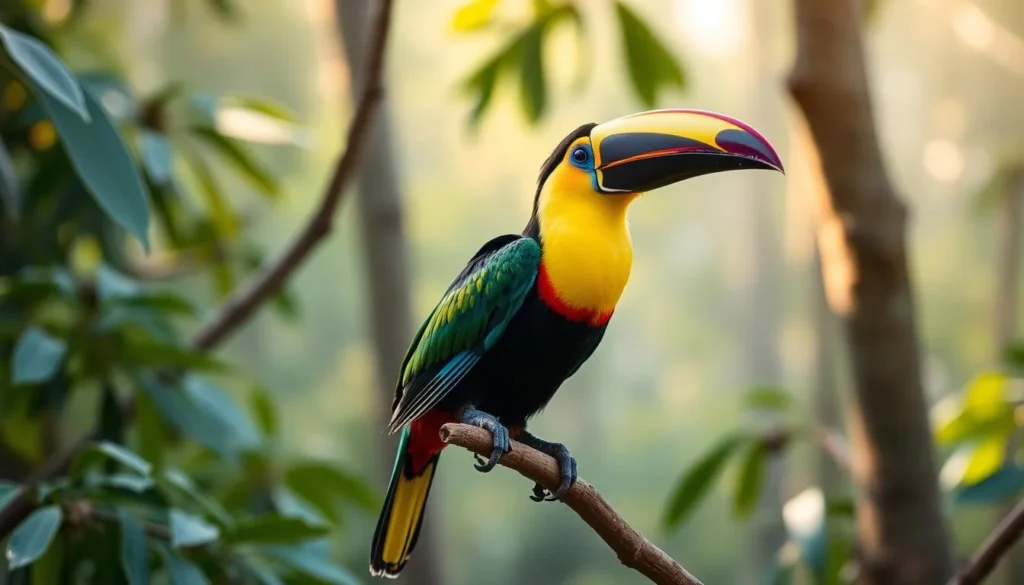
As part of the Mesoamerican Biological Corridor, Montana de Botaderos Carlos Escaleras Mejia National Park serves as a critical habitat for numerous species. The park’s varied ecosystems support an impressive array of wildlife, though many species remain understudied due to the area’s remoteness.
Notable Wildlife
Mammals
- Jaguars (rarely seen but present)
- Ocelots and other small wildcats
- Howler and spider monkeys
- Tapirs
- White-tailed deer
Birds
- Scarlet macaws
- Keel-billed toucans
- Quetzals (in higher elevation cloud forests)
- Hummingbirds (multiple species)
- Hawks and eagles
Unique Ecosystems
The park encompasses several distinct ecosystems, each supporting different plant and animal communities:
Tropical Rainforest
Dominates the lower elevations with dense vegetation, tall trees, and high biodiversity. Home to the majority of the park’s mammal species and countless insects.
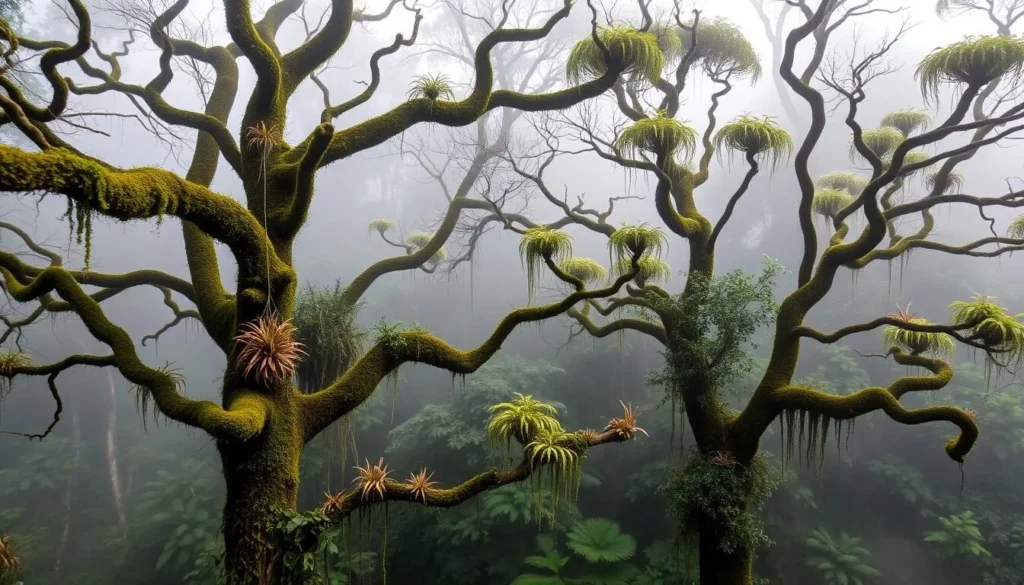
Cloud Forest
Found at higher elevations where clouds and mist create constantly humid conditions. Characterized by moss-covered trees, epiphytes, and specialized bird species adapted to this unique environment.
River Ecosystems
The park’s numerous rivers and streams support aquatic species and create important wildlife corridors. Riparian zones along waterways are particularly rich in biodiversity.
Conservation Note: Montana de Botaderos Carlos Escaleras Mejia National Park faces conservation challenges including deforestation, agricultural encroachment, and mining interests. The park is named after environmental activist Carlos Escaleras, who was murdered in 1997 for his conservation work in the region. Responsible tourism helps support ongoing protection efforts.
Cultural Experiences & Local Communities
The communities surrounding Montana de Botaderos Carlos Escaleras Mejia National Park have deep connections to the land and maintain traditional practices that visitors can experience. Engaging with local communities provides cultural enrichment while supporting sustainable livelihoods.
Community-Based Tourism
Several communities near the park offer authentic experiences for visitors:
- San Pedro Community Tours – Local guides lead visitors through traditional farms, demonstrating sustainable agriculture techniques that have been practiced for generations.
- Guapinol Artisan Workshops – Learn about traditional crafts including palm weaving and natural dye production from local artisans.
- Home-Stay Programs – Some families offer basic accommodations where visitors can experience daily life, help with farm chores, and enjoy home-cooked meals.
Environmental Activism Legacy
The park’s namesake, Carlos Escaleras Mejía, was an environmental activist who fought against industrial pollution in the region. He was murdered in 1997 for opposing an African palm oil processing plant that threatened local water sources. Learning about his legacy and the ongoing environmental activism in the region provides important context for understanding the park’s significance.
Respectful Tourism: When visiting local communities, remember you’re entering people’s homes and daily lives. Ask permission before taking photographs, dress modestly, and be mindful of cultural differences. Small gifts of practical items (not candy) are appreciated but not expected.
Safety, Etiquette & Local Customs
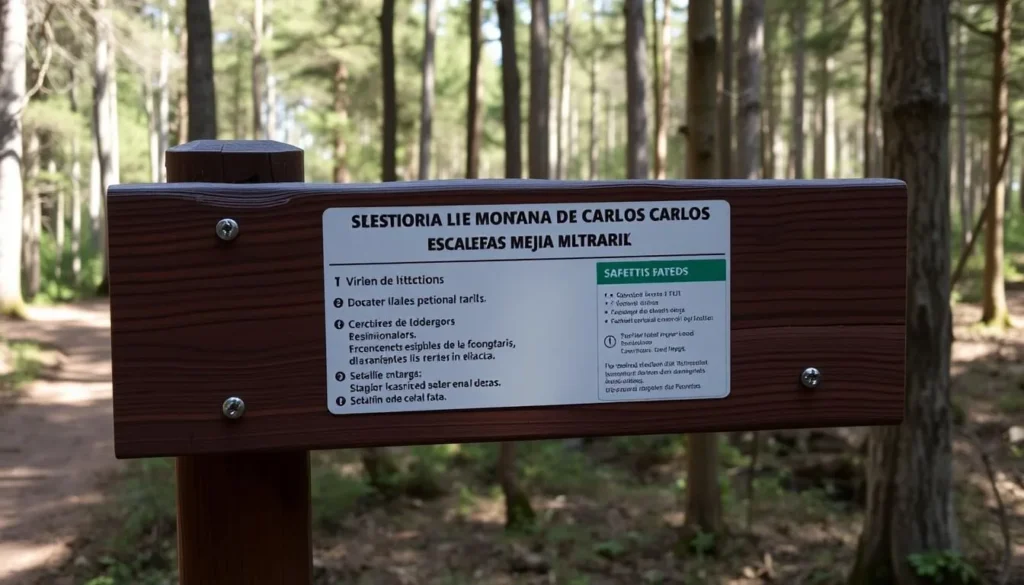
While Montana de Botaderos Carlos Escaleras Mejia National Park offers incredible experiences, visitors should be aware of safety considerations and cultural expectations to ensure a positive visit.
Safety Tips
- Hire Local Guides – Always explore the park with knowledgeable local guides who understand the terrain and potential hazards.
- Weather Awareness – Check weather forecasts and be prepared for sudden changes, especially during the rainy season when flash floods can occur.
- Wildlife Precautions – Maintain a safe distance from all wildlife and never feed animals. Be particularly cautious of snakes and insects.
- Health Preparation – Bring basic first aid supplies, insect repellent, and any necessary medications. The nearest medical facilities are in Tocoa.
- Communication – Cell service is limited within the park. Consider renting a satellite phone for remote treks.
Cultural Etiquette
Respecting local customs enhances your experience and supports positive relationships with communities:
- Learn basic Spanish phrases – even simple greetings are appreciated
- Dress modestly, especially when visiting communities (shoulders and knees covered)
- Ask permission before photographing people
- Support local businesses and guides rather than outside operators
- Be patient – the pace of life is slower than in urban areas
Important: The park has been the center of environmental conflicts related to mining and land use. Avoid discussing these sensitive topics unless initiated by locals, and never take sides in local disputes. Respect ongoing conservation efforts by following all park regulations.
Practical Travel Tips
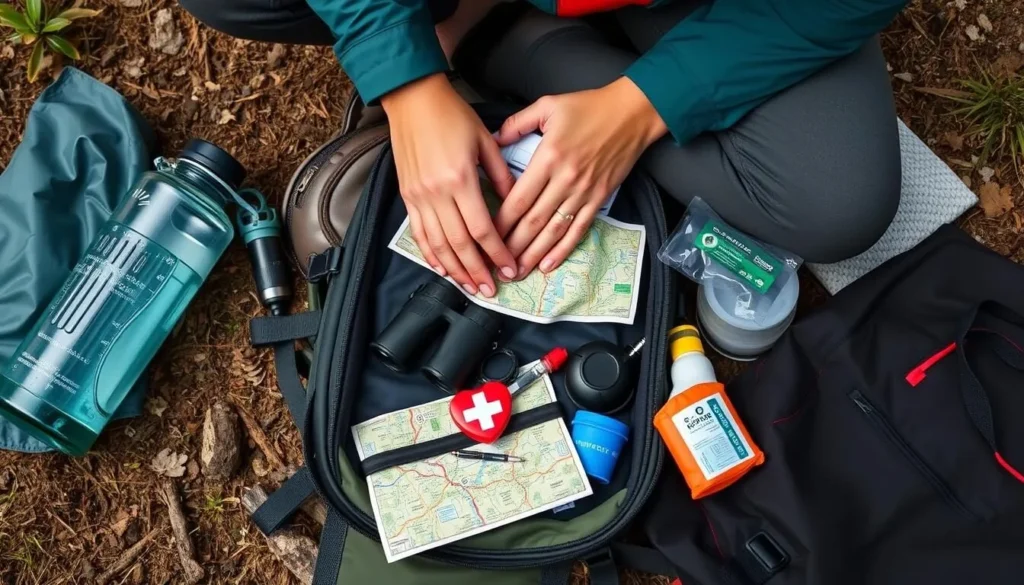
These practical tips will help you prepare for a successful visit to Montana de Botaderos Carlos Escaleras Mejia National Park:
Essential Packing List
Clothing & Gear
- Lightweight, quick-dry clothing (long sleeves/pants recommended)
- Sturdy hiking boots (waterproof recommended)
- Rain jacket/poncho (year-round essential)
- Hat and sunglasses
- Daypack with rain cover
Other Essentials
- Refillable water bottle with filter
- High-SPF sunscreen
- Insect repellent (with DEET)
- Basic first aid kit
- Headlamp or flashlight
Practical Information
- Currency: Honduran Lempira (HNL) is the local currency. Bring cash as ATMs are limited to Tocoa and credit cards are rarely accepted in rural areas.
- Language: Spanish is the primary language. English is limited even among tour guides, so a basic Spanish phrasebook is helpful.
- Electricity: 110V, same as the US. Power outages are common in rural areas.
- Internet/Phone: Cell service is limited within the park. Download offline maps before your trip.
- Tipping: 10% is standard for guides and service staff.
Park Regulations
Respect these rules to help preserve the park for future generations:
- Stay on designated trails
- Pack out all trash
- No collecting plants or wildlife
- No fires except in designated areas
- Register with park authorities before entering remote areas
Conclusion
Montana de Botaderos Carlos Escaleras Mejia National Park represents one of Honduras’ most precious natural treasures. Its biodiversity, stunning landscapes, and cultural significance make it a rewarding destination for travelers seeking authentic experiences off the beaten path. By visiting responsibly, you not only create lasting memories but also contribute to the ongoing conservation efforts that honor Carlos Escaleras’ legacy.
From misty cloud forests to crystal-clear rivers, from rare wildlife sightings to meaningful cultural exchanges, this remarkable park offers experiences that connect visitors to the heart of Honduras’ natural heritage. As you plan your journey, remember that every step on these trails is a step toward preserving this ecological wonder for generations to come.
0 Comments