
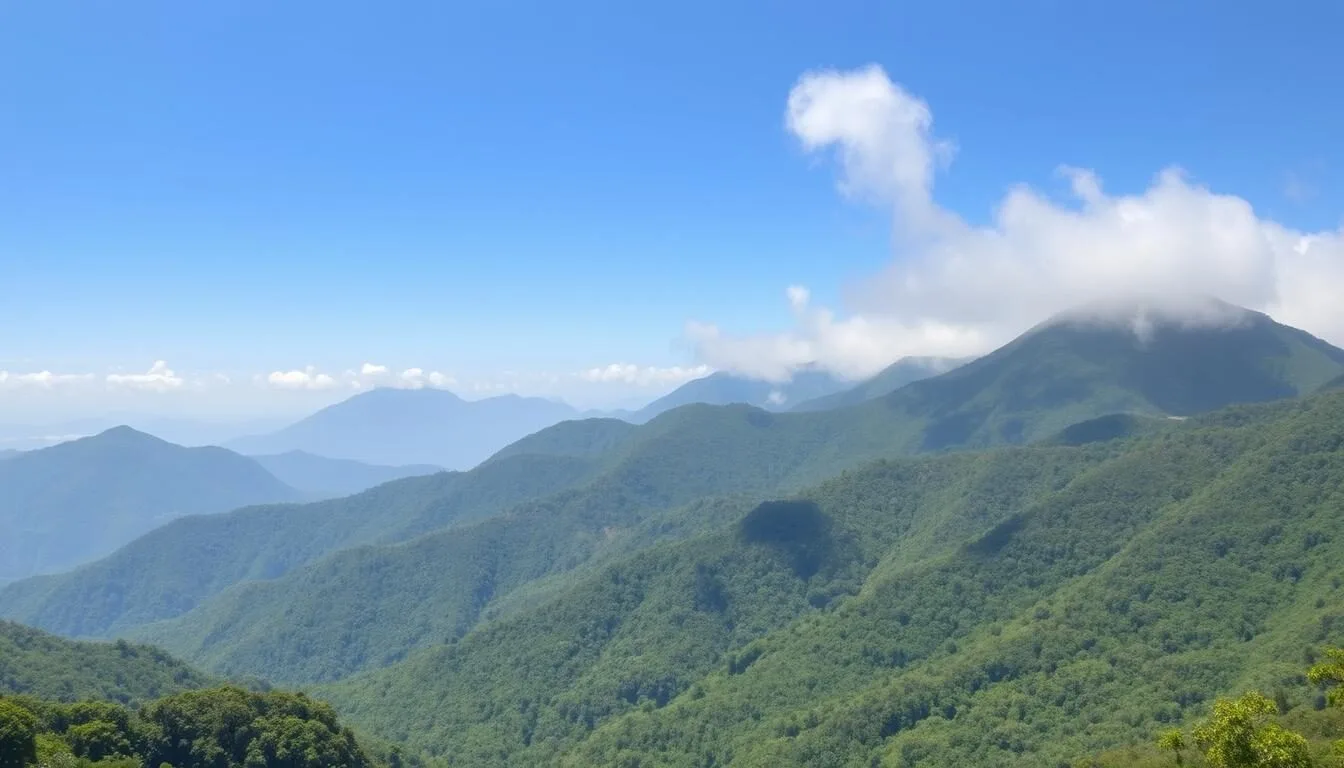
Did you know that Montana de Comayagua National Park is home to one of Honduras’ most spectacular yet least-visited waterfalls? The 75-meter Cascada de los Ensueños remains a hidden treasure that fewer than 5,000 international visitors experience each year. This pristine protected area spanning over 300 square kilometers (116 square miles) of cloud forest offers adventurous travelers a rare glimpse into Central America’s untouched wilderness without the crowds found at more popular destinations.
The breathtaking cloud forest landscape of Montana de Comayagua National Park
Park Overview and Essential Information
Locally known as PANACOMA, Montana de Comayagua National Park was established in 1987 to protect the rich biodiversity of central Honduras. The park encompasses primary and secondary forest ecosystems across a mountainous terrain that includes several peaks, with El Portillo reaching 2,407 meters (7,897 feet) in elevation.
The park is managed by Ecosimco, a local conservation organization that works with communities around the protected area. Its remote location has helped preserve its natural beauty while making it one of Central America’s best-kept secrets for ecotourism enthusiasts.
Park Highlights
- Pristine cloud forest ecosystems
- Two spectacular waterfalls: Cascada de los Ensueños and El Gavilán
- Rich biodiversity with numerous bird species
- Hiking trails through primary and secondary forests
- Authentic cultural experiences in nearby communities
Quick Facts
- Location: 42 km north of Comayagua city
- Size: Over 300 sq km (116 sq miles)
- Established: 1987
- Elevation: Ranges from 1,200-2,407 m (3,937-7,897 ft)
- Best time to visit: November to April (dry season)
Getting There & Planning Your Journey
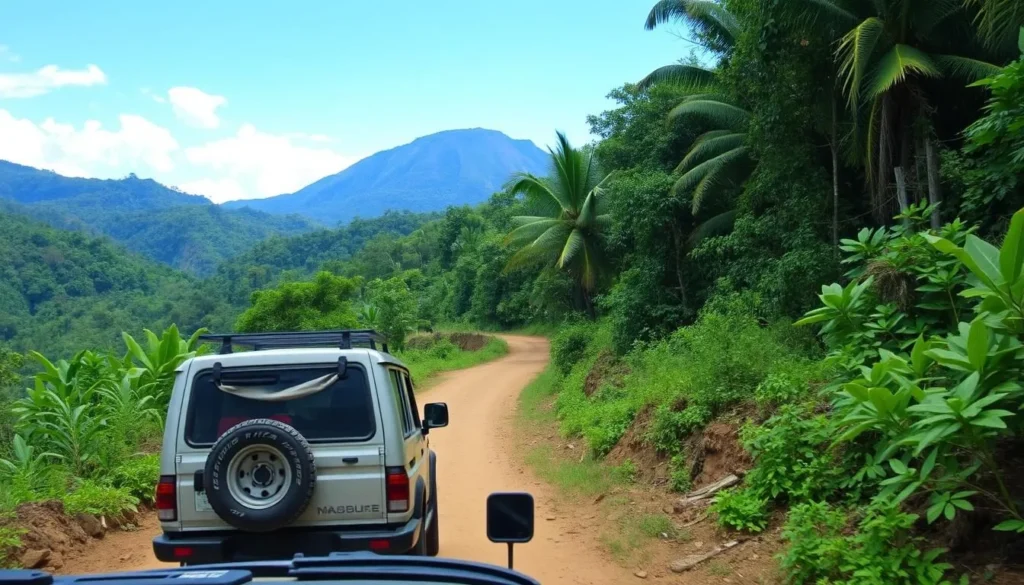
The rugged dirt road to Rio Negro village and park entrance requires 4WD vehicles
Reaching Montana de Comayagua National Park requires some planning, as the access roads are unpaved and can be challenging, especially during the rainy season. The journey itself is part of the adventure, taking you through rural Honduras and small communities that maintain traditional ways of life.
By Air
The nearest international airport is Palmerola International Airport (XPL) near Comayagua, which opened in 2021 and receives flights from several U.S. cities. Alternatively, you can fly into Toncontín International Airport (TGU) in Tegucigalpa, about 80 km (50 miles) from Comayagua city.
By Road
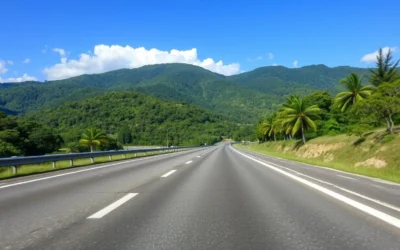
From Comayagua city, take the Ruta Nacional 57 (RN-57) northbound for approximately 30 km (19 miles) until you reach the town of San Jerónimo. Look for signs to Rio Negro and PANACOMA, which will direct you to a right turn onto a dirt road. This single-lane dirt road continues for about 15 km (9 miles) to the village of Rio Negro, where you’ll find the park information center.
Important: The dirt road to Rio Negro includes several small bridges and can be impassable during heavy rains. A 4WD vehicle is strongly recommended, and motorcycle access may be difficult. The 15 km journey from San Jerónimo to Rio Negro typically takes at least 30 minutes, even in good conditions.
Best Time to Visit & Weather Tips
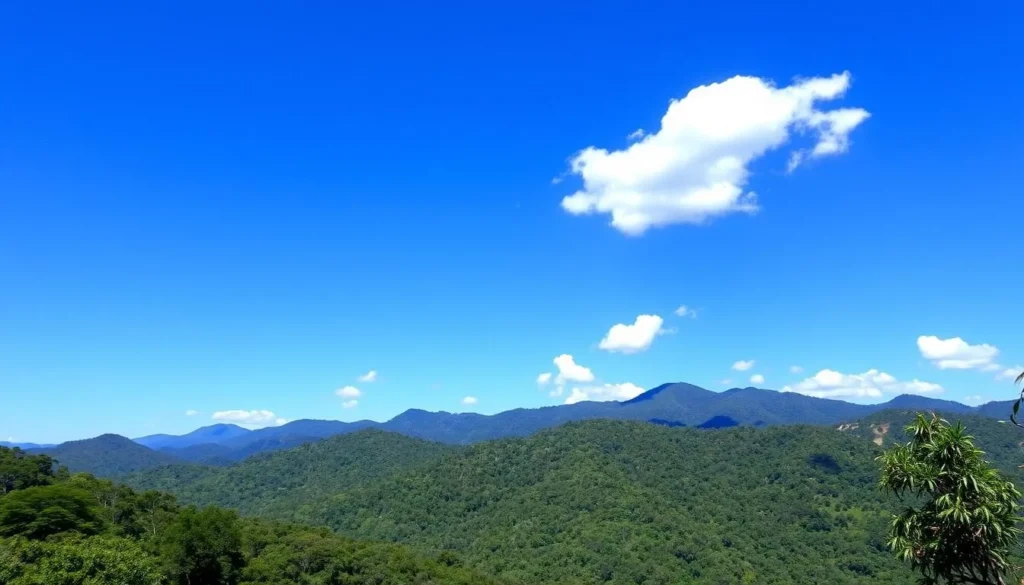
Clear skies during the dry season offer the best hiking conditions
Dry Season (November-April)
The dry season is the optimal time to visit Montana de Comayagua National Park. During these months, you can expect:
- Average temperatures of 18–24°C (64–75°F)
- Minimal rainfall and clearer trails
- Better road conditions for accessing the park
- Excellent visibility for photography and wildlife spotting
- More comfortable hiking conditions
Rainy Season (May-October)
The rainy season brings lush vegetation but presents some challenges:
- Regular afternoon thunderstorms
- Potential road closures or difficult access
- Slippery trails requiring extra caution
- More impressive waterfalls due to increased water flow
- Fewer visitors and more solitude
Tip: If visiting during the rainy season, plan your hikes for the morning hours when rain is less likely. Always check weather forecasts and road conditions before departing, as flash floods can occur in the mountains.
What to Pack
Regardless of when you visit, be prepared for changing mountain weather conditions:
- Lightweight, quick-drying clothing (layers are recommended)
- Sturdy hiking boots with good traction
- Rain jacket or poncho (essential even in dry season)
- Sun protection (hat, sunscreen, sunglasses)
- Insect repellent
- Reusable water bottle and water purification method
- Basic first aid kit
Attractions, Sightseeing & Activities
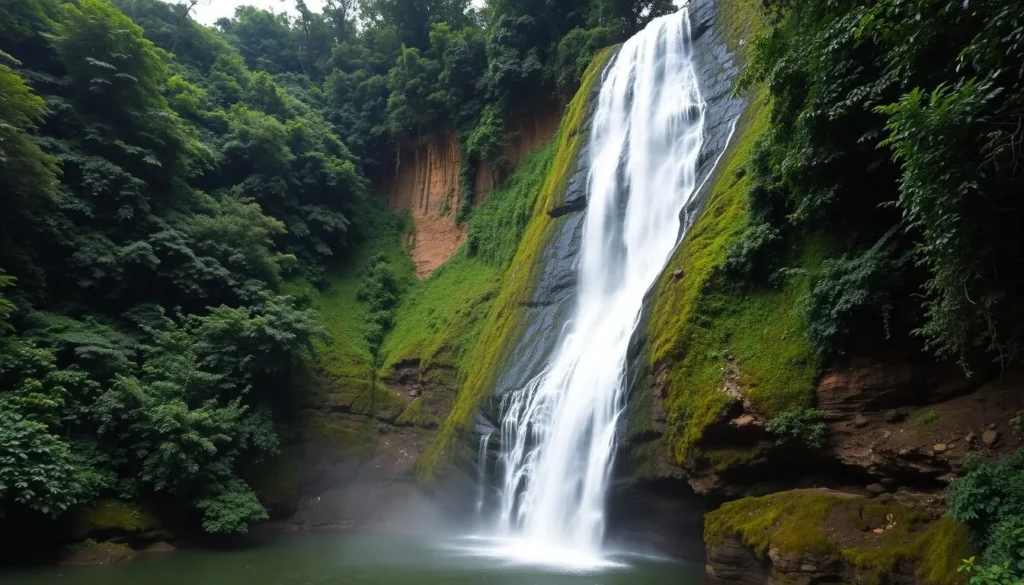
The breathtaking 75-meter Cascada de los Ensueños waterfall
Must-See Waterfalls
The park’s most famous attractions are its spectacular waterfalls, which reward visitors after scenic hikes through the forest:
Cascada de los Ensueños
This impressive 75-meter (246-foot) waterfall is the park’s crown jewel. The trail to reach it is approximately 4.5 km (2.8 miles) each way from Rio Negro village, taking about one hour of hiking through mostly secondary forest. The trail is moderately difficult but manageable for most visitors with reasonable fitness levels.
El Gavilán Waterfall
This lesser-visited but equally beautiful waterfall can be reached by taking a side trail that branches off from the main Cascada de los Ensueños path. The detour adds approximately 1.5 km (0.9 miles) to your journey but offers a more secluded experience away from other visitors.
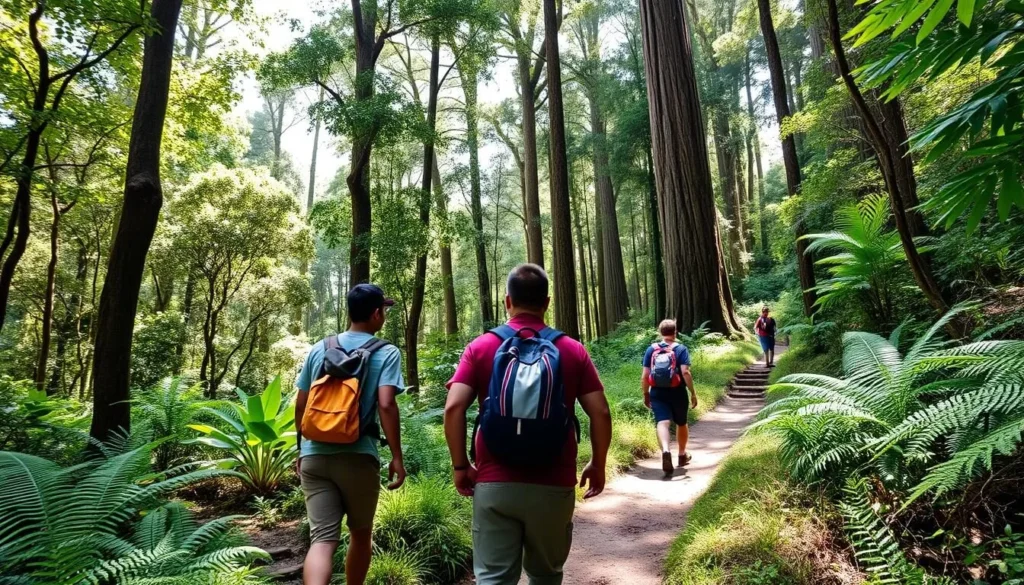
Hiking trails through the cloud forest offer immersive nature experiences
Wildlife Watching
The park is home to diverse wildlife, though many species are elusive. Early morning offers the best opportunities for wildlife spotting:
- Birds: Over 300 species inhabit the park, including toucans, quetzals, and chachalacas
- Mammals: White-tailed deer, coatis, spotted pacas, and occasionally the elusive tigrillo (ocelot)
- Reptiles and Amphibians: Various snake species, lizards, and colorful frogs
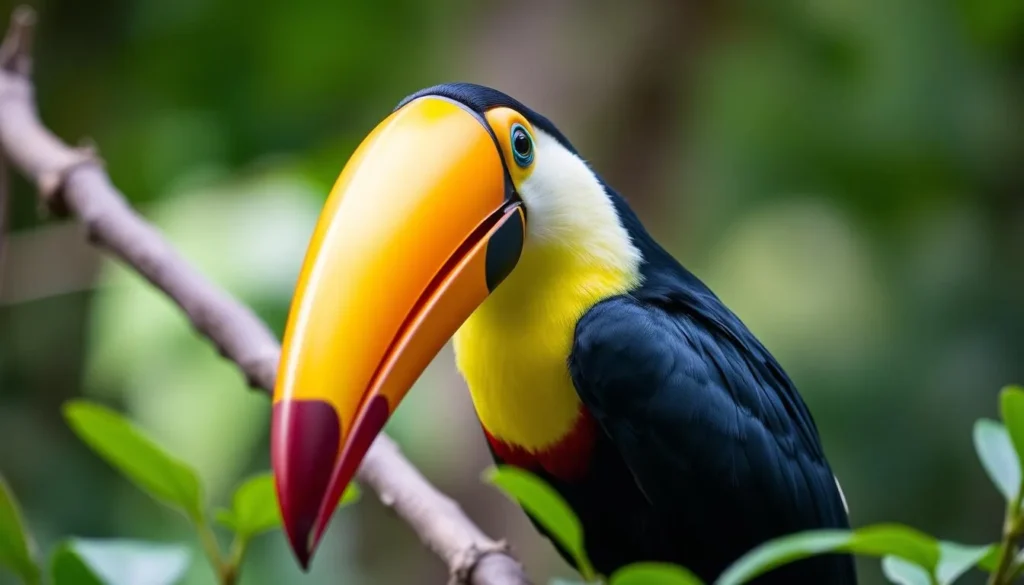
Toucans are among the colorful bird species that can be spotted in the park
Hiking Trails
Beyond the waterfall trails, the park offers several other hiking options:
- Rio Negro Trail: An easy 2 km (1.2 mile) loop near the visitor center, perfect for birdwatching
- El Portillo Peak: A challenging full-day hike to the park’s highest point at 2,407 m (7,897 ft), offering panoramic views
- Los Pinos Circuit: A moderate 6 km (3.7 mile) loop through pine forest and mountain streams
Where to Stay
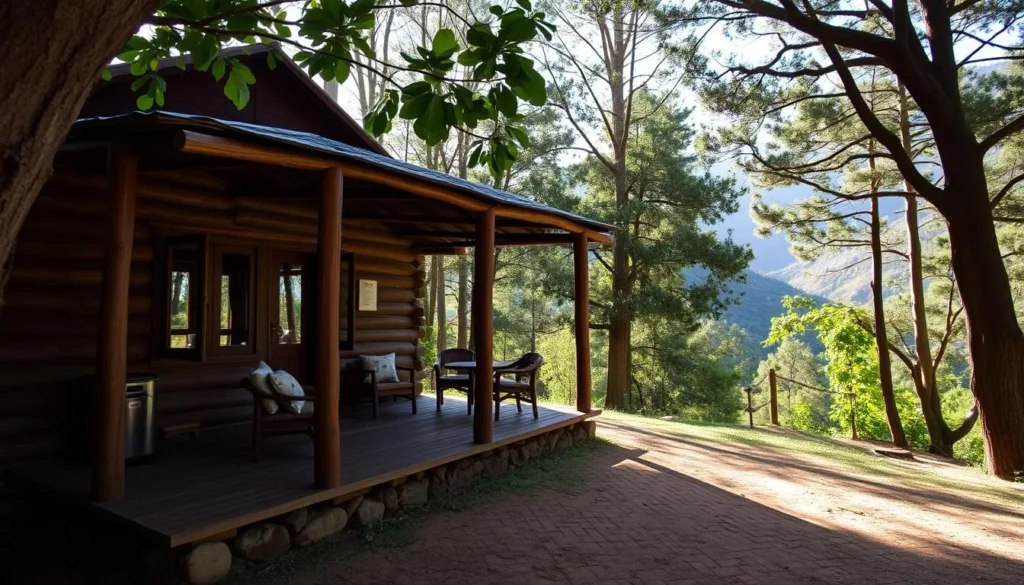
Eco-friendly accommodations near the park offer immersive forest experiences
Accommodation options near Montana de Comayagua National Park range from basic to comfortable, with most focused on eco-friendly practices:
In the Park
Basic camping facilities are available near the Rio Negro visitor center. You’ll need to bring your own equipment and register with park rangers. A small fee applies, and facilities are minimal (basic toilets and water source only).
Near the Park
Several small eco-lodges operate in communities near the park entrance, including Rio Negro Eco-Lodge and Montaña Verde Cabins. These offer simple but comfortable rooms, home-cooked meals, and can arrange local guides.
In Comayagua
For more comfortable accommodations, stay in Comayagua city (42 km from the park) where you’ll find hotels like Hotel Colonial and Comayagua Golf Club with modern amenities, restaurants, and colonial charm.
Dining & Local Cuisine

Baleadas – traditional Honduran tortillas filled with beans, cream, and cheese – are a local staple
Dining options within the park are limited, so planning ahead is essential:
Food Options
- In the Park: No restaurants exist within the park boundaries. Bring sufficient snacks and water for day trips.
- Rio Negro Village: Small family-run comedores (eateries) offer simple, home-cooked Honduran meals. Try the local specialty of freshly caught river fish with rice and plantains.
- Eco-Lodges: Most nearby accommodations provide meals with advance notice, featuring fresh, locally-sourced ingredients.
- Comayagua City: For more dining options, Comayagua offers everything from traditional Honduran restaurants to international cuisine.
Local Specialties to Try
When dining in the region, look for these authentic Honduran dishes:
- Baleadas: Thick flour tortillas filled with refried beans, cream, and cheese
- Catrachitas: Fried corn tortillas topped with refried beans and cheese
- Sopa de Mondongo: Traditional tripe soup with vegetables
- Plato Típico: Mixed plate with beans, rice, plantains, cheese, and meat
- Atol de Elote: Sweet corn beverage, perfect after a long hike
Tip: Bring a reusable water bottle and water purification tablets or filter. While water is available at the visitor center, it’s recommended to treat it before drinking.
Practical Travel Tips

Local guides provide valuable insights about the park’s ecosystems and hidden features
Fees and Permits
Entry to Montana de Comayagua National Park requires a modest fee that helps support conservation efforts:
- Honduran citizens: 50 Lempiras (approximately $2 USD)
- Foreign visitors: 100 Lempiras (approximately $4 USD)
- No advance reservations are required, but arriving early is recommended
- The visitor center is open from 8:00 AM to 4:00 PM daily
Guided Tours
While independent exploration is possible, hiring a local guide offers several advantages:
- Guides can be hired at the Rio Negro visitor center for around 500 Lempiras ($20 USD) per day
- Local guides know hidden spots and increase wildlife spotting opportunities
- They provide cultural context and support the local economy
- For specialized birdwatching or photography tours, arrange in advance through eco-lodges

Essential safety equipment for hiking in Montana de Comayagua National Park
Safety Considerations
While Montana de Comayagua National Park is generally safe, take these precautions:
- Register at the visitor center before starting any hike
- Never hike alone; always go with a companion or guide
- Carry sufficient water and some emergency food
- Bring a basic first aid kit and know how to use it
- Check weather forecasts and avoid hiking during storms
- Inform someone of your planned route and expected return time
- Respect wildlife by maintaining a safe distance
Communication
Cell phone coverage is limited within the park:
- Tigo and Claro networks have sporadic coverage near Rio Negro village
- Download offline maps before your visit
- Consider renting a satellite phone for remote hikes
Nearby Attractions

The colonial architecture of Comayagua city makes it worth exploring before or after your park visit
While Montana de Comayagua National Park deserves your full attention, consider these nearby attractions to enhance your trip:
Comayagua City
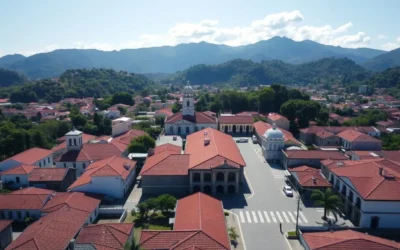
Just 42 km south of the park, Comayagua was once the capital of Honduras and features well-preserved Spanish colonial architecture. Visit the impressive Cathedral, the Regional Archaeology Museum, and stroll the charming central plaza. The city is perfect for a day trip before or after your park adventure.
Lago de Yojoa
Honduras’ largest natural lake is about 70 km northwest of the park. It offers excellent birdwatching, boat tours, and fresh fish restaurants. Don’t miss the nearby Pulhapanzak Waterfall, one of the country’s most impressive cascades at 43 meters (141 feet) high.
Cerro Azul Meambar National Park
Located near Lago de Yojoa, this well-maintained national park offers kilometers of trails leading to waterfalls, caves, and untouched cloud forest. It makes an excellent companion visit if you’re enjoying Honduras’ natural areas.
Conclusion

The magical sunset views over Montana de Comayagua’s forest canopy
Montana de Comayagua National Park represents Honduras at its most authentic and untouched. Far from the tourist crowds, this hidden gem rewards adventurous travelers with pristine forests, spectacular waterfalls, and meaningful connections with local communities who serve as the park’s guardians.
Whether you’re an avid hiker, wildlife enthusiast, or simply seeking to experience Central America beyond the typical tourist trail, this remarkable protected area offers experiences that will remain with you long after you’ve returned home. The extra effort required to reach Montana de Comayagua is precisely what has preserved its natural beauty and authentic character.
As responsible travelers, remember that your visit supports conservation efforts and sustainable livelihoods in the surrounding communities. By treading lightly and respecting both the natural environment and local customs, you help ensure that this special place remains pristine for generations to come.
0 Comments