
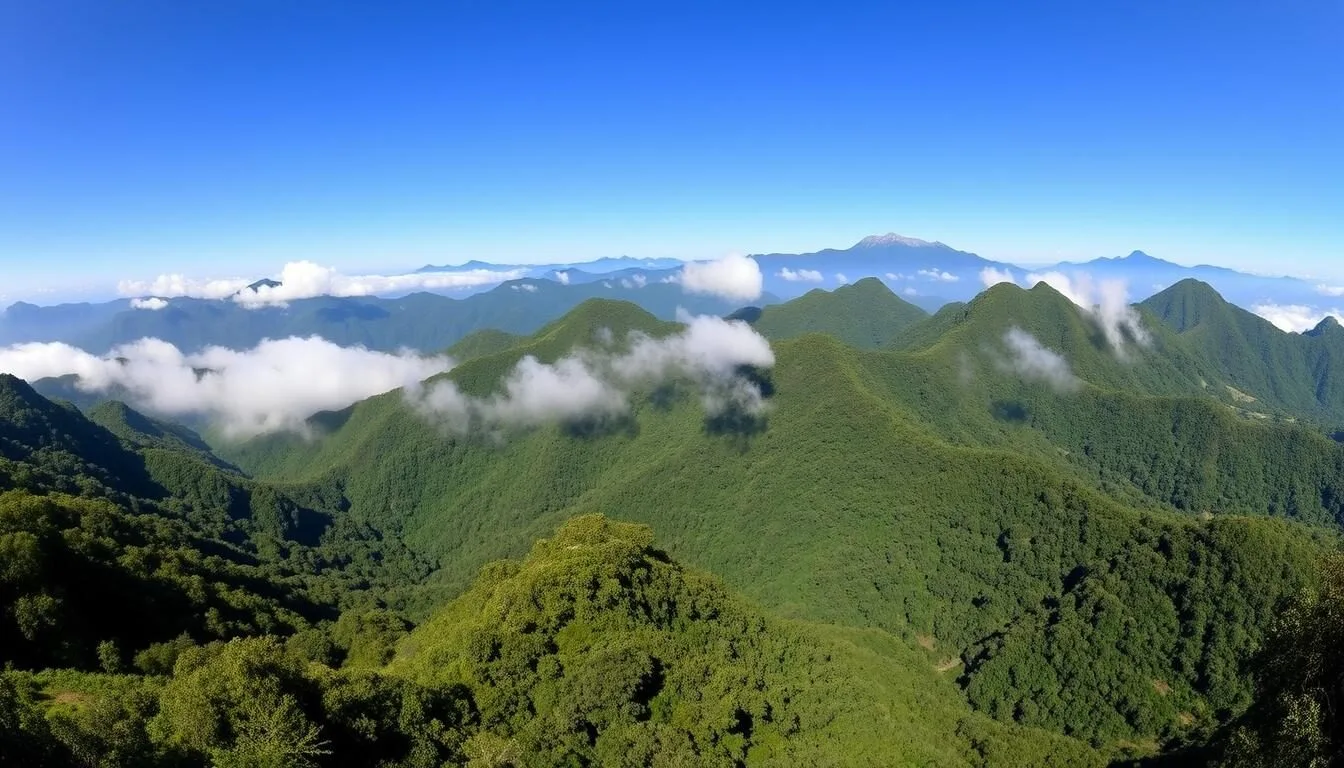
Did you know Montana de Yoro National Park is home to the mystical Lluvia de Peces (Rain of Fish), a phenomenon where small fish seemingly fall from the sky during heavy storms? This extraordinary event has puzzled scientists for decades and draws curious visitors to this hidden gem in Honduras. Nestled between the departments of Francisco Morazán and Yoro, this 154.8 square kilometer (59.8 square mile) protected area offers a breathtaking escape into pristine cloud forests and diverse ecosystems.
Montana de Yoro National Park Overview
Established on January 1, 1987, Montana de Yoro National Park (Parque Nacional Montaña de Yoro) stands as a testament to Honduras’ commitment to preserving its natural heritage. With elevations ranging from 1,800 to 2,245 meters (5,900 to 7,365 feet), the park’s mountainous terrain creates a perfect environment for cloud forests to thrive in the humid climate.
The landscape comprises three primary ecosystems: coniferous forests at higher elevations, latifoliate (broadleaf) forests at lower elevations, and mixed transition zones. The latifoliate forests dominate, covering approximately 12,000 hectares of the park’s total 15,000 hectares, while coniferous forests occupy less than 1,000 hectares.
Getting There & Planning Your Journey
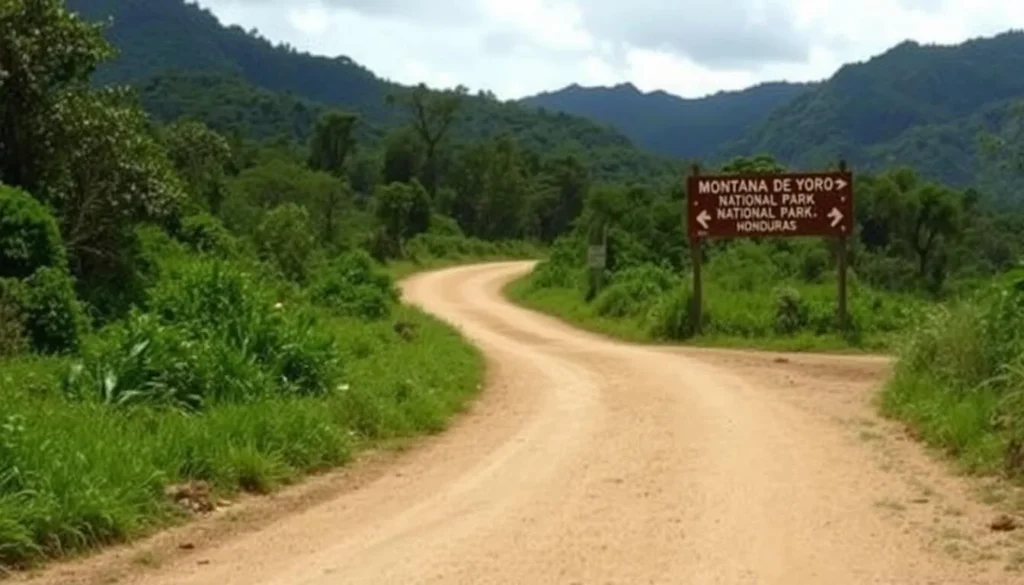
Reaching Montana de Yoro National Park requires some planning, but the journey is well worth the effort. The park is located approximately 14 kilometers south of the town of Yoro, which serves as the main gateway to this natural wonder.
By Air
The closest major airport is Ramón Villeda Morales International Airport in San Pedro Sula, about 160 km (100 miles) from the park. From there, you’ll need to arrange ground transportation to reach Yoro town and then the park.
International visitors should check for flights to San Pedro Sula or Tegucigalpa, then plan for domestic travel to the park area. to find the best routes and prices for your trip.
By Road
From San Pedro Sula, you can reach Yoro town by taking a bus with Transportes COTUC, which operates services every 4 hours. The journey takes approximately 3.5 hours and costs around 12 Lempira (US$5). From Yoro town, you’ll need to arrange local transportation to the park entrance.
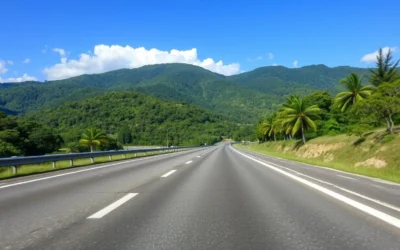
If you prefer the flexibility of driving yourself, is a practical option. The roads to Yoro are generally in good condition, though the final stretch to the park may be unpaved and require a vehicle with good clearance.
Best Time to Visit & Weather Tips
Montana de Yoro National Park experiences a humid climate with distinct wet and dry seasons. Understanding the weather patterns will help you plan an optimal visit.
Dry Season (November to April)
The dry season offers the most reliable weather for hiking and exploring the park. Temperatures typically range from 18°C to 25°C (64°F to 77°F) during the day, dropping to around 12°C to 15°C (54°F to 59°F) at night. The clear skies provide excellent visibility for enjoying panoramic views and wildlife spotting.
Rainy Season (May to October)
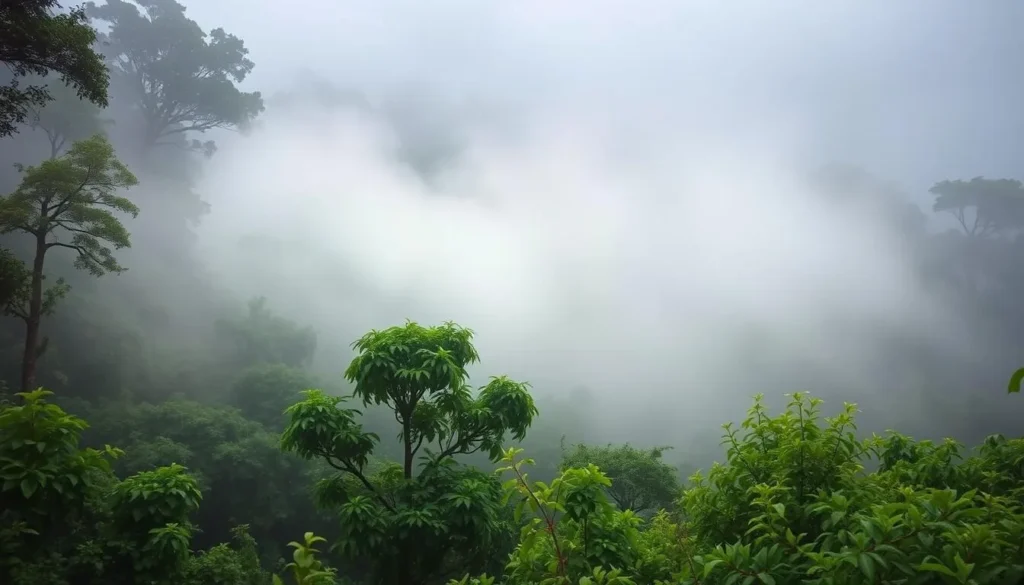
While rainfall increases during these months, this is also when the famous Lluvia de Peces phenomenon typically occurs (usually between May and July). If witnessing this unique event is on your bucket list, plan your visit during this period. The forests are at their most lush and vibrant, though trails can be muddy and some areas may become difficult to access.
Average temperatures during the rainy season range from 20°C to 28°C (68°F to 82°F), with higher humidity levels. Be prepared for afternoon showers and pack accordingly.
Tip: If you’re hoping to witness the fish rain phenomenon, your best chance is to visit in late May or early June and stay in the nearby town of Yoro. The event doesn’t occur on a predictable schedule, so a longer stay increases your chances.
Where to Stay
While Montana de Yoro National Park itself has limited accommodation options, there are several places to stay in the surrounding areas that provide convenient access to the park.
Camping
For the adventurous traveler, camping is permitted within designated areas of the park. This option allows you to fully immerse yourself in the natural environment and maximize your time exploring. Be sure to bring all necessary camping equipment as there are no rental facilities within the park.
Yoro Town Accommodations
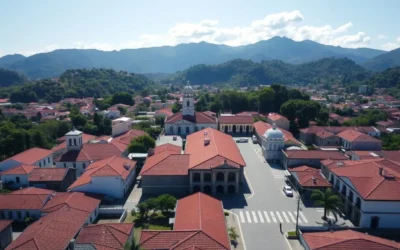
The town of Yoro, located 14 kilometers north of the park, offers several basic hotels and guesthouses. These provide a comfortable base for day trips to the park and are convenient for those hoping to witness the fish rain phenomenon, which is most commonly observed near the town.
Eco-Lodges
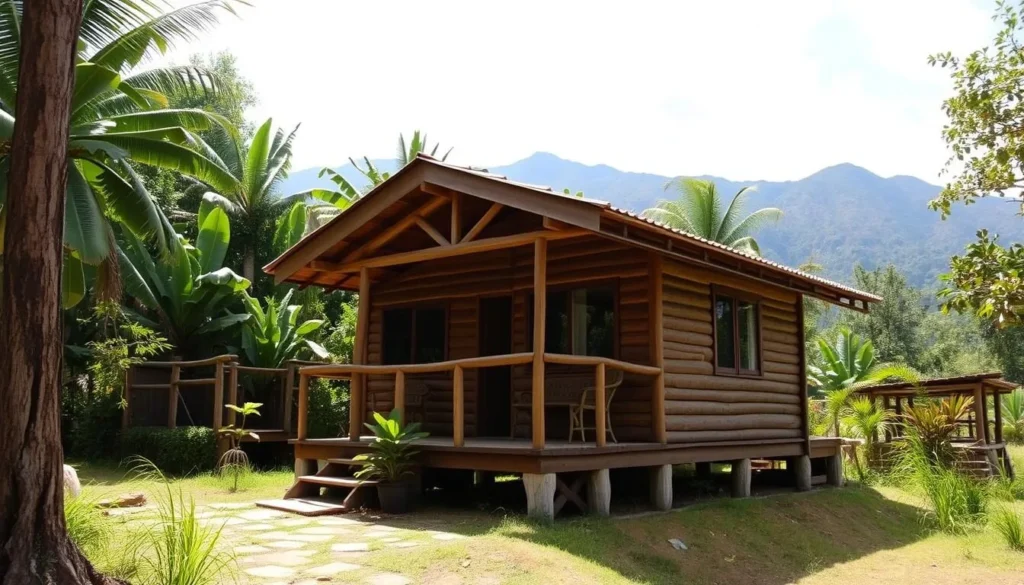
A few eco-lodges have been established in the vicinity of the park, offering a more immersive natural experience while providing basic amenities. These lodges often feature knowledgeable local guides who can enhance your exploration of the park.
Attractions, Sightseeing & Activities
Montana de Yoro National Park offers a wealth of natural attractions and activities for visitors to enjoy. From challenging hikes to serene wildlife watching, there’s something for every nature enthusiast.
Black Eyes Lagoon (Laguna de Ojos Negros)
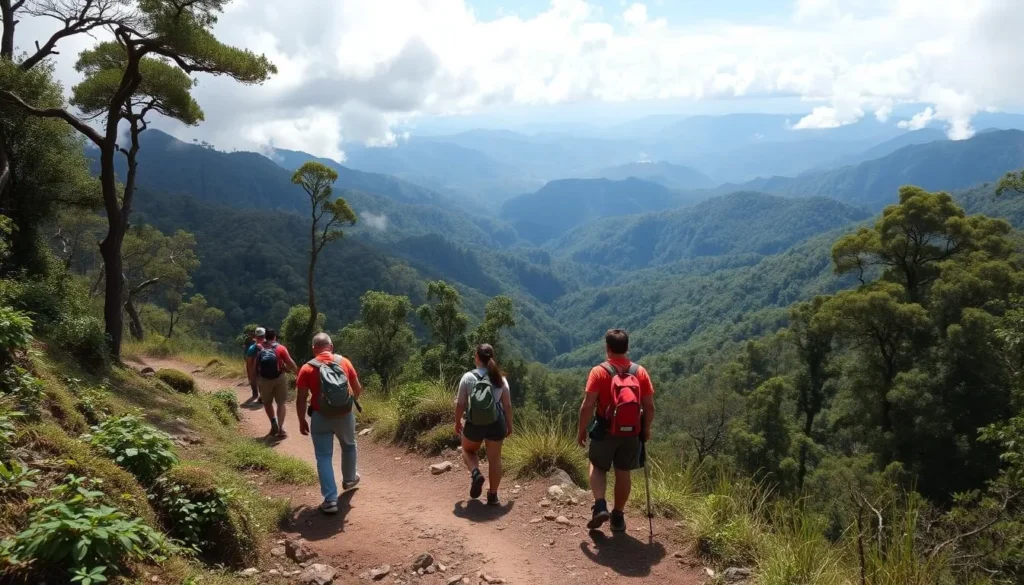
One of the park’s most captivating features is the Black Eyes Lagoon, named for its crystal-clear yet deep waters that appear dark, giving the impression of “black eyes.” Reaching this secluded lagoon requires a challenging hike through dense forest, but the serene beauty of this natural wonder makes the journey worthwhile.
Hiking Trails
The park features numerous trails winding through its diverse ecosystems. These range from relatively easy walks to challenging treks that require good physical condition. Popular routes include the trail to Black Eyes Lagoon and paths that lead to panoramic viewpoints overlooking the surrounding mountains and valleys.
Wildlife Observation
Montana de Yoro is home to an impressive array of wildlife, including apex predators such as jaguars, pumas, and ocelots. While these elusive cats are rarely seen, the park offers excellent opportunities for spotting other mammals, reptiles, and amphibians. Bring binoculars and a camera with a zoom lens to capture these special moments.
Birdwatching
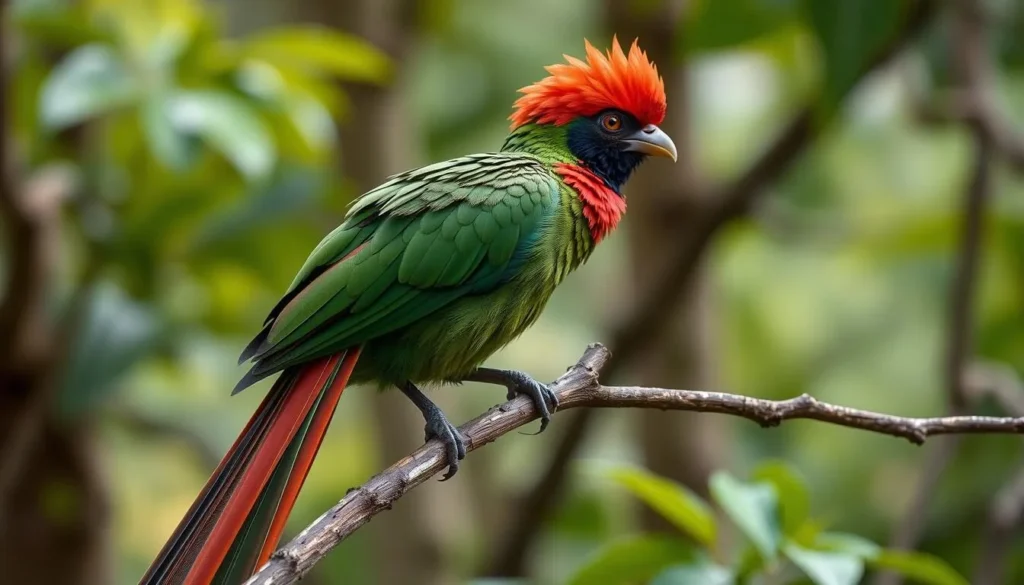
With hundreds of bird species inhabiting the park, birdwatching is a particularly rewarding activity. Look for the resplendent quetzal, keel-billed toucan, emerald toucanet, and numerous hummingbird species among the forest canopy. Early morning offers the best birdwatching opportunities when many species are most active.
Lluvia de Peces (Fish Rain)
Perhaps the most unusual attraction associated with the park is the fish rain phenomenon that occurs in nearby Yoro town. During heavy storms between May and July, small fish mysteriously appear on the ground, leading to local celebrations. While scientists debate the cause (most likely flash floods washing fish from streams), it remains a fascinating cultural and natural event worth experiencing.
Practical Travel Tips
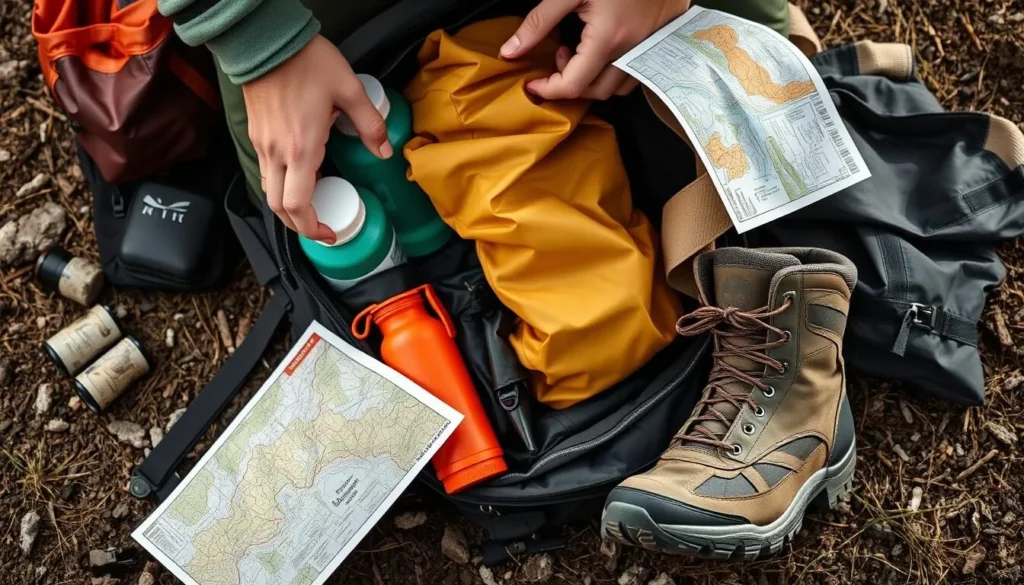
Making the most of your visit to Montana de Yoro National Park requires some preparation. Here are essential tips to ensure a safe and enjoyable experience.
What to Pack
Safety Considerations
While Montana de Yoro National Park is generally safe for visitors, it’s important to take standard precautions when exploring remote natural areas:
Local Etiquette
Respecting the park and local communities enhances your experience and helps preserve this natural treasure:

Local Cuisine
Don’t miss the opportunity to sample local Honduran dishes during your visit. The Yoro region offers traditional fare such as baleadas (flour tortillas filled with beans, cheese, and other toppings), catrachitas (fried tortillas with beans and cheese), and various corn-based dishes. Fresh tropical fruits are abundant and make for refreshing snacks during your adventures.
Conservation and Environmental Awareness
Montana de Yoro National Park faces several conservation challenges, including deforestation, illegal hunting, and land encroachment for agriculture. As a visitor, understanding these issues can help you contribute positively to preservation efforts.
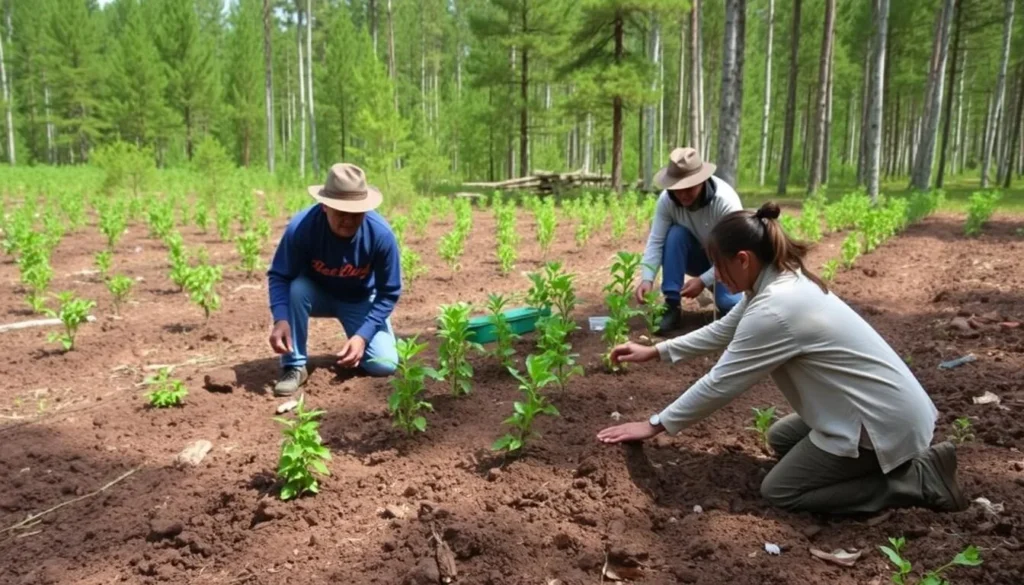
The park’s establishment as a protected area reflects Honduras’s commitment to environmental conservation, providing a sanctuary for numerous species and maintaining vital ecological processes. Local conservation organizations work with communities surrounding the park to develop sustainable practices that benefit both people and nature.
By visiting responsibly and supporting local eco-friendly initiatives, you contribute to the ongoing protection of this remarkable ecosystem for future generations to enjoy.
Experience the Magic of Montana de Yoro
Montana de Yoro National Park offers a rare glimpse into one of Central America’s most pristine natural environments. From the mysterious fish rain phenomenon to the breathtaking Black Eyes Lagoon, from elusive jaguars to colorful quetzals, this hidden gem rewards those willing to venture off the beaten path.
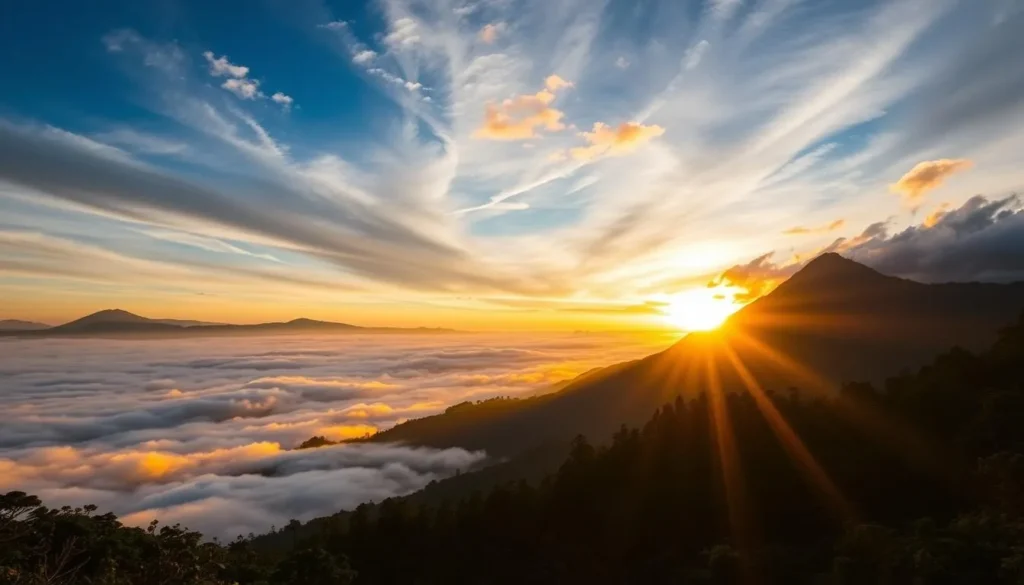
Whether you’re an avid hiker, a wildlife enthusiast, or simply seeking connection with nature in one of its most unspoiled forms, Montana de Yoro promises an unforgettable adventure. The park’s biological diversity, cultural significance, and natural beauty make it a must-visit destination for travelers exploring Honduras.
The above is subject to change.
Check back often to TRAVEL.COM for the latest travel tips and deals.
0 Comments