
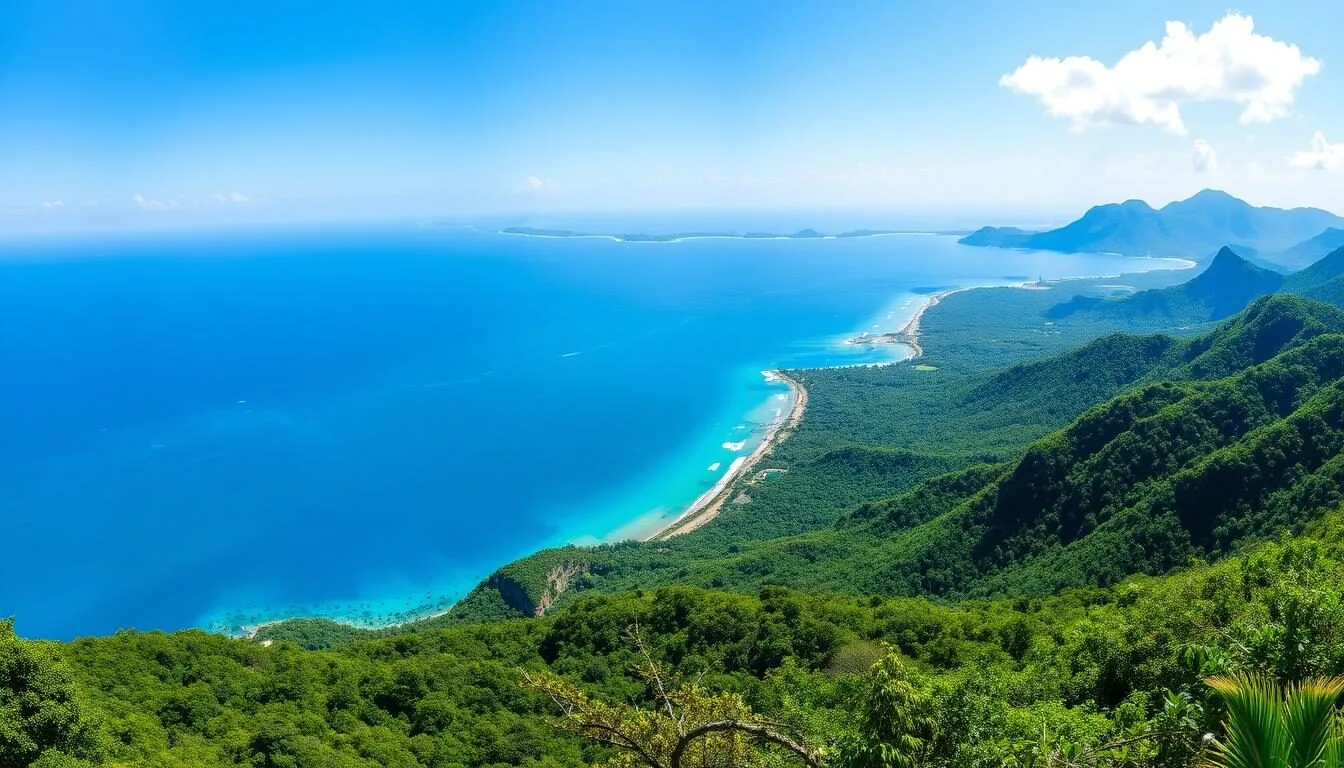
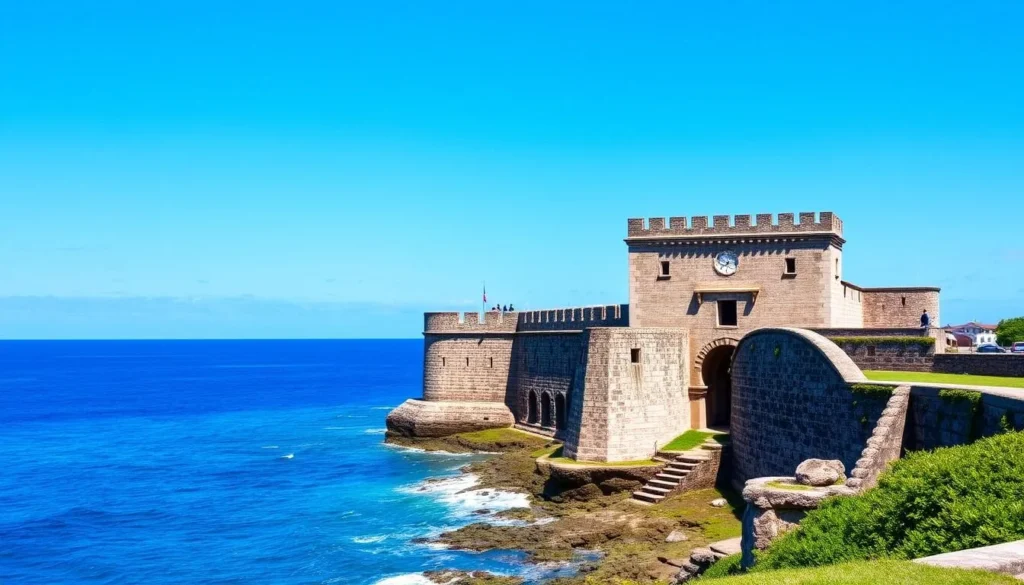
Did you know that Omoa National Park is home to one of the best-preserved Spanish colonial fortresses in Central America? The 18th-century Fortaleza de San Fernando de Omoa was built to defend against pirate attacks and stands today as a testament to Honduras’ rich colonial history. This stunning national park, spanning approximately 234 square kilometers (90 square miles), offers a rare combination of historical landmarks, pristine beaches, and lush rainforests that few travelers have discovered.
Omoa National Park Overview
Omoa National Park, known locally as Parque Nacional Omoa, is a protected area in northwestern Honduras, located in the Cortés Department. The park encompasses diverse ecosystems ranging from coastal wetlands to dense tropical rainforests, serving as a crucial natural corridor that supports abundant wildlife while preserving historical and cultural landmarks.
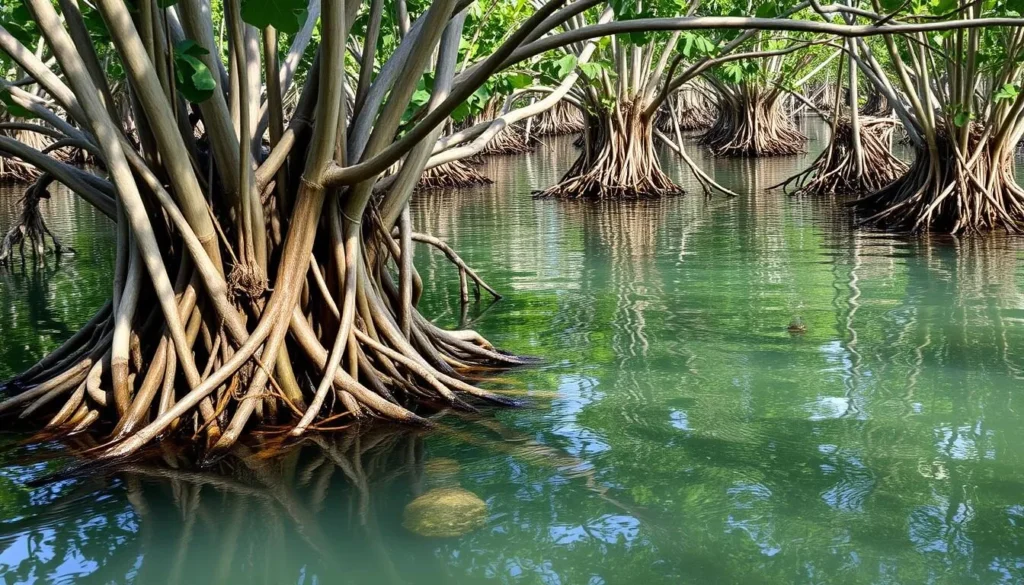
The park’s landscape features a stunning blend of rugged mountains from the Sierra de Omoa range, winding rivers, and lush lowland forests. Rivers such as the Cuyamel flow through these valleys, providing essential water sources for both flora and fauna. The forests teem with towering mahogany and ceiba trees, while along the coastline, mangrove forests play a vital role in maintaining ecological balance.
Getting There & Planning Your Journey
Reaching Omoa National Park is relatively straightforward. The nearest major airport is Ramón Villeda Morales International Airport (SAP) in San Pedro Sula, approximately 60 km (37 miles) from Omoa. From there, you have several options:
By Bus
Public buses run regularly from San Pedro Sula to Omoa town. The journey takes about 1.5 hours and costs around 50-70 Lempiras ($2-3 USD). Look for buses at the main terminal that are headed to Puerto Cortés, and tell the driver you’re getting off at Omoa.
By Car
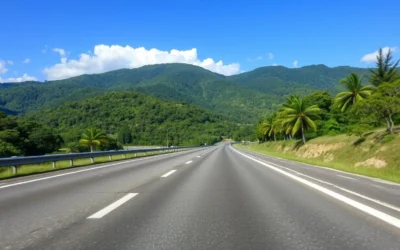
Renting a car gives you the freedom to explore at your own pace. The drive from San Pedro Sula to Omoa follows well-maintained highways and takes approximately 1 hour. Having your own vehicle is particularly useful for visiting different areas of the park.
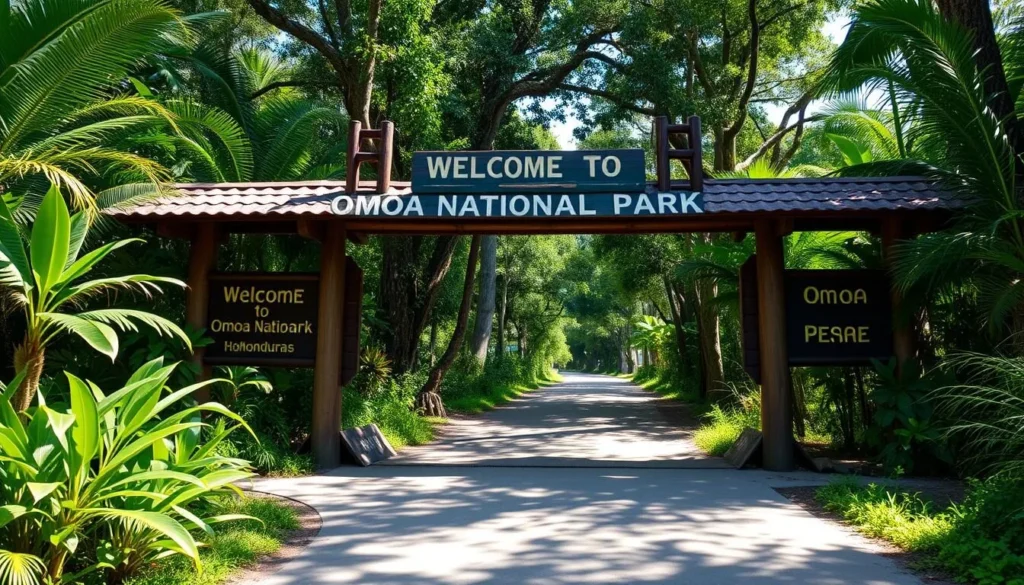
Best Time to Visit & Weather Tips
Omoa National Park enjoys a tropical climate with distinct wet and dry seasons. The best time to visit depends on your preferences and planned activities:
Dry Season (December to April)
This is generally considered the best time to visit Omoa National Park. You’ll experience:
- Less rainfall and humidity
- Temperatures averaging 26-32°C (79-90°F)
- Better conditions for hiking and outdoor activities
- Clearer waters for snorkeling and diving
Wet Season (May to November)
While there’s more rainfall during these months, visiting during the wet season has its advantages:
- Lush, vibrant vegetation
- Fewer tourists and lower prices
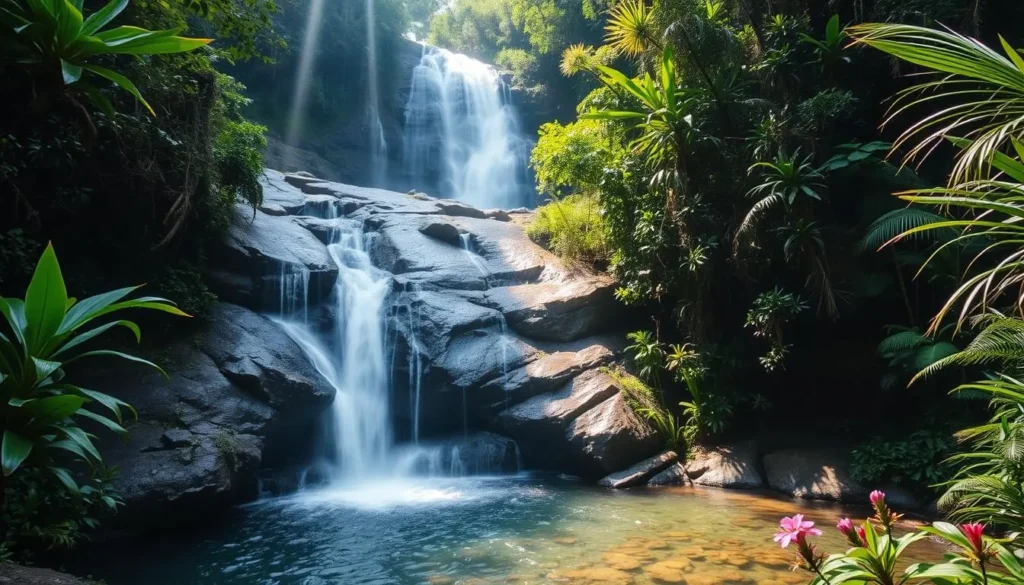
- Waterfalls at their most impressive
- Morning activities often remain dry (rain typically comes in afternoon showers)
Hurricane season (June to November) can affect the Caribbean coast of Honduras. If traveling during these months, keep an eye on weather forecasts and consider travel insurance that covers weather-related disruptions.
Where to Stay
Omoa offers a range of accommodation options to suit different budgets and preferences. Most lodging is concentrated in Omoa town, providing easy access to both the national park and the beach.
Budget Options
Several hostels and guesthouses in Omoa town offer basic but comfortable accommodations starting from $15-30 USD per night. These often include shared bathrooms and sometimes communal kitchens.
Mid-Range Hotels
For more comfort, consider mid-range hotels like Hotel Paraiso Rainforest and Beach, which offers private rooms with air conditioning, swimming pools, and on-site restaurants. Prices typically range from $50-80 USD per night.
Eco-Lodges
For a more immersive experience, eco-lodges near Rawacala Eco Park provide sustainable accommodations surrounded by nature. These typically cost $70-120 USD per night and often include guided activities.

Dining & Local Cuisine
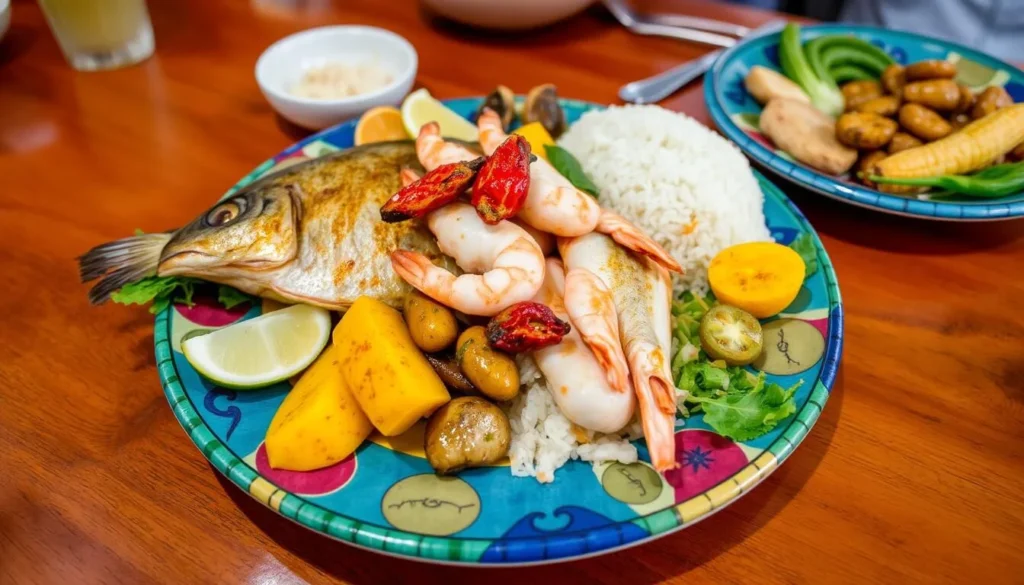
Omoa’s cuisine reflects its coastal location and cultural heritage, with seafood playing a starring role alongside traditional Honduran dishes.
Must-Try Local Dishes
- Sopa de Caracol – Conch soup with coconut milk, plantains, and local vegetables
- Pescado Frito – Whole fried fish typically served with plantains and cabbage salad
- Baleadas – Thick flour tortillas filled with refried beans, cream, and cheese
- Tajadas con Carne – Fried plantain chips topped with seasoned ground beef, cabbage, and sauce
- Coconut Bread – Sweet bread made with coconut milk, popular along the Caribbean coast
Where to Eat
Most restaurants are concentrated in Omoa town and along the beach. Seafood shacks offering the day’s fresh catch are popular and affordable options. For a more upscale dining experience, some hotels like Hotel Paraiso offer restaurants serving both international and Honduran cuisine.
Don’t miss the opportunity to try local tropical fruits sold at roadside stands, including mangoes, papayas, and the national fruit of Honduras, the rambutan (known locally as “lichas”).
Attractions, Sightseeing & Activities
Omoa National Park offers a diverse range of attractions that blend natural beauty with historical significance.
Historical Sites
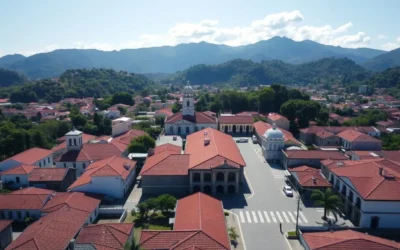
The crown jewel of Omoa’s historical attractions is the Fortaleza de San Fernando de Omoa, an 18th-century Spanish fortress built to protect against pirate invasions. The well-preserved structure offers visitors a glimpse into the region’s colonial past and provides breathtaking views of the Caribbean coastline. Guided tours are available for around 100 Lempiras ($4 USD).
Natural Attractions
Rawacala Eco Park
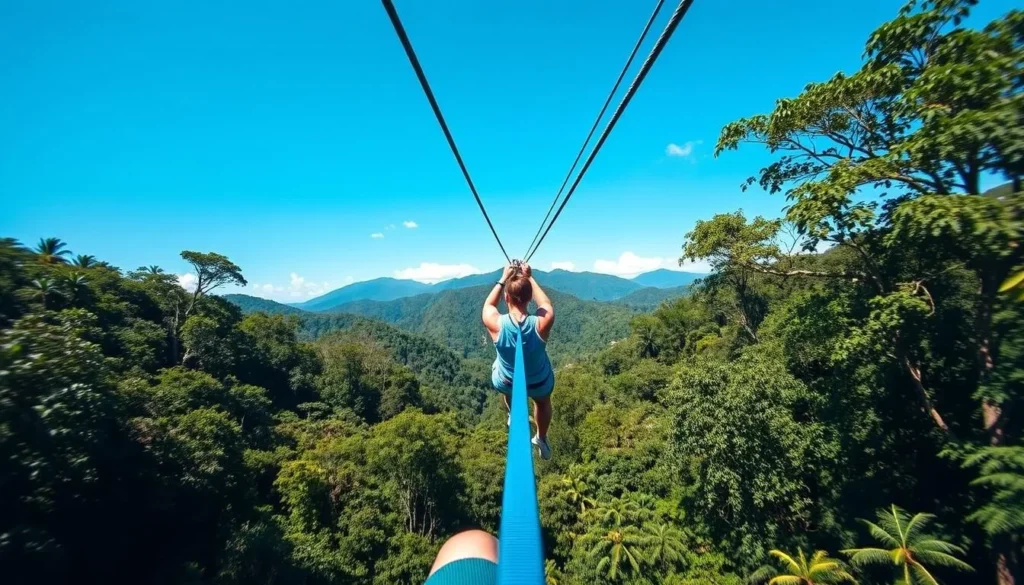
Located in the Sierra Omoa Mountains just south of the community of Paraiso, Rawacala Eco Park offers adventure activities including:
- Zip-lining canopy tours
- Hiking trails to multiple waterfalls
- Natural swimming pools
- Birdwatching (over 200 species have been sighted here)
The entrance fee is approximately 200 Lempiras ($8 USD) per person.
Beaches and Marine Life
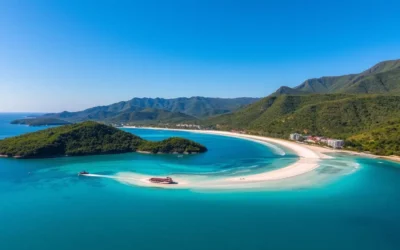
Omoa’s beaches offer golden sands and warm Caribbean waters. The coastal areas are part of the Mesoamerican Barrier Reef System, the second largest coral reef in the world. Activities include:
- Snorkeling among colorful coral and tropical fish
- Swimming in protected coves
- Beach relaxation and sunbathing
- Kayaking through mangrove forests
Wildlife and Biodiversity
Omoa National Park is a biodiversity hotspot, home to a remarkable variety of species that thrive in its diverse ecosystems.
Notable Wildlife
Mammals
- Jaguars and ocelots (rarely seen)
- Baird’s tapirs
- White-faced capuchin monkeys
- Howler monkeys
- Northern tamandua (anteater)
Birds
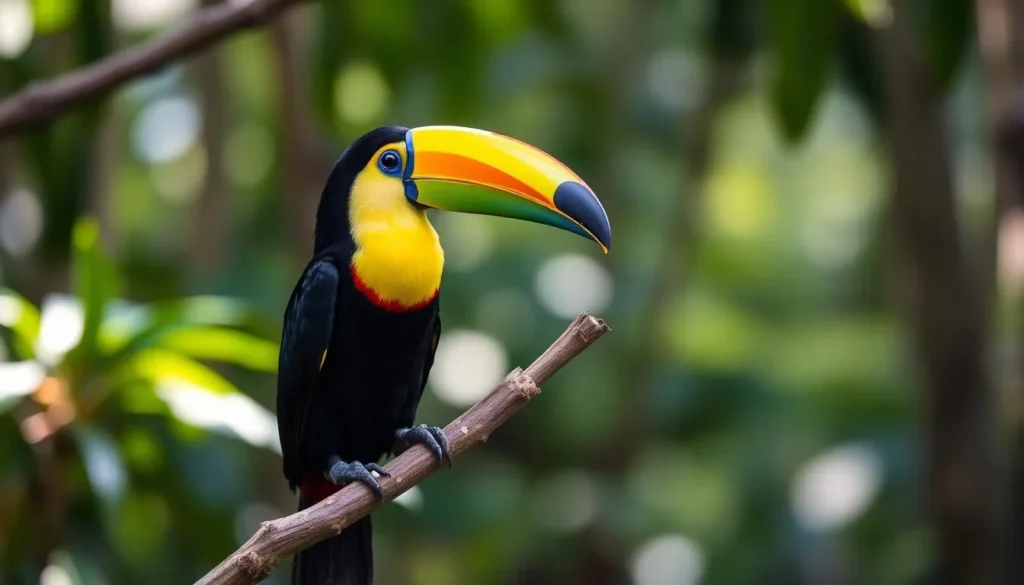
- Keel-billed toucans
- Scarlet macaws
- Great egrets
- Boat-billed herons
- Violet sabrewing hummingbirds
The park is particularly renowned for its birdwatching opportunities, with over 200 species recorded. Early morning tours offer the best chance to spot wildlife, as many animals are most active at dawn.
Practical Travel Tips
Make the most of your visit to Omoa National Park with these essential travel tips:
Safety
- Hire local guides for hiking, especially in remote areas
- Use insect repellent to protect against mosquitoes
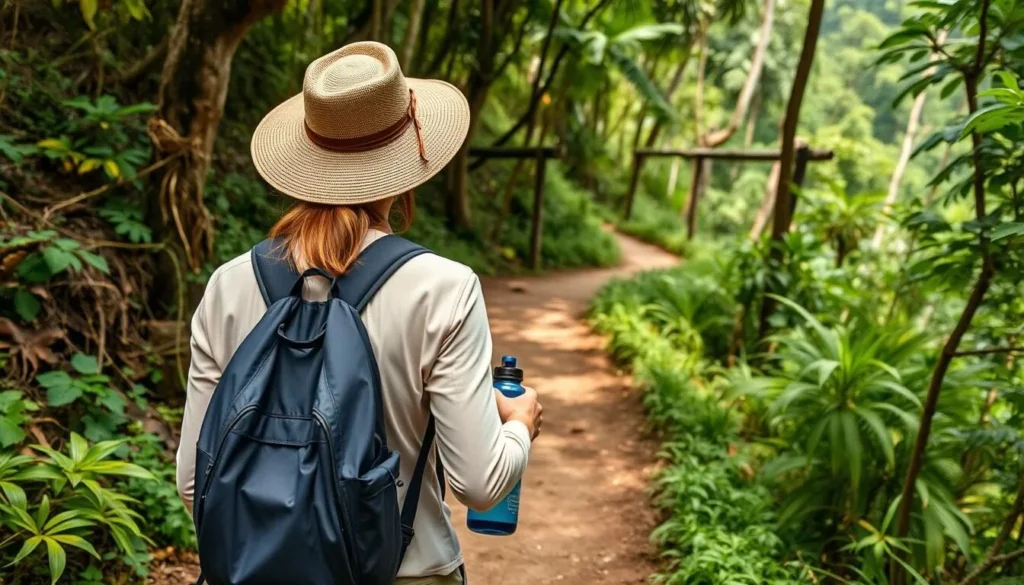
- Carry sufficient water to stay hydrated in the tropical climate
- Inform your accommodation of your plans when heading into the park
- Keep valuables secure and be vigilant in crowded areas
Money and Costs
The local currency is the Honduran Lempira (HNL). While some larger establishments accept credit cards, it’s advisable to carry cash, especially for smaller vendors, markets, and transportation. ATMs are available in Omoa town but can sometimes be unreliable, so consider withdrawing money in San Pedro Sula before arriving.
Language
Spanish is the official language in Honduras. While some tourism workers speak basic English, learning a few Spanish phrases will enhance your experience and is appreciated by locals. Consider downloading a translation app if you’re not comfortable with Spanish.
Packing Essentials
- Lightweight, breathable clothing
- Rain jacket or poncho (even in dry season)
- Sturdy walking shoes or hiking boots
- Sun protection (hat, sunglasses, sunscreen)
- Insect repellent and anti-itch cream
- Reusable water bottle
- Basic first aid kit
Conservation and Environmental Awareness
Omoa National Park faces several environmental challenges, including deforestation, particularly in the southern wetlands. The park’s ecosystems are delicate, and responsible tourism plays an important role in their preservation.
How You Can Help
- Support eco-tourism initiatives that contribute to conservation efforts
- Follow “leave no trace” principles when hiking
- Avoid purchasing products made from endangered species
- Respect wildlife by maintaining a safe distance and not feeding animals
- Consider volunteering with local conservation organizations during longer stays
By being mindful of your environmental impact, you can help ensure that Omoa National Park remains a pristine natural treasure for generations to come.
Conclusion
Omoa National Park offers a unique blend of natural wonders and historical significance that makes it one of Honduras’ most compelling destinations. From exploring the colonial fortress to zip-lining through lush rainforests, swimming in crystal-clear waterfalls, or simply relaxing on golden beaches, Omoa provides experiences to satisfy every type of traveler.
This hidden gem remains relatively undiscovered by mass tourism, offering authentic experiences and uncrowded attractions. By visiting with respect for the local culture and environment, you’ll not only create unforgettable memories but also contribute to the sustainable development of this remarkable region.
0 Comments