
About Pico Pijol National Park
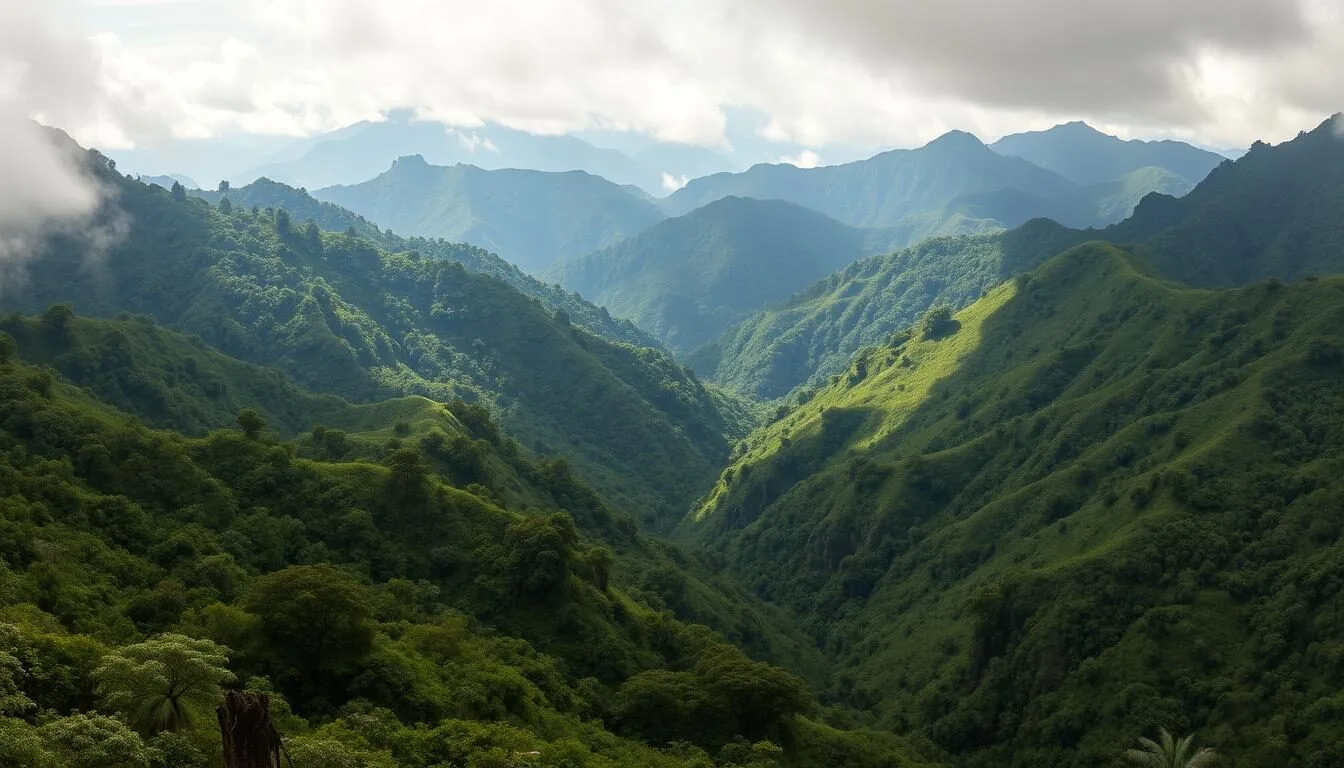
Pico Pijol National Park, established in 1987, covers approximately 11,500 hectares of pristine cloud forest in the Yoro Department of Honduras. The park is named after its highest peak, Pico Pijol, which offers spectacular views of the surrounding valleys and mountains when the clouds part.
This protected area serves as a vital watershed for the region, with numerous rivers and streams originating within its boundaries. The park’s varied elevation creates distinct ecological zones, supporting an incredible diversity of plant and animal species that thrive in this untouched environment.
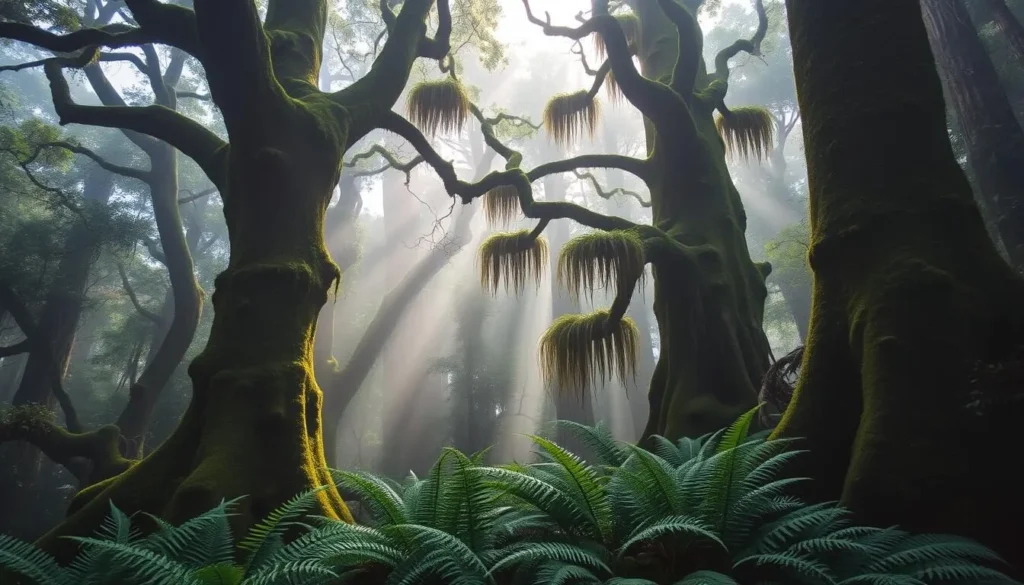
“Pico Pijol represents one of the last intact cloud forest ecosystems in Honduras, serving as a critical habitat for endangered species and a natural laboratory for understanding Central American biodiversity.”
Getting There & Planning Your Journey
Reaching Pico Pijol National Park requires some advance planning, as it’s located in a remote area approximately 30 km from the city of Yoro. The journey is part of the adventure, taking you through picturesque Honduran countryside and small villages that offer glimpses into local life.
By Air
The nearest international airport is Ramón Villeda Morales International Airport (SAP) in San Pedro Sula, about 130 km from the park entrance. From there, you’ll need to arrange ground transportation to complete your journey. to San Pedro Sula for the best rates and schedules.
By Road
From San Pedro Sula, you can reach the park by:
- Renting a 4×4 vehicle (highly recommended due to rough roads) – the drive takes approximately 3-4 hours
- Taking a bus to Yoro city, then hiring a local guide with transportation for the final leg
- Joining an organized tour that includes transportation from major cities
If you’re driving yourself, a 4×4 vehicle is essential, especially during the rainy season when roads can become difficult to navigate. in advance to ensure availability.
Best Time to Visit & Weather Tips
The best time to visit Pico Pijol National Park is during the dry season, which runs from November to April. During these months, trails are more accessible, and you’ll have clearer views from the mountain peaks. The temperature in the cloud forest remains relatively cool year-round, averaging 18-22°C (64-72°F) during the day and dropping to 10-15°C (50-59°F) at night.
Dry Season (November-April)
- Less rainfall and muddy trails
- Better visibility for wildlife spotting
- Cooler temperatures, especially at higher elevations
- Peak visitor season (though still uncrowded)
Rainy Season (May-October)
- Lush, vibrant vegetation
- Waterfalls at their most impressive
- Fewer visitors
- Some trails may be difficult or inaccessible
Packing Tip: Regardless of when you visit, bring waterproof hiking boots, rain gear, and layers for changing temperatures. The cloud forest can be misty and wet even during the dry season, and temperatures drop significantly at night.
Where to Stay Near Pico Pijol
Accommodation options near Pico Pijol National Park are limited but provide authentic experiences that connect you with the natural surroundings. Most visitors choose to stay in the nearby town of Yoro or at one of the eco-lodges closer to the park entrance.
Eco-Lodges
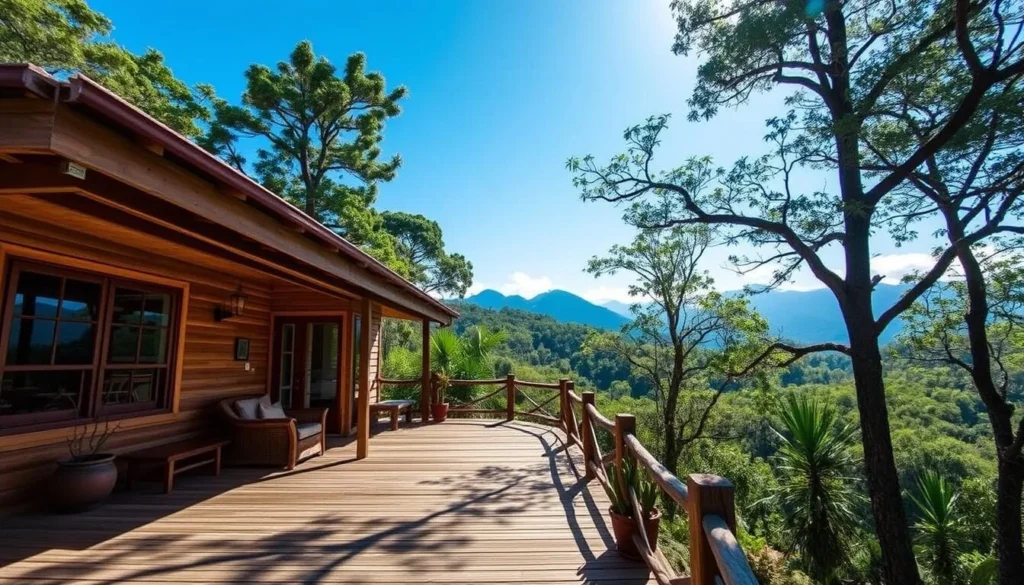
Several small eco-lodges operate near the park boundaries, offering basic but comfortable accommodations with incredible access to nature. These lodges typically provide guided tours into the park and serve meals featuring local ingredients.
Pijol Mountain Lodge
This family-run eco-lodge offers simple cabins with private bathrooms, home-cooked meals, and knowledgeable local guides. The lodge is located just 2 km from the park entrance and provides early morning bird-watching tours.
- Basic but clean rooms with mountain views
- Three meals daily included in rates
- Guided hiking tours available
- Solar-powered electricity
Yoro Town Accommodations
The town of Yoro, about 30 km from the park entrance, offers several small hotels and guesthouses. While staying in town means a longer journey to the park each day, it provides more amenities and dining options.
Booking Tip: Accommodations in this region are limited and may not always be available online. Consider contacting them directly by phone or email to secure your reservation, especially during peak season.
For the most comfortable experience, book your accommodations well in advance, particularly if you plan to visit during the dry season. in the Yoro region to find the perfect base for your Pico Pijol adventure.
Top Things to Do in Pico Pijol National Park
Pico Pijol National Park offers a variety of activities for nature lovers and adventure seekers. From challenging hikes to peaceful bird watching, there’s something for everyone to enjoy in this pristine wilderness.
1. Hiking to the Summit
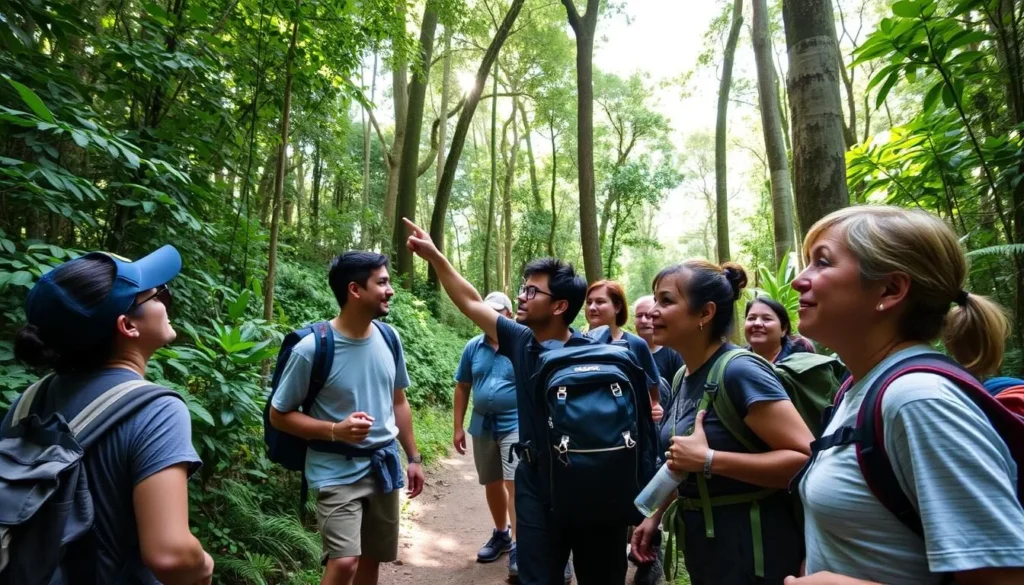
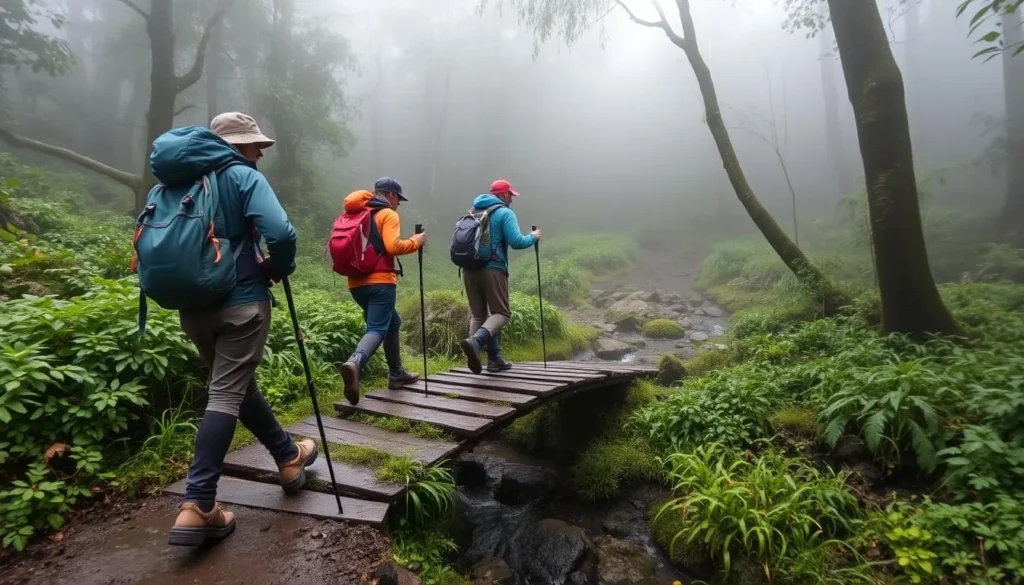
The signature experience in Pico Pijol National Park is hiking to its namesake peak. The trail to the summit is challenging but rewarding, taking you through different vegetation zones before reaching the panoramic viewpoint at 2,282 meters (7,487 feet).
- Distance: 8 km (5 miles) round trip
- Difficulty: Moderate to difficult
- Duration: 5-6 hours round trip
- Highlights: Cloud forest, wildlife sightings, panoramic views
A local guide is highly recommended for this hike, as trails can be difficult to follow and weather conditions can change rapidly. Guides can also help identify wildlife and plants along the way.
2. Bird Watching
Pico Pijol is a paradise for bird enthusiasts, with over 400 species recorded in the park. The early morning hours offer the best opportunity to spot colorful residents like the resplendent quetzal, emerald toucanet, and various hummingbird species.
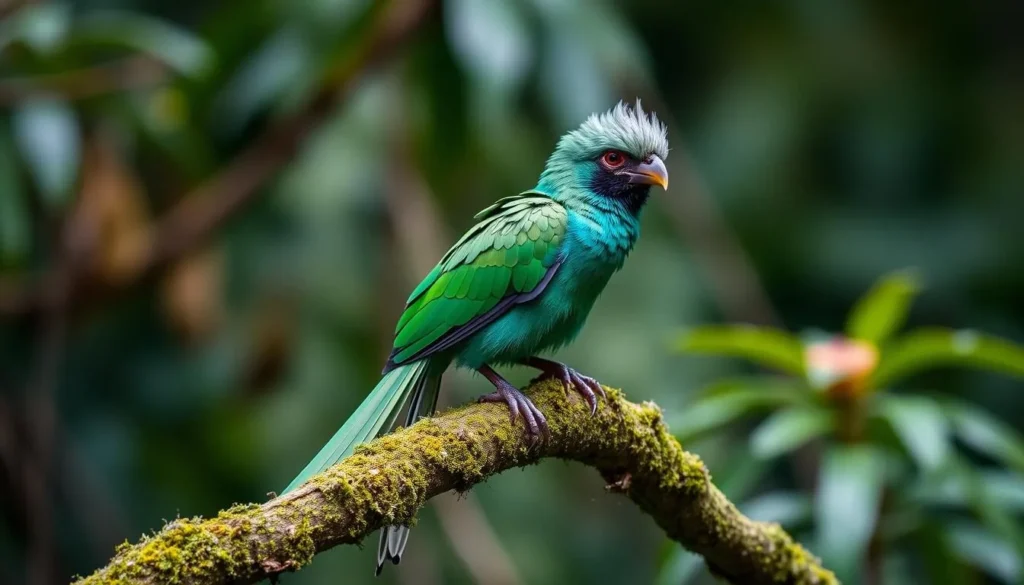
Specialized bird-watching tours are available with guides who know the best spots and can identify species by both sight and sound. These tours typically start before dawn to maximize sightings.
3. Waterfall Exploration
Several stunning waterfalls are hidden within the park’s boundaries. The most accessible is Cascada El Salto, a 25-meter (82-foot) waterfall with a refreshing natural pool at its base—perfect for cooling off after a hike.
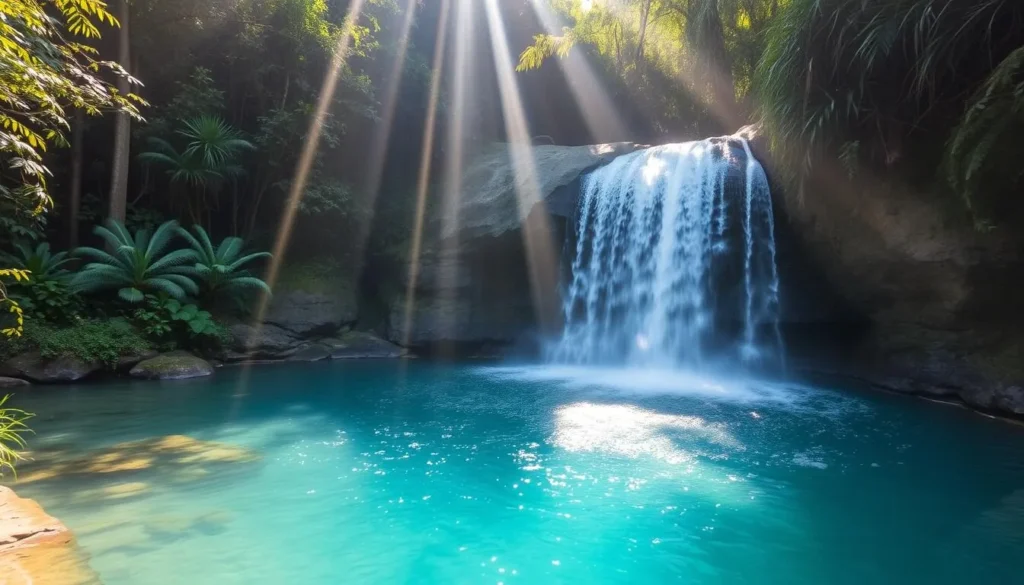
Other waterfalls require longer hikes but reward visitors with secluded natural beauty. Your guide can recommend which falls to visit based on your fitness level and available time.
4. Wildlife Viewing
Beyond birds, Pico Pijol is home to a variety of mammals, reptiles, and amphibians. Keep your eyes peeled for:
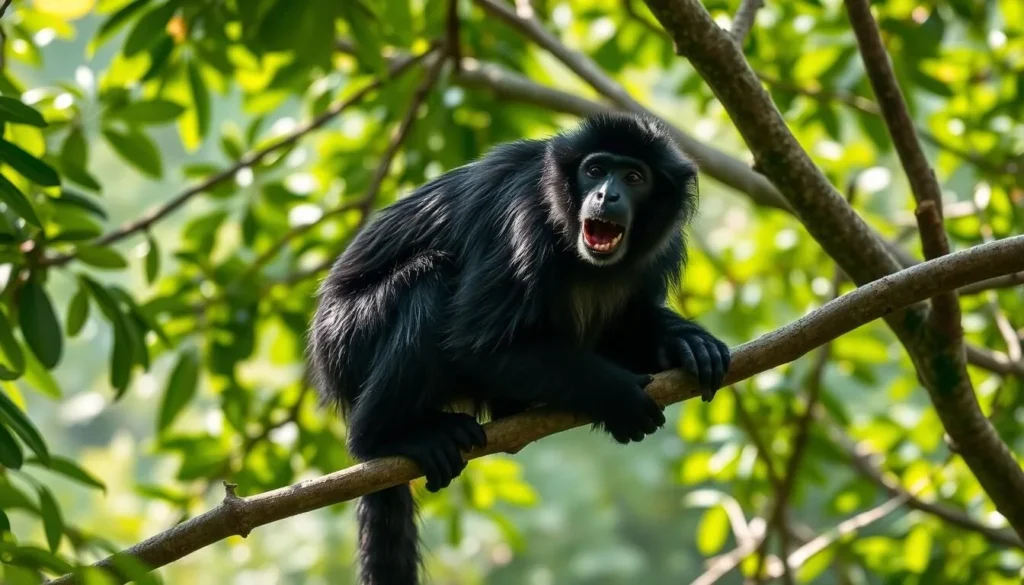
- Howler and spider monkeys swinging through the canopy
- White-tailed deer in forest clearings
- Coatimundis foraging along the forest floor
- Colorful frogs and salamanders near water sources
- Butterflies, including the blue morpho and many other species
Dawn and dusk offer the best wildlife viewing opportunities. Move quietly and wear earth-toned clothing to increase your chances of spotting animals.
5. Photography
The diverse landscapes, flora, and fauna of Pico Pijol make it a photographer’s dream. Bring a good camera with weather protection, as misty conditions are common in the cloud forest. A zoom lens is essential for wildlife photography, while a wide-angle lens captures the majestic landscapes.
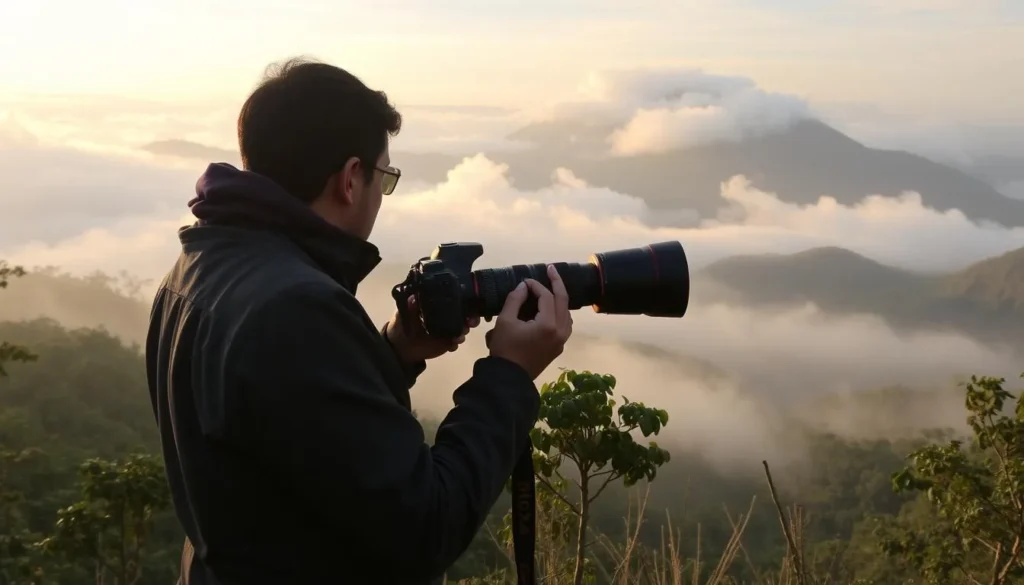
Consider bringing a tripod for low-light conditions in the forest and a polarizing filter to reduce glare and enhance colors, especially when photographing waterfalls.
Hiking Trails in Pico Pijol National Park
The park features several well-maintained trails that showcase different aspects of this cloud forest ecosystem. Each trail offers unique experiences and varying levels of difficulty.
| Trail Name | Distance | Difficulty | Duration | Highlights |
| Summit Trail | 8 km (5 miles) | Difficult | 5-6 hours | Panoramic views, cloud forest, wildlife |
| Waterfall Loop | 4 km (2.5 miles) | Moderate | 2-3 hours | Multiple waterfalls, swimming opportunities |
| Bird Watcher’s Path | 3 km (1.9 miles) | Easy | 1-2 hours | Bird watching platforms, gentle terrain |
| River Trail | 5 km (3.1 miles) | Moderate | 3 hours | River crossings, valley views, orchids |
Safety Note: Always hike with a guide in Pico Pijol National Park. The weather can change rapidly, and trails can become difficult to navigate, especially in misty conditions. Guides ensure your safety and enhance your experience with their knowledge of the area.
Flora and Fauna of Pico Pijol
The cloud forest ecosystem of Pico Pijol National Park supports an incredible diversity of plant and animal life. Many species found here are endemic to Central American cloud forests, making this a unique biological treasure.
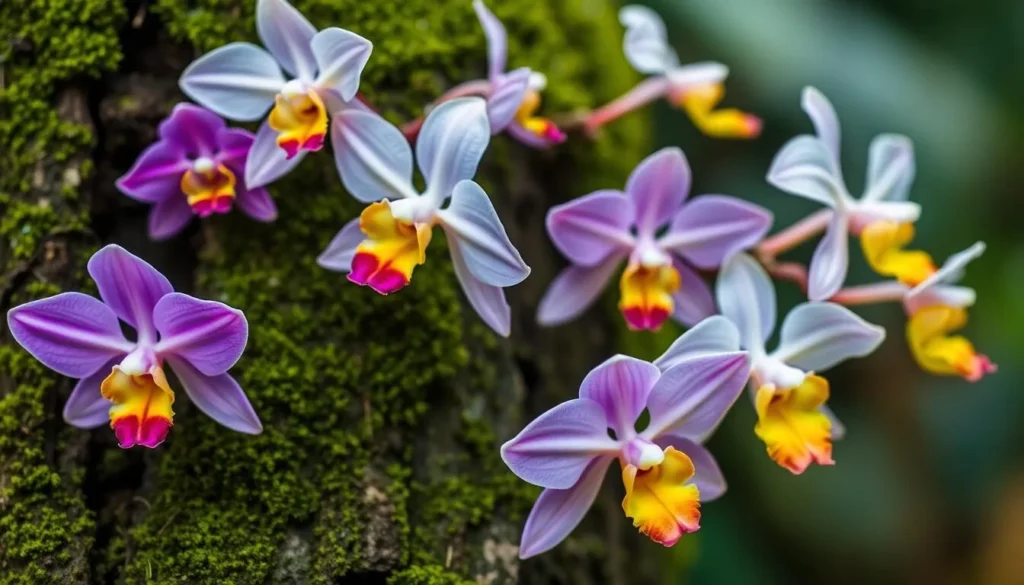
Plant Life
The park is home to over 1,000 plant species, including:
- Orchids: More than 200 species, many found nowhere else on Earth
- Bromeliads: These air plants create miniature ecosystems in the canopy
- Ferns: Ancient plants that thrive in the moist conditions
- Mosses and Lichens: Covering trees and rocks, creating the characteristic look of the cloud forest
- Hardwood Trees: Including oak, liquidambar, and pine at various elevations
Wildlife
The park’s varied habitats support a rich diversity of animal life:
Birds
- Resplendent Quetzal
- Highland Guan
- Emerald Toucanet
- Scarlet Macaw
- Various hummingbird species
Mammals
- Howler and Spider Monkeys
- Ocelot
- Margay
- White-tailed Deer
- Coatimundi
The park also hosts numerous reptiles, amphibians, and insects, including colorful frogs, lizards, and butterflies that add to the vibrant biodiversity of this special ecosystem.
Practical Travel Tips for Visiting Pico Pijol
Planning ahead will help ensure a smooth and enjoyable visit to this remote natural paradise. Here are some essential tips to prepare for your journey.
What to Pack
- Hiking boots: Waterproof with good ankle support
- Rain gear: Even in the dry season, cloud forests are wet environments
- Layers: Temperatures can vary significantly between day and night
- Insect repellent: Preferably containing DEET for effective protection
- Binoculars: Essential for bird watching and wildlife spotting
- Water bottle and purification tablets: Stay hydrated safely
- First aid kit: Include basic medications and blister treatment
- Headlamp or flashlight: For early morning starts or emergencies
Health and Safety
While Pico Pijol National Park is generally safe for visitors, it’s important to take standard precautions:
- Consult your doctor about vaccinations before traveling to Honduras
- Purchase comprehensive travel insurance that covers emergency evacuation
- Inform someone of your hiking plans, especially if exploring independently
- Drink only purified or bottled water
- Apply sunscreen even on cloudy days (UV exposure can be high at elevation)
Entrance Fees and Permits
Visitors to Pico Pijol National Park must pay an entrance fee that helps support conservation efforts:
- Adults: 200 Lempiras (approximately $8 USD)
- Children (under 12): 100 Lempiras (approximately $4 USD)
- Additional camera fee: 50 Lempiras (approximately $2 USD)
No advance permits are required, but it’s recommended to hire a local guide, which can be arranged through your accommodation or at the park entrance.
Local Culture and Communities
The areas surrounding Pico Pijol National Park are home to traditional Honduran communities that maintain strong connections to the land. Engaging with these communities adds a valuable cultural dimension to your natural experience.
Nearby Villages
Several small villages near the park offer opportunities to experience authentic Honduran rural life. The town of Yoro itself hosts an annual “Rain of Fish” festival celebrating the unusual natural phenomenon where fish reportedly fall from the sky during heavy rainstorms.
Local Cuisine
Don’t miss the chance to sample traditional Honduran dishes in local restaurants and homes:
- Baleadas: Flour tortillas filled with beans, cream, and cheese
- Catrachas: Fried corn tortillas topped with beans and cheese
- Sopa de Mondongo: Traditional tripe soup with vegetables
- Yuca con Chicharrón: Cassava with fried pork
- Atol de Elote: Sweet corn drink
Many local families offer home-cooked meals for visitors, providing an authentic taste of Honduran hospitality and cuisine.
Supporting Local Communities
Your visit can positively impact local communities when you:
- Hire local guides and drivers
- Purchase handicrafts directly from artisans
- Stay in locally owned accommodations
- Eat at family-run restaurants
- Respect local customs and traditions
These choices not only enhance your experience but also help ensure that tourism benefits the people who call this region home.
Conservation and Sustainability
Pico Pijol National Park faces various conservation challenges, including deforestation, climate change, and limited resources for protection. As a visitor, you can contribute to preservation efforts and minimize your environmental impact.

Current Conservation Efforts
Several organizations work to protect Pico Pijol’s unique ecosystem:
- The Honduran Forest Conservation Institute (ICF) manages the park
- Local conservation groups conduct research and monitoring
- Community-based initiatives promote sustainable agriculture around the park
- International partnerships provide funding and technical support
Responsible Tourism Practices
Follow these guidelines to ensure your visit supports conservation:
- Stay on marked trails to prevent erosion and habitat disturbance
- Pack out all trash (there are limited waste facilities in the park)
- Avoid collecting plants, animals, or artifacts
- Maintain a respectful distance from wildlife
- Use biodegradable soap and sunscreen
- Support eco-friendly tour operators and accommodations
“Every visitor to Pico Pijol has the opportunity to become an ambassador for this unique ecosystem. By treading lightly and sharing your experience, you help ensure this natural treasure remains for future generations.”
Experience the Magic of Pico Pijol National Park
Pico Pijol National Park offers a rare opportunity to experience one of Central America’s most pristine cloud forest ecosystems. From challenging hikes to peaceful bird watching, from thundering waterfalls to misty mountain vistas, this hidden gem rewards those willing to venture off the beaten path.
The combination of natural wonders and authentic cultural experiences makes a visit to Pico Pijol truly unforgettable. By approaching your journey with respect for both the environment and local communities, you’ll not only create lasting memories but also contribute to the preservation of this special place for generations to come.





0 Comments